
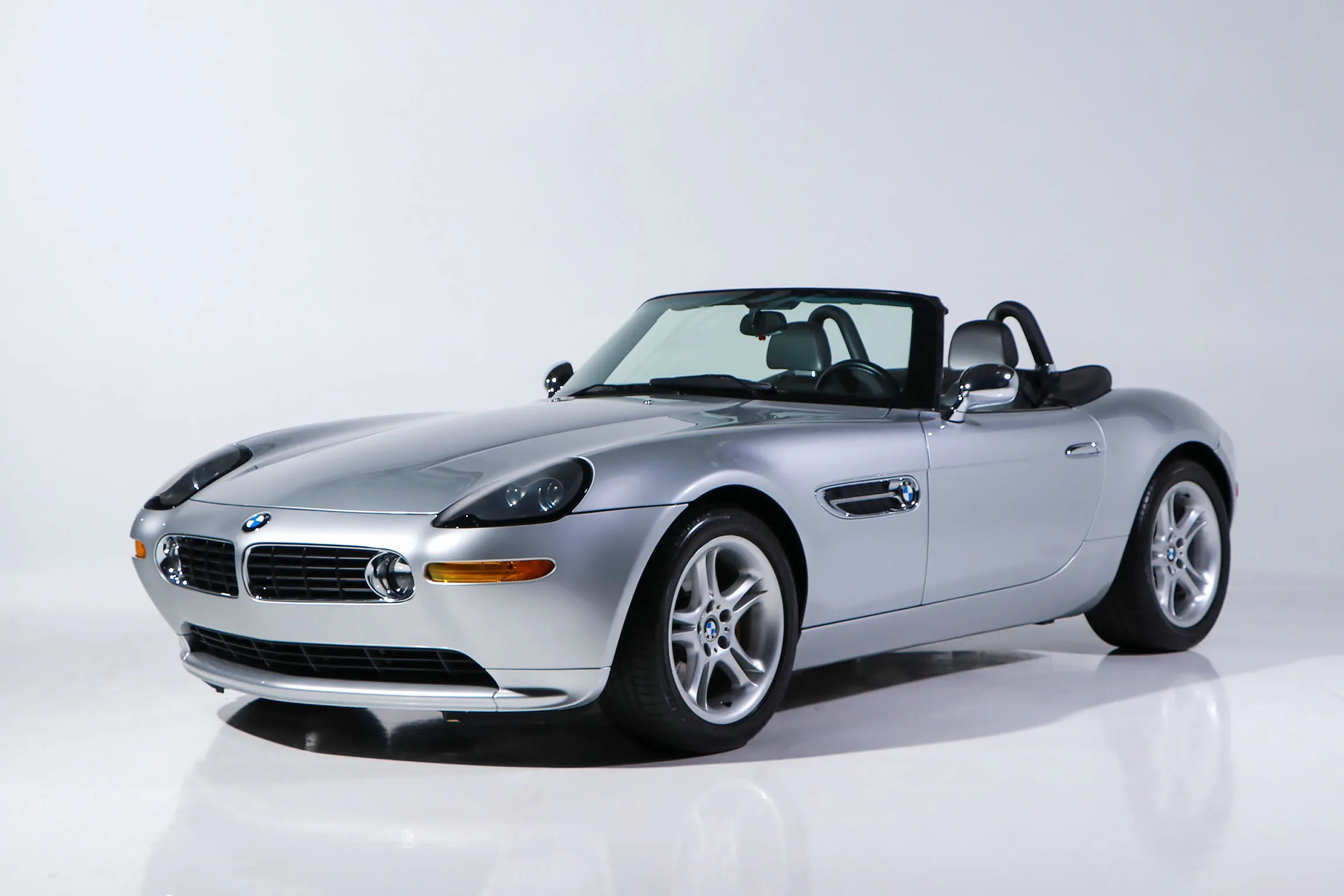
The BMW Z8, introduced in 1999, stands as a stunning tribute to BMW’s glorious heritage and design ingenuity—a modern interpretation of the iconic 1950s BMW 507, meticulously engineered for contemporary luxury and performance. Launched at the close of the millennium, the Z8 catapulted into public acclaim as James Bond’s vehicle of choice in the film “The World Is Not Enough,” instantly cementing its place in popular culture and automotive history.
Design, Construction, and Aesthetic Heritage
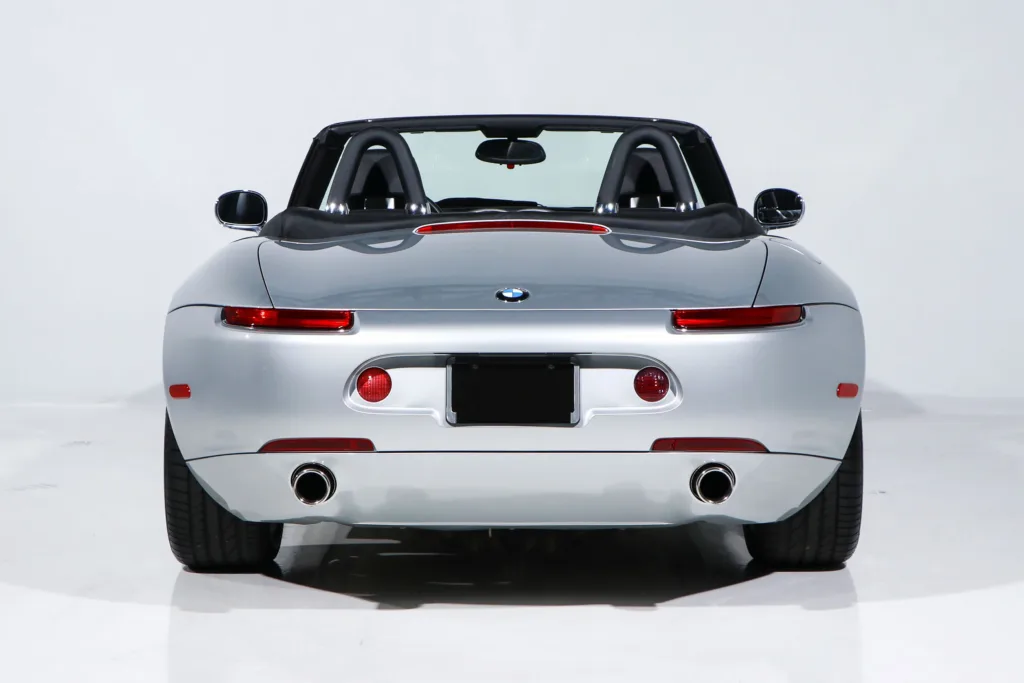
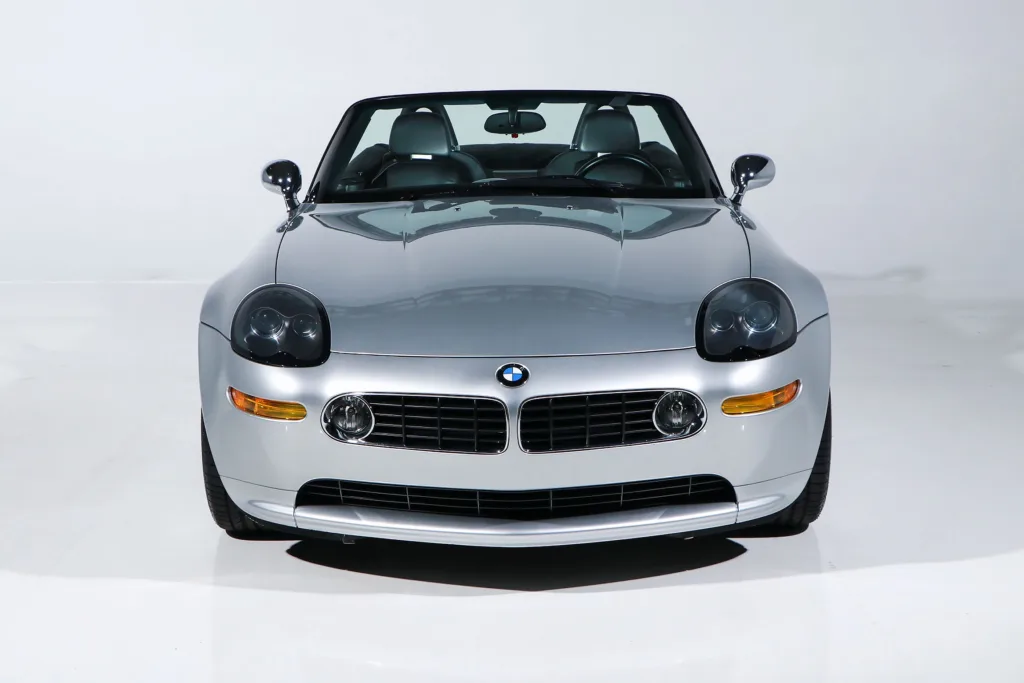
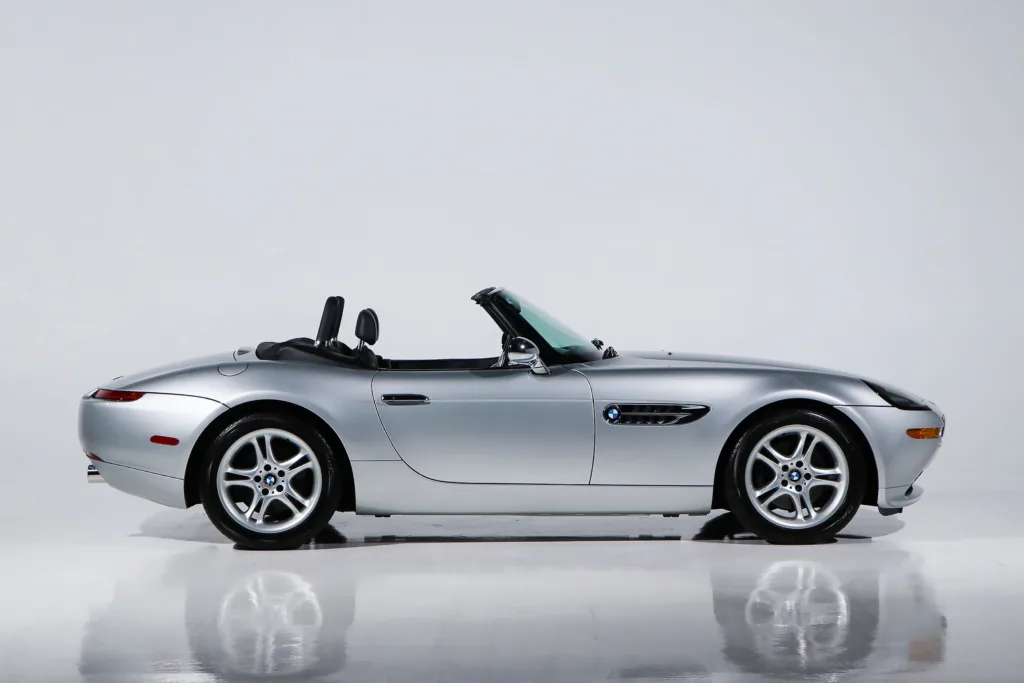
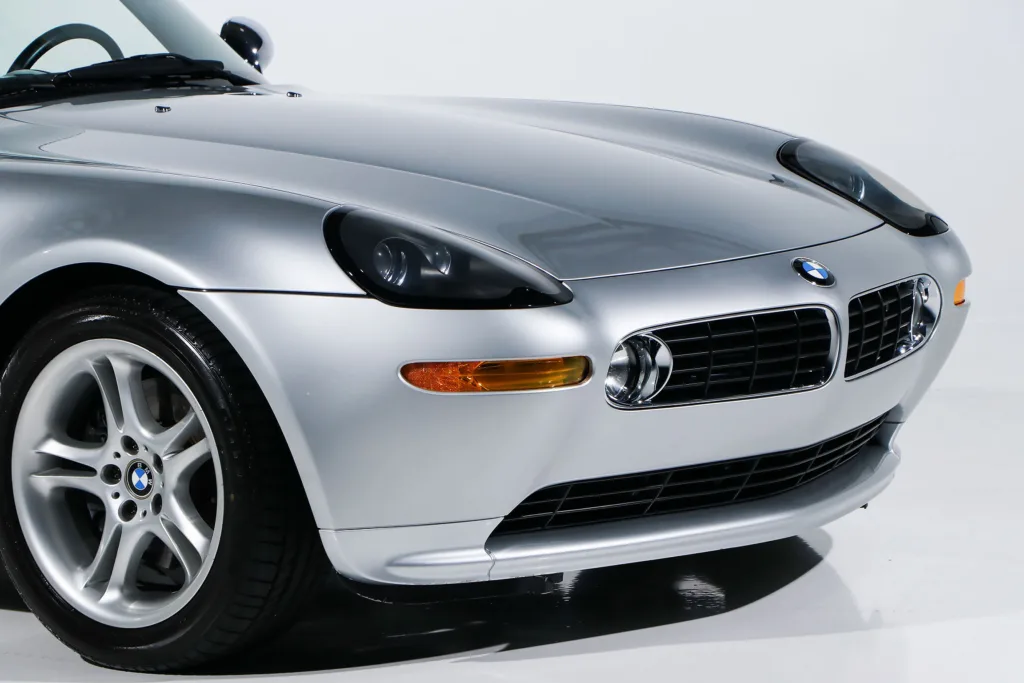
BMW positioned the Z8 as more than just a mass-produced convertible; it was conceived as a flagship model, uncompromising in technology and craftsmanship. Lead designer Henrik Fisker drew heavily from the 507’s timeless lines, combining a classic long-hood/short-deck silhouette with contemporary retro-modernism. The Z8’s clean contours, prominent kidney grille, and streamlined proportions recall 1950s elegance, while advanced manufacturing sets it apart from other luxury sports cars of its era.
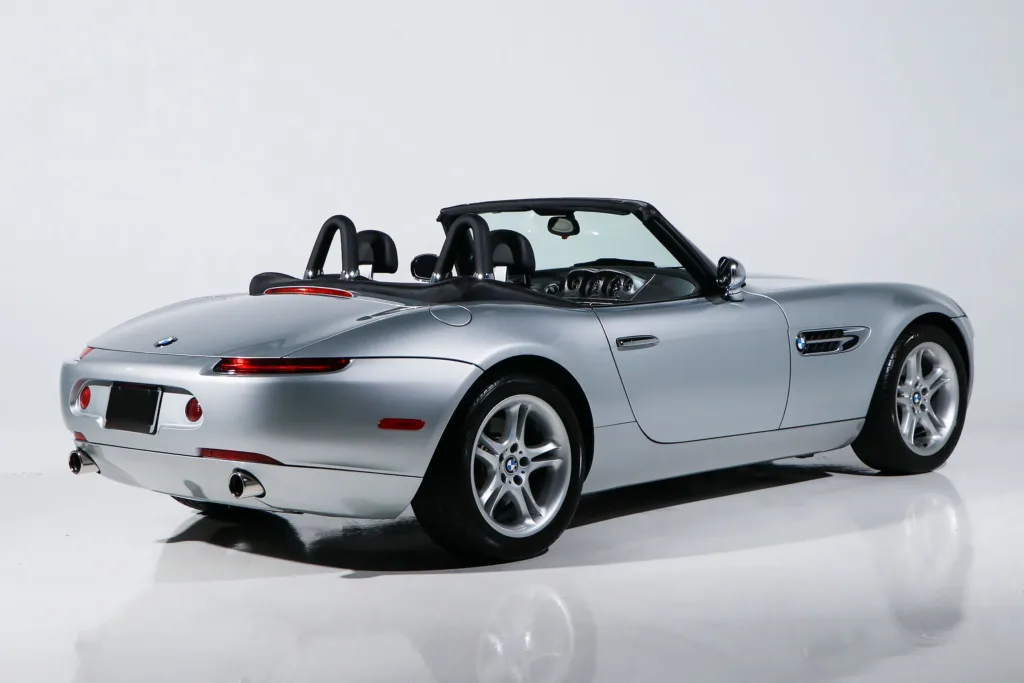
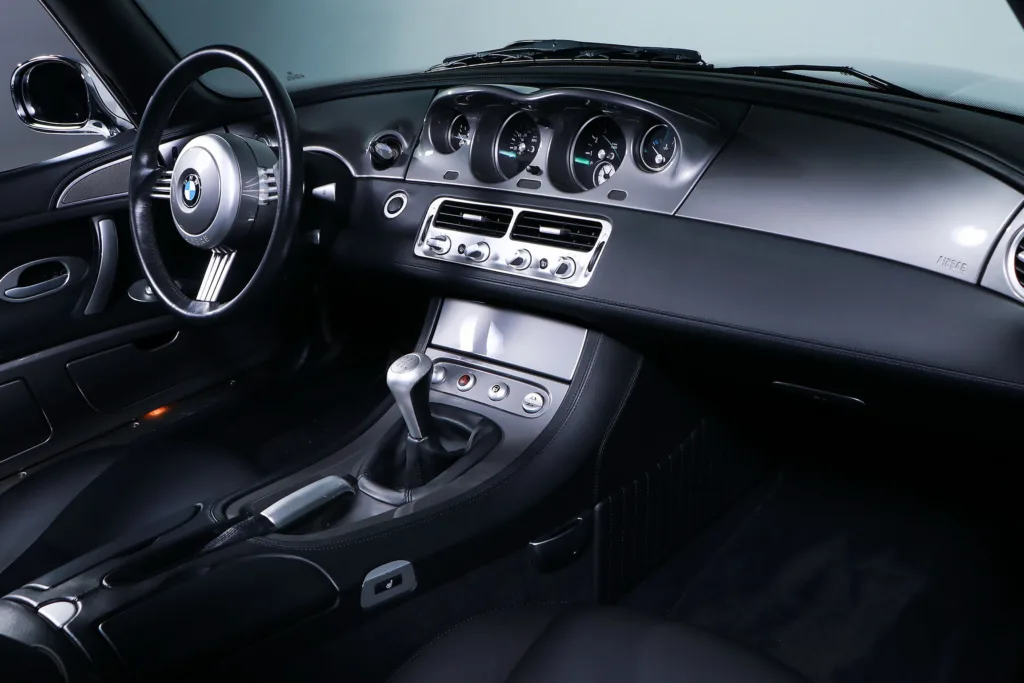
The body was constructed using an innovative aluminum space frame paired with aluminum panels, a technique that balanced high rigidity with lightweight performance. This sophisticated approach enabled the Z8 to achieve both structural integrity and reduced mass, critical for handling and acceleration. Its power-operated soft top preserved the open-air spirit, and the interior continued the retro theme with composite panels referencing the metallic finishes of the original 507. A centrally mounted instrument cluster—another nod to the classic roadster—was complemented by lavish leather upholstery and meticulously crafted details, creating an environment of pure luxury and nostalgia.
Performance and Technical Specifications
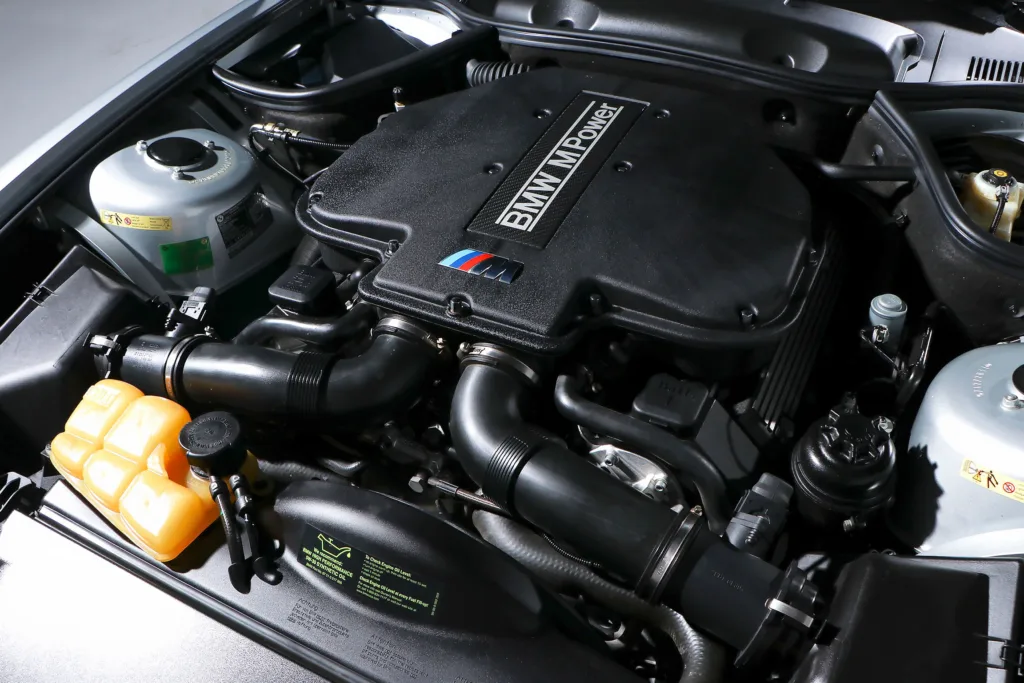
Under the hood, the Z8 boasted a formidable 4.9-liter V8 engine shared with the celebrated BMW E39 M5. This powerplant delivered an impressive 400 hp and 499.8 Nm of torque, routed through a smooth-shifting 6-speed manual gearbox. The sophisticated suspension system featured MacPherson struts in the front and aluminum integral links in the rear, providing a harmonious blend of ride comfort, control, and sharp handling.
Weighing in at 1,630 kg—150 kg lighter than the M5—thanks to its aluminum architecture, the Z8 could rocket from 0 to 100 km/h in a blistering 4.7 seconds, making it the fastest BMW of its time. The lightweight construction, advanced suspension, and rear-wheel-drive layout delivered an exhilarating driving experience befitting the car’s exclusivity and sporting pedigree.
Rarity, Collectibility, and Lasting Impact
BMW always marketed the Z8 as a special, low-volume halo car, emphasizing quality over quantity. Only about 5,700 units were produced between 1999 and 2003, enhancing its desirability among collectors and enthusiasts. The Z8’s connection to pop culture, stunning retro-inspired design, and cutting-edge engineering have ensured its enduring legacy and a strong value trajectory on the collector car market.
As the spiritual successor to the legendary 507 and a testament to BMW’s innovation at the turn of the 21st century, the Z8 remains a prized classic—revered for its blend of historical homage, technological advancement, and connection to cinematic legend.

Functional Always active
Preferences
Statistics
Marketing