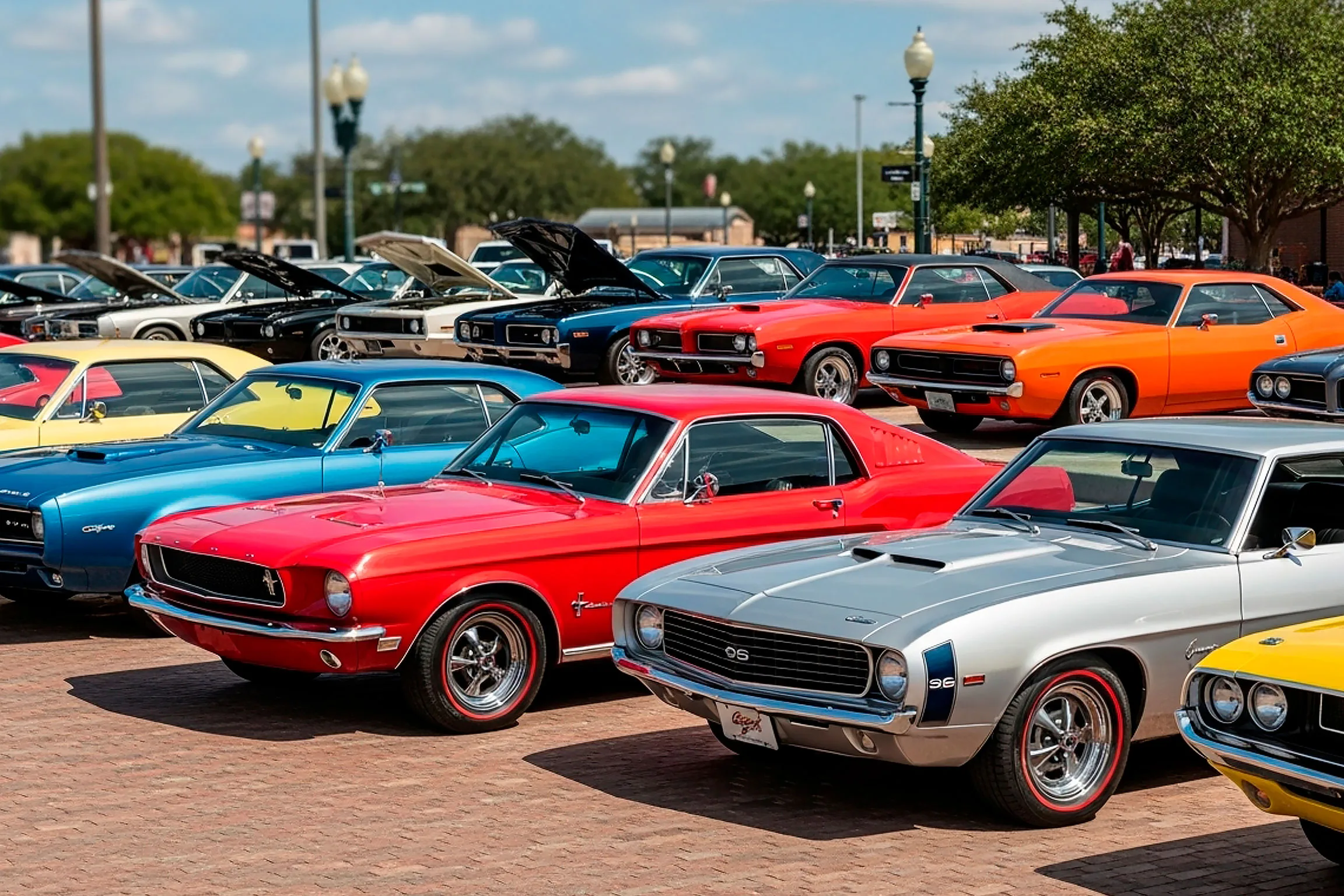
The pony car is a unique American automotive category that emerged in the 1960s, defined by its combination of style, performance, and accessibility. These cars are typically compact yet sporty two-door coupes or convertibles.
Characteristically, pony cars feature a long hood and a short rear deck, catering to buyers who wanted a balance between performance and practicality.
Designed to seat four passengers comfortably, these cars were built on widely shared, mass-produced platforms that made them affordable and customizable for a broad demographic. Unlike traditional muscle cars, which often featured larger, heavier bodies and bigger engines, pony cars focused on a sporty image combined with manageable engine sizes, offering exciting driving experiences at a more reasonable price. The idea was to appeal mainly to younger buyers seeking both style and versatility, which was a fresh approach during the early 1960s automotive market expansion.
Early Concepts and the Birth of the Segment
Before the official launch of pony cars, manufacturers experimented with designs blending sportiness and practicality. In the early 1960s, Ford explored the XT-Bird prototype, a two-seater combining a compact chassis with sporty styling, but rejected it for being too niche. The market need was identified for a four-seat car with flair, leading to the Ford Mustang’s development.
Interestingly, Plymouth introduced the Barracuda in April 1964, about two weeks ahead of the Mustang, using the compact Valiant platform but designed as a fastback coupe.
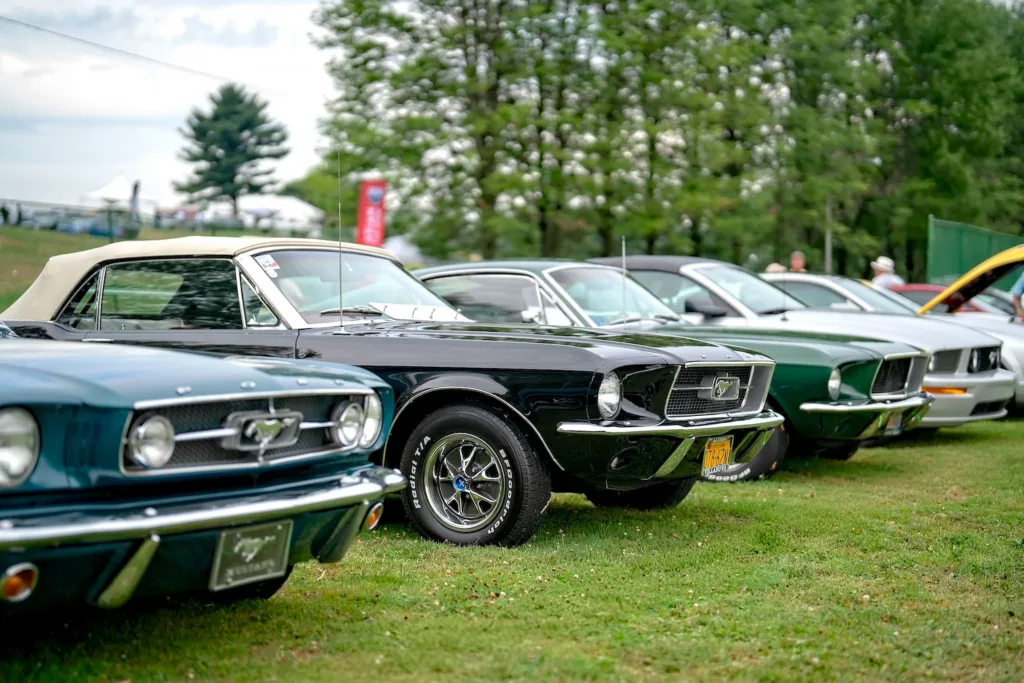
Shortly thereafter, Ford’s Mustang debuted in mid-April 1964, capturing unprecedented market attention with its unique long hood, short deck design and extensive customization options. The Mustang’s design and marketing strategy quickly set the blueprint for what pony cars would be, both in style and functionality.
Distinctive American Pony Cars with Production Years and Unique Highlights
- Ford Mustang (1964–present): Kicked off the pony car genre with a highly successful launch in 1964. Its affordable price, multiple engine options starting from a base six-cylinder to powerful V8s, and performance variants like the Shelby GT350 led to lasting popularity and established the pony car’s iconic status.

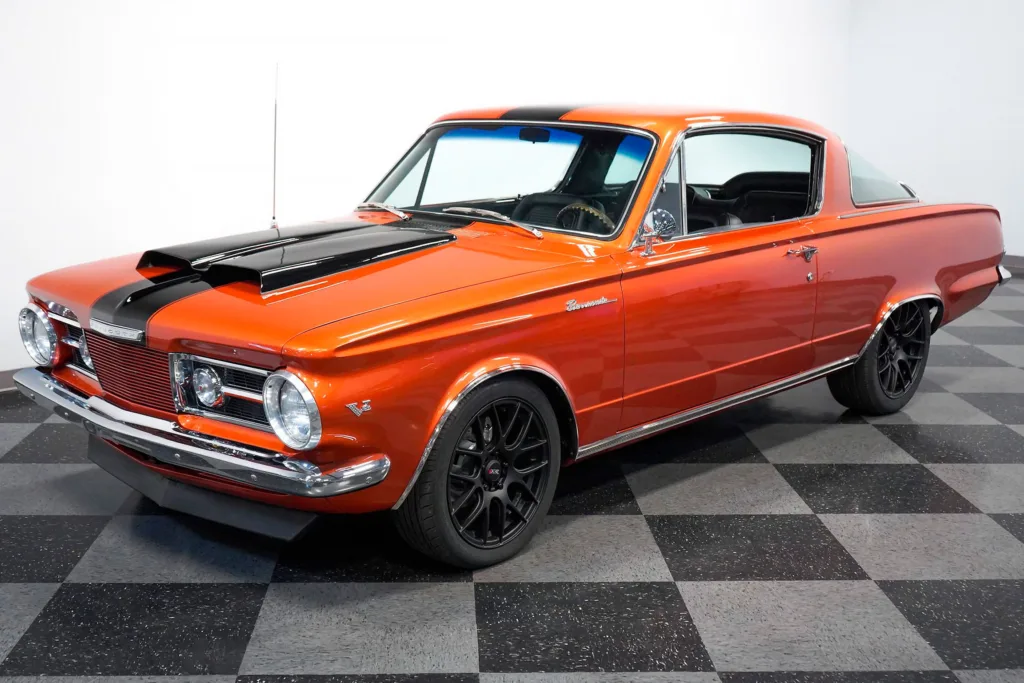
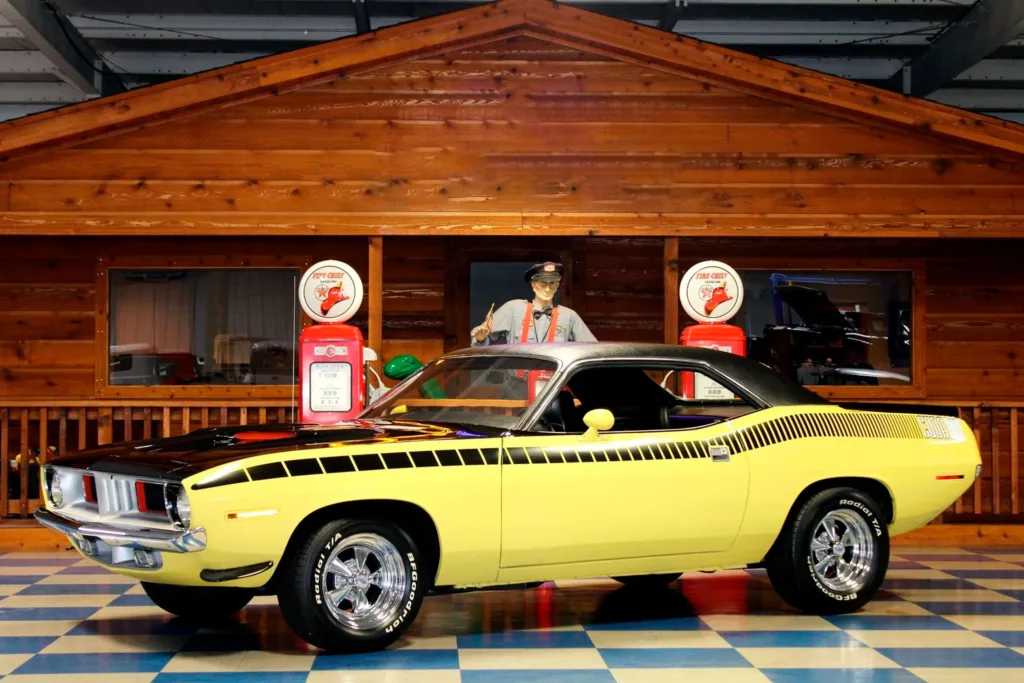
- Plymouth Barracuda (1964–1974): Notably the very first pony car on the market, it sported a fastback design derived from the Plymouth Valiant but was less flexible in customization than the Mustang. It evolved into a muscle-pony hybrid with its ’Cuda performance models in the ’70s.
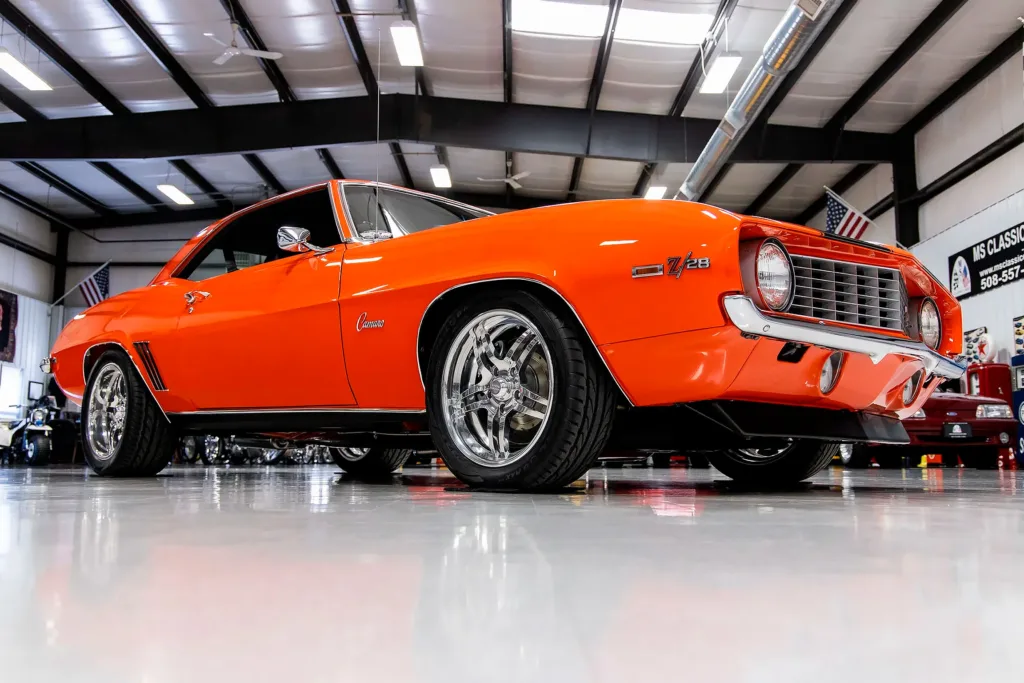
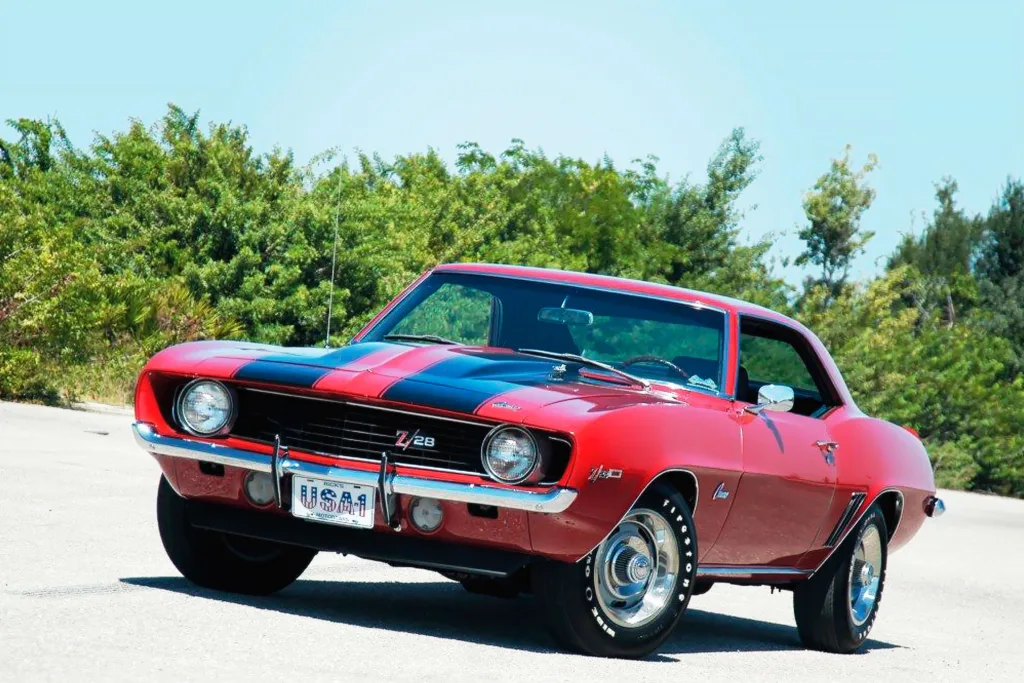
- Chevrolet Camaro (1967–present): Chevrolet’s official answer to the Mustang, introduced in 1967 with aggressive styling and performance trims like the Z28, which dominated Trans-Am racing series, cementing its role in pony car lore.
- Pontiac Firebird (1967–2002): Shared the Camaro’s platform but distinguished itself through styling and limited editions like the Trans Am, known for blending pony car agility with muscle car power.

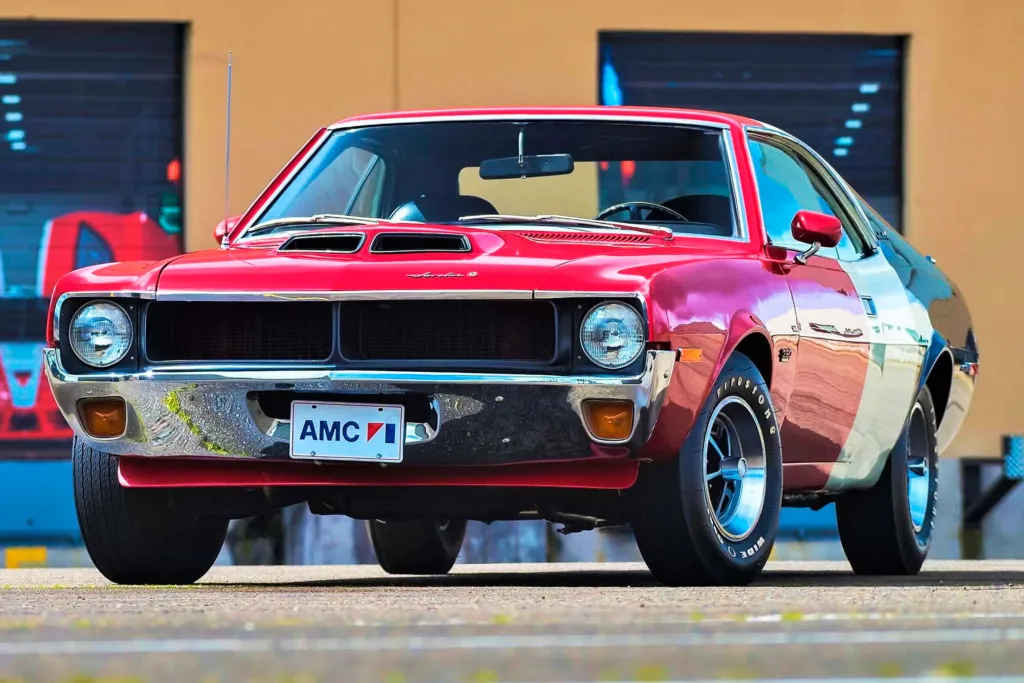
- AMC Javelin (1968–1974): An entrant from American Motors promising spacious interiors and stylish fastback lines, the Javelin was AMC’s attempt to partake compellingly in the pony car market.
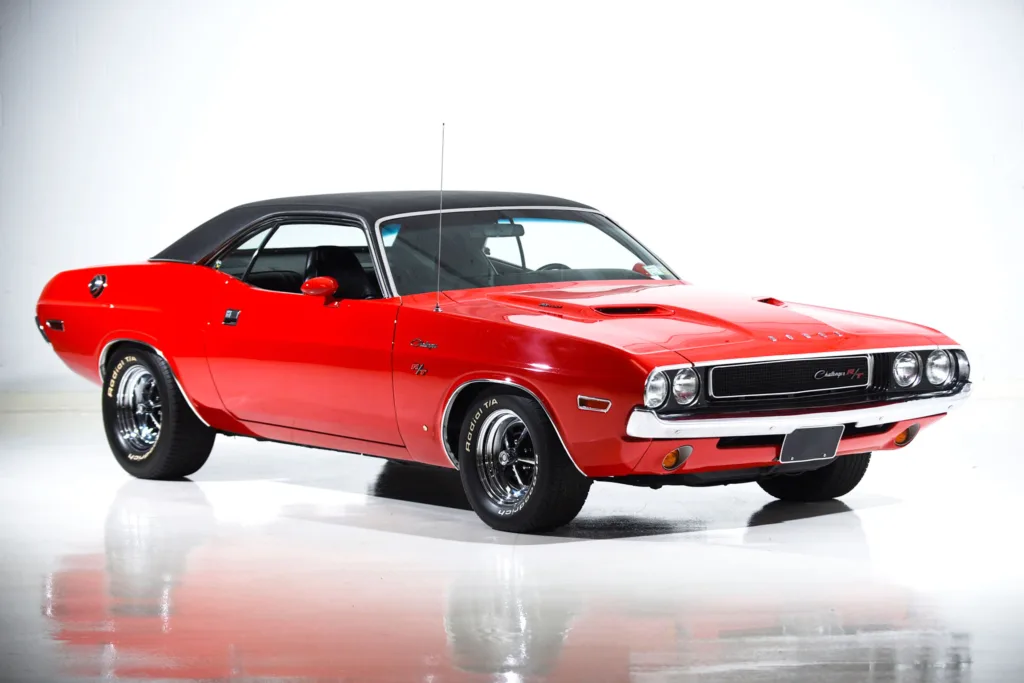
- Dodge Challenger (1970–present, albeit with production gaps): Dodge’s pony car/muscle car crossover with bold styling and a focus on high-performance V8 engines, notable for blending raw power with pony car aesthetics.
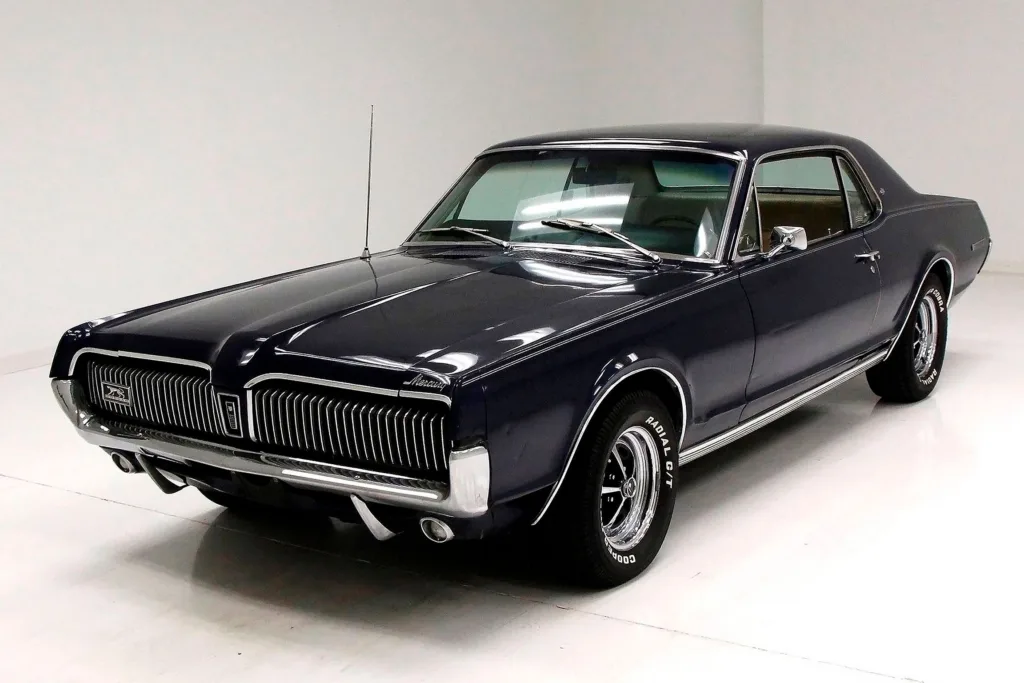
- Mercury Cougar (1967–1997): Positioned by Ford as the more upscale and luxurious variant of the Mustang, targeting buyers who wanted sportiness paired with refinement and premium features.
The Pony Car in American Culture and Market Evolution
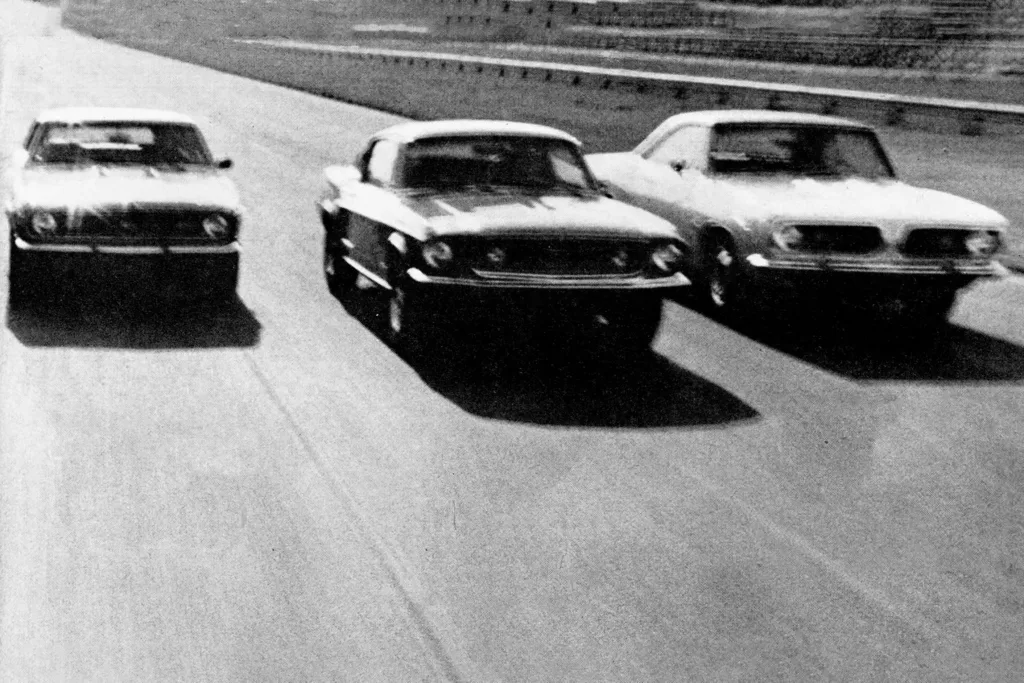
Pony cars captured American youth culture’s spirit during the 1960s, offering attainable performance, style, and personalization. Manufacturers used racing programs like the SCCA Trans-Am to promote their pony cars’ capabilities, escalating the “Pony Car Wars” where innovation and performance upgrades became intensively competitive. This fierce rivalry led to special editions tailored for racing and street performance—for example, the Shelby Mustang GT variants and Camaro Z28s with high-revving V8s.
However, the 1970s brought challenges like the oil crisis and rising insurance costs, which shifted focus to fuel economy and downsized powertrains. Despite these hurdles, pony cars adapted with new smaller engines and remained relevant. In more recent decades, pony cars like the Mustang and Camaro have seen revivals, mixing modern technology with classic design cues, continuing their legacy as symbols of American automotive enthusiasm.
Defining Characteristics of Pony Cars
- Compact, sporty two-door coupe or convertible format
- Long hood paired with a short rear deck for a dynamic silhouette
- Four-passenger seating promoting versatility
- Rear-wheel-drive platforms for engaging driving dynamics
- Range of engine options from economical six-cylinders to powerful V8s
- Broad affordability and customization options appealing to younger buyers
- Strong ties to American car culture, motorsports, and personal expression
American Pony Cars remain an enduring symbol of style, performance, and innovation within automotive history.
They revolutionized the industry by combining affordability with exciting design and spirited driving, creating a cultural phenomenon that still thrives among enthusiasts and modern automakers today.