
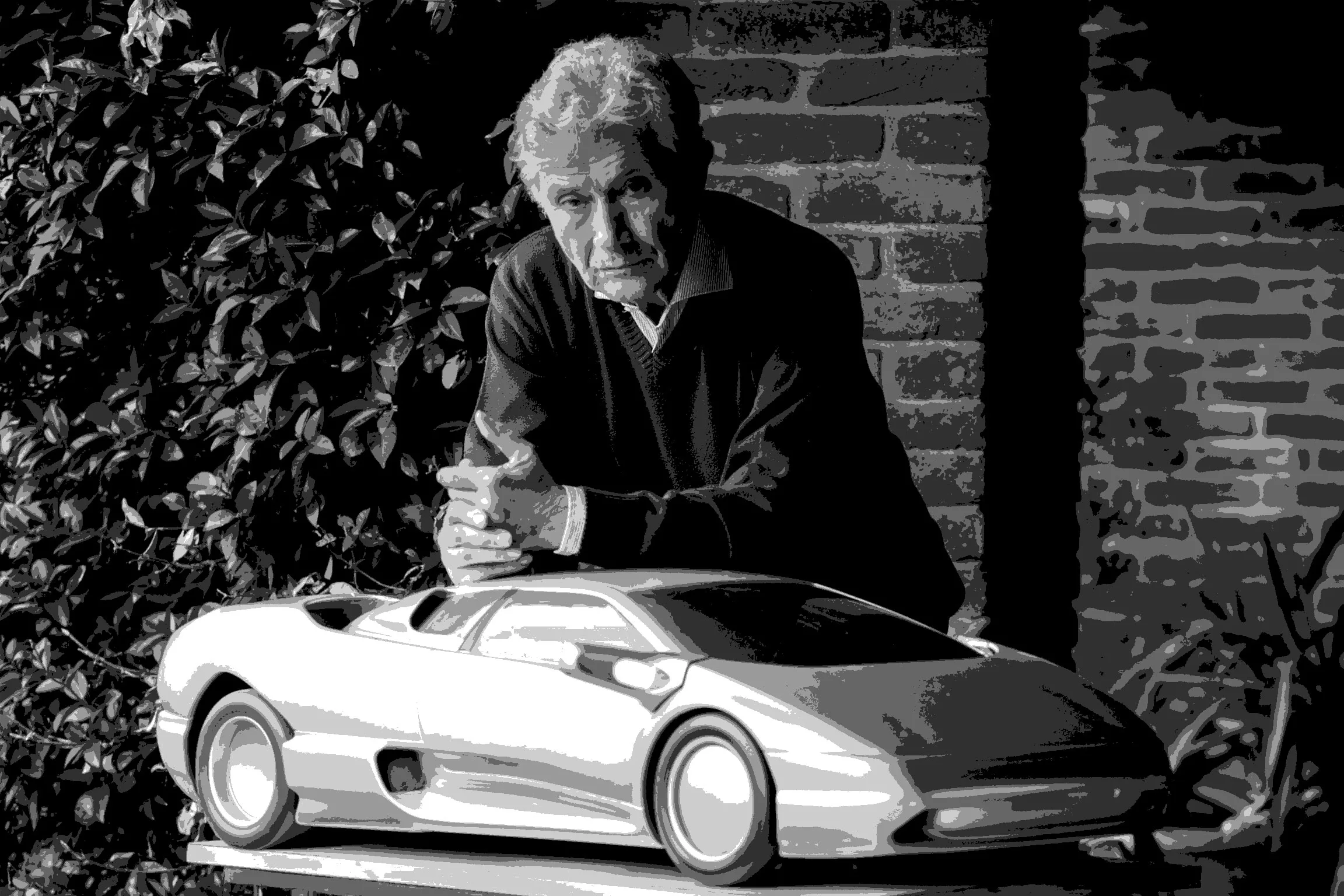
Marcello Gandini is an Italian automotive design icon, born on August 26, 1938, in Turin. Remarkably, he is part of an influential design cohort that includes fellow Turinese masters Giorgetto Giugiaro and Leonardo Fioravanti, all of whom were born within months of each other in the same pivotal year.
Gandini’s professional ascent began in 1965 when he assumed the prestigious role of Chief Designer at the renowned design house Bertone. This occurred after his contemporary, Giorgetto Giugiaro, departed for rival studio Ghia.
Gandini’s tenure at Bertone, which lasted until 1980, stands as the most defining and influential period of his career, during which he redefined the aesthetics of the modern supercar.
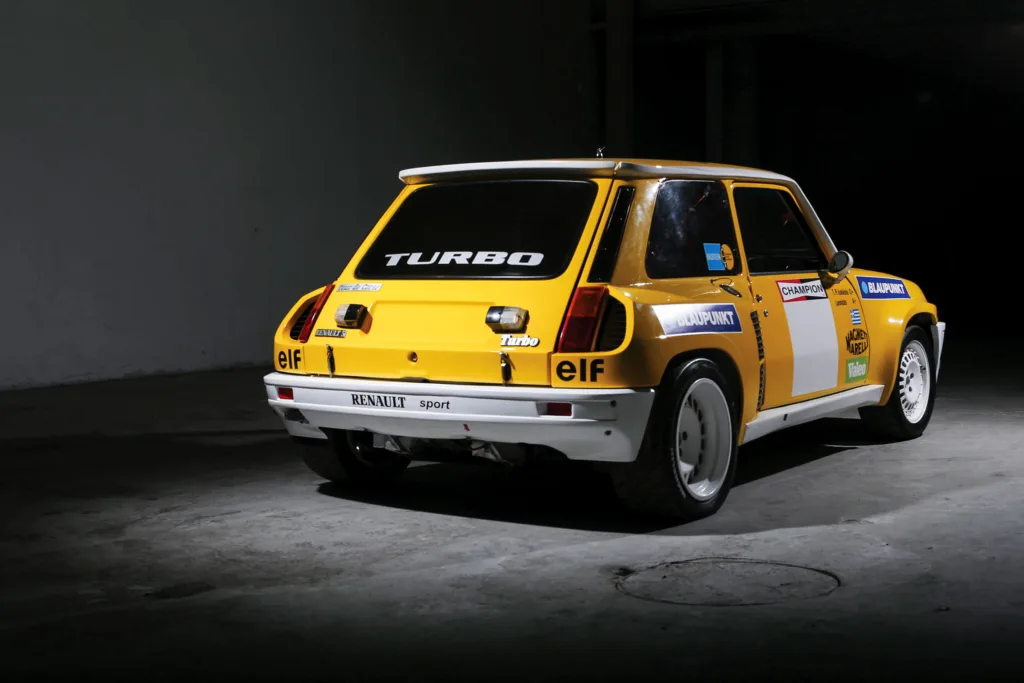
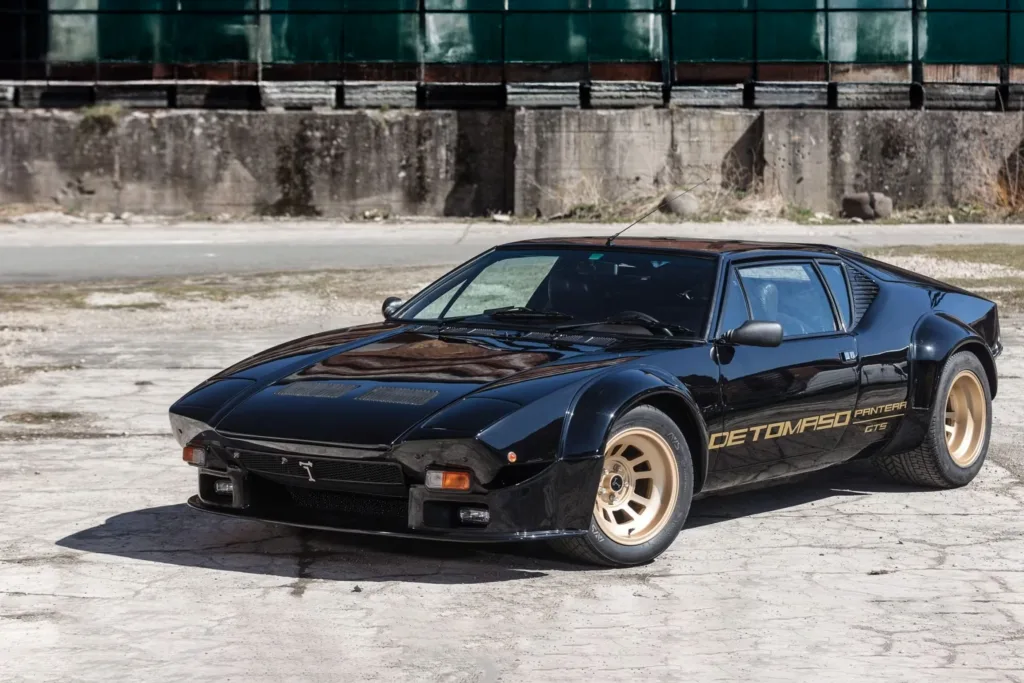
His extensive résumé features collaborations with nearly every major European automaker, underscoring his versatility. His client list spans Alfa Romeo, BMW, Bugatti, Cizeta, Citroën, De Tomaso, Ferrari/Dino, Fiat, Iso Rivolta, Lamborghini, Lancia, Maserati, and Renault.
Iconic Supercars and Design Innovation
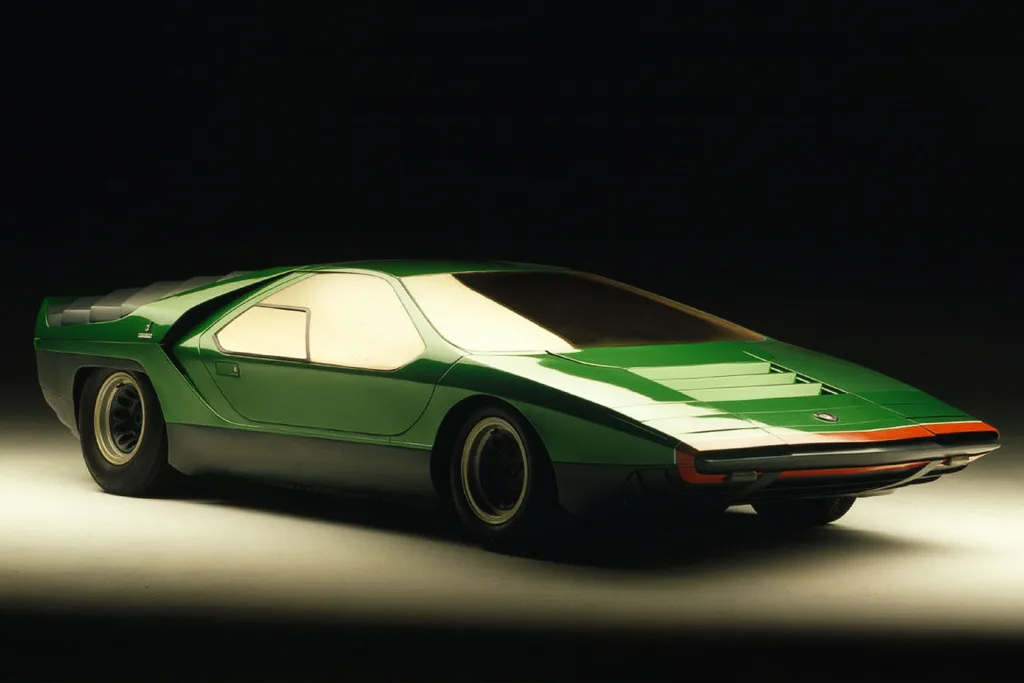
Gandini is globally celebrated for pioneering the instantly recognizable Scissor Doors (colloquially termed “Lambo doors”). This innovative concept, first fully realized on the dramatic 1968 Alfa Romeo 33 Carabo prototype, cemented his status as a founding architect of the contemporary, performance-driven Italian aesthetic.
During his prolific time at Bertone, Gandini was responsible for shaping two of the most stylistically contrasting yet era-defining supercars for Lamborghini:
- Lamborghini Miura (1966): An early design often credited to Gandini, though Giugiaro also contributed, known for its elegant, sensual, and fluid bodywork.
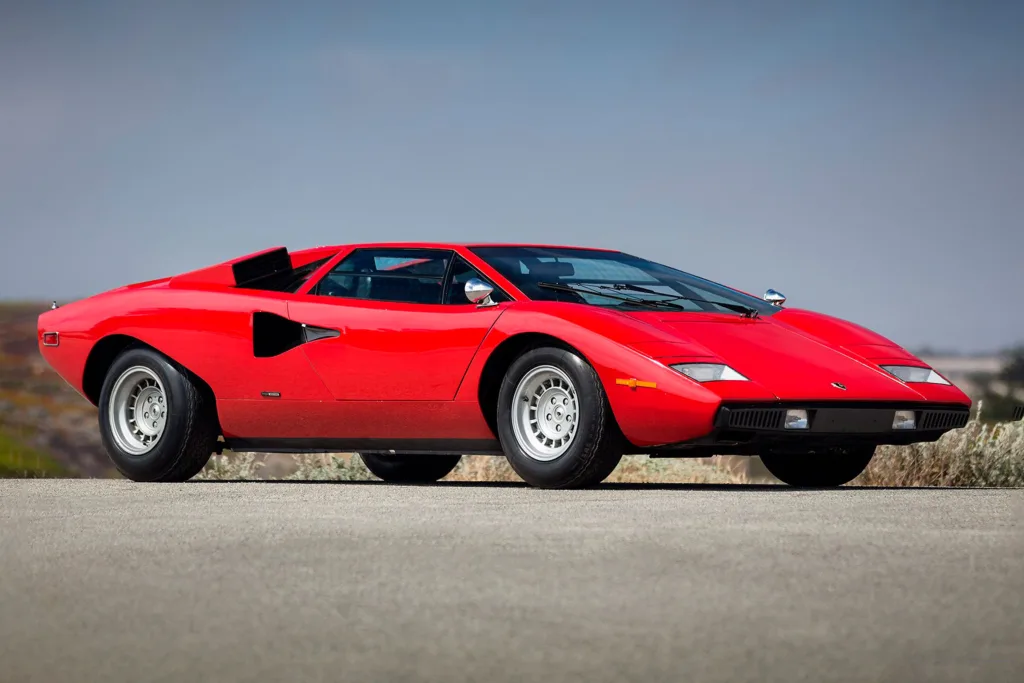
- Lamborghini Countach (1974): The definitive wedge-shaped supercar, characterized by its starkly sharp, angular lines and aggressive, cab-forward stance.
The sheer stylistic difference between the Miura and the Countach, executed by the same designer for the same brand, perfectly encapsulates Gandini’s radical design range.
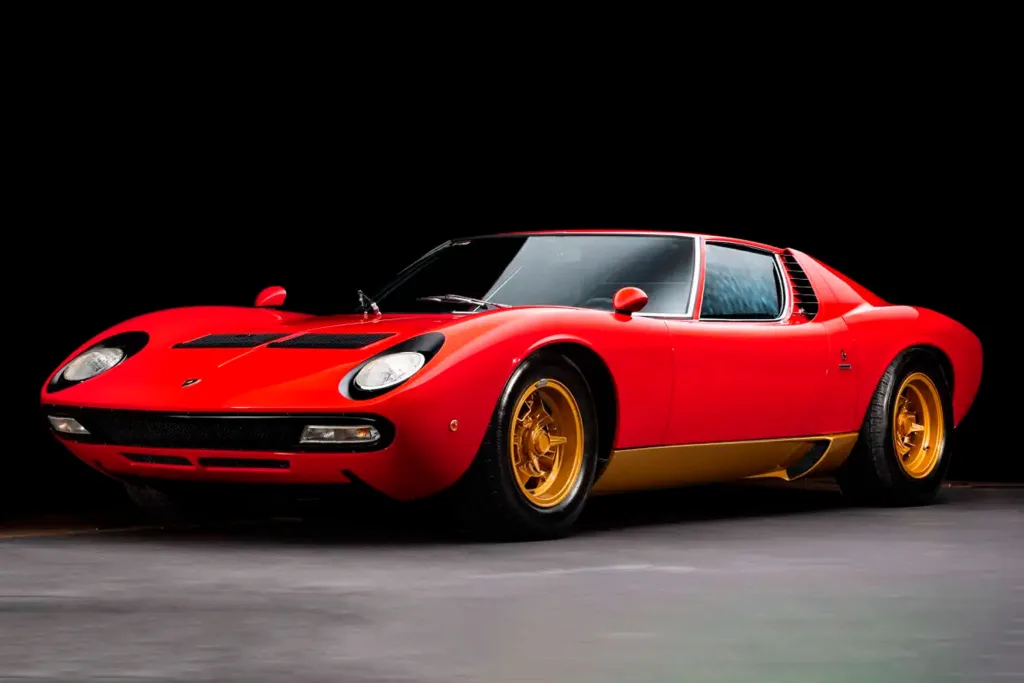
He himself indicated in a 2009 interview that his focus transcends mere aesthetics; his primary design interests lie in automotive architecture, structural assembly, and the mechanics that underpin the vehicle.
Rally Legend and Unexpected Hits
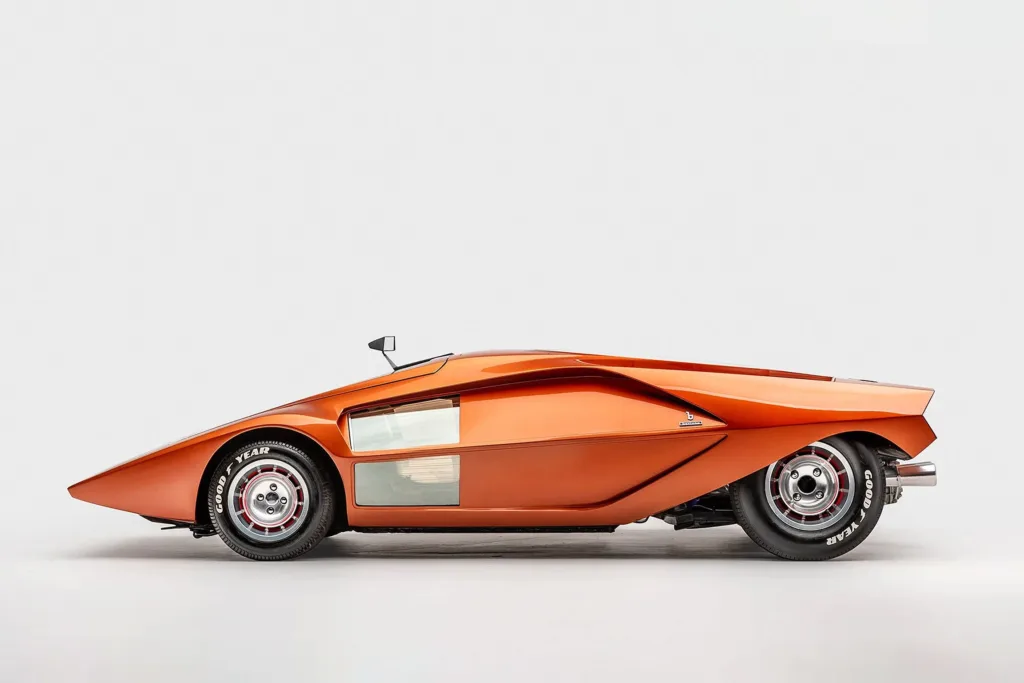
The Lancia Stratos is indisputably one of Gandini’s most famous and highly coveted works. The project began with the extreme Stratos Zero concept unveiled in Turin in 1970.
This concept’s futuristic, ultra-low wedge profile became a visual spectacle, famously featured in the 1988 Michael Jackson film Moonwalker.
While the subsequent serial production and rally versions of the Stratos adopted a more conventional chassis, the car’s rally version dominated the World Rally Championship throughout the 1970s.
After leaving Bertone in 1980, Gandini transitioned to independent design consultation, encompassing automobiles, architecture, and industrial projects, including the Heli-Sport CH-7 helicopter.
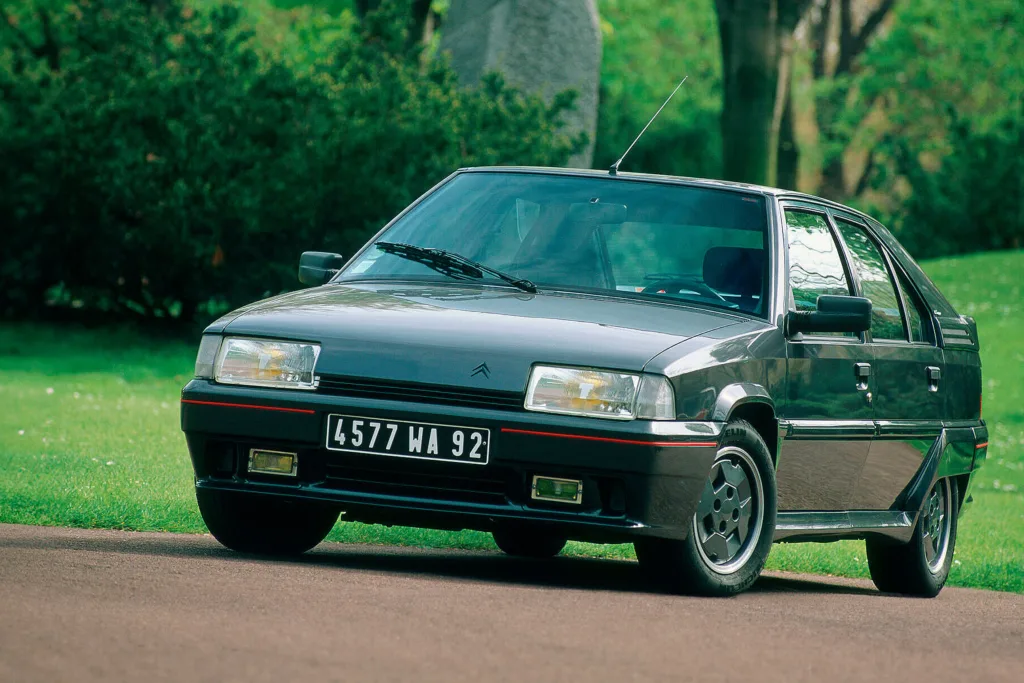
His successful mass-market designs include the immensely popular Renault Supercinq (the second-generation Renault 5) and the intriguing Citroën BX.
The BX, produced over 12 years with nearly 2.5 million units sold, stood out as one of the most mechanically and aesthetically unconventional family cars ever created, perfectly embodying the unique design traits favored by Citroën.
Lasting Legacy and Modern Influence
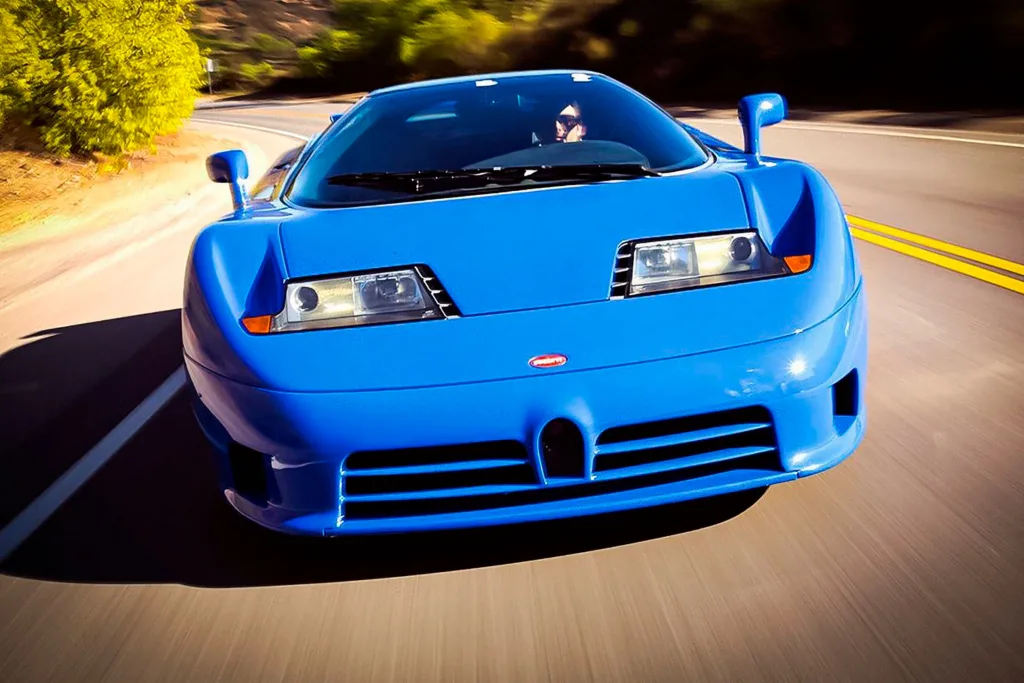
Gandini’s influence persisted well into the 1990s with later supercar designs like the Lamborghini Diablo and the Bugatti EB110 (which he revised after an early design by Giugiaro’s Italdesign).
The EB110 remains a technical marvel, still ranked among the fastest production vehicles ever conceived.
In recent years, the energetic designer has maintained his relevance by actively collaborating with emerging automakers, notably the Indian industrial giant Tata Motors. Marcello Gandini remains justly celebrated as one of the world’s few true design authorities who fundamentally reshaped the architecture and visual vocabulary of the global automotive landscape.


Functional Always active
Preferences
Statistics
Marketing