
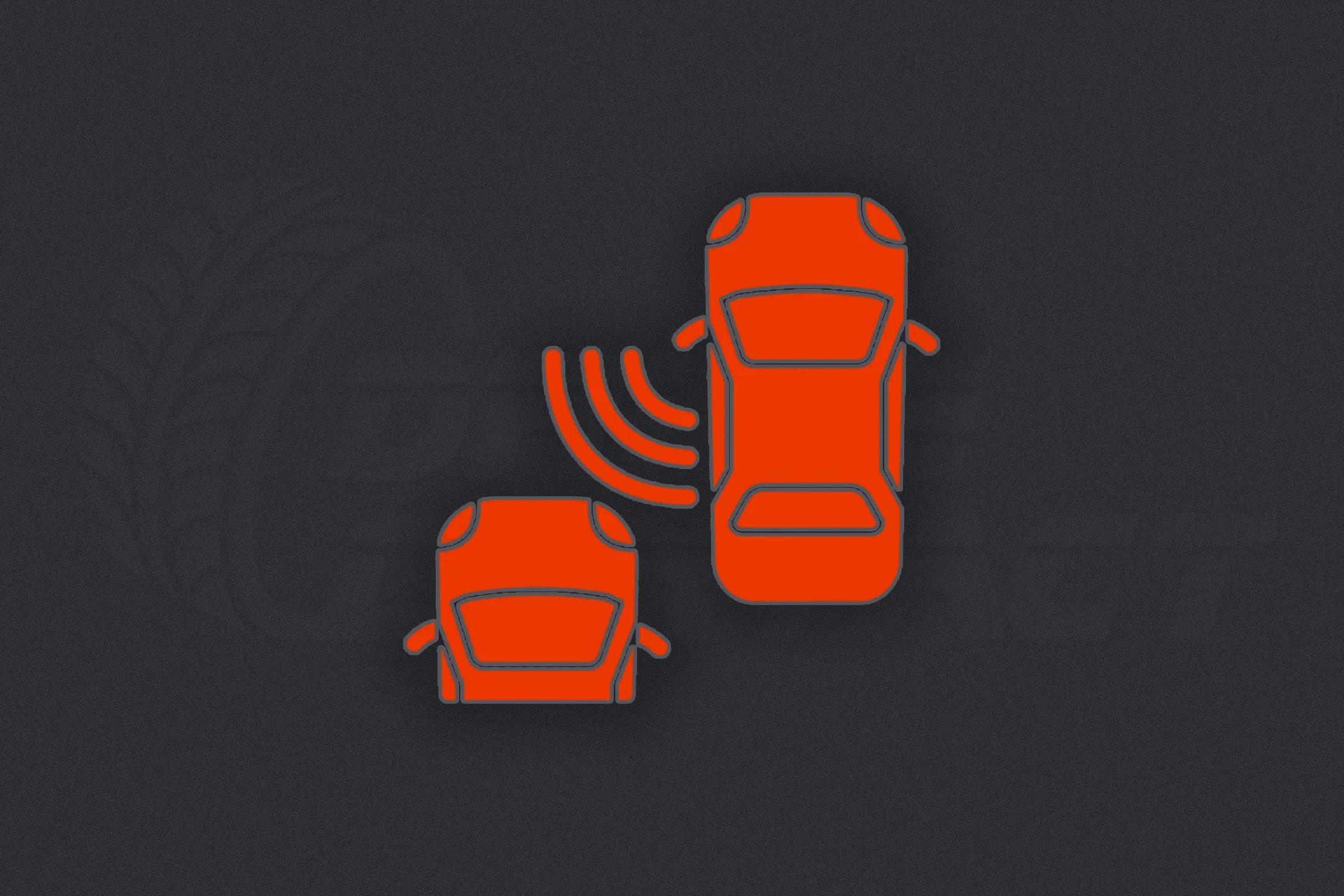
In today’s world of innovative car technologies, Blind Spot Monitoring (BSM) has become one of the most valuable safety features found in modern vehicles. Once exclusive to luxury sedans and high-end SUVs, the BSM system has now made its way into compact cars, family crossovers, and even commercial vehicles.
This technology represents the evolution of active safety, where the goal is not just to survive accidents, but to prevent them before they happen.
What Is Blind Spot Monitoring and How It Works
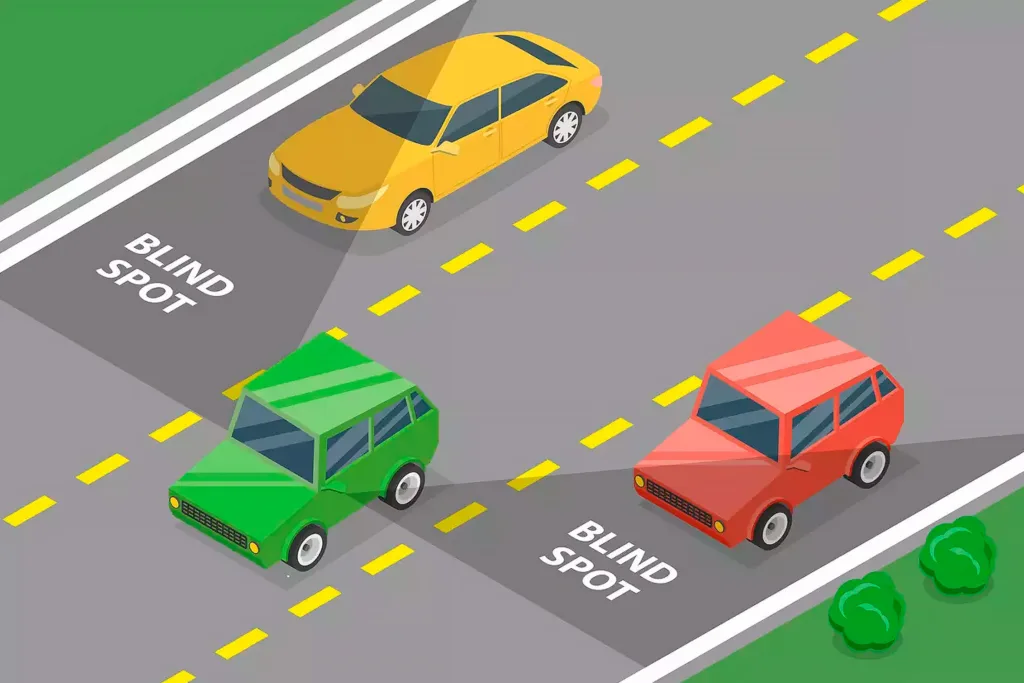
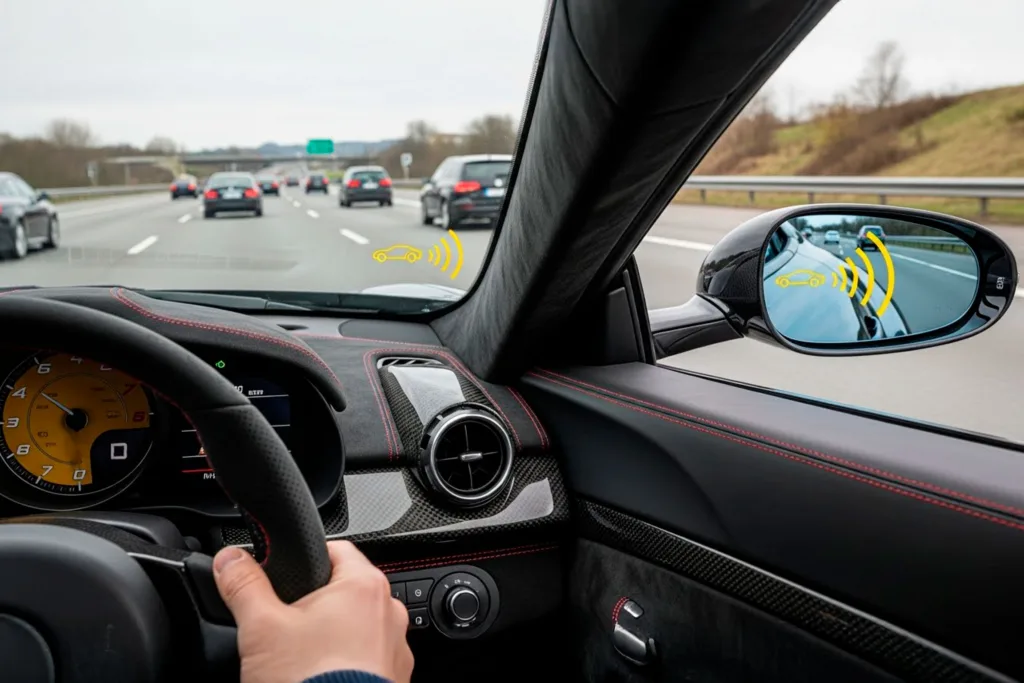
BSM is a driver-assistance feature designed to detect vehicles approaching from behind in areas that side mirrors cannot cover—the so-called “blind spots.” The BSM system uses ultrasonic sensors or radar-based technology mounted on the sides or rear of the car to continuously scan these areas.
When another vehicle or object enters the monitored zone, a light or symbol illuminates on the corresponding side mirror or dashboard.
Some advanced systems even include audible warnings or steering wheel vibrations to further alert the driver.
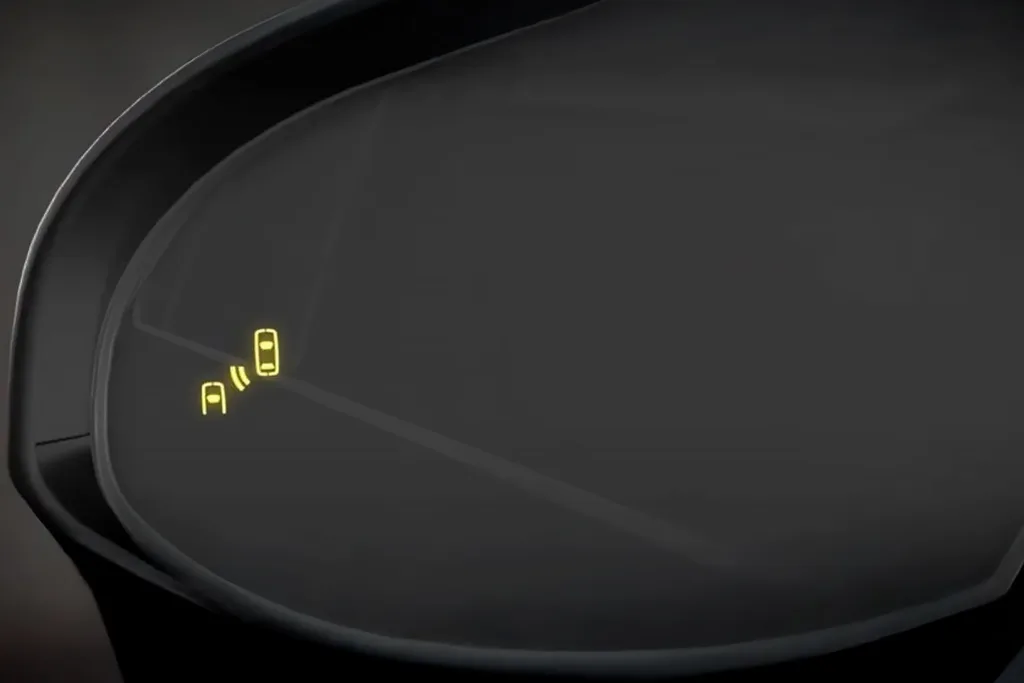
The Blind Spot Monitoring system not only improves visibility but also enhances driver confidence. In daily urban commuting, it helps prevent side-swipe accidents during lane changes or merges.
For long-distance highway driving, it adds an extra layer of awareness, especially in heavy traffic or poor weather conditions.
Why BSM Matters in Serial Cars
In the past, driver-assistance systems like BSM were reserved for high-performance or luxury models. Today, brands such as Toyota, Honda, Ford, and Hyundai integrate the best blind spot monitoring system in a wide range of serial production vehicles. The democratization of this technology marks a major milestone in automotive safety culture.
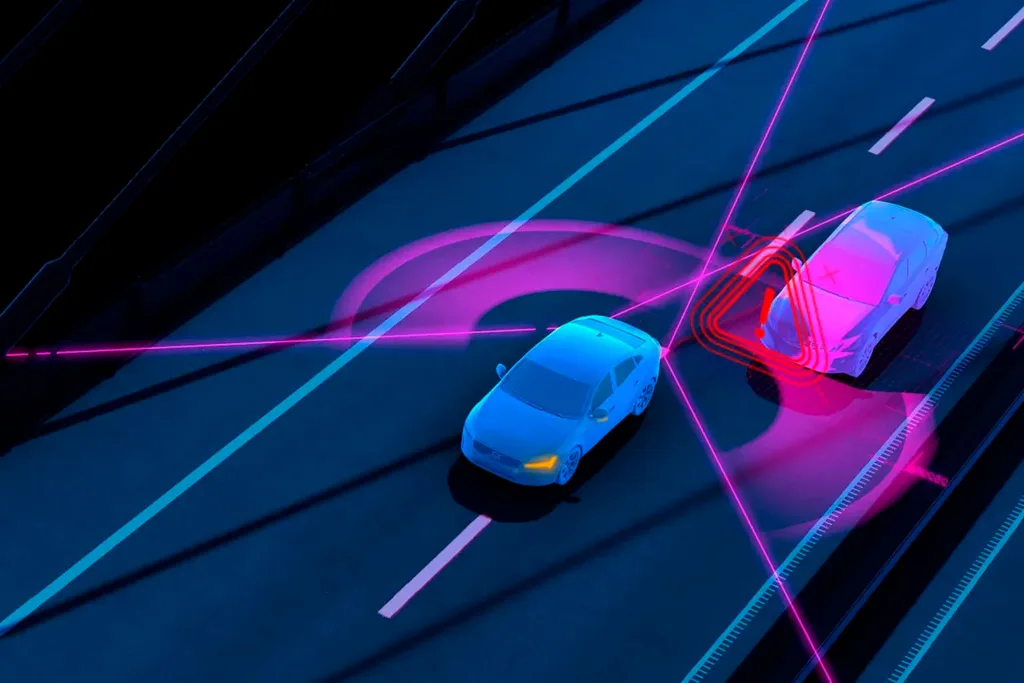
Serial cars equipped with Blind Spot Monitoring bring advanced technological benefits to everyday drivers—not just enthusiasts or racers. Whether commuting to work, driving through the city, or taking a weekend trip, BSM plays a crucial role in helping drivers make safer decisions on the road.
Everyday users gain access to the same type of safety innovation once used to assist professional racers or performance car drivers.
BSM and the Driving Experience
Drivers often underestimate how easily a vehicle or motorcycle can hide within a blind spot, particularly when traveling at similar speeds. With Blind Spot Monitoring, lane changes become smoother and safer, reducing the driver’s dependence on mirror checks alone. The BSM system supplements human awareness with real-time data, which improves reaction time and reduces the risk of errors.
Even in the context of racing or motorsport technology, where situational awareness is critical, similar principles apply. However, on public roads—where distractions, fatigue, and inconsistent driver behavior are common—the value of having a Blind Spot Monitoring system becomes even more apparent.
It empowers everyday drivers to handle traffic more like trained professionals—predictive, deliberate, and safe.
Choosing the Best Blind Spot Monitoring System
The best blind spot monitoring system depends on vehicle design, driving style, and technology integration. Some manufacturers offer radar-based systems that perform more accurately at higher speeds, while others favor ultrasonic sensors suitable for urban environments. For drivers seeking an aftermarket solution, BSM installation kits are available for both new and older vehicles.
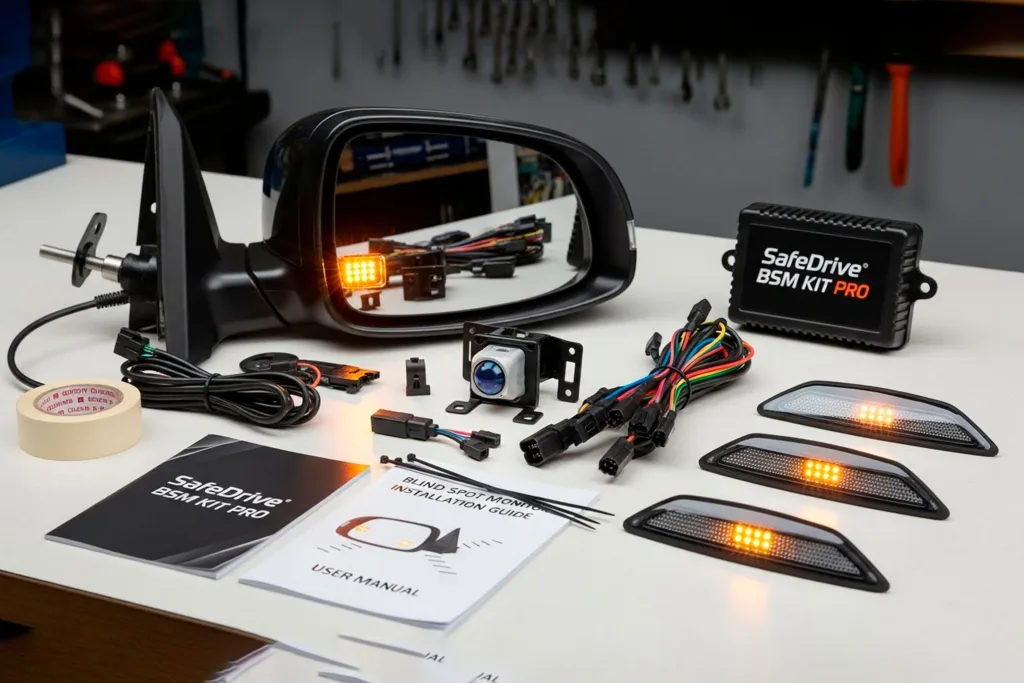
Here are a few factors to consider when evaluating Blind Spot Monitoring systems:
- Sensor accuracy: The quality of sensors determines detection range and reliability.
- Warning interface: Look for clear and intuitive visual or audio alerts.
- Integration level: Some systems are part of larger safety suites like adaptive cruise control or lane-keeping assist.
- Brand support: OEM systems often receive software updates for improved performance.
Adding the best blind spot monitoring system not only increases safety but also boosts resale value—a testament to its importance in modern vehicle design.
Blind Spot Monitoring: A Step Toward Autonomous Driving
Blind Spot Monitoring (BSM) is one of the foundational technologies leading toward autonomous driving. It represents how artificial intelligence and smart sensors can analyze real-time data to enhance driver judgment. When combined with adaptive cruise control, lane assist, and collision avoidance, the BSM system becomes part of a larger ecosystem of interconnected safety systems.
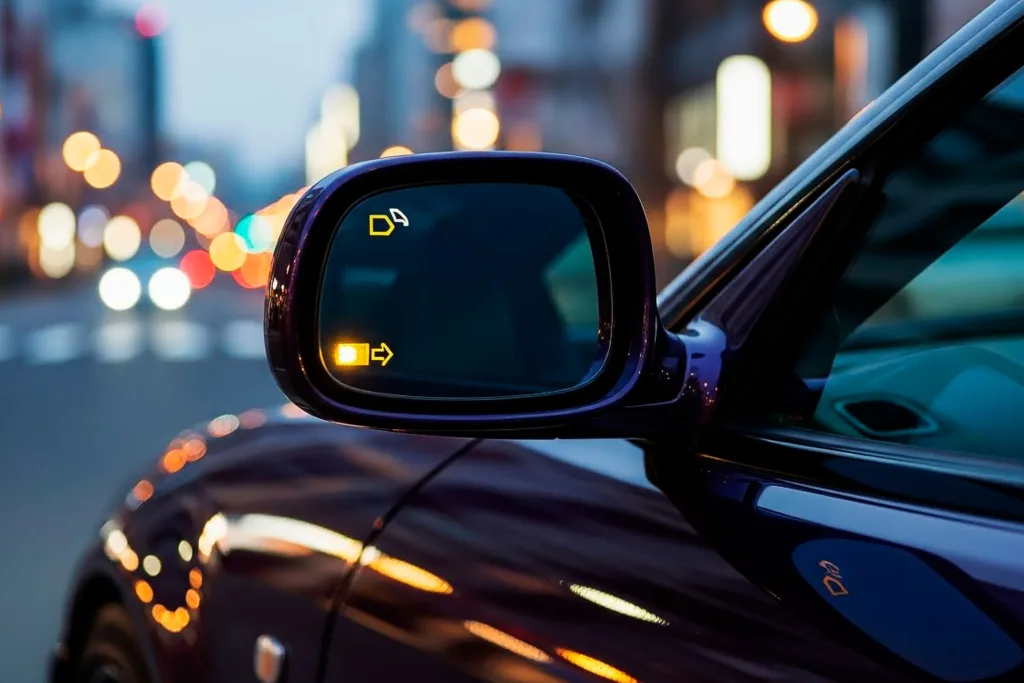
This integration shows the automotive industry’s shift from reactive safety—like airbags or anti-lock braking—to proactive safety, which prevents incidents before they occur.
As car manufacturers continue to push innovation across all segments, Blind Spot Monitoring stands as a symbol of how advanced safety becomes accessible to everyone, not just the few.
Conclusion: Everyday Safety, Extraordinary Impact
From luxury sedans to compact hatchbacks, the presence of Blind Spot Monitoring demonstrates how science and innovation directly improve real-world driving. In the bigger picture of car culture, it signifies a deep respect for safety and responsibility alongside performance and design.
Whether behind the wheel of a tuned JDM legend, a new electric SUV, or a daily commuter, every driver benefits from technology that sees what they can’t.
The BSM system has become more than a convenience—it’s a necessity in modern motoring, setting the standard for what drivers expect from vehicle safety today. And as the best blind spot monitoring system continues to evolve, one thing remains certain: the road ahead is safer, smarter, and more connected than ever.



Functional Always active
Preferences
Statistics
Marketing