
VTEC Technology transformed the way Honda engines balance power, response, and efficiency, making them icons in modern car culture. This combined version merges history, technical detail, and cultural impact into one cohesive article suitable for DriveContact.
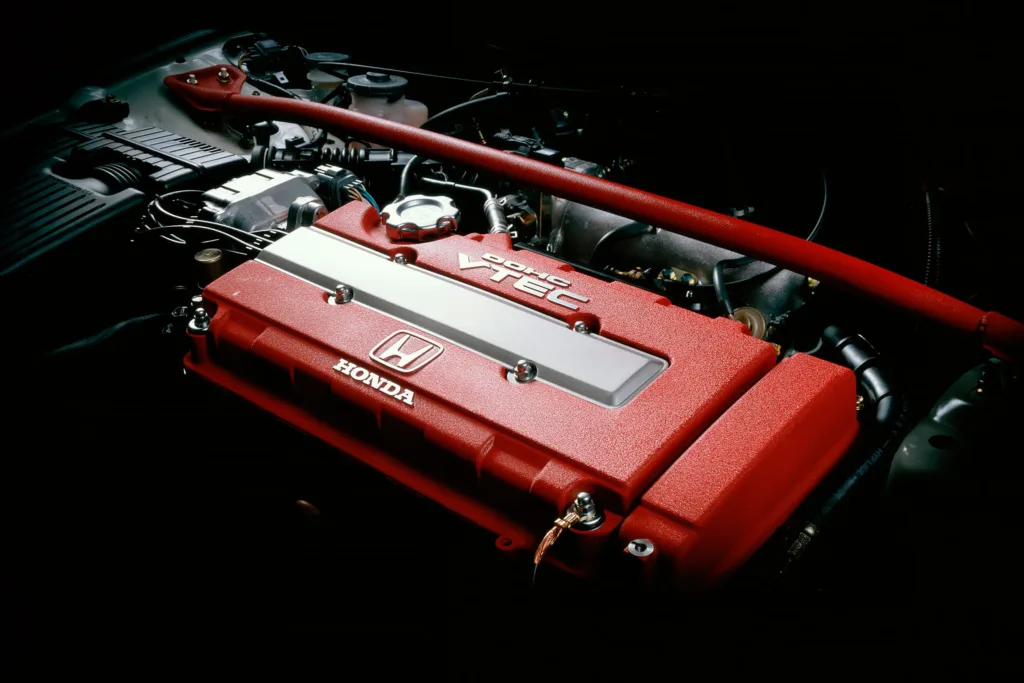
History of Honda VTEC technology
Honda began developing variable valve timing concepts in the early 1980s, when Japanese tax rules pushed manufacturers to extract more power and efficiency from small‑displacement engines rather than simply increasing size. Engineers launched internal projects to find a valve control system that could deliver strong top‑end power while keeping fuel use and emissions low at everyday speeds.
The first production application of this thinking arrived in 1983 on a Honda CBR400 motorcycle, where an early form of VTEC‑style technology proved that a small, high‑revving engine could feel flexible in real‑world riding. A few years later, Honda refined the concept for cars and introduced the now‑famous B16A engine in the 1989 Honda Integra, achieving the target of roughly 100 horsepower per liter from a naturally aspirated 1.6‑liter four‑cylinder.
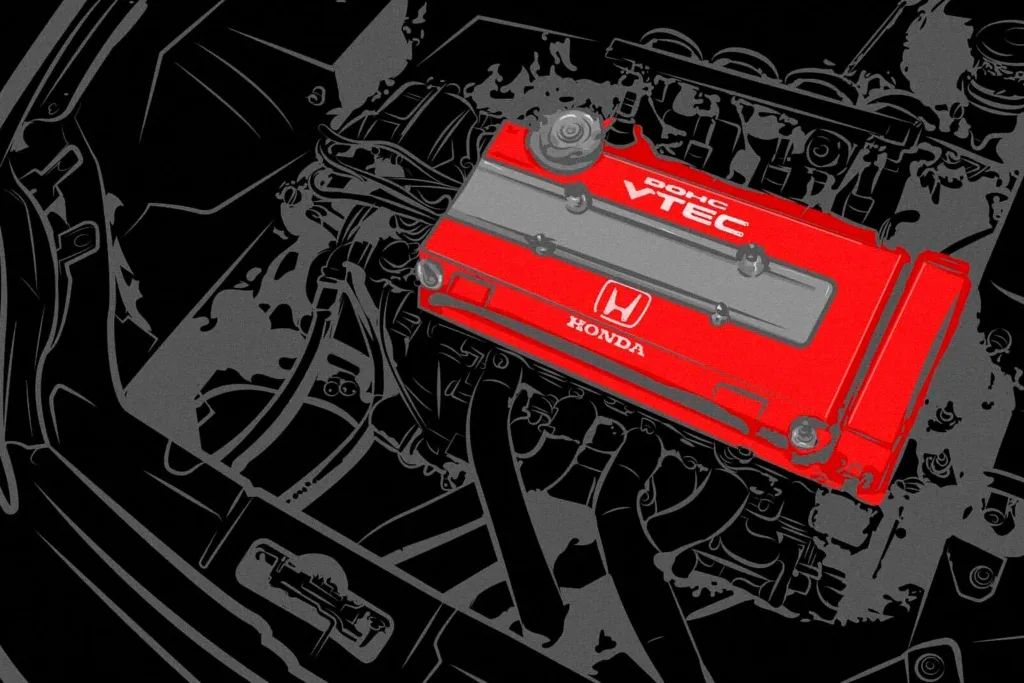
Through the 1990s, Honda expanded this VTEC philosophy across its lineup, creating different versions for dual‑overhead‑cam performance engines and more affordable single‑overhead‑cam units. Later evolutions such as three‑stage systems and i‑VTEC added more sophisticated control over valve timing and lift, allowing smoother transitions, better low‑rpm torque, and cleaner emissions without losing the high‑rpm character enthusiasts expect from a Honda.
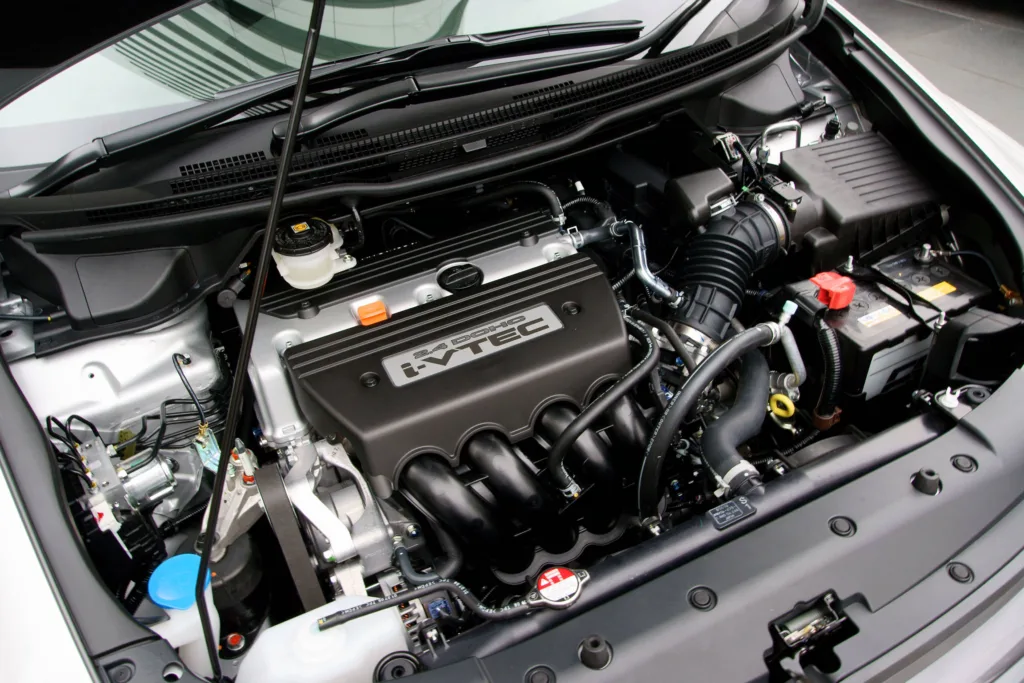
Honda and VTEC Technology
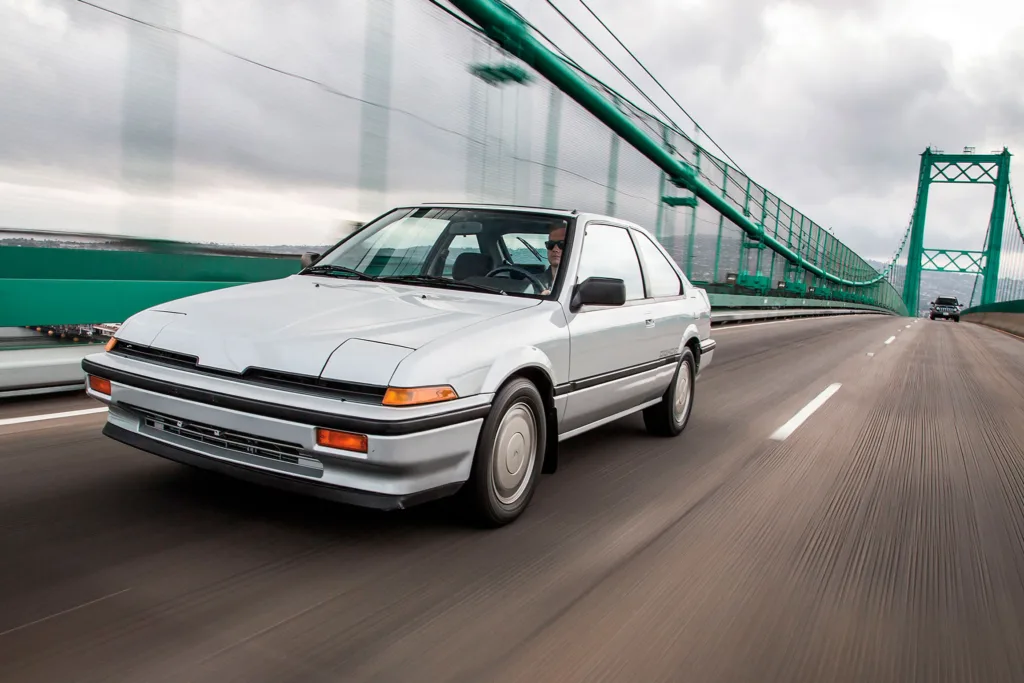
Honda introduced variable valve systems to give compact engines a wide powerband without sacrificing fuel economy. VTEC‑style systems adjust valve timing and lift so a Honda engine can stay smooth and efficient at low rpm yet pull hard and clean at higher revs. This flexible character is a major reason Honda remains a favorite in global car culture.
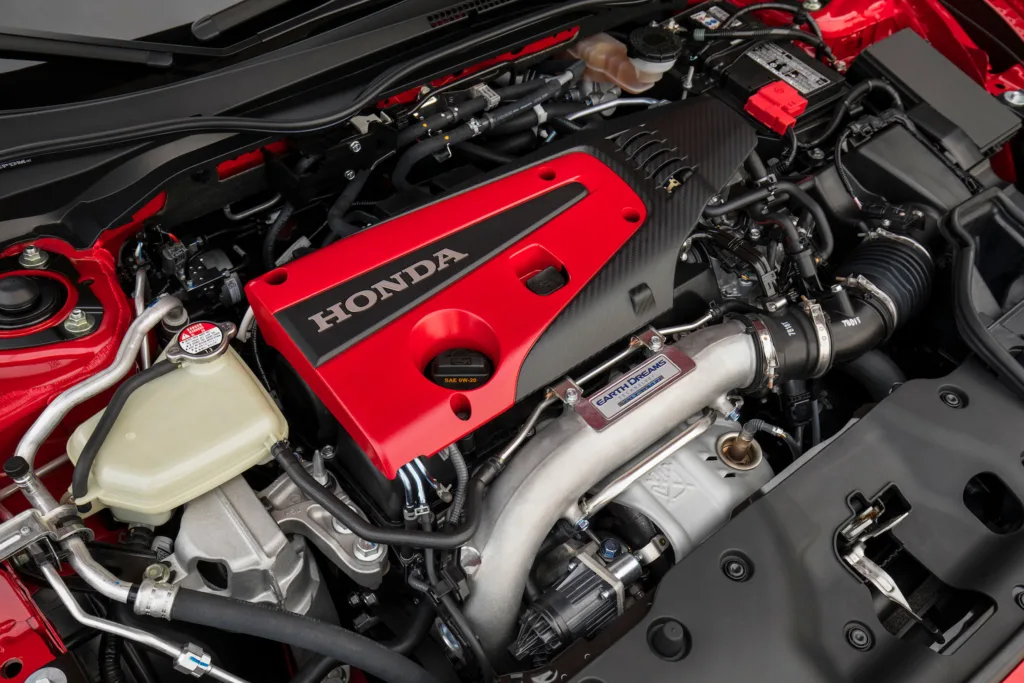
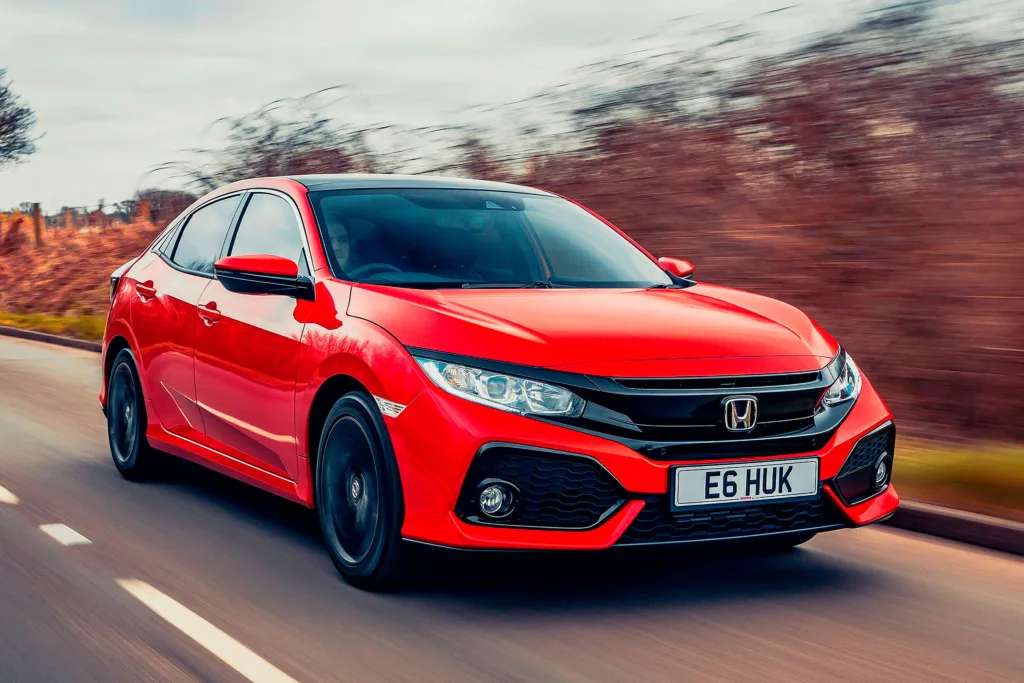
Owners know they can daily the car comfortably and still enjoy a sharp, engaging feel when the engine is worked harder, turning ordinary commuting into something much more involving.
How VTEC works in Honda engines
At the core of VTEC‑style Honda systems is the idea of giving one engine multiple personalities by changing how the valves open and close as rpm and load change.
On a typical dual‑overhead‑cam setup, each intake (and often exhaust) valve has access to more than one cam lobe: a mild profile for low and midrange operation, and a much more aggressive profile for high‑rpm running.
At lower engine speeds, rocker arms follow the mild lobes, which keep valve lift and duration relatively small so combustion stays stable, fuel economy remains strong, and the engine feels smooth in traffic. As rpm rises past a calibrated switchover point, hydraulic pressure pushes locking pins inside the rocker assembly so all rockers begin following the high‑lift, long‑duration lobe instead, letting the valves open farther and for longer to dramatically improve airflow and cylinder filling at high rpm.
Because the system is electronically controlled, the engine control unit can decide exactly when to trigger the changeover based on rpm, throttle position, and load. In newer i‑VTEC‑type designs, Honda combines this multi‑profile approach with continuously variable cam phasing, so valve timing itself can also be advanced or retarded as conditions change, giving a Honda engine that idles cleanly, cruises efficiently, and then pulls hard and freely toward redline when the driver asks for maximum performance.
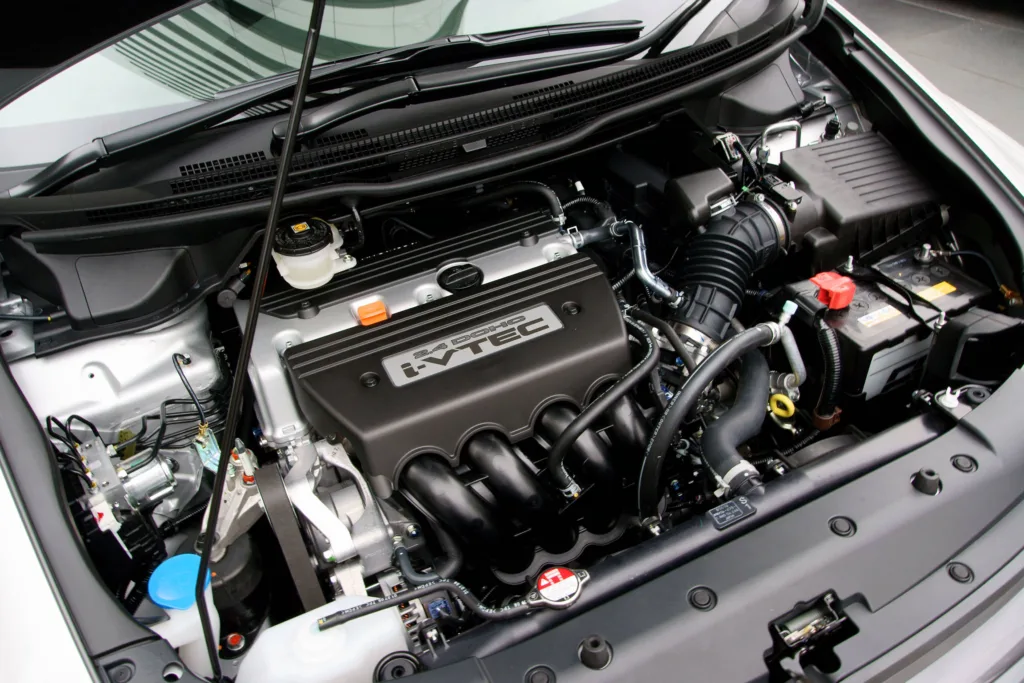
How Honda uses VTEC
Inside a typical Honda engine with VTEC‑type control, multiple cam profiles or detailed timing strategies are available for different rpm ranges.
At lower speeds, a conservative profile keeps valve lift and duration modest, helping emissions, fuel economy, and everyday drivability in city traffic or on the highway.
As revs rise, oil pressure and electronic control switch the valvetrain to a more aggressive profile tuned for airflow and combustion efficiency at high rpm. The driver feels this as a stronger pull toward redline and a more urgent engine note, a sensation that has become part of the Honda identity and one of the reasons enthusiasts chase that “VTEC kicked in” experience.


Functional Always active
Preferences
Statistics
Marketing