
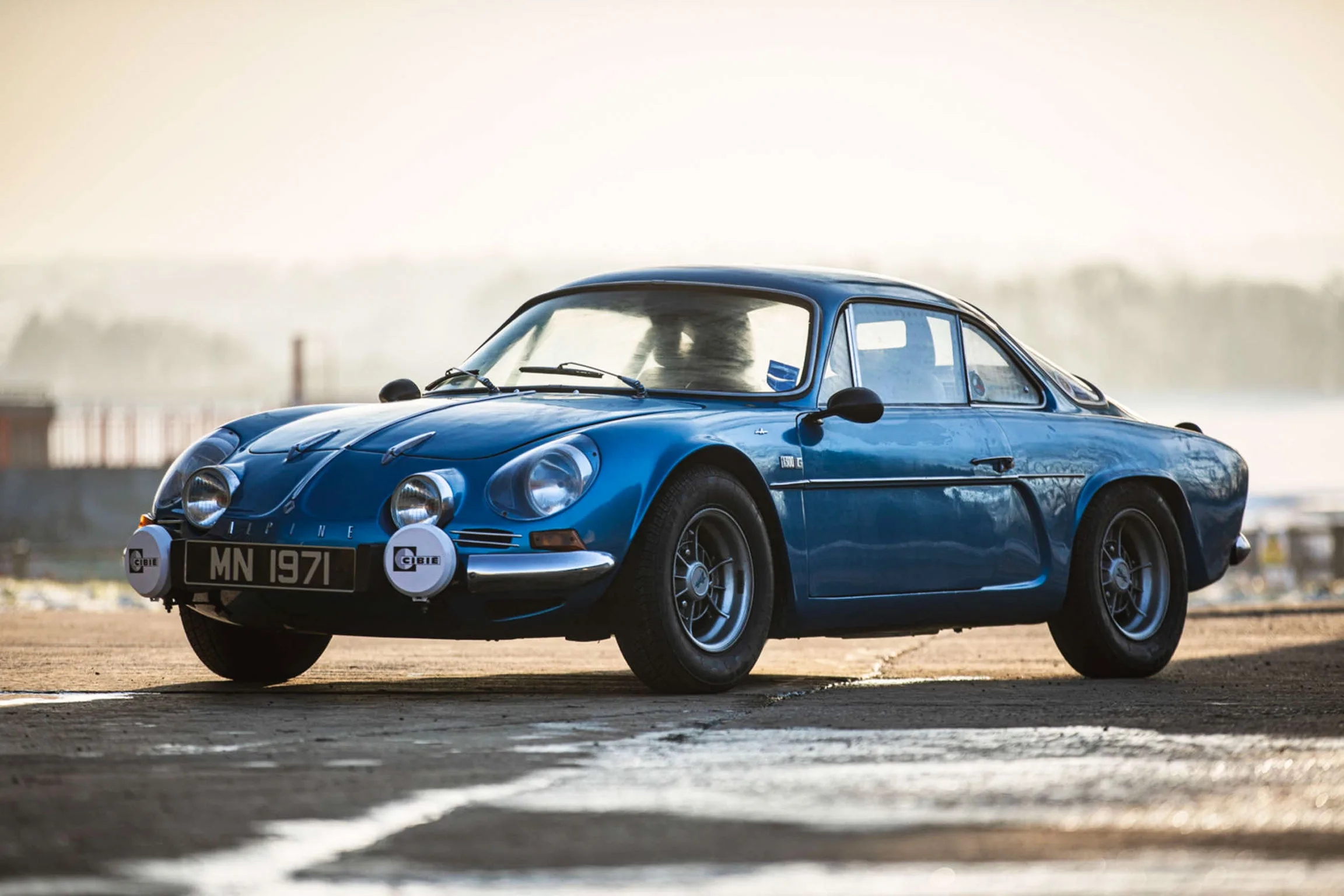
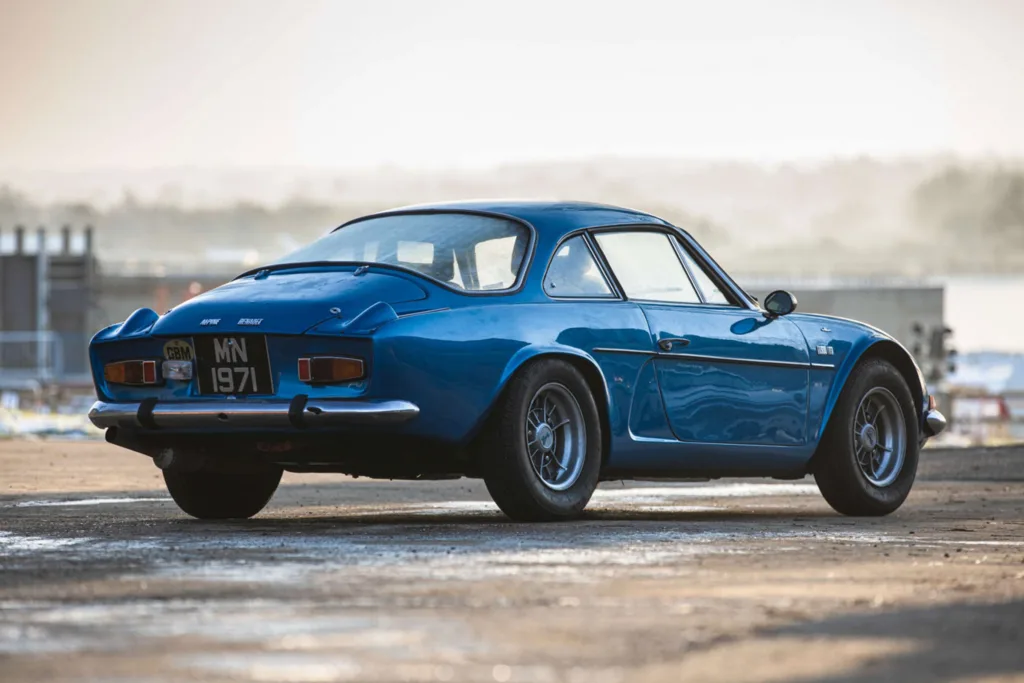
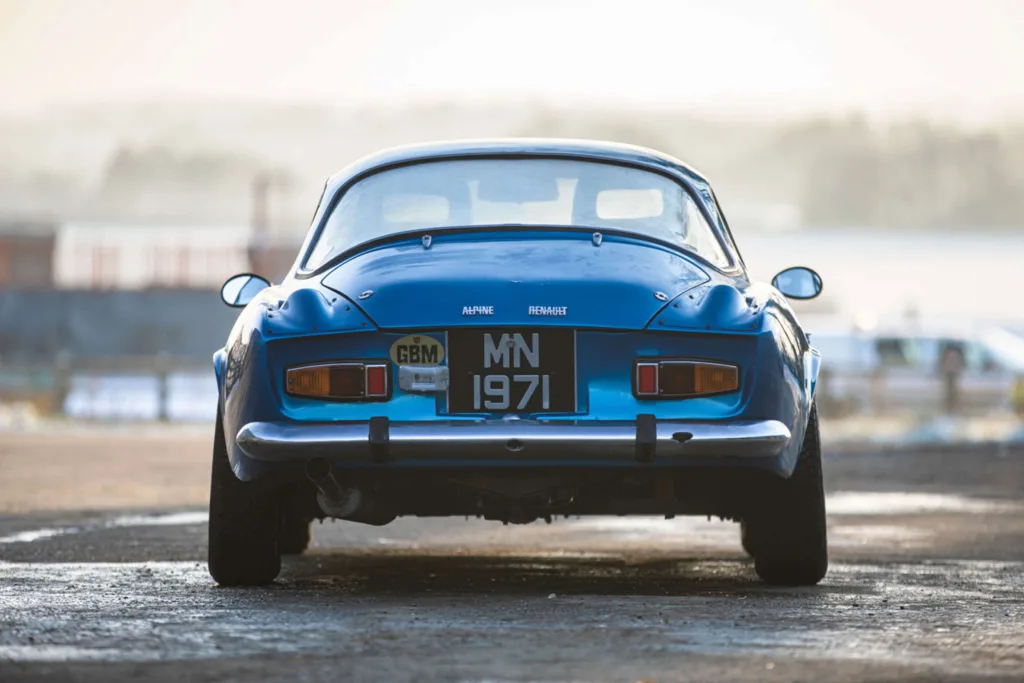
Few sports cars in the 20th century embodied the perfect marriage of lightness, agility, and engineering precision quite like the Alpine A110 1600S. Born in the early 1960s under the vision of Jean Rédélé, the founder of Alpine and former racing driver, this compact rear-engine coupé became one of the most iconic creations in French motorsport history. Designed with a singular focus on performance through minimalism, the A110 forever cemented Alpine’s reputation as a serious contender on both road and rally stages.
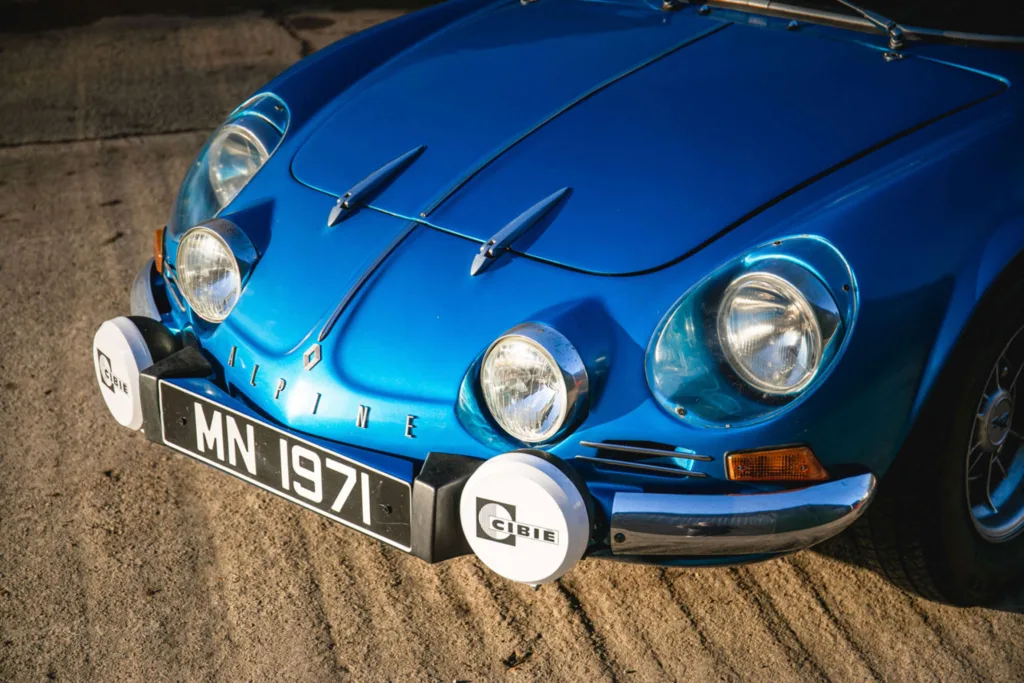
The original Alpine A110 debuted in 1963 as an evolution of the earlier A108, initially equipped with a small 1.1-liter Renault-sourced engine. Built around a steel backbone chassis clad in ultra-light fiberglass panels, it weighed roughly 700 kilograms, a figure that made it incredibly responsive and agile even with modest power outputs. Over the years, the model’s engine capacity steadily grew, but it was the introduction of the A110 1600S in 1968 that truly defined the car’s golden era.
Evolution Toward the 1600S Powertrain
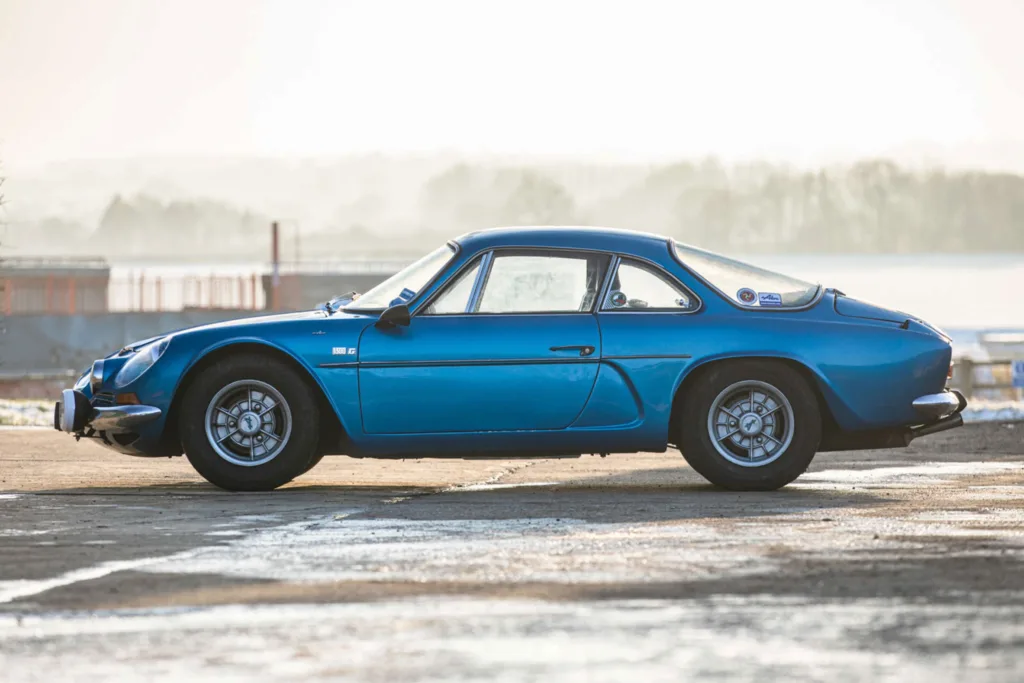
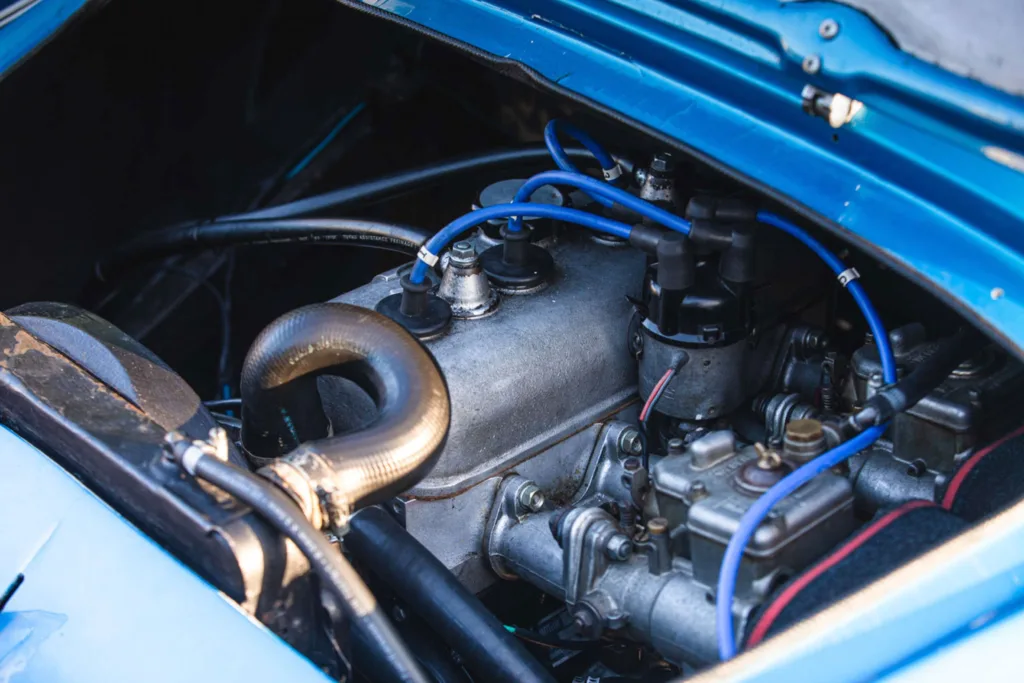
The 1600S variant took its initial powerplant from the Renault 16 TS—a 1565 cc inline-four engine that delivered eager response and strong mid-range performance. By 1973, Alpine engineers improved the setup further by fitting the 1605 cc engine from the Renault 17, accompanied by a major chassis revision featuring a double-wishbone rear suspension. This change dramatically transformed the car’s handling dynamics, offering greater stability and precision at high speed. The smaller-diameter wheels, adopted simultaneously, enhanced the car’s contact with the tarmac, making its cornering behavior sharper and more predictable.
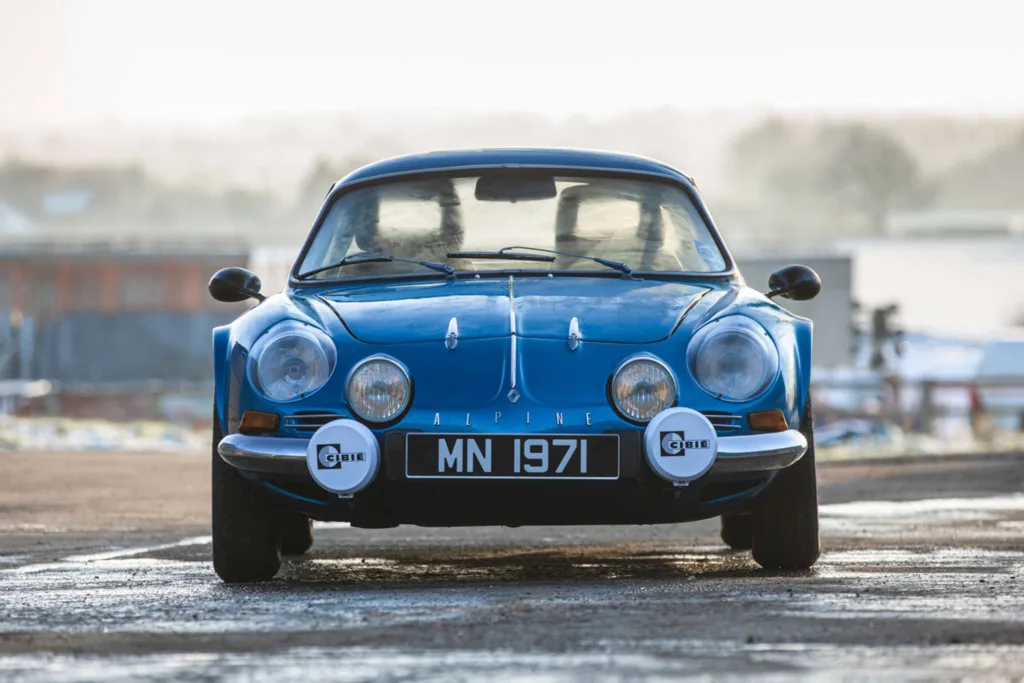
Despite the relatively small displacement, the A110 1600S competed fearlessly against larger-engined rivals. Cleverly, Alpine’s engineers selected an engine size just slightly above 1.6 liters—at 1,605 cc—to bypass certain rally homologation limits while maintaining the flexibility to heavily tune the car for competition. This tuning-focused approach made the A110 a dominant force in international rallying, particularly in the early 1970s, when it captured numerous victories in both European and World Rally Championship events.
Rally Dominance and Engineering Ingenuity
Perhaps the most illustrious chapter in the life of the Alpine A110 1600S came in 1973 when Alpine claimed the inaugural World Rally Championship (WRC) for Manufacturers, defeating rivals from Porsche, Lancia, and Fiat. The A110’s combination of a low center of gravity, rear-wheel drive traction, and featherlight build gave it an advantage on twisty gravel and snow-covered routes. Its precise steering and beautifully balanced chassis allowed professional drivers to slide through corners with graceful control—a trait that became the A110’s hallmark.
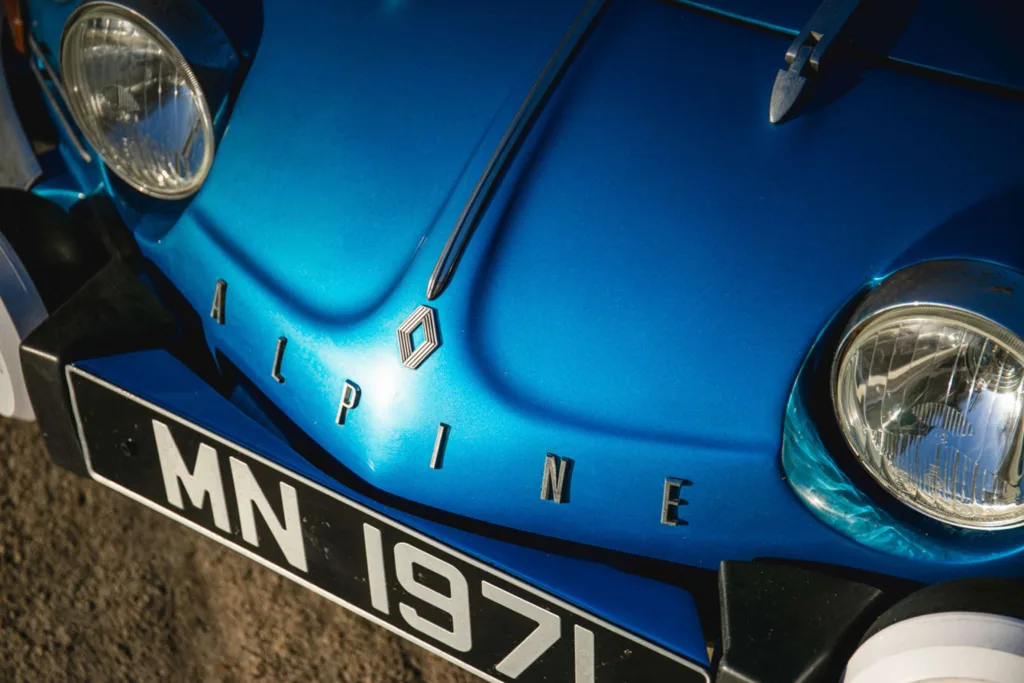
The 1600S stood out not only for its motorsport pedigree but also for its remarkable technical design. Its rear-mounted inline-four engine produced up to 138 horsepower at 6,000 rpm when fitted with twin Weber 45DCOE carburetors in the 1600SC model. The export variant, the 1600SI, introduced electronic fuel injection, improving throttle response and reliability. Both versions were paired with a close-ratio 5-speed manual transmission, enabling a top speed of approximately 209 km/h (130 mph)—remarkable by early 1970s standards for a 1.6-liter car. The A110’s lightweight structure, weighing roughly 700 to 730 kilograms depending on configuration, was key to achieving this balance of speed and maneuverability.
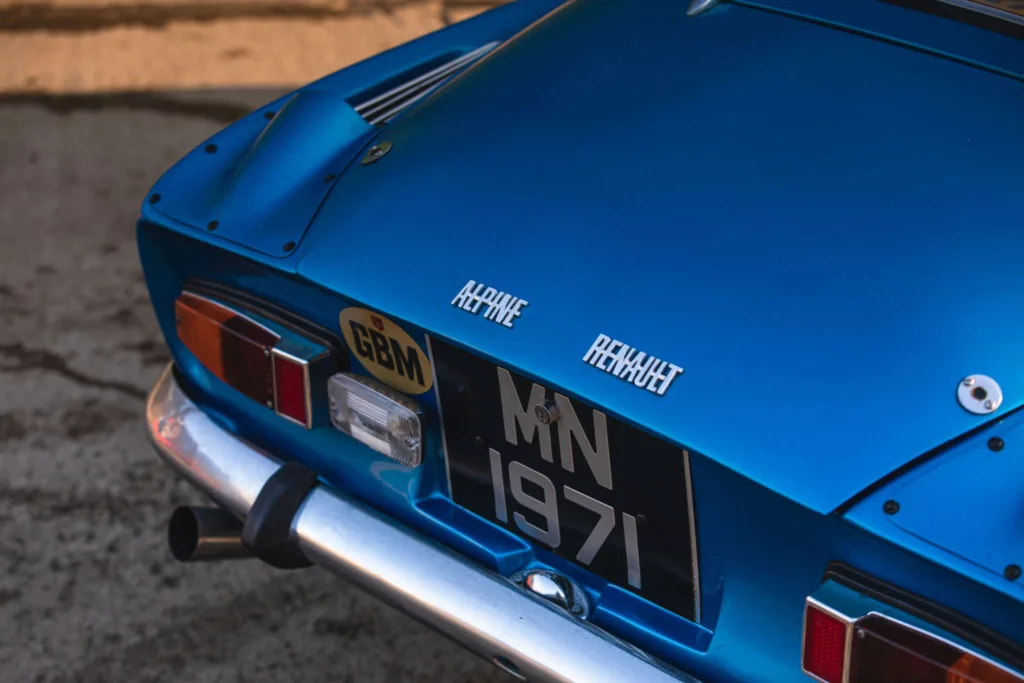
Variants and Legacy
While the SC and SI models targeted performance enthusiasts and rally teams, the 1600SX, launched in 1976, offered a more accessible package for everyday driving. It was equipped with a de-tuned version of the same engine producing about 93 horsepower, reducing its top speed to around 190 km/h but improving drivability and reliability for non-competitive use. The SX broadened Alpine’s customer base, appealing to classic sports car drivers seeking style and character rather than raw speed.
Production of the A110 continued even after its successor, the Alpine A310, arrived in 1971. Between 1963 and 1977, approximately 7,160 units of the A110 were built in French factories and under license in other countries, including Spain (FASA), Mexico (Dinalpin), and Bulgaria. This international reach helped solidify the A110 as one of the most significant French performance cars of its time.
Timeless Influence on Modern Design
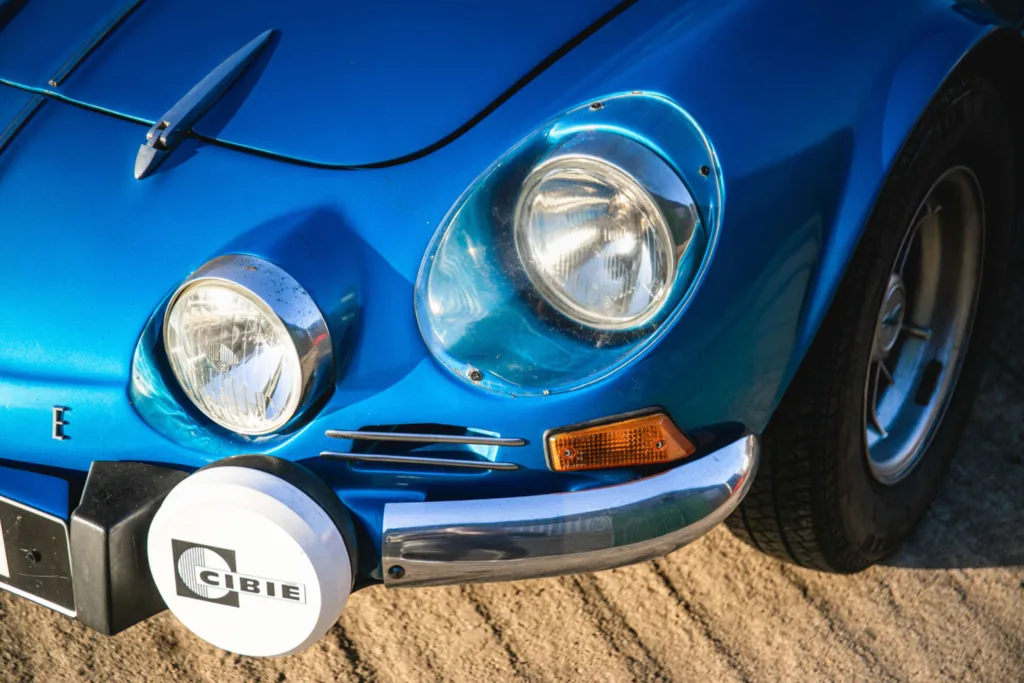
Today, the Alpine A110 1600S occupies a hallowed place in automotive history. It represents a purist philosophy—performance derived from lightweight engineering rather than brute horsepower. Its influence lives on in the modern Alpine A110, reintroduced by Renault in 2017, which retains the same formula of rear-wheel drive, compact dimensions, and an obsessive focus on balance and weight distribution.
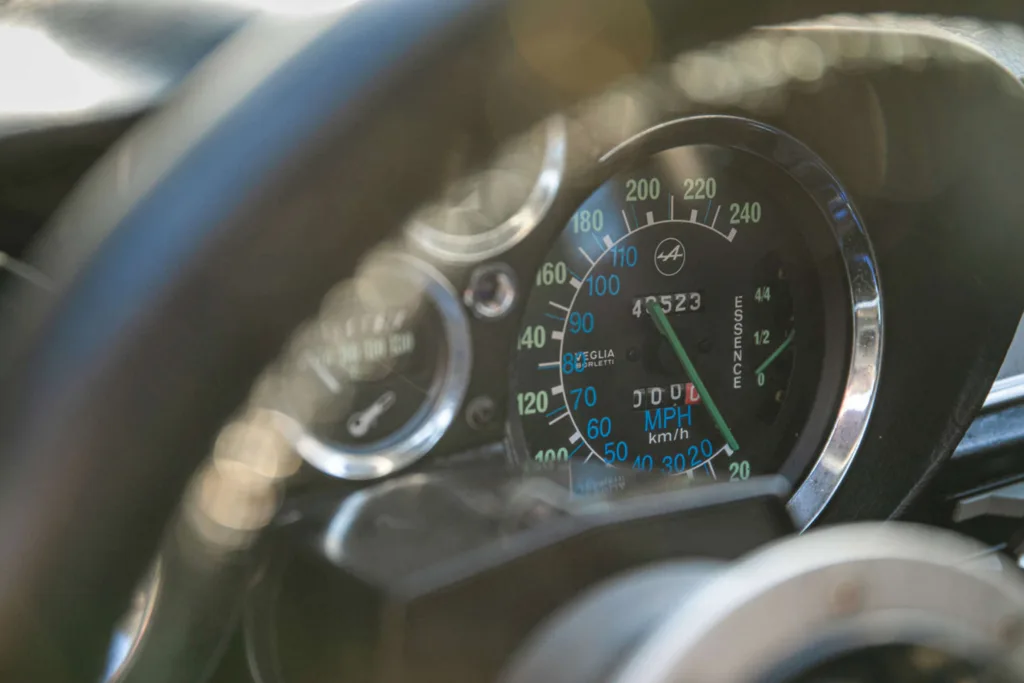
Collectibility for the original 1600S models has surged dramatically over recent decades. Their rarity, rally heritage, and hand-built craftsmanship make them prized possessions among European sports car aficionados. Whether displayed at Concours d’Elegance events or driven on mountain passes reminiscent of its rally glory days, the Alpine A110 1600S remains a symbol of precision, agility, and the fearless spirit of French motorsport engineering.


Functional Always active
Preferences
Statistics
Marketing