
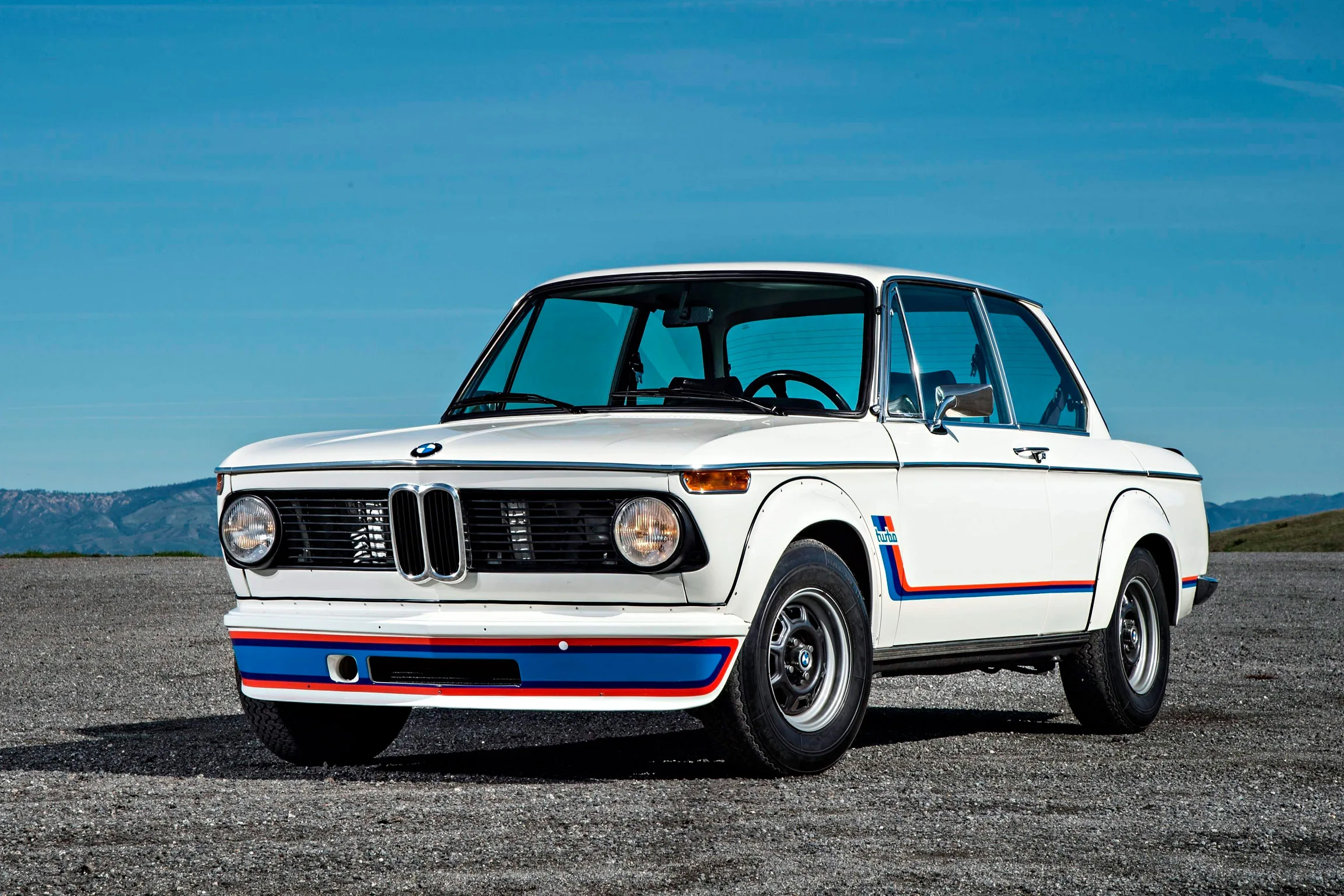
The BMW 2002 Turbo, launched in 1973, is celebrated as a revolutionary milestone in automotive engineering—a car that forever changed the trajectory of high-performance road vehicles by introducing turbocharging to mass production. Born amid the challenges of the early 1970s oil crisis, which forced manufacturers to seek alternatives to simply increasing engine displacement, the 2002 Turbo stands as a testament to BMW’s ingenuity and technical prowess.
Historical Context and Innovation
The oil embargo of 1973 brought fuel economy issues to the forefront, undermining the viability of large-displacement engines for sports and racing cars. In response, BMW directed its attention to forced induction—a technology with deep aviation roots and significant advantages in power and efficiency. With decades of expertise from its aircraft engine division, BMW saw the opportunity to adapt turbocharging, previously dominant in aviation, for passenger vehicles. Thus, the BMW 2002 Turbo was born, making history as Europe’s first turbocharged production car and establishing a template for future performance engineering worldwide.
Technical Features and Performance Breakthrough
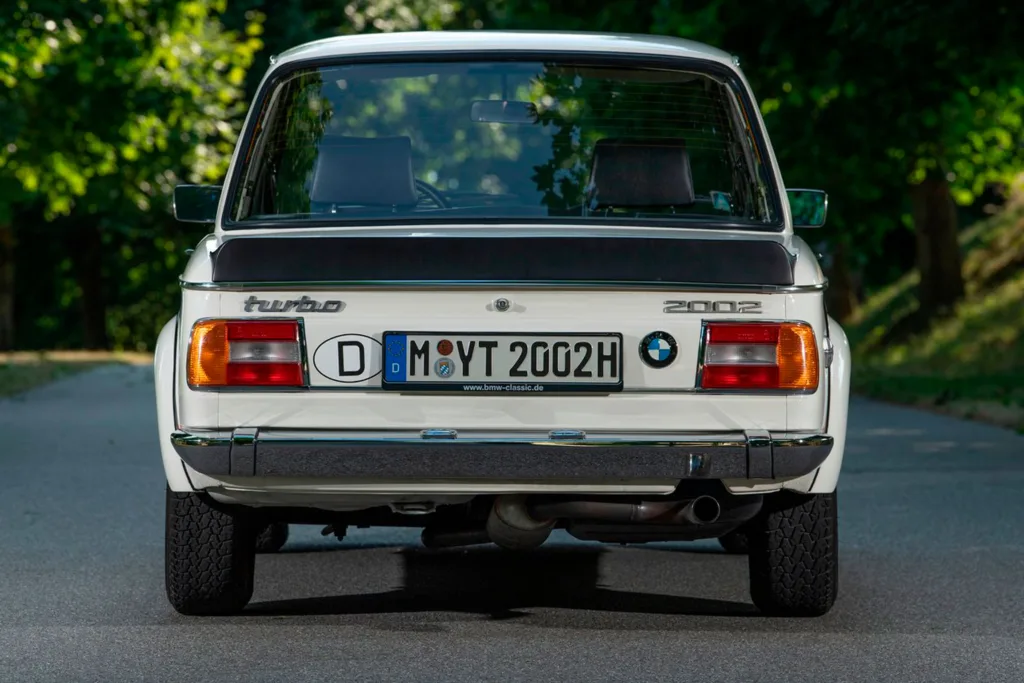
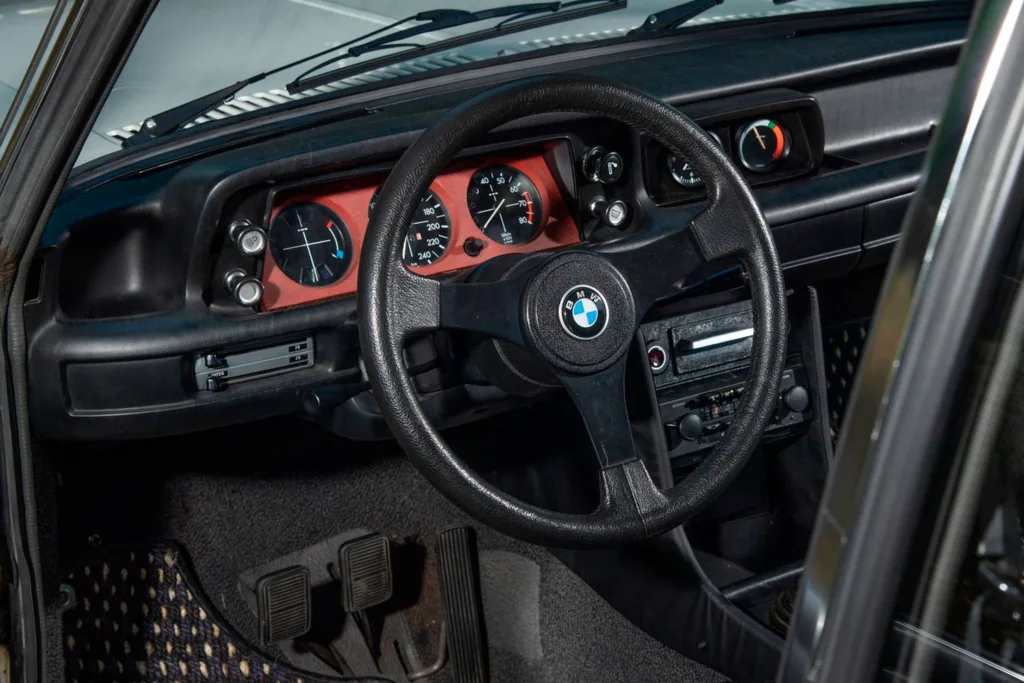
The 2002 Turbo took the base architecture of the 2002 tii—a 1,990 cm³ four-cylinder, fuel-injected engine—and equipped it with a KKK turbocharger, dramatically boosting output to 172 horsepower, a full 40 hp more than the tii variant. Thanks to its lightweight construction, the car could achieve an astonishing top speed of 211 km/h (131 mph), setting new performance benchmarks for two-liter sports sedans of the era.
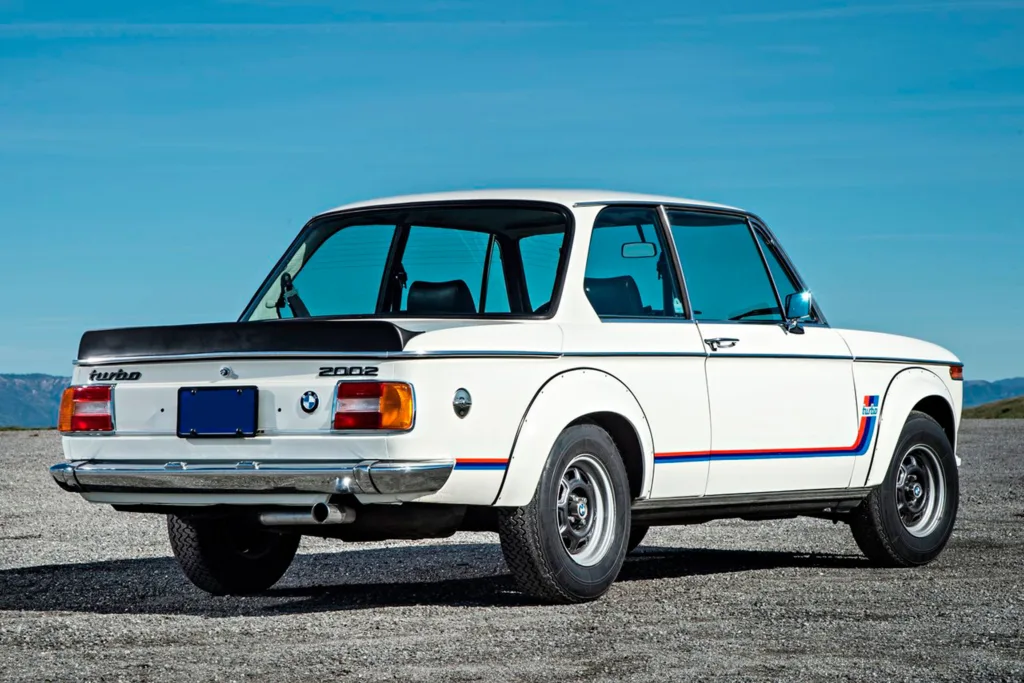
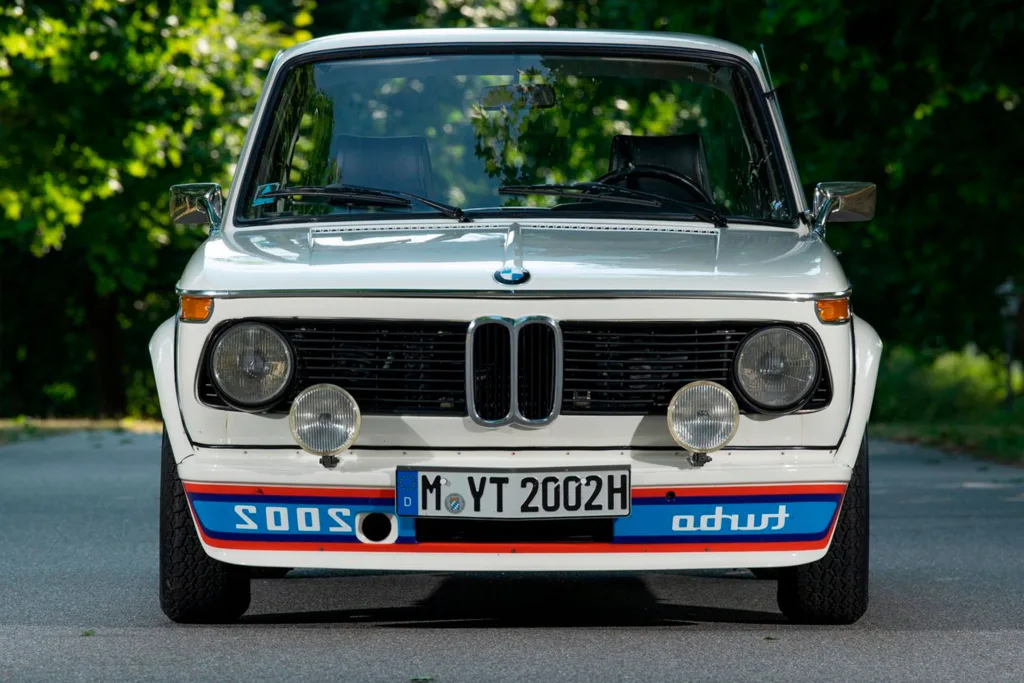
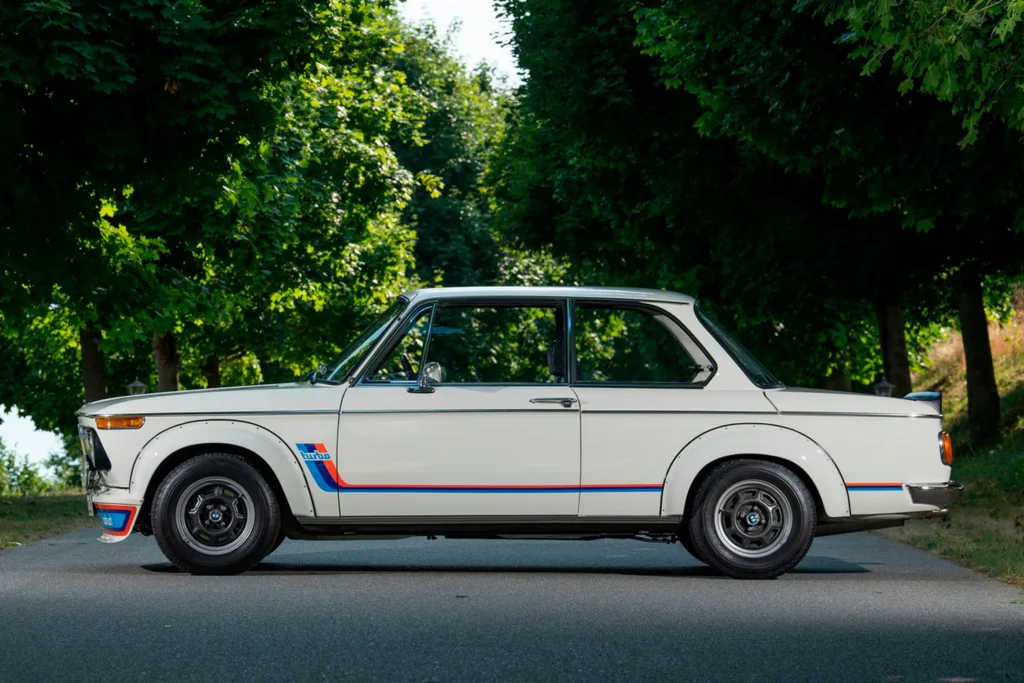
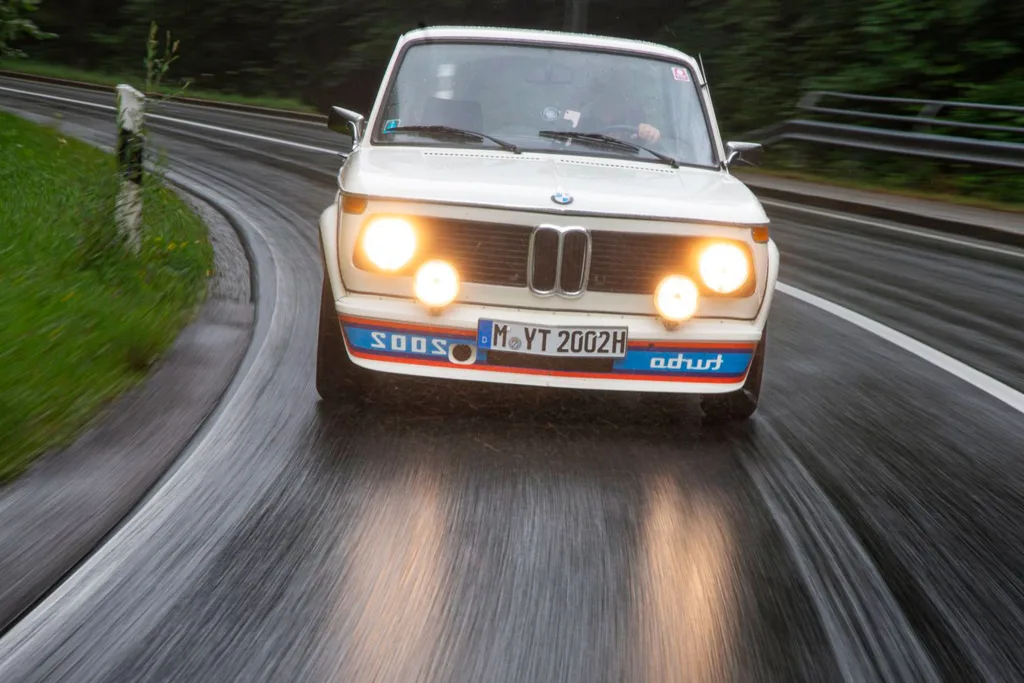
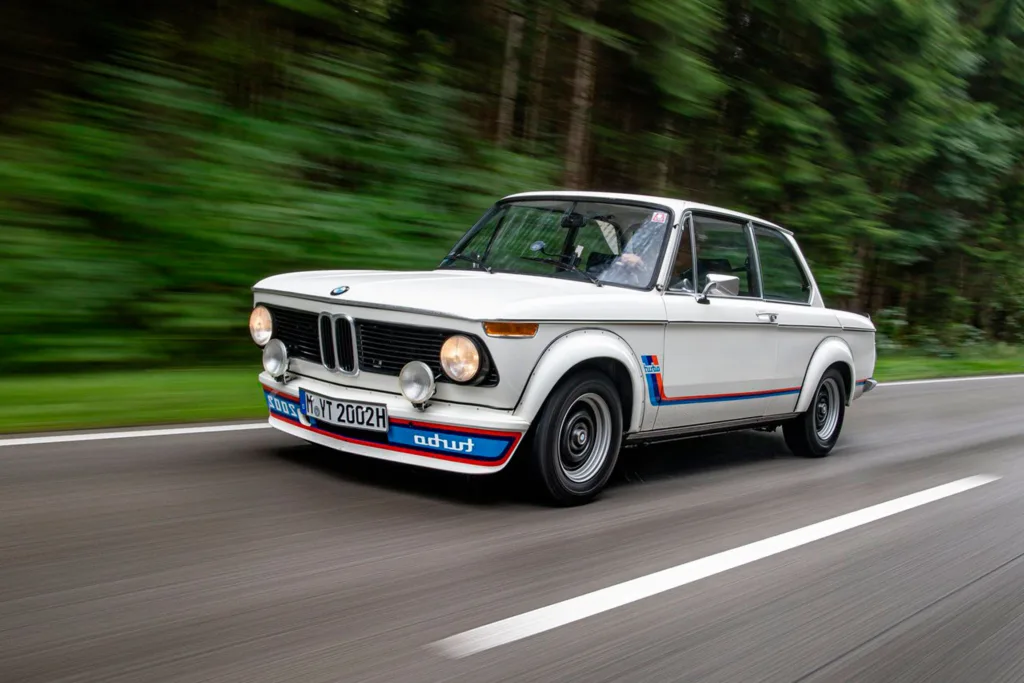
Engine response was instantaneous at higher revs, transforming the character of the car from nimble sport sedan to a full-fledged performance machine. To accommodate its newfound capabilities, BMW reinforced the suspension and chassis and outfitted the turbo with distinctive aerodynamic spoilers. One of the hallmark features was the mirrored “turbo” script on the front spoiler, designed so that leading cars could read it clearly in their rear-view mirrors—an unmistakable warning of the Turbo’s rapid approach.
Challenges and Limited Production
Despite its technical brilliance and aggressive marketing, the 2002 Turbo faced obstacles. Fuel efficiency lagged behind expectations, a tough pill for buyers navigating the economic anxieties of the oil crisis. Early turbo lag and reliability issues in the turbocharger system hindered initial user enthusiasm. Regulatory concerns surrounding high-performance vehicles during the energy crisis further stifled its appeal, leading to low sales. Production lasted just over a year, with only 1,672 units manufactured—making it a true collector’s item today and one of the rarest classic BMWs.
Legacy and Impact
The 2002 Turbo’s pioneering use of forced induction laid the groundwork for BMW’s future M models and broader industry adoption of turbocharging in both performance and mainstream cars. Its motorsport-inspired upgrades—reinforced suspension, improved aerodynamics, and signature design cues—continue to influence the style and engineering of subsequent generations. Today, surviving examples are prized for their historical significance, unique styling, and thrilling performance.
The BMW 2002 Turbo remains a revered icon in the automotive world: the original turbocharged European sports car, a legacy of innovation born out of adversity, still admired by enthusiasts and collectors for its groundbreaking spirit and exhilarating drive.




Functional Always active
Preferences
Statistics
Marketing