
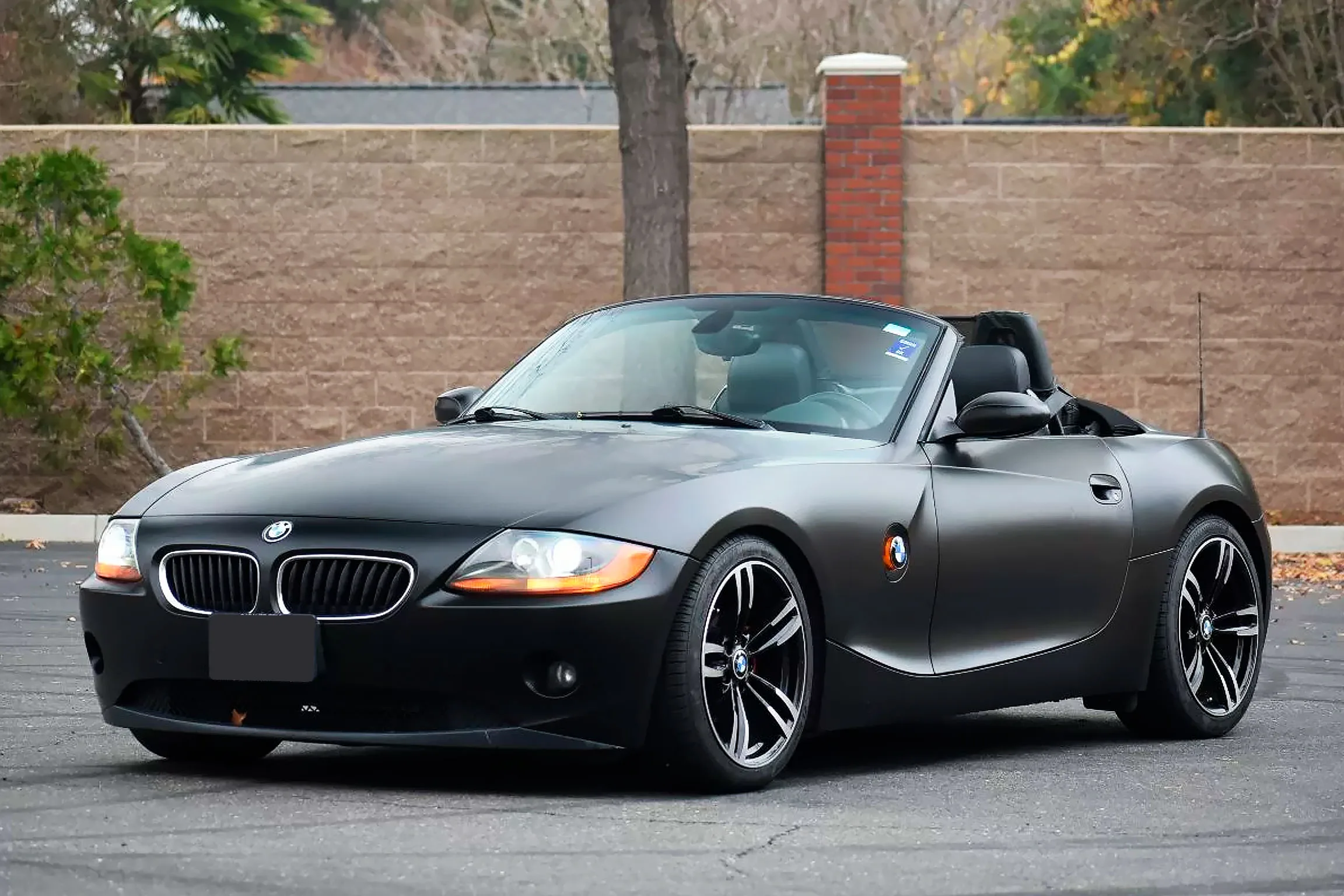
The BMW Z4, unveiled at the 2002 Paris Motor Show, marked a dynamic leap forward in BMW’s lineup of open-top sports cars, replacing the beloved Z3 with a more sophisticated, powerful, and technically advanced roadster. Crafted with a fresh design philosophy and innovative engineering, the first-generation Z4 set new standards for styling, handling, and technology in its segment.
Distinctive Design and Platform Improvements
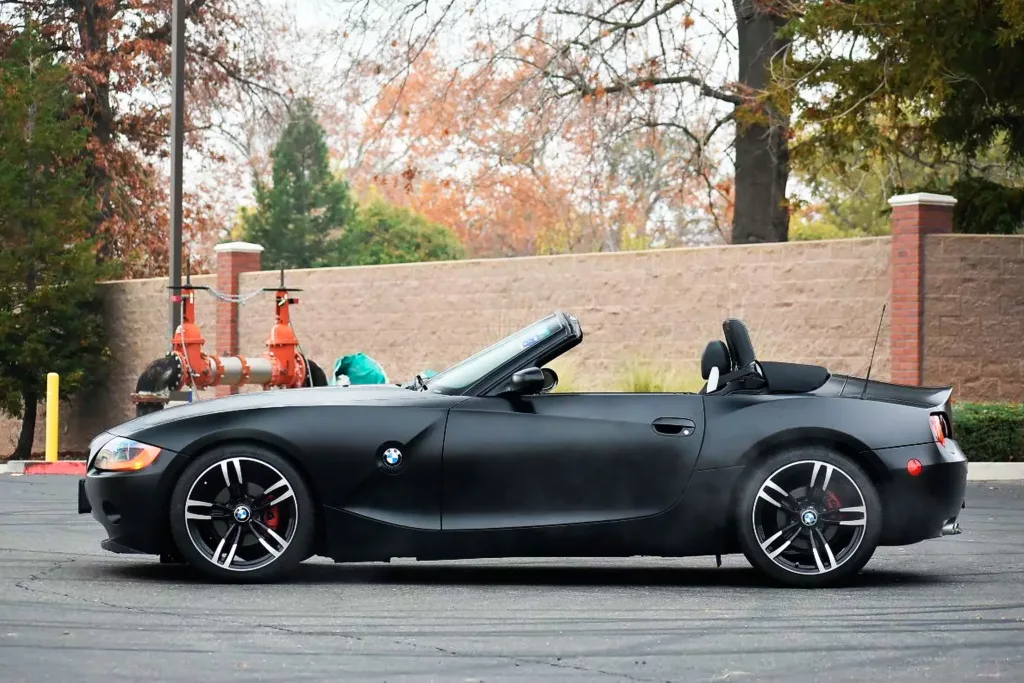
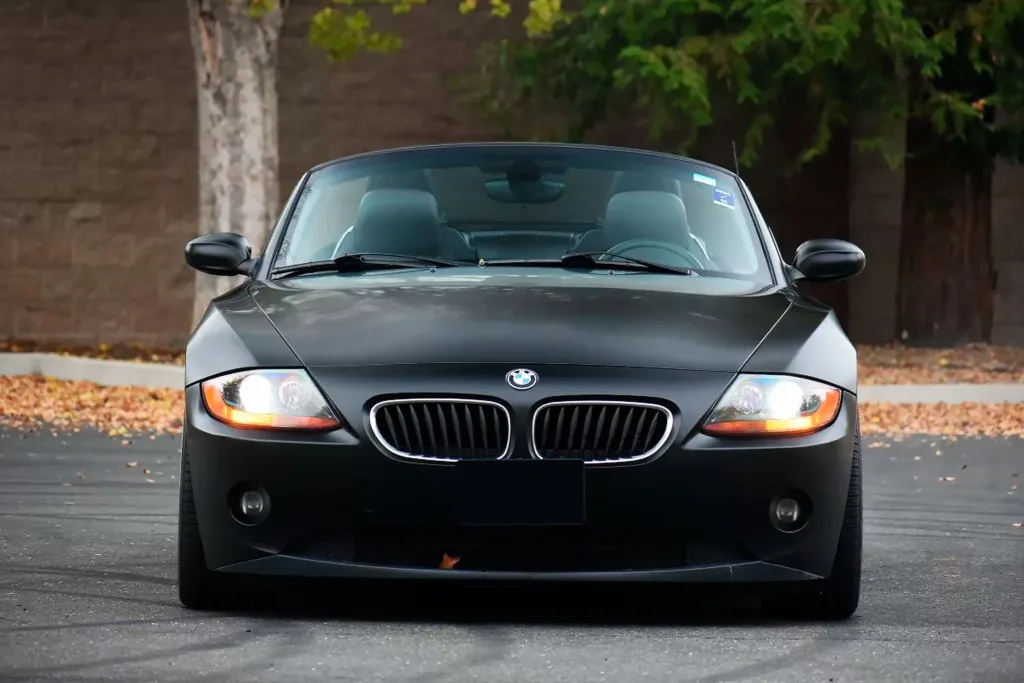
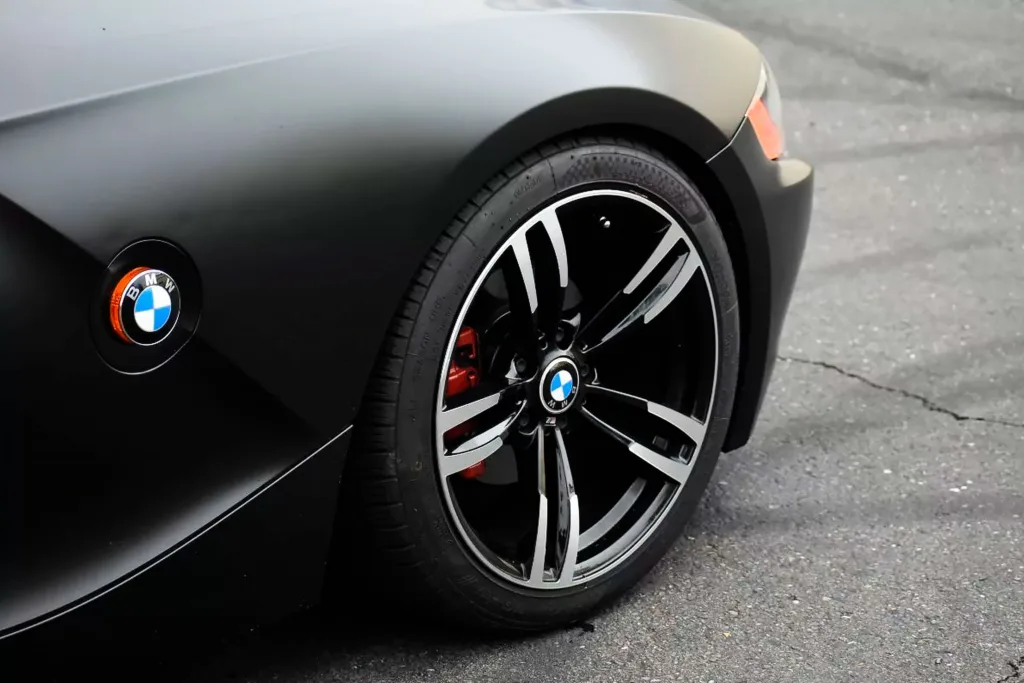
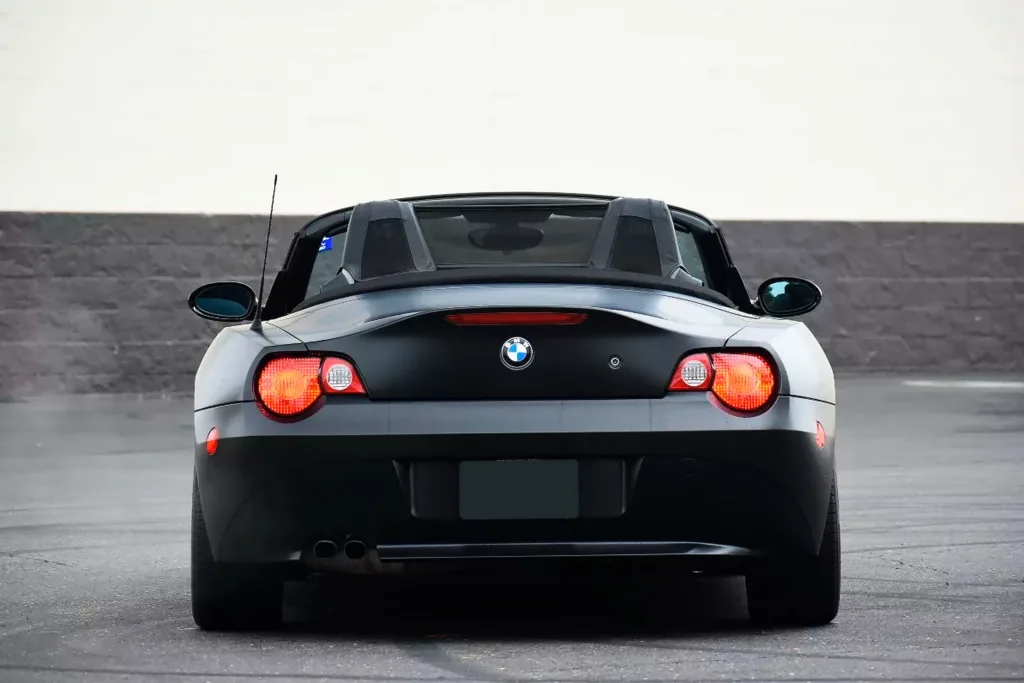
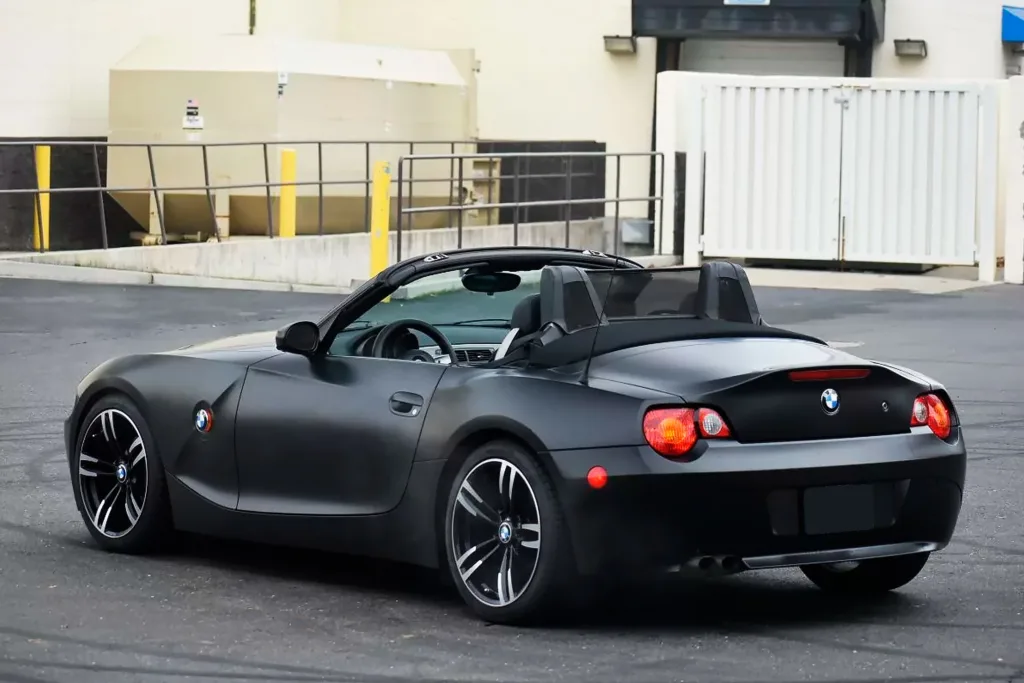
Chief designer Chris Bangle’s influence is immediately evident in the Z4’s striking aesthetics, characterized by dramatic flowing lines, pronounced contours, and the signature “Z” press line ahead of the doors. This bold look differentiated the Z4 not only from its predecessor but also from competing sports convertibles of the era.
The Z4 was engineered on a brand-new platform, developed from the ground up, allowing optimal front/rear weight distribution—50.3% front to 49.7% rear—delivering superior balance and handling precision. Remarkably, BMW achieved triple the torsional rigidity compared to the outgoing Z3, all while reducing the car’s weight by 25 kg, underscoring the focus on performance and agility.
Technical Features and Chassis Development
Under the hood, the initial engine offerings included refined 2.5-liter and 3.0-liter inline-six units, elevating the Z4’s performance pedigree well above the Z3’s entry-level four-cylinder start. The chassis borrowed the proven suspension architecture of the contemporary E46 3 Series—MacPherson struts up front and multi-link setup in the rear—integrating solutions that had undergone extensive real-world testing for optimal reliability and dynamics.
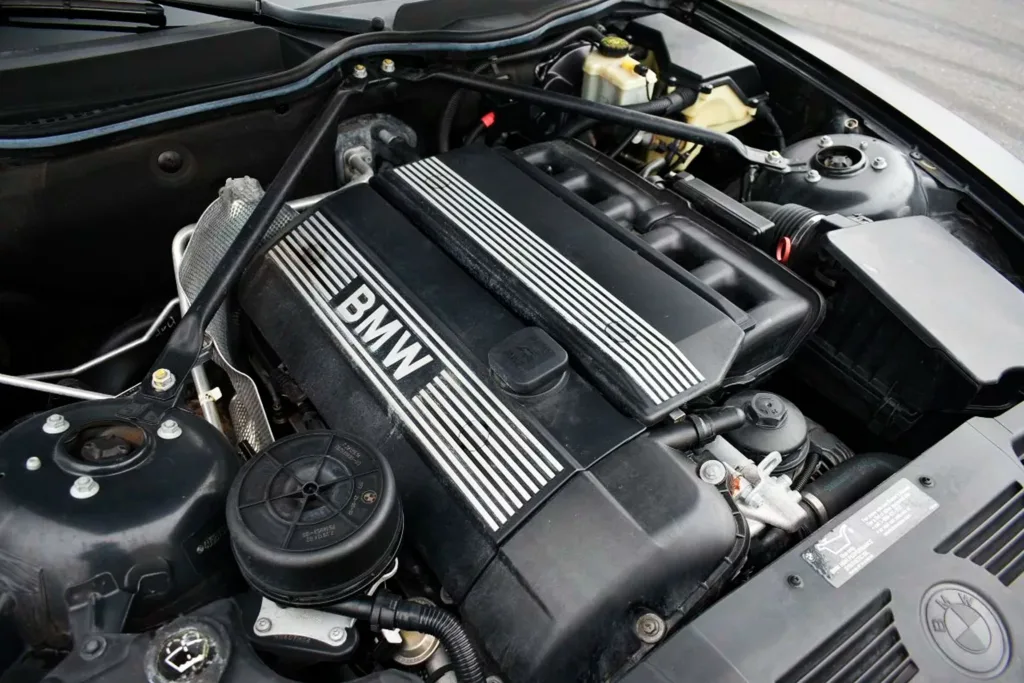
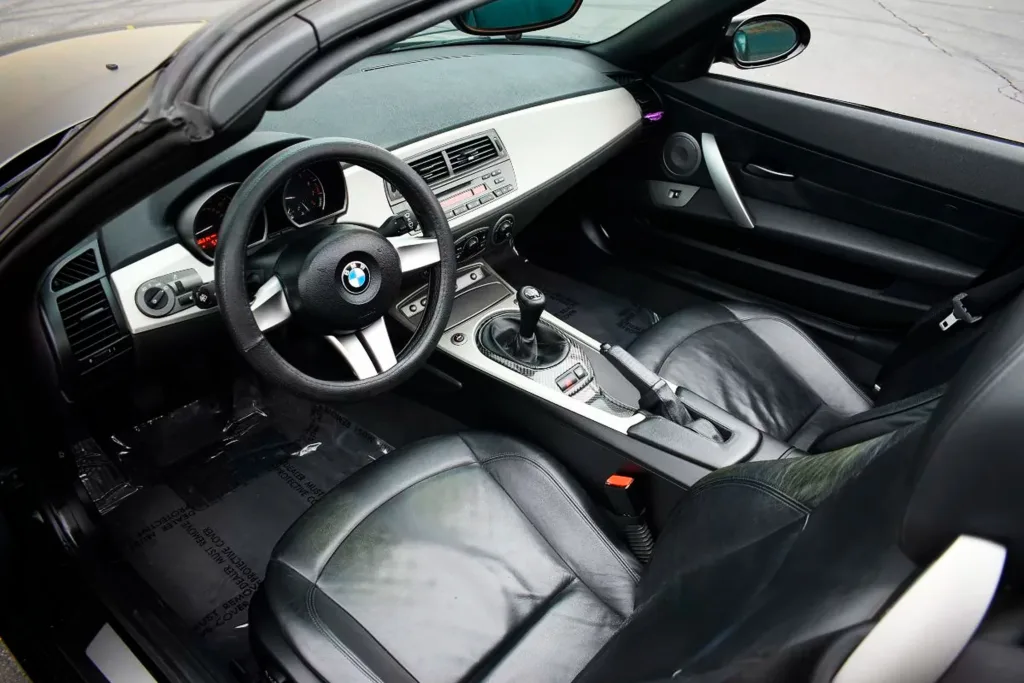
The Z4 became the first BMW sports car equipped with electric power steering, which offered not only efficiency gains but also precision tuning by the driver. Advanced driver aids like DTC (Dynamic Traction Control), a supplementary system to traction control, and DDC (Dynamic Drive Control), which varies steering feedback and throttle response between normal and sport modes, put cutting-edge technology directly at the driver’s fingertips. Transmissions ranged from manual (MT) and automatic (AT) to a semi-automatic SMG, bringing versatility to the roadster’s sporty credentials.
Manufacturing and Motorsport Pedigree
True to its international ambition and legacy, the Z4 was produced at BMW’s Spartanburg factory in South Carolina, a site known for maintaining the highest standards in quality and performance. Motorsport variants of the Z4 proved their worth in endurance racing, including the grueling 24 Hours of Nürburgring, where the model demonstrated reliability and competitive prowess on the world stage.
Segment Influence and Legacy
The first-generation Z4 epitomized BMW’s dedication to continuous advancement, blending high-performance engines, a rigid chassis, and bold design into a convertible that offers both comfort and exhilarating engagement. Its synergy of technology—spanning electric power steering, variable driving modes, and a robust range of transmissions—solidified the Z4’s reputation as a sports car for purists and innovators alike.


Functional Always active
Preferences
Statistics
Marketing