
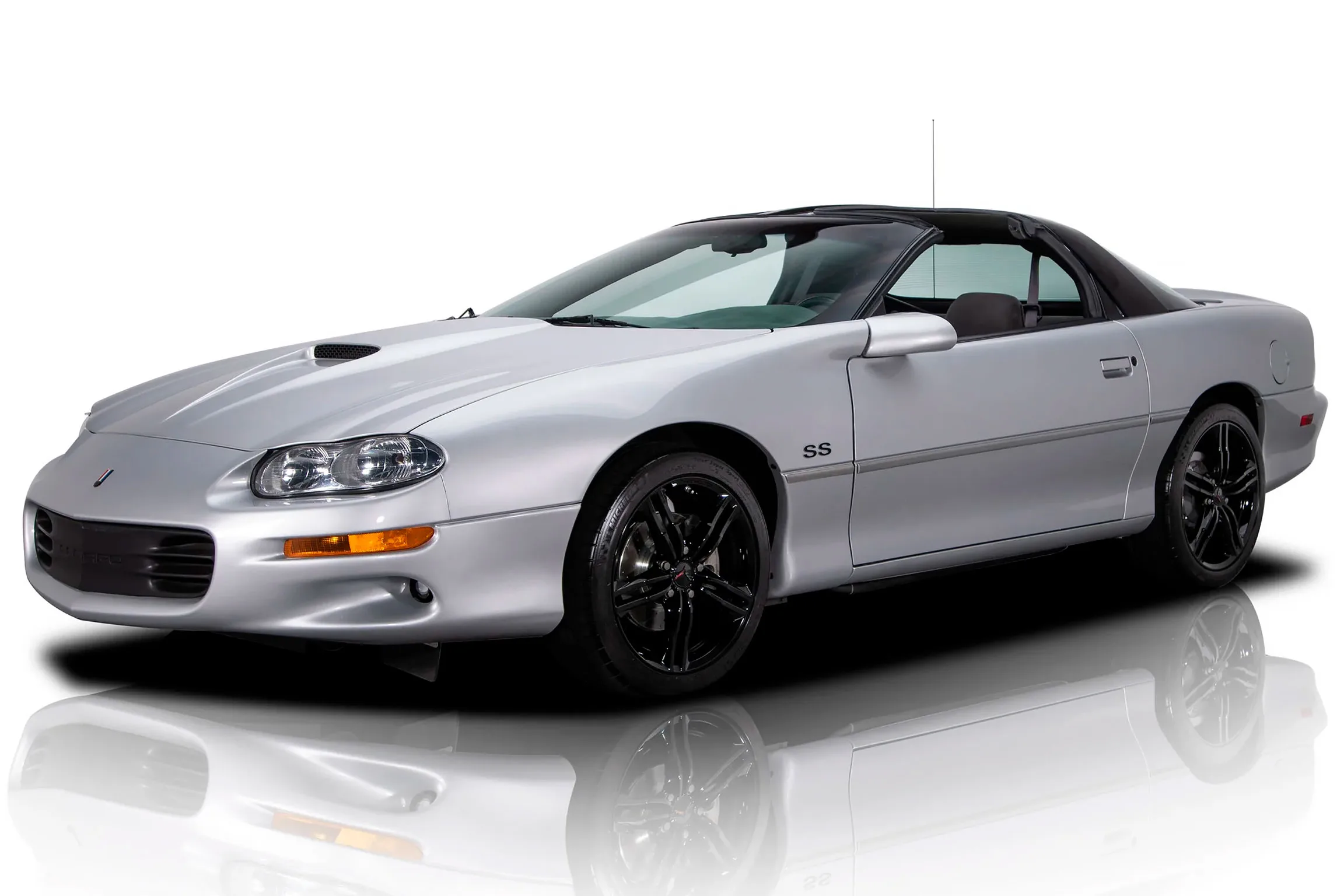
By the dawn of the new millennium, the Chevrolet Camaro SS stood as an iconic representation of American muscle reborn. Rooted in decades of performance engineering and competition heritage, the 2000 Camaro SS was not just another sporty coupe—it was a statement of power, balance, and street credibility born from the hands of one of GM’s most famous performance partners, SLP Engineering.
The Evolution of the Fourth Generation
The fourth-generation Camaro, which launched in 1993, had already pushed the envelope for performance coupes under $30,000. By 1998, Chevrolet refreshed the model with sharper styling and far more advanced hardware. It received a revised front fascia, restyled lighting, and, most importantly, a monumental engine upgrade: the all-aluminum LS1 V8—the same powerplant used in the Chevrolet Corvette C5.
This engine change marked a turning point in Camaro history. The LS1 replaced the aging cast-iron LT1 small-block V8, offering substantial weight savings and improved performance. In its standard Z28 form, the LS1 delivered 305 horsepower and 335 lb-ft of torque, instantly bringing Corvette-level performance to a much more affordable platform.
Yet, for those who demanded even more, Chevrolet brought back a legendary badge first introduced in the late 1960s—the SS, or “Super Sport.”
The Return of the Super Sport
When the Camaro SS name resurfaced in 1996, it reignited GM’s muscle car competition spirit. But what few enthusiasts realized was that the rebirth of the SS wasn’t an internal GM project—it was the result of a strategic collaboration with SLP Engineering (Street Legal Performance), a New Jersey-based performance tuner renowned for developing high-output versions of GM cars. SLP had already earned a reputation for the Pontiac Firebird Firehawk, and their technical prowess made them the ideal partner to turn the Camaro into a serious street machine.
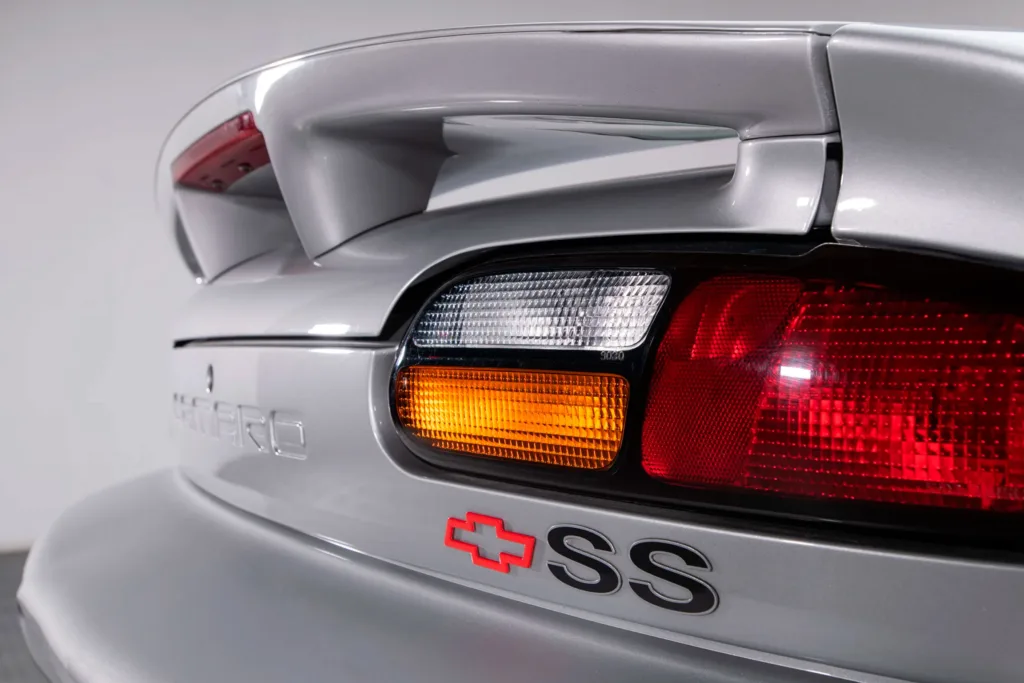
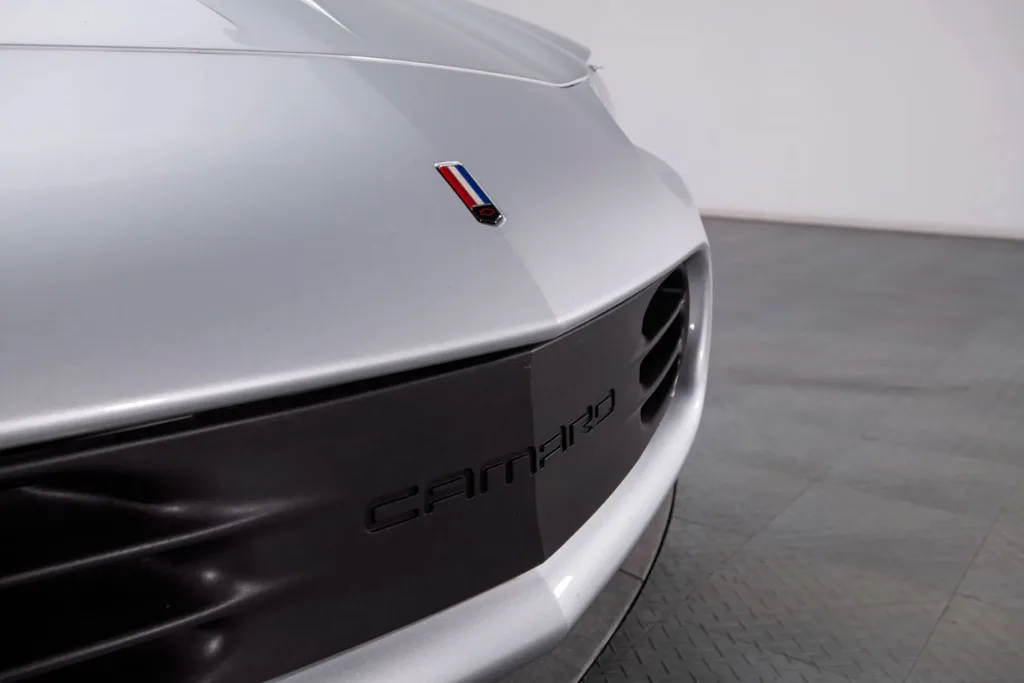
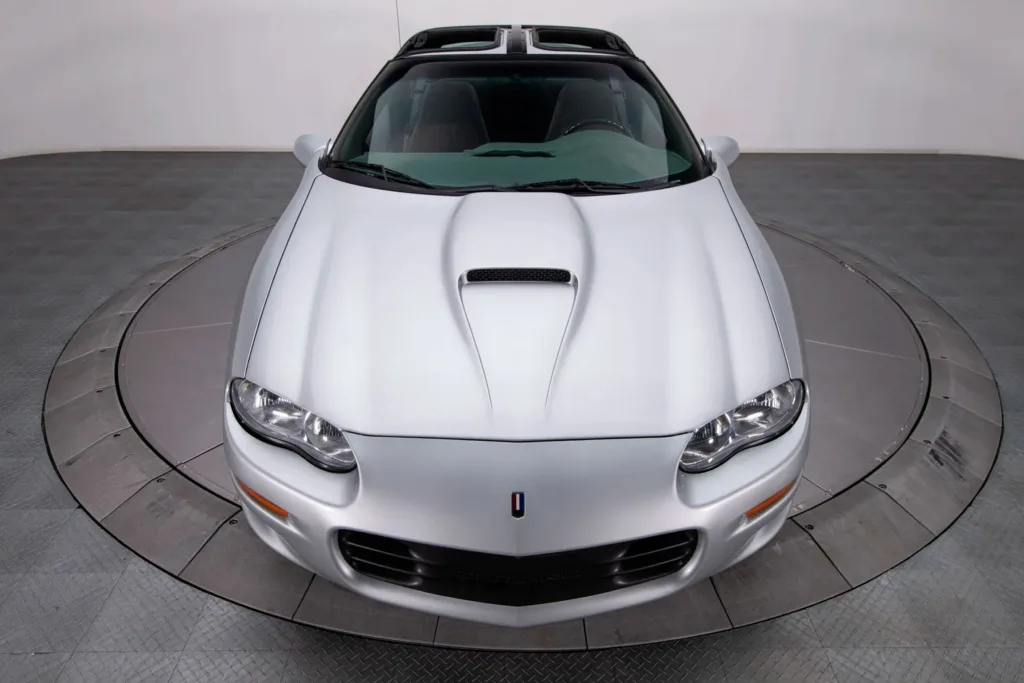
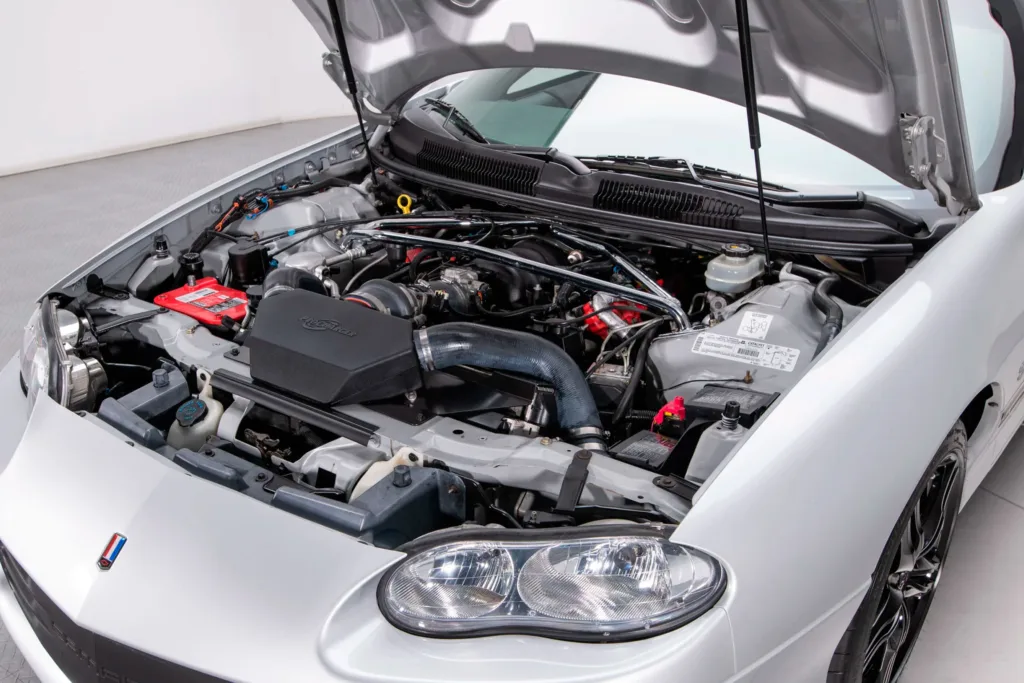
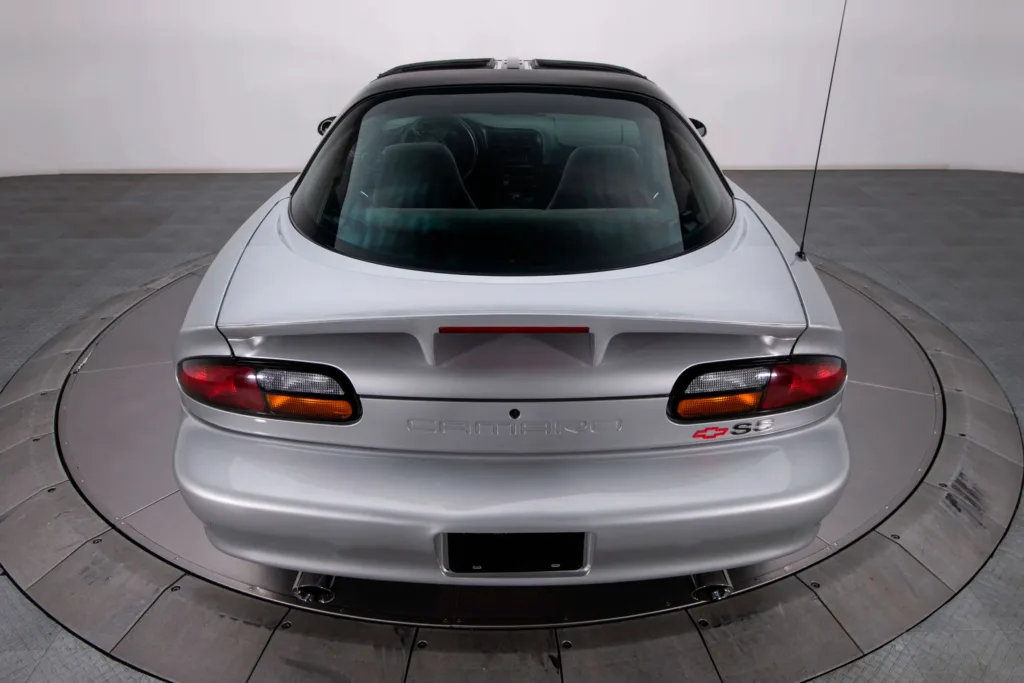
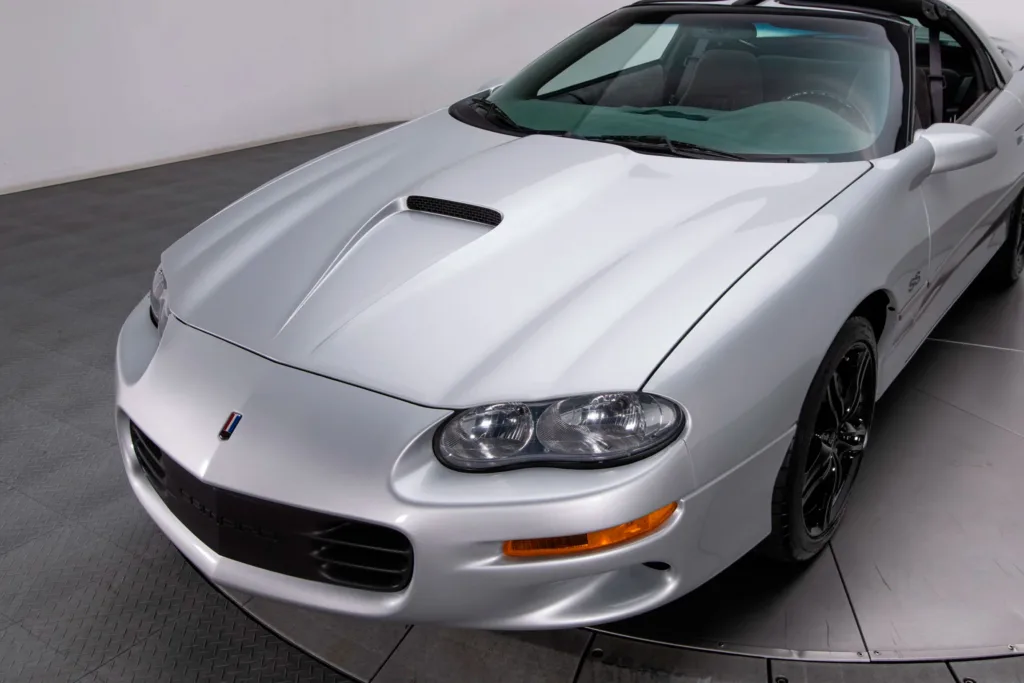
The SS package was offered under RPO code R7T, and priced at around $3,999, it transformed the standard Z28 into a more focused, more aggressive performer. SLP’s modifications included a functional ram-air hood scoop that boosted power from 305 to 320 horsepower (and up to 325 hp with optional exhaust tuning). Additional touches included a low-restriction exhaust, upgraded suspension components, performance-tuned shocks and springs, and 17-inch five-spoke alloy wheels wrapped in Z-rated performance tires. Visually, the SS gained unique aerodynamic ground effects, a prominent rear spoiler, and exclusive badging that established its identity as the top-tier Camaro of its era.
Engineering the Ultimate Street Racer
The 2000 Camaro SS offered a driving experience that felt raw yet refined—a hallmark of SLP’s engineering philosophy. Every component was selected to maximize responsiveness and durability under performance conditions. The LS1 aluminum-block V8, featuring a 10.1:1 compression ratio and sequential multi-port fuel injection, allowed breathtaking acceleration, with 0 to 60 mph times recorded in the low 5-second range and a top speed brushing 160 mph when properly equipped.
Enthusiasts could select either the Borg-Warner T56 six-speed manual transmission or a 4L60-E four-speed automatic, providing a balance between control and convenience. For handling, the SS benefited from a limited-slip differential and recalibrated suspension geometry. While no official Chevrolet data listed the full set of upgrades, driver feedback consistently praised the SS for its tight road feel and improved cornering stability, especially in comparison to the base Z28.
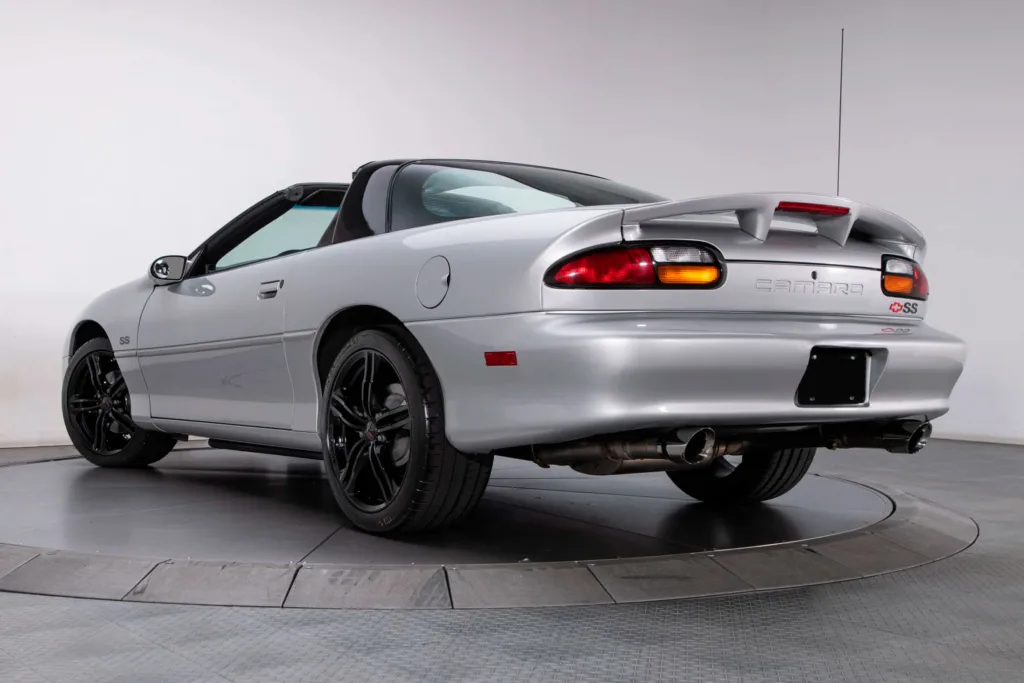
SLP didn’t stop there. They offered even more extreme factory-authorized options—Brembo braking systems, performance differentials, and even roll cages for customers seeking near-track-ready performance. These extras blurred the line between road cars and race-prepped machines, making the SS one of the most versatile muscle cars of its era.
The 1998–2002 Redesign and Performance Peak
Chevrolet’s 1998 facelift refined the Camaro’s appearance, lending it a more modern and aggressive aura. The composite front fascia adopted a smoother, more aerodynamic design, framed by elliptical headlamps and a sleeker hood line. Under the hood, the 2000 SS retained the updated LS1 but featured improved intake airflow, allowing for enhanced throttle response. Chevrolet rated the 2000 Camaro SS at 320 horsepower, but independent dyno testing suggested actual output closer to 330–335 hp at the crank.
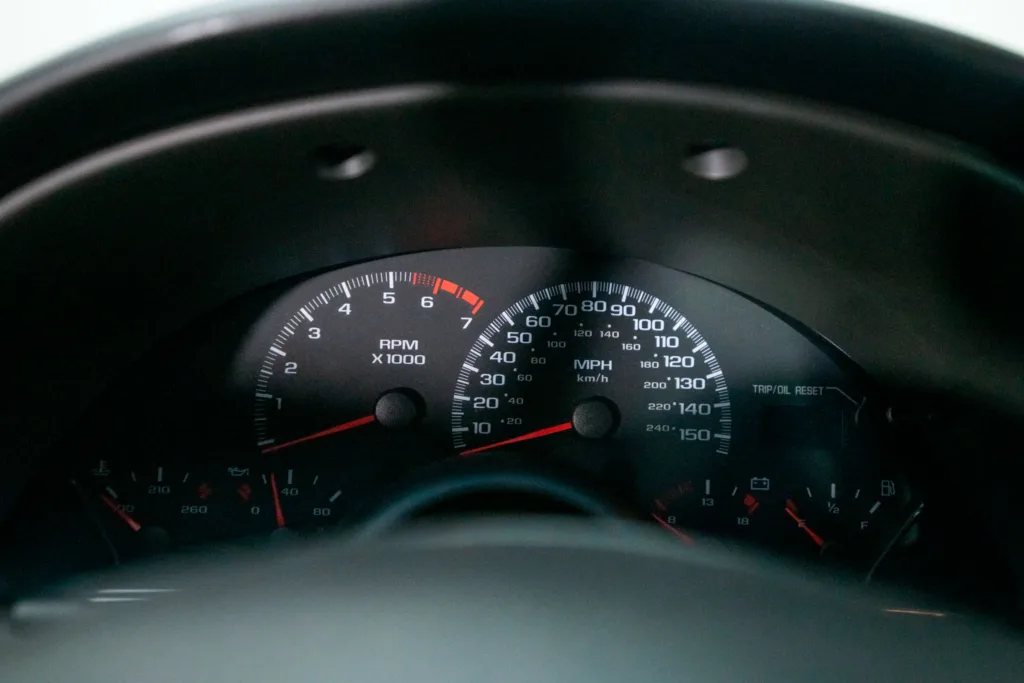
This new generation of the SS delivered more than raw speed—it embodied the evolution of muscle car dynamics. Its lighter front end, tighter steering ratios, and improved ergonomics created an experience that bridged the gap between old-school V8 thunder and modern performance sophistication.
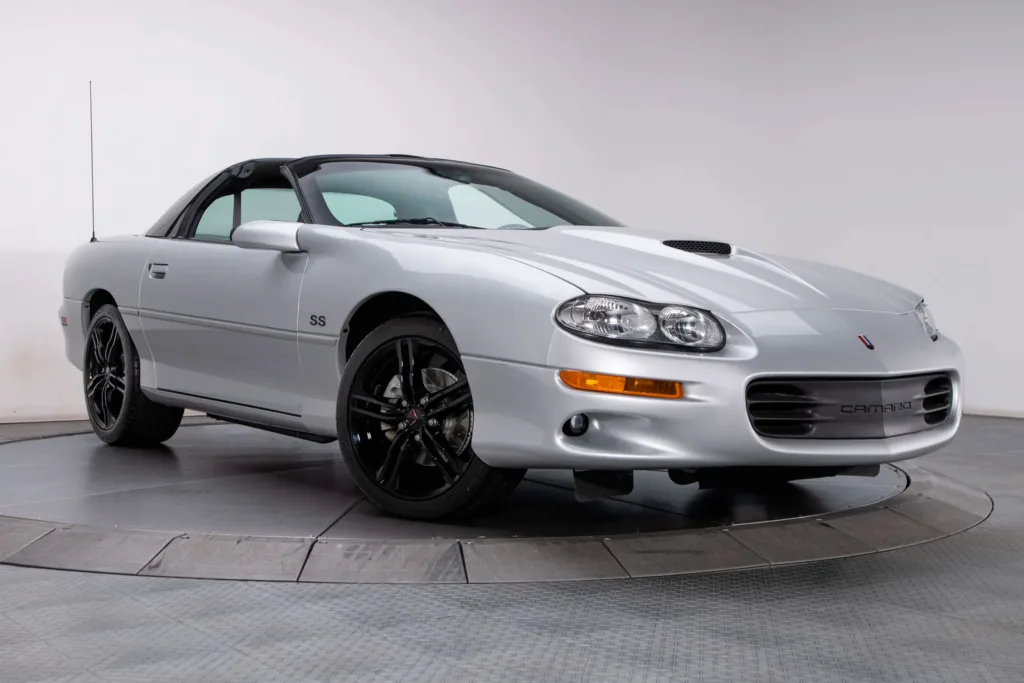
Legacy of a Late-Era Muscle Icon
As the 2000s approached, the market shifted toward SUVs and imports, leading to struggling sales for pony cars across the board. Despite the Camaro SS delivering world-class performance for its price, economic reality caught up with GM. Production of the fourth-generation Camaro ceased in 2002, marking the end of an era for one of America’s defining muscle cars.
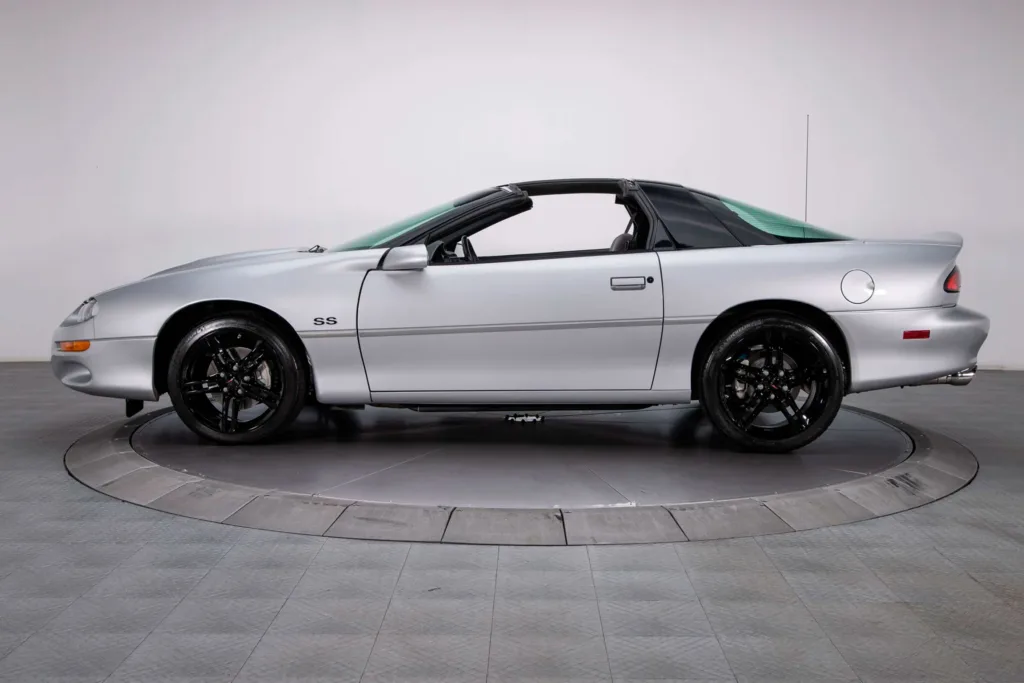
Nevertheless, the 2000 Camaro SS remains a cult favorite among collectors and muscle car enthusiasts. Its combination of Corvette engineering, SLP craftsmanship, and authentic V8 character gives it lasting appeal. The car represents the final evolution of the classic rear-wheel-drive muscle coupe before Chevrolet paused Camaro production—only to resurrect it years later in 2010 with an entirely new design.
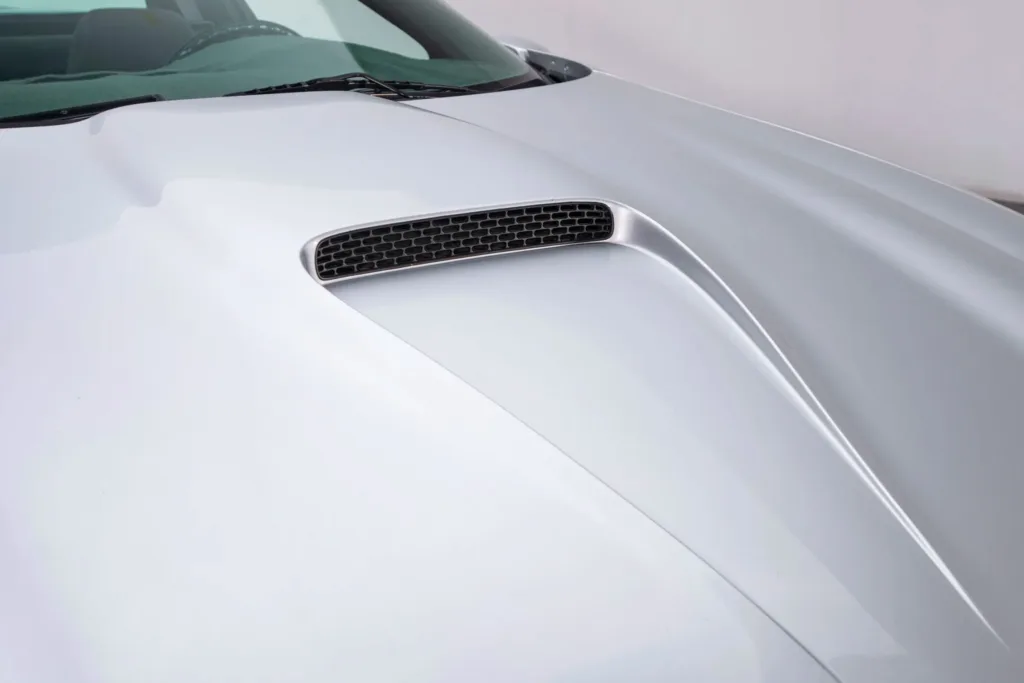
Today, the 2000 Camaro SS stands as a touchstone for fans of late-20th-century American performance—a time when horsepower wars were fought on asphalt, and tuners like SLP helped blur the boundaries between manufacturer and racing shop. Its marriage of classic power and modern engineering makes it one of the most respected muscle cars of its generation.


Functional Always active
Preferences
Statistics
Marketing