
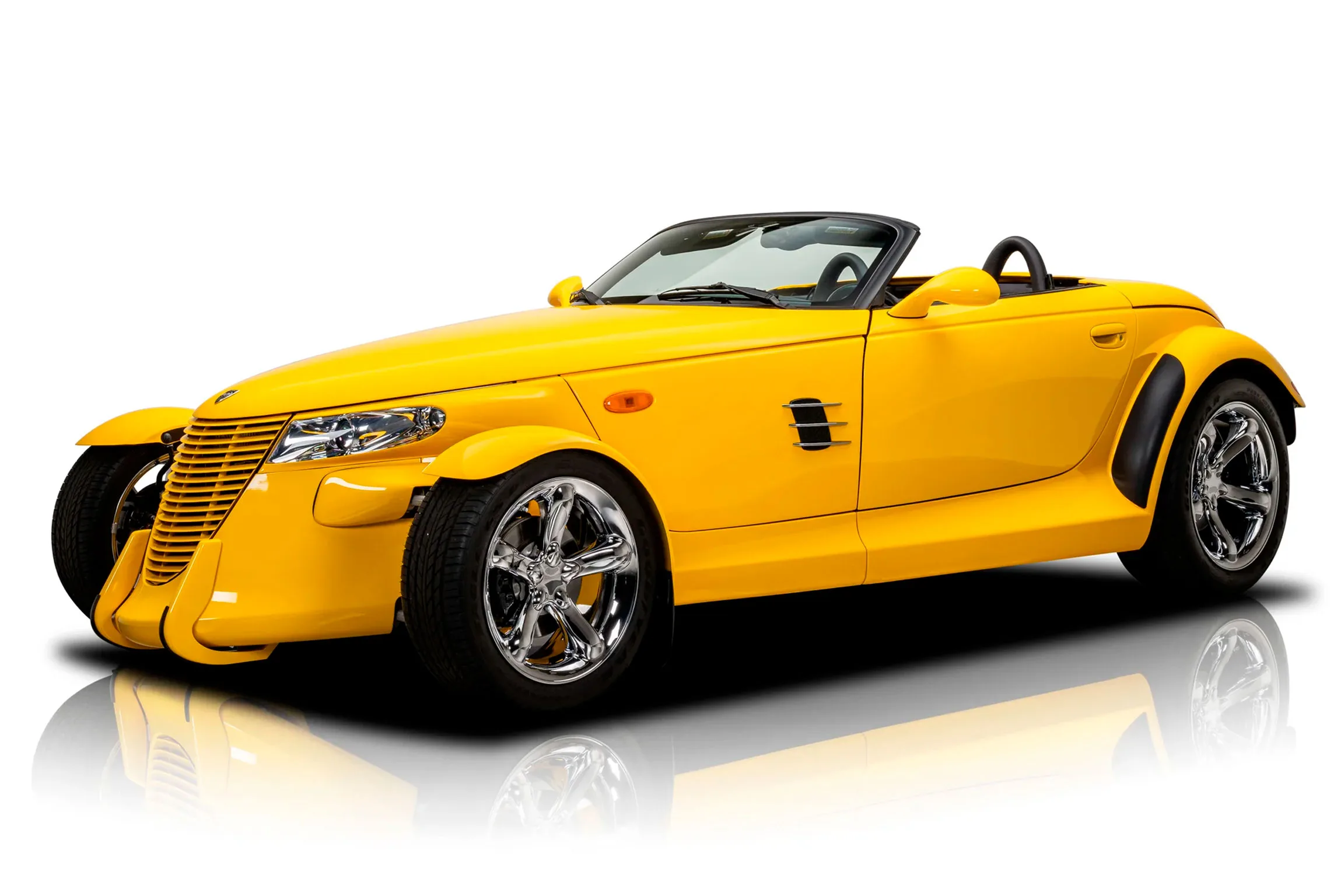
Few production cars have captured the spirit of classic hot-rodding while embracing modern technology quite like the Chrysler Prowler. Originally launched under the Plymouth badge in the late 1990s, the Prowler was one of the most daring vehicles ever to leave an American assembly line—a factory-built tribute to the outrageous hot rods of the 1930s, reborn with 21st-century engineering. By the time the 2002 Chrysler Prowler rolled off the line, it had already cemented its place as one of the most distinctive postmodern roadsters in automotive history.
From Concept to Production: The Birth of a Hot Rod
The Prowler’s roots can be traced back to 1993, when Chrysler’s Pacifica Design Center—guided by legendary designer Thomas Gale—was exploring ways to celebrate American car culture through radical design. The idea was audacious: create a neo–hot rod that looked hand-built yet rolled straight off a production line.

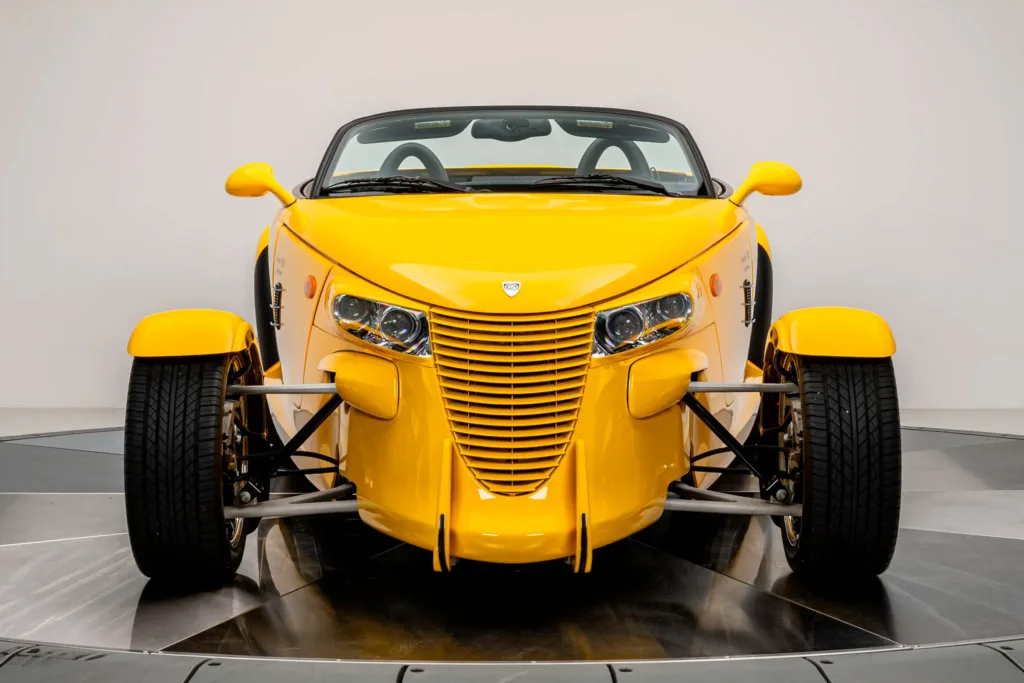
The initial Plymouth Prowler Concept, revealed at the 1993 North American International Auto Show in Detroit, drew immediate acclaim. Its chopped body lines, exposed front suspension, and long, sleek hood paid homage to pre-war roadsters while framing Chrysler’s new design freedom.
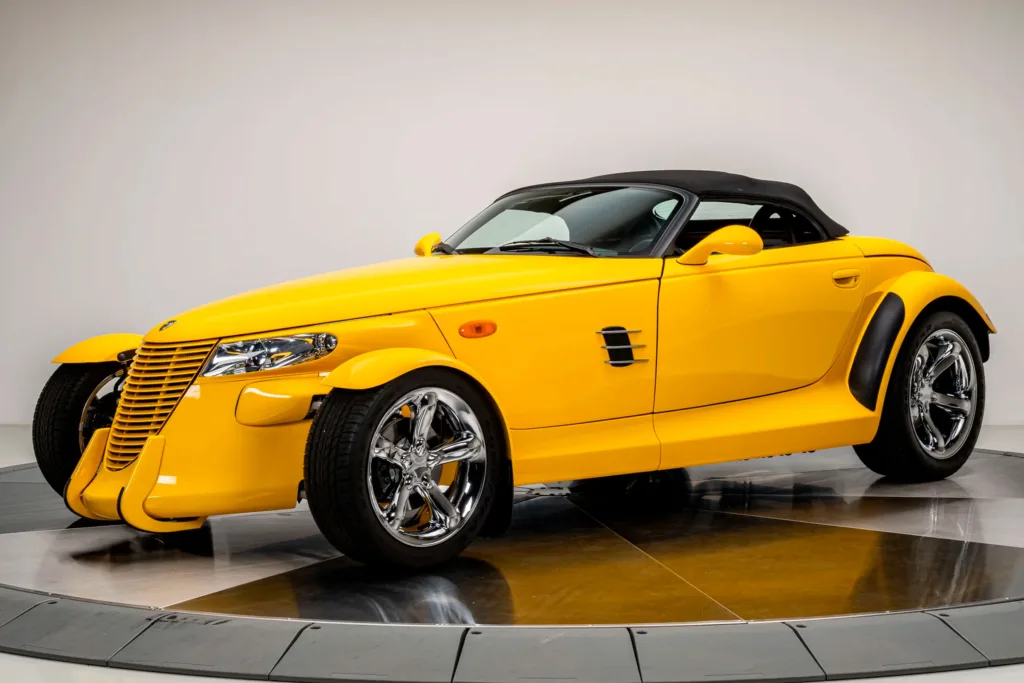
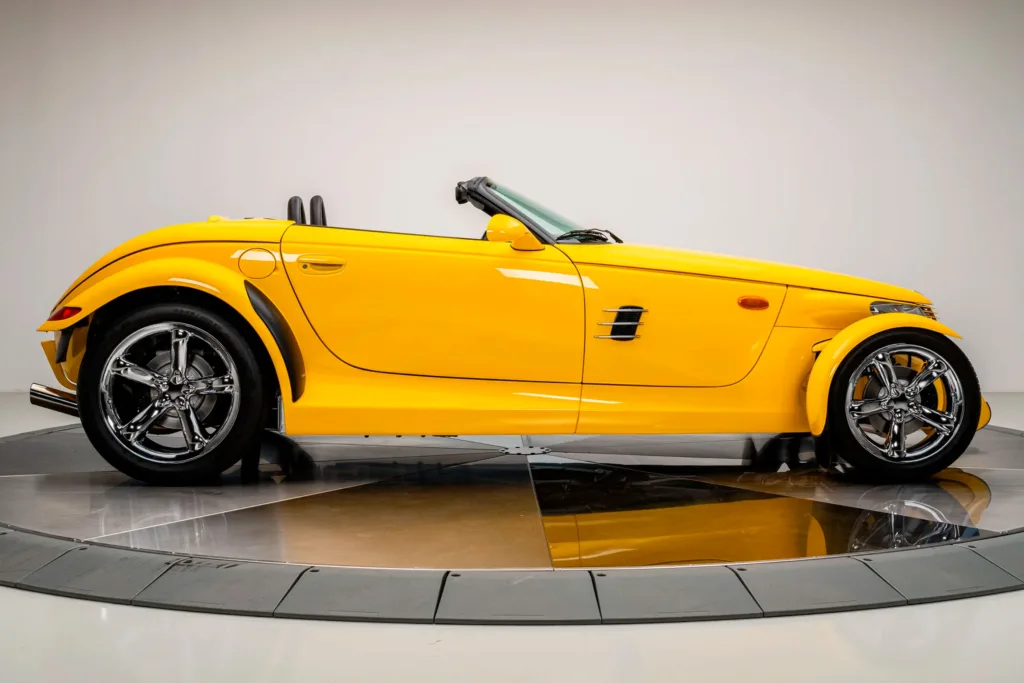
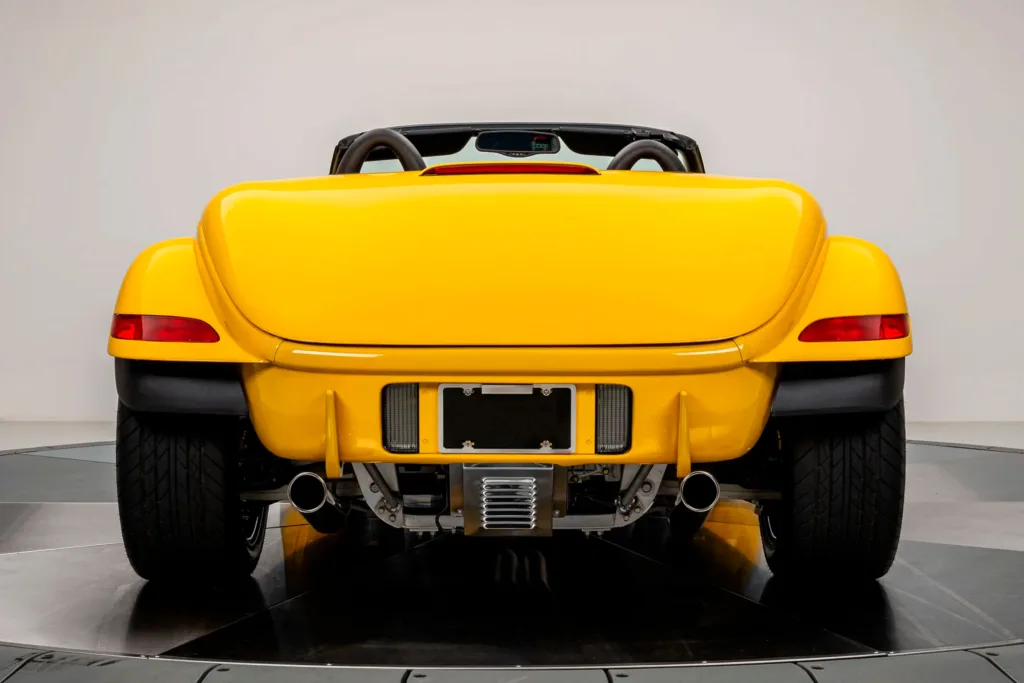
By 1997, that concept reached dealerships almost unchanged. It was one of the few times a major automaker mass-produced a car that maintained the radical silhouette of its prototype. The design defied convention—open front wheels, a narrow rear, and a pointed nose gave it cartoonish proportions that looked more at home in a comic book or custom garage than a corporate product brochure.
Engineering Innovation Beneath the Retro Skin
Despite its nostalgic shape, the Prowler was built using state-of-the-art materials and engineering practices. Its aluminum-intensive construction was unprecedented for Chrysler at the time, marking a leap into advanced lightweight design. The hydroformed aluminum frame and aluminum body panels gave the car both rigidity and reduced weight, tipping the scales at roughly 1,300 kilograms—lighter than many performance coupes of its era.
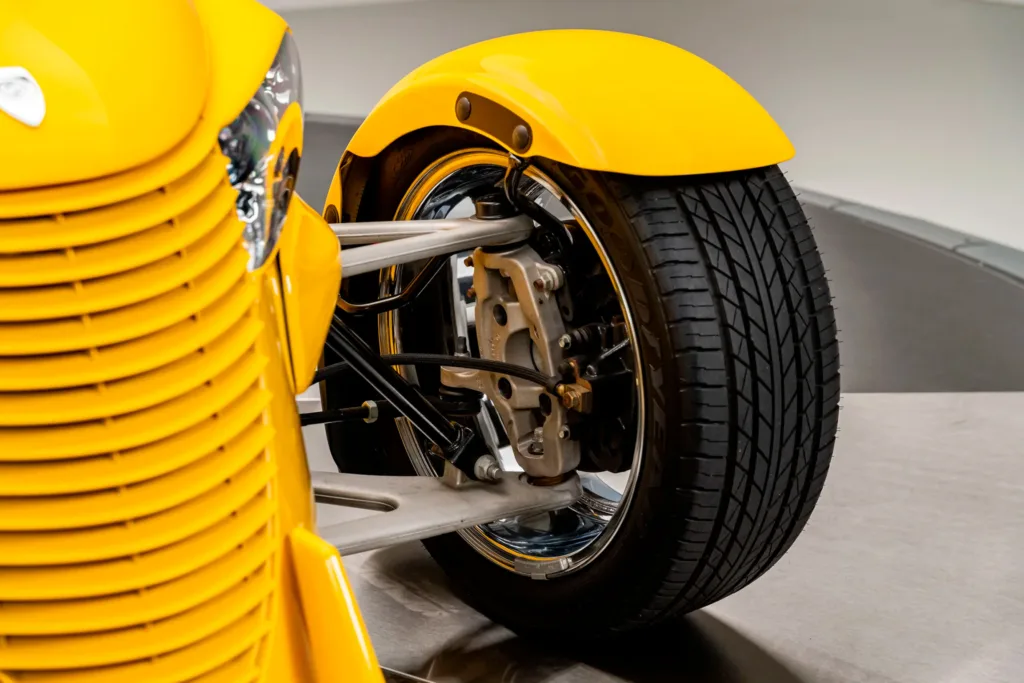
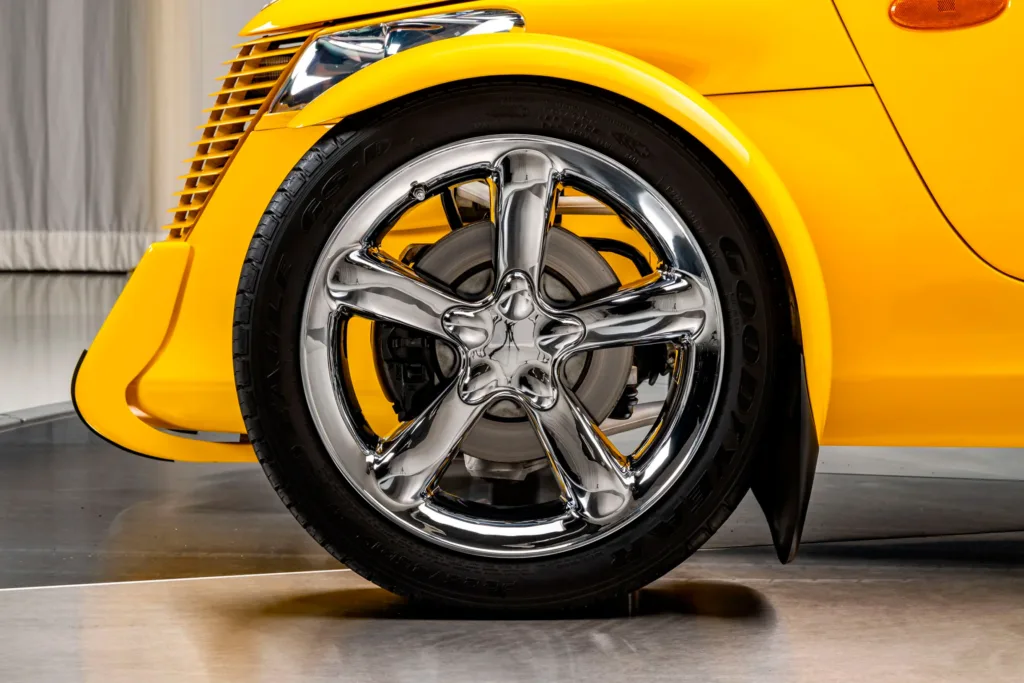
Chrysler engineers sought to merge cutting-edge technology with classic proportions. The suspension, featuring double wishbones at the front and a multi-link rear axle, was designed to provide both agility and comfort. The exposed front suspension arms became an aesthetic centerpiece, echoing traditional hot rods while serving modern functionality.
Power and Performance
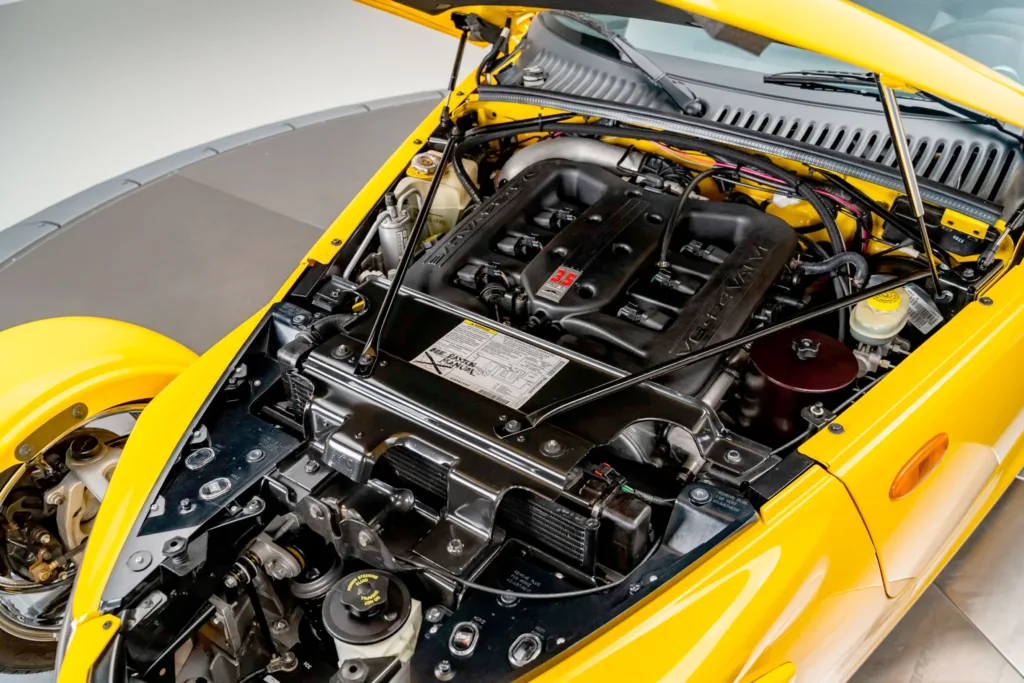
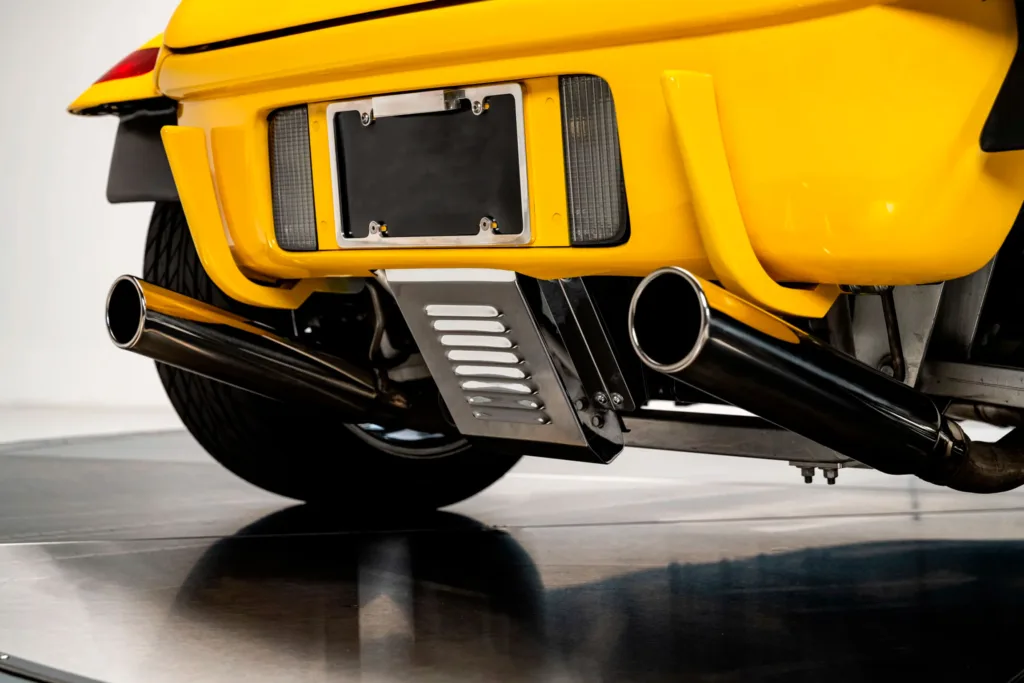
Under the sleek, tapering hood sat Chrysler’s proven 3.5-liter SOHC V6 engine. Initially producing 214 horsepower, the engine was later upgraded in 1999 to 253 horsepower and 255 lb-ft of torque, improving acceleration and overall responsiveness. The engine was combined with a four-speed automatic transmission equipped with Autostick manual-shift capability, located in the rear to achieve better weight distribution (49/51 front-rear balance)—a rarity among front-engined American cars of the time.
The Prowler could sprint from 0–60 mph (0–100 km/h) in 5.9 seconds and reach a top speed of around 235 km/h. Its quarter-mile run time of approximately 14.9 seconds made it competitive with sports cars costing significantly more. The combination of light weight, rear-wheel drive, and stiff chassis construction ensured an engaging, balanced driving experience that paid tribute to its open-wheel ancestors.
The Transition from Plymouth to Chrysler
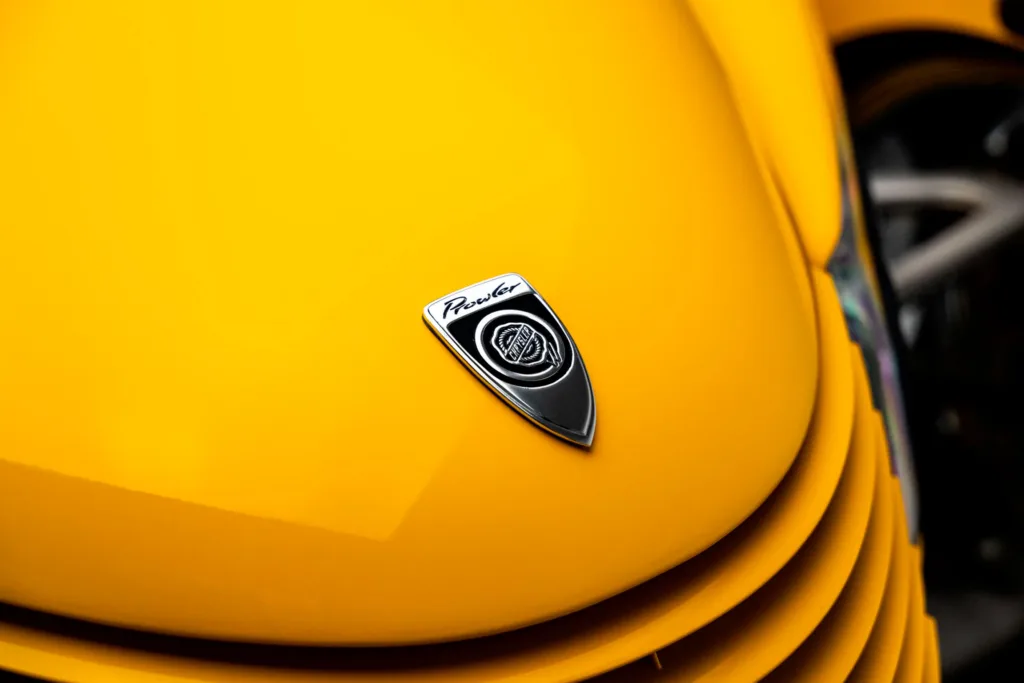
Originally intended to spearhead a renaissance for the Plymouth brand, the Prowler was to symbolize innovation and emotional design for Chrysler’s most youthful division. However, the timing turned out to be unfortunate. By 2001, Plymouth was discontinued, and the car re-emerged under the Chrysler marque with minimal changes other than the badge.
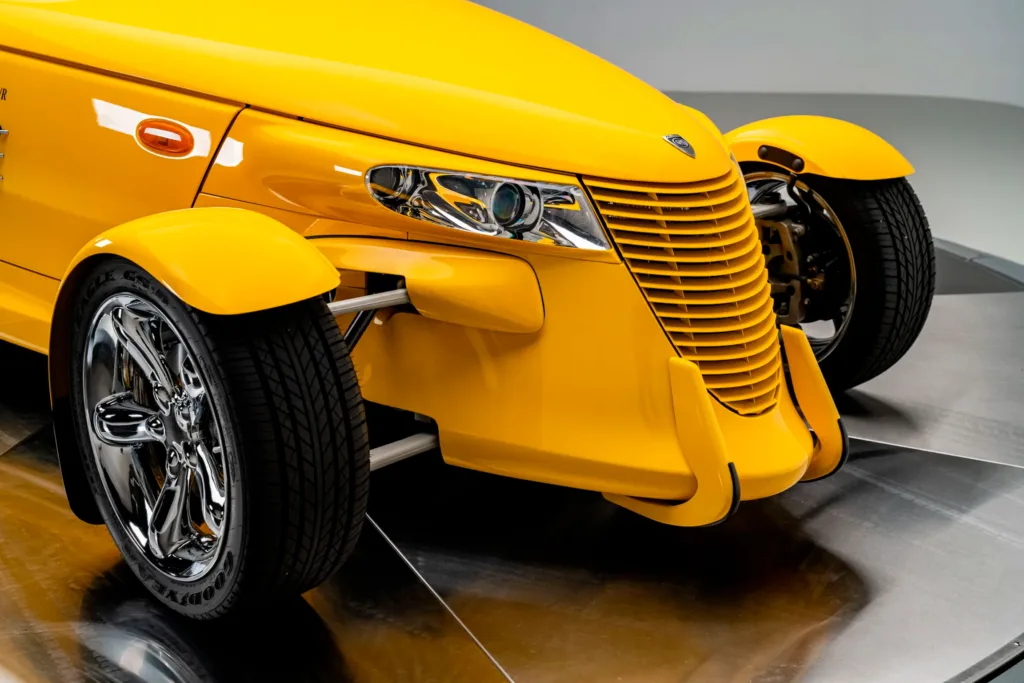
Though the name on the grille changed, the spirit of the Prowler remained unaltered. The 2002 Chrysler Prowler, the final production model, represented the end of an era. That year, Chrysler introduced a limited-edition color called “Candy Deep Red”, with only 300 units built. These vehicles have since become collector favorites, marking the culmination of a five-year production run.
Production Details and Legacy
In total, 11,479 units of the Prowler were produced between 1997 and 2002, across 11 official paint colors, including standout shades like Prowler Purple, Inca Gold, and Black Tie Edition Silver. Chrysler even offered a unique accessory—a color-matched trailer, styled to mirror the car’s distinctive rear end. The trailer could be purchased separately to provide extra luggage capacity for those daring to tour in their roadster. Today, these trailers remain prized accessories often displayed at classic car meets across the United States.
Despite its allure and engineering forwardness, the Prowler’s commercial success was modest. Critics often lamented the absence of a V8 engine—arguably the most essential feature of traditional hot rods. Nevertheless, Chrysler’s reasoning was sound: keeping weight low and utilizing existing V6 technology allowed production feasibility while maintaining performance credibility.
Over time, however, the Prowler’s peculiar charm and forward-thinking engineering earned it respect among enthusiasts. Its hand-built, hybrid identity—half show car, half street car—symbolized a moment when American automakers dared to create something purely for passion rather than practicality.
Design and Cultural Impact
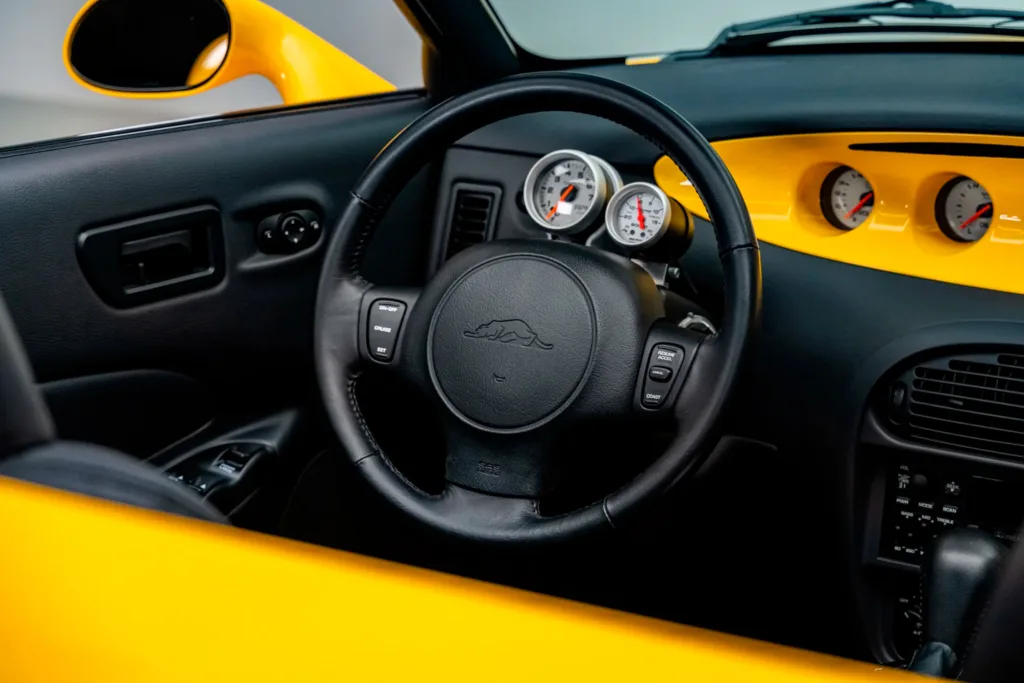
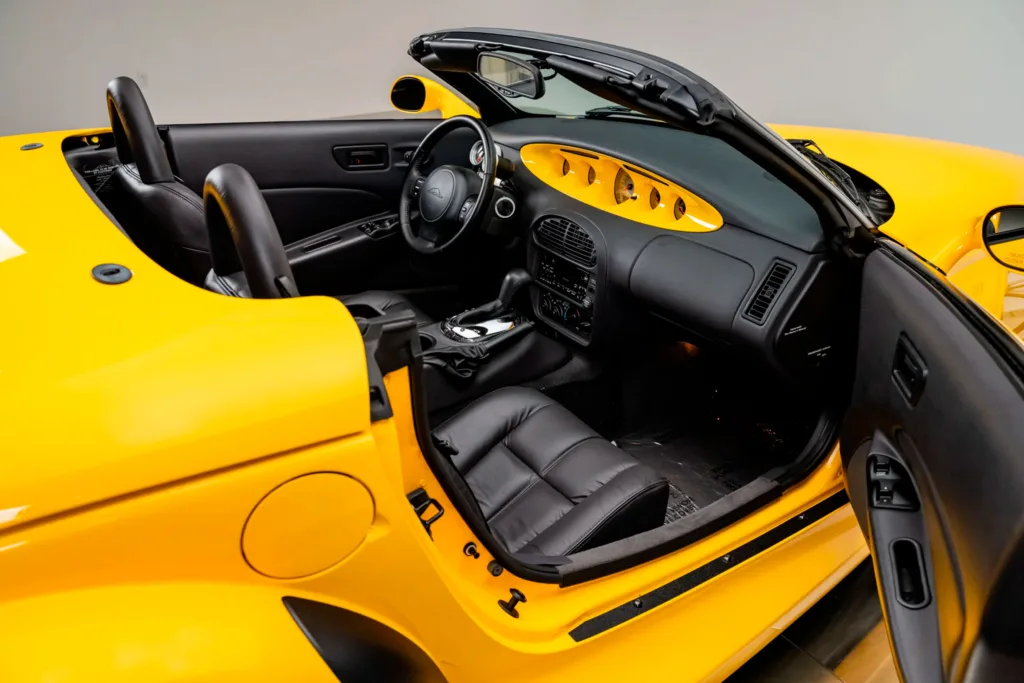
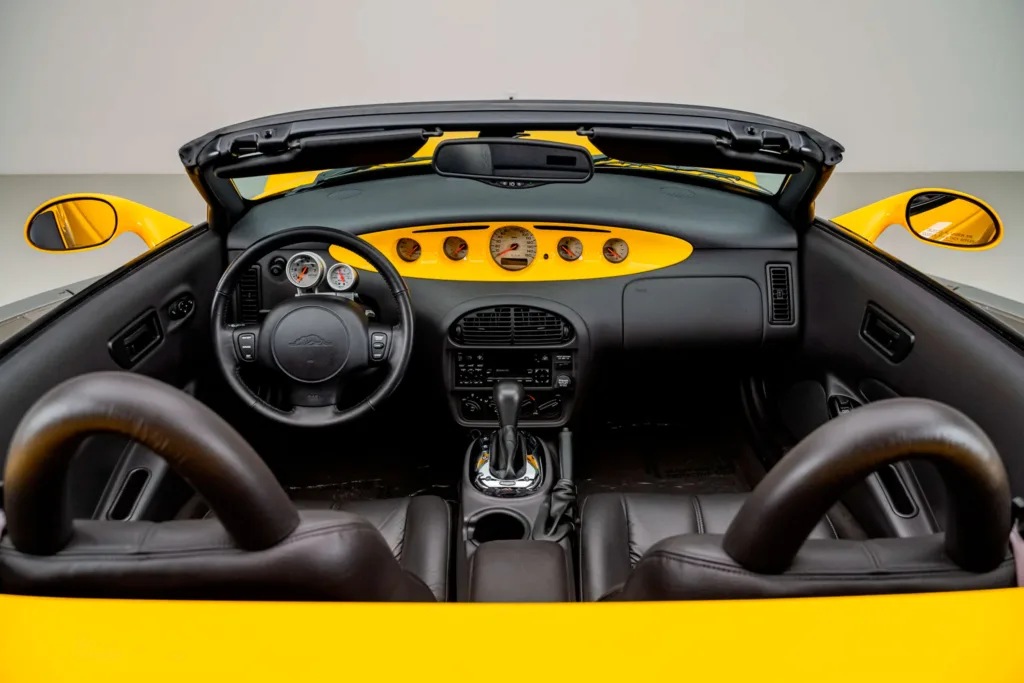
With its split front grille, rear boat-tail taper, and open-wheel stance, the Prowler was instantly recognizable and utterly unlike anything else on the road. Inside, it featured a minimalist cabin with retro cues—body-colored metal panels, analog gauges, and tan or black leather upholstery—but also elements of Chrysler luxury, such as keyless entry, premium audio, and power accessories.
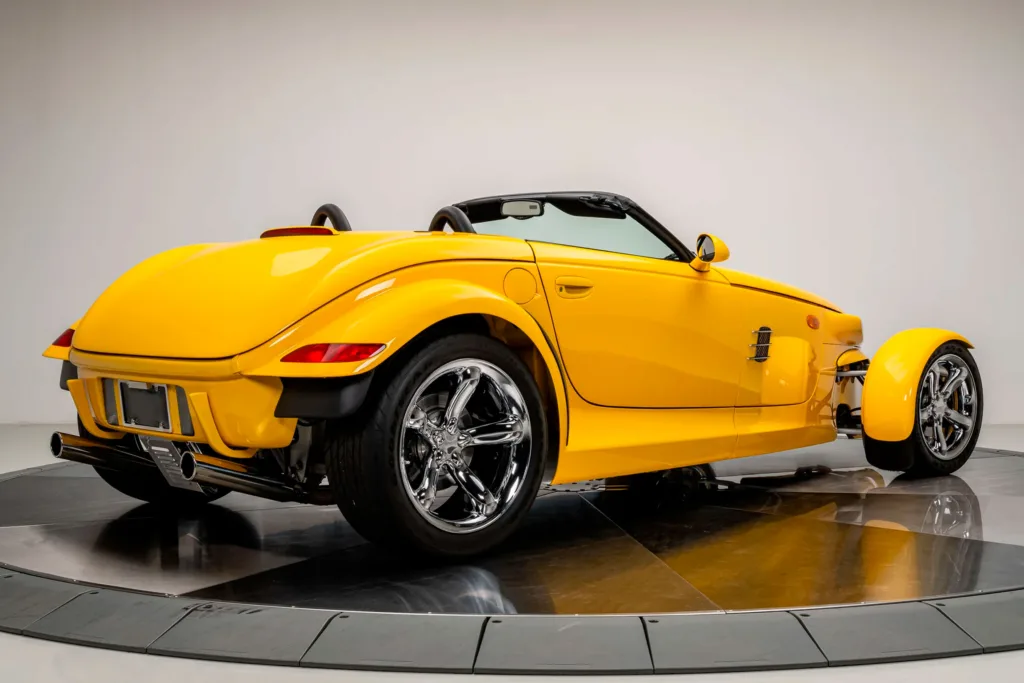
More than two decades later, the Chrysler Prowler stands as a symbol of 1990s design experimentation, when car companies briefly prioritized emotion, individuality, and nostalgia. Its combination of retro aesthetics, advanced materials, and precise engineering made it a technological pioneer and a cultural statement. The 2002 model, being the final iteration, perfectly encapsulated that ethos—a swan song for Plymouth and a reminder that automotive dreams sometimes do make it to production.




Functional Always active
Preferences
Statistics
Marketing