
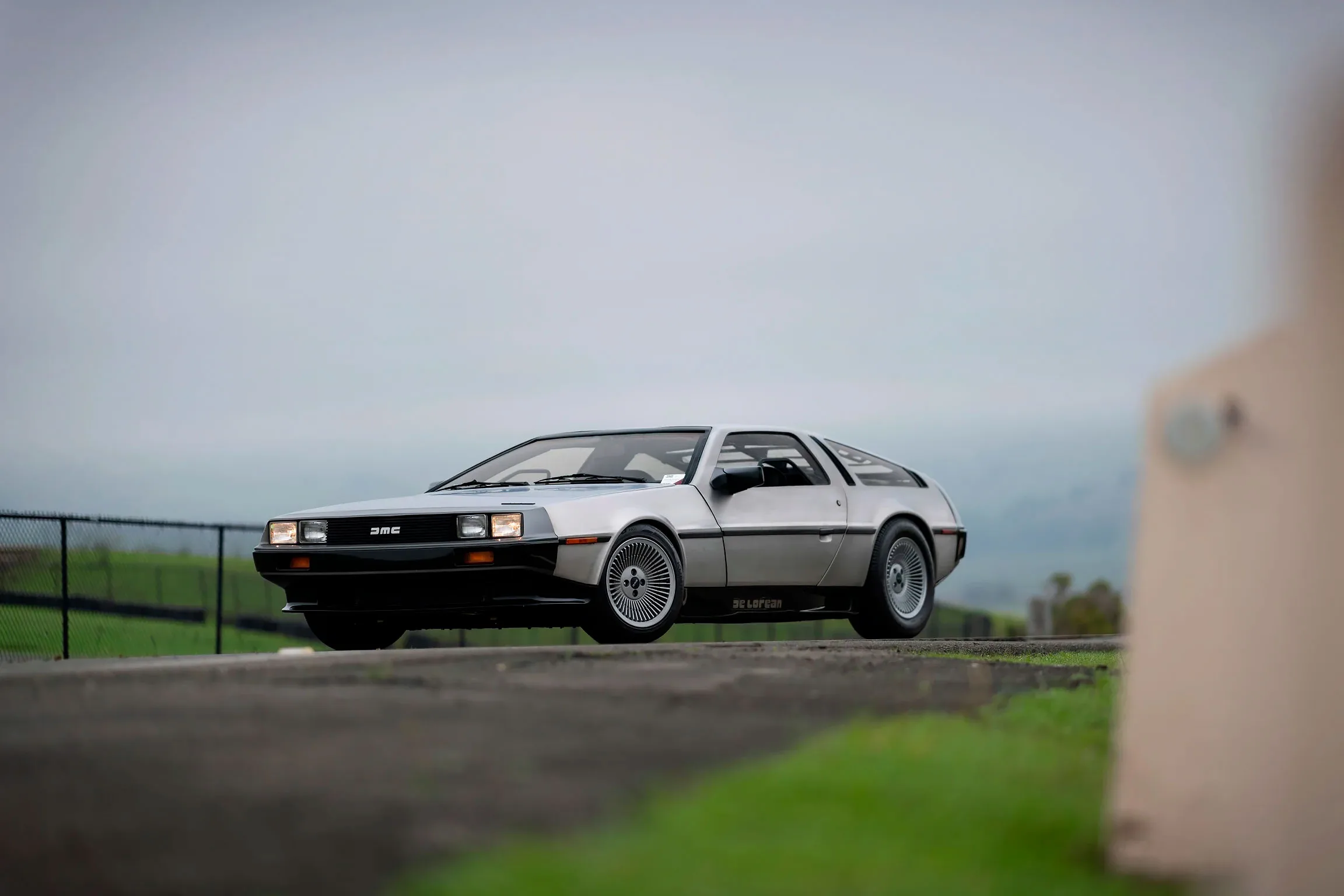
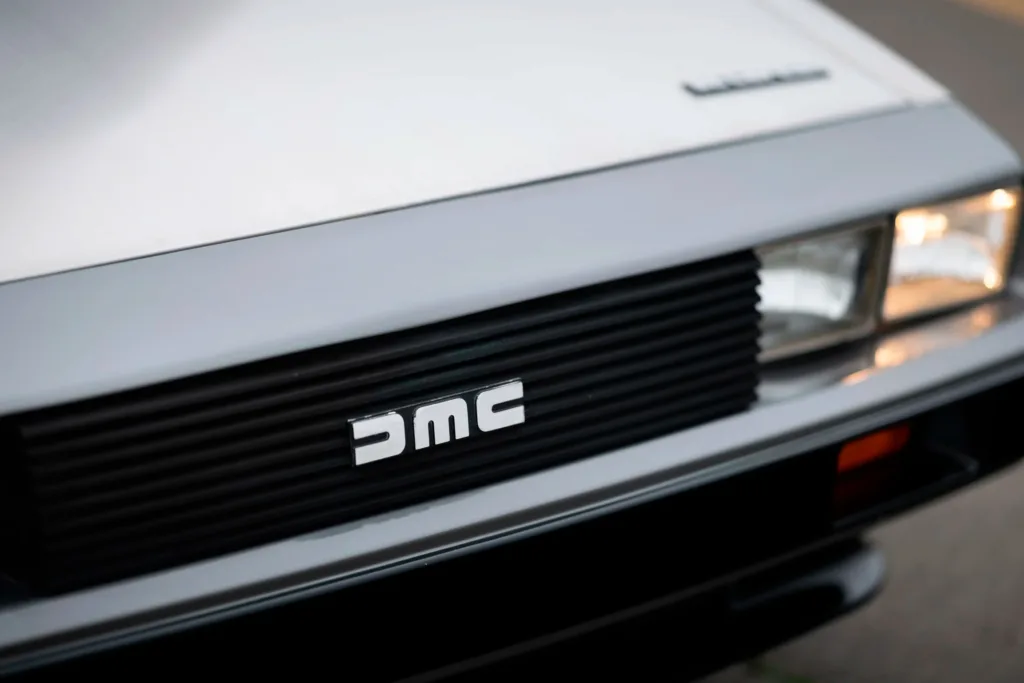
Few cars have achieved mythic status quite like the DeLorean DMC-12, a stainless-steel time capsule from the 1980s forever linked with the visionary yet turbulent career of John Z. DeLorean. While originally produced during the early 1980s, the car’s story didn’t end with its company’s collapse. Two decades later, the dream was revived in the form of the DeLorean Series 2 (S2)—a modernized, higher-performance continuation that honored the original while updating it for a new generation of enthusiasts.
John DeLorean’s Vision and the Birth of DMC
John DeLorean stood among the most visionary and controversial automotive figures of the 20th century. During his tenure at Pontiac, he reshaped American performance culture by greenlighting icons such as the GTO, Firebird, and Grand Prix, helping to define the muscle car era. His sharp intellect, bold marketing instincts, and flair for innovation made him one of General Motors’ rising stars, eventually elevating him to the position of vice president. Yet DeLorean’s nonconformist personality and frustration with GM’s restrictive corporate hierarchy clashed with the culture of Detroit’s biggest automaker.
In 1973, driven by the desire to pursue his own creative vision without bureaucratic limits, he parted ways with GM and established his independent venture—the DeLorean Motor Company (DMC).
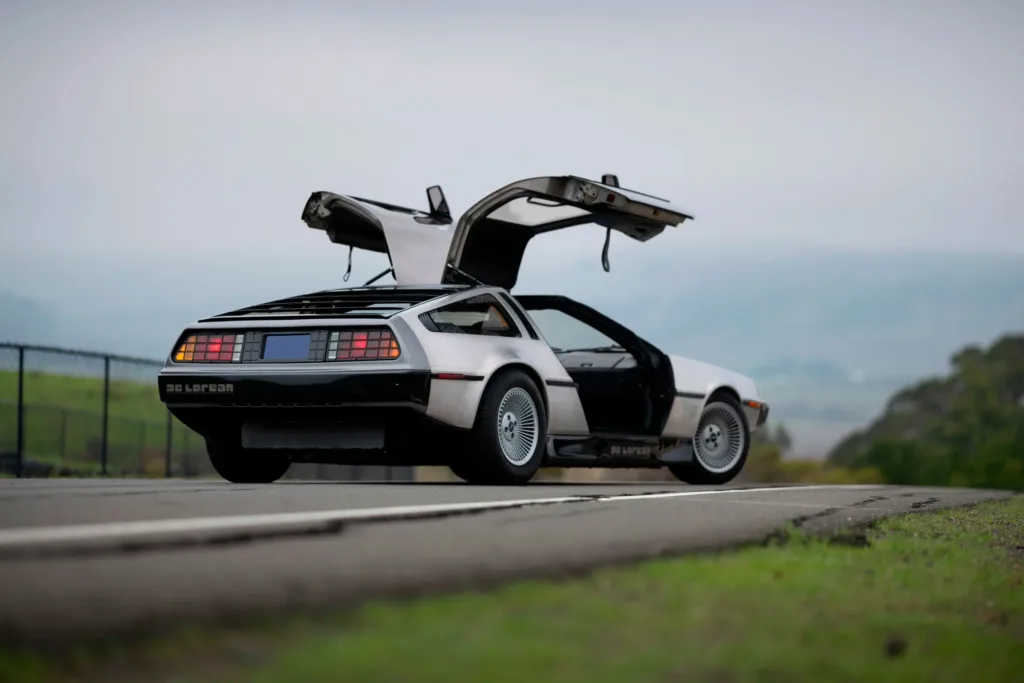
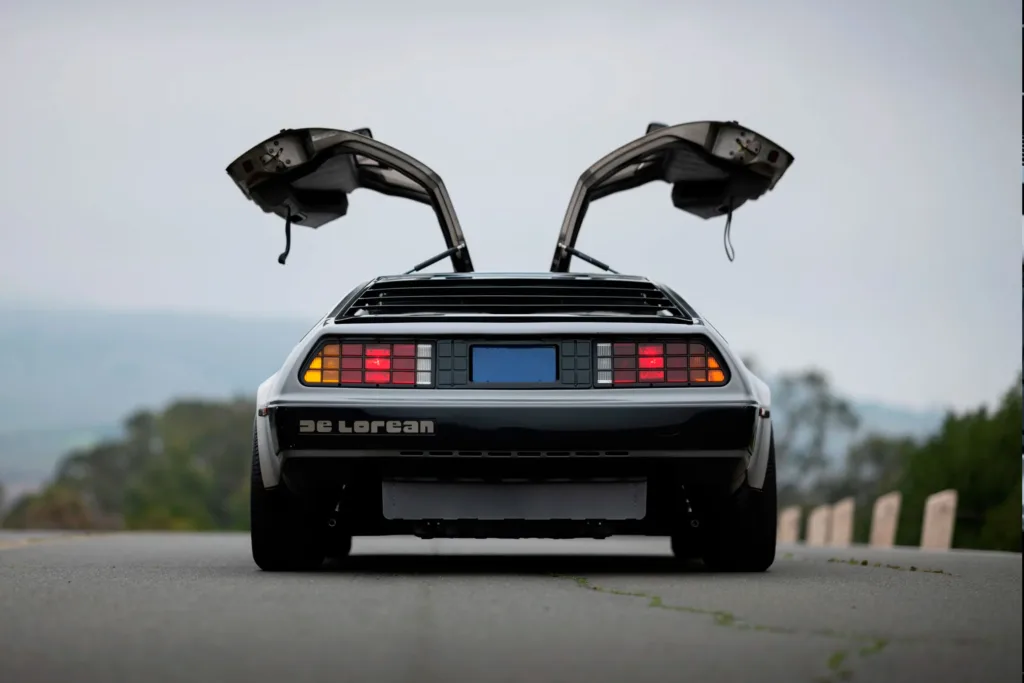
Fueled by ambition to revolutionize the industry, DeLorean envisioned a sports car that transcended national boundaries—melding the precision of European suspension tuning with the raw strength of American powerplants and the aesthetic boldness of futuristic design. This dream materialized as the DeLorean DMC-12, a mid-engined, stainless-steel sports coupe that looked like nothing else on the road. Designed by Giorgetto Giugiaro at Italdesign, the car featured striking gull-wing doors and an unpainted, brushed-metal body that instantly made it a design icon.
The underpinnings were developed by Lotus Cars, leveraging their engineering expertise in lightweight performance vehicles. Built around a steel backbone chassis with a composite fiberglass underbody, the DMC-12 borrowed structural inspiration from the Lotus Esprit, resulting in a solid yet agile platform that balanced style with modern aerodynamics.
Under the decklid sat a 2.85-liter PRV (Peugeot-Renault-Volvo) V6 engine, producing 130 horsepower—adequate for the early 1980s but underwhelming for a car meant to rival Porsches and Ferraris. Despite mixed press reviews, the DMC-12 was instantly admired for its futuristic looks and bold engineering. In its debut year, 1981, over 6,500 units were sold.
Scandal and Collapse
Unfortunately, success was short-lived. Financial strain, production delays, and unfavorable exchange rates plagued DMC from the start. In 1982, John DeLorean was arrested in a high-profile drug trafficking incident. Although he was later acquitted—proving the charges were part of an FBI entrapment—the scandal destroyed public confidence and investor support. The Belfast-based factory in Dunmurry, Northern Ireland, shut down in 1983. By that time, fewer than 9,000 DMC-12s had been produced, and DMC officially went bankrupt.
Nonetheless, the DeLorean’s myth grew exponentially in the years that followed, especially after its starring role in 1985’s “Back to the Future”, where it became the most famous movie car of all time. The film immortalized its image as evidence of eccentric brilliance and futuristic ambition—symbolizing everything John DeLorean had envisioned.
The American Revival: Birth of the DeLorean S2
Two decades after the collapse of the original company, a newly-founded DeLorean Motor Company (Texas) emerged in the early 2000s. Established by entrepreneur Stephen Wynne, the company acquired the remaining parts inventory, blueprints, and branding rights of the original DMC.
It quickly began supporting owners with maintenance, restorations, and upgrades—and soon, it unveiled something extraordinary: the DeLorean S2.
Introduced in 2004, the DeLorean Series 2 wasn’t a brand-new design, but rather a meticulously re-engineered version of the original DMC-12, rebuilt using original stock components, reproduction parts, and modernized systems. Responding to years of owner feedback, the S2 offered what enthusiasts had always wanted—more power, better drivability, and enhanced reliability.
Technical Upgrades and Performance
The DeLorean S2 retained the classic design aesthetics—the stainless steel body, gull-wing doors, and minimalist wedge profile—but improved nearly every major mechanical element under the skin. At the heart of the upgrade was a heavily reworked PRV V6 engine, which received new internals, improved fuel injection, higher compression, and electronic ignition tuning. These revisions boosted performance from the original 130 hp to approximately 200 hp, transforming the car’s dynamics and closing the performance gap that had plagued the 1981 model.
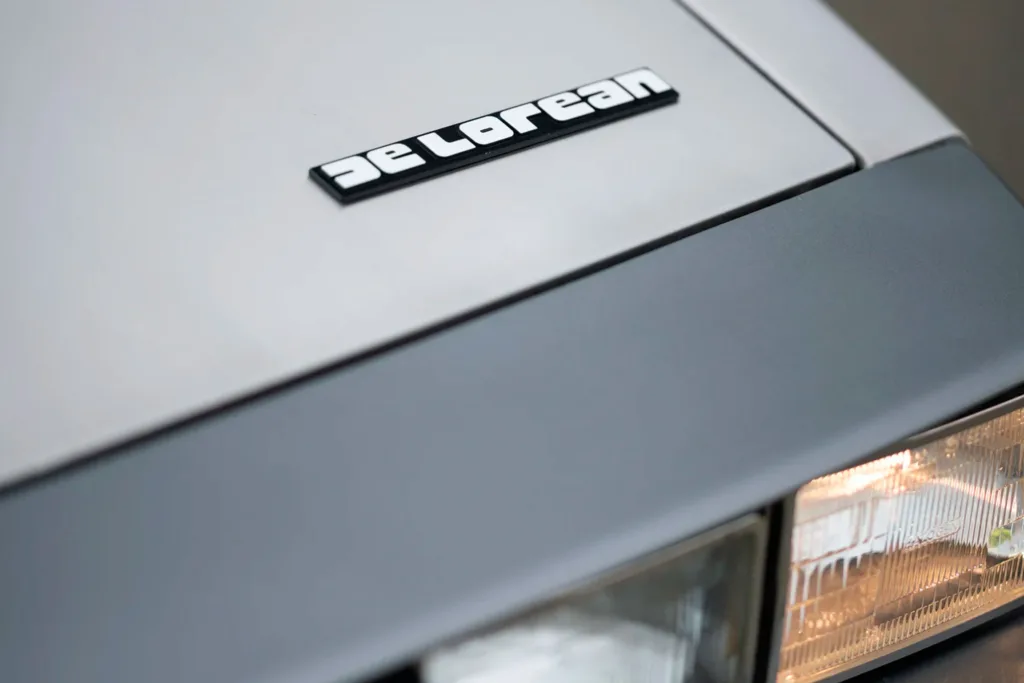
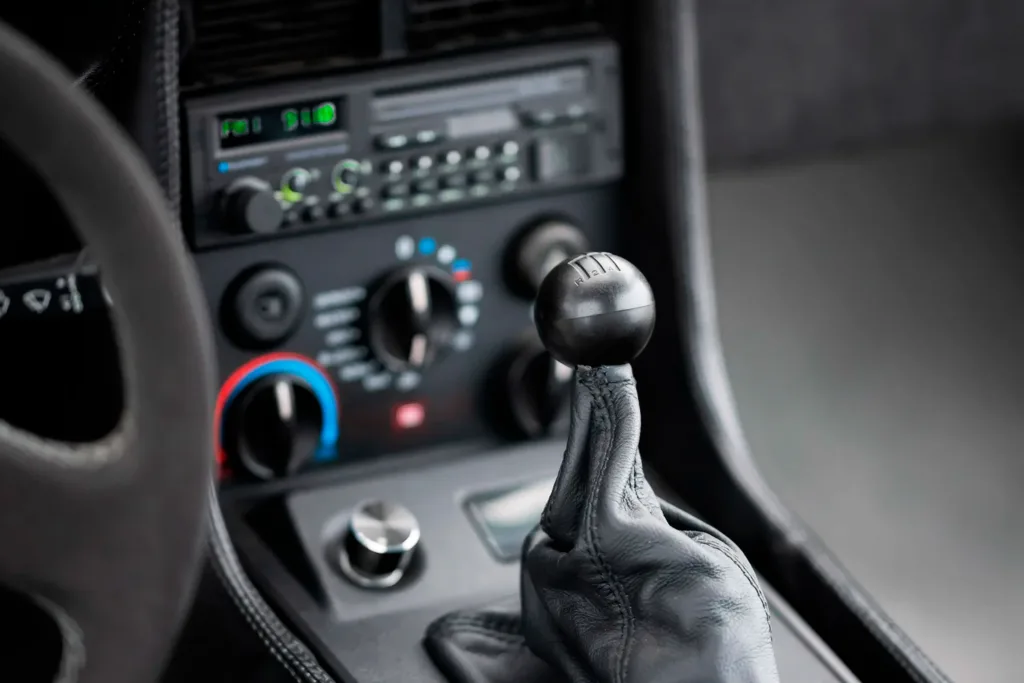
The S2 continued to utilize a rear-mounted, longitudinal powertrain layout and a five-speed manual transmission, delivering more immediate throttle response and a wider power band. Independent suspension all around—derived from the original Lotus setup—was improved with upgraded coil-over shocks and recalibrated damping for sharper handling. Braking performance also saw major advances, featuring ventilated discs and modernized housings that significantly shortened stopping distances.
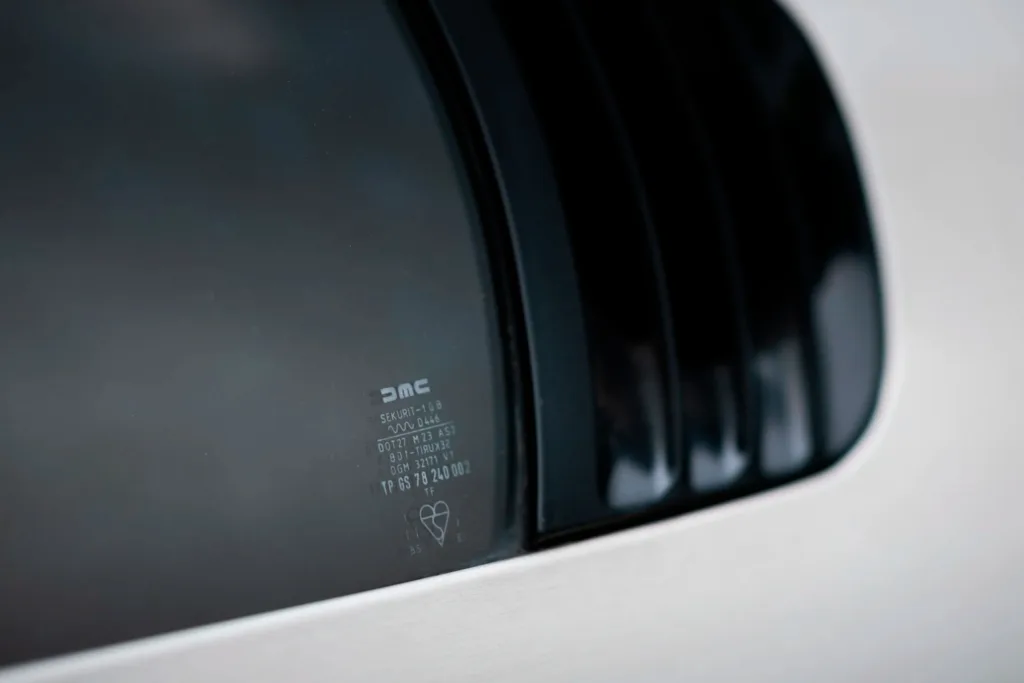
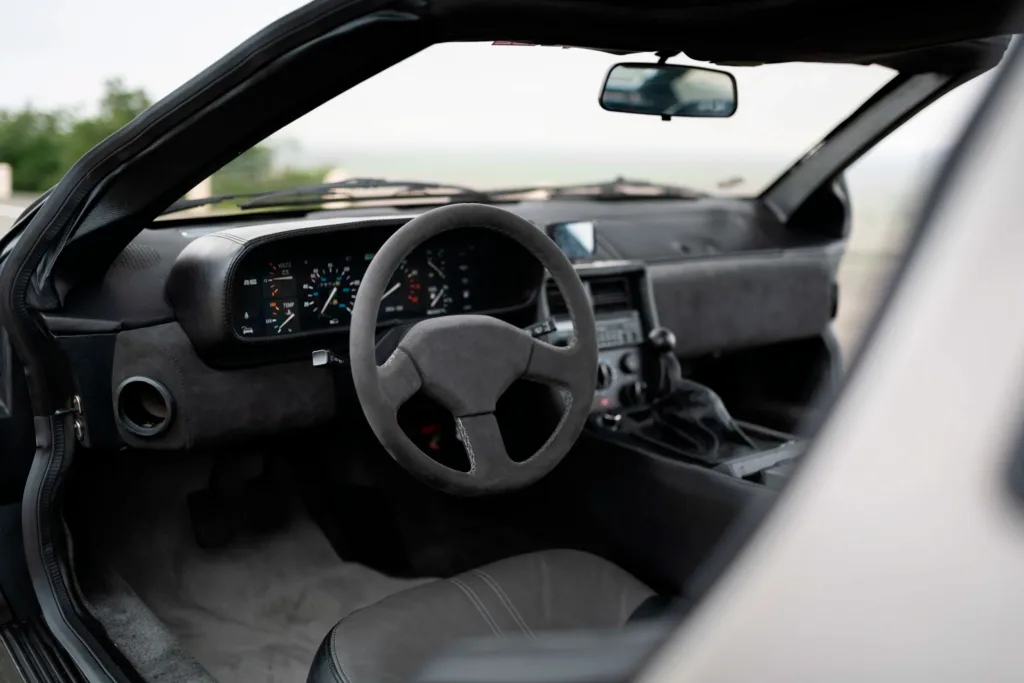
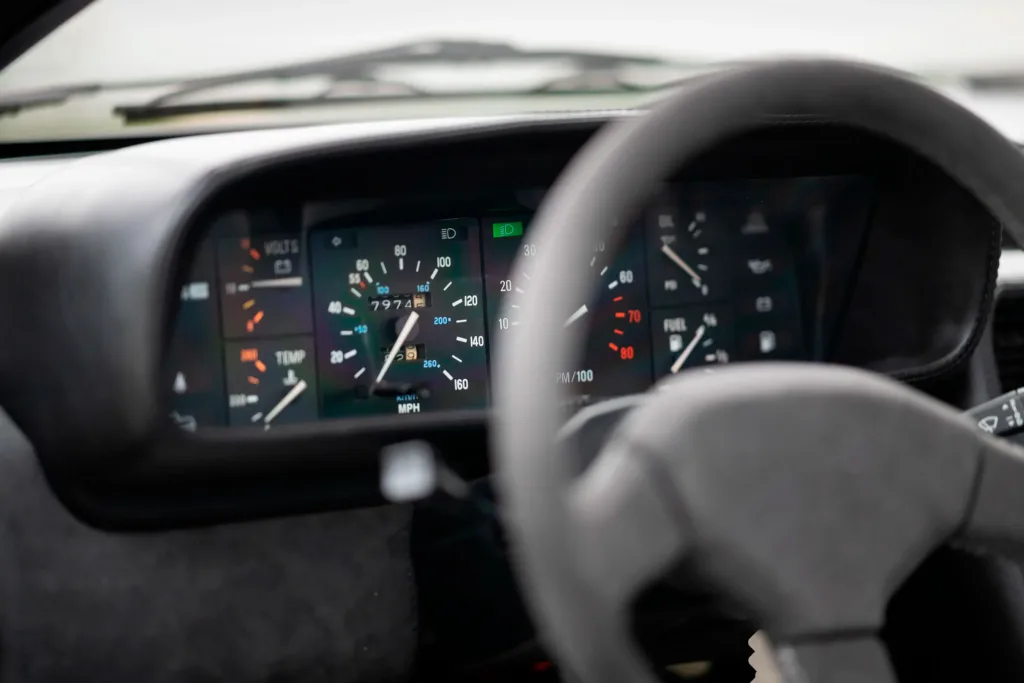
Other refinements included upgraded electrical systems, digital instrumentation, revised air-conditioning, and modern stereo units that subtly integrated with the car’s classic interior design. These restorations and upgrades ensured that the S2 preserved the soul of the 1980s icon while aligning its performance with contemporary expectations.
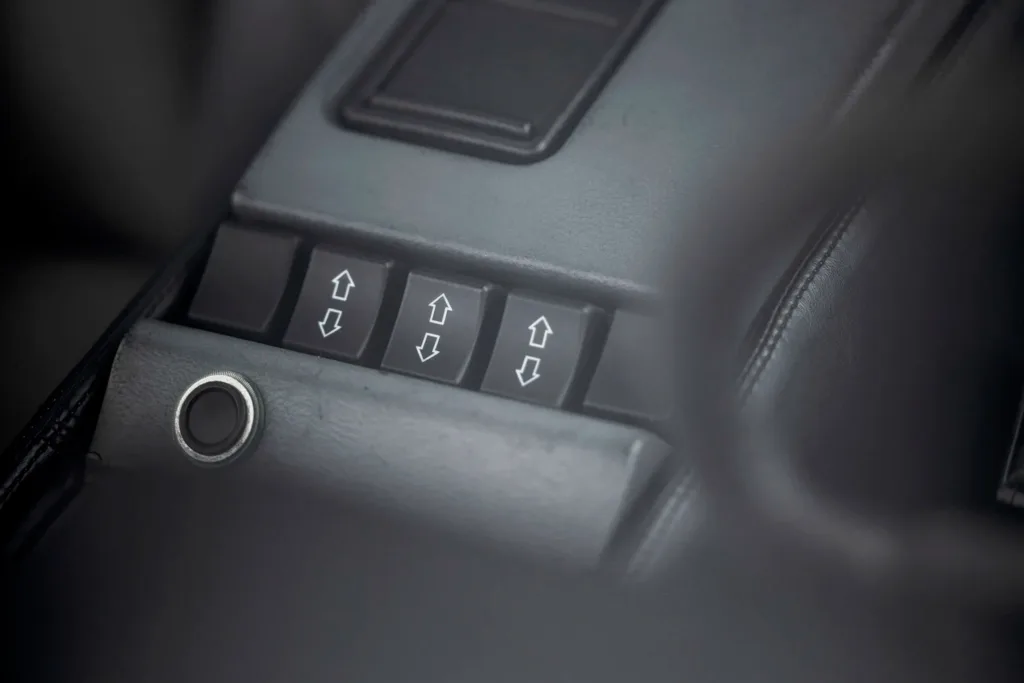
Design Legacy and Collectibility
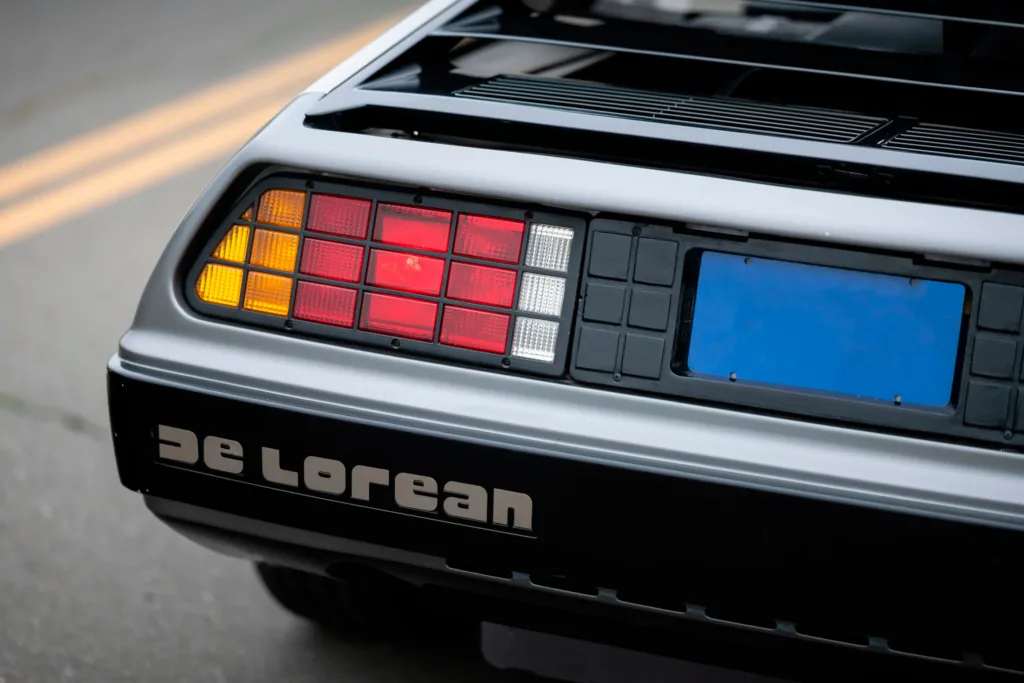
Externally, the S2 remained visually similar to the DMC-12—a deliberate choice that maintained its instantly recognizable silhouette. The brushed stainless steel panels, black urethane bumpers, and distinctive rear louvers stayed untouched.
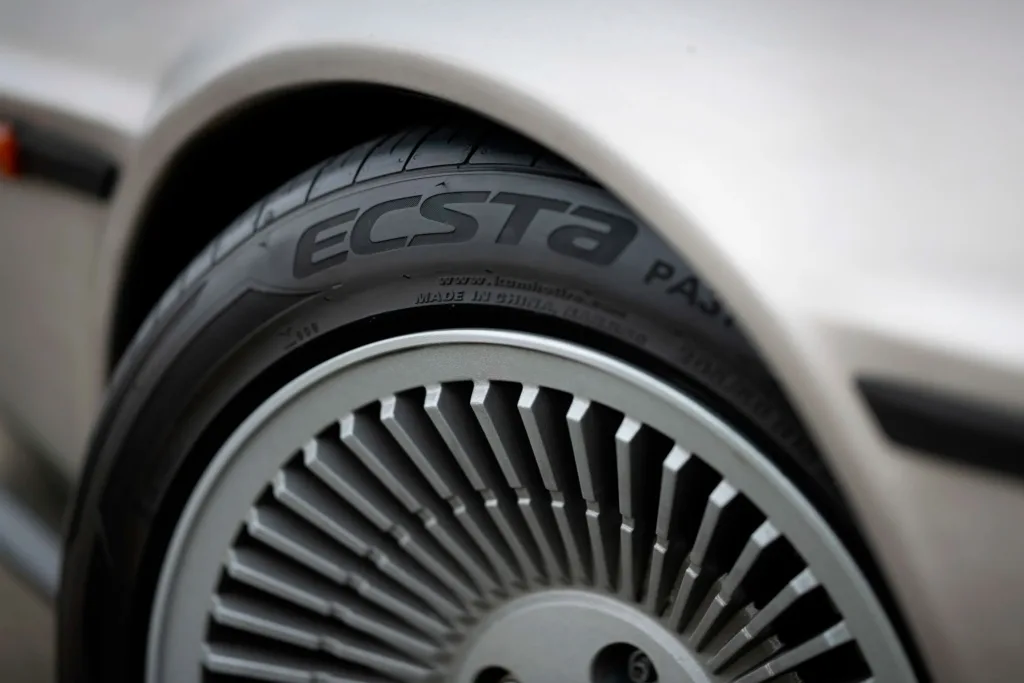
However, customers could request subtle customizations such as polished or tinted stainless finishes, improved lighting, and modern wheel options. Each car was hand-assembled to order in Texas, combining heritage craftsmanship with modern technology.
The S2 quickly became more than just a restoration—it was a continuation model, officially recognized and serialized by the new DeLorean Motor Company. Buyers were typically collectors or long-time fans who wanted a modernized version of a classic without sacrificing authenticity. Production numbers remained limited, adding to the car’s exclusivity. Each S2 represented not just a piece of history, but the revival of DeLorean’s dream, realized in a new millennium.
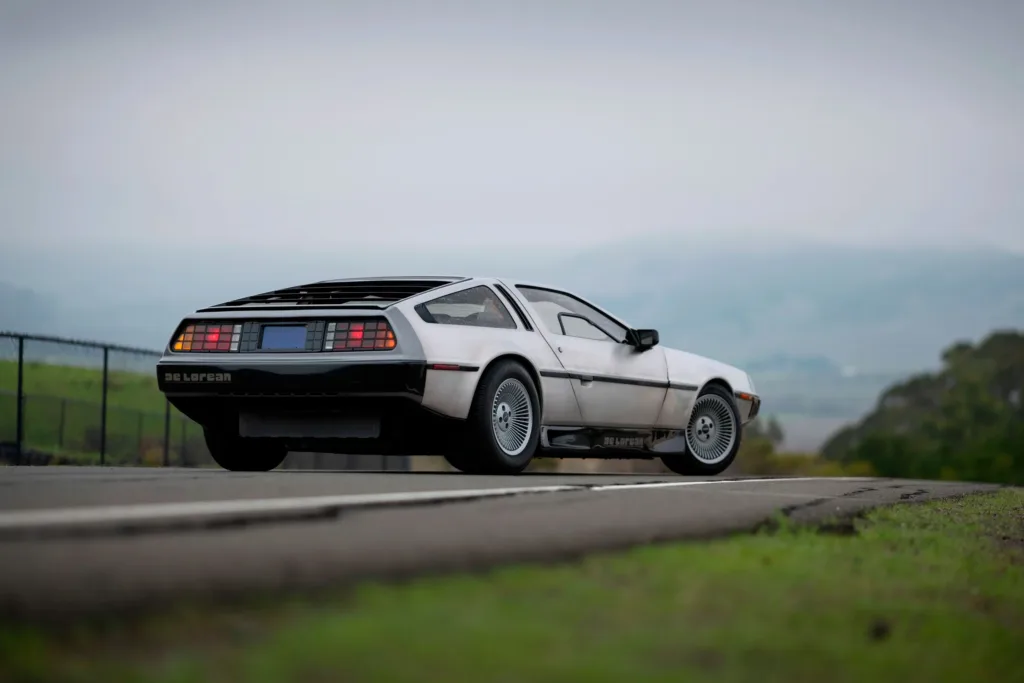
The Symbol of a Dream Revived
Though John DeLorean passed away in 2005, just a year after the S2’s introduction, his vision lived on through the car that bore his name.
The DeLorean S2 proved that the brand’s legacy was not confined to nostalgia—it was a living continuation of his ethos: innovative design, daring engineering, and individuality in an industry dominated by conformity.
Today, the S2 holds a unique position in automotive history. It bridges two eras—the experimentation and optimism of the early 1980s and the restoration movement of the early 2000s. Collectors praise it as a symbol of innovation and perseverance, a testament to how an idea once deemed impossible could rise again from the past.


Functional Always active
Preferences
Statistics
Marketing