
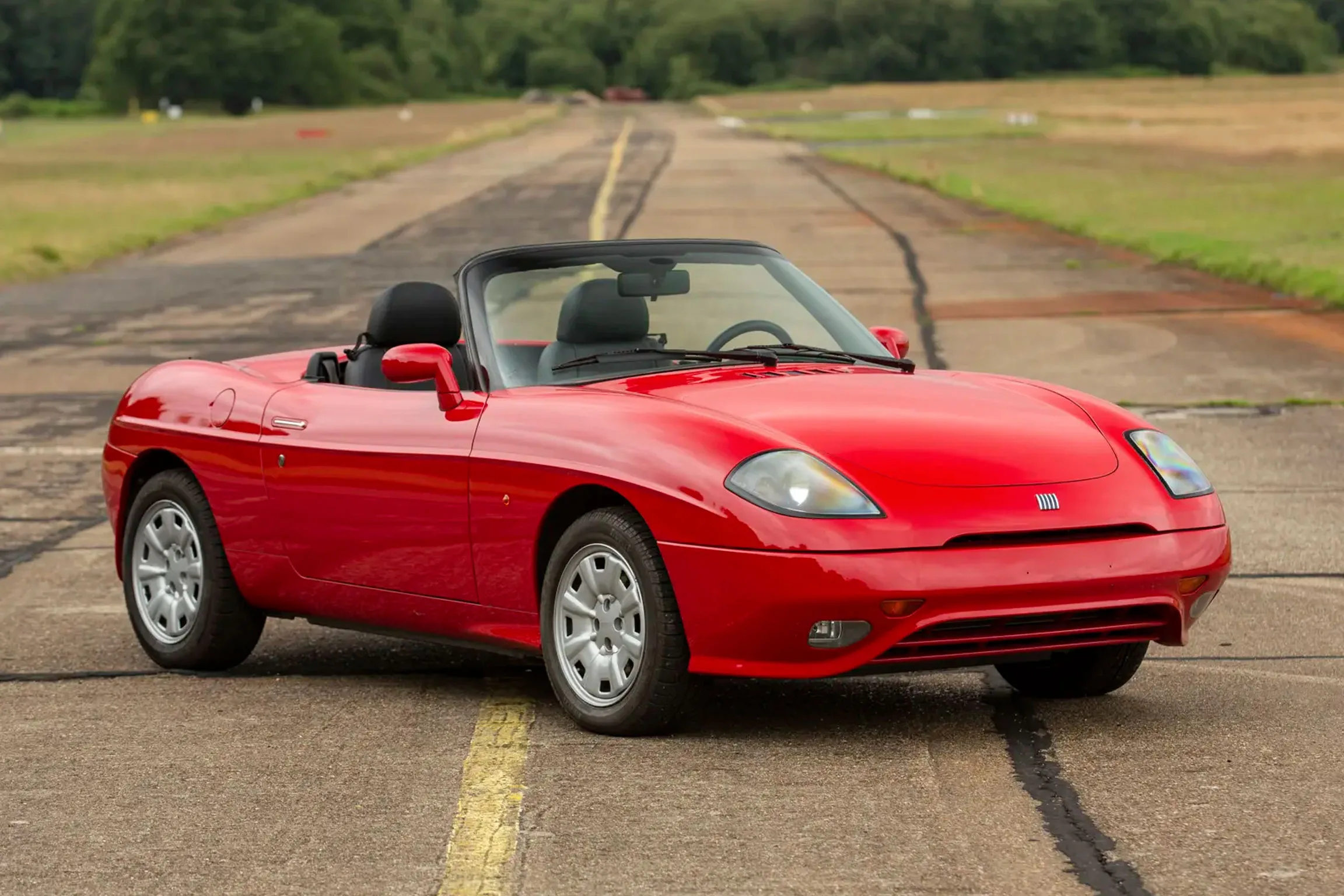
Throughout its history, Fiat built its reputation on producing stylish yet practical small cars—the people’s vehicles that defined postwar Italian mobility. But the 1990s marked a time when Fiat wanted to add emotion and character to its reputation for efficiency. The result was a compact, lightweight roadster that brought Italian flair into the affordable sports car segment: the Fiat Barchetta.
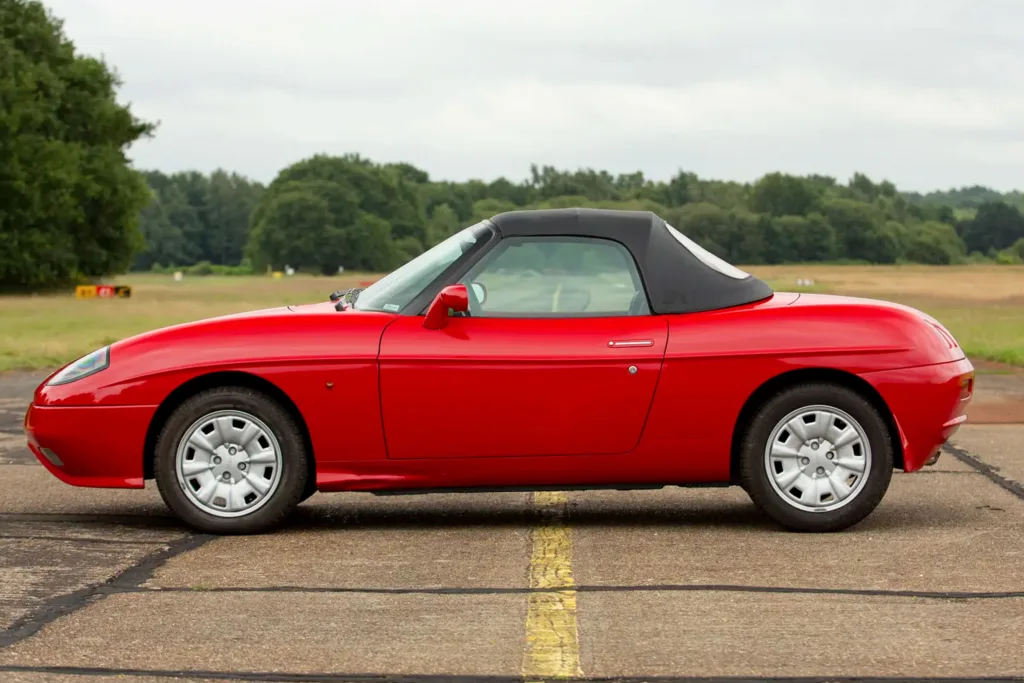
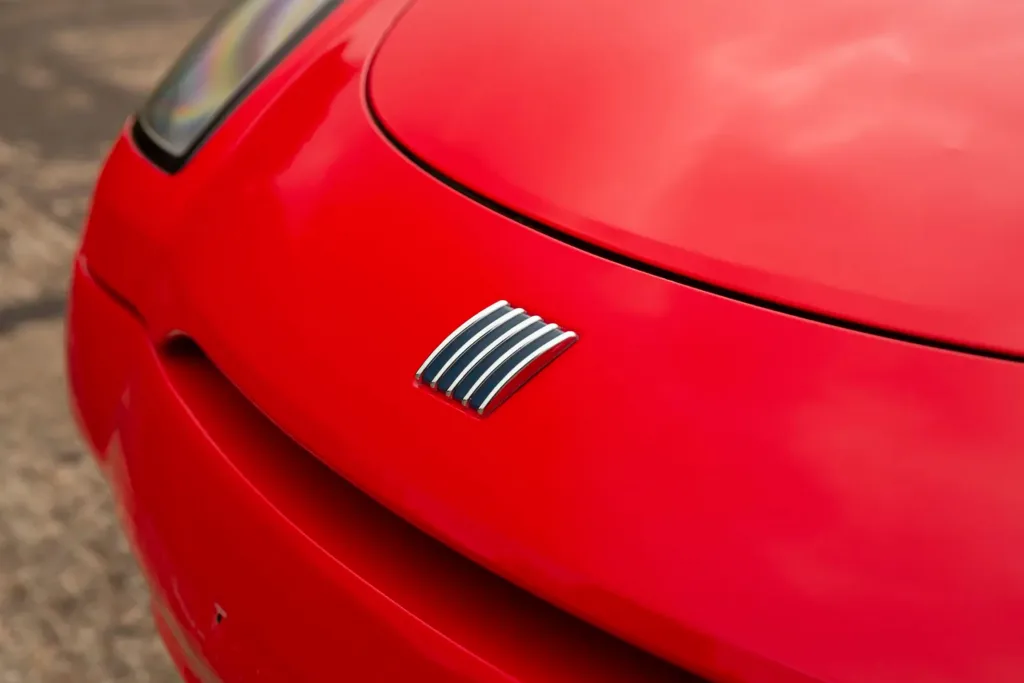
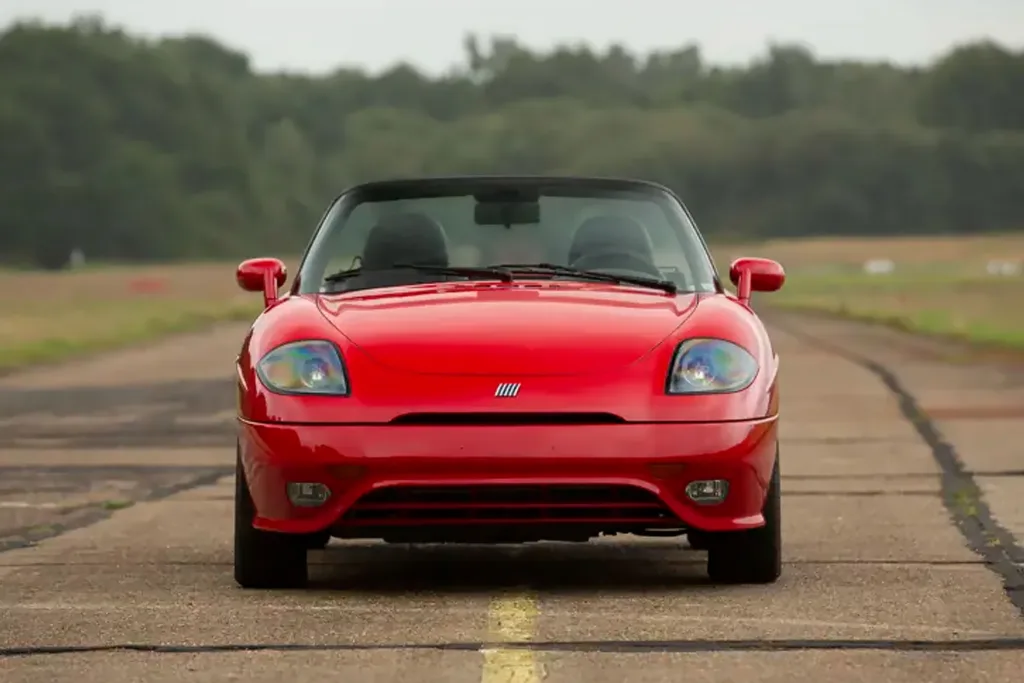
Introduced in 1995, the Barchetta—its name meaning “small boat” in Italian—was a charming blend of design purity and road-going fun. Its name wasn’t just poetic; the front fascia featured a distinctive “bow-shaped” under-nose contour, reminiscent of a boat’s hull slicing through water. The car’s proportions and styling reflected classic Italian roadster DNA: compact, sculptural, and minimalist, yet instantly recognizable.
Design: Nautical Elegance Meets Urban Agility
Created by Fiat’s Centro Stile under the guidance of designer Andreas Zapatinas, the Barchetta was built on a shortened version of the Fiat Punto platform. This gave it front-wheel-drive practicality while maintaining dynamic engagement. With dimensions of 3,916 mm in length, 1,640 mm in width, and 1,265 mm in height, the Barchetta struck the ideal balance between visual elegance and compact functionality. The low-slung stance, rounded contours, and distinctive side creases made it unmistakably Italian—equal parts approachable and exotic.
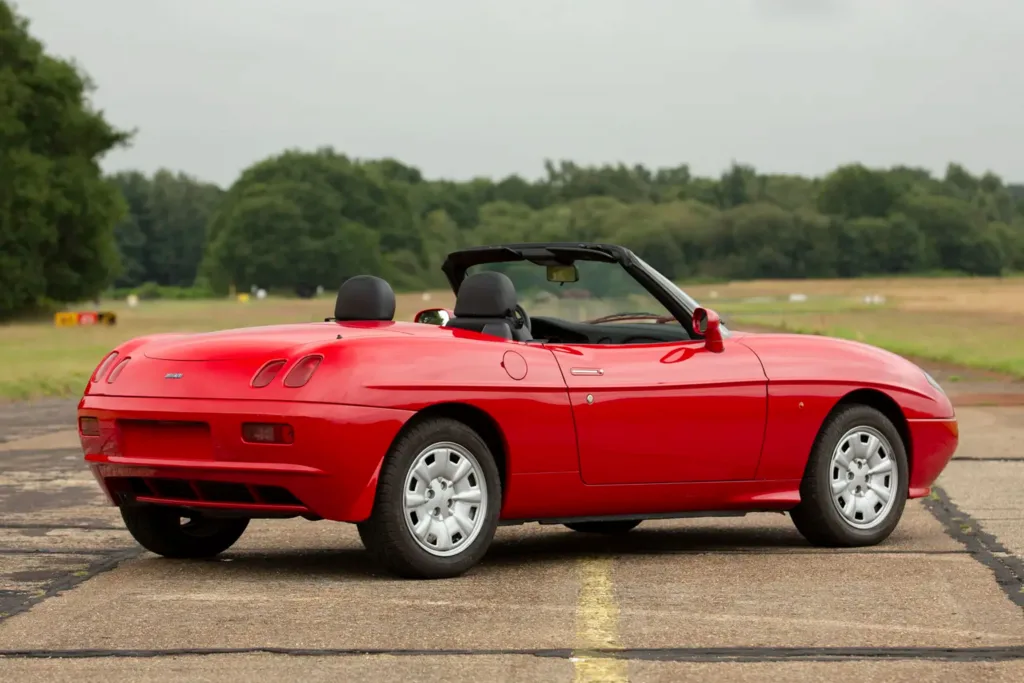
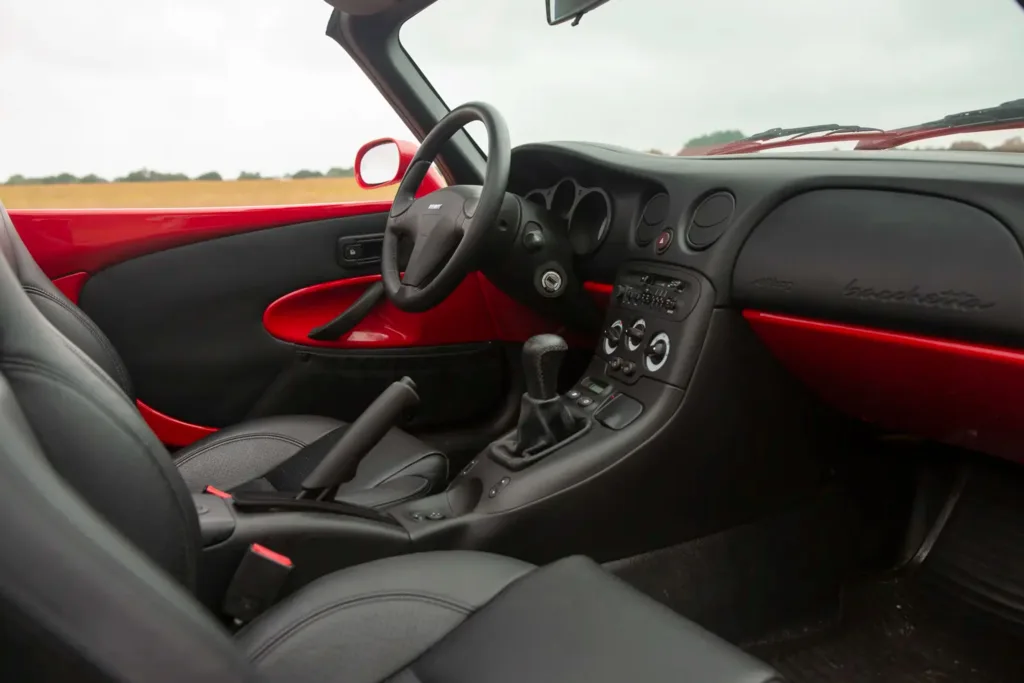
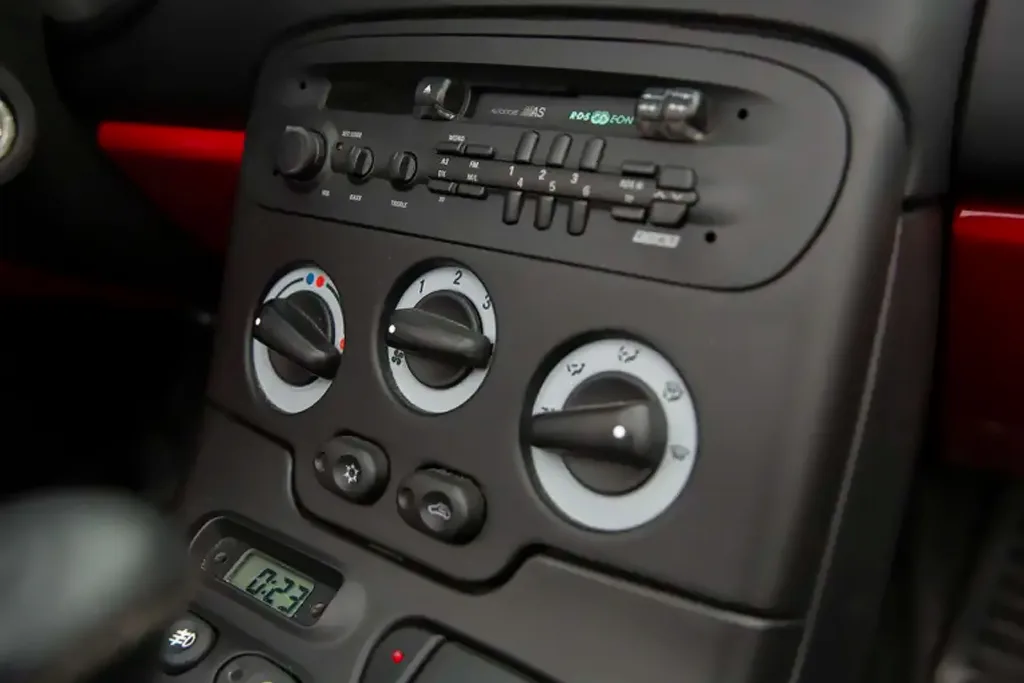
Its simple soft-top roof, emphasized by short overhangs and a tight cabin layout, showcased a focus on driver intimacy rather than luxury. Inside, the dashboard featured body-colored panels and minimalistic instrumentation, relying more on character than complexity. The cabin’s charm was rooted in its honesty—it was light, tactile, and built to make even a short city drive feel like an escape along the Amalfi Coast.
Powertrain and Performance
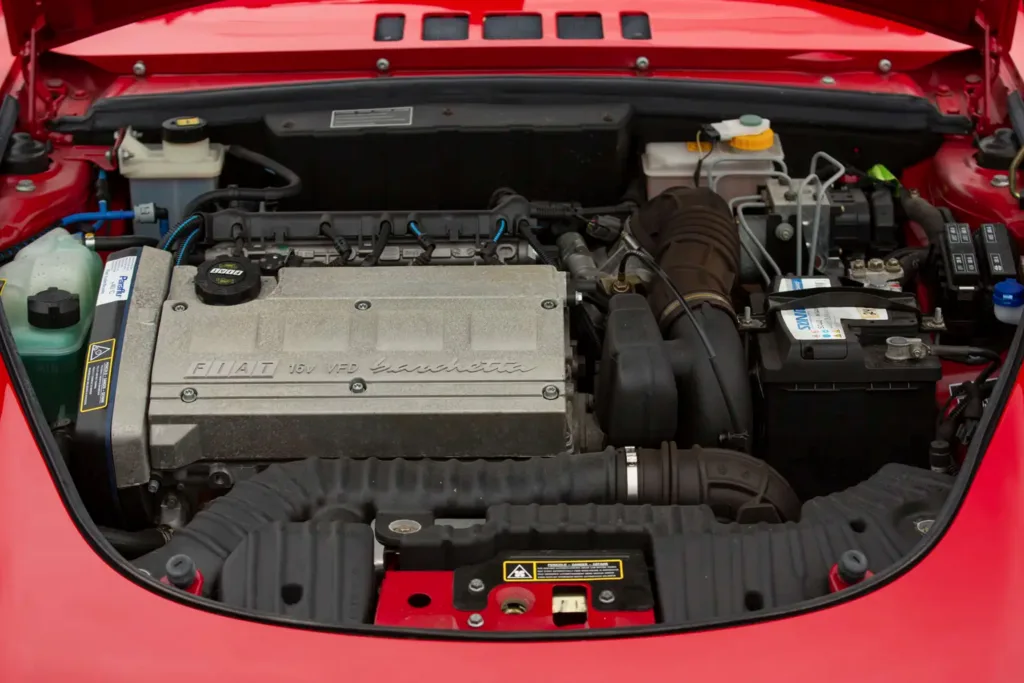
Under the hood, the Fiat Barchetta Giovane Due carried the same spirited motor as the Punto HGT, a 1.8-liter DOHC inline-four equipped with Fiat’s Variable Valve Timing (VVT) system. Producing 128 horsepower (96 kW) and 16.8 kgm (165 Nm) of torque, it married lively throttle response with commendable mid-range flexibility. Coupled with a five-speed manual gearbox, the engine provided a perfectly balanced power-to-weight ratio for a car weighing just 1,056 kilograms (2,328 lbs).
Despite its front-engine, front-wheel-drive (FF) layout, the Barchetta demonstrated impressive poise and agility. Fiat’s engineers tuned the suspension system—MacPherson struts in front and a semi-independent trailing arm setup in the rear—for exceptional balance without the nervousness typical of small, lightweight cars. The car cornered confidently with minimal body roll, rewarding drivers with precision and control.
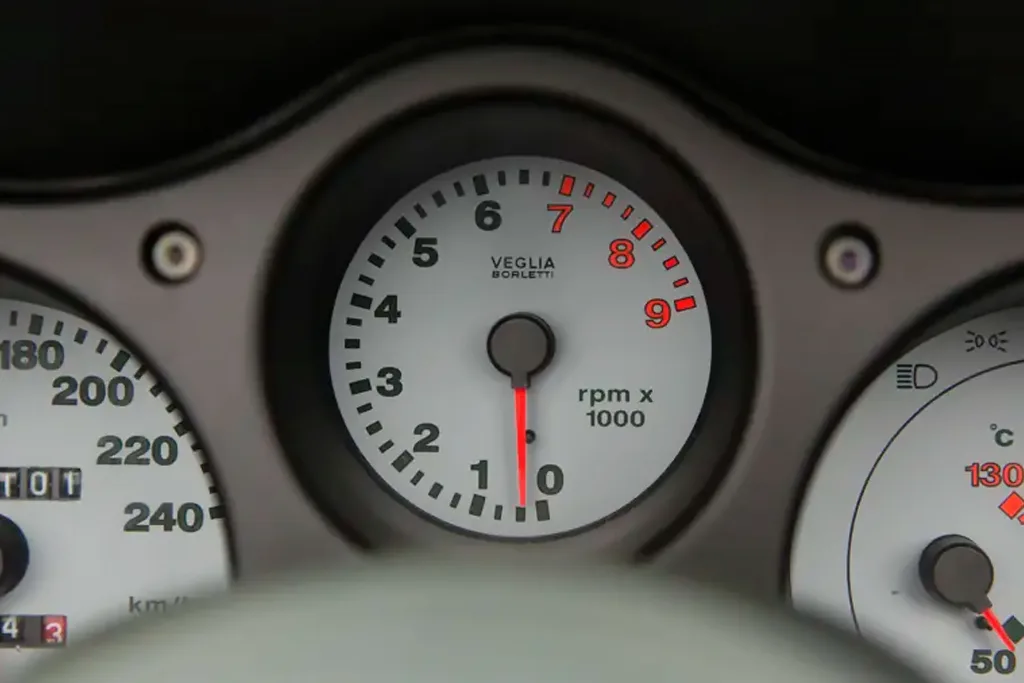
Performance figures were modest yet satisfying: 0–100 km/h (0–62 mph) in roughly 9 seconds, and a top speed nearing 200 km/h (124 mph). But the Barchetta’s charm was never about raw speed—it was about the way it delivered joy through every steering input, every blip of the throttle, and every bend in the road.
The Giovane Due Concept
The specific Giovane Due edition, introduced around 2000, embodied the core of the Barchetta’s youthful spirit. Translating roughly to “young couple” in Italian, the name directly reflected Fiat’s target audience—young urban drivers seeking freedom, romance, and style in equal measure. Fiat marketed the Barchetta Giovane Due as an accessible yet emotional car for self-expression, blending affordability with Italian craftsmanship.
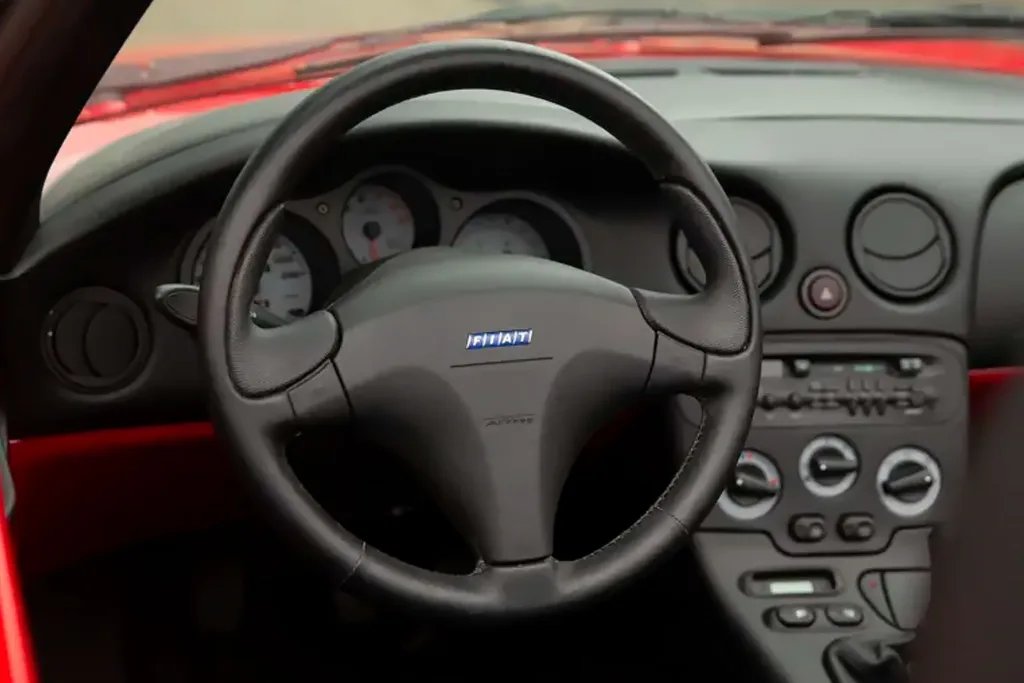
The model shared the Barchetta’s mechanical package but was offered with special color options, simplified equipment, and exclusive interior trim designed to appeal to younger buyers. It stood as the spiritual successor to the small European roadsters of the 1960s—cars like the Fiat 850 Spider or Alfa Romeo Duetto—that prioritized lightness, personality, and charm over brute performance.
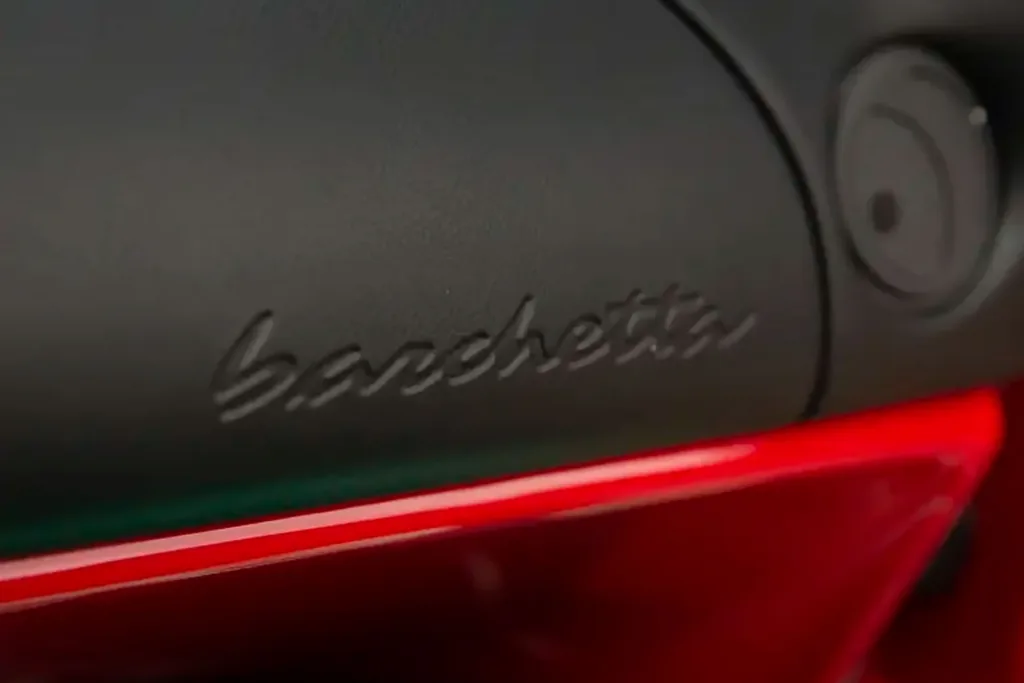
Heritage and Legacy
The Fiat Barchetta remained in production for an entire decade, with Fiat implementing a light facelift in 2003 that gave it revised bumpers, new headlights, and refreshed interior materials. However, despite its cult following, production finally ceased in June 2005 after approximately 57,000 units were built.
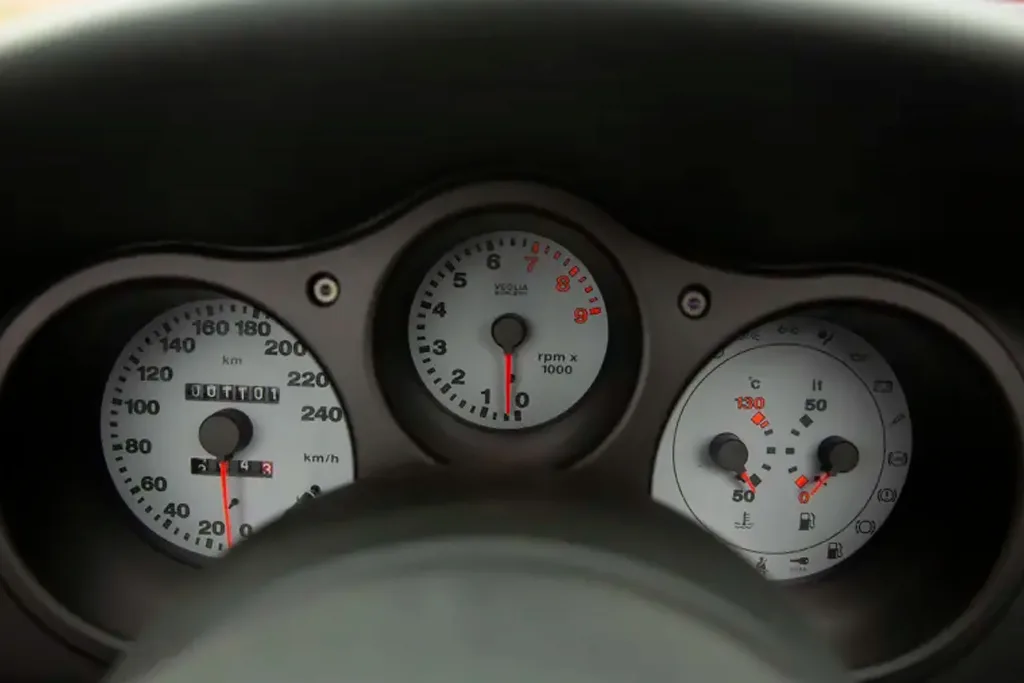
While it never achieved mainstream success outside of Europe and Japan, the Barchetta became a symbol of Fiat’s ability to blend design artistry with accessible driving pleasure. It reminded the industry that Italy’s carmakers could capture spontaneity and elegance in compact form—something few brands have managed since.
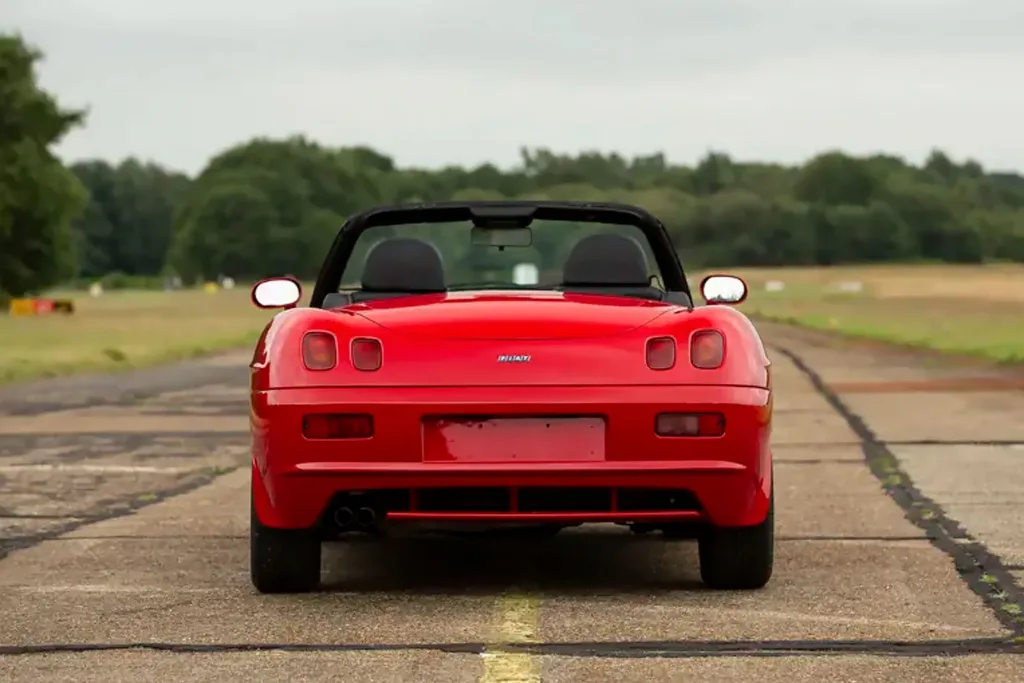
Today, the Fiat Barchetta Giovane Due stands as a testament to an era when driving joy wasn’t measured by horsepower or lap times, but by connection—between road, driver, and machine. Its affordable spirit, charming design, and effortless dynamic character preserve its legacy as one of the most emotionally engaging Fiats of its time. The little “small boat” may have sailed away from production, but its wake of enthusiasm still ripples through the hearts of Italian car lovers around the world.



Functional Always active
Preferences
Statistics
Marketing