
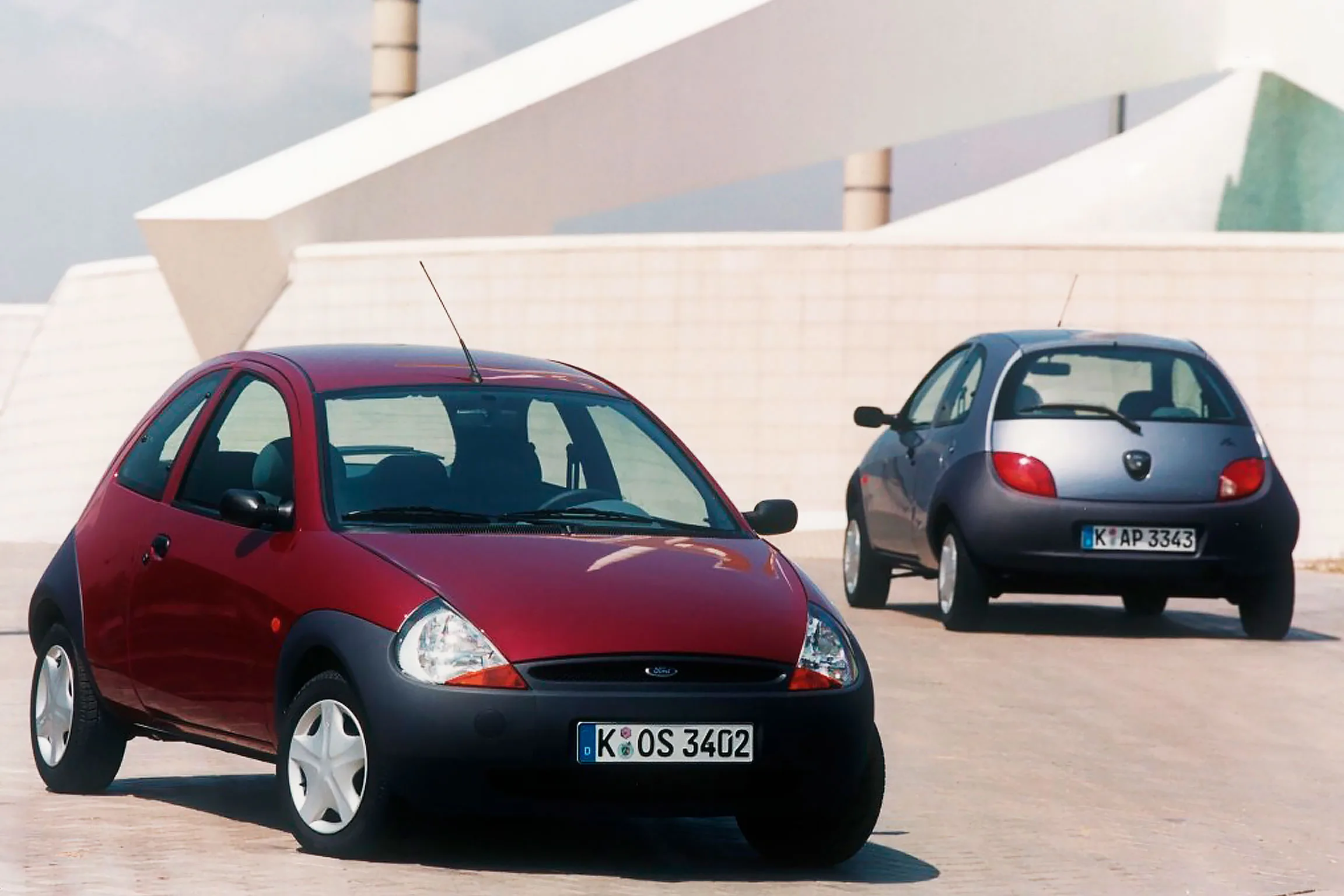
In the mid-1990s, Ford was on a mission to reinvent its image in Europe. The company wanted to show that practicality could coexist with innovation and style. The result was one of the boldest and most distinctive small cars Ford ever built—the Ford Ka.
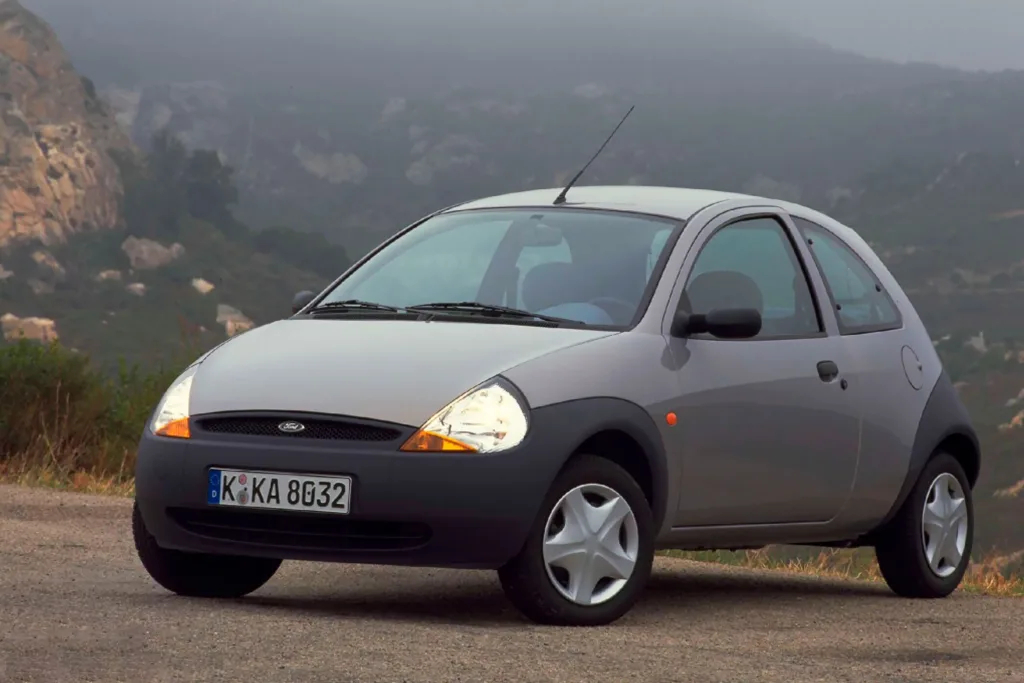
Unveiled at the 1996 Paris Motor Show, the Ka instantly stood apart from every other city car of the era. Designed to be compact, agile, and fun to drive, it marked Ford’s confident leap into expressive automotive design at a time when small cars were often treated merely as utilitarian runabouts.
A Radical Shape for a City Icon
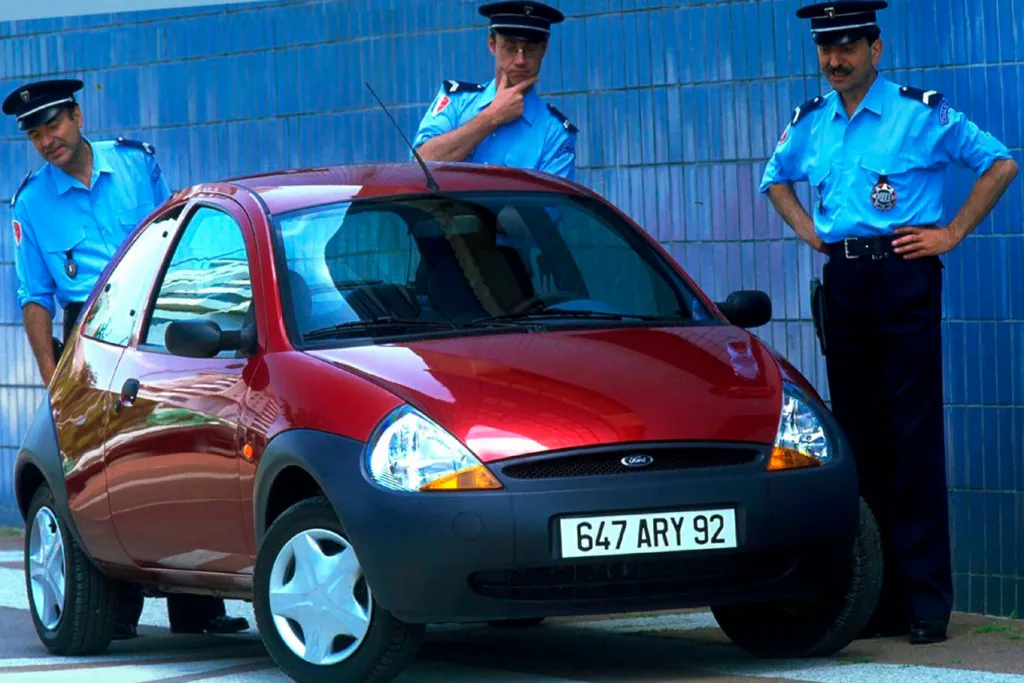
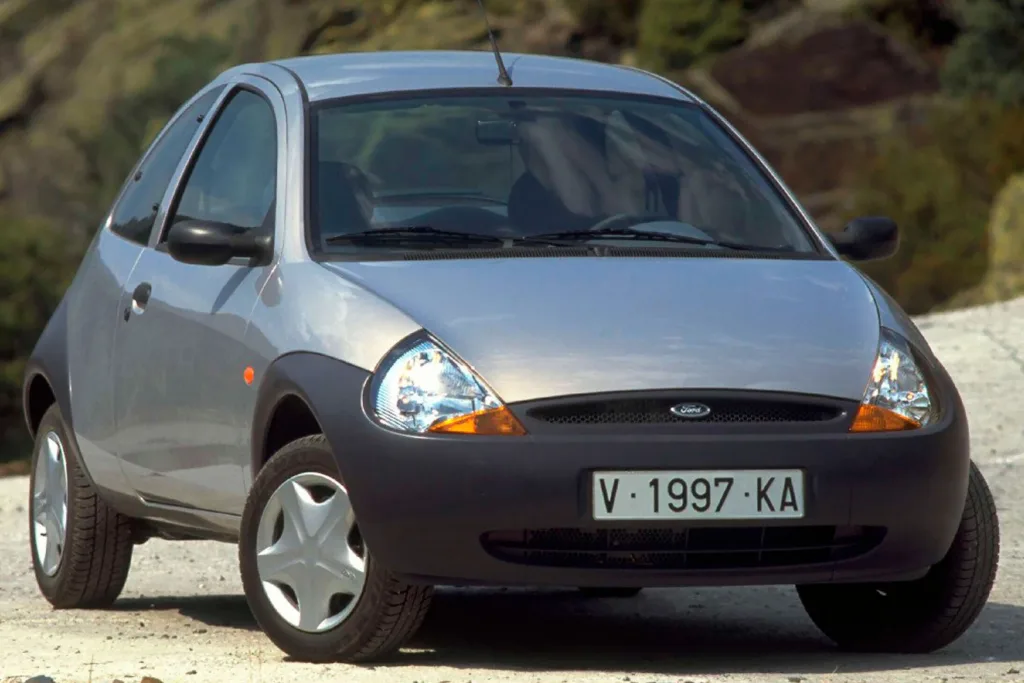
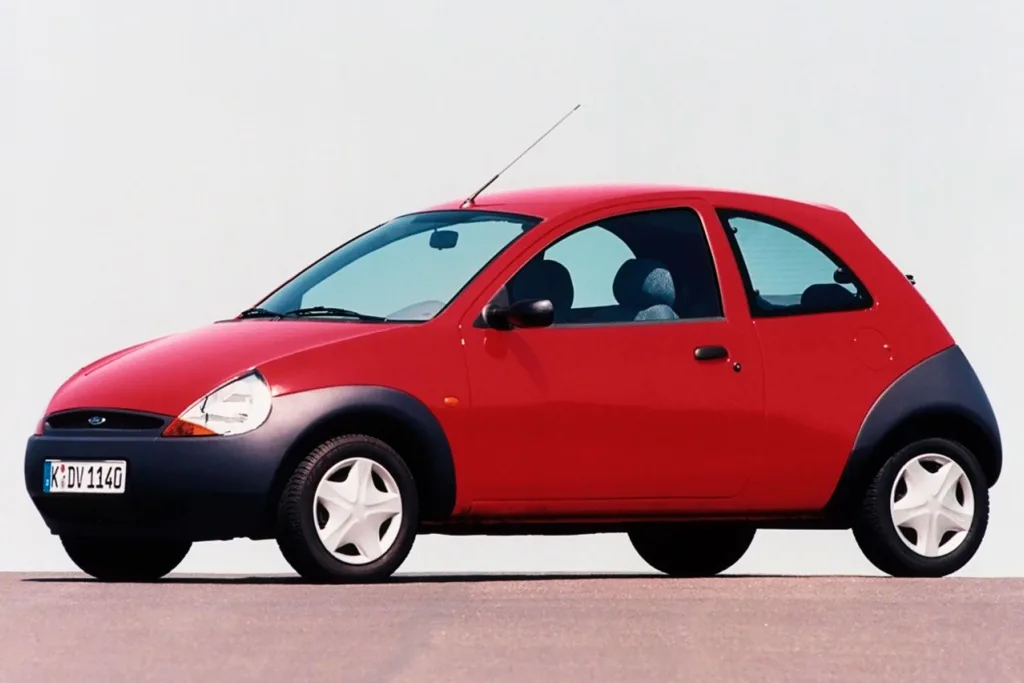
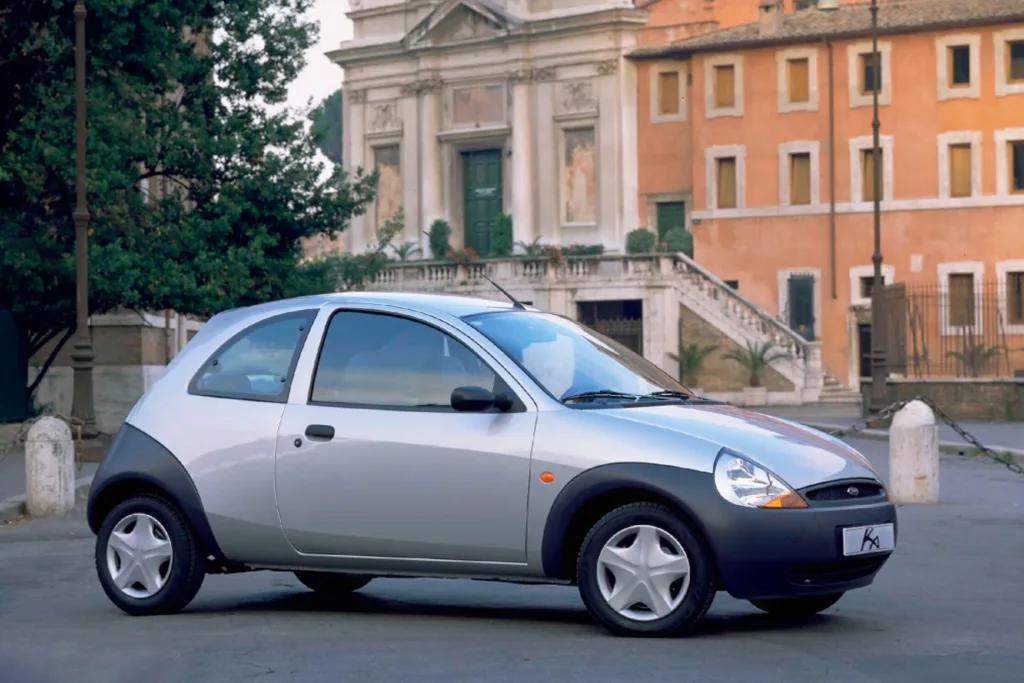
Underneath its distinctive shape, the Ka shared mechanical foundations with the Ford Fiesta Mk4. However, at just 3,620 mm long, the Ka was shorter, lighter, and purpose-built for tight European urban environments. Its three-door hatchback configuration emphasized youthfulness and simplicity, targeting drivers who valued individuality and efficiency over excess size.
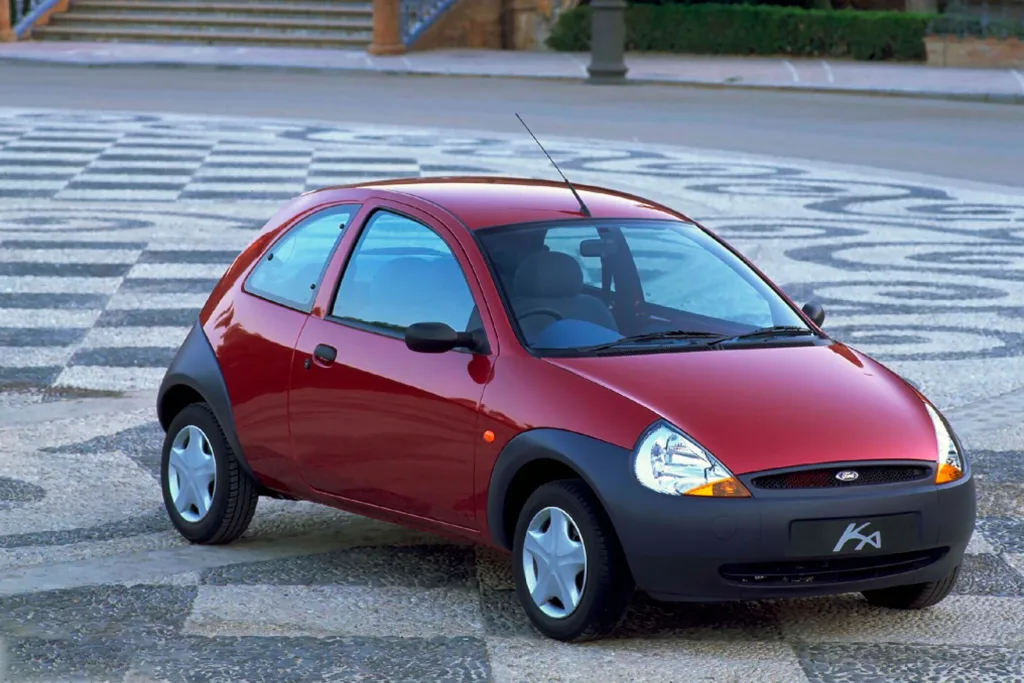
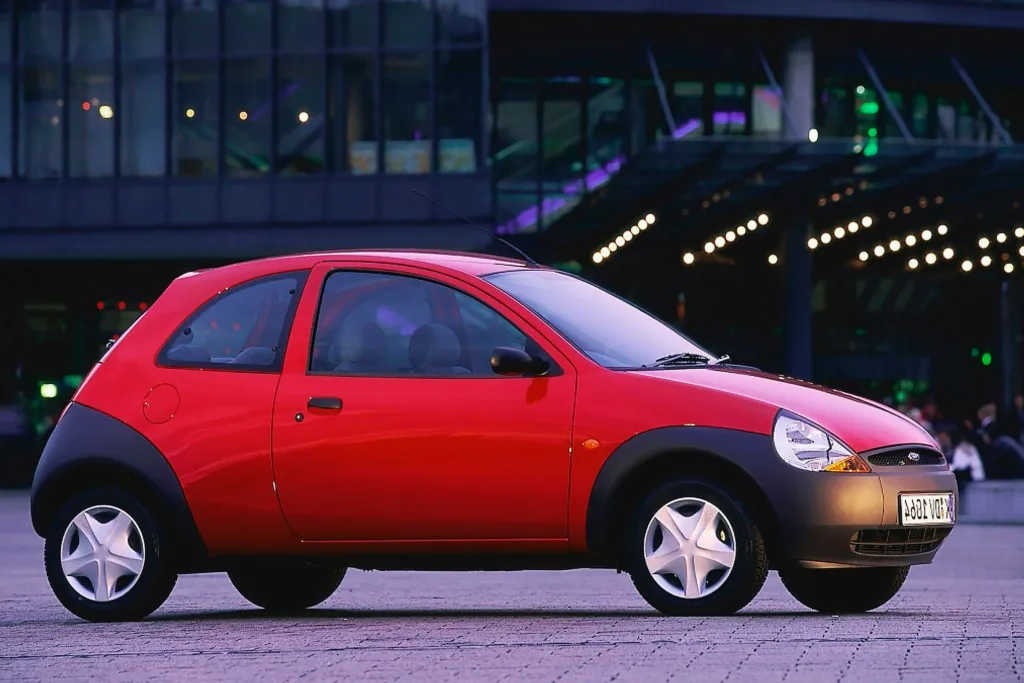
The Ka’s exterior styling was developed by the Ford Design Group in Cologne, which later became famous for creating several of Ford’s most innovative models. What made the Ka truly revolutionary was its introduction of New Edge Design—a design philosophy that used crisp, intersecting surfaces and geometric transitions to create tension and vitality in the bodywork. While other small cars of the 1990s adhered to soft, rounded profiles, the Ka’s mix of curves and precise lines felt futuristic and bold.
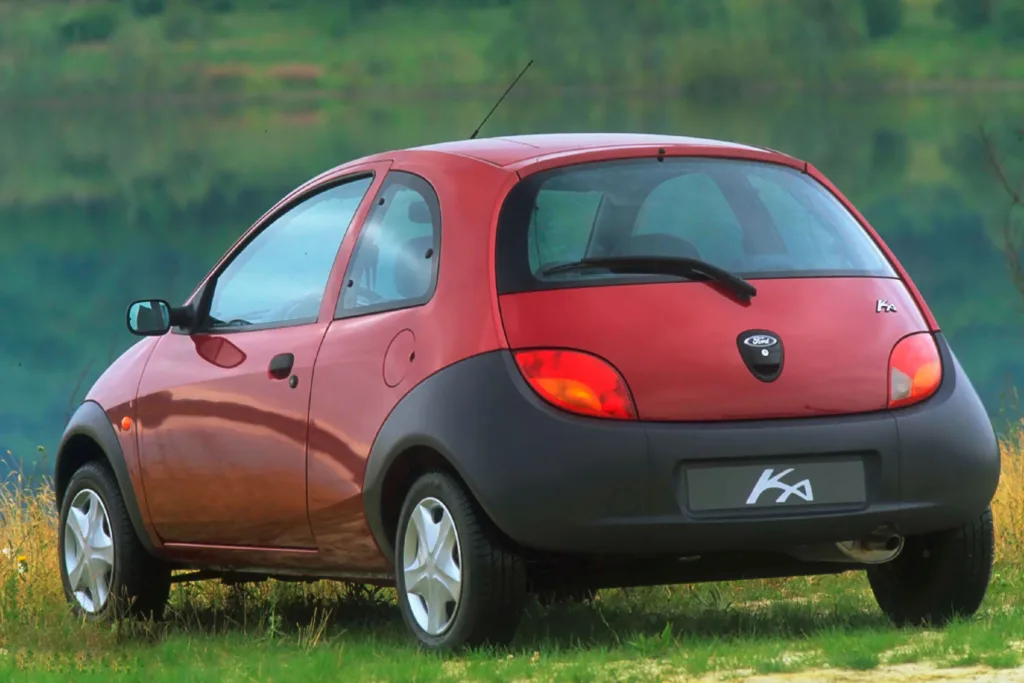
Many commentators likened the Ka’s look to modern consumer appliances—sleek, functional, yet stylish. Its smooth, metallic finishes and upbeat personality perfectly captured the modern lifestyle aesthetic of late-1990s Europe, where design was becoming as important as performance. This sculptural philosophy later influenced global Ford icons, including the Focus and Puma.
Compact but Capable: Engineering the Ka
Powering the early Ford Ka was a simple yet proven unit—the 1.3-liter inline-four Endura-E engine, producing 60 horsepower (44 kW) and 100 Nm of torque. This iron-block OHV engine was derived from the Fiesta’s powertrain, known for its robustness and ease of servicing.
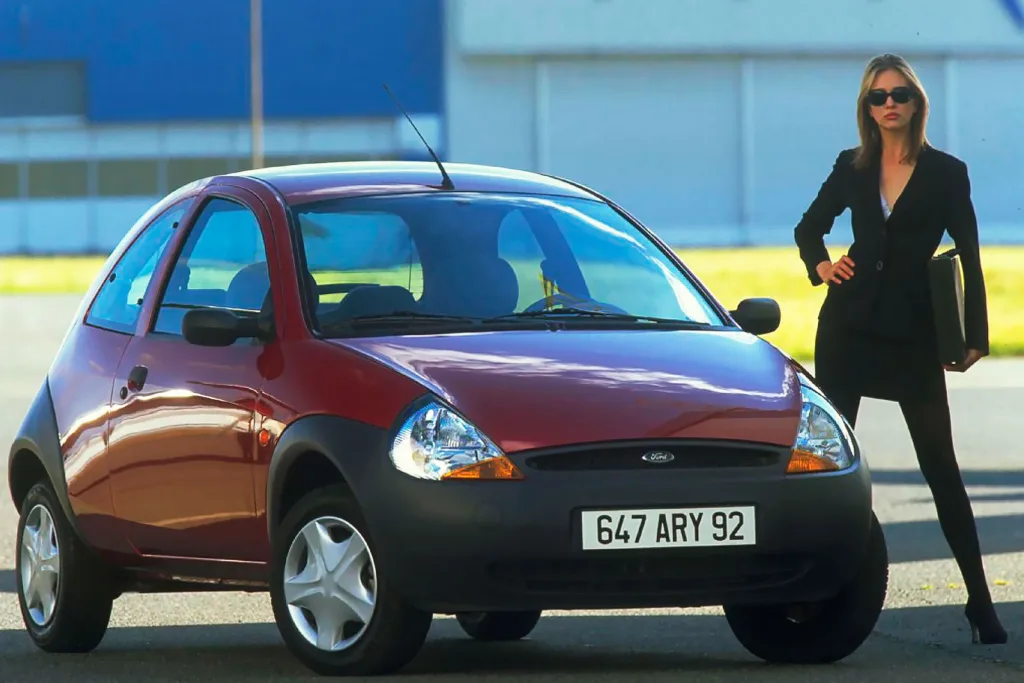
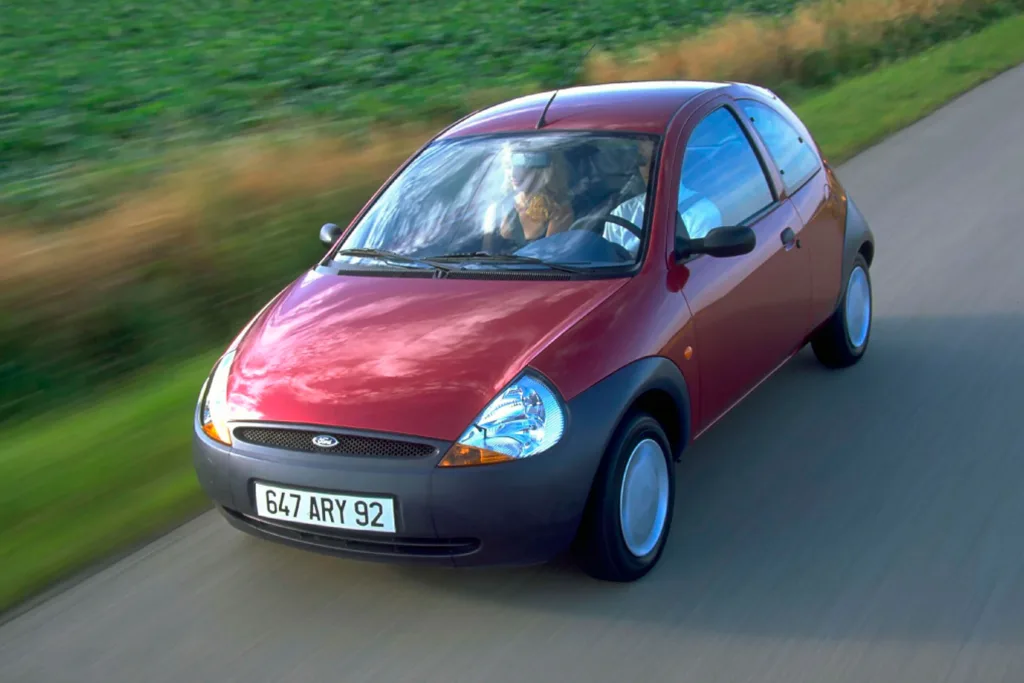
Although the power output appeared modest on paper, the Ka’s lightweight structure—just over 900 kg (1,984 lbs)—and short wheelbase ensured lively performance in city driving. Mated to a five-speed manual transmission, the Ka could reach 100 km/h (62 mph) in around 13.4 seconds, with a top speed of 150 km/h (93 mph). Its compact proportions and direct steering gave it a playful personality, responding eagerly to driver input and excelling on narrow, curving roads.
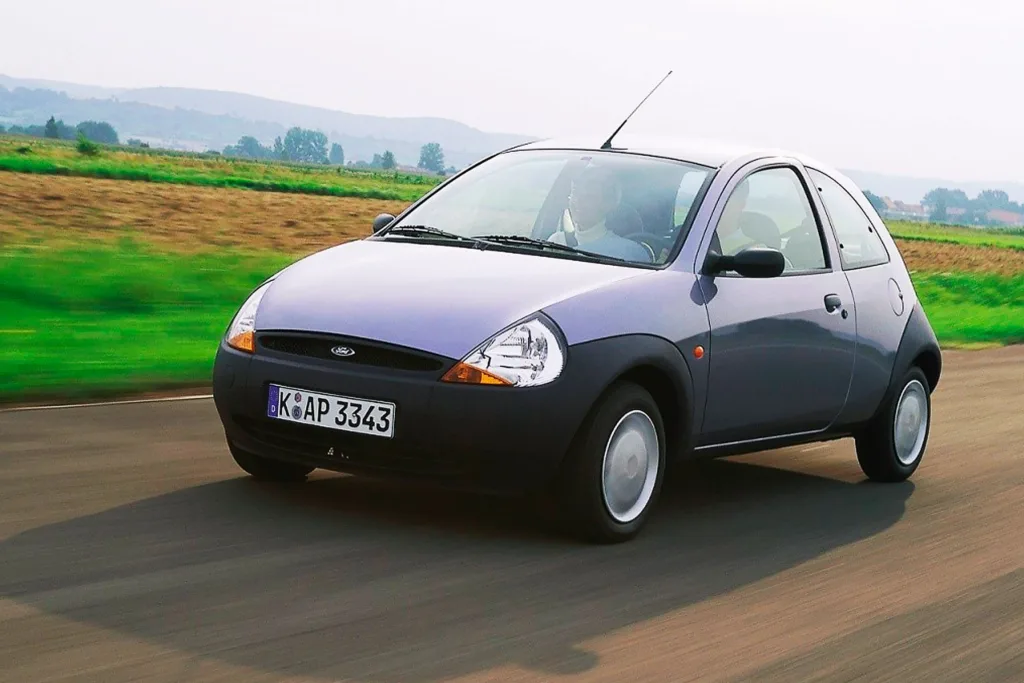
Drivers often found the Ka more agile than many larger sedans due to its tight turning radius, minimal body roll, and independent MacPherson strut suspension at the front combined with a torsion-beam rear setup. This dynamic competence made it one of the most entertaining cars in the micro-segment—proof that good handling doesn’t require high horsepower.
Reliable, Accessible, and Unpretentious
One of the Ka’s defining traits was its feeling of durability. Owners routinely praised its mechanical simplicity and solid construction, traits that contributed to the model’s long production life and low running costs. It embodied a kind of reliability that inspired confidence, even at highway speeds where drivers of other ultra-compacts often struggled with stability.
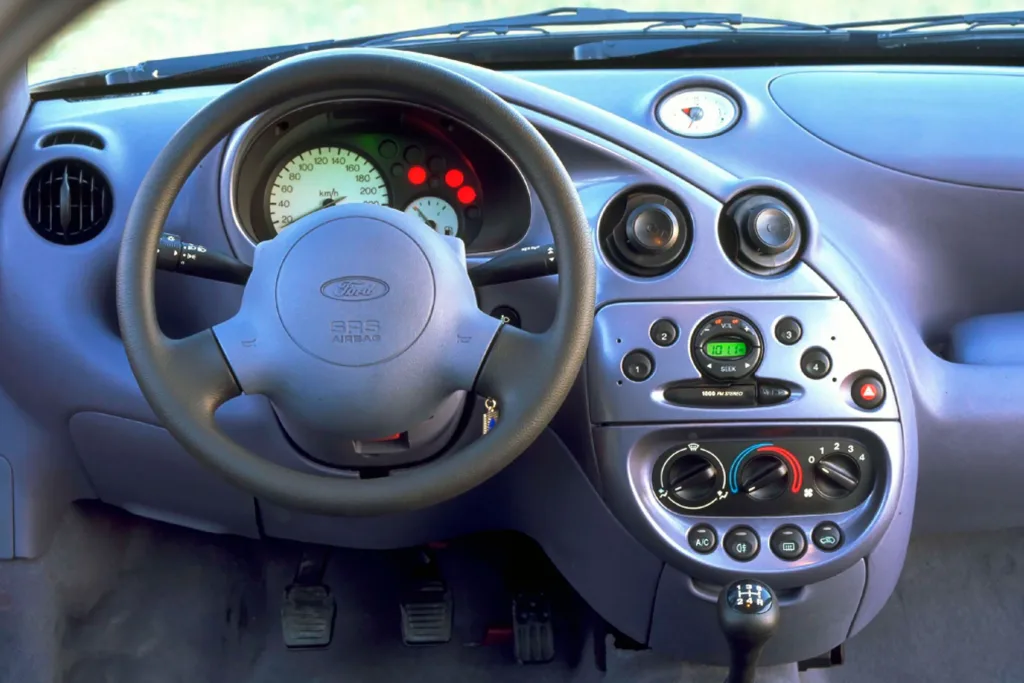
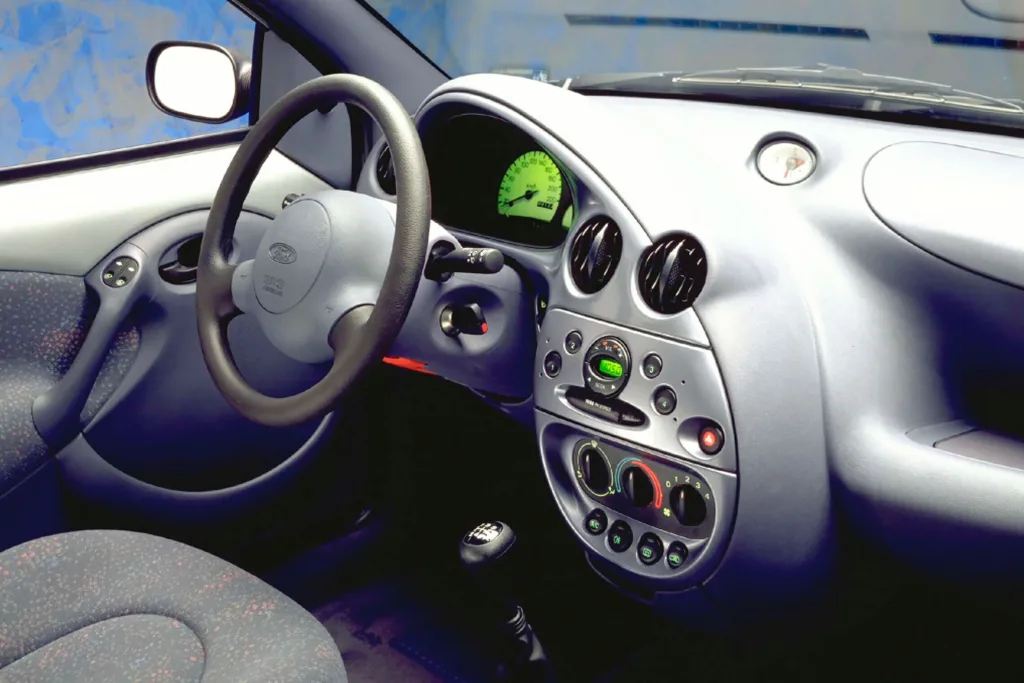
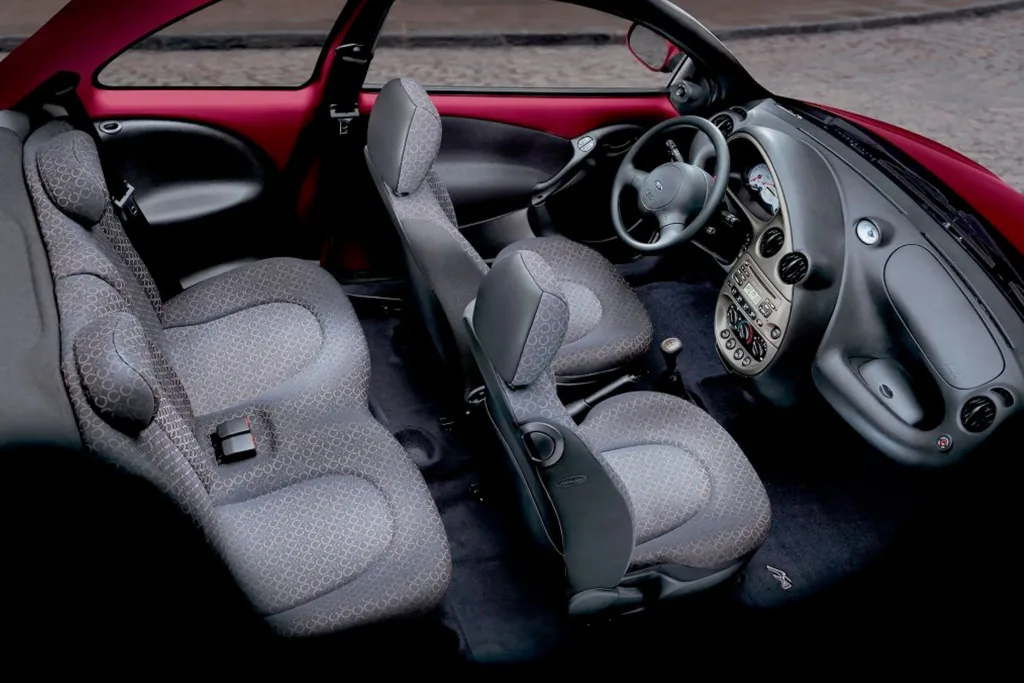
Inside, the Ka’s cabin was minimalist yet inviting, with rounded design motifs echoing the exterior’s style. The body-colored dashboard inserts and circular instrument pods added character, while the upright seating position provided excellent visibility. Though compact, interior packaging was clever enough to fit four passengers in surprising comfort for such a small footprint.
The Luxe and Collection trims later offered aesthetic refinements like alloy wheels, color accents, and improved upholstery, but the Ka’s appeal never depended on high-end equipment—it was the purity of concept that won drivers over.
A Global City Car
By the late 1990s, the Ford Ka had captivated European markets, celebrated for its charm and maneuverability. Ford briefly introduced the Ka in Japan in 1999, marketing it as a fashionable “import compact.” Despite initial curiosity, it struggled in a market increasingly dominated by automatic transmissions, as the Ka was available only with a manual gearbox. Preferences for convenience outweighed enthusiasm for its sporty handling, leading to the Ka’s withdrawal from Japan by 2001.
Still, in regions like the UK, Italy, and Germany, the Ka thrived well into the 2000s, becoming a common sight in dense urban environments. Its cheerful demeanor, affordable cost, and unmistakable shape made it a cultural favorite—much like the Mini or Fiat 500 in earlier decades.
The Ka’s Lasting Influence
The 2001 Ford Ka exemplified a philosophy that Ford would carry into the 21st century—design-led innovation paired with mechanical honesty. It showed that small cars could evoke emotion and personality without compromising affordability.
The Ka remained in production in Europe until 2008, evolving into second and third generations built through partnerships with Fiat. Yet purists agree that the original model—the first-generation Ka—best captured the magic of New Edge Design and the fearless creativity that defined Ford’s late-‘90s strategy.
Today, the 2001 Ford Ka holds nostalgic value for enthusiasts and city dwellers alike. Compact, efficient, and full of character, it stands as a timeless reminder that great design can make even the simplest car unforgettable.



Functional Always active
Preferences
Statistics
Marketing