
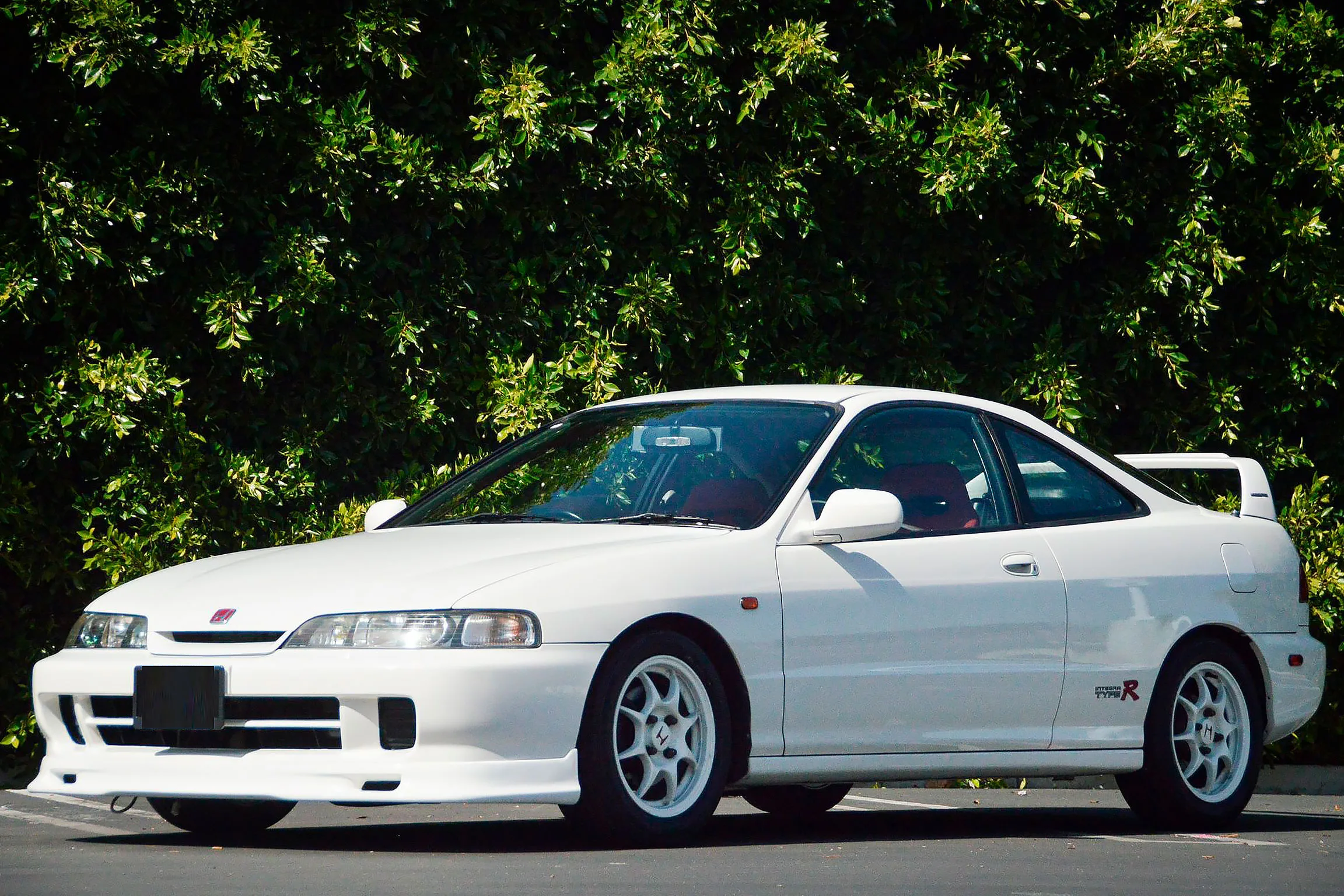
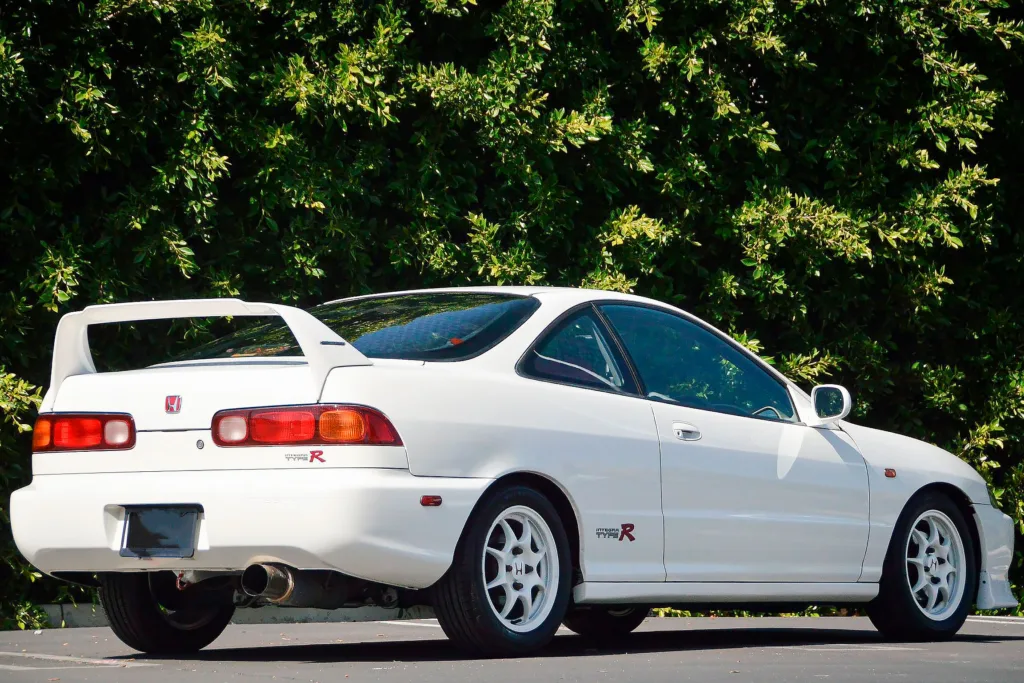
In the mid-1990s, Honda was already celebrated for its dominance in motorsport and its mastery of high-revving engines. Yet in 1995, the company released a car that redefined what a front-wheel-drive machine could be—the Honda Integra Type R (DC2). It wasn’t merely a faster version of the Integra; it was a comprehensive engineering study in precision, refinement, and balance.
Every detail, from its hand-assembled engine to its welded chassis, was developed to connect directly with the driver and deliver an experience of unfiltered mechanical honesty.
From the “Goggle-Eye” to the Icon
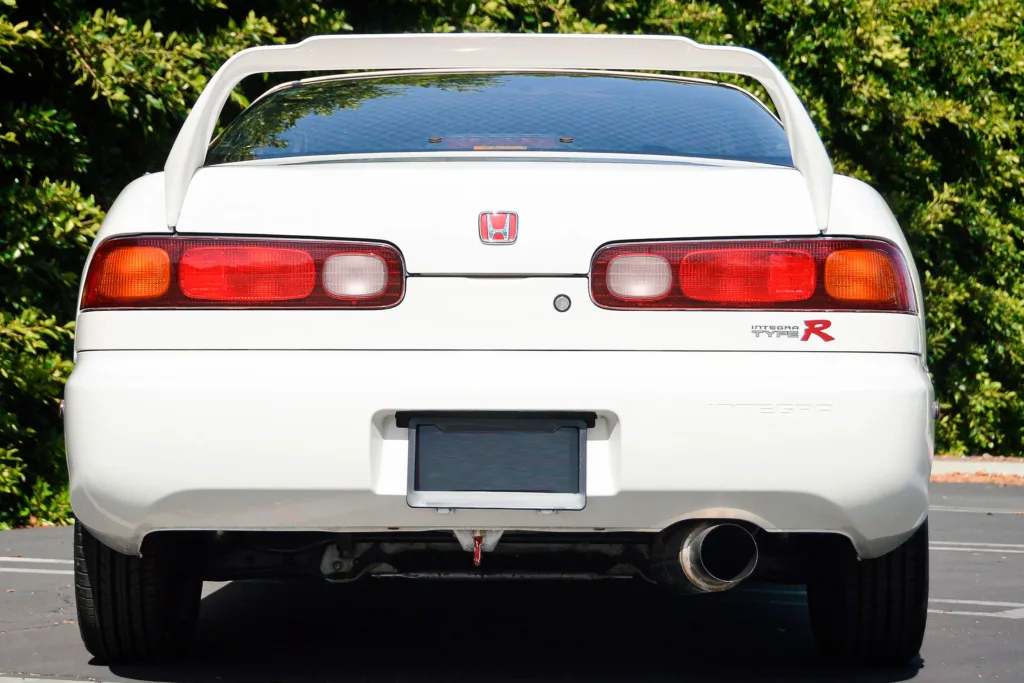
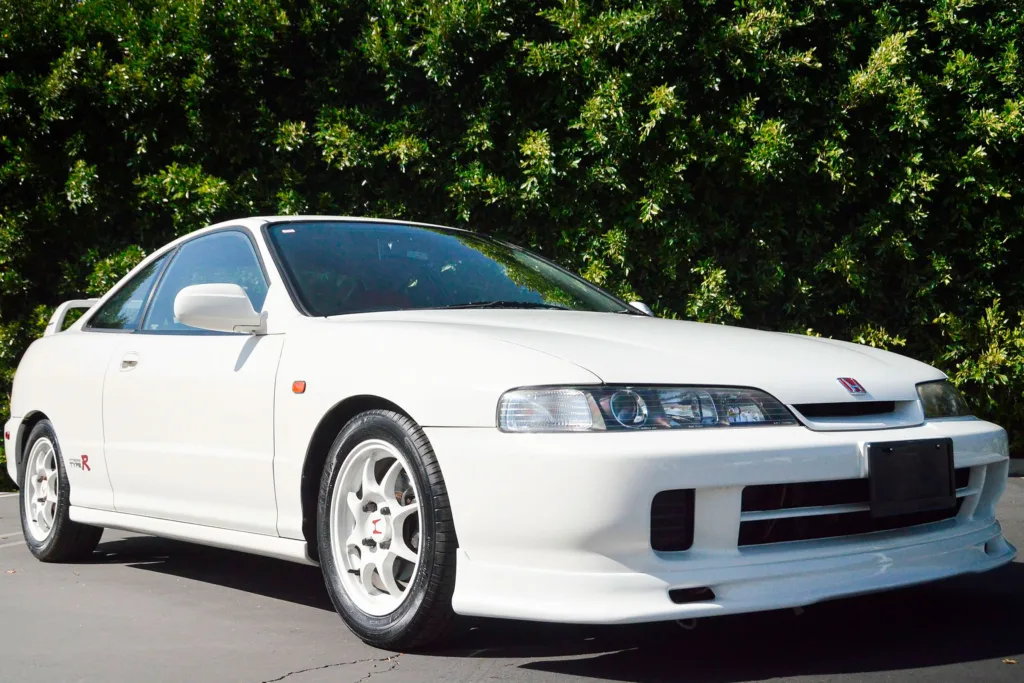
The third-generation Honda Integra (DC2 chassis) debuted in May 1993, distinguished by its unmistakable quad circular headlights, earning the nickname “Goggle-Eye Integra.” While this design resonated strongly in North America—sold there as the Acura Integra—it proved divisive in Japan. Responding to local tastes, Honda updated the domestic-market model in August 1995, swapping the rounded lights for sharper, trapezoidal lenses and implementing subtle updates to the suspension and structure.
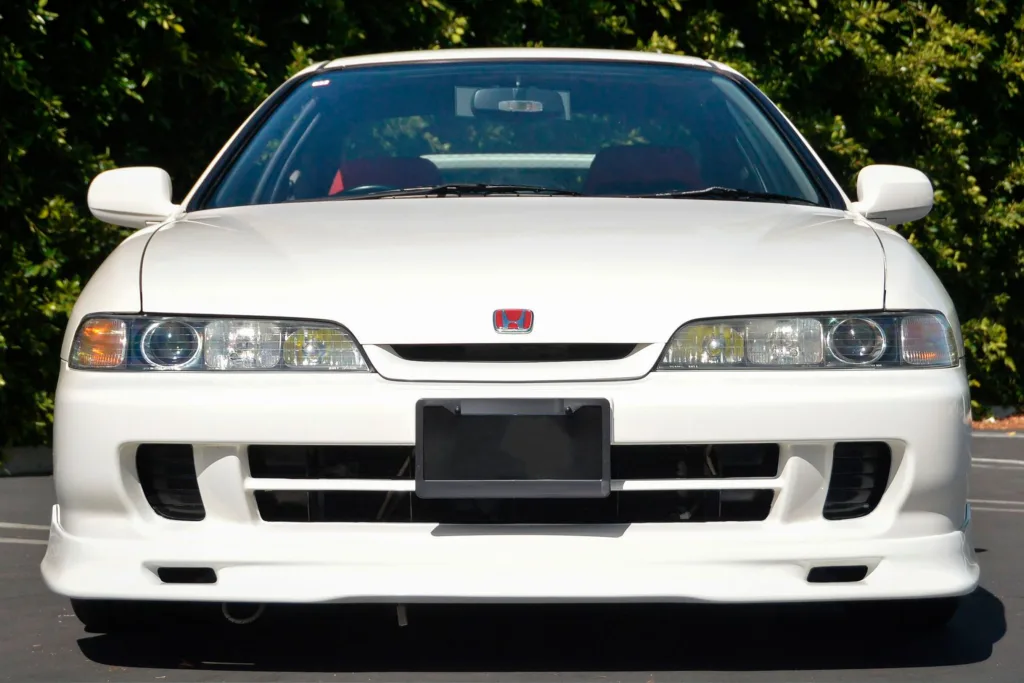
This revision set the stage for the car that would become a legend: the Integra Type R. Derived from Honda’s racing experience and building on the ethos of the NSX Type R (1992), the DC2 Type R embodied the principles of weight reduction, structural rigidity, and precision dynamics. Honda called it “a sports car for the city,” but it was far more—it became the definitive front-wheel-drive performance machine of its era.
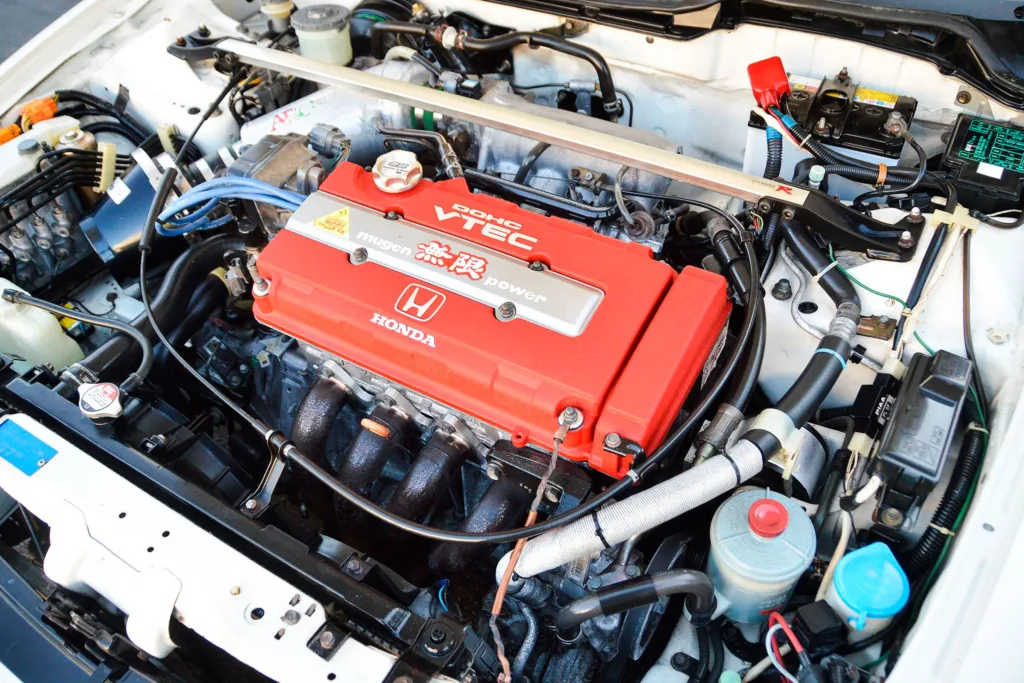
The Heart of Perfection: The B18C Engine
At the center of the DC2 Type R’s excellence was the B18C 1.8-liter DOHC VTEC engine—a naturally aspirated jewel developed to Formula 1-like tolerances. It represented the peak of Honda’s small-capacity engine design. Every major component was optimized for strength, vibration balance, and airflow:
- Lightweight aluminum block with reinforced cylinder walls for stability under sustained high load
- High-compression pistons (11.1:1) and micropolished crankshaft balanced to within fractions of a gram
- Dual valve springs and hand-ported intake runners for consistent valve timing and minimal turbulence
- Titanium valve retainers and race-grade connecting rods reducing reciprocating mass
This precision engineering yielded 200 PS (197 hp) at 8,000 rpm and 186 Nm (137 lb-ft) of torque at 6,200 rpm, giving the B18C a specific output of 111 hp per liter—a world record for a naturally aspirated four-cylinder production engine at the time. The power delivery was linear, eager, and ferociously smooth. Once the VTEC system switched to its high-lift cam profile near 5,800 rpm, it unleashed a crescendo that carried cleanly to the 8,400 rpm redline.
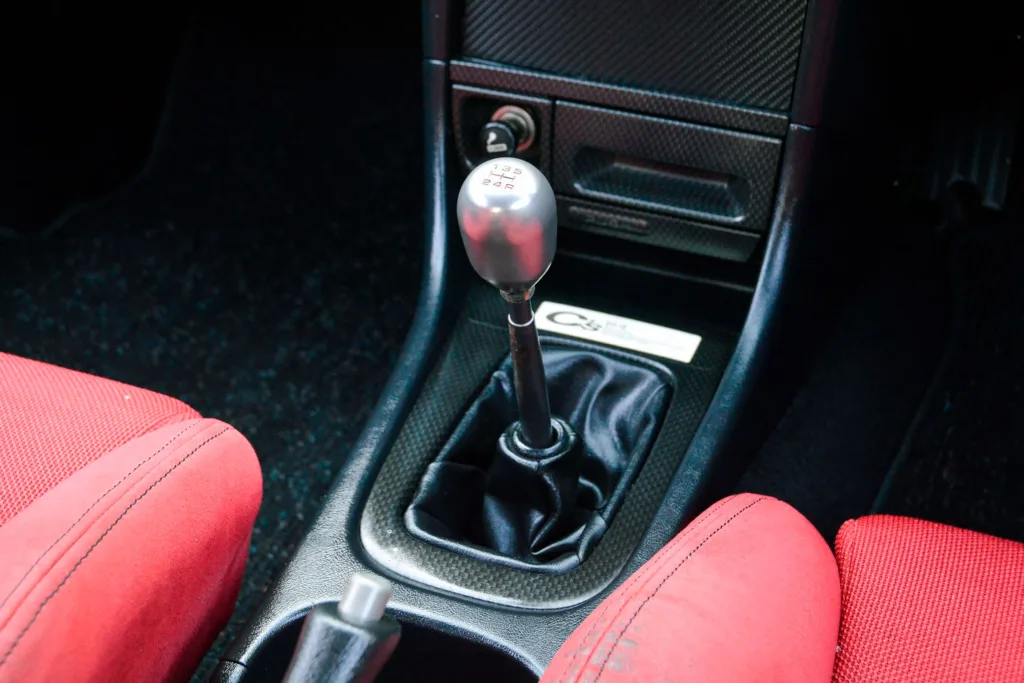
Mated to a close-ratio 5-speed manual transmission with a helical limited-slip differential (LSD), the powertrain translated every rev and gear change into instantaneous forward motion. The transmission felt mechanical and deliberate, a perfect match for the car’s precise personality.
Lightweight Engineering and Structural Precision
The DC2’s reputation wasn’t built on horsepower alone—it was sculpted from Honda’s obsession with weight efficiency and chassis integrity. Engineers extensively reinforced the unibody using additional spot welds and thicker steel at stress points, improving rigidity by over 15%. Yet, despite these reinforcements, the Type R weighed only 1,070 kg (2,360 lbs) in manual form—roughly 40 kg lighter than the standard Integra SiR-G.
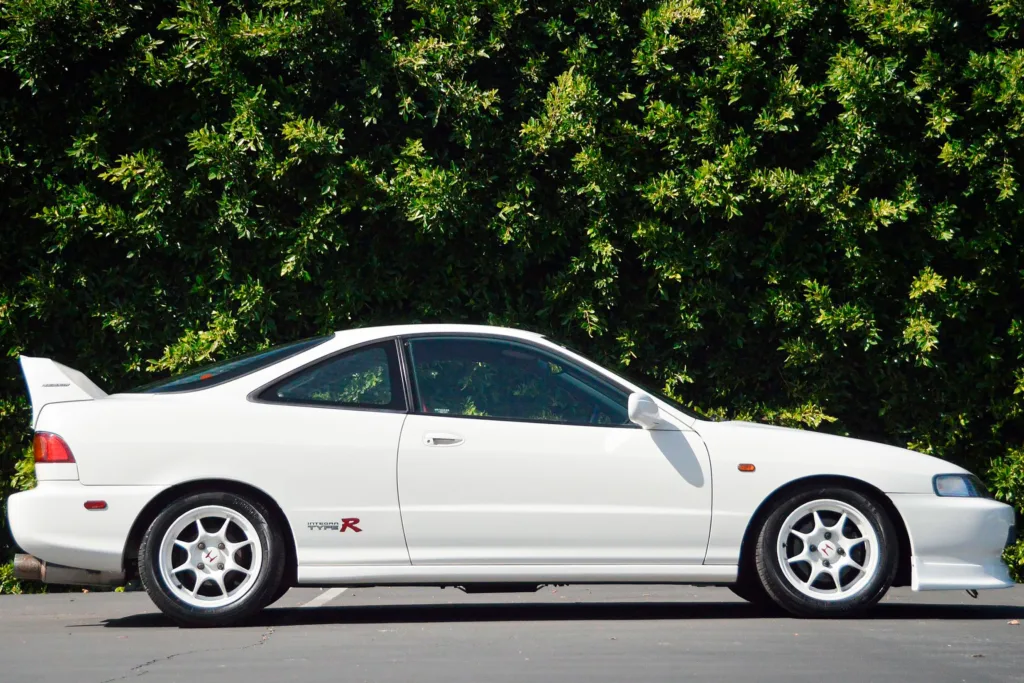
This was achieved through intelligent simplification:
- Smaller, lightweight battery and thinner glass panels
- Minimal sound insulation to save mass
- Aluminum shift knob, forged alloy wheels, and thinner carpeting
- Lightened flywheel improving throttle response by reducing rotational inertia
All these measures combined to make the Type R not just lighter, but more responsive to every input. The benefit was immediately clear in its agility and cornering behavior.
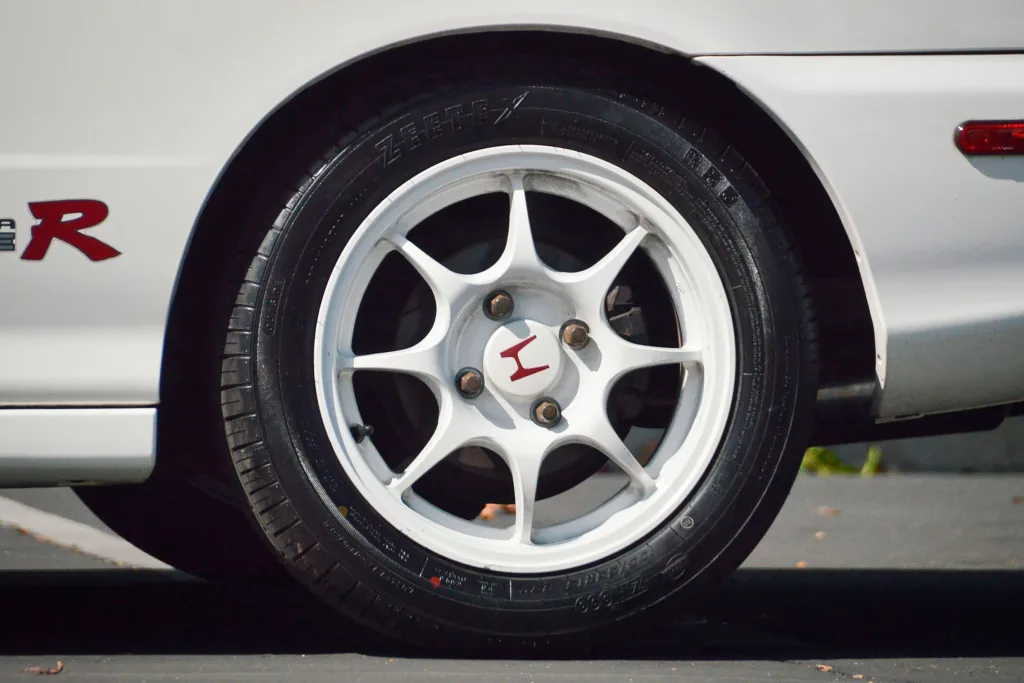
Chassis and Suspension: Engineering Purity in Motion
Beneath its understated coupe silhouette lay one of the most advanced suspension systems ever fitted to a front-wheel-drive sports car. The DC2 Integra Type R maintained independent double wishbones at all four corners—a design that optimized tire contact and geometry control under load.
Each element of the suspension was retuned by Honda’s performance engineers: springs, dampers, sway bars, and bushings were stiffened and shortened for faster weight transfer and increased steering accuracy. Additional enhancements included
- Tuned upper and lower control arms to neutralize understeer
- Chassis strengthening gussets at the suspension mounting points
- A front strut tower bar and rear cross brace for improved torsional stiffness
The result was sublime balance. Unlike most front-drive cars that plowed through corners, the Type R seemed to pivot effortlessly, giving the driver full confidence at its high limits. Its suspension geometry, combined with the LSD, produced uncanny traction out of bends and near-perfect steering feedback—qualities that made it a frequent winner at both Tsukuba Circuit time attacks and global comparison tests.
A Driver’s Machine
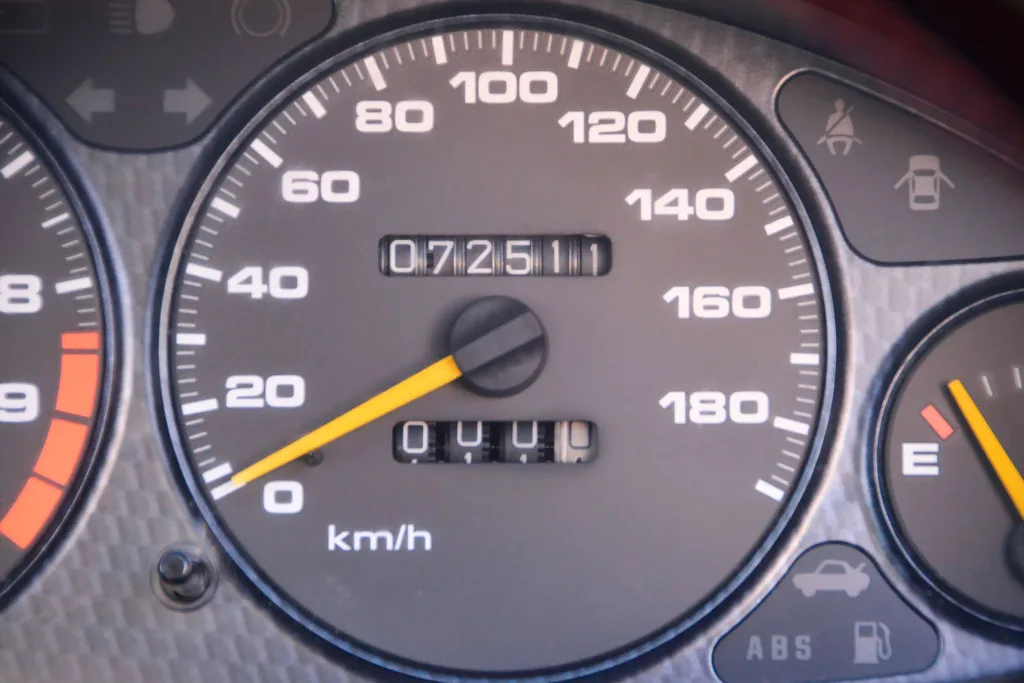
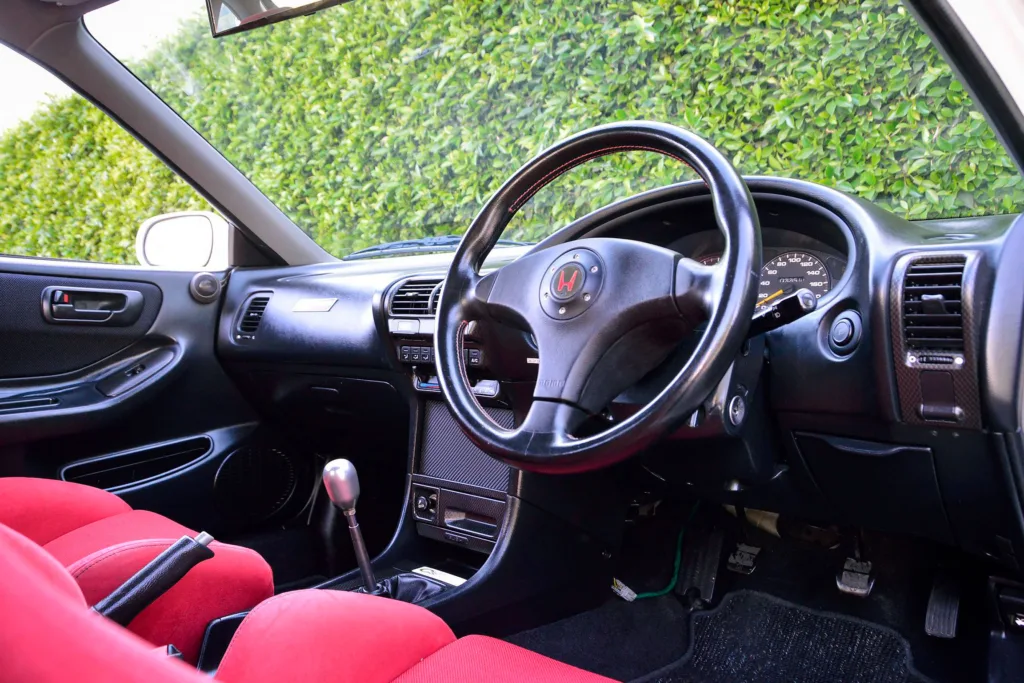
Slip inside, and the cockpit immediately declared its purpose. Deeply contoured Recaro bucket seats held the driver firm through corners, while the compact MOMO steering wheel and titanium shift knob provided tactile precision. The pedals were perfectly aligned for heel-and-toe downshifts, and the short-throw gearbox moved through its gates with mechanical harmony.
Luxury was deliberately minimal. Insulation was reduced to amplify the intake resonance and VTEC induction note, reminding drivers at every moment that this was a car built for enthusiasts, not comfort seekers. Despite these sacrifices, the driving position was ergonomically perfect—Honda’s engineers applied lessons from the NSX cockpit design to ensure full visibility and intuitive control placement.
Every drive in the DC2 was an event: every downshift, a reward; every corner, a test of skill. It was not simply a car—it was a dialogue between driver and machine.
Performance and Legacy
On the road, the DC2 Type R delivered unmatched composure and excitement. Independent tests recorded 0–100 km/h (0–62 mph) in 6.2 seconds and a top speed of 238 km/h (148 mph)—but those figures only hinted at the car’s brilliance. Its genius was in how it reached those numbers: through balance, feedback, and mechanical precision unmatched by any FWD vehicle before or since.
In 1998, Honda introduced the ‘98 Spec R, an evolution that pushed refinement further with 16-inch lightweight wheels, larger brake rotors, revised gearing ratios, and a freer-flowing exhaust system. The steering ratio was sharpened, and subtle aerodynamic tweaks increased stability at high speed.
Production continued through 2001, by which time the DC2 Type R had solidified its place in performance car history. Its engineering DNA went on to influence future Civic Type R generations—EP3, FD2, and FK8—each inheriting the same balance-first philosophy that made the DC2 legendary.
Forever the Benchmark
The 1995 Honda Integra Type R (DC2) remains one of Honda’s most revered creations, embodying the company’s relentless pursuit of balance between human and machine. Born from the same mindset that produced the NSX and S2000, it proves that true performance isn’t defined by horsepower, but by precision and control.
Every component, every ratio, every weld was engineered with the driver in mind. Decades on, no other front-wheel-drive car has achieved such unity between mechanical perfection and emotional engagement. The DC2 wasn’t just a car—it was an idea realized in metal, a lasting symbol of Honda’s golden age.


Functional Always active
Preferences
Statistics
Marketing