
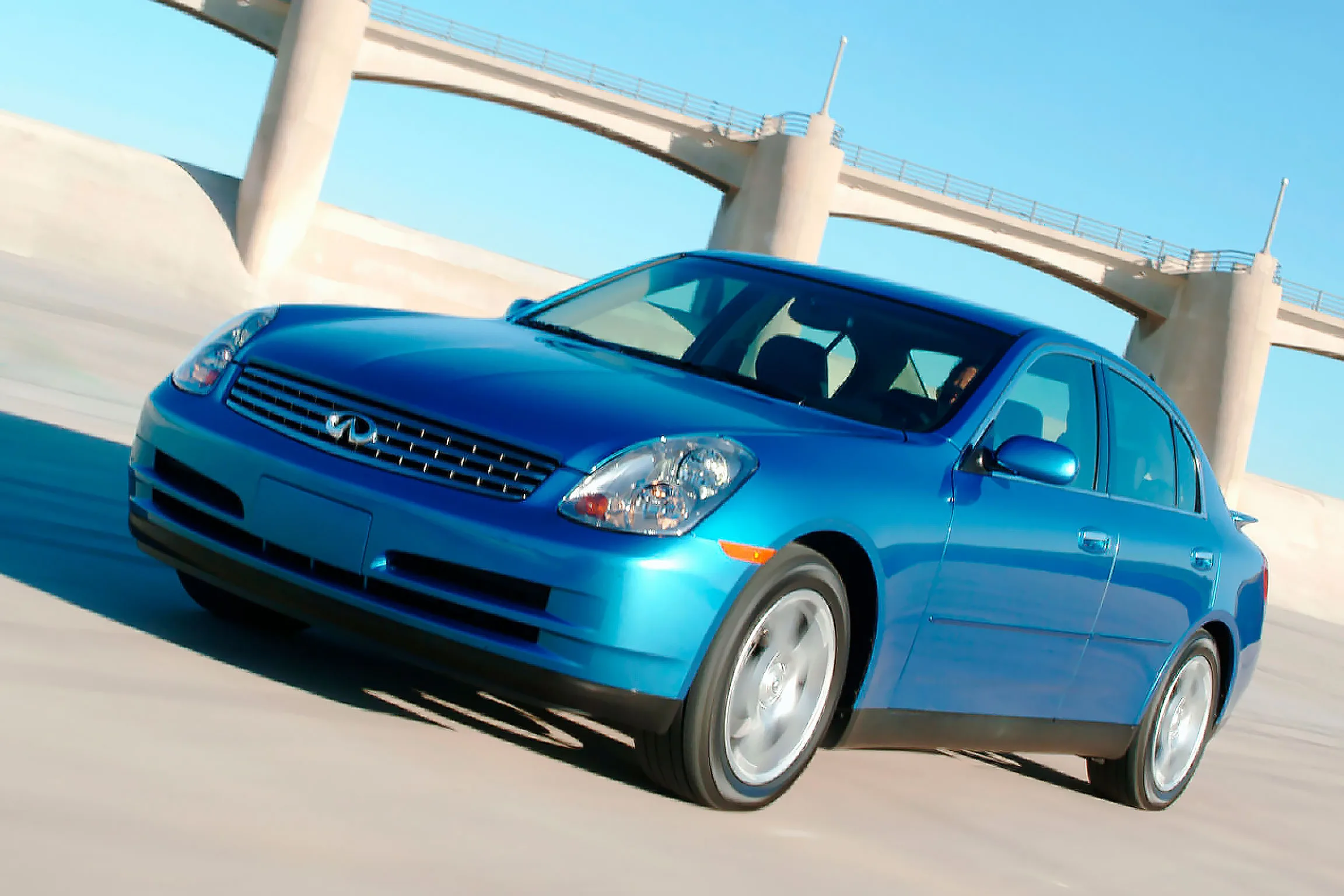
When Nissan unveiled the V35 Skyline in June 2001, it marked a defining moment in the history of Japan’s most iconic performance sedan. Known as the Infiniti G35 Sedan in the United States, this model signaled a complete reimagining of the Skyline lineage—one that would blend sport, luxury, and global market strategy into a single cohesive vision.
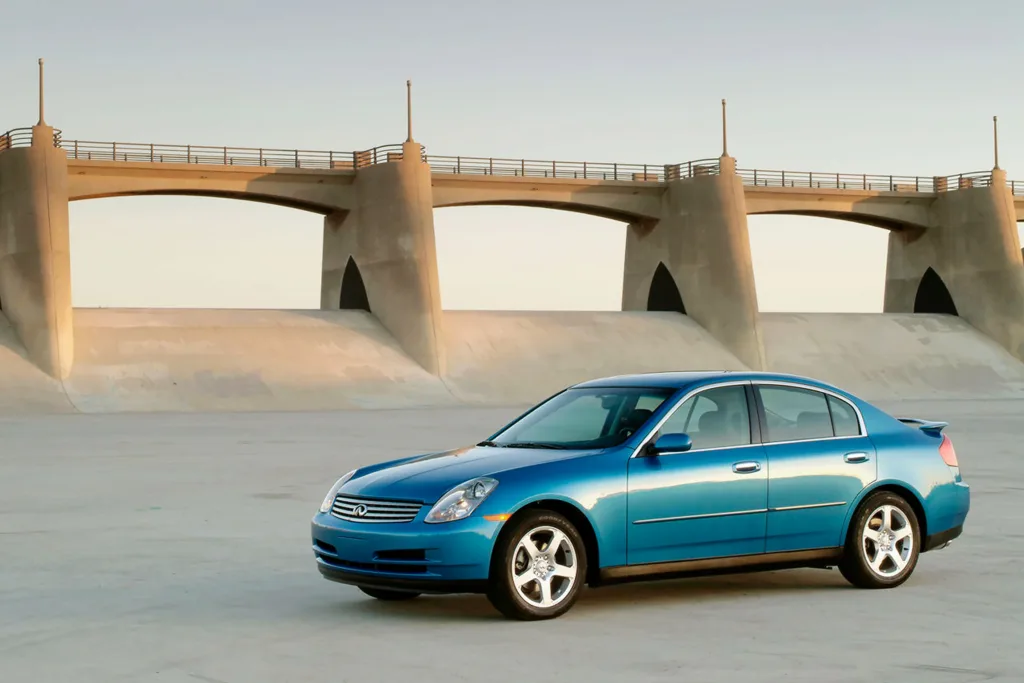
For the first time in its long history, the Skyline departed from its traditional inline-six powerplant and classic rear-wheel-drive proportions to become a truly international offering built on Nissan’s new FM (Front Midship) platform. This transformation cemented the G35 as the foundation of a new era for both Infiniti and Nissan, redefining what a performance sedan could be.
Rebirth Under the V35 Chassis
Unlike its predecessors such as the R32 and R34 Skylines—renowned for high-revving six-cylinder engines and motorsport heritage—the V35 generation took a different route. Developed under Nissan’s global strategy for premium vehicles, the chassis was purpose-built for sophisticated dynamics, occupant safety, and world-class refinement rather than all-out racing rawness.
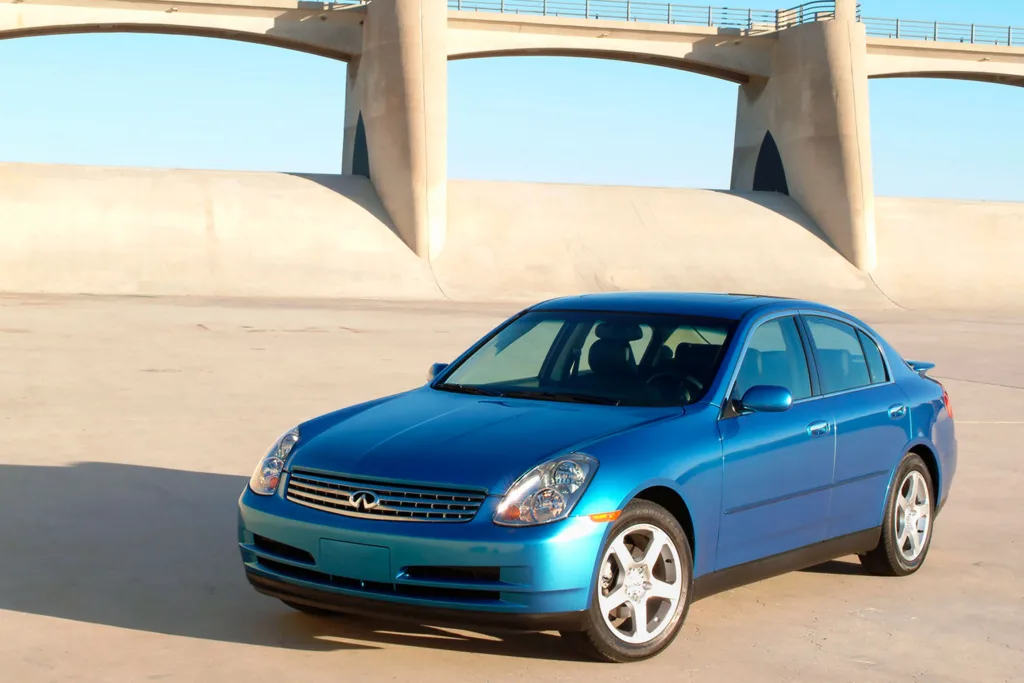
The V35 Skyline was the first to adopt Nissan’s FM (Front Midship) architecture, later shared with the 350Z (Fairlady Z33) and numerous Infiniti models. The design positioned the V6 engine behind the front axle, achieving a near-perfect front-to-rear weight balance (approximately 53:47). This not only improved steering precision and handling but also enhanced crash energy distribution for improved safety.
By shifting away from the inline-six layout that had defined previous Skylines, Nissan opened new frontiers in both performance packaging and global platform sharing.
Global Design Philosophy
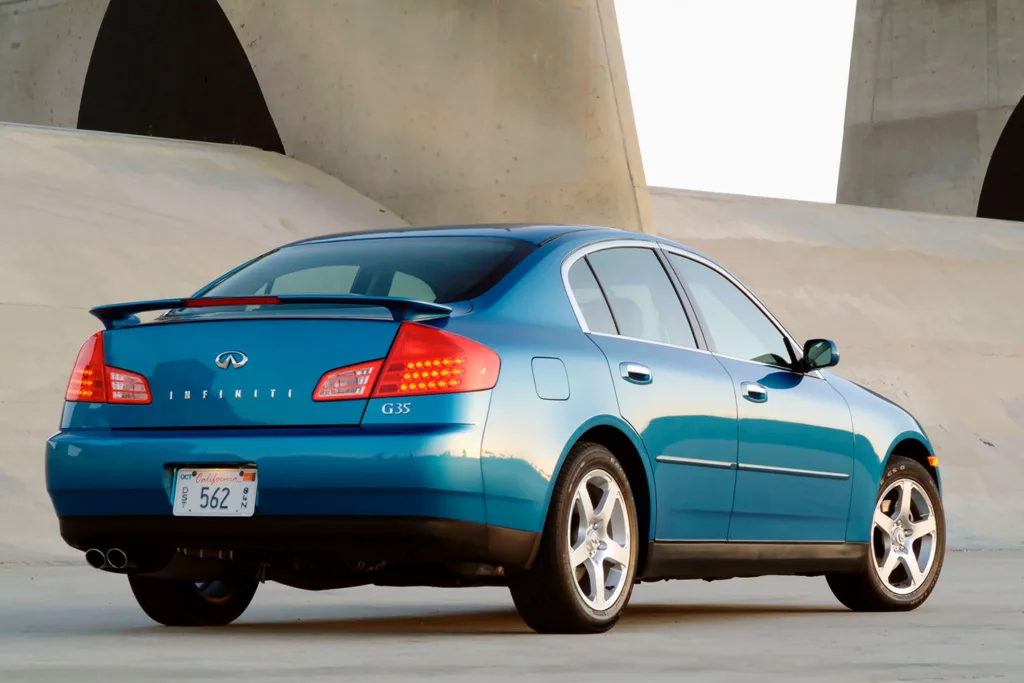
The Infiniti G35 Sedan captured the clean, athletic proportions of a grand touring car rather than a traditional sports sedan. Measuring 4,745 mm in length, 1,765 mm in width, and 1,470 mm in height, it had a long hood, short deck, and sensuously sculpted flanks that gave it a distinctly European presence. The styling departed from the conservative lines of earlier Skylines, featuring muscular fenders and a sophisticated cabin-forward stance that aligned visually with Infiniti’s performance brand identity.
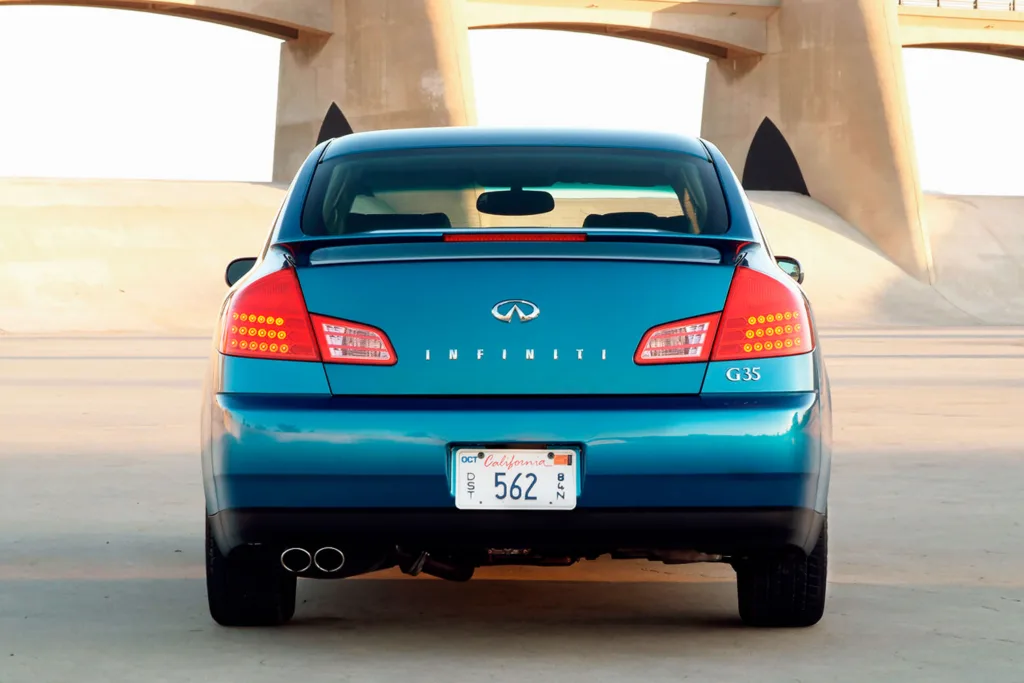
Inside, the G35 exhibited a fusion of Japanese precision and Western luxury sensibility. The cockpit was designed around the driver, using intuitive control layouts, electro-luminescent instrumentation, and materials that combined functionality with understated elegance. Dual-zone climate control, power-adjustable front seats, and optional BOSE audio underscored Infiniti’s ambition to compete head-on with BMW’s 3 Series and Mercedes-Benz C-Class in the premium midsize segment.
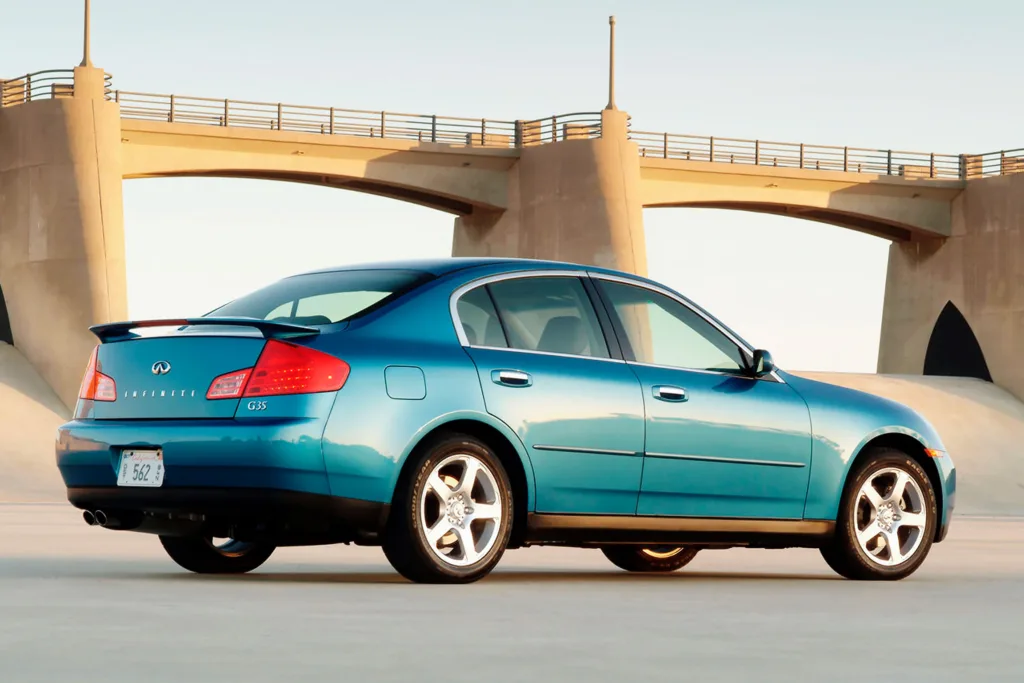
Engineering the Future: The VQ-Powered FM Platform
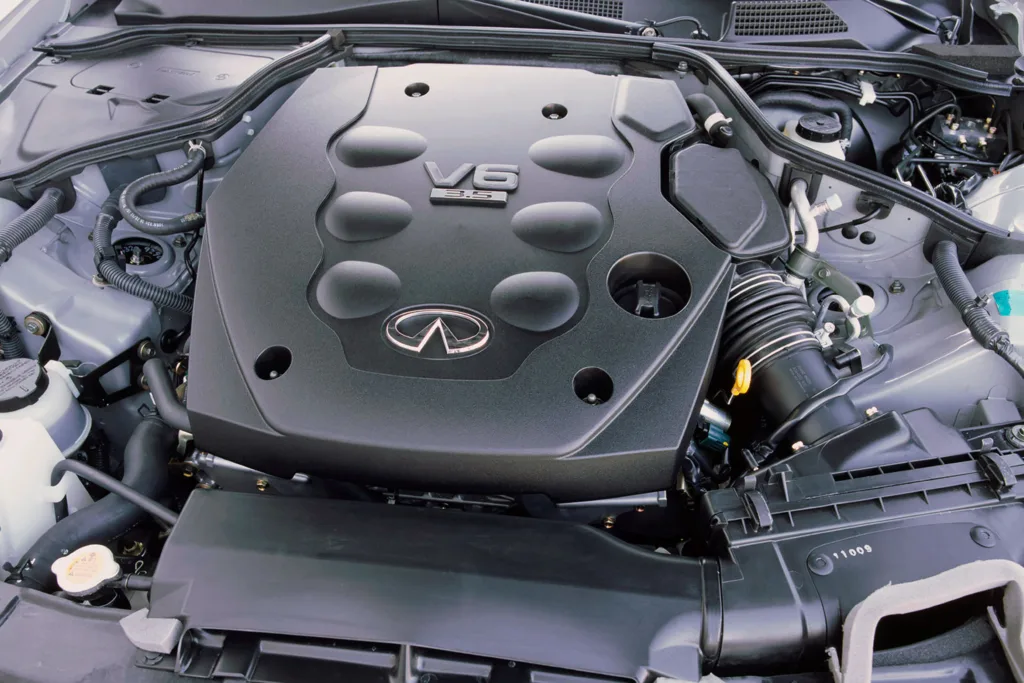
At the heart of the G35 was Nissan’s VQ-series engine family, an all-aluminum V6 architecture recognized globally for its balance of performance, smoothness, and efficiency.
Initially, Japanese-market Skylines (same platform as the U.S. G35) were offered with:
- A 2.5-liter VQ25DD producing 214 hp and 27.5 kg·m (270 Nm) of torque.
- A 3.0-liter VQ30DD with 256 hp and 33 kg·m (324 Nm) of torque.
But the U.S.-spec G35 Sedan took it further. It debuted with the 3.5-liter VQ35DE—the same engine that powered the 350Z—producing 260–268 horsepower and 36.0 kg·m (353 Nm) of torque. Known for its robust midrange performance and refined V6 soundtrack, the VQ35DE was paired with a 5-speed electronically controlled automatic transmission or an optional 6-speed manual gearbox, emphasizing Infiniti’s renewed focus on the driving enthusiast.
In Japan, Nissan introduced an alternative transmission known as the Extroid CFT, a unique high-torque-capable continuously variable transmission (CVT) that provided linear acceleration and outstanding smoothness—technology well ahead of its time for larger displacement engines.
Power was delivered through rear-wheel drive as standard, with ATTESA E-TS all-wheel drive optional in select trims, ensuring exceptional traction across varying conditions.
Dynamics and Ride Quality
The G35’s handling character was shaped around its front-midship layout, creating outstanding chassis balance and steering predictability. The suspension combined double-wishbone geometry at the front with a multi-link aluminum system at the rear, providing remarkable linearity, grip, and feedback through corners.
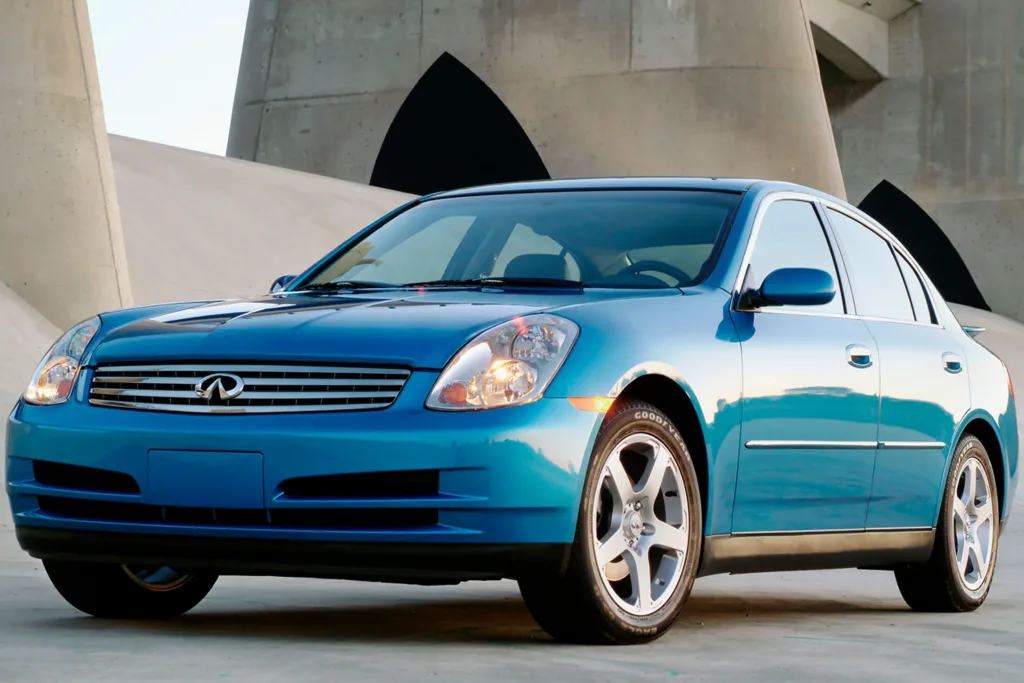
Ride quality was firm but controlled—closer in spirit to a European performance sedan than a traditional Japanese luxury car. Reviewers praised the G35 for its neutral cornering behavior, confident braking, and well-damped body control, all underpinned by a rigid body structure engineered for high-speed composure.
The blend of sporty agility and long-distance comfort positioned it as one of the most dynamically capable sedans in its class, challenging segment leaders from Germany while maintaining Nissan’s hallmark durability.
Performance Evolution and the Coupe Connection
In January 2003, the lineup expanded with the arrival of the G35 Coupe, featuring a shorter wheelbase, wider stance, and a power increase to 276 hp and 37.0 kg·m of torque, available with either a 5AT or a close-ratio 6-speed manual transmission. This model mirrored the mechanical setup of the Z33 Fairlady Z, appealing directly to enthusiasts craving a more visceral two-door experience.
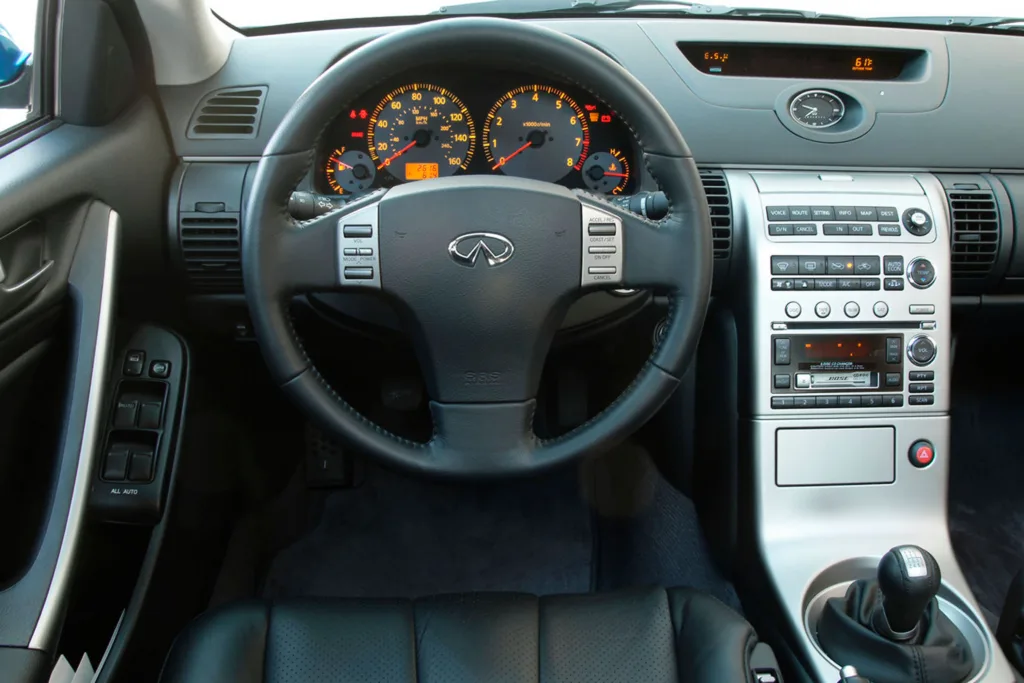
Recognizing the Coupe’s acclaim, Infiniti later offered the G35 Sedan with the same 6-speed manual option and sport-tuned suspension, transforming it into a genuine performance sedan while retaining four-door practicality.
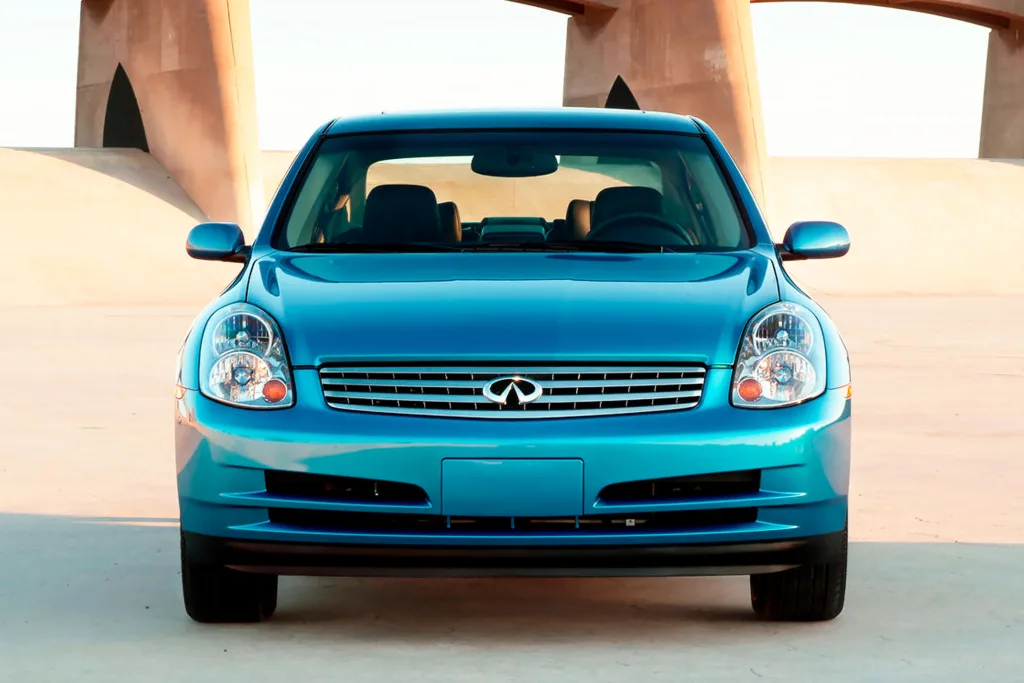
Driving Impressions: A New Definition of Skyline
Despite some enthusiasts lamenting the loss of the inline-six, the V35 G35 ushered in a new kind of performance luxury—smooth, composed, and effortlessly powerful. The car’s rear-drive balance and precise steering lent it a character more akin to a European GT than any previous Skyline or Infiniti. The VQ35DE’s linear powerband, combined with responsive throttle mapping, delivered brisk acceleration while maintaining an air of refinement.
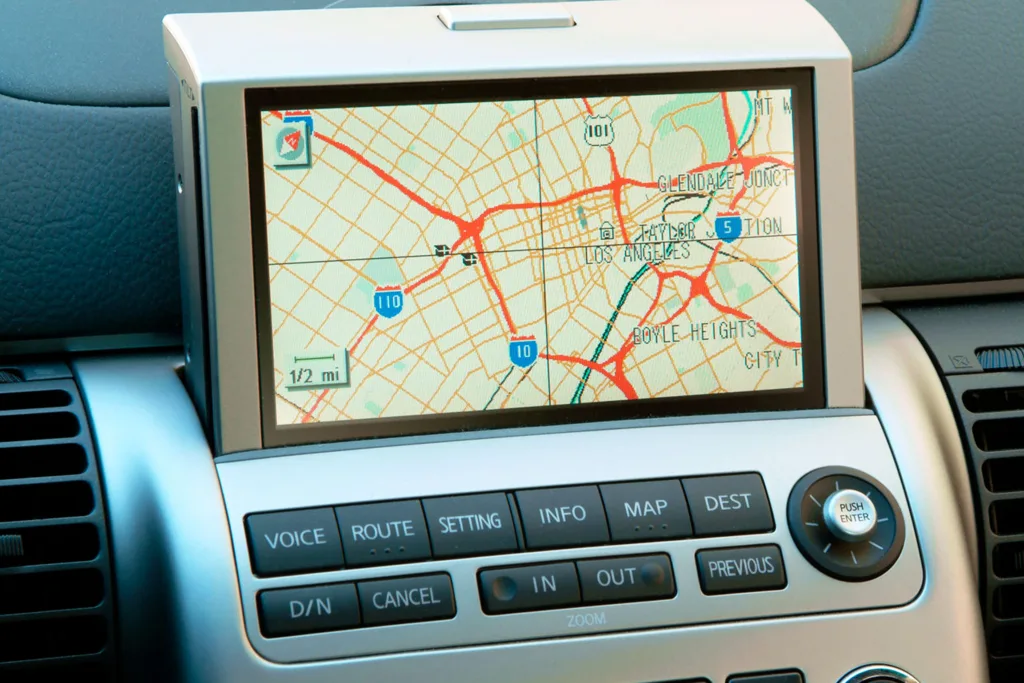
Far from abandoning its sporting roots, the G35 reframed them—it substituted brute edge for mature athleticism. As automotive journalists observed, it proved that sport driving need not mean harshness or discomfort; instead, the G35 introduced a new ideal of premium sport—fast, controlled, and rewarding.
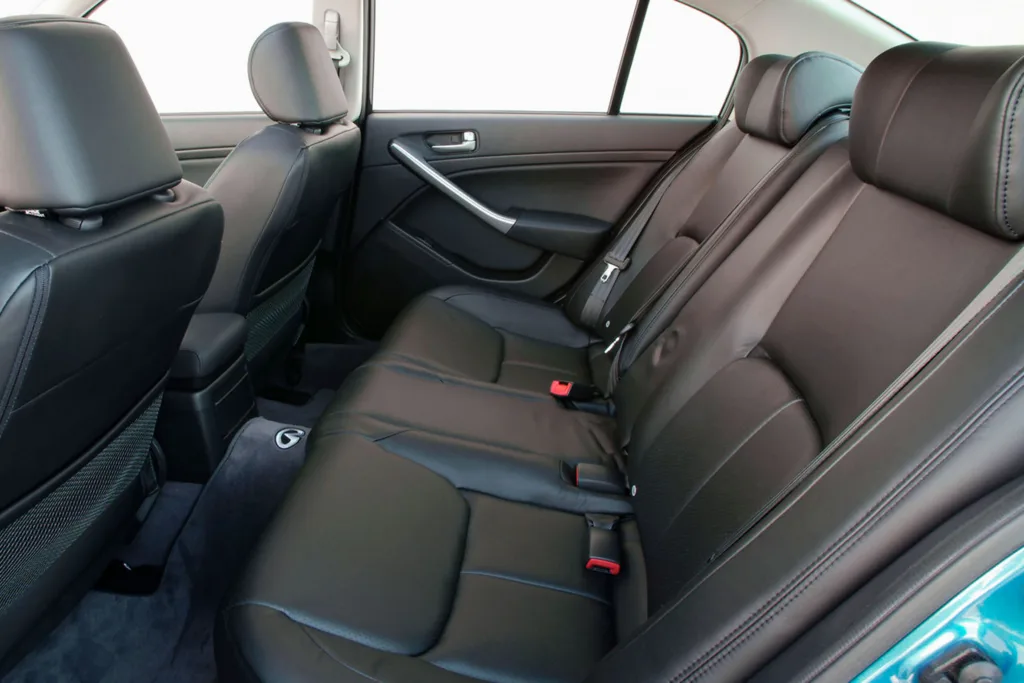
Legacy
The 2003 Infiniti G35 Sedan (V35 Skyline) represents a watershed moment for both Nissan and Infiniti. It transitioned the beloved Skyline nameplate into a world-class performance luxury platform, built for a global audience. Its success was instrumental in reestablishing Infiniti’s credibility as a genuine performance-luxury brand in North America—one capable of challenging Europe’s best.
Moreover, the FM platform became one of Nissan’s most influential designs, underpinning future icons such as the 350Z, Infiniti G37, and Nissan Skyline 350GT. It combined mechanical clarity with emotional sophistication—a hallmark that would shape the company’s next two decades of performance engineering.
The G35 Sedan remains celebrated today for its timeless design, durable VQ-series engine, and balance of comfort and control. For Nissan, it didn’t just evolve the Skyline—it globalized it.



Functional Always active
Preferences
Statistics
Marketing