
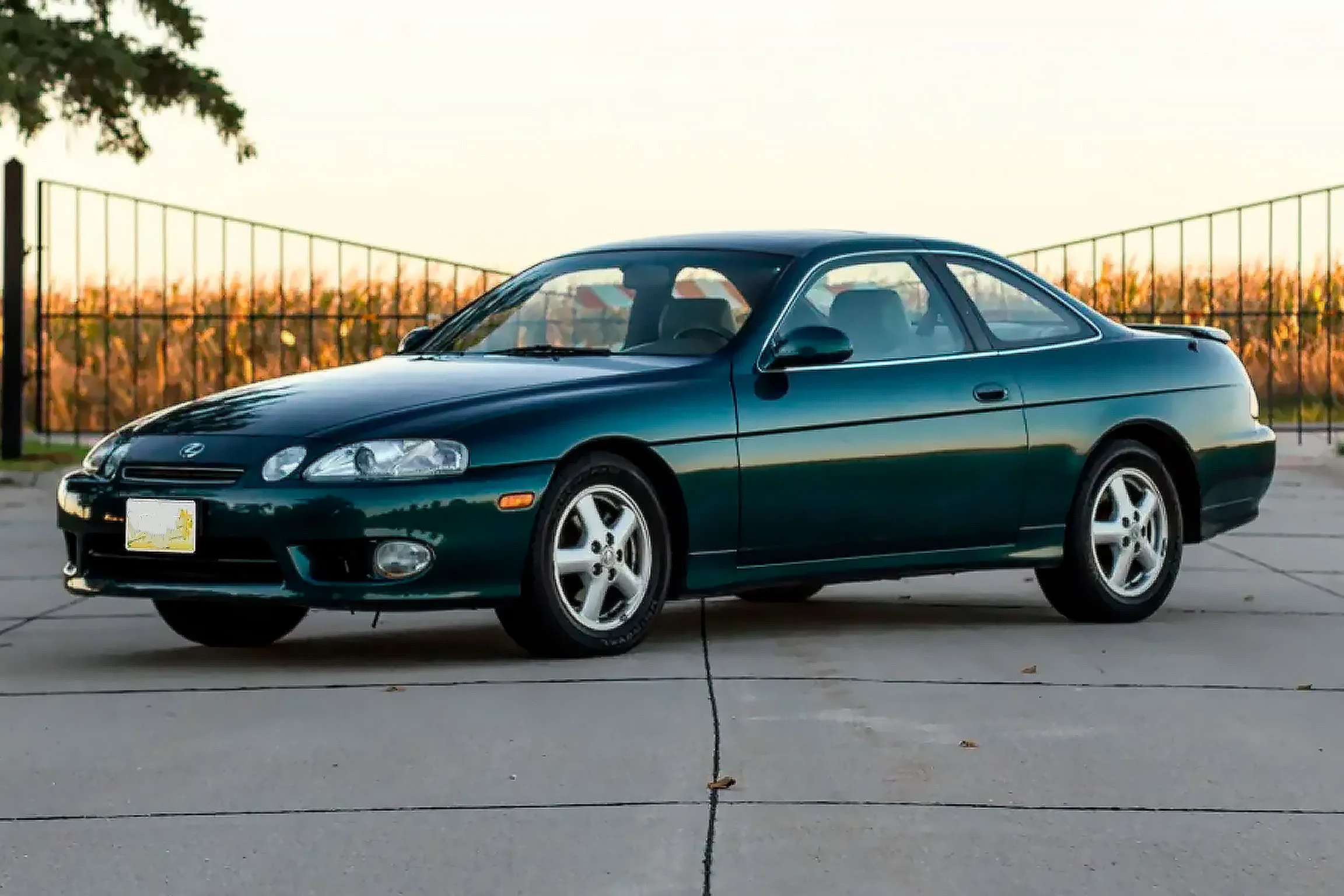
When Toyota unveiled the third‑generation Soarer (Z30) in May 1991, it represented both an engineering milestone and a philosophical transformation for the brand. Designed primarily for the North American market, the car was sold internationally as the Lexus SC series, debuting in the United States as the SC 300 and SC 400. This generation replaced the angular, high‑tech previous Soarer with a sleek, sculptural grand‑touring coupe built to compete directly with European luxury two‑doors.
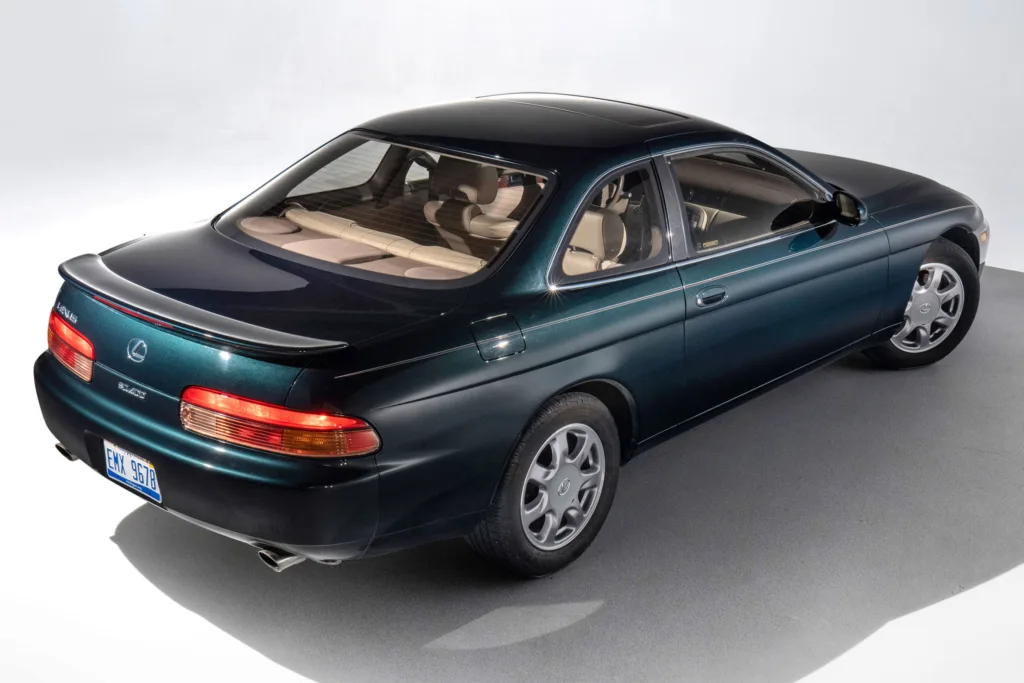
The new model’s styling and design language were developed at Toyota’s CALTY Design Research studio in California, marking one of the earliest collaborations between Toyota’s Japanese engineering teams and their American design arm. The result was a car that reflected Western tastes while retaining unmistakable Lexus refinement. It introduced an aerodynamic body defined by an elongated hood, a short, tapered deck, and fluid, uninterrupted surfaces—a stark contrast to the more geometric cars of the 1980s.

Physically, the Z30 grew to 4,900 mm in length and 1,805 mm in width, making it 185 mm longer and 67 mm wider than its predecessor. Its proportions communicated power and poise, while the nearly 1,400 mm height and low‑mounted chassis gave it a purposeful stance consistent with a true grand tourer.

Chassis and Platform
The SC 300 shared its platform with the Toyota A80 Supra, lending it superb structural rigidity and near‑perfect weight distribution for its class. The double‑wishbone suspension at all four corners—composed of forged aluminum alloy control arms and subframe cross‑bracing—delivered exceptional balance between ride comfort and handling precision.
In Japan, Toyota offered advanced suspension variants, including:
- TEMS (Toyota Electronically Modulated Suspension) with adaptive damping using piezoelectric sensors, adjusting shock‑absorber firmness in real‑time.
- Active Hydraulic Suspension (on select 4.0 L models), which used electronically actuated hydraulic struts in place of conventional springs to control body roll, pitch, and ride height dynamically.
These innovations, though complex, demonstrated Toyota’s experimentation with semi‑active and fully active suspension systems years ahead of European competitors.

Powertrains: Inline‑Six Precision and V8 Silk
The Soarer/SC product range was offered with several powerplants renowned for their refinement and mechanical sophistication.
- SC 300 / Soarer 3.0 GT
- Engine: 2JZ‑GE 3.0 L inline‑six (DOHC 24‑valve)
- Displacement: 2,997 cc
- Output: 225 hp (168 kW) @ 6,000 rpm; 283 Nm (209 lb‑ft) @ 4,800 rpm
- Layout: Rear‑wheel drive
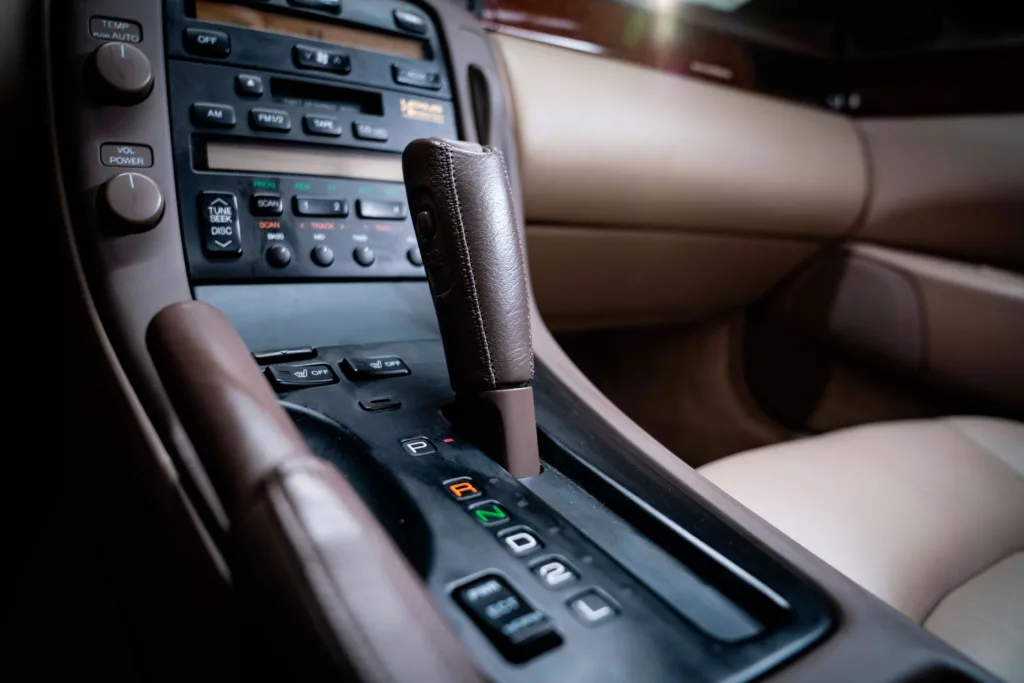
- Transmission: 5‑speed manual (Getrag W58) or 4‑speed automatic (A340E)
- This naturally aspirated inline‑six shared architecture with the Supra’s 2JZ powerplant, known for its bulletproof reliability and rev‑happy nature. Smooth torque delivery and a near‑perfect mechanical balance earned the SC 300 a reputation as one of the most refined six‑cylinder coupes of its day.
- SC 400 / Soarer 4.0 GT‑L
- Engine: 1UZ‑FE V8 (3,968 cc, DOHC 32‑valve, quad‑cam)
- Output: 260 hp (193 kW) @ 5,400 rpm; 353 Nm (260 lb‑ft) @ 4,400 rpm
- Transmission: 4‑speed A341E automatic with ECT electronic shift programming
- Derived from the same aluminum V8 used in the Toyota Celsior / Lexus LS 400, the 1UZ‑FE combined an ultra‑smooth power curve with tremendous durability. Its quad‑cam layout, forged steel crankshaft, and lightweight pistons allowed it to spin freely while maintaining Lexus‑level NVH refinement.
In the Japanese domestic market, Toyota offered an additional high‑performance variant featuring the 1JZ-GTE 2.5L twin-turbo inline-six, rated at 280 PS (276 hp) and 363 Nm of torque, paired with a five‑speed manual R154 gearbox. This drivetrain endowed the Soarer with acceleration rivaling Italian and German grand tourers of the same period.

Design and Aerodynamics
Every contour of the SC 300’s bodywork was shaped in the wind tunnel for optimal drag efficiency. Its Cd value of 0.31 made it one of the most aerodynamically efficient luxury coupes in the world in the early 1990s. The hidden headlights, integrated bumpers, and frameless side windows contributed to its clean, flowing silhouette.

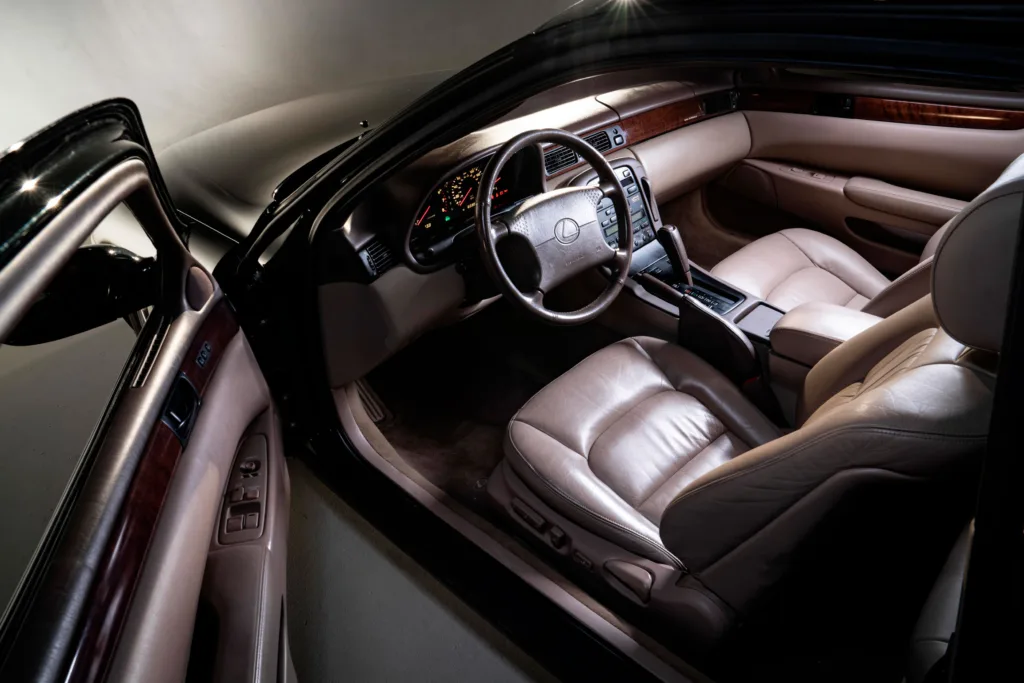
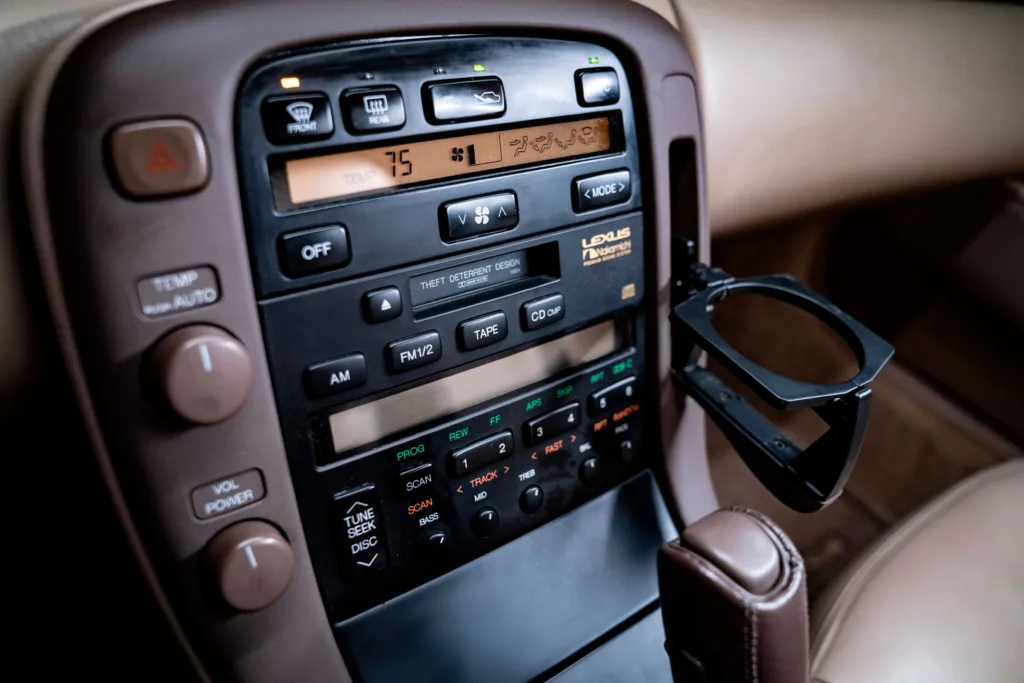
Inside, Lexus defined a new benchmark for craftsmanship and ergonomics. The SC’s cabin combined leather upholstery, genuine walnut or maple veneers, and hand‑stitched surfaces, paired with advanced amenities such as automatic dual‑zone climate control, a premium Nakamichi audio system, and power‑tilt steering with memory functions.
The dashboard architecture emphasized horizontal flow, while instrumentation was deeply hooded for visibility—a nod to both luxury and subtle sportiness.
Refinement and Driving Character
Despite its grand‑touring comfort, the SC 300 exhibited a balance that drivers quickly appreciated. Its rear‑drive balance, 50:50 weight distribution, and responsive rack‑and‑pinion steering gave it poise at speed without sacrificing the plushness expected of a Lexus.
The coil‑over suspension geometry allowed minimal body roll, while TEMS adaptive control maintained composure over varied terrain. Even in base trim, the SC 300 delivered a harmonic blend of luxury refinement and driving engagement—a trait that made it a cult favorite among enthusiasts who later turned its 2JZ engine into a tuning icon.
Market Position and Legacy
Although the Soarer and Lexus SC launched amid Japan’s 1990s economic downturn, the car became a cornerstone of Toyota’s global luxury strategy for nearly a decade. It showcased the company’s ability to merge precision engineering with timeless design—qualities that distinguished Lexus from its European rivals.

For Lexus, the SC 300 stood as the athletic counterpart to the LS 400 sedan: understated yet powerful, graceful yet durable. This platform’s reputation for reliability and mechanical excellence ensured its popularity long after production ended in 2000 (in Japan until 2001).
Today, the SC 300 / Soarer Z30 is recognized as a pivotal chapter in Lexus history—a car that not only expanded the brand’s image but also bridged Japanese engineering finesse with the tactile pleasures of grand‑touring performance.




Functional Always active
Preferences
Statistics
Marketing