
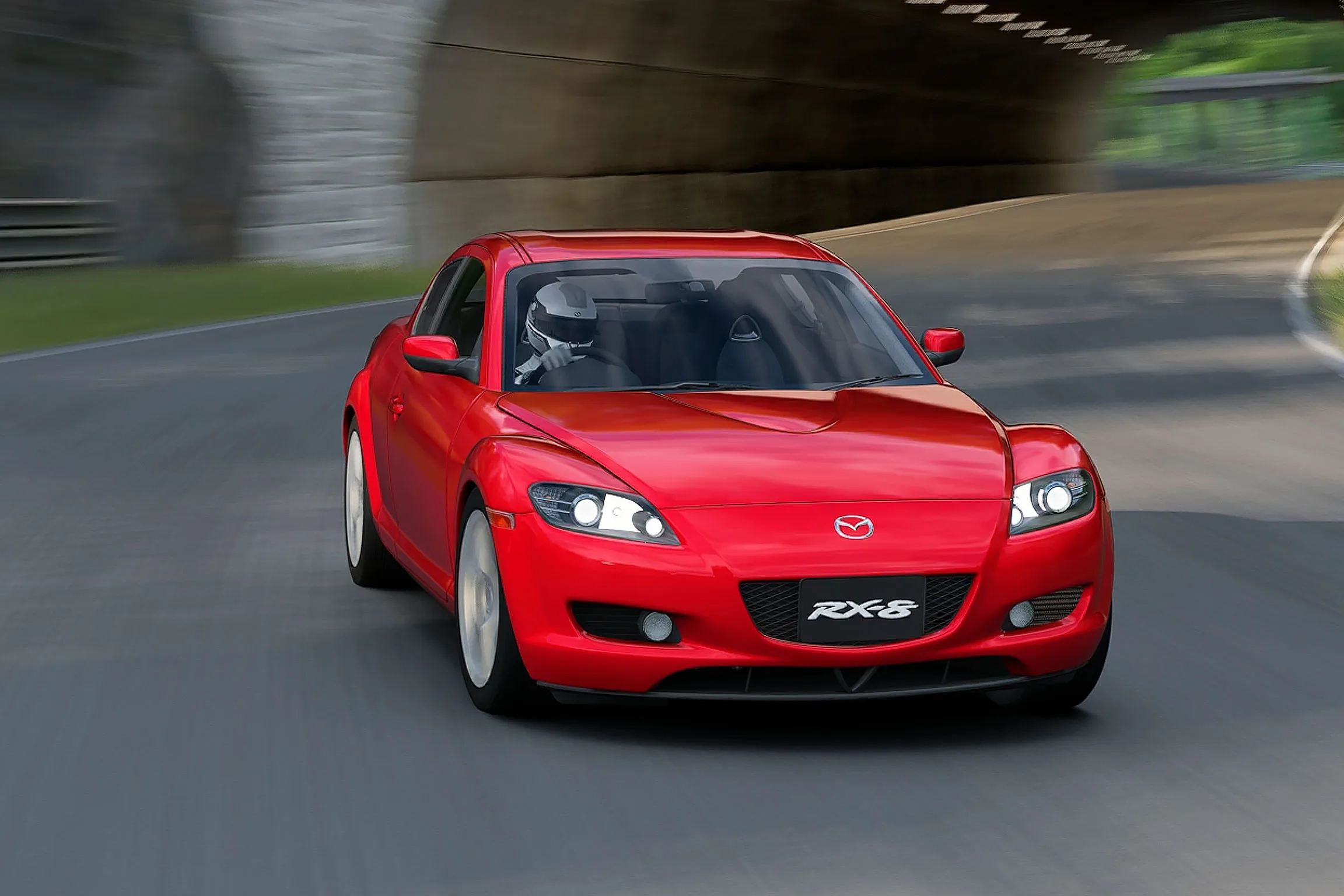
The Mazda RX-8 Type S, introduced in 2003, stands as a unique chapter in the evolution of rotary-powered sports cars, showcasing Mazda’s relentless pursuit of engineering innovation even after the iconic RX-7’s sendoff. Arriving at a time when many believed the rotary engine was finished, the RX-8 resurrected Mazda’s legendary Wankel design, but with bold, forward-thinking twists both in performance philosophy and practical design.
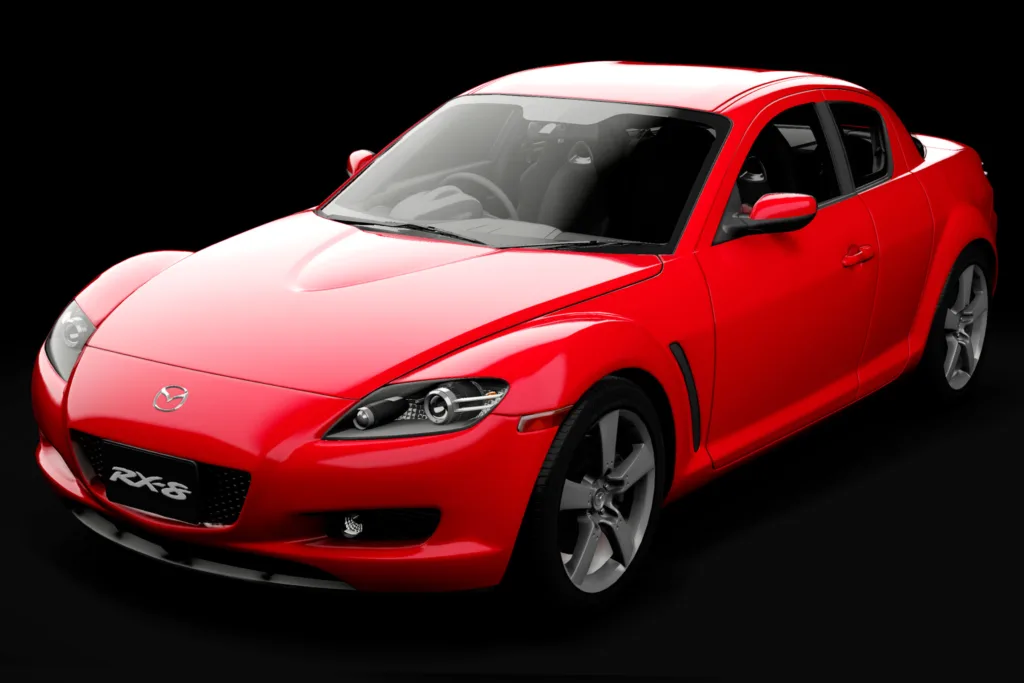
Rotary Heritage Reinvented
Unlike its forebear, the RX-8 broke from the traditional two-door coupe mold, arriving as a four-seater with genuine four-door accessibility—an unprecedented move in the world of Japanese performance vehicles. Mazda’s clever “Freestyle Door System,” featuring rear-hinged rear doors (often referred to as suicide doors), enabled easy access to the surprisingly spacious rear seats without compromising the car’s compact and athletic proportions. This innovation allowed the RX-8 to offer everyday practicality while retaining its status as a bona fide sports car, appealing to enthusiasts and young families alike.
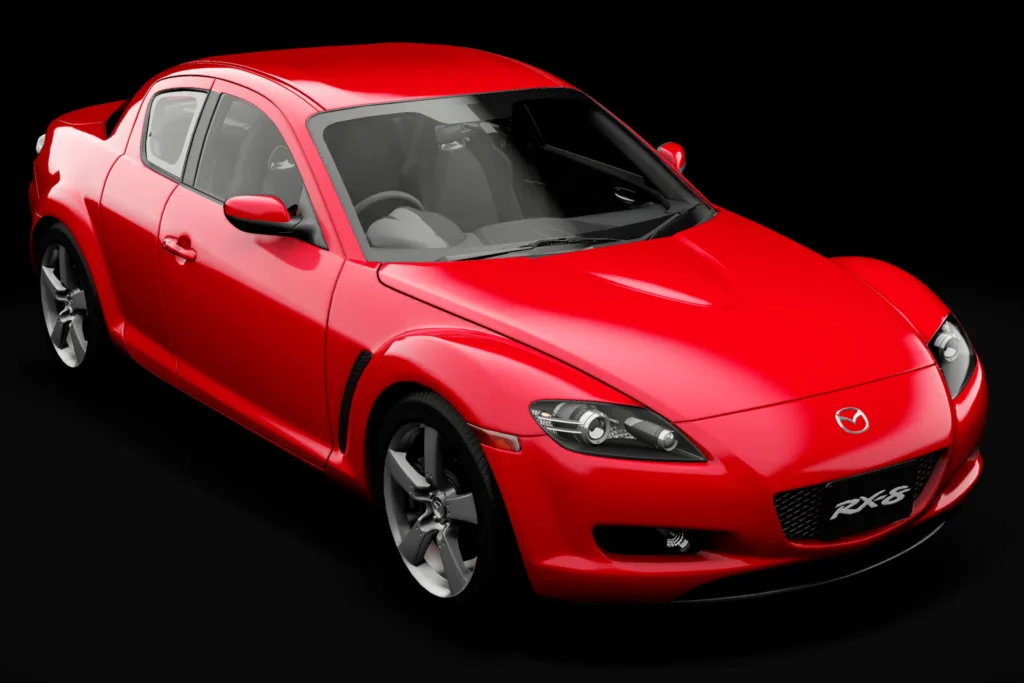
The Heart: Renesis 13B-MSP Rotary Powerplant
At the core of the RX-8 Type S lies the Renesis rotary engine (13B-MSP), a testament to decades of Mazda’s Wankel development. In contrast to turbocharged predecessors, the Renesis achieved high output naturally aspirated, delivering a remarkable 250 horsepower at a screaming 9000 rpm in Type S trim. The side port exhaust and intake configuration proved significant: by moving both intake and exhaust ports to the side housings and optimizing their shapes, engineers reduced overlap, cut emissions, and improved fuel efficiency—all while maintaining the rotary’s trademark high-revving spirit.
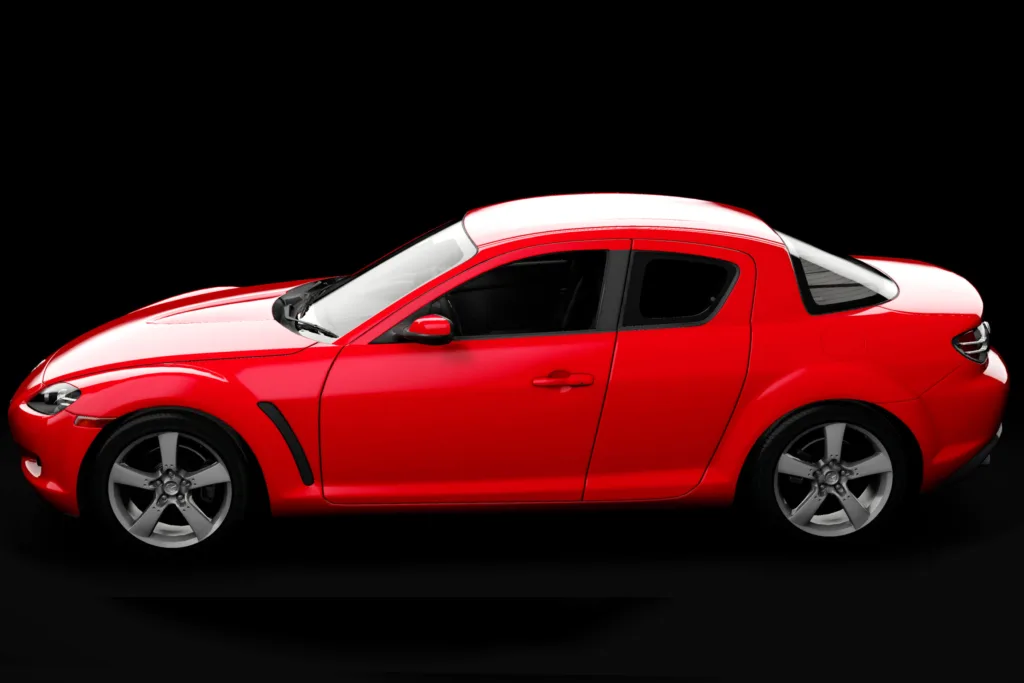
Superior Chassis Dynamics and Balance
Mazda engineers repositioned the Renesis engine 60 mm further back than the RX-7 mill, achieving near-perfect 50:50 weight distribution. This low and centralized mass endowed the RX-8 with sharp, nimble handling—traits celebrated by both amateur autocross drivers and professional reviewers around the world. Weighing approximately 1,350 kg, the RX-8 Type S benefited from a stiff multipoint chassis, double-wishbone front suspension, and multi-link rear architecture, maximizing road feel and grip in spirited driving scenarios.

Advanced Transmission and Driving Experience
For enthusiasts, the Type S variant stood at the top of the RX-8 range. It was exclusively paired with a close-ratio 6-speed manual transmission, providing precise, short-throw shifts and true driver engagement. Acceleration from 0 to 100 km/h was accomplished in just over six seconds—impressive for a naturally aspirated, non-turbo machine. Furthermore, its unique setup, including a limited-slip differential and dynamic stability control, ensured a responsive and rewarding experience on twisty roads.
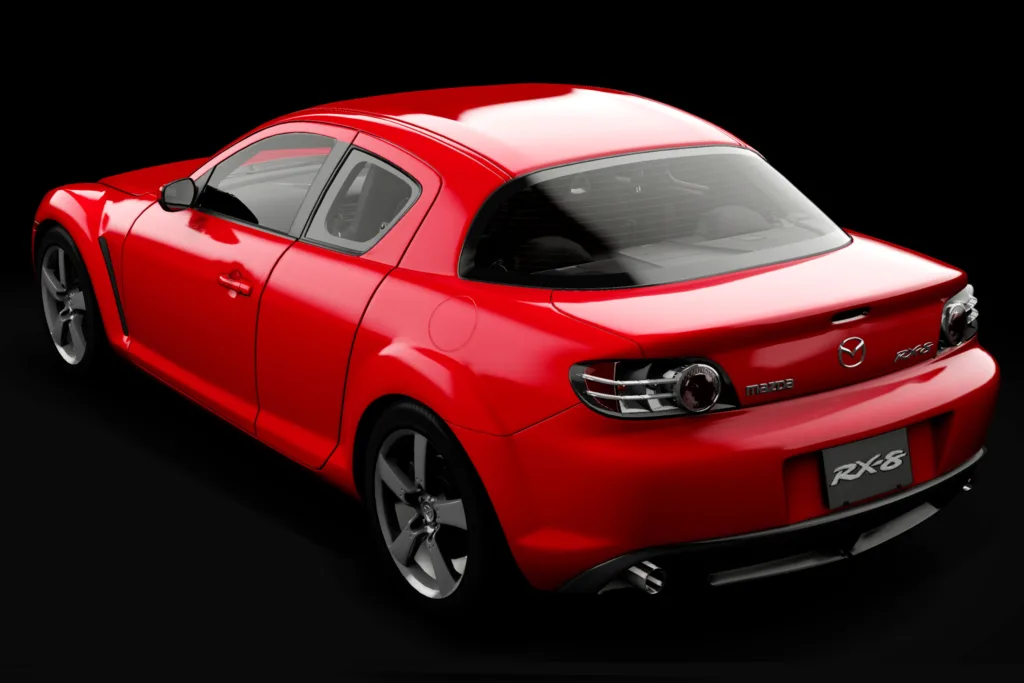
Distinctive Design Inside and Out
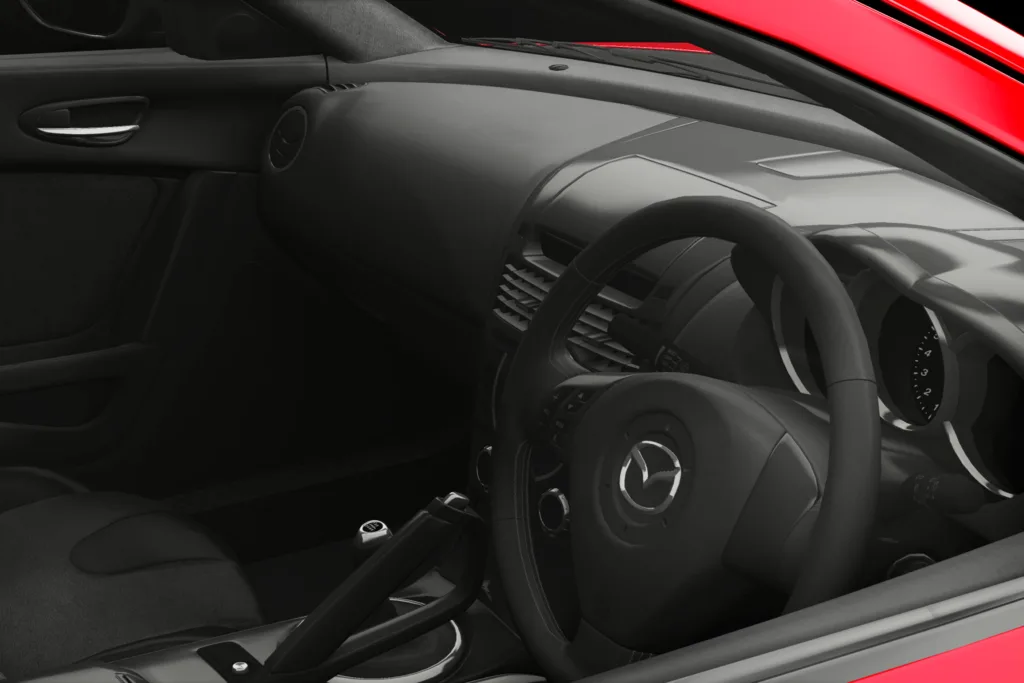
Aesthetic innovation matched mechanical brilliance. Externally, the RX-8’s aggressive fender flares, sculpted side sills, and pronounced front bumper lent a dynamic, ready-to-run stance. Its quad exhaust outlets, rotary-shaped design themes, and optional forged 18-inch wheels reinforced its high-performance intent. Mazda crafted the cabin with driver focus in mind; circular motifs inspired by the rotary engine adorned the gauges, air vents, and key design points, creating a strong sense of brand identity.
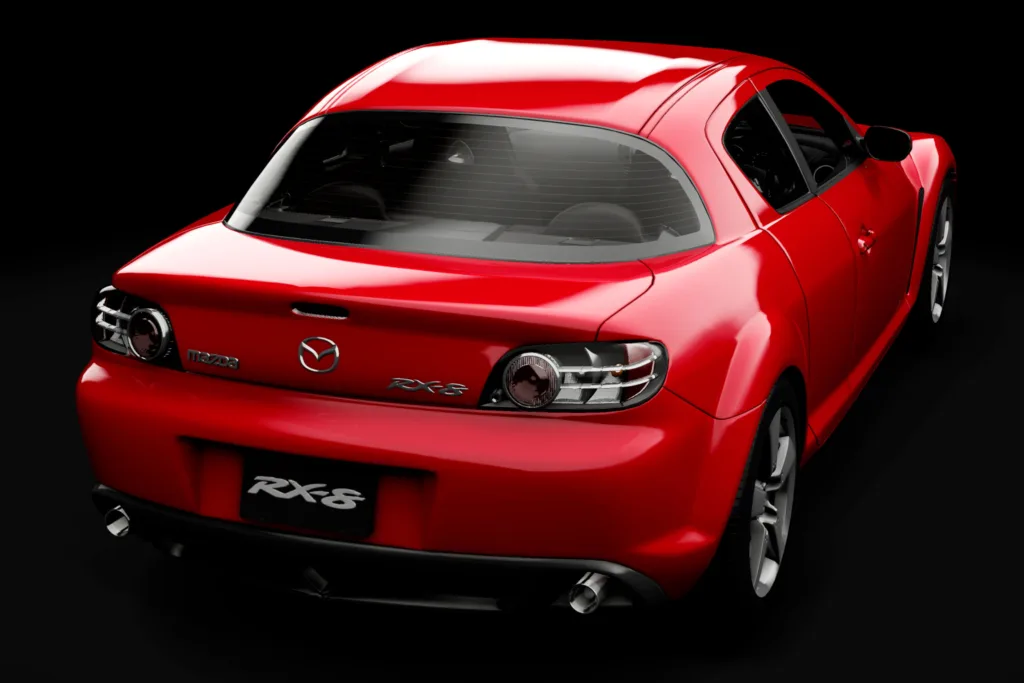
Despite its sporting credentials, the RX-8 did not sacrifice comfort or versatility—the rear seats could accommodate adults for shorter journeys, and the split-folding rear bench offered practical cargo space, making it one of the most livable performance coupes of its day.
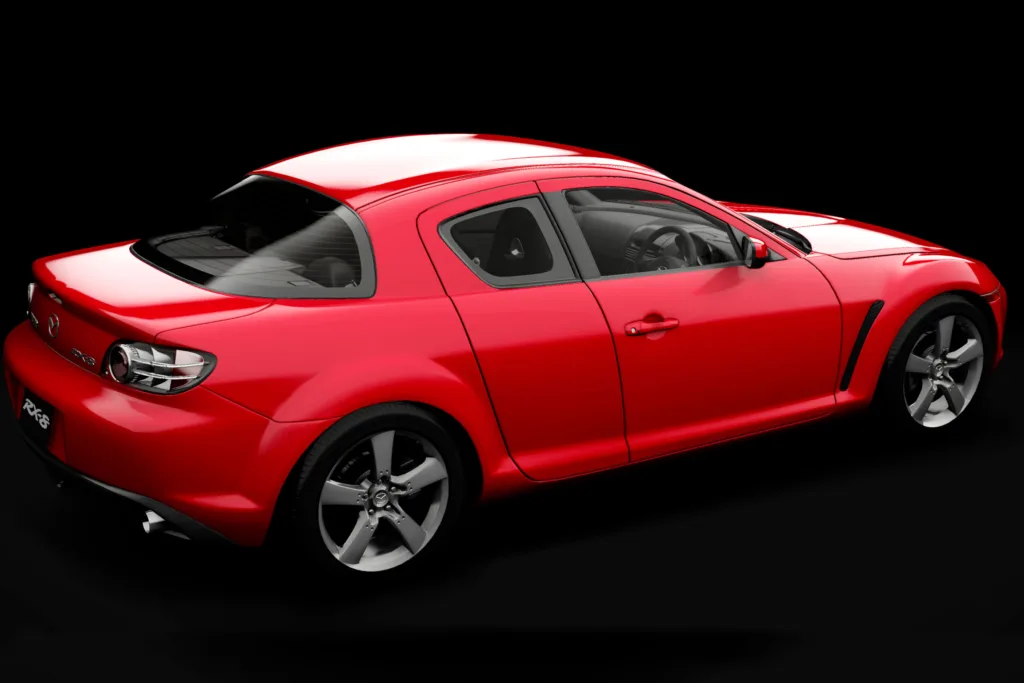
Technological Innovations and Lasting Legacy
The RX-8 was not only about driving fun—it was a showcase of Mazda’s environmental ambition. The Renesis engine received global praise for meeting tight emissions standards of the 2000s, seeing the RX-8 become the first rotary-engine car to win the International Engine of the Year award in 2003 and 2004. The car debuted in various spec levels globally, with the Type S—Japan’s performance flagship—featuring peak output and the most aggressive driving setup.
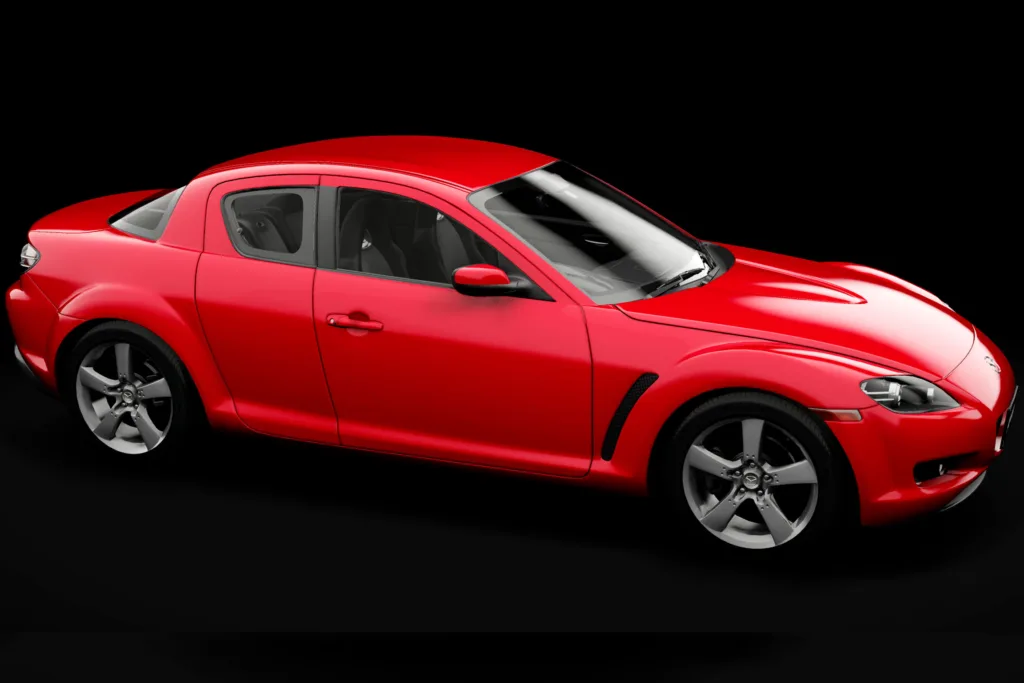
Production spanned from 2003 to 2012, with continued incremental improvements in rigidity, stability, and comfort—a testament to Mazda’s incremental innovation philosophy. The RX-8 also made its mark in motorsport, particularly in the Super Taikyu Endurance Series and grassroots track-day events, forever endearing itself to global car communities.
Conclusion: The Rotary’s Last Stand
The RX-8 Type S is more than a sports coupe—it represents Mazda’s final flourish for rotary-powered ingenuity on the world stage. Its balance of everyday usability, distinctive engineering, and unwavering connection to Mazda’s innovative DNA ensure the RX-8 enjoys lasting admiration from enthusiasts and collectors.
Even as emissions laws have forced the rotary into hibernation since, the RX-8’s influence persists, inspiring speculation about the next chapter for Mazda’s unique approach to performance engineering.


Functional Always active
Preferences
Statistics
Marketing