
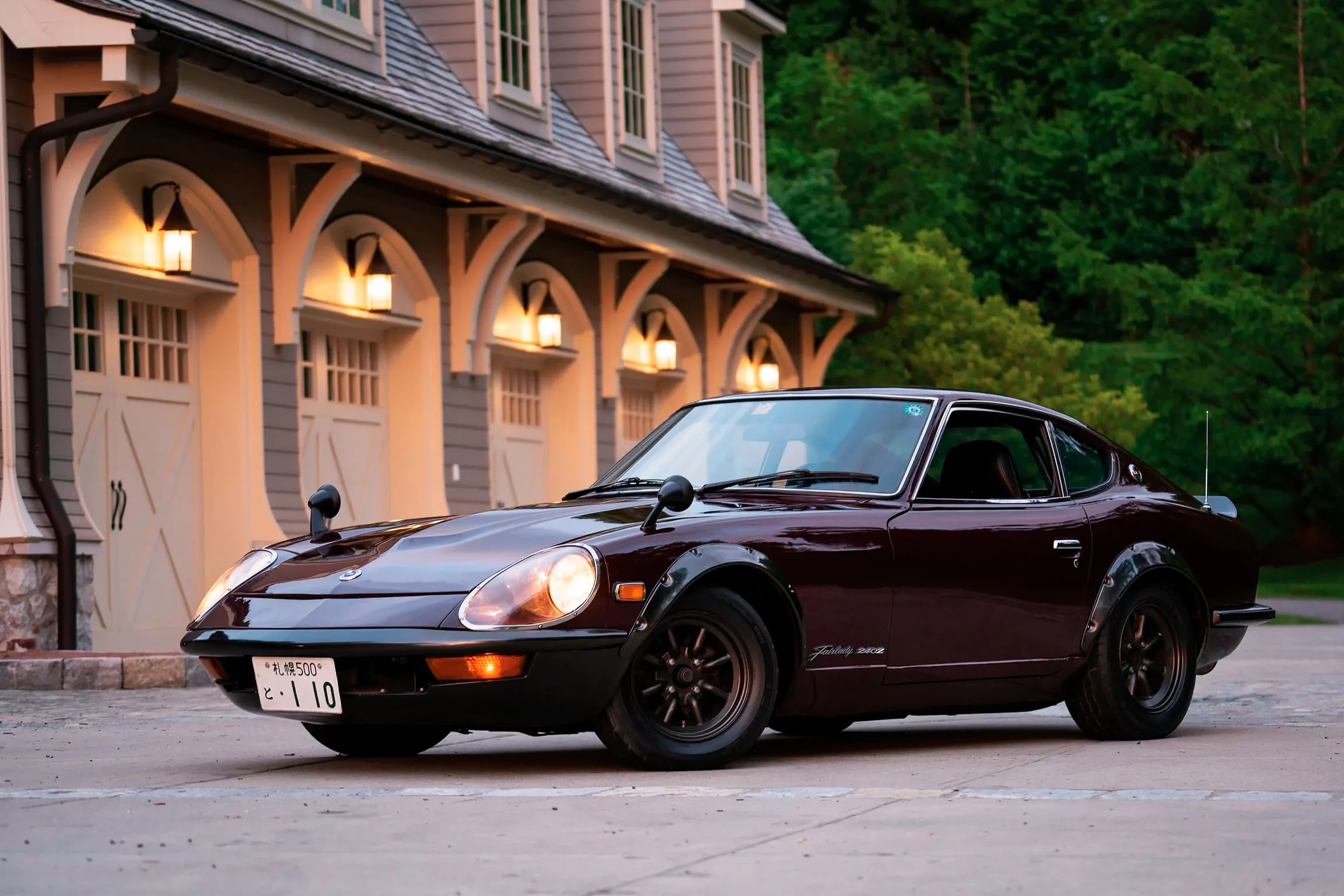
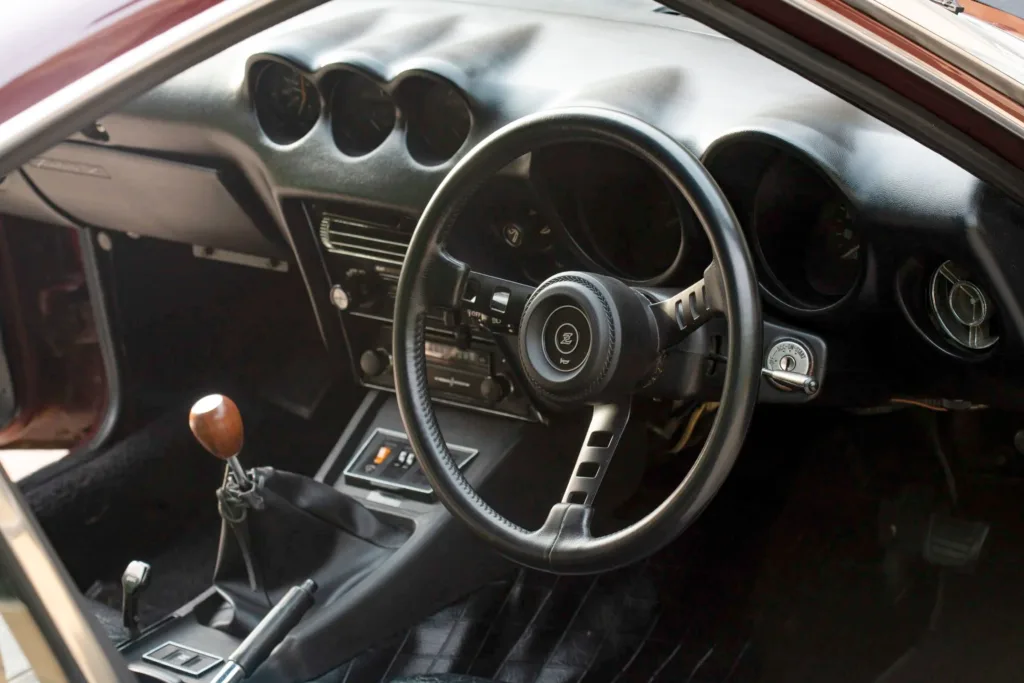
The 1971 Nissan Fairlady 240ZG (HS30) stands as an enduring symbol of Japan’s rise in the international sports car arena during the late 1960s and early 1970s. As a domestic counterpart to the Nissan 300ZX sold abroad, the Fairlady Z series carved its niche by marrying sleek styling, robust engineering, and rally-bred performance, placing Japanese automaking on the global map.
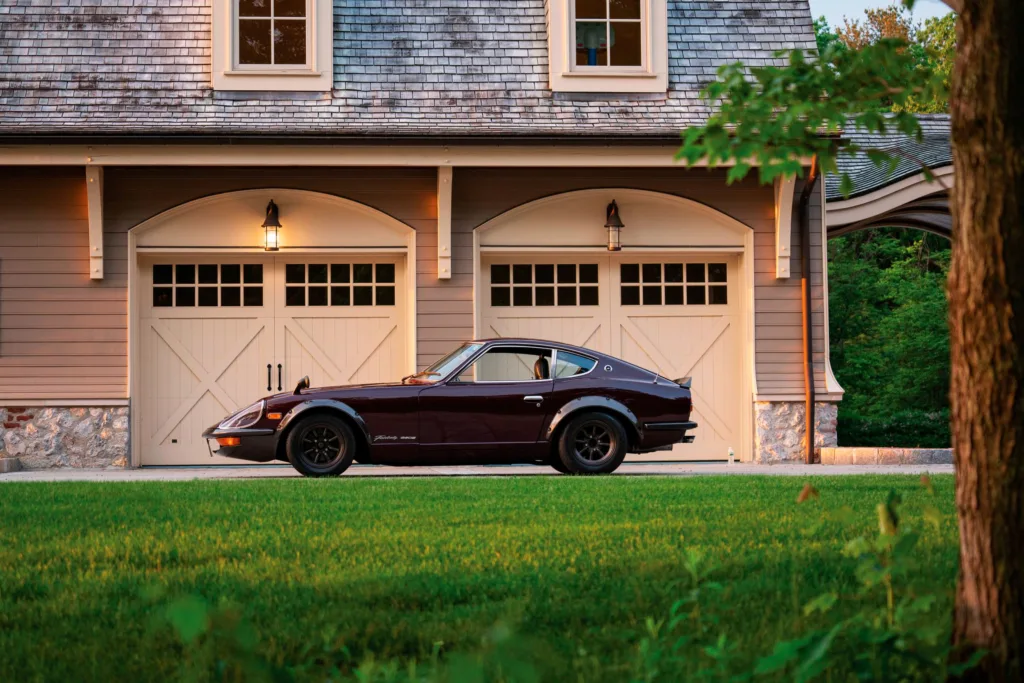
The origins of the Fairlady Z trace back to a visionary push by Yutaka Katayama, known as “Mr. K,” then head of Nissan’s North American operations. Katayama championed the creation of an affordable yet competitive sports car that could go head-to-head with European marques. The breakthrough came in 1969 with the original Fairlady Z. However, it was the 240ZG introduced in 1971 that truly encapsulated Nissan’s ambitions with its aggressive design and enhanced performance.
The 1971 Nissan Fairlady 240ZG (HS30) stands as an enduring symbol of Japan’s rise in the international sports car arena during the late 1960s and early 1970s. As a domestic counterpart to the Nissan 300ZX sold abroad, the Fairlady Z series carved its niche by marrying sleek styling, robust engineering, and rally-bred performance, placing Japanese automaking on the global map.
The origins of the Fairlady Z trace back to a visionary push by Yutaka Katayama, known as “Mr. K,” then head of Nissan’s North American operations. Katayama championed the creation of an affordable yet competitive sports car that could go head-to-head with European marques. The breakthrough came in 1969 with the original Fairlady Z. However, it was the 240ZG introduced in 1971 that truly encapsulated Nissan’s ambitions.
Aerodynamics and Distinctive Styling
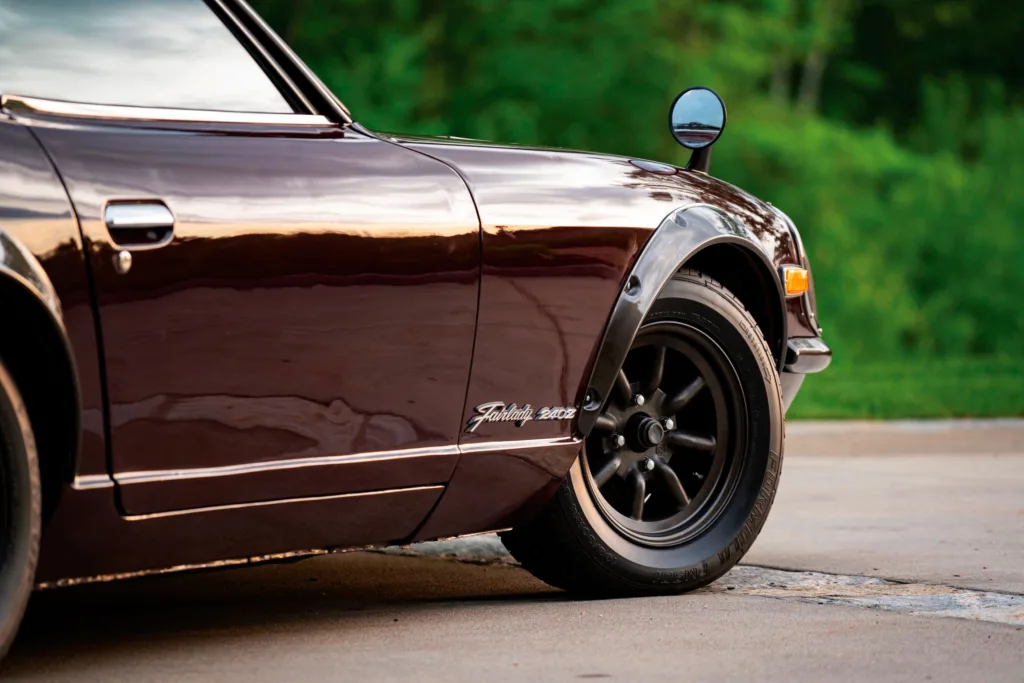
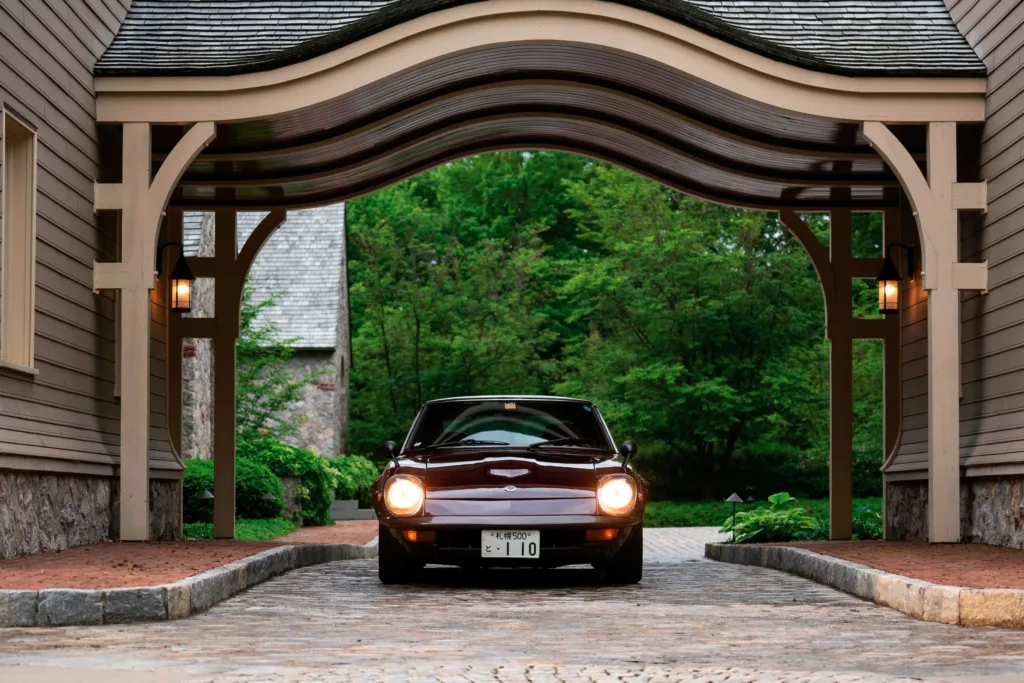
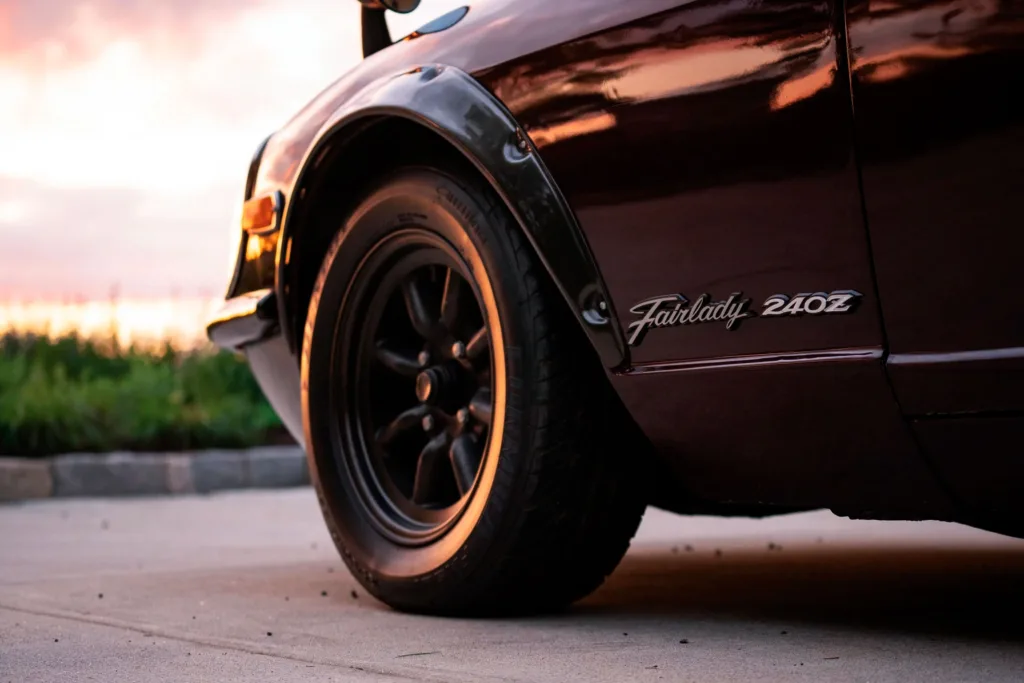
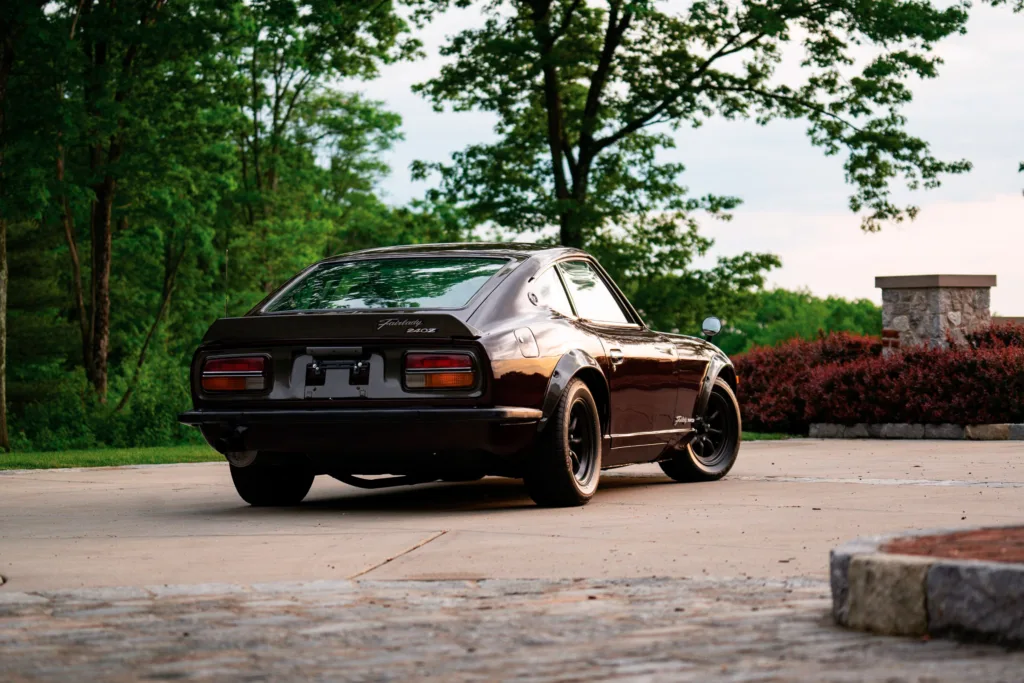
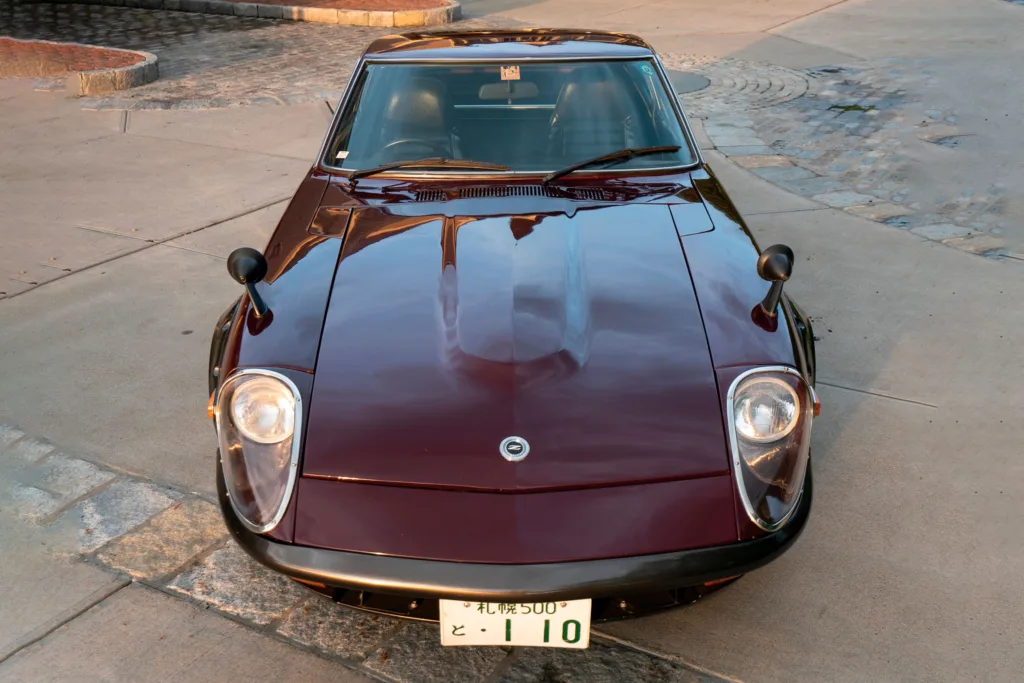
One of the most distinctive features of the 240ZG was its aerodynamic “G nose” front end, which extended the hood and incorporated pop-up headlights for a striking and purposeful look. This extended nose not only contributed to the car’s unique aesthetic appeal but also improved high-speed stability and airflow management. Complementing the front were boldly flared wheel arches that widened the track and enhanced the car’s muscular stance, reinforcing its sporty character.
The L24 Engine and Performance
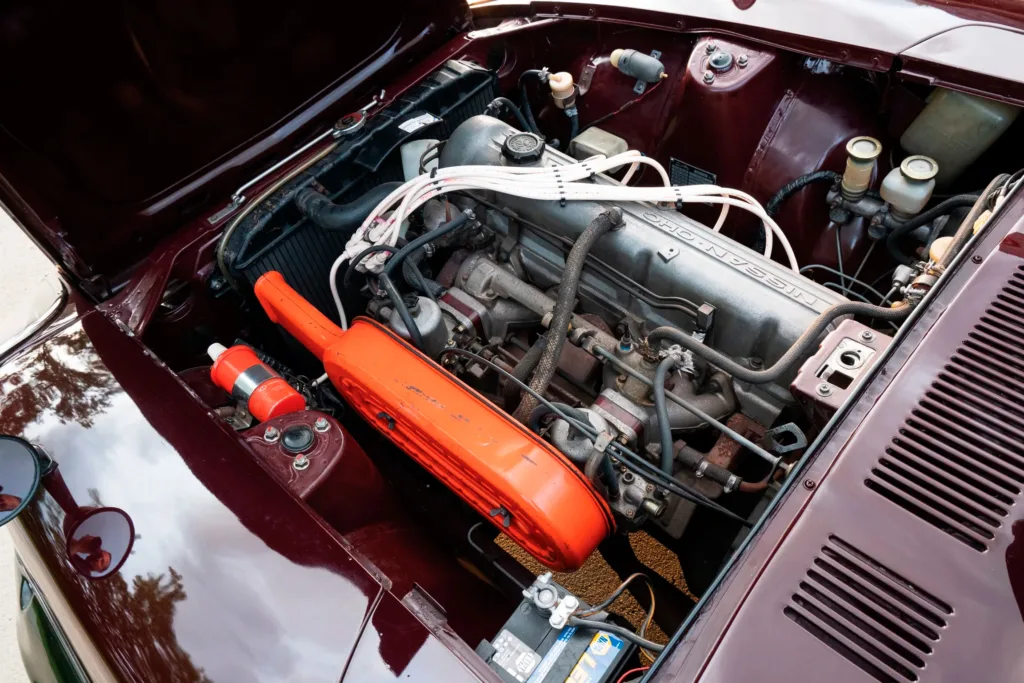
Underneath the hood, the 240ZG was powered by the robust L24 engine, a 2.4-liter inline-six with a cast-iron block and alloy head, equipped with dual overhead camshafts and a seven-bearing crankshaft for durability and smoothness. The engine featured two SU-type carburettors (or three Solex carburetors in some export versions), producing approximately 150 horsepower and 206 Nm (152 lb-ft) of torque. This powerplant was lauded for its balance of reliability and spirited performance, offering sufficient low and mid-range grunt to excel both on the street and in competition.
Chassis and Suspension Engineering
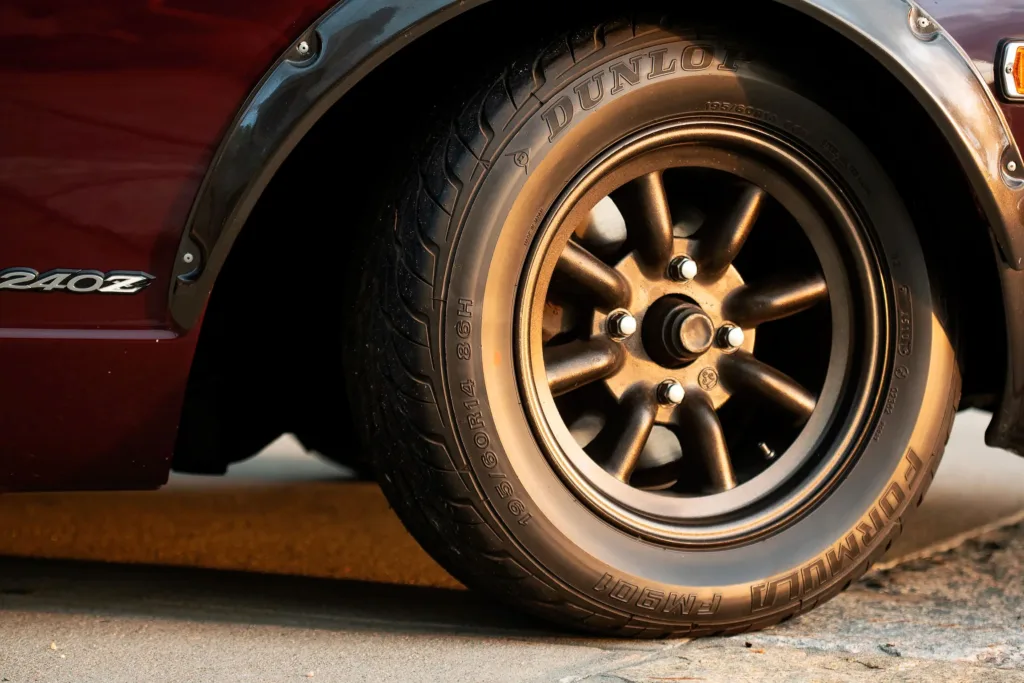
The vehicle’s chassis combined lightweight construction with practical sophistication. Weighing around 1,010 kilograms, the 240ZG featured an independent suspension setup with MacPherson struts at the front and Chapman strut configuration at the rear, delivering precise handling and ride comfort. The car rolled on 14-inch wheels equipped with period-correct tires that provided a grip balance suitable for spirited driving.
Performance-wise, the 240ZG could reach speeds up to 204 km/h (127 mph) and accelerated from 0 to 60 mph in approximately eight seconds, impressive for a sports car of its class and era. These metrics contributed to its well-earned reputation as a “Japanese sports car to watch,” influencing generations of automotive design and engineering in Japan.
Motorsport Pedigree and The Rare 432R
Beyond the street, the 240ZG also had a compelling motorsport pedigree. It was deployed in various rally competitions such as the Safari Rally and Monte Carlo Rally, where its robust engine and nimble chassis demonstrated resilience and competitiveness.
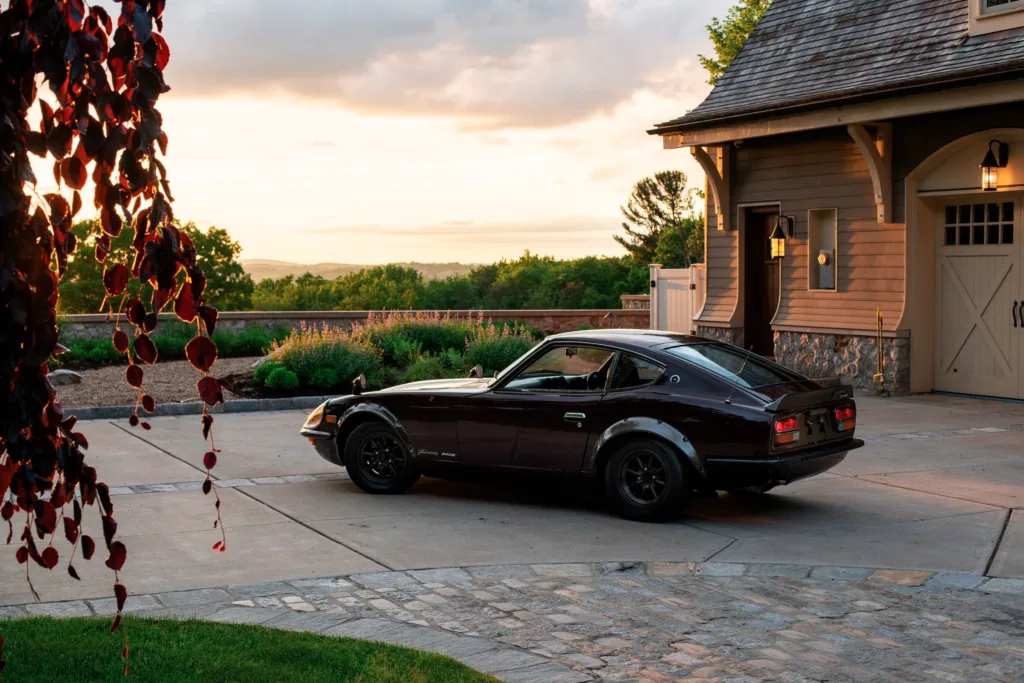
One of the most notable models in the racing realm was the limited-production 432R, equipped with a lightweight FRP hood and the high-revving S20 DOHC straight-six engine borrowed from the Prince R380 racing car, producing 157 horsepower. Only 30 units of the 432R were ever produced, making it one of the rarest and most sought-after variations, embodying Nissan’s racing heritage.
Enduring Icon and Z-Car Legacy
The 240ZG remains an icon for collectors and enthusiasts due to its timeless design, engineering integrity, and significant influence in popularizing Japanese sports cars internationally. Its balance of performance and accessibility helped build the foundation for the Z-car lineage that continues to this day with models like the GT-R and 370Z inspiring new generations of drivers.


Functional Always active
Preferences
Statistics
Marketing