By 1971, the golden age of Detroit muscle was beginning to fade, and the Plymouth ’Cuda 440 Six Pack stood as one of its final true icons. That year marked the last gasp of pure, unrestrained American horsepower before emissions regulations, insurance costs, and fuel crises reshaped the performance landscape. Yet in that fleeting moment, Plymouth built one of the most revered and collectible muscle cars ever to come out of the Chrysler family.
Evolution of the E-Body
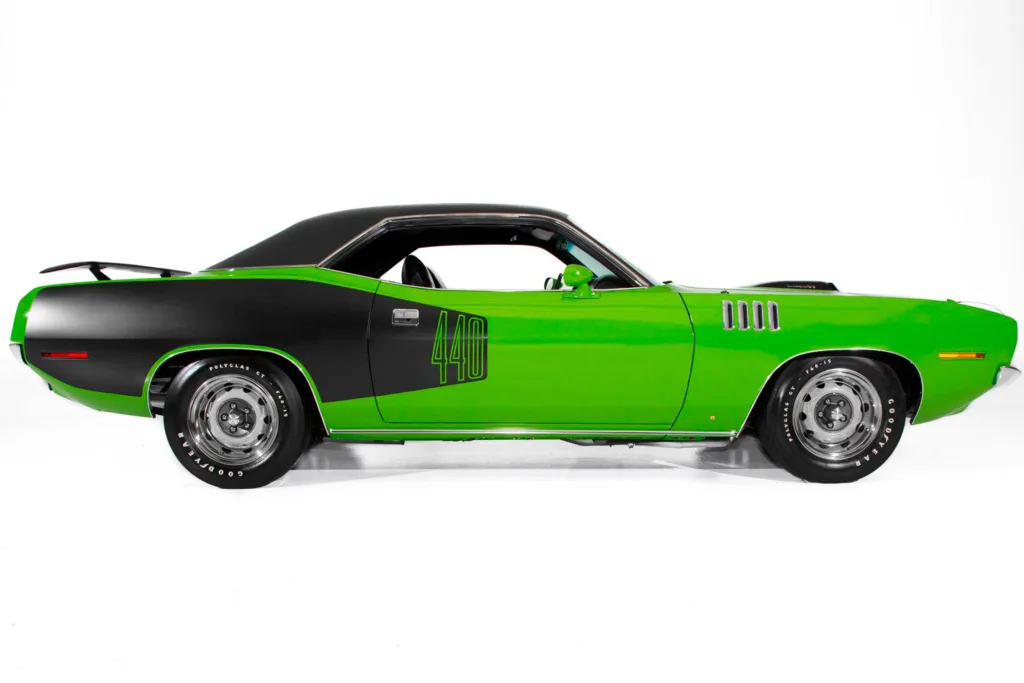
The 1971 Plymouth Barracuda, including the performance-oriented ’Cuda variant, represented the third and final generation of Plymouth’s pony car. Launched originally in 1964—two weeks before Ford unveiled the Mustang—the Barracuda began as a compact fastback coupe based on the modest Valiant. By the time the 1970 model year arrived, Plymouth’s designers had transformed it into a bold, aggressive, stand-alone model riding on Chrysler’s new E-body platform, shared with the Dodge Challenger. This platform allowed wider, more muscular proportions that could house the most powerful V8 engines in Mopar’s arsenal.
Distinctive 1971 Styling and Features
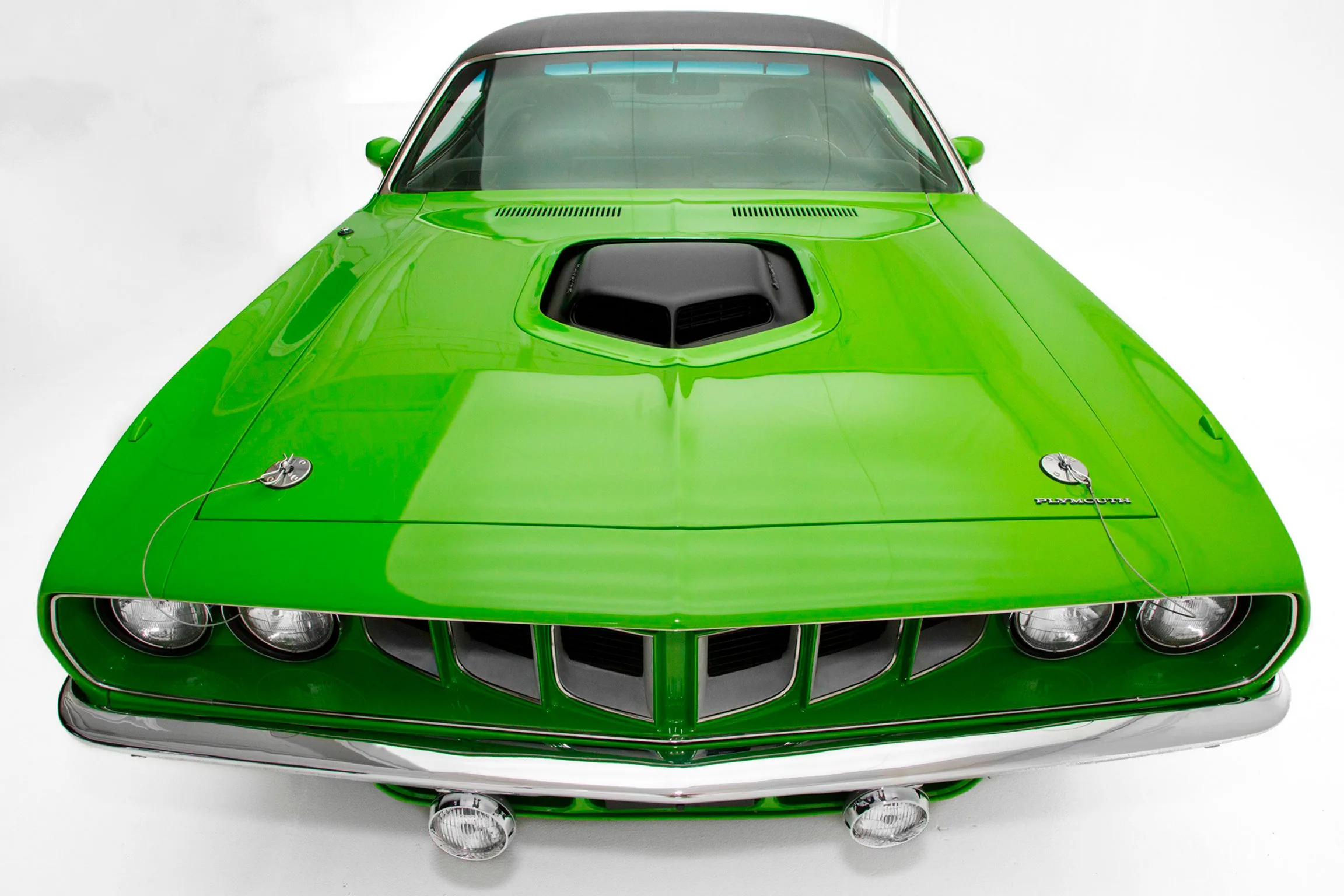
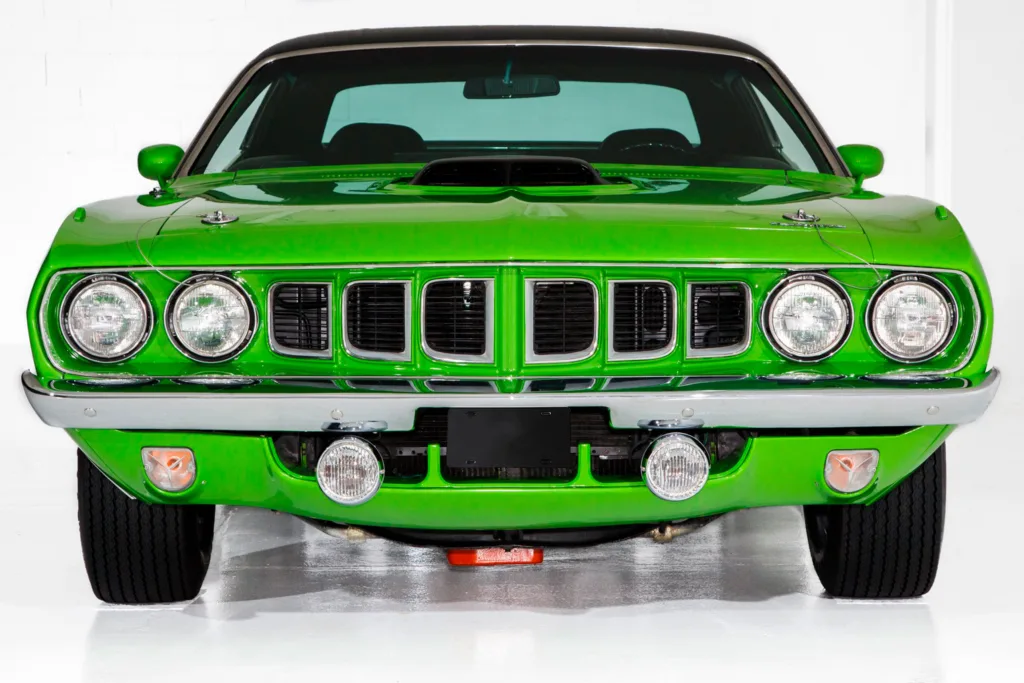
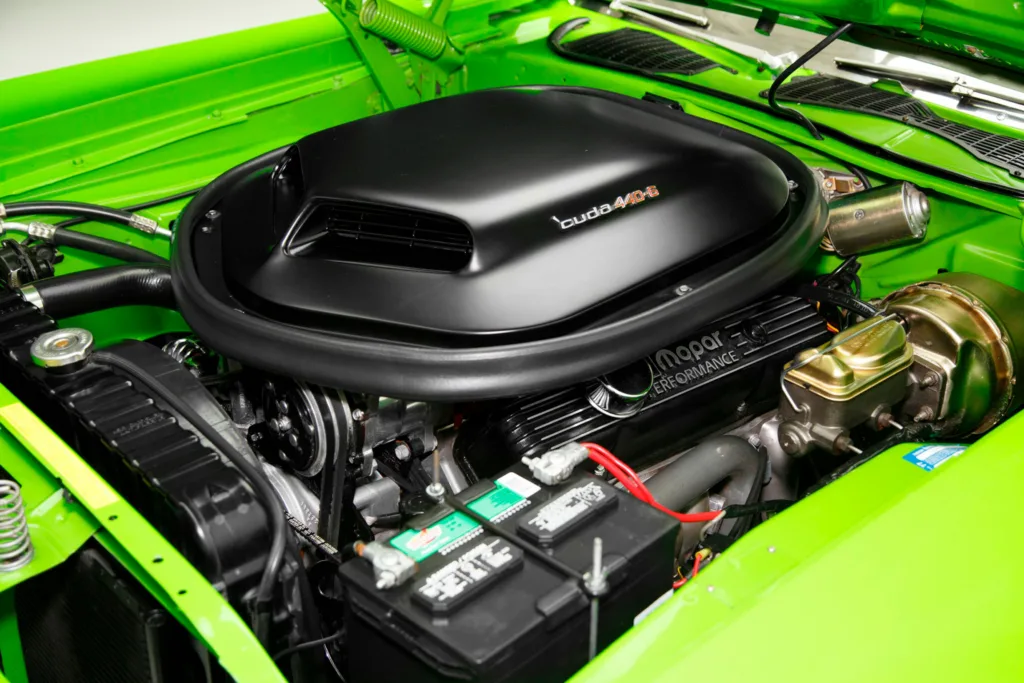
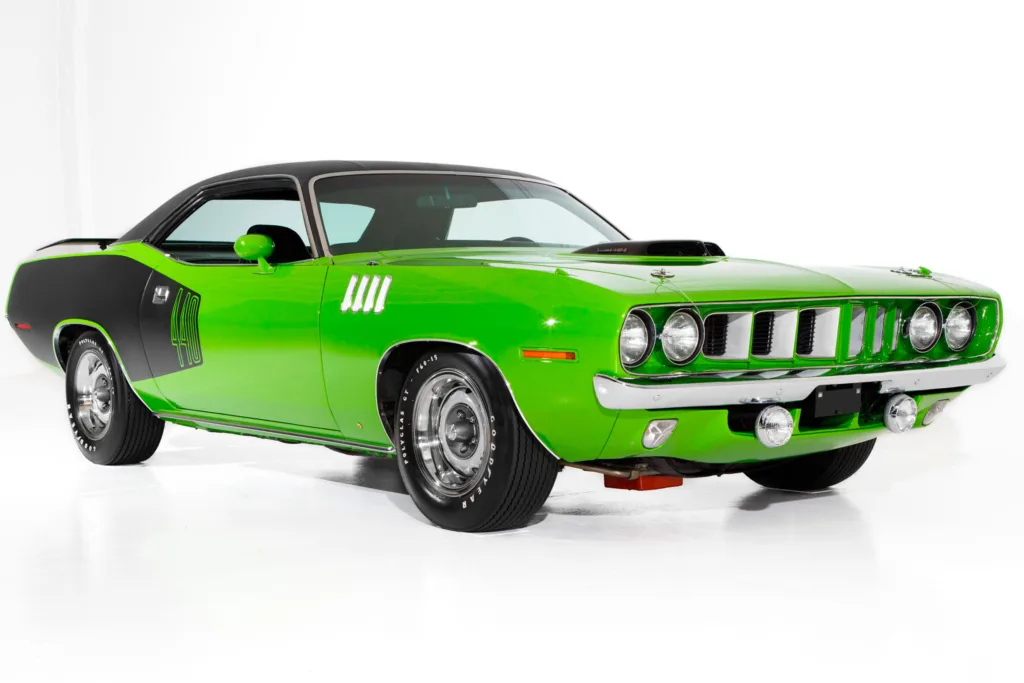
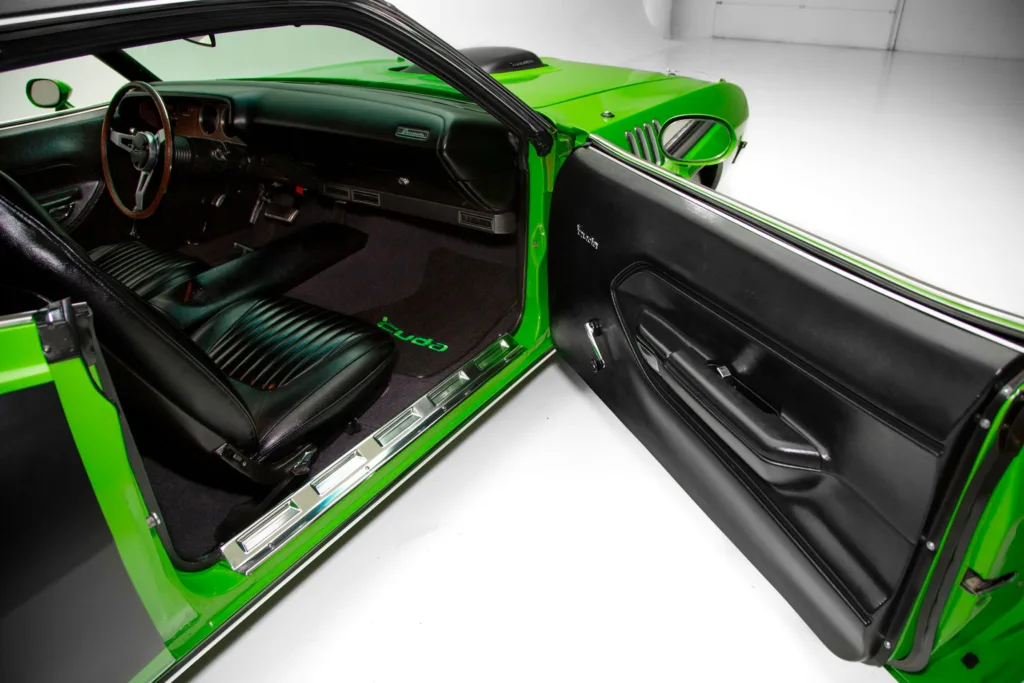
For 1971, the Barracuda lineup received subtle but distinctive updates. Most notably, the front fascia adopted a four-headlight setup integrated into a re-sculpted grille that gave the car a more menacing appearance. The ’Cuda models, being the performance variants, featured performance hood scoops, Rallye instrument clusters, and sporty trim details that differentiated them from their standard counterparts. The optional “Shaker” hood—a functional air intake that passed directly through the hood—remained one of the most iconic visual features of the car.
The Powerplant: 440 Six Pack Engine
Under the hood, buyers in 1971 could no longer order the full range of ferocious engines that had defined previous years. Emissions regulations and tightening fuel standards forced automakers to scale back. As a result, only two powerplants sat at the top of the ’Cuda hierarchy: the fearsome 426 Hemi and the legendary 440 Six Pack. Both represented the peak of Mopar engineering, combining brute strength, durability, and unmistakable character.
The 440 Six Pack—named for its trio of two-barrel Holley carburetors—was one of the most powerful factory engines offered in any muscle car of the era. Displacing 440 cubic inches (7.2 liters), it produced 385 horsepower at 4,700 rpm and an enormous 490 lb-ft (66.7 kgm) of torque at just 3,200 rpm. Its setup provided the rapid throttle response of a single carburetor at mild speeds and the ferocity of all three when the accelerator was buried. The result was explosive midrange performance that could leave rear tires in a haze of smoke and challengers far behind. Buyers could pair this engine with either a four-speed manual gearbox or a Torqueflite three-speed automatic, and the car’s heavy-duty suspension, Sure-Grip limited-slip differential, and beefier driveshaft were engineered to withstand the immense torque.
Rarity and Enduring Collectibility
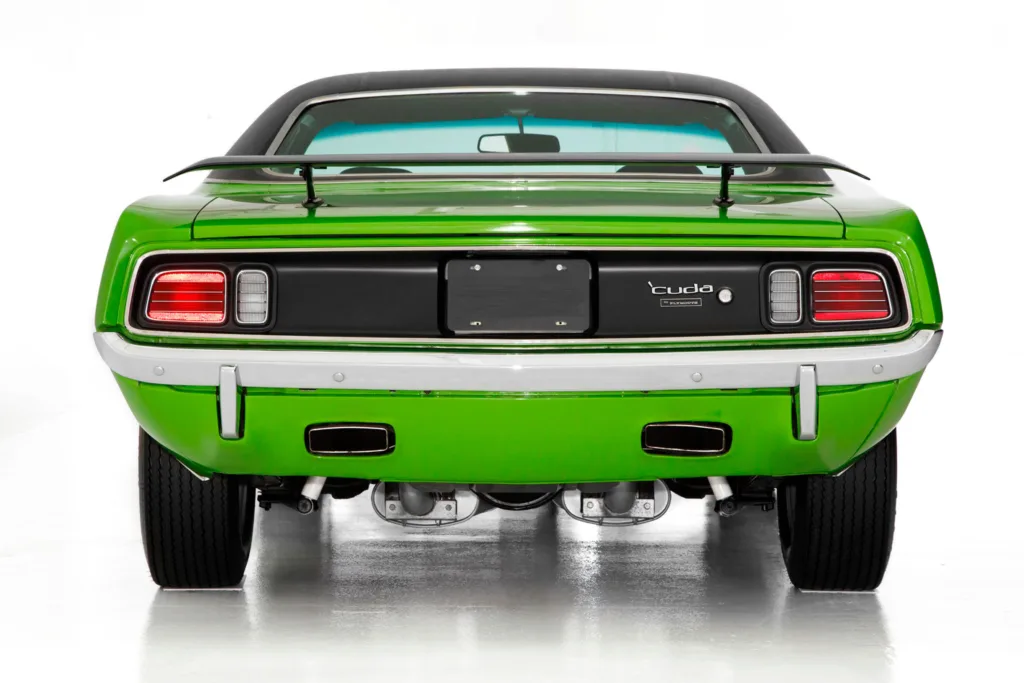
Though it was overshadowed by the even rarer Hemi ’Cuda, the 440 Six Pack was far more livable on the street. Its torque-heavy power delivery made it quicker off the line in many real-world conditions, and its mechanical simplicity made it easier to maintain. However, by 1971, rising insurance costs and stricter emissions rules drastically reduced demand for high-powered muscle cars. Only 254 examples of the ’Cuda 440 Six Pack were built that year, a staggering drop from the over 1,000 produced in 1970. Of those, just five were convertibles equipped with the four-speed manual transmission—among the rarest factory Mopars ever made.
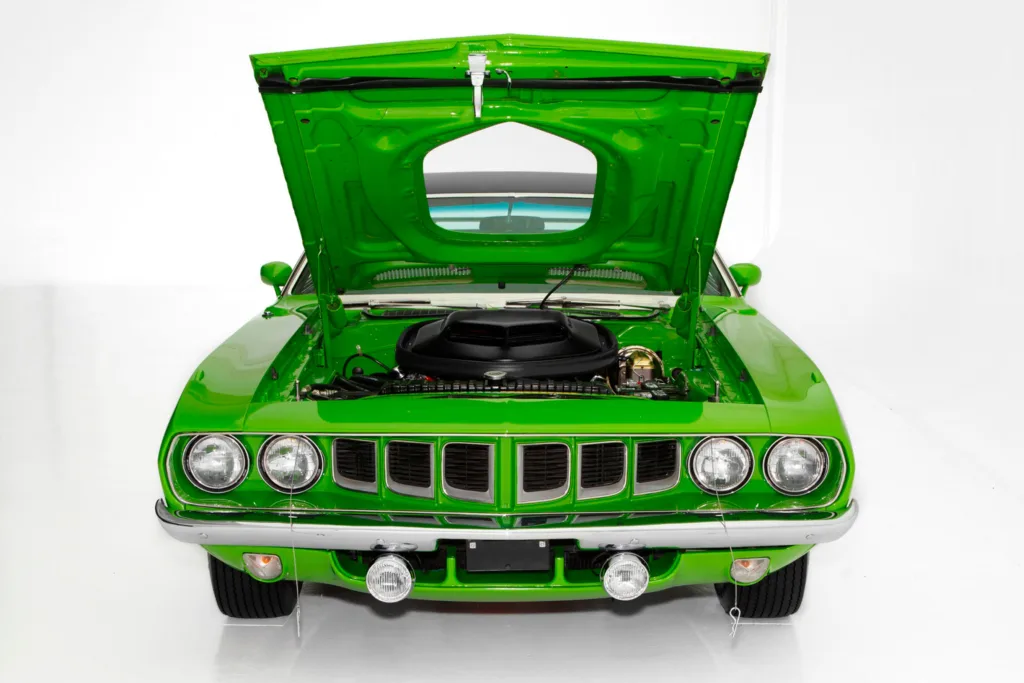
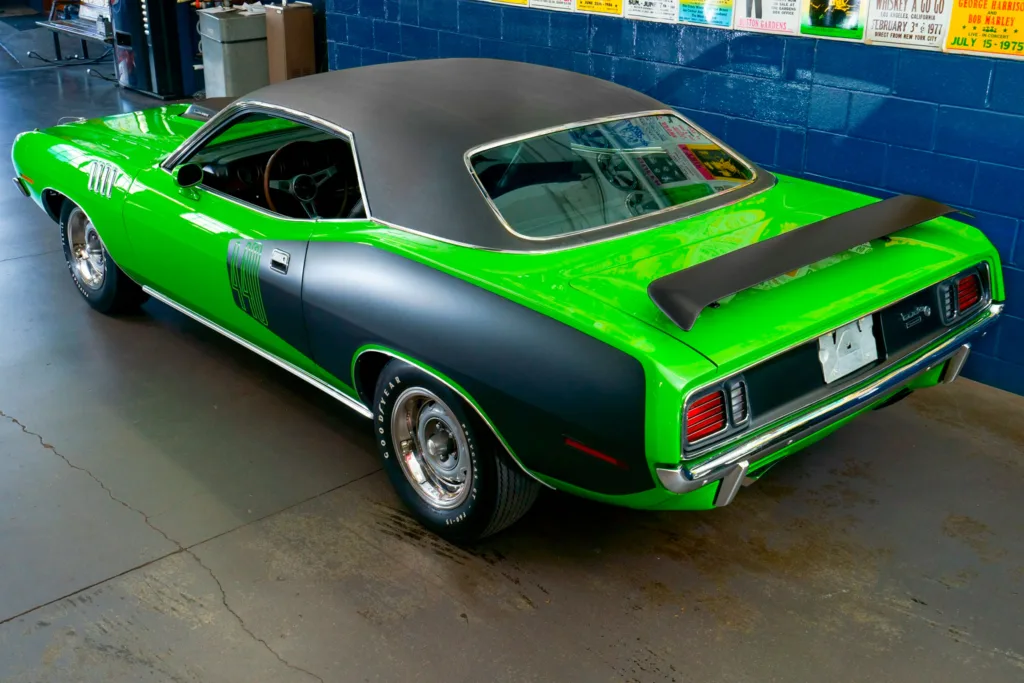
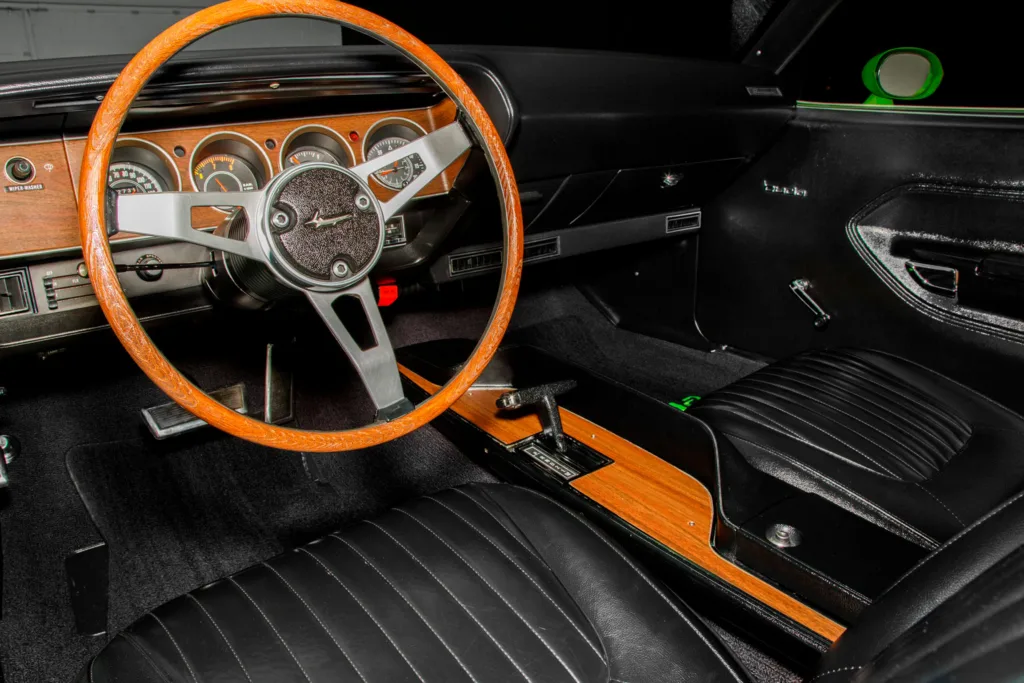
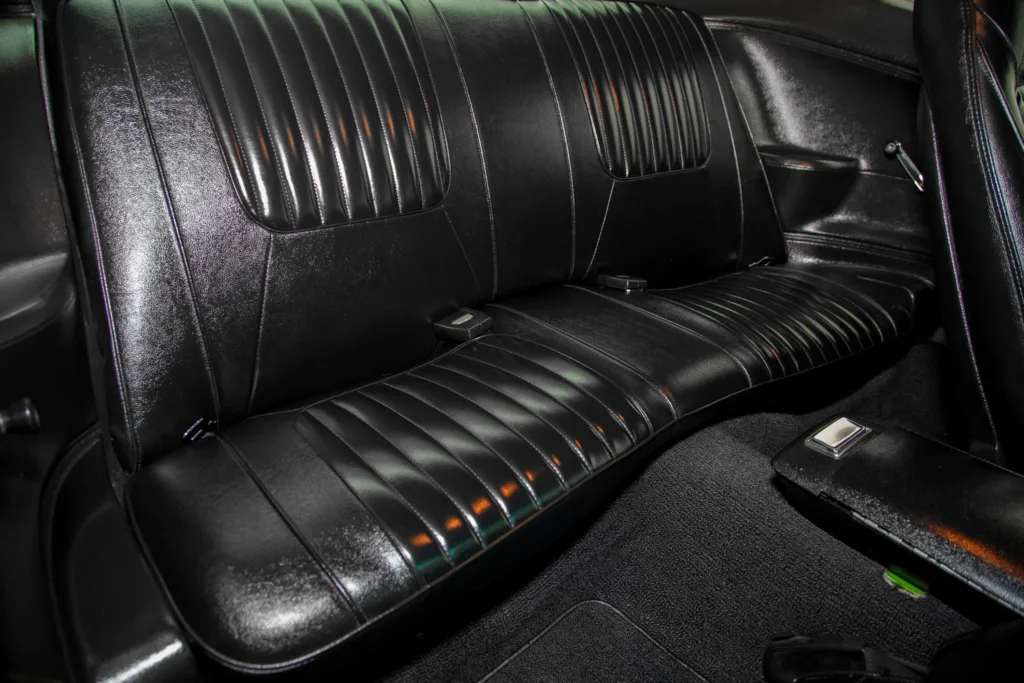
Beyond power, the 1971 ’Cuda distinguished itself with a selection of striking color and design options that have since become legendary among collectors. Colors like Lime Light, In-Violet, and Curious Yellow were paired with bold side stripes and optional “billboard” decals that stretched across the rear panels with the displacement proudly printed in massive numerals. Other distinctive factory options included the “Barracuda Gran Coupe” luxury package, high-back bucket seats, and a full gamut of Rallye gauges inside a driver-focused cockpit.
The 1971 model year turned out to be a turning point for Plymouth and the American performance car as a whole. The newly introduced emissions standards meant that both the 440 Six Pack and the 426 Hemi engines would not return after this year. Beginning in 1972, the ’Cuda line was toned down significantly, losing its feral edge as power outputs fell and the muscle era closed. That makes the 1971 ’Cuda 440 Six Pack one of the last pure muscle cars built before regulation and practicality changed the landscape forever.
Today, the 1971 Plymouth ’Cuda 440 Six Pack stands among the most sought-after collector cars of the classic American performance era. Its rarity, distinctive styling, and extraordinary powertrain make it a crown jewel of the early 1970s muscle scene. Auction values for original Six Pack models have surpassed comparable 1970 versions, reflecting their scarcity and historical importance. It is more than just a muscle car; it is a time capsule from the age when horsepower reigned supreme and style was expressed through roaring exhausts and tire smoke.
The ’Cuda 440 Six Pack remains one of the most authentic representations of what American carmakers once dared to build—uncompromising, powerful, and unforgettable.