
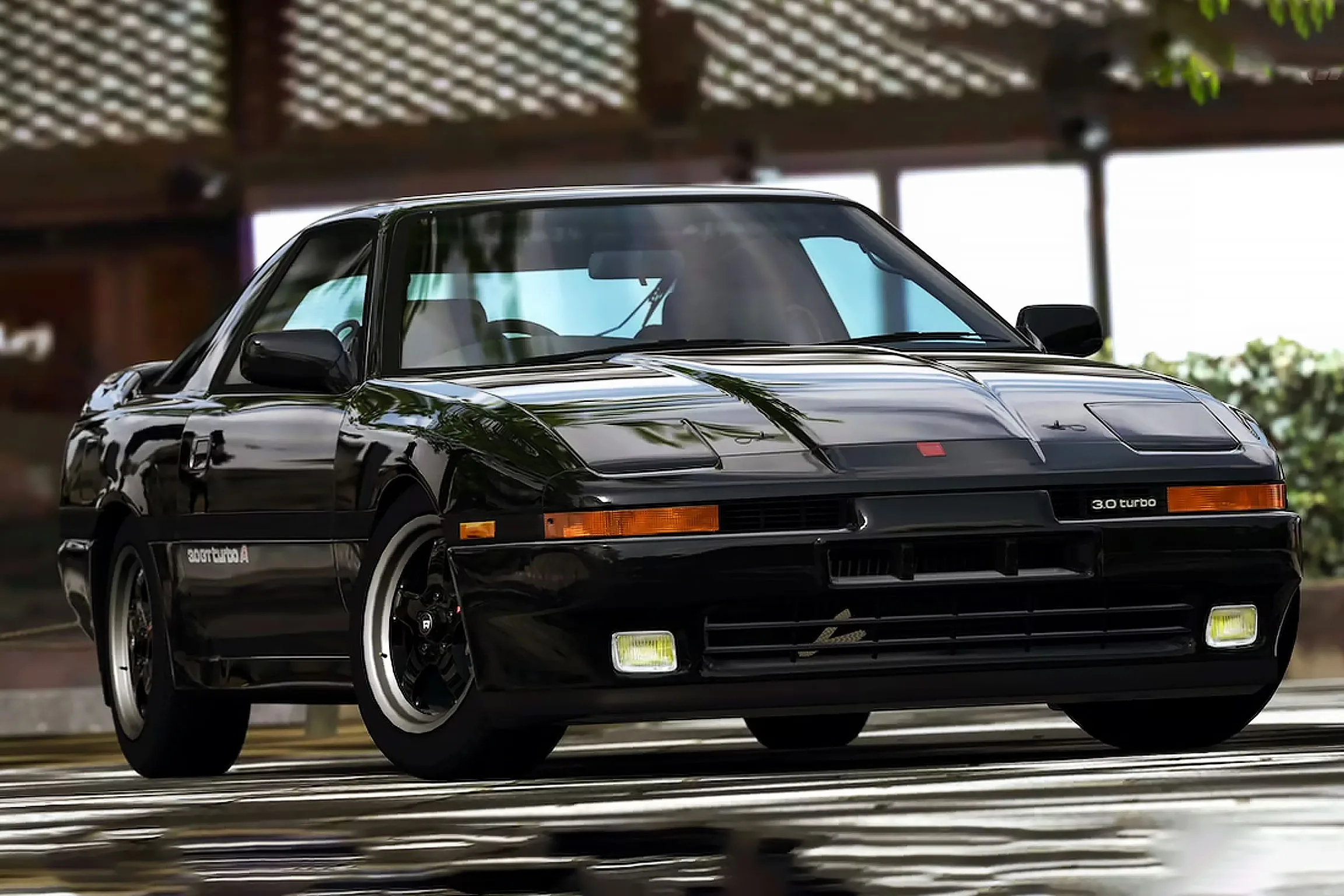
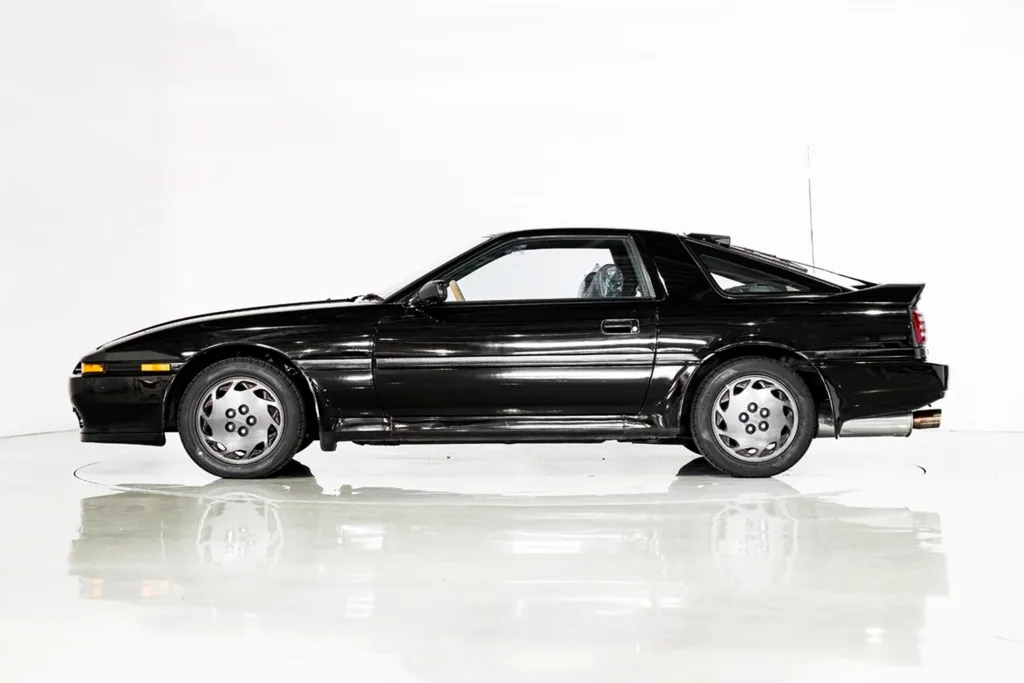
The 1988 Toyota Supra 3.0GT Turbo A represented the zenith of Toyota’s effort to meld performance, engineering precision, and competitive motorsport credibility into a single road-going sports car. Introduced as a limited-run homologation model for Group A racing, the Turbo A was a focused evolution of the Supra lineage, designed to fulfill FIA requirements that mandated manufacturers produce a minimum of 500 road cars that mirrored their race vehicles. Only 500 units of this rare and coveted Supra were built between September and October 1988, underscoring its exclusivity and motorsport pedigree.
Exclusive Exterior and Aerodynamics
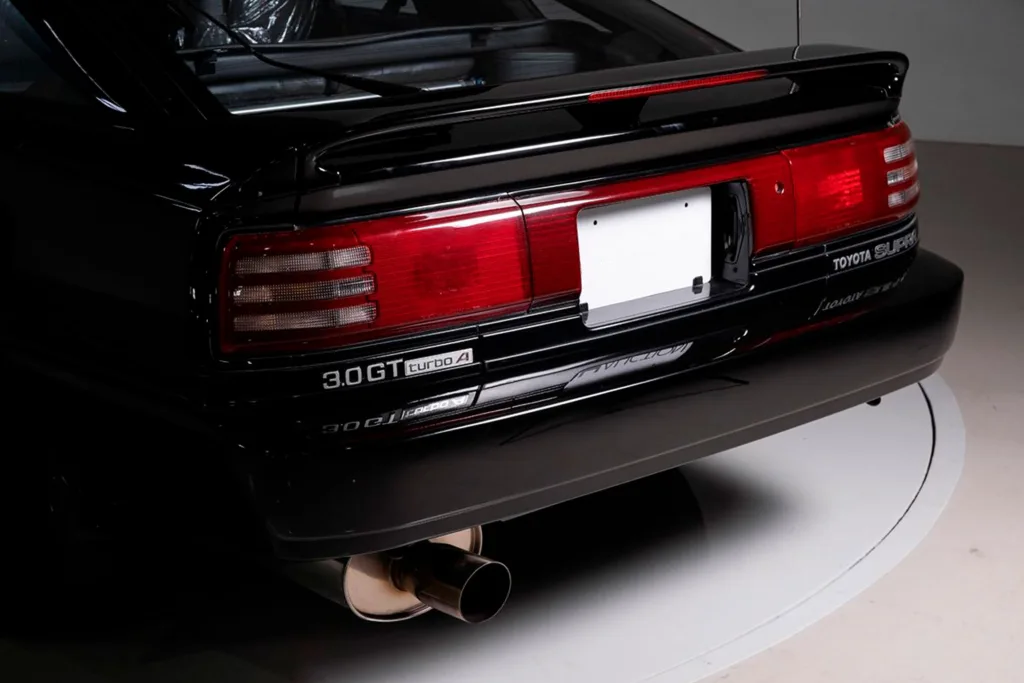
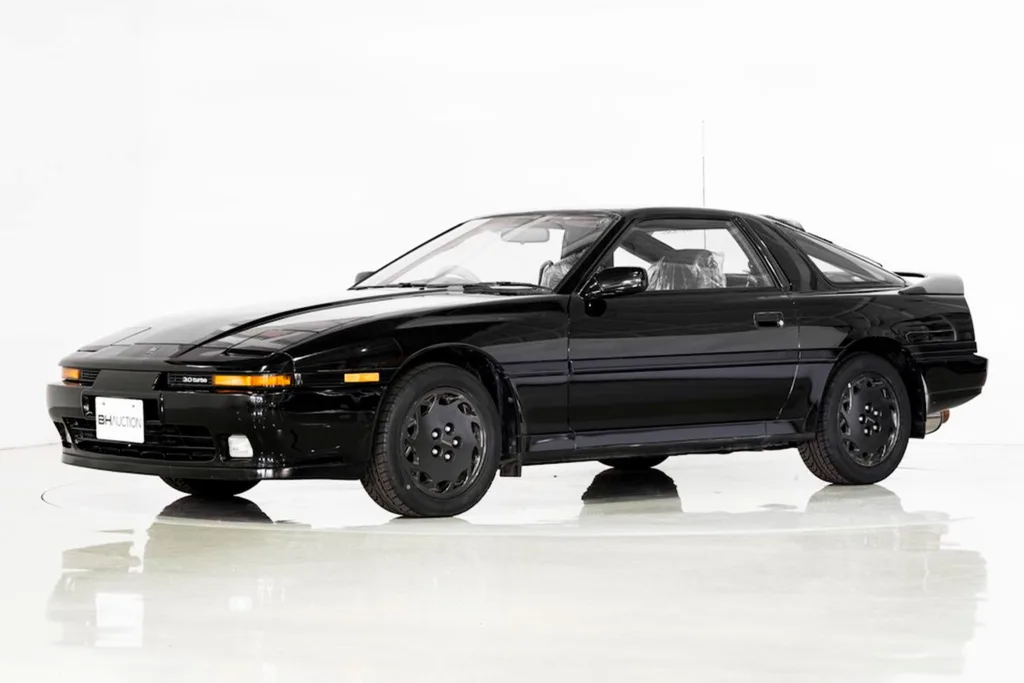
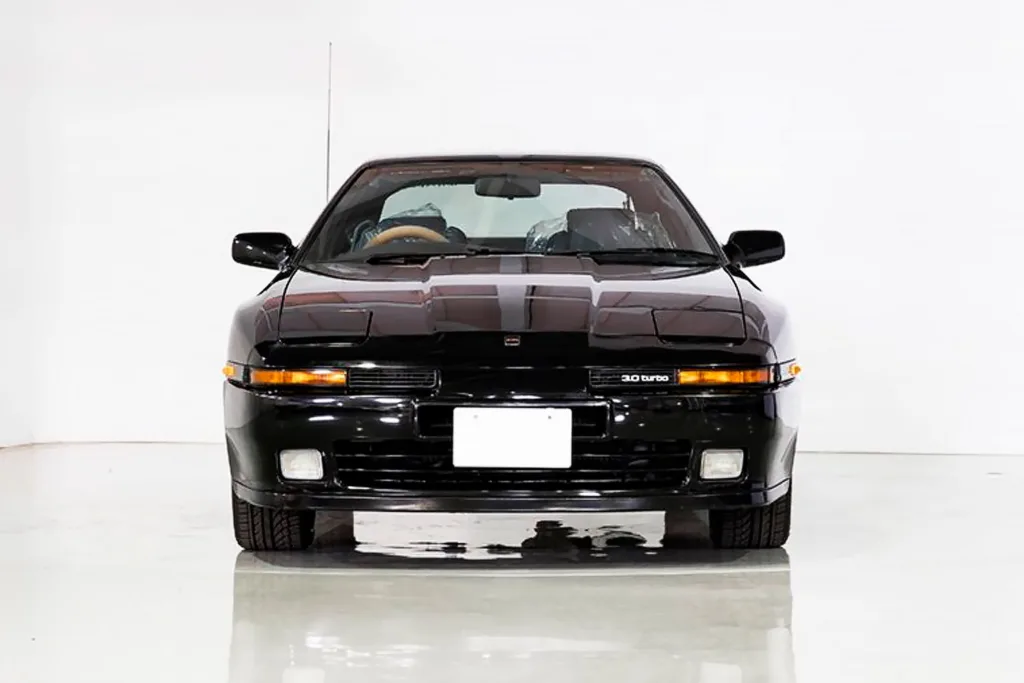
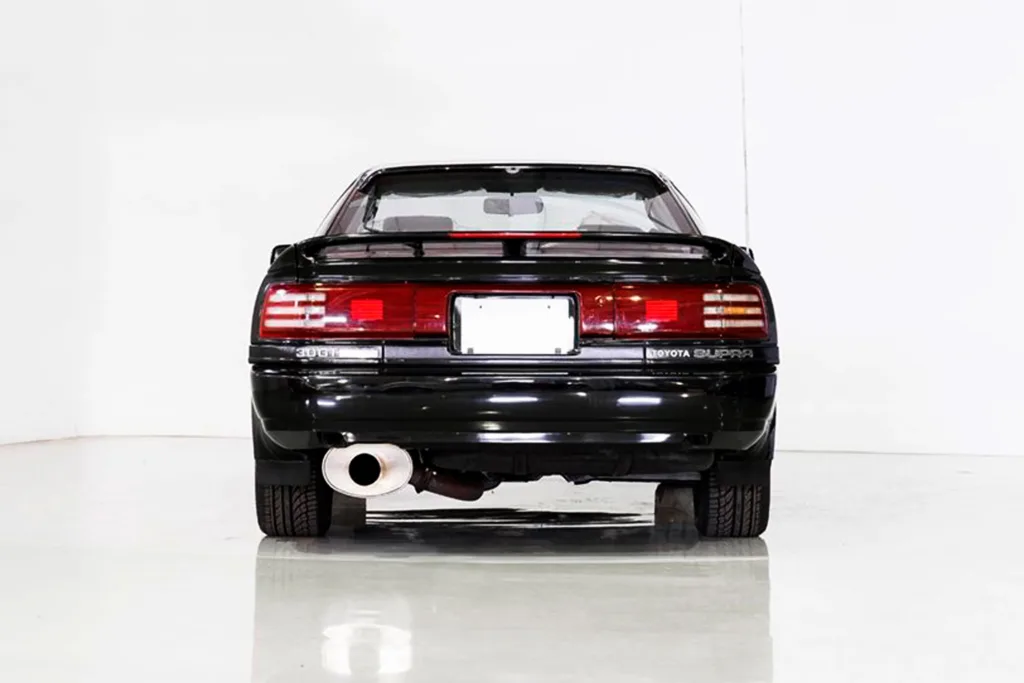
Unlike its more flamboyant contemporaries of the 1980s, the Supra Turbo A took a markedly understated visual approach. Cloaked in stealthy black paint (paint code 202), it sported matching black wheels and featured a unique triple ducted front bumper design—an addition known as the “Turbo A Duct”—to channel cool air efficiently to the revamped top-mounted intercooler. The front clip’s functional design was complemented by subtle aerodynamic enhancements, including a front spoiler and a rear wing to maintain high-speed stability. The bodywork was wider than previous Supra models, extending the track width to 1,745 mm to accommodate 50-series tires that enhanced grip and cornering prowess.
Heart of the Beast: Engine and Power
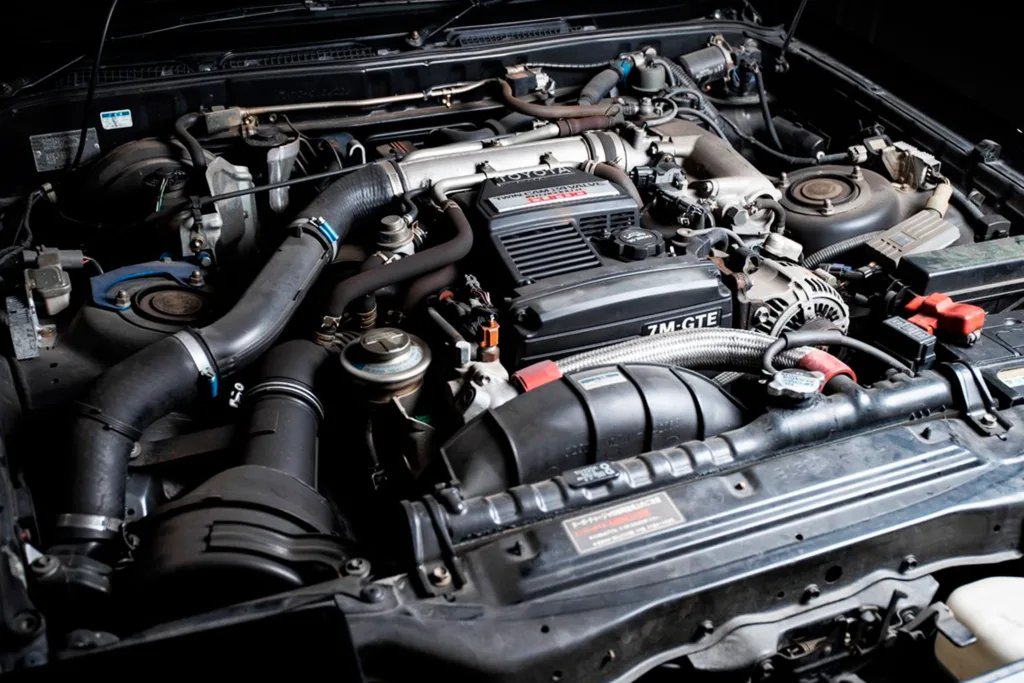
At the core of the Turbo A was the potent 7M-GTEU engine, a 3.0-liter inline-six DOHC powerplant equipped with a CT26 turbocharger boasting a larger compressor inducer to reduce turbo lag and improve airflow. Rated at 270 PS (266 bhp) at 5,600 rpm and 36.5 kg·m (264 lb-ft) of torque at 3,000 rpm, this engine delivered robust performance that rivaled many contemporary exotic cars. Notable upgrades over the standard 7M-GTE included a larger diameter throttle body (65 mm vs. 60 mm), a larger steel air cleaner housing the intake system, and modified intercooler piping for reduced airflow resistance, which increased overall engine efficiency.
Chassis and Handling Upgrades
Mechanically, the Turbo A was equipped with a close-ratio 5-speed manual transmission sourced from Getrag, renowned for its precision and robustness, paired with a helical limited-slip differential to effectively manage power delivery and minimize wheel slip during aggressive cornering. Suspension upgrades included thicker front and rear anti-roll bars, revised spring rates, and upgraded dampers, elevating chassis rigidity and handling finesse. The brake system was also enhanced, utilizing ventilated disc brakes all around to guarantee fade-free stopping power even under track conditions.
Driver-Focused Interior
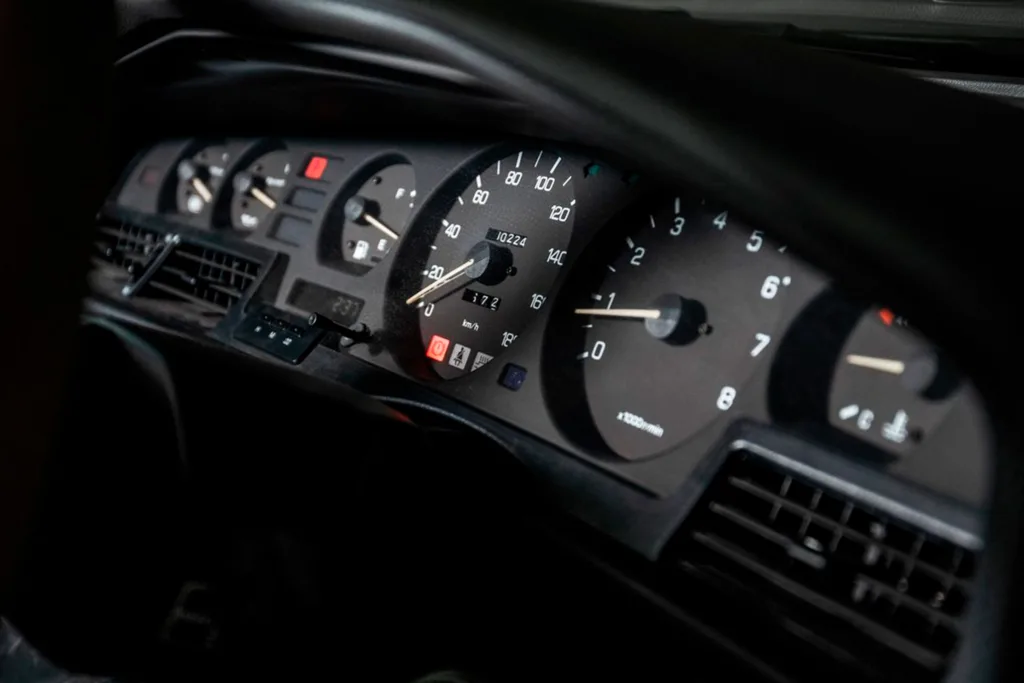
The interior of the Turbo A embraced a minimalist, driver-focused ethos. Unlike the digital gauge clusters found in lesser models, the Turbo A featured a traditional analog instrumental panel favoring clarity under sporty driving scenarios. The absence of superfluous luxury features underscored the car’s purist performance character, with comfort limited to essentials such as air conditioning, power steering, and a high-quality sound system. This austere approach was typical of homologation specials, where performance and weight savings took precedence over creature comforts.
Superlative Performance Figures
Performance was genuinely superlative for its era. The Turbo A could sprint from 0 to 60 mph in the mid-4-second range (approximately 4.6 seconds) and completed the quarter-mile in about 13.1 seconds at 175 km/h, according to period tests. Although officially limited to a top speed of 180 km/h (112 mph) in Japan, many owners liberated the ECU to realize top speeds approaching 257 km/h (160 mph), pitting the Turbo A Supra against the best sports cars worldwide. Its aerodynamic efficiency, with a drag coefficient around 0.32, contributed to sustained high-speed performance.
Racing Heritage and Lasting Legacy
The Toyota Supra 3.0GT Turbo A was more than a car; it was a race-ready machine for the street, effortlessly bridging the gap between showroom and race circuit. Toyota’s commitment to motorsport extended beyond the road model, with numerous race-prepped variants campaigned successfully in the Japanese Touring Car Championships, the Australian Touring Car series, and other prestigious racing events.
The Turbo A’s legacy endures as a benchmark for homologation specials and embodies Toyota’s blend of engineering excellence and racing ambition.


Functional Always active
Preferences
Statistics
Marketing