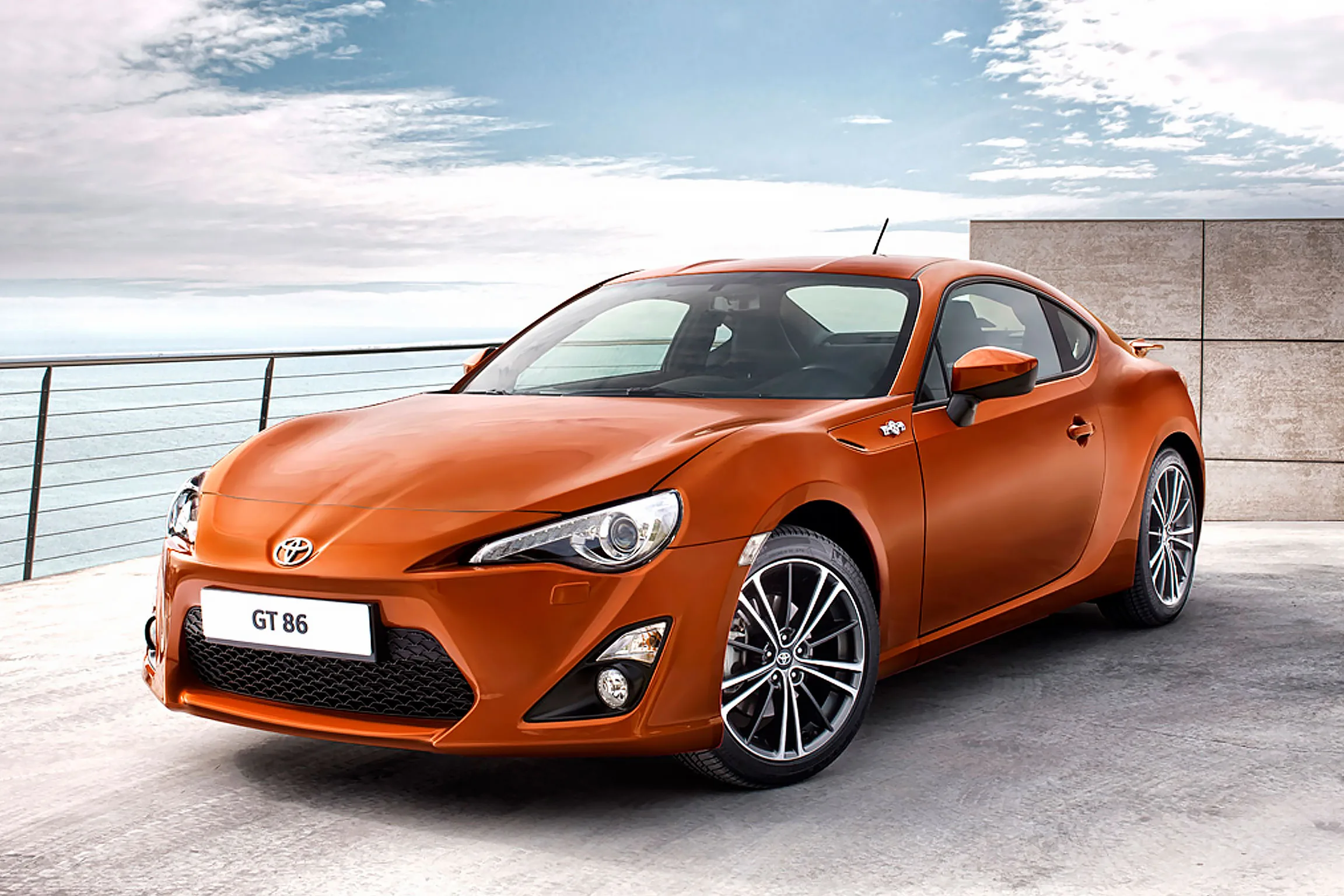
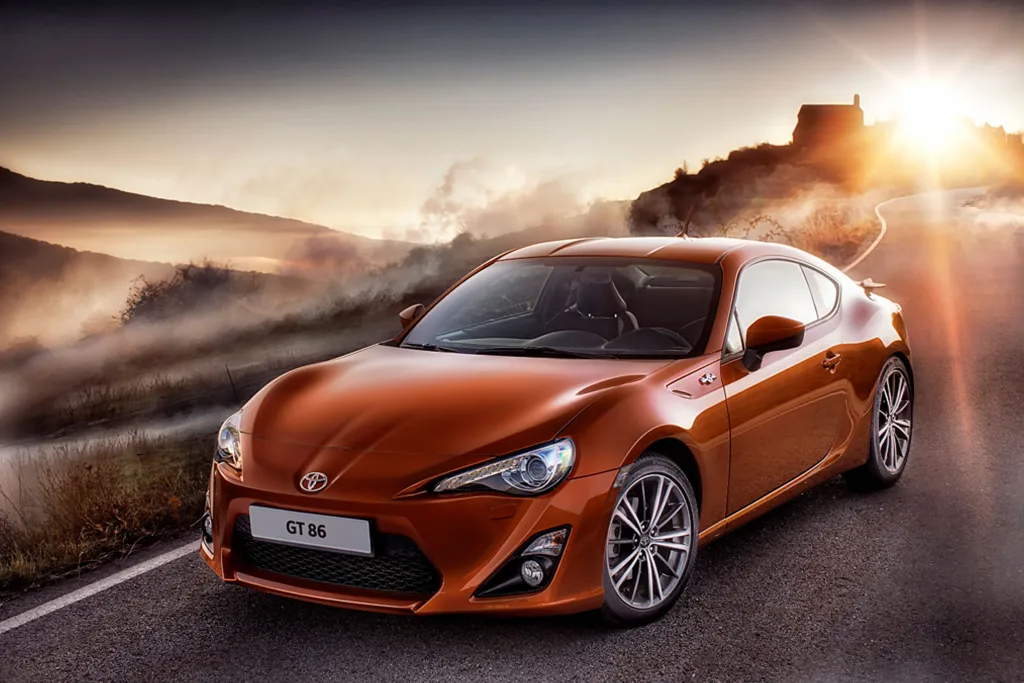
The 2012 Toyota 86 GT symbolizes a remarkable resurgence of the compact, rear-wheel-drive sports coupe, developed under a unique partnership between Toyota and Subaru. The initial spark for this model was ignited with the 2009 FT-86 Concept, a sleek prototype that emphasized an engaging driving experience centered around the principle of “aero handling.”
This concept focused on achieving aerodynamic downforce from all directions, pressing the car firmly onto the road, enhancing stability and cornering at high speeds.
The production variant, launched at the 2011 Tokyo Motor Show, retained much of that concept’s spirit, and Toyota decided against keeping the “FT” suffix, officially naming it Toyota 86, or “Hachi-Roku” in Japanese—a nod to the legendary AE86 Corolla from the 1980s famed for its balanced dynamics and cornering prowess.
The Boxer Heart: Engine and Low Center of Gravity
At the heart of the Toyota 86 GT lies a 1,998 cc naturally aspirated, horizontally opposed 4-cylinder engine known as the FA20, featuring a DOHC valvetrain with 16 valves and Toyota’s D-4S direct and port fuel injection technology. This engine delivers a spirited 200 hp (147 kW) at 7,000 rpm and 205 Nm (151 lb-ft) of torque at 6,400 to 6,600 rpm, embodying a keen balance of power and responsiveness.
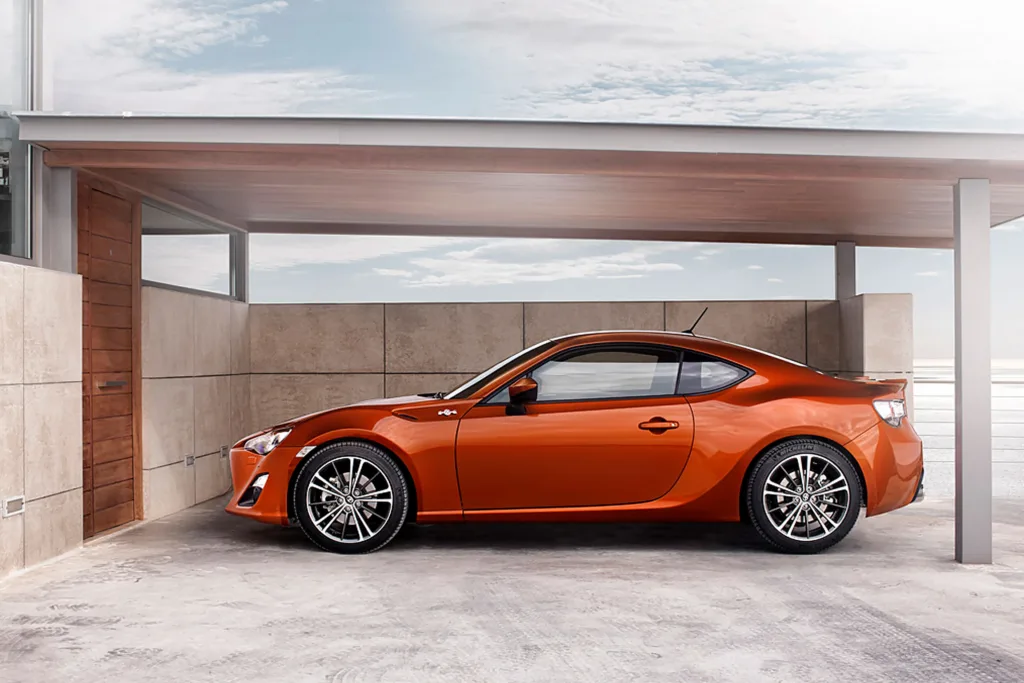
The engine layout, mounted longitudinally in the front-mid position, embodies Subaru’s renowned boxer configuration, which ensures a low center of gravity—the car’s measured height from ground to center of gravity being an impressively low 460 mm.
This contributes significantly to the remarkable handling characteristics, reducing body roll and enhancing predictability on twisty roads.
Drivetrain Choices and Limited-Slip Differential
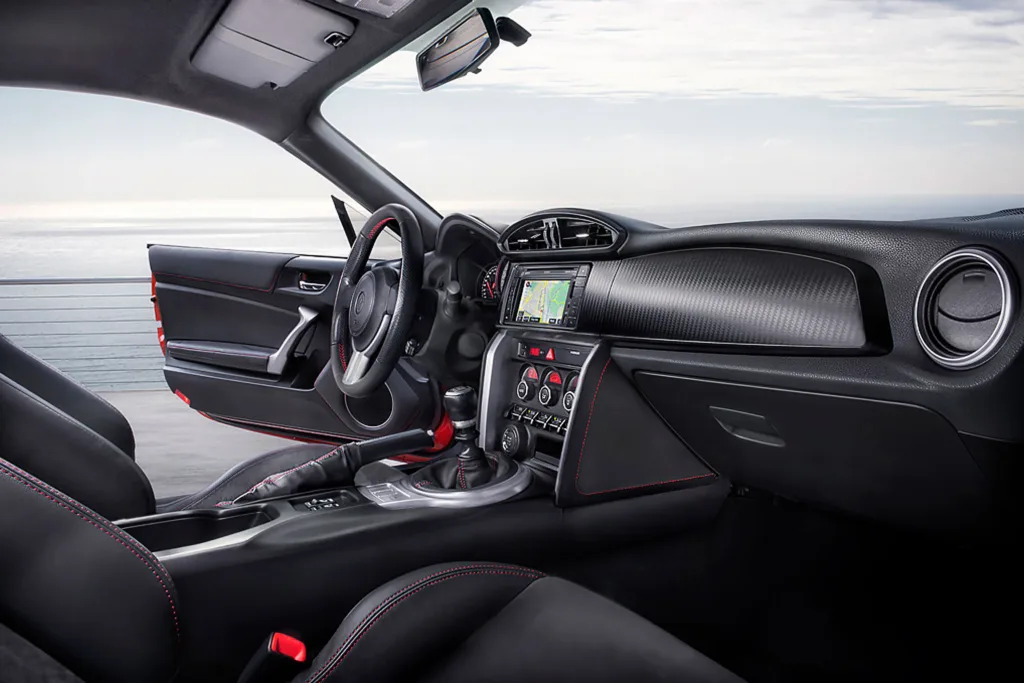
The drivetrain of the Toyota 86 GT delivers a driving experience tailored for enthusiasts but accessible to everyday drivers. Buyers can choose between a precise and engaging 6-speed manual transmission equipped with a short-throw shifter—praised widely for its crisp, mechanical feedback—or a smooth, responsive 6-speed automatic transmission featuring paddle shifters that combine convenience with control. The manual transmission variants uniquely include a mechanical limited-slip differential, a critical performance feature that optimizes torque distribution between the rear wheels during cornering, significantly reducing wheel spin and promoting excellent traction.
This nuanced system enhances driver confidence and stability, especially during spirited driving on challenging roads or tracks, while maintaining everyday usability.
Chassis and Suspension for Pure Handling
The chassis and suspension design underscore the Toyota 86 GT’s reputation as a driver-centered sports car. It features a fully independent suspension setup, using MacPherson struts at the front and a double wishbone configuration at the rear. These components were finely tuned for razor-sharp steering feedback and balanced handling, offering quick and responsive reactions to driver inputs.
The longitudinal weight distribution of roughly 53:47 front to rear is a deliberate engineering achievement, minimizing rear axle oversteer while maximizing front-end grip. This balance improves cornering precision and enhances overall vehicle stability, contributing to a driving experience that feels seamlessly connected to the road. Weighing about 1,230 kg (2,710 lbs), the light curb weight aids in the 86’s agility and acceleration, while the chassis exhibits remarkable torsional stiffness, resulting in minimal flex and a solid feel even during aggressive driving maneuvers.
Together, the drivetrain and suspension choices make the Toyota 86 GT a compelling package, blending tactile manual control and advanced suspension geometry with efficient weight management, all tailored to create a sports coupe that embodies the pure joy of driving.
Exterior, Interior, and Practicality
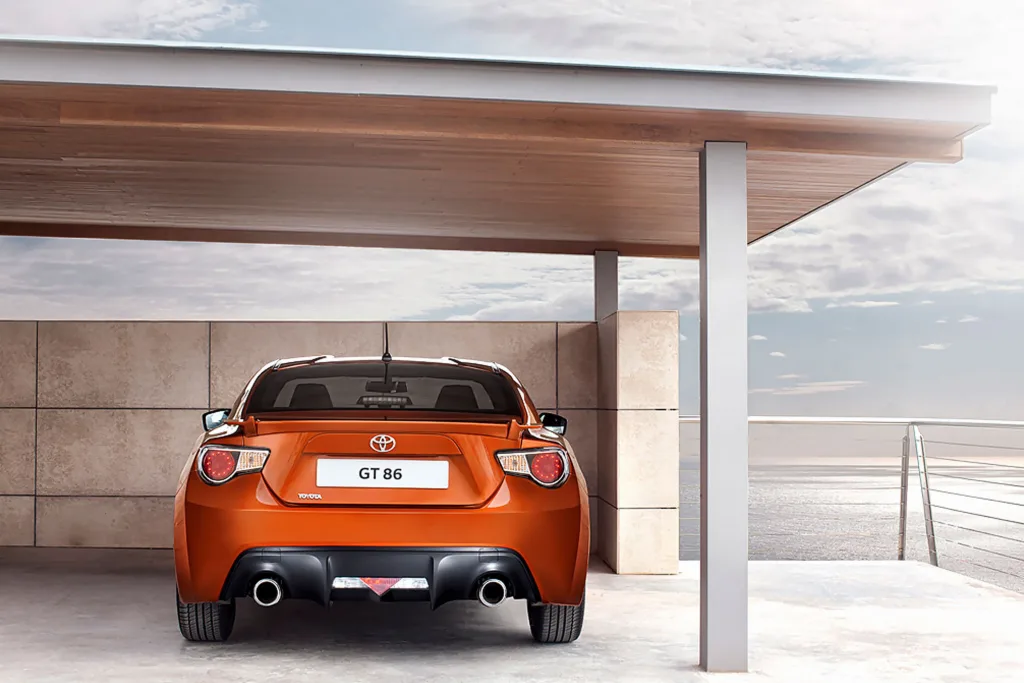
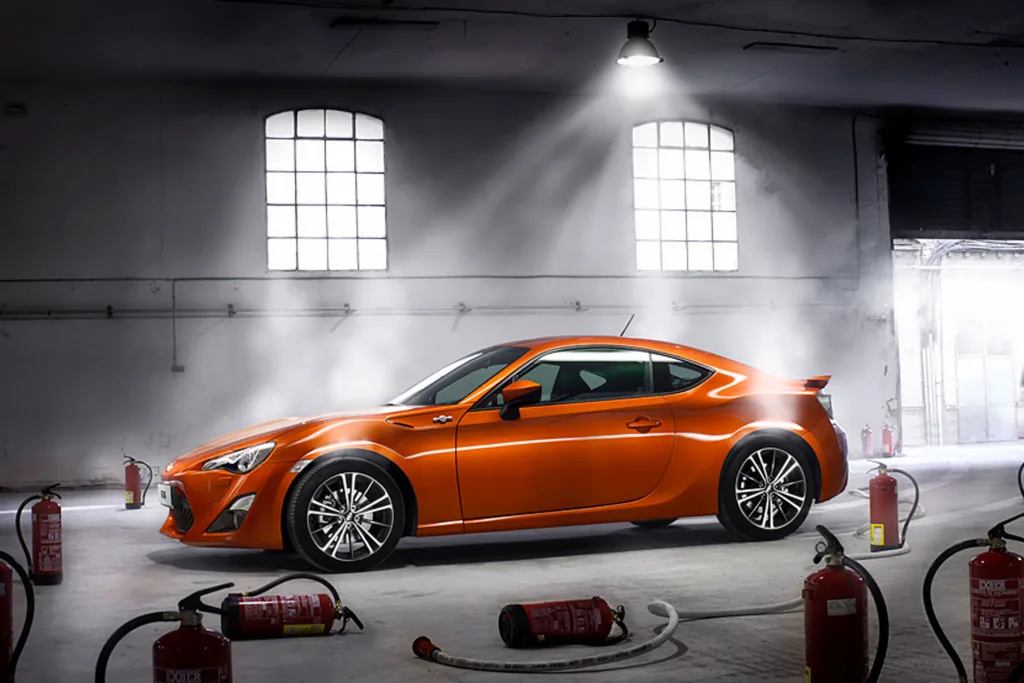
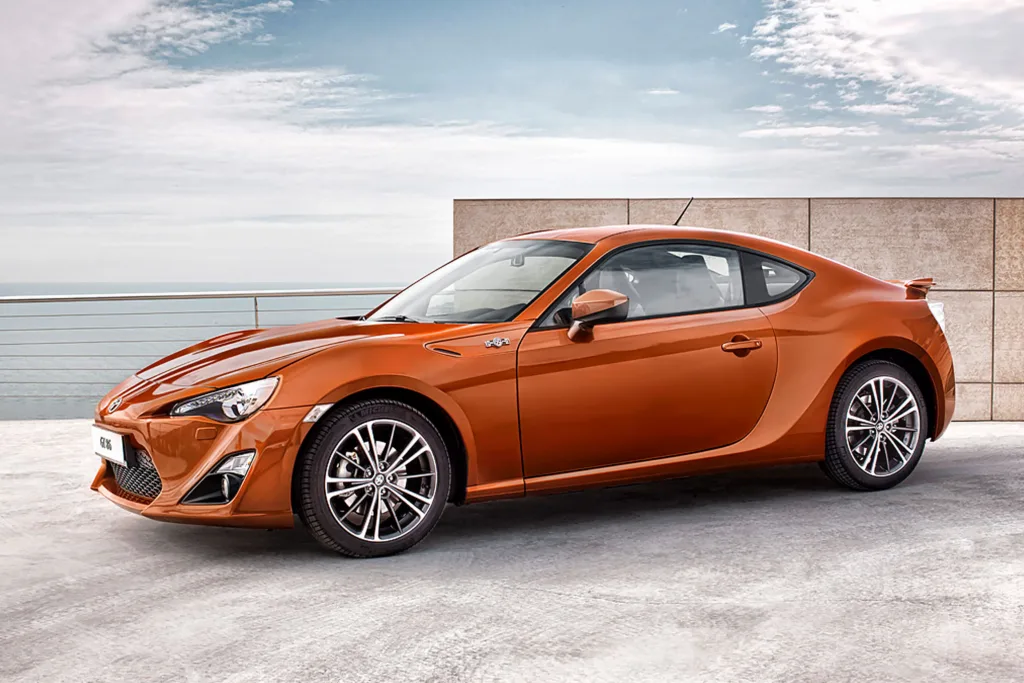
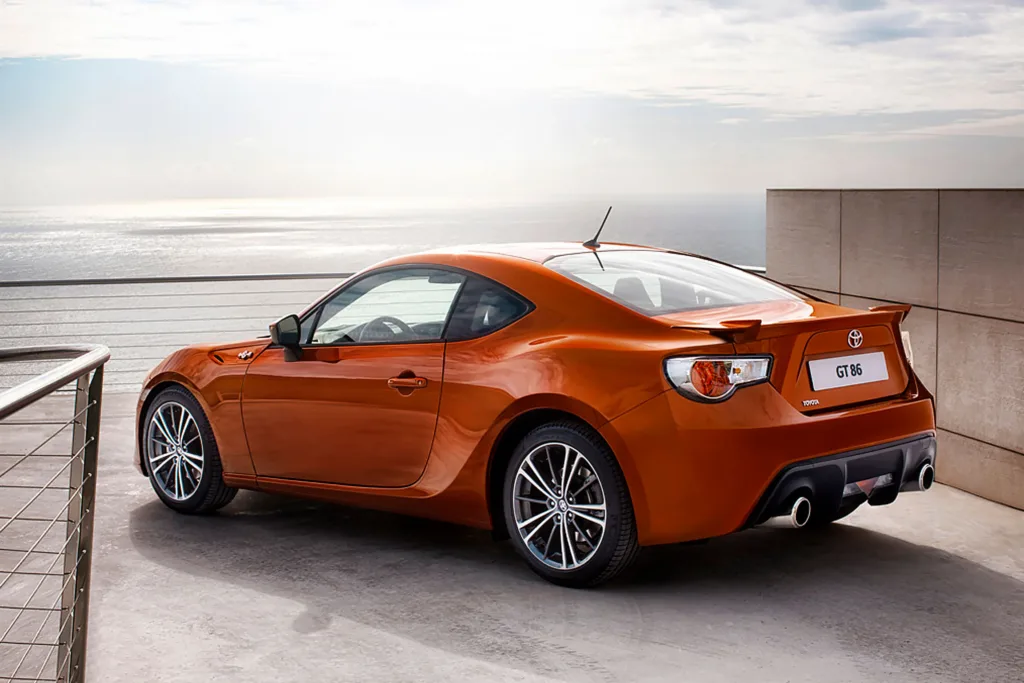
The exterior design of the Toyota 86 GT echoes the sportscar’s aerodynamic goals with sharp lines, a front fascia designed to optimize airflow, and a mesh grille paired with dual exhaust outlets integrated into a rear diffuser. The 86 GT rides on 16 to 17-inch alloy wheels with properly sized low-profile tires for excellent grip. Halogen headlights with daytime running lights and body-colored exterior mirrors with power folding functions complete the package.
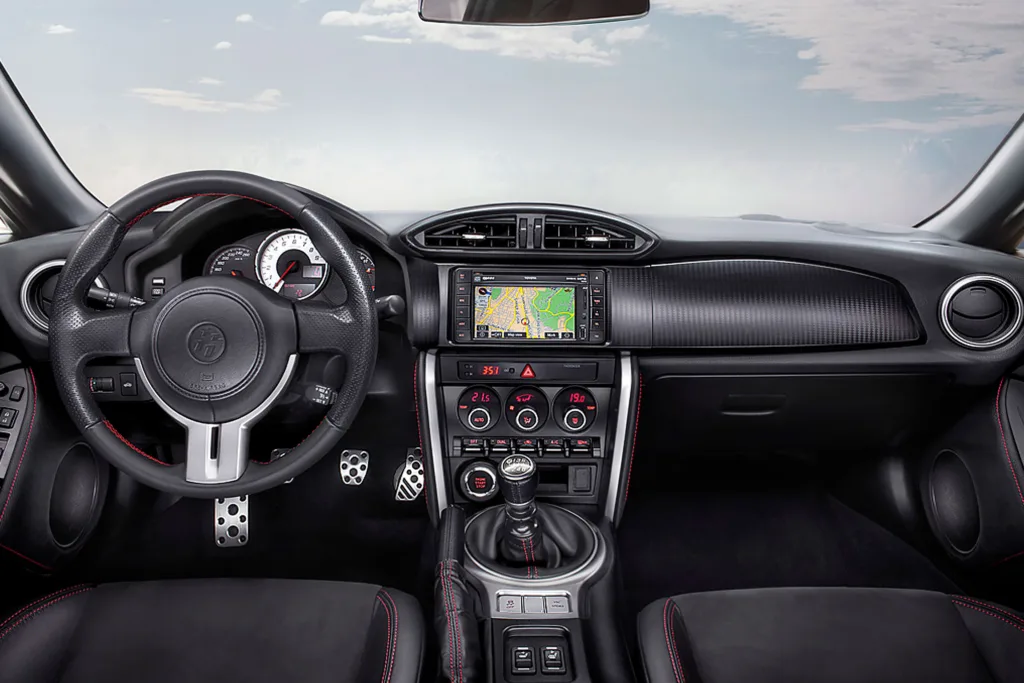
Inside, the Toyota 86 GT presents a cockpit focused on driving engagement. The instrument cluster features a large tachometer centrally positioned, flanked by digital and analog speedometers and gauges, allowing the driver easy monitoring of performance parameters. Comfort and convenience features include power windows, electric power steering, and modern safety technologies such as vehicle stability control, traction control, ABS with electronic brake-force distribution, and multiple airbags including front, side, and curtain airbags, ensuring the car meets stringent safety standards.
Fuel efficiency is commendable for a sports coupe, with the manual transmission version achieving combined fuel consumption around 7.8 litres per 100 km (about 30 mpg), making it suitable for both spirited driving and economical daily use. The Toyota 86 GT’s fuel tank capacity of 50 litres allows for extended travel ranges, adding practicality to its sporty charm.
Conclusion: Legacy and Partnership
The 2012 Toyota 86 GT not only revives the “Hachi-Roku” legacy but also delivers it with modern engineering and technology, appealing both to driving purists and everyday users looking for an accessible yet thrilling sports car experience. Its engineering partnership with Subaru allowed it to employ the best attributes from both brands, resulting in an iconic, balanced, and affordable purpose-built sports coupe.
This makes the Toyota 86 GT a strong candidate for any sports car enthusiast’s garage and an excellent content topic for publishing across Toyota, Scion, and Subaru automotive channels.