

Ghia stands among the most prestigious Italian car design studios (carrozzeria) in automotive history. Originally established in Turin in 1916 by Giacinto Ghia and Gariglio as Carrozzeria Ghia & Gariglio, the firm rapidly garnered acclaim for its distinctive creativity and bespoke craftsmanship.
Early Milestones and Post-War Resilience
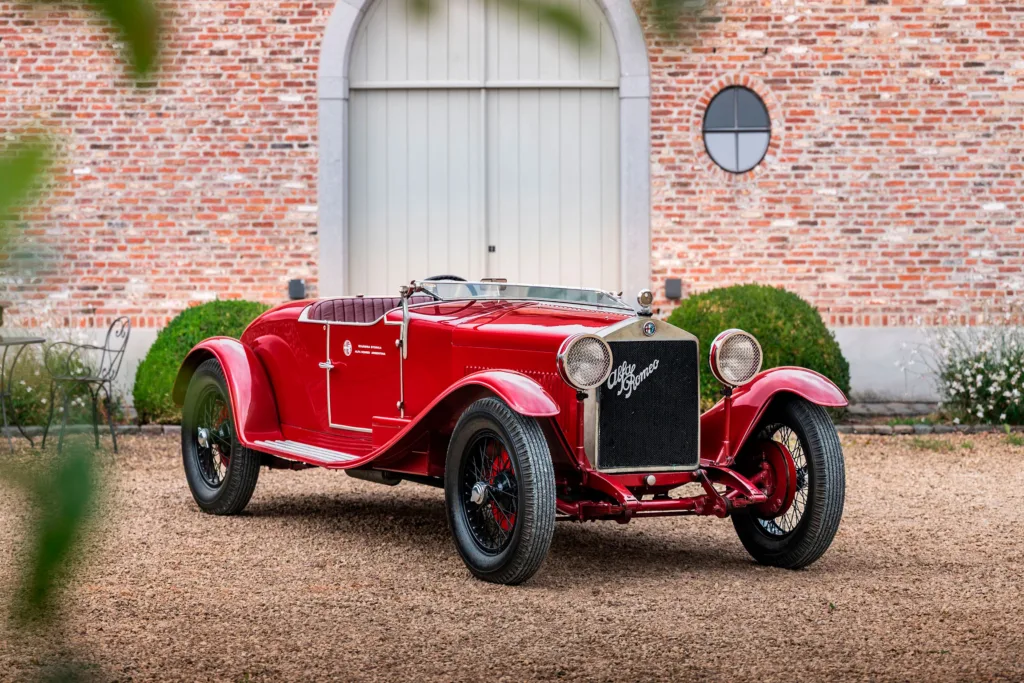
In its nascent years, Ghia demonstrated innovation by crafting a lightweight aluminum body for the Alfa Romeo 6C 1500, marking the onset of its legacy in pioneering car styling. During the interwar era, the studio’s portfolio included bespoke bodies for marques such as Alfa Romeo, Fiat, and Lancia, most notably the refined Fiat 508 Balilla Sport Coupé of 1933.
Despite the complete destruction of its Turin headquarters during the 1943 air raids of World War II, Ghia swiftly rebuilt its workshops and resumed operations. Following Giacinto Ghia’s unexpected death in 1944, the company was acquired by Mario Boano and Giorgio Alberti, who initiated expansion with a subsidiary established in Switzerland.
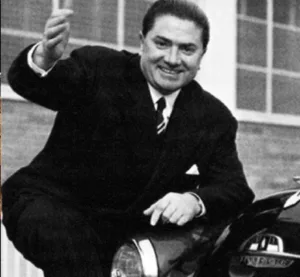
After enduring post-war economic turmoil, Luigi Segre became the sole owner and head designer in 1953.
Under Segre’s dynamic leadership, Ghia rapidly evolved into a global symbol of Italian design excellence, with the American giant Chrysler emerging as its most strategically important client.
Global Design Icons and Exclusive Creations
Ghia’s reputation was forged through influential collaborations with major international automakers. The studio was instrumental in creating the futuristic Lincoln Futura concept for Ford (later famously transformed into the Batmobile), the globally successful Volkswagen Karmann Ghia (a project shared with Karmann to produce the design), and the enduringly sleek Volvo P1800.

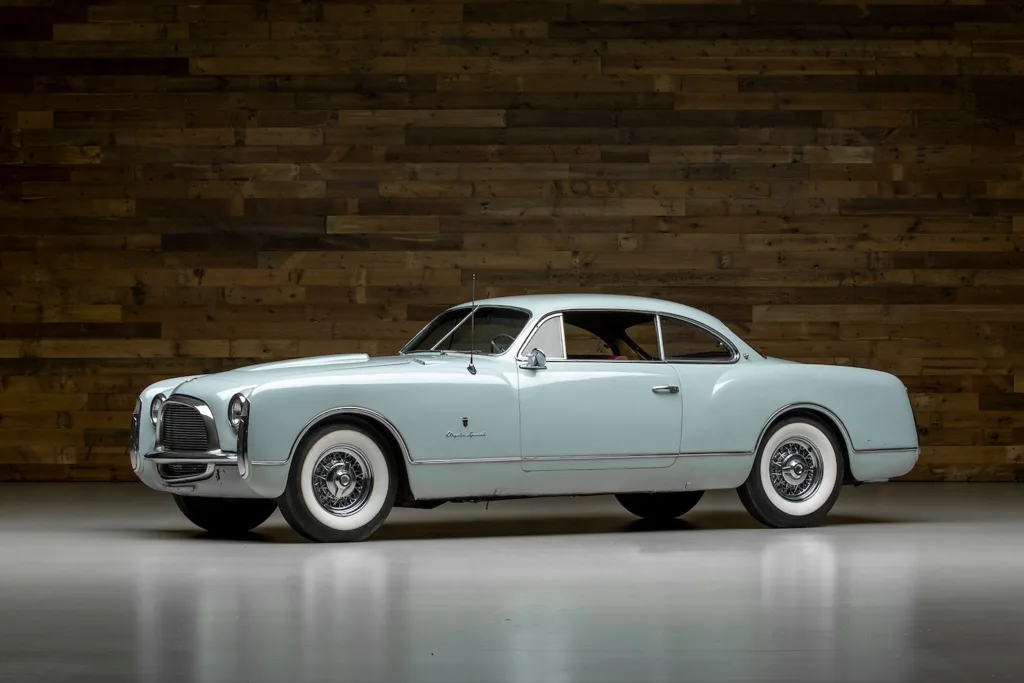
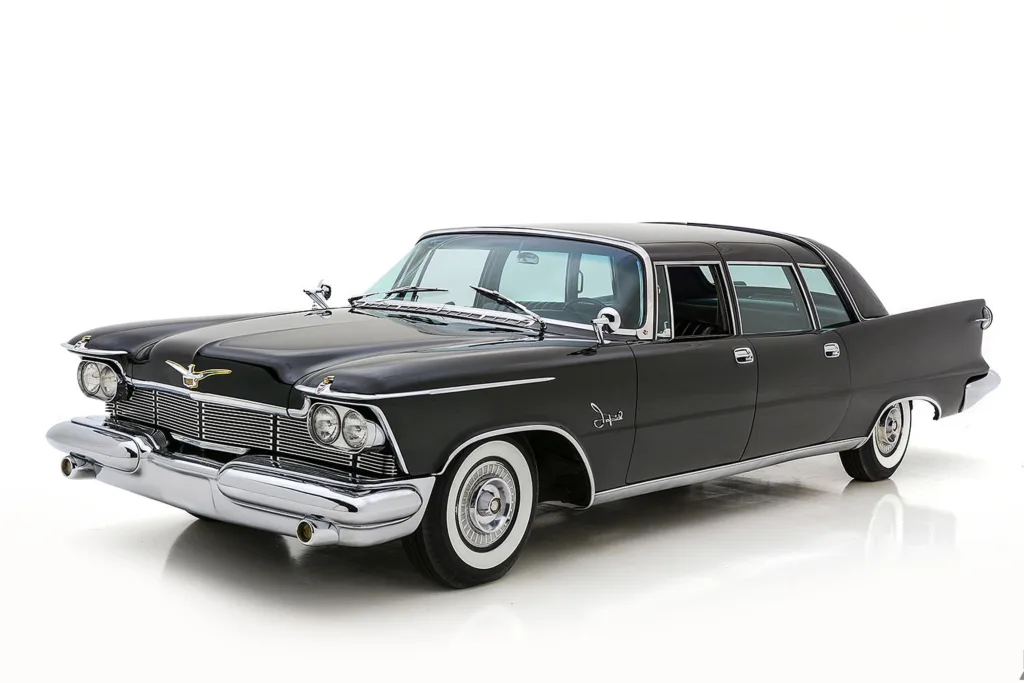
The deeply intertwined 15-year partnership with Chrysler, guided by designer Virgil Exner, yielded a remarkable succession of limited-edition vehicles. These include the exclusive Chrysler Ghia Specials, the forward-thinking K-310 concept, and the legendary, ill-fated Chrysler Norseman, which tragically sank with the ocean liner Andrea Doria. Ghia also fabricated bespoke, ultra-exclusive bodies for Ferrari and assembled the luxurious Imperial Crown Limousine. These rare, highly coveted models cemented Ghia’s reputation for artistic design and exclusivity.
Ownership Carousel and The Ford Era
From 1957 to 1960, Pietro Frua briefly directed the studio, introducing notable designs like the Renault Floride. Following Luigi Segre’s death in 1963, control passed transiently to Ramfis Trujillo.
The creative energy surged again in 1965 with the arrival of the gifted, young designer Giorgetto Giugiaro, who infused the brand with modern styling innovation.
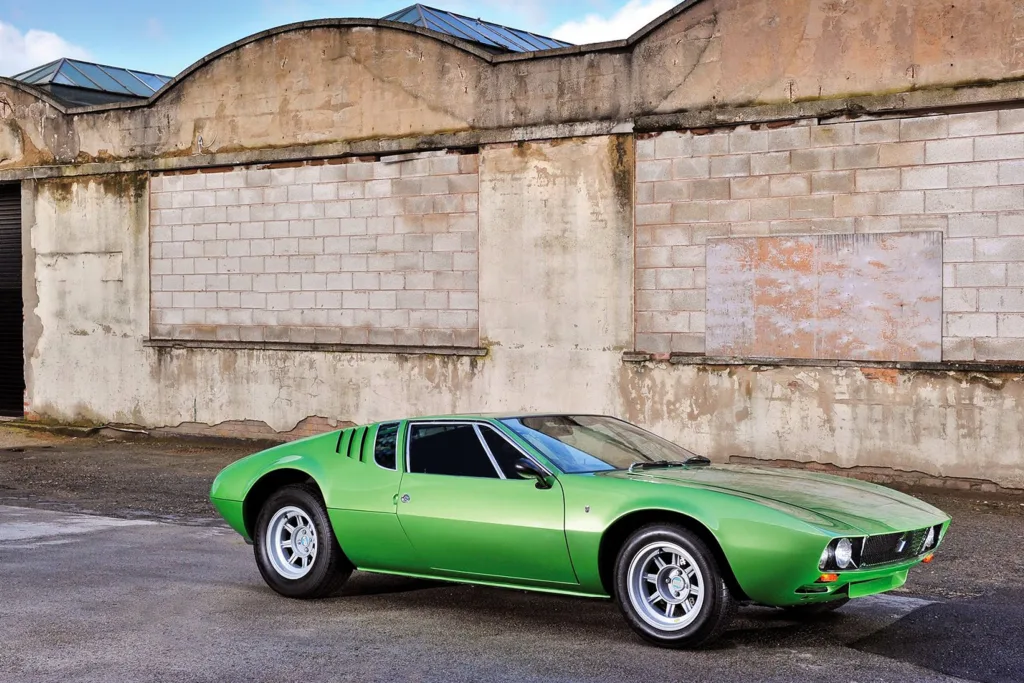
In 1967, Alejandro de Tomaso acquired Ghia. He promptly leveraged the studio’s capabilities to launch one of its most famous production vehicles: the De Tomaso Pantera, a wedge-shaped, mid-engine sports car powered by a high-performance Ford V8 engine. The partnership culminated in 1970 when De Tomaso sold Ghia to the Ford Motor Company, ushering in an era defined by transatlantic collaboration.
Ghia Becomes Ford’s Premier Trim Badge
Starting in 1973, Ford strategically utilized the esteemed Ghia nameplate to signify its most upscale and feature-rich trim levels across its model range. This badge of luxury appeared on key models like the Mustang II, Granada, Capri, Cortina, and Escort, and later on global platforms such as the Fiesta, Sierra, Mondeo, and Focus. The Ghia designation became particularly prominent in South American markets, appearing on the Brazilian Ford Del Rey and various locally produced versions of the Escort and Mondeo.
Though the name was eventually retired in markets like the United Kingdom, being replaced by the global “Titanium” designation in 2010, its historical prestige remains.
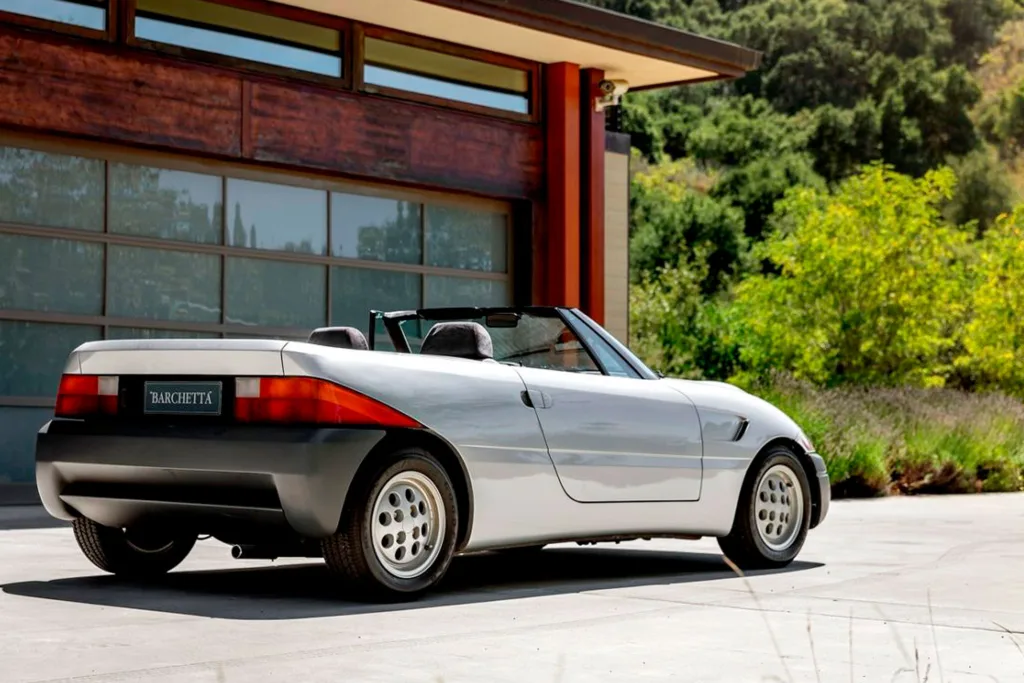
Under Ford’s stewardship, the Ghia studio continued its conceptual work, creating influential show cars like the Fiat-inspired Ford Fiesta Barchetta (1984), which served as a crucial early study for the “New Edge” design language that Ford implemented across its production fleet in the 1990s. The Ghia organization was formally and fully integrated into Ford’s corporate structure by 2001. Its legacy, however, endures as a powerful testament to the successful merger of sophisticated Italian artistry with mass-market global automotive innovation.



Functional Always active
Preferences
Statistics
Marketing