
Pininfarina S.p.A., the legendary Italian design house and atelier, stands as a global benchmark for automotive styling and bespoke coachbuilding, operating from its strategic headquarters in Cambiano.
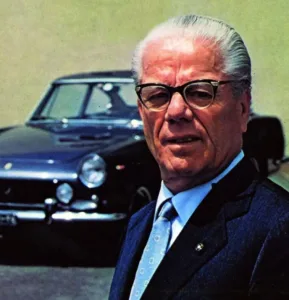
The studio was pioneered by Battista Farina when he established the firm in 1930.
Automobile manufacturers across the planet consistently commission the company for intricate vehicle design and engineering solutions. Its distinguished client history spans the automotive aristocracy, featuring titans like Ferrari, Maserati, Lancia, FIAT, Alfa Romeo, GM, and Peugeot.
Expanding its reach, Pininfarina has also partnered with Asian manufacturers, including emerging Chinese groups (Changfeng, AviChina, Brilliance, Chery, and JAC) and established Korean brands (Hyundai and Daewoo).
From the 1980s onward, the firm aggressively diversified its portfolio, extending its design genius to encompass high-speed rail, aviation, luxury yachts, and various industrial creations.
Furthermore, through its dedicated division, Pininfarina Extra, the company branched into architectural and interior design. At its operational peak, the company commanded a workforce of 2,768 employees across its international network spanning Europe, Morocco, and the USA. This storied independence concluded in December 2015, when the Mahindra Group successfully acquired Pininfarina in a major transaction valued at approximately €168 million.
The Genesis of a Coachbuilding Legend
The compelling corporate journey of Pininfarina commenced in 1928. With essential capital secured from his wife’s family and the pivotal support of Vincenzo Lancia (the Lancia founder), Battista “Pinin” Farina branched off from his sibling’s construction enterprise, Stabilimenti Farina. He launched his own bespoke venture, Carrozzeria Pinin Farina. The nascent studio demonstrated immediate capability, successfully completing 50 custom-crafted bodies in its inaugural 1928 season. By 1930, the operation achieved formal incorporation as Società Anonima Carrozzeria Pinin Farina, establishing its base near Turin, Italy.

Mastering Coachbuilding and Wartime Halt
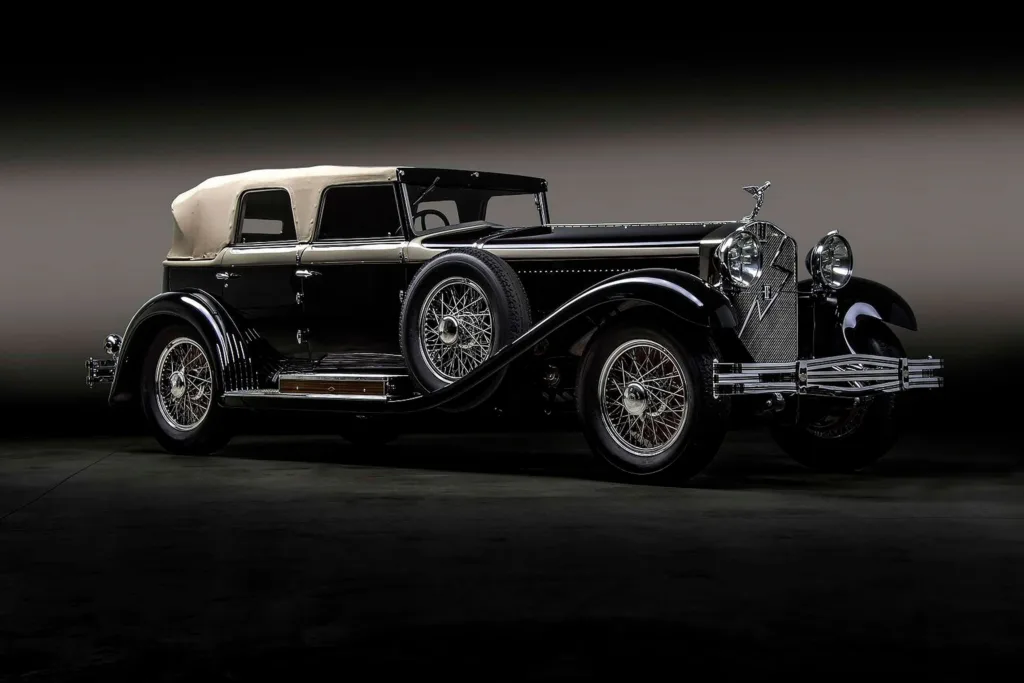
Throughout the 1930s, the company was the preferred artisan for luxurious bodywork, fabricating exquisite designs for prestige marques including Rolls-Royce, Cadillac, Isotta-Fraschini, Hispano-Suiza, Lancia, Fiat, and Alfa Romeo. Crucially, Pininfarina’s deep relationship with Lancia—a pioneer of unitary vehicle construction—was instrumental in positioning the firm as one of the first coachbuilders to expertly adapt to the innovative, load-bearing monocoque body technology.
This period of rapid growth was drastically interrupted by the outbreak of World War II, which severely restricted civilian manufacturing.
Although the workforce of 400 dedicated employees initially remained, output quickly pivoted to essential military equipment, primarily ambulances. Tragically, the firm’s main production facility was ultimately leveled by Allied bombing, forcing a complete halt to all construction activities.
Post-War Defiance and Global Outreach
The immediate post-World War II period presented a significant hurdle for Italian industry: the country was temporarily barred from exhibiting at the prestigious 1946 Paris Motor Show. This prohibition threatened to isolate Italian design just as the world looked to rebuild. Rather than accept the exclusion, Battista Farina and his son Sergio staged a dramatic act of corporate defiance. They personally drove two of their latest and most elegant creations—a Lancia Aprilia and a striking Alfa Romeo 6C 2500 S—over the mountains from Turin to the French capital.
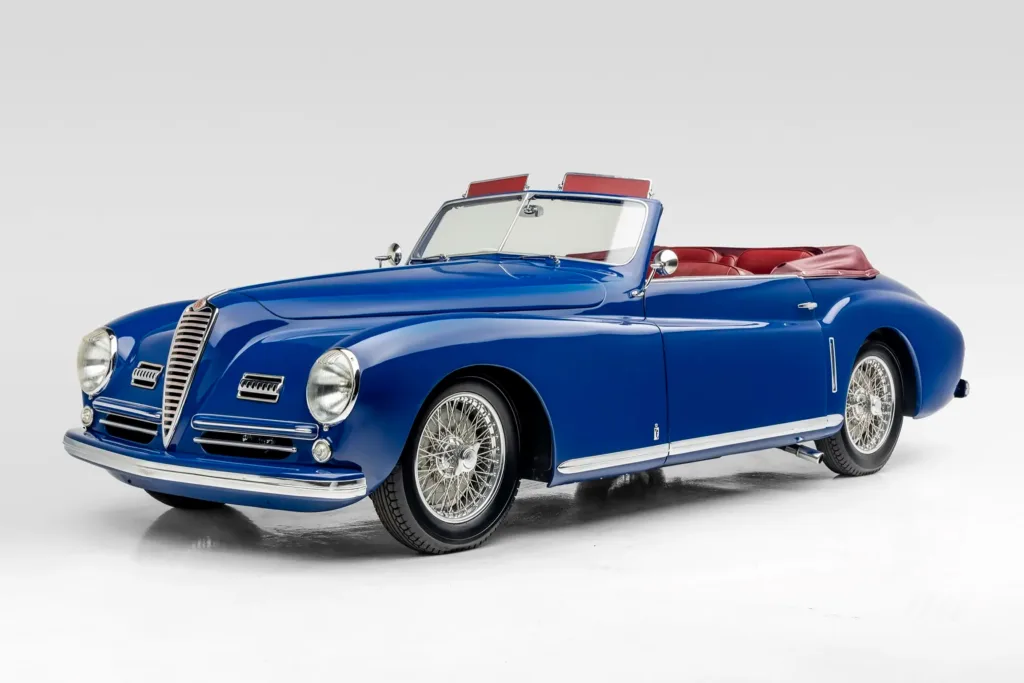
Ignoring the official ban, they boldly parked their vehicles directly outside the main entrance of the Grand Palais. This unauthorized display immediately commanded the attention of the record crowd of 809,000 attendees. While show officials and rival manufacturers were openly irritated by the audacious stunt, the international press and the general public universally hailed the move as a brilliant, anti-establishment marketing coup. This single act not only announced the rebirth of Italian automotive design but also established a new, assertive global profile for the Pininfarina name.
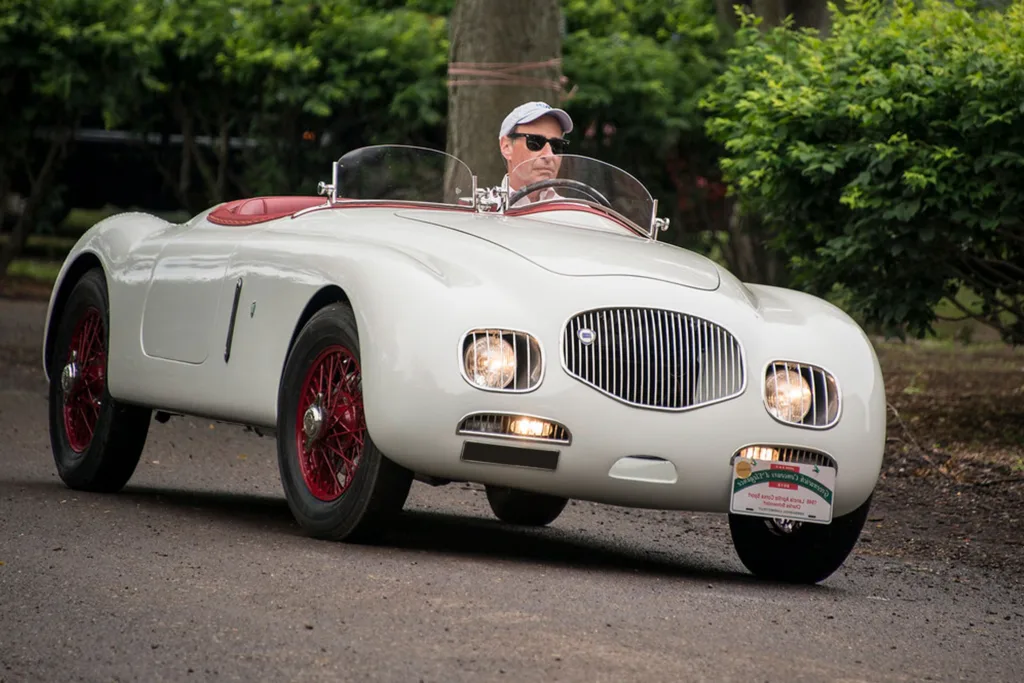
In 1945, the firm designed the aesthetically revolutionary Cisitalia 202 Coupé. The car’s sleek profile and low stance established the defining visual language of Pininfarina. Its significance was consecrated in 1951 when it was chosen for permanent exhibition at the Museum of Modern Art (MoMA) in New York.
This global recognition attracted the notice of American automakers, notably Nash-Kelvinator. In 1952, Farina traveled to the US, leading to a partnership that saw the limited-production Nash-Healey models (1952–1954) entirely assembled at the Italian firm’s plant.
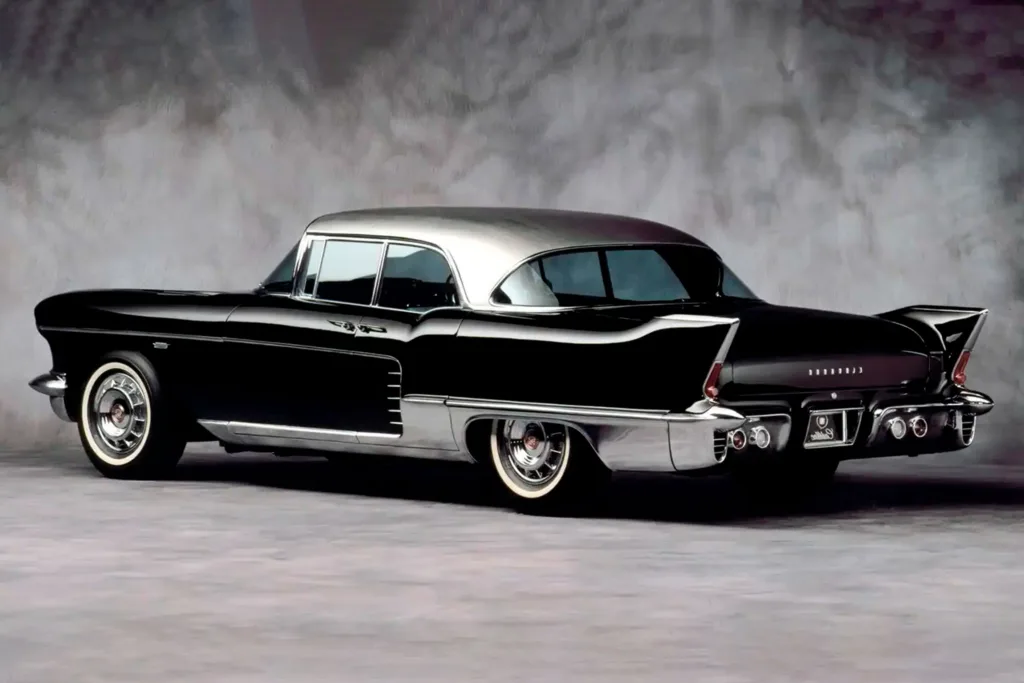
Nash, through a substantial $5 million marketing campaign, broadly promoted its ties to Pininfarina, elevating the design house’s profile across the United States. During this period, the firm also fabricated bodywork for the Cadillac Eldorado Brougham under a contract with General Motors (GM).
Forging the Ferrari Legacy
Pininfarina’s fabled partnership with Ferrari was inaugurated in 1951. Sergio Pininfarina recounted the moment his father, Battista, tasked him with the immense responsibility:
“From now on, you will take care of Ferrari, from A to Z. Design, styling, construction—everything!”
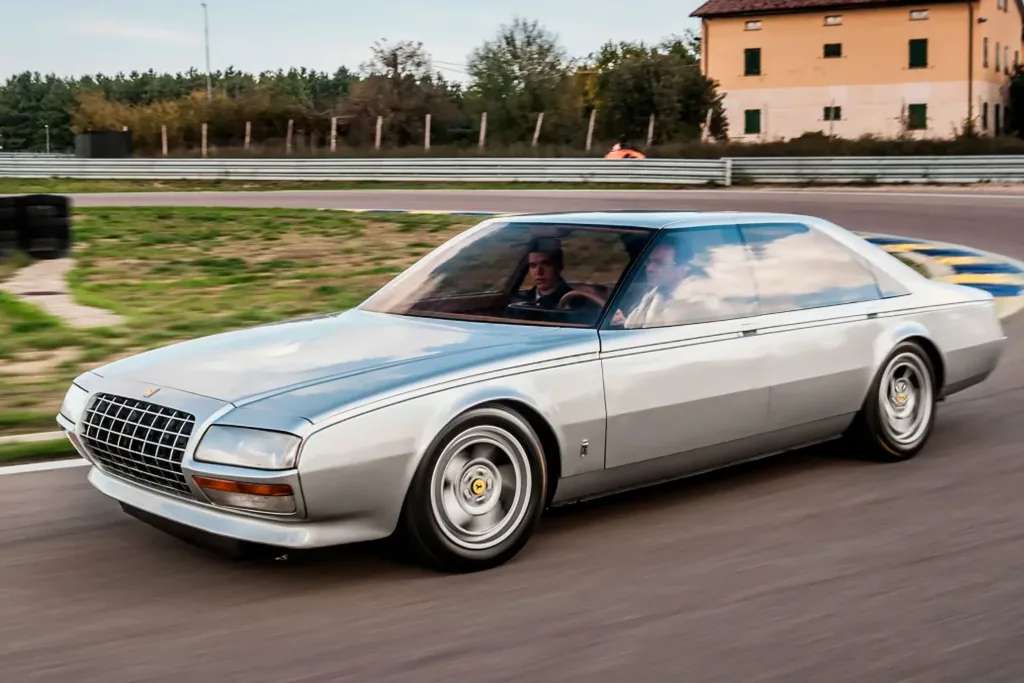
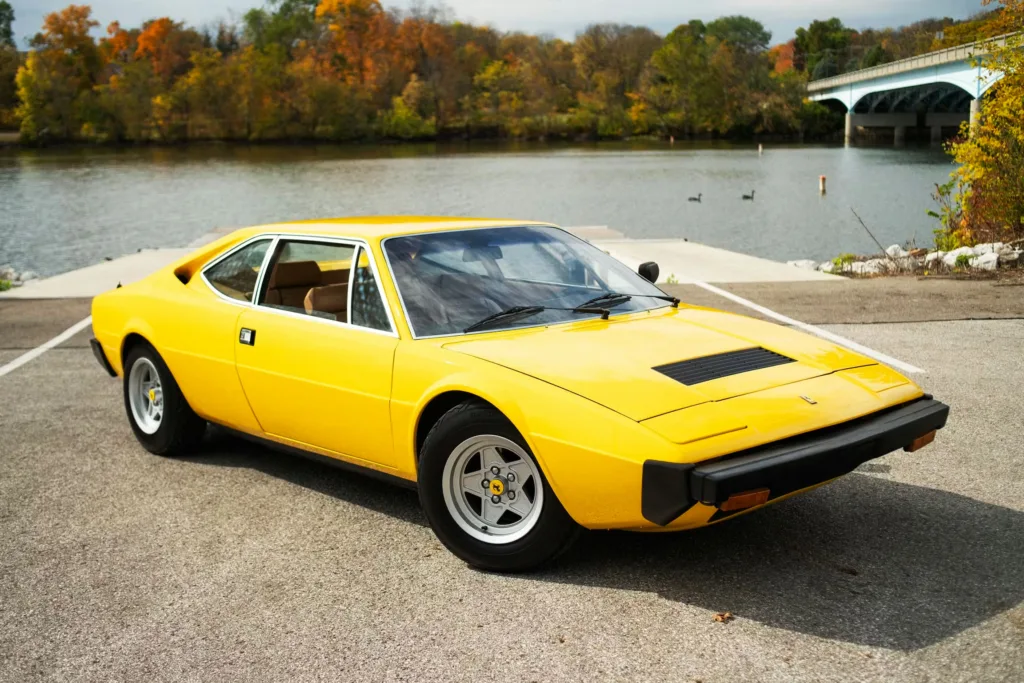
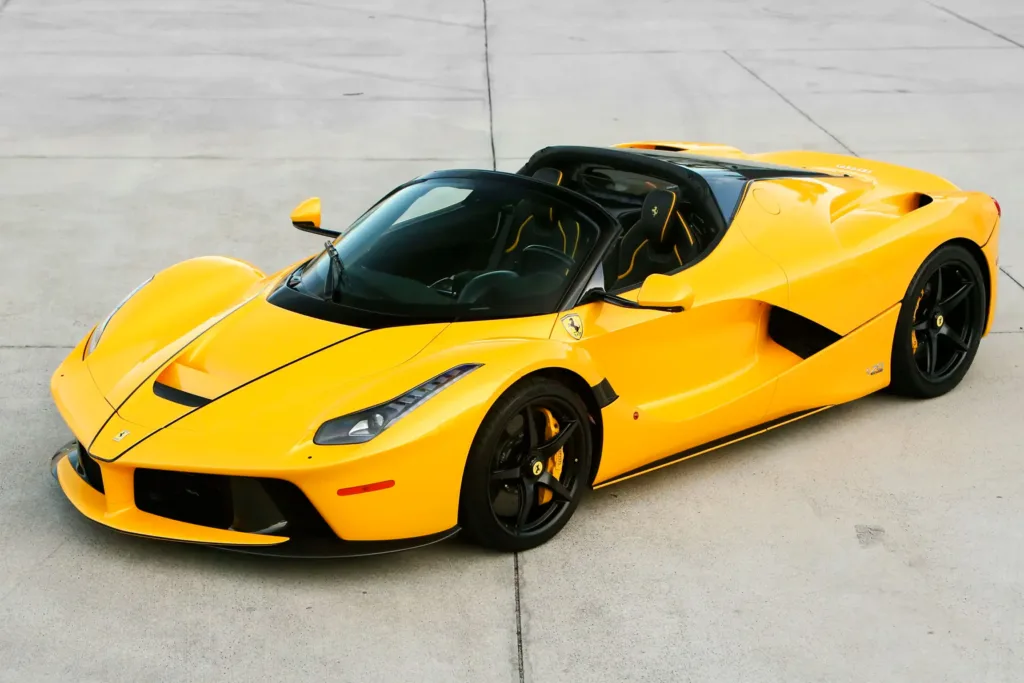
This singular mandate resulted in a near-exclusive collaboration; only two road-going Ferraris have ever been designed externally: the Dino 308 GT4 and the modern Ferrari LaFerrari.
The Transition to Volume Manufacturing
The 1950s marked a pivotal strategic shift toward volume production. Battista acquired land for a significantly larger, modernized factory, declaring:
“The new factory will in no way resemble the one on Corso Trapani. These cars will not be built to my standards, but to please my children.”
This vision materialized when Alfa Romeo selected Pininfarina’s design for the new Giulietta Spider over a rival proposal from Bertone. The Giulietta Spider became the first model Pininfarina produced in high volumes, guaranteeing massive commercial success for both the design house and Alfa Romeo.

Succession and Innovation
Following the launch of the expansive Grugliasco manufacturing plant, Battista “Pinin” strategically prepared for the transfer of corporate control to the second generation: his son, Sergio Pininfarina, and son-in-law, Renzo Carli. At the age of 68, Pinin formally stepped back from governance, issuing a challenge to his heirs to choose between organizational stagnation or ambitious expansion. He underscored the family’s enduring philosophy:
“In our family, we receive our inheritance not from the dead, but from the living.”
In a final, meaningful gesture of his dedication to the brand, he officially changed his legal surname to Pininfarina.
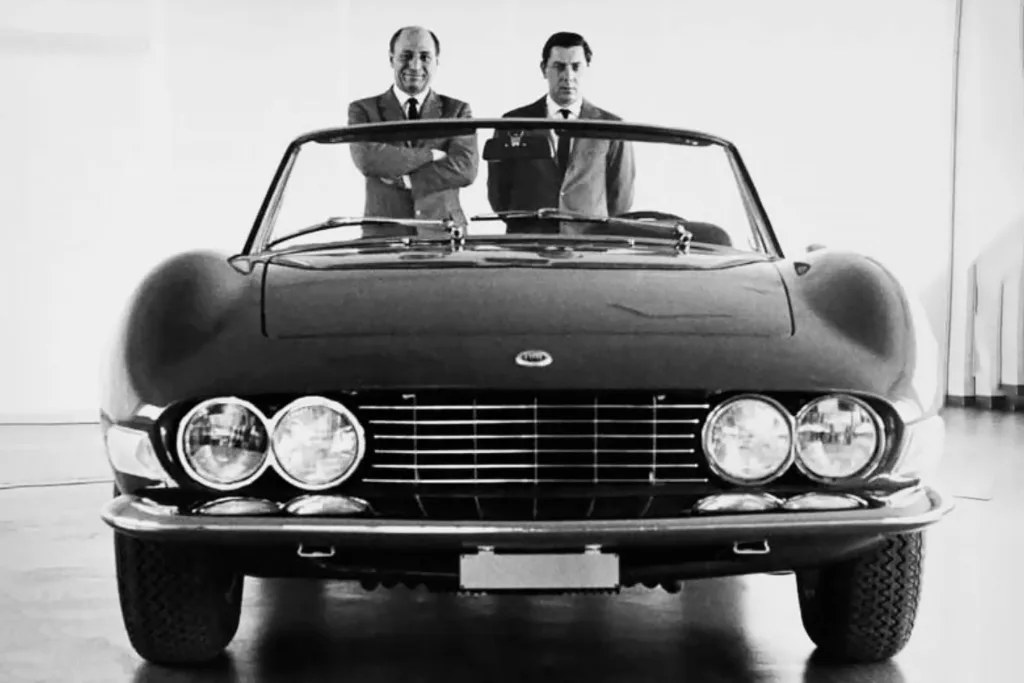
The unified firm immediately committed itself to a future driven by technological innovation. Starting in 1960, it heavily subsidized internal research dedicated to pioneering automotive design. This commitment led to the establishment of the advanced Studi e Ricerche center in Grugliasco in 1966, significantly streamlining the pace of prototype creation.
A monumental corporate achievement was the 1972 inauguration of its proprietary, full-scale aerodynamic wind tunnel—a facility that preceded similar investments by industry giants like GM (which launched its own in 1980).
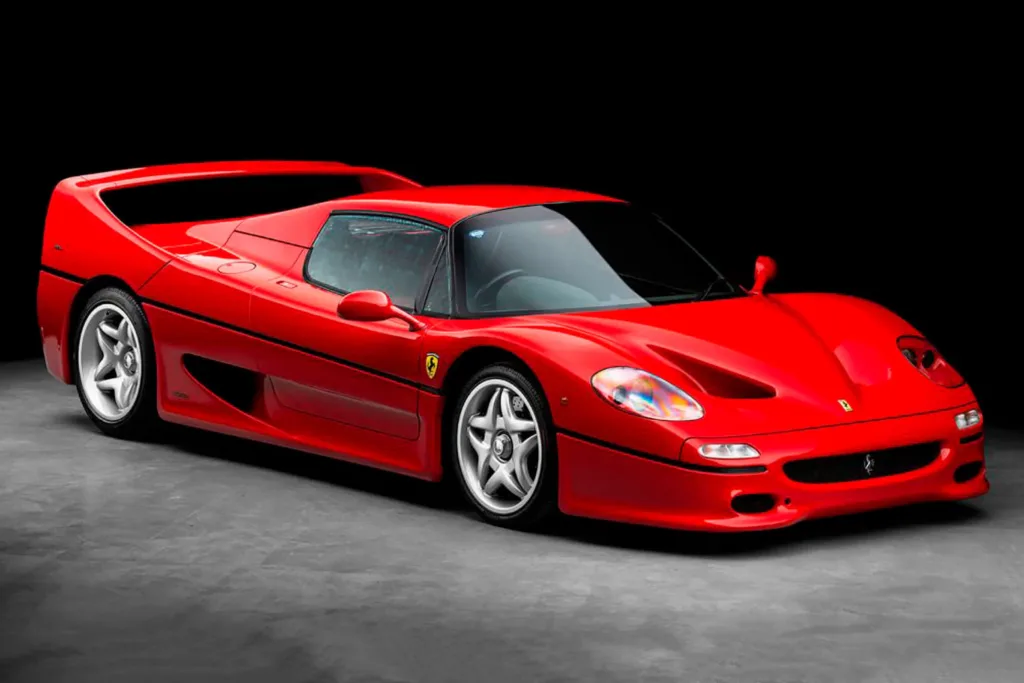
This early mastery of advanced simulation propelled Pininfarina to a global leadership position in precision body engineering. Consequently, the firm secured high-profile design and engineering commissions from major global players, including GM, Mitsubishi, and Volvo. The output was prolific: while some projects, such as the breathtaking Ferrari Mythos, remained unique concept cars, others, including the Ferrari 612 Scaglietti and the iconic Ferrari F50, successfully transitioned into serial production.
Ending Volume Production
The era of Pininfarina as a mass manufacturer formally drew to a close in 2011. The company publicly confirmed the official cessation of its volume production operations.
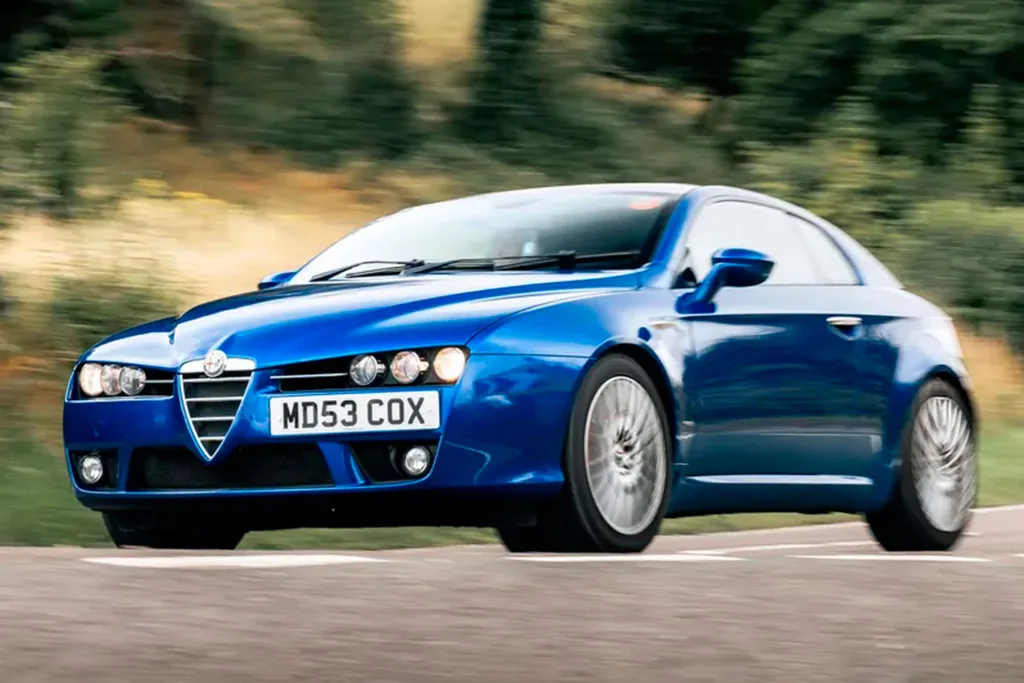
The assembly lines had effectively fallen silent the year prior, following the completion of the final batches of the Alfa Romeo Brera and Spider models.
On December 10, 2011, the firm formally dissolved its mass manufacturing division and simultaneously announced the sale of a significant 40% stake in its associated production assets.


Functional Always active
Preferences
Statistics
Marketing