
Zagato, one of Italy’s most renowned independent coachbuilding studios, was founded by the visionary Ugo Zagato in 1919. Located in Terrazzano, a suburb of Milan in the Lombardy region, the design center and production facilities cover an impressive 23,000 square meters. Over its century-long history, Zagato has become synonymous with lightweight construction, aerodynamic shapes, and bespoke craftsmanship rooted in aeronautical engineering principles.
Aviation Roots and Innovative Construction
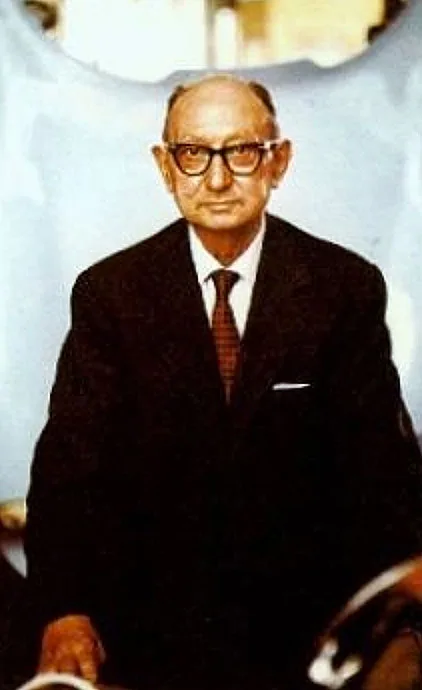
Ugo’s career began in aeronautical engineering at Officine Aeronautiche Pomilio during World War I. Inspired to apply lightweight aircraft construction techniques to automobile bodies, he pioneered the use of sheet aluminum mounted on chassis structures resembling airplane fuselages.
This commitment to advanced lightweight design set Zagato apart in an era when automotive bodies were often heavy and inefficient.
His unique approach merged refined aesthetics with functional racing performance, fostering company’s reputation for artful engineering.
Racing Triumphs in the 1920s and 1930s
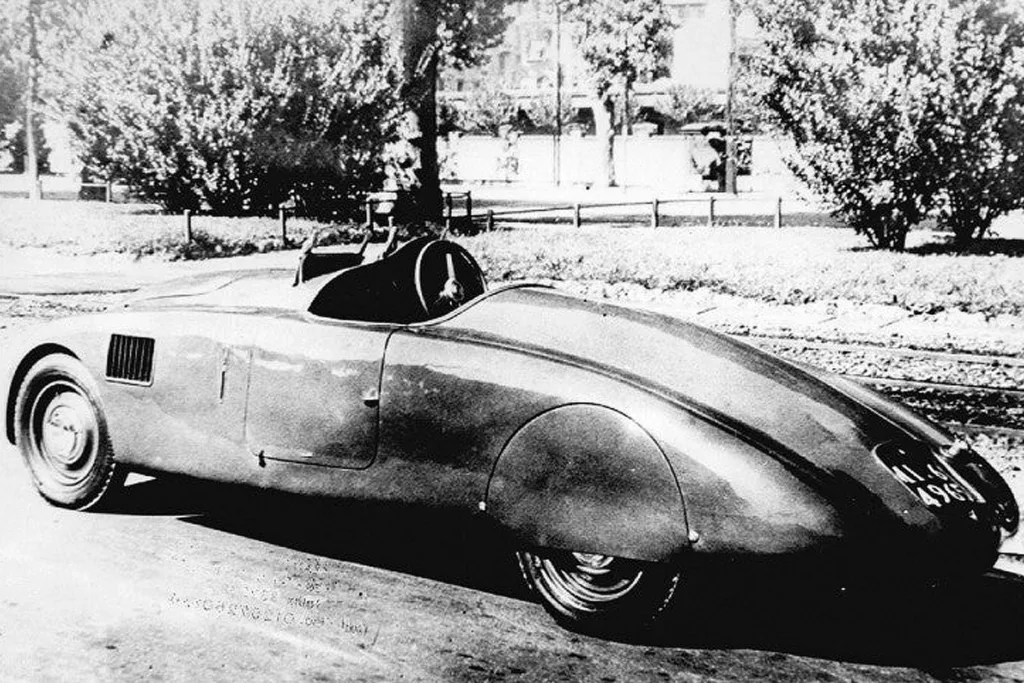
The 1920s marked Zagato’s entry into motorsport body design, most notably through collaboration with Alfa Romeo’s Chief Engineer Vittorio Jano. For the Alfa Romeo 6C 1500, company created a streamlined and incredibly light body that propelled the car to second place in the Mille Miglia race.
This success laid the foundation for the Alfa Romeo 6C 1750’s triumph, with Zagato-bodied cars finishing in the top four positions of the 1930 Mille Miglia race.
The company’s proven performance attracted elite automotive brands such as Diatto, Maserati, OM, Bugatti, and even Rolls-Royce, solidifying Zagato’s significance in competitive racing and luxury segments.

Aerodynamic Design and the Panoramica Innovation
Throughout the 1930s and beyond, Zagato continuously pushed aerodynamic boundaries by integrating slanted windshields and initially concealing headlights within aluminum semi-spheres, later blending them seamlessly into the body.
The use of perforated brake discs improved brake cooling—an innovation adopted in racing vehicles.
After World War II, Ugo Zagato introduced the revolutionary “Panoramica” body style, incorporating large glazed areas made of lightweight Plexiglass to enhance driver visibility and cabin brightness. This feature debuted famously on the Ferrari 166 Mille Miglia Panoramica in 1949, crafted for Antonio Stagnoli.
The Golden Age of Gran Turismo
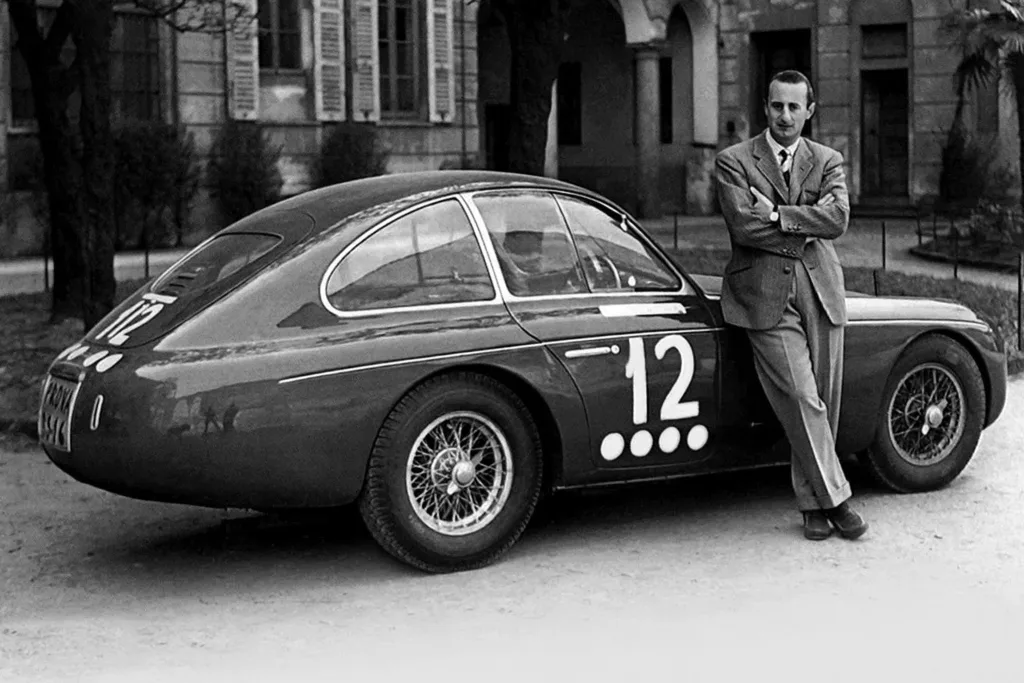
Zagato’s legacy flourished during the rise of Gran Turismo (GT) class cars, conceived by automotive visionaries such as Giovanni Lurani, Giovanni Canestrini, and Elio Zagato—Ugo’s son. GT cars combined lightweight, sport-tuned chassis with elegant yet functional coachwork suitable for both racing and street use.
Esteemed brands including AC, Abarth, Alfa Romeo, Bristol, Aston Martin, Fiat, Ferrari, Jaguar, Maserati, and Osca all commissioned Zagato bodywork.
A milestone came in 1955 when Elio Zagato won the Gran Turismo championship at the Avus circuit driving a Fiat 8V Zagato, demonstrating the seamless blend of design and performance.
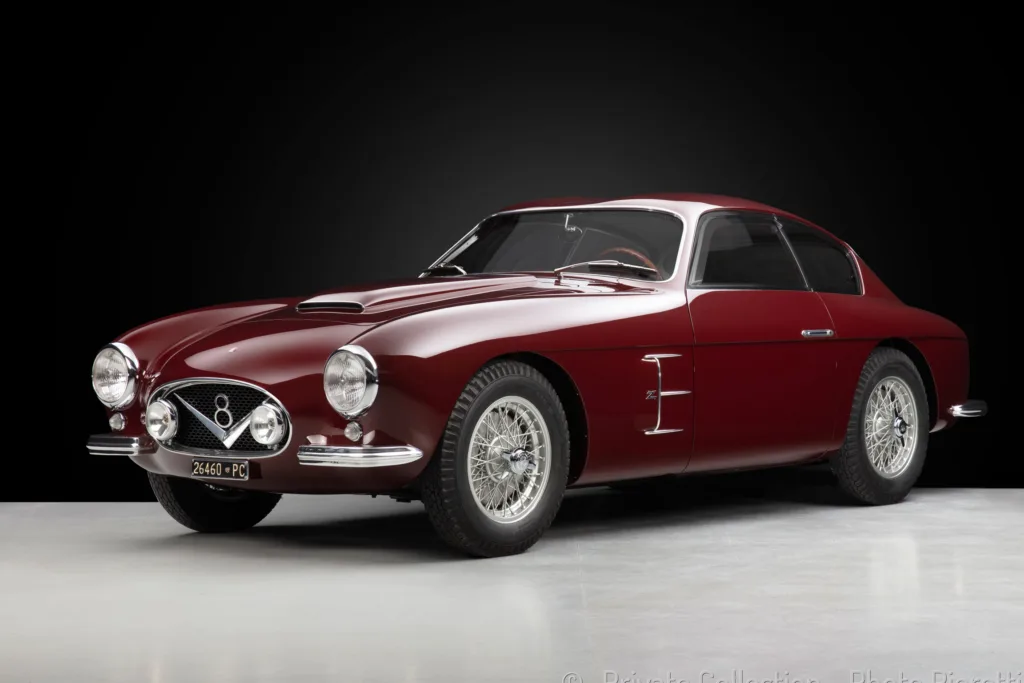
Zagato: Fuoriserie Evolution and Modern Innovation
Facing rising demand for specialized limited-production vehicles, Zagato transitioned from purely handcrafted coachbuilding to adopting semi-industrialized manufacturing techniques while maintaining artisan quality and exclusive design.
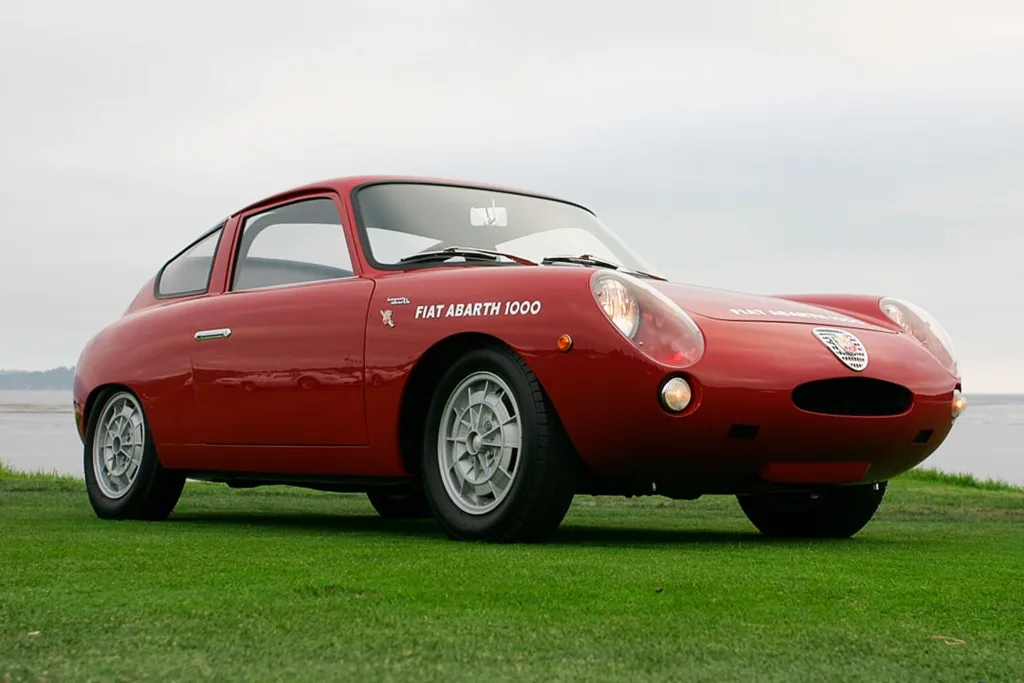
This evolution was marked by the 1960 recognition of founder Ugo Zagato, who received the prestigious Compasso d’Oro award for his outstanding design of the Fiat Abarth 1000 Zagato model.
Celebrated for its lightweight construction and aerodynamic efficiency, the Fiat Abarth 1000 Zagato became emblematic of Zagato’s ability to merge cutting-edge design with industrial practicality, setting new standards for coachbuilt sports cars.
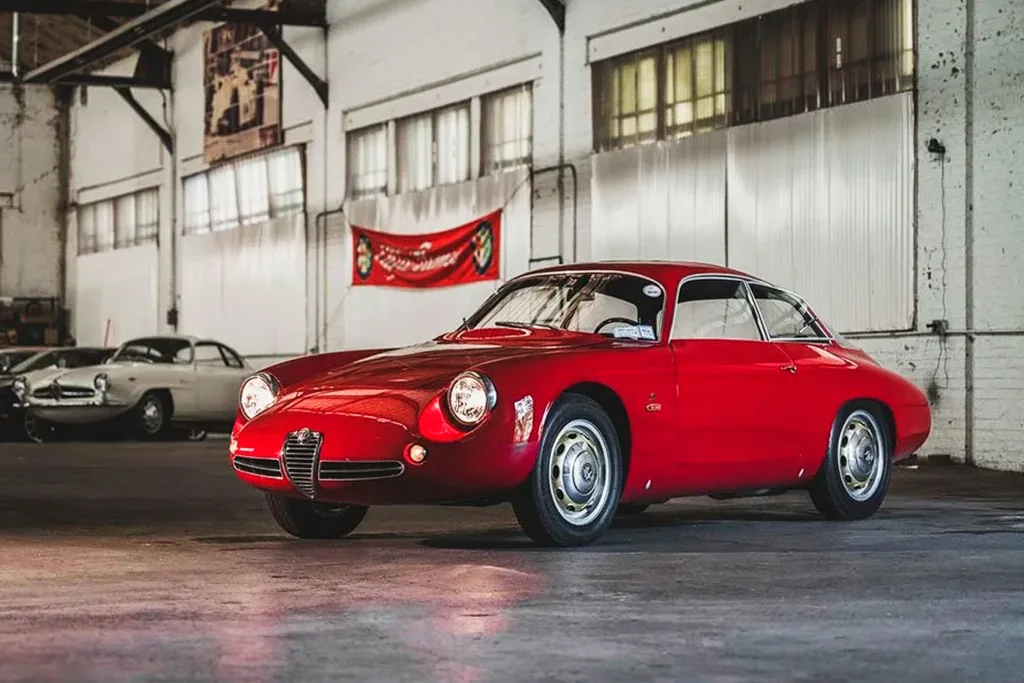
Throughout this era, company solidified its fruitful partnerships with major Italian manufacturers, especially Alfa Romeo, leading to the creation of iconic models such as the Giulia Sprint Zagato (SZ), TZ, TZ2, and Junior Zagato. Each embodied the company’s signature hallmarks of lightness, sleek aerodynamics, and elegant yet purposeful lines. Parallel collaborations with Lancia yielded sport-oriented vehicles including the Flaminia Sport and Fulvia Sport Spider, blending Zagato’s design ethos with mechanical sophistication.
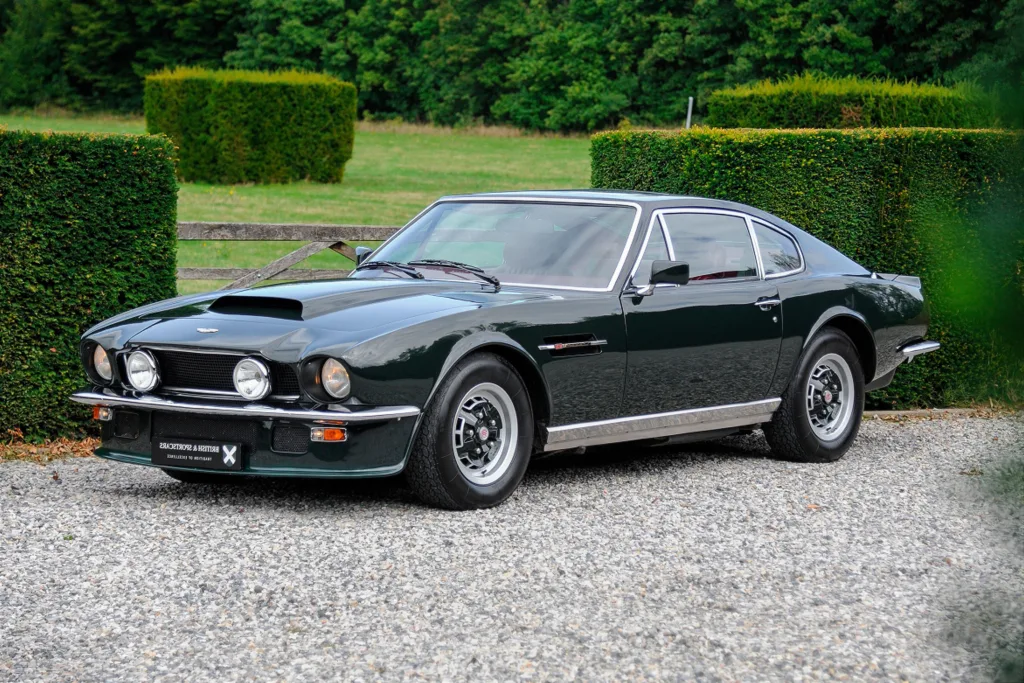
In contemporary times, Zagato continues to excel at crafting bespoke coachbuilt automobiles, collaborating with prestigious global luxury marques such as Bentley, Aston Martin, Maserati, Ferrari, Diatto, Spyker, and Alfa Romeo. Modern projects, including the revered Alfa Romeo 8C Doppia Coda Zagato and Aston Martin V8 Vantage Zagato, showcase the design house’s trademark emphasis on aerodynamic form, minimal weight, and sculptural artistry.
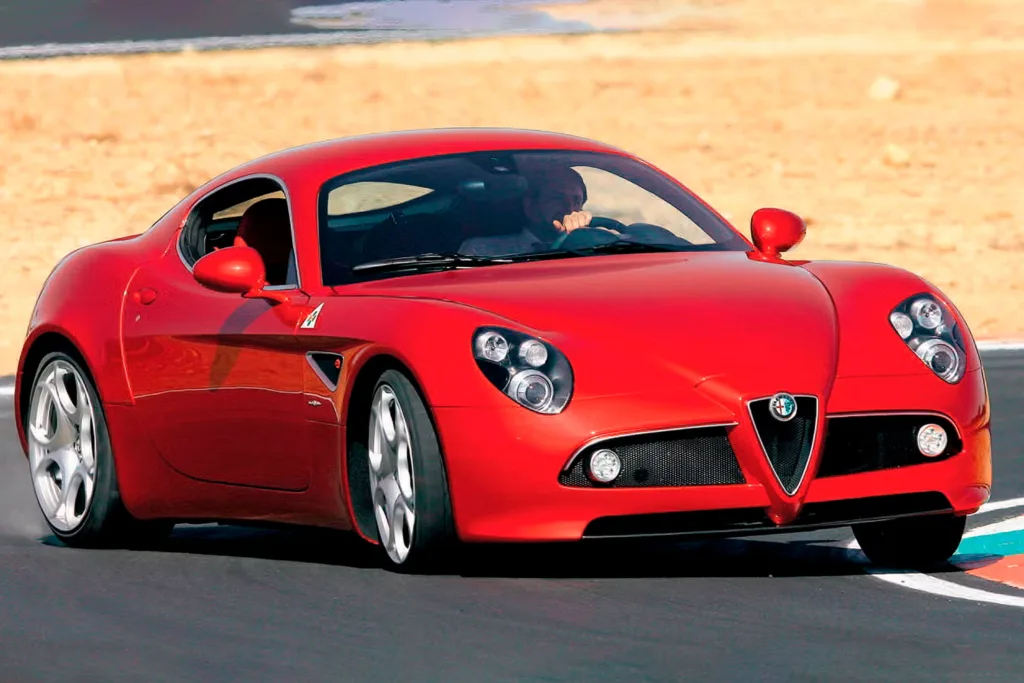
These vehicles encapsulate Zagato’s continuous commitment to innovation rooted in tradition, maintaining its status as a distinguished independent Italian carrozzeria. Spanning more than 440 unique coachbuilt models across 44 automotive brands, Zagato holds a revered place in automotive history.
From pioneering lightweight aerodynamics to setting benchmarks in bespoke craftsmanship, Zagato’s enduring influence captivates enthusiasts and collectors alike, embodying a seamless blend of Italian heritage, design excellence, and forward-thinking innovation.
This distinctive narrative underlines Zagato’s role as a leader in the coachbuilding world, celebrating its remarkable journey from artisanal roots to modern masterworks.


Functional Always active
Preferences
Statistics
Marketing