
Germany has long traditions of automotive excellence, and at its peak are BMW cars, which are powerful yet refined. This is a company of enthusiasts, creating cars for those who crave the best and love the drive. BMW consistently strives to maintain the brand’s reputation for making cars that are built to be driven.
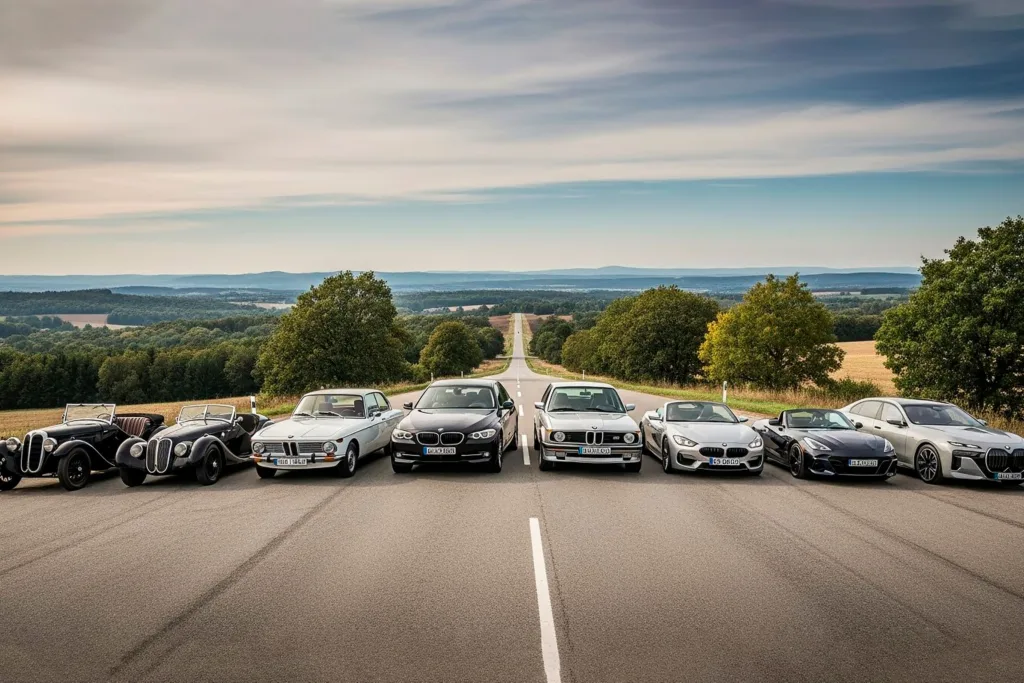
BMW creates some of the most refined, high-tech vehicles in history. From roadsters and luxurious SUVs to motorcycles, the company is constantly evolving. It looks to the future, developing cars that run on environmentally friendly fuel.
This company believes in evolution, never forgetting its past in the process of creating vehicles for the present and the future.
Foundations and Early Aviation
Bavarian Motor Works, or BMW for short, was founded in 1917 as the renamed company Rapp Motorenwerke, but the company traces its roots to Bayerische Flugzeugwerke (BFW), founded in March 1916 as a successor to Otto-Werke. The companies merged later. Initially, the company was involved in the assembly of advanced aviation engines, including the water-cooled inline-six that powered German fighter planes during World War I.
After the war, the Treaty of Versailles placed a ban on the production of aircraft engines in Germany.
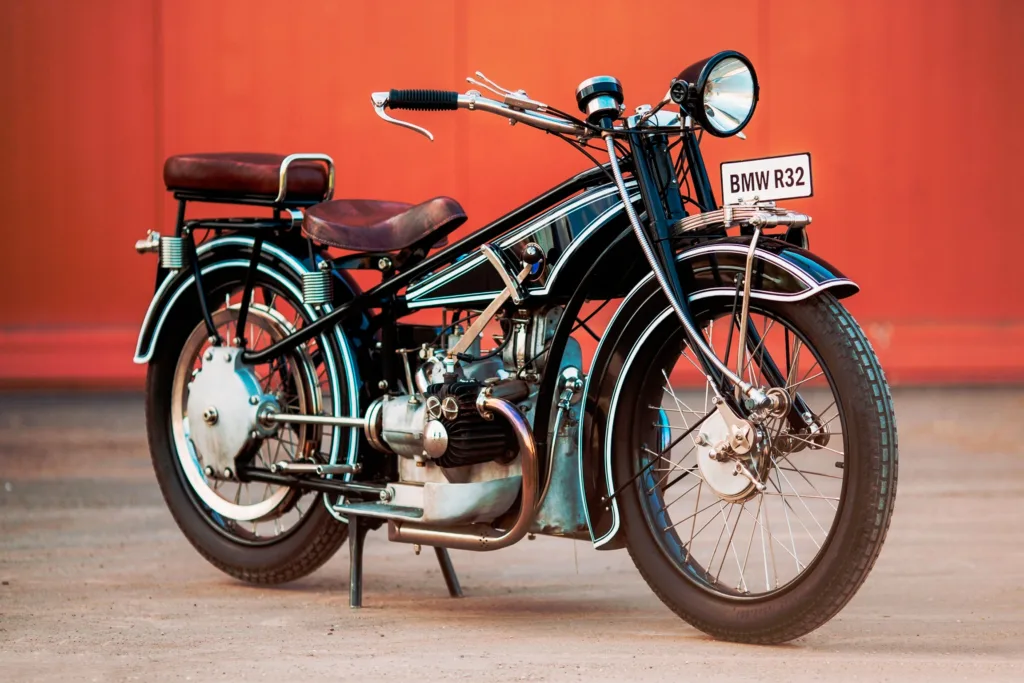
BMW switched to manufacturing motorcycles. In 1923, it introduced the R32 model. It was equipped with a two-cylinder boxer engine with horizontally opposed cylinders. Instead of a chain or belt, torque was transmitted to the rear wheel via a driveshaft. The driveshaft and the two-cylinder boxer became the foundation for all subsequent BMW motorcycles. These design and engineering solutions worked; the R32 was popular among racers in the 1920s.
The First Cars and Pre-War Glory
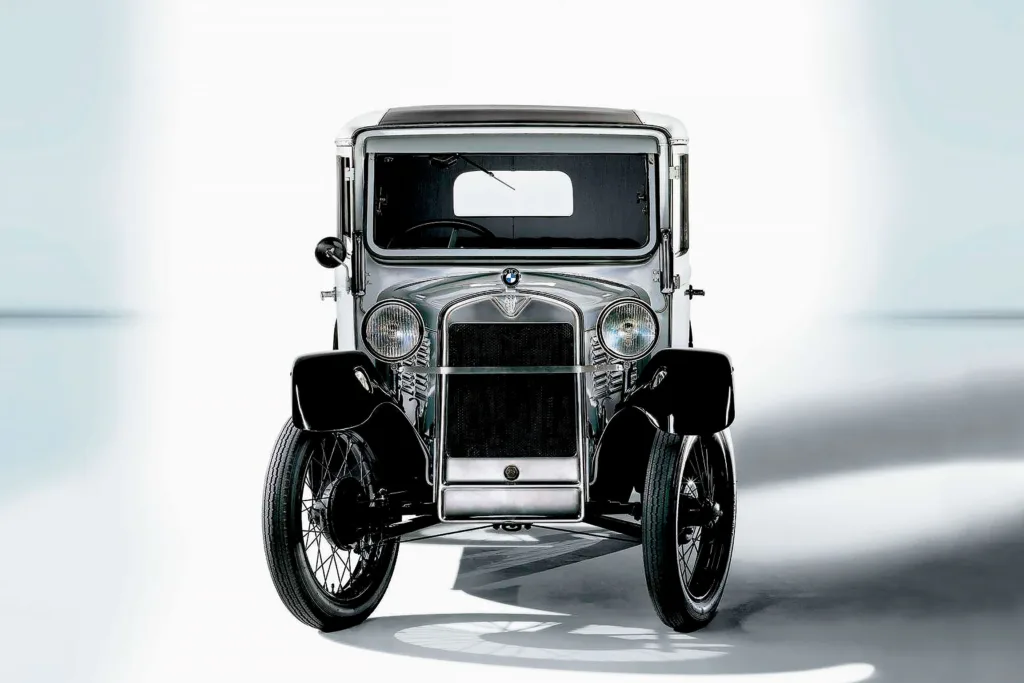
The first car from BMW was the Dixi 3/15 PS (produced from 1929). This inexpensive car was designed to meet the needs of the country recovering after the war. Seeking to move away from exclusively producing motorcycles, BMW began assembling the “Dixi” under license from the British company Austin.
The press called this model the best small car on the market.
Its 750cc four-cylinder engine produced 15 horsepower and accelerated the car up to 75 km/h. This was enough to win its class in the 1929 Alpine Rally. High sales indicated that BMW had successfully entered the automotive market.
After the ban on the assembly of aviation engines in Germany expired, BMW once again focused its efforts on aircraft production. By 1927, every third world aviation record belonged to BMW engines, including round-the-world flights on seaplanes.
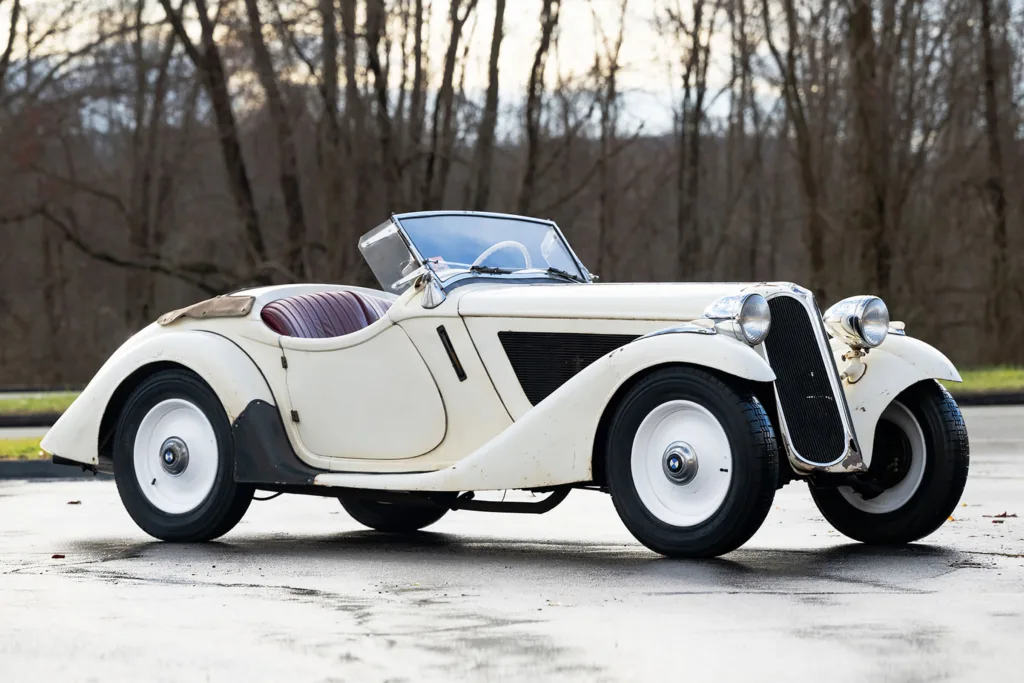
The company’s high reputation was matched by the automobiles it created, including the 315 roadster model, which was released in 1934 with a powerful six-cylinder engine.
This 1.5-liter engine, with 40 hp, accelerated the car up to 125 km/h. The 315 model was one of the first BMWs with the characteristic kidney grille. A total of 242 examples of the 315/1 sports version were assembled, which became valuable collectibles.
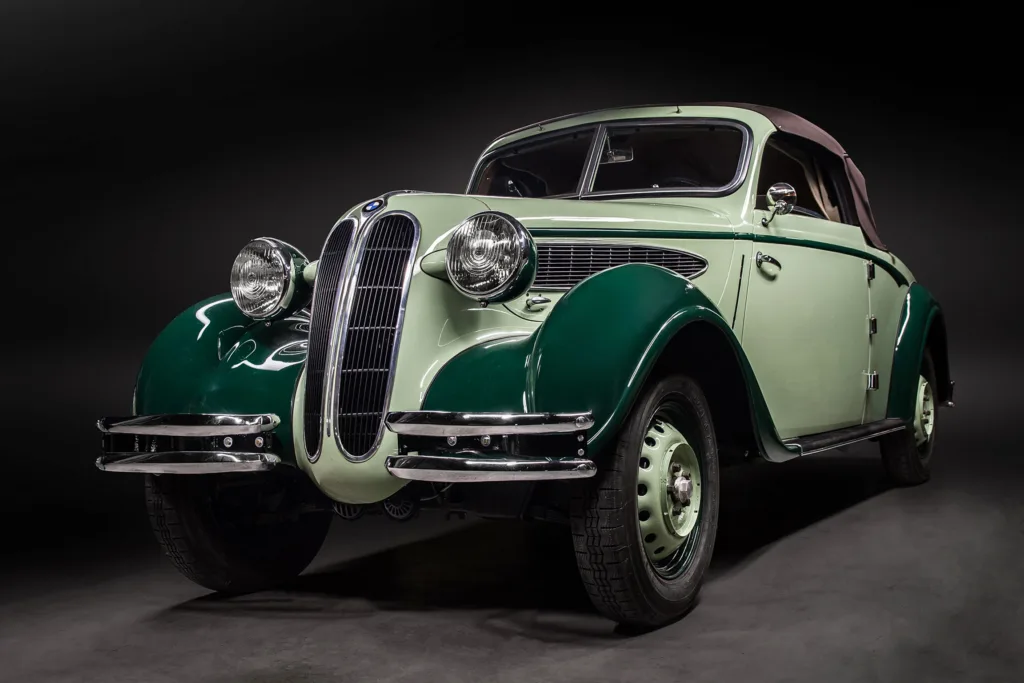
BMW owed its early success to its premium sedans and convertibles, among the most successful of which was the model 326, a comfortable car produced as a sedan, as well as a 2-seater or 4-seater convertible. These larger cars maintained the company’s sporting traditions.
Understanding that success in aviation reinforced the reputation of its cars, the company pondered how to remind the public that these two spheres were interconnected, which is also evident in this advertisement (6:17). Eight years after entering the automotive market, BMW released the fastest production sports car in its class, the 328 roadster, a true avant-garde of that era.
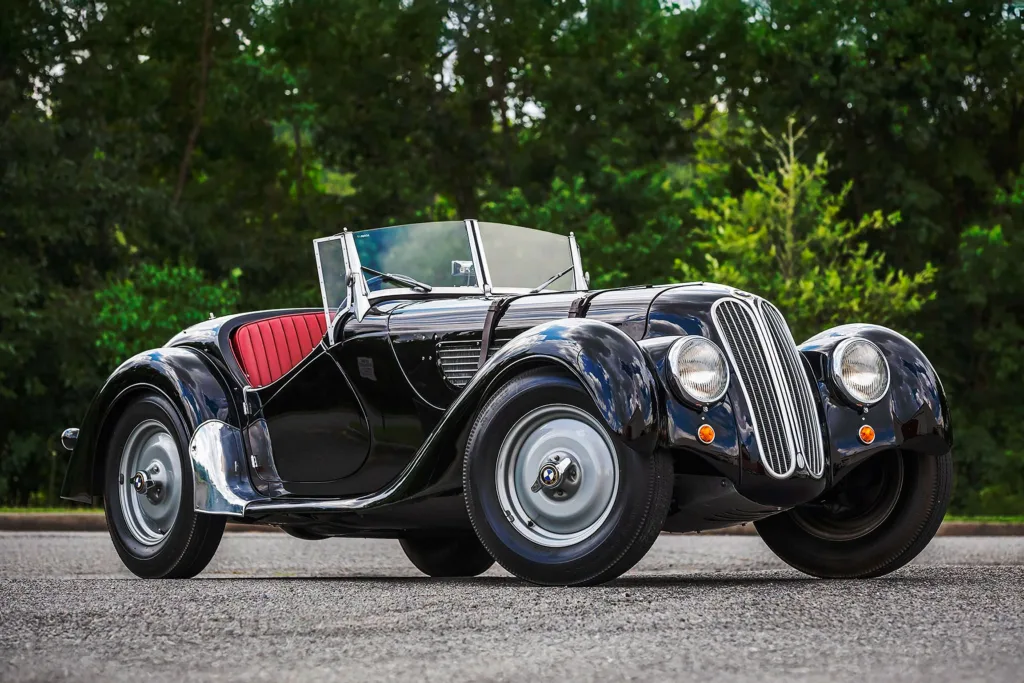
It featured a tubular frame, a six-cylinder engine with a light alloy cylinder head, a completely new valve mechanism, and three downdraft carburetors. The car revolutionized the world of sports cars. A special version of the 328 model, the “Mille Miglia” (named after the famous Italian race), was practically unbeatable on the track.
Now it has become a legend, and given that only three special touring coupés were built, it is incredibly valuable.
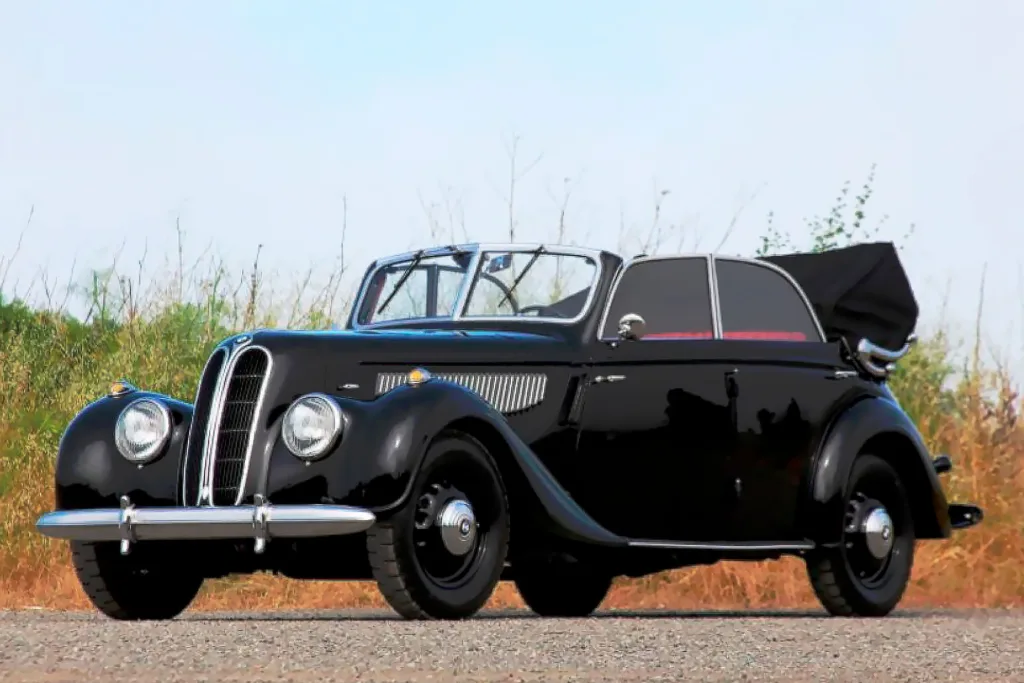
Roadsters were not the only beautiful cars leaving the factory; elegant sports touring cars, such as the model 327, provided wealthy Germans with style, speed, and comfort in the 1930s. Some models offered a streamlined design, from the sportier 321 to the more elegant 335. The 335 model was a refined touring car, the ancestor of modern BMW luxury sedans.
Post-War Revival and the New Class
The start of the war in 1939 forced BMW to suspend car production. The company focused its efforts on military orders; its motorcycles transported soldiers, and its engines lifted planes into the air.
Its status as a main supplier to the German army meant that its factories were primary targets during Allied bombings.
After the war, BMW had to rebuild its enterprises from scratch. Given the shortage of metal and capital, motorcycles seemed the best way to get back on their feet. This strategy helped the company gain momentum, and by 1951, the second post-war model, the R51/3, was ready. It was a reliable and economical motorcycle, ideal transport for a country that was recovering. With the rise of the economy, the need for transport for growing families also increased. Motorcycles with sidecars were suitable for couples, but the company’s future lay in resuming car production.
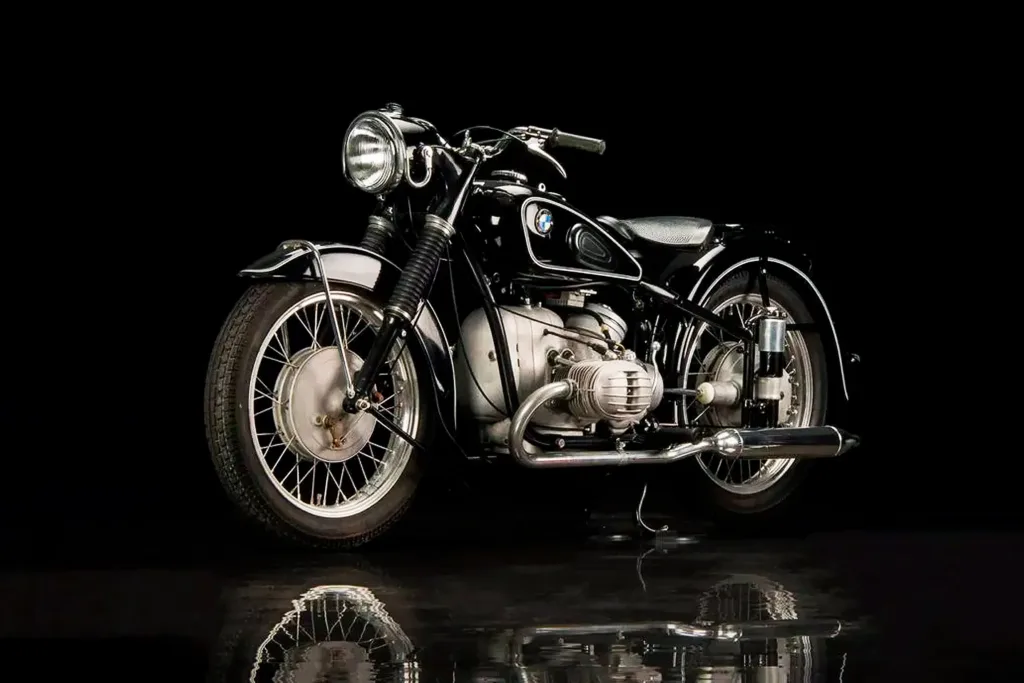
This happened in 1951 when BMW took the first steps, moving away from exclusively producing motorcycles. Its factories were already running at full capacity, and the company was ready to release its first post-war car.
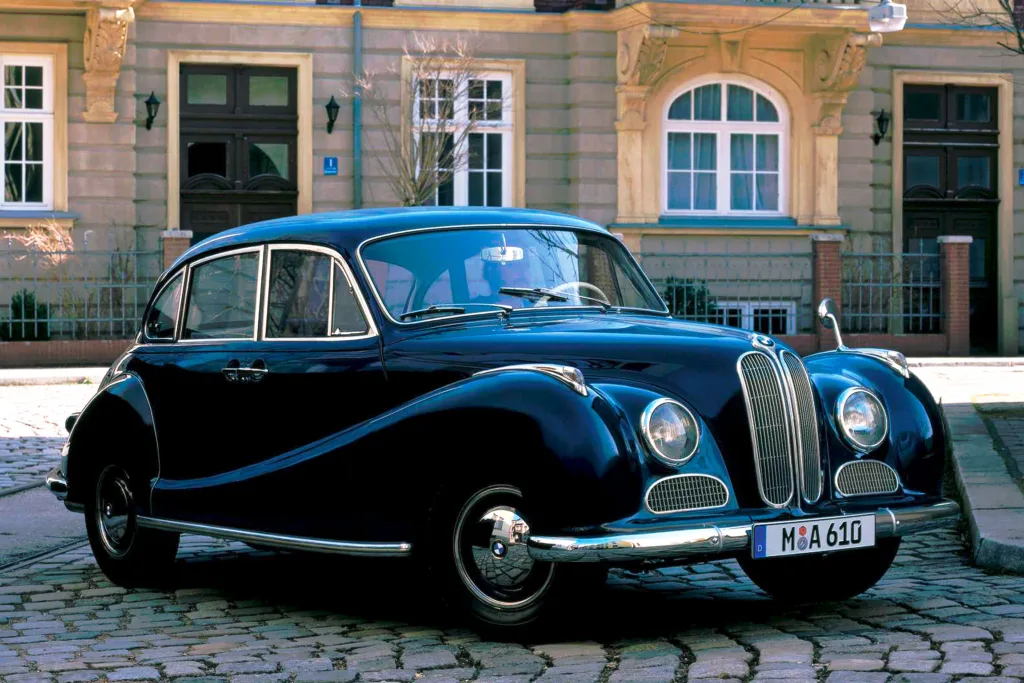
The 501 model was very conservative both externally and technologically; the body was mounted on a heavy chassis with a low-powered six-cylinder engine based on a pre-war design, and the car did not achieve success.
Having received an eight-cylinder engine and the index 502, the heavyweight sedan became sold better. The 1954 engine, the first post-war German eight-cylinder engine, ran powerfully and smoothly. It was the first mass-produced engine in which both the cylinder head and the block were made of light alloys.
In the mid-1950s, BMW stunned the automotive world by releasing the magnificent coupé and cabriolet models 503 and 507. Their creator was Albrecht von Goertz, who later designed the Nissan 240Z. The press claimed that BMW had managed to beat the Italians on their own turf. These stylish cars were too expensive for most people; only 252 examples of the 507 model and 412 of the 503 were assembled from 1956 to 1959. A few lucky people became owners of some of the most beautiful BMWs in history.
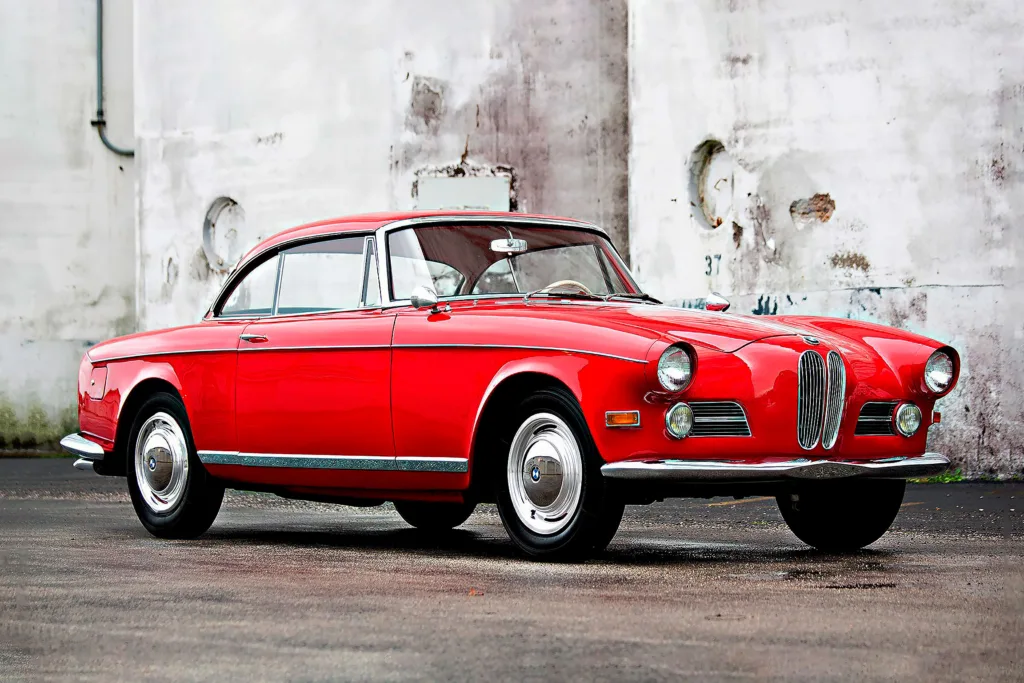
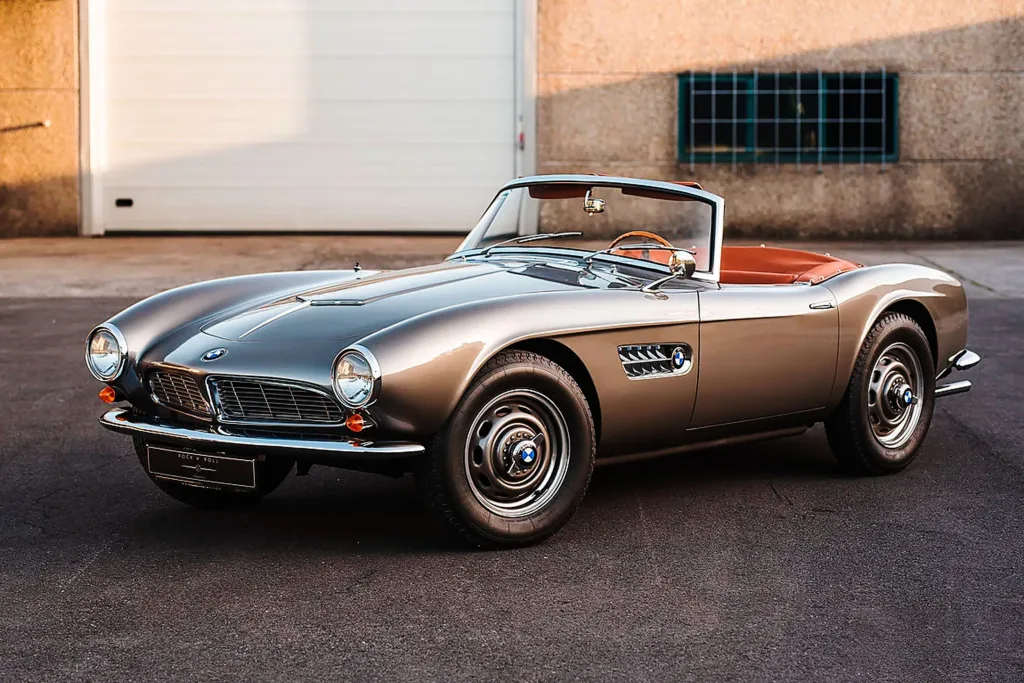
Most Germans could not afford the 507 or 503 models but dreamed of switching from public transport to their own car. However, finding a comfortable, affordable car was not easy.
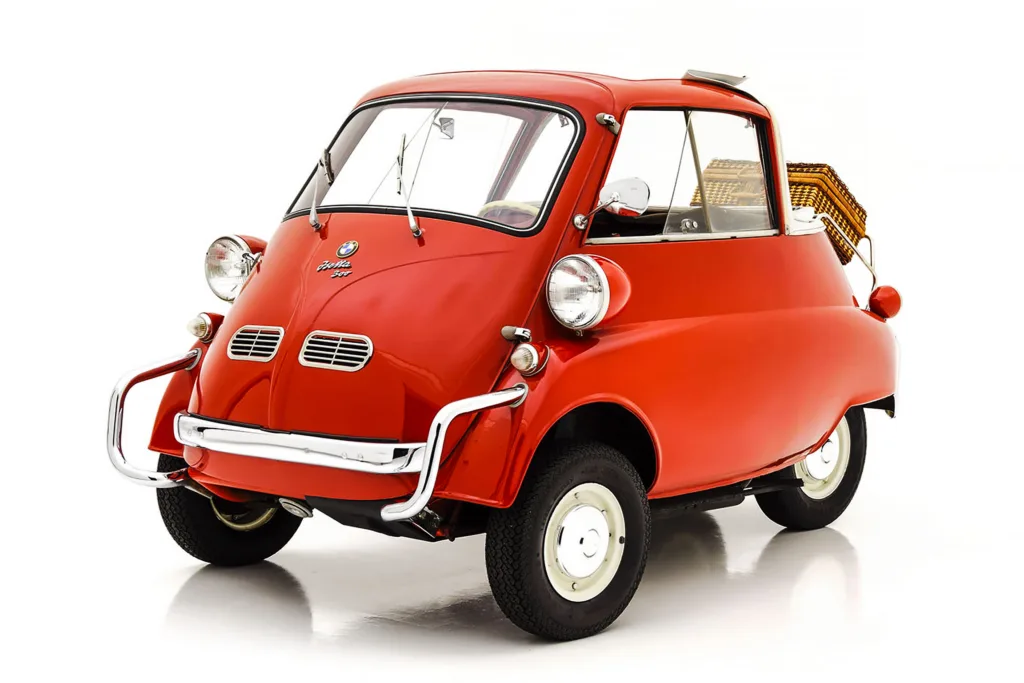
BMW offered its solution: in 1955, the factory entered into an agreement with an Italian company and launched the Isetta (licensed from Iso Rivolta) onto the market.
It was an unusual car with a single door located at the front and an engine of 250 or 300 cubic centimeters. This car offered a gradual transition from two wheels to four.
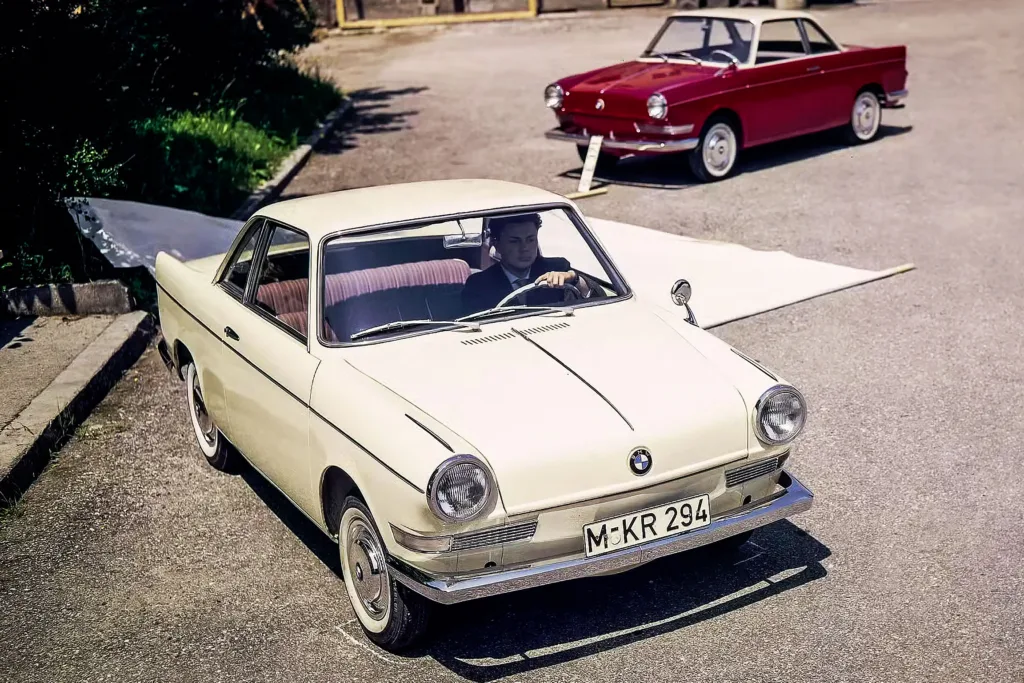
Small cars continued to occupy the minds of BMW management, and in 1959, the 700 model appeared. This model was a testament to the company’s success; it was the first post-war BMW to become a sales leader. It laid the foundation for the company’s development. Coupé versions with 40 hp became a serious force in racing, while customers were attracted by the comfort and rich equipment. The brand was moving in the right direction.
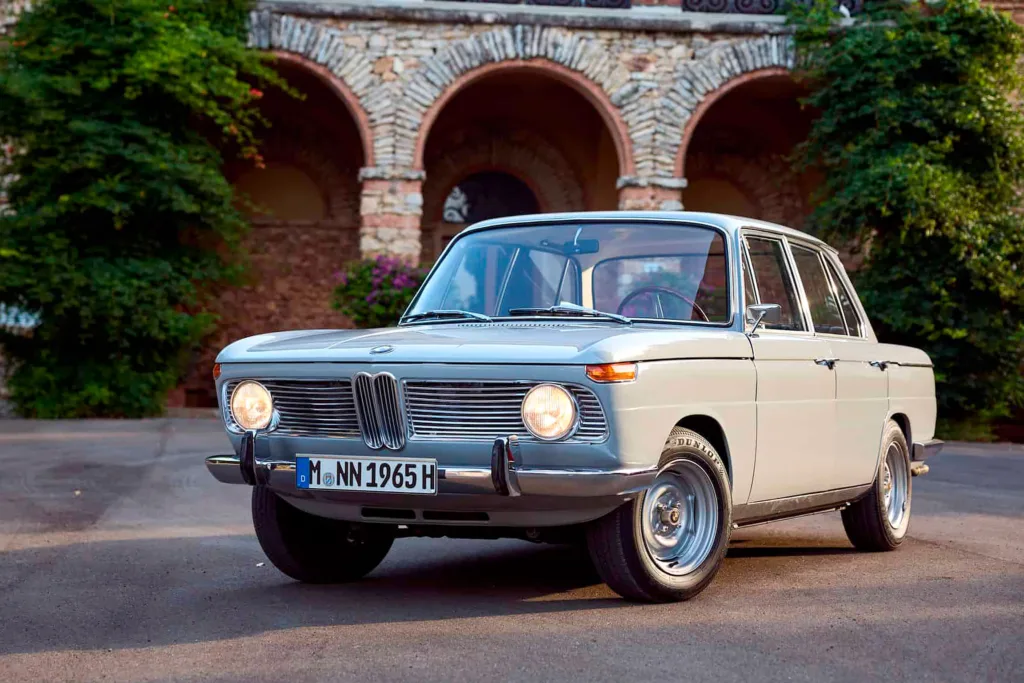
The main breakthrough occurred in 1962 with the release of the completely new 1500 model. The sporty lines of this four-door sedan immediately made it a hit; demand far exceeded production capacity. The 1500 model became the first of the so-called “New Class” (Neue Klasse) cars, later joined by many different versions.
The current BMW 3 Series are the direct descendants of this model.
A more powerful variant of the car with a 1.8-liter engine, the 1800 model, was introduced in 1963. Although speed remained paramount, many companies were increasingly concerned about safety. BMW meticulously tested its cars in races and rallies all over the world. BMW fought rivals and won on the winding roads of the Monte Carlo Rally. It participated in the 12-hour race on the famous Nürburgring, where victories were achieved both in its class and in the race overall.
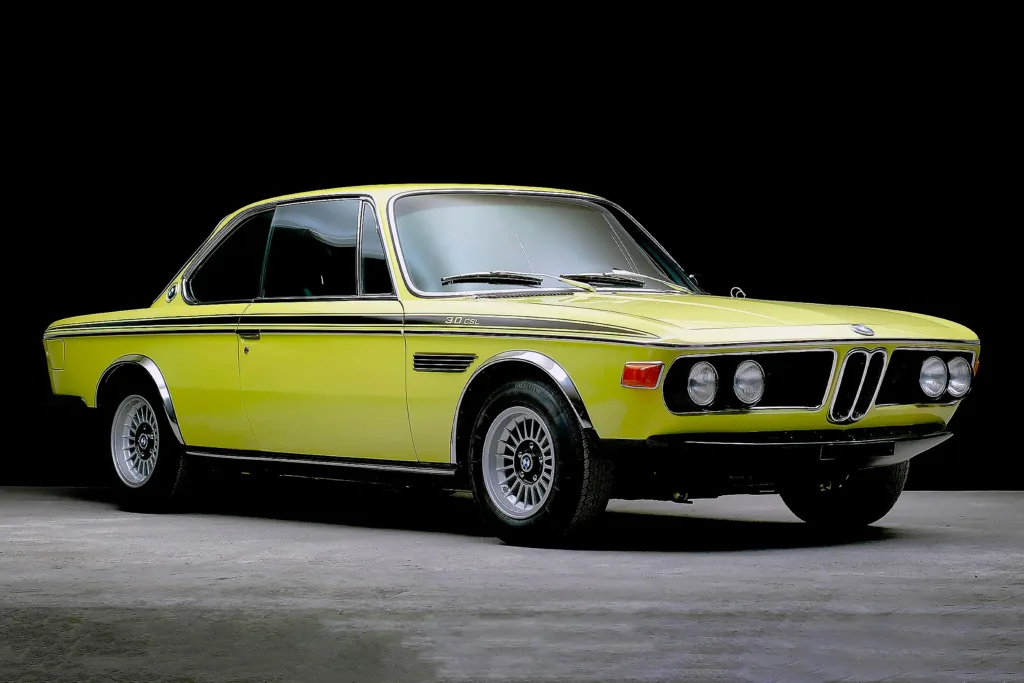
In 1971 (not 1970), the company released another future winner, the 3.0 CSL (“Coupé Sport Leicht”) model. This larger, more powerful coupé produced 200 hp and accelerated up to 219 km/h in its factory version. The CSL dominated races on the international arena throughout the decade.
In the 1970s, to remain a leader in the automotive industry, expansion was necessary. BMW built a new company headquarters and a new factory with modern production technologies. The new models clearly reflected the company’s philosophy. BMW was not only engaged in cars; it continued to produce motorcycles.
This direction was extremely important in helping to create fast, maneuverable cars.
It was believed that a company producing both motorcycles and cars inevitably transferred the behavior of motorcycles to cars, making them fast, balanced, and responsive to drive—exactly what the engineers were striving for in their machines.
Motorsport and Technological Vanguard
Racing was also considered an important direction; a car that succeeded on the race track sold well. This is what racer Brian Redman says:
“BMW participates in races to show the speed of its production cars, to create a sporty image for the BMW brand. BMW gives its cars a sporty feel. I don’t know if you hear this noise in full measure, but this is real hell here”.
BMW tried to attract engineers who loved the cars they created and drove them themselves. The idea was that someone who loves to drive would design a car specifically for the driver. In 1978, the subsidiary BMW Motorsport prepared a surprise for all drivers: the M1, a stunning sports coupé.
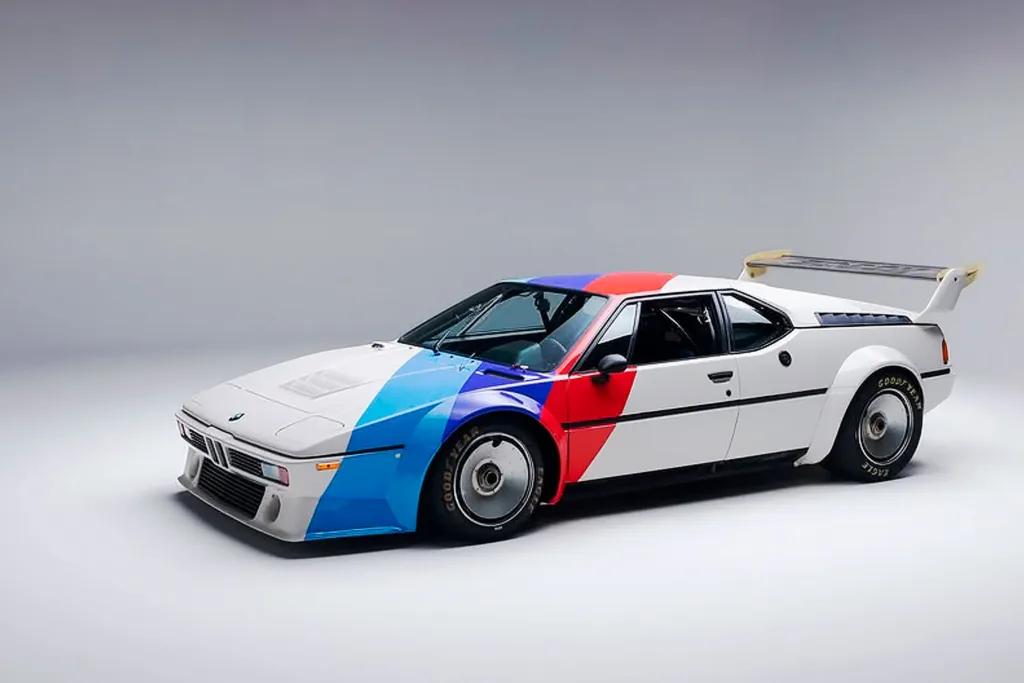
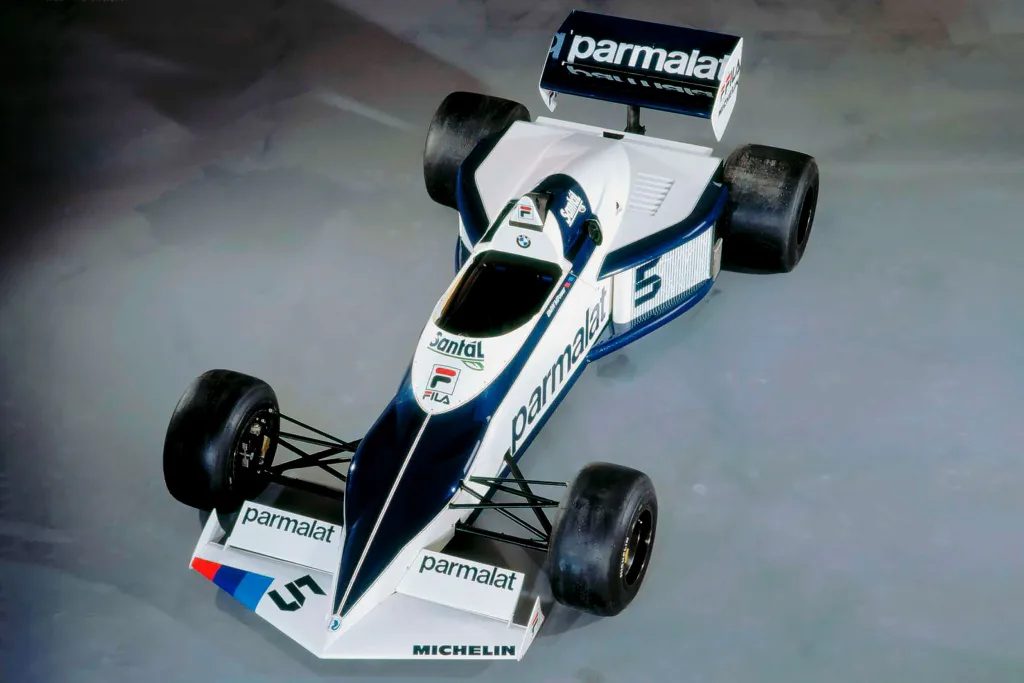
It was equipped with a 277 hp engine (not 262 hp) located in the middle, a steel tubular frame, and a plastic body. The M1 demonstrated its sporty nature in the Procar series, which was created specifically for it. BMW also sought to confirm its capabilities in the premier class of racing, Formula 1. In 1983, a team of specialists took the 1.5-liter (not half-liter) four-cylinder engine and transformed it into a monster with up to 800 horsepower (in race trim). It dominated the track, and BMW achieved 9 victories in Grand Prix races.
But victories on the race tracks were not the only important thing. In 1987, the company adopted an ambitious program to create a new research and technology center that was supposed to define the future of the automotive industry. One of the most important areas was safety; new crash tests and handling tests were applied in the work on the cars to ensure it. Of course, design was also important.
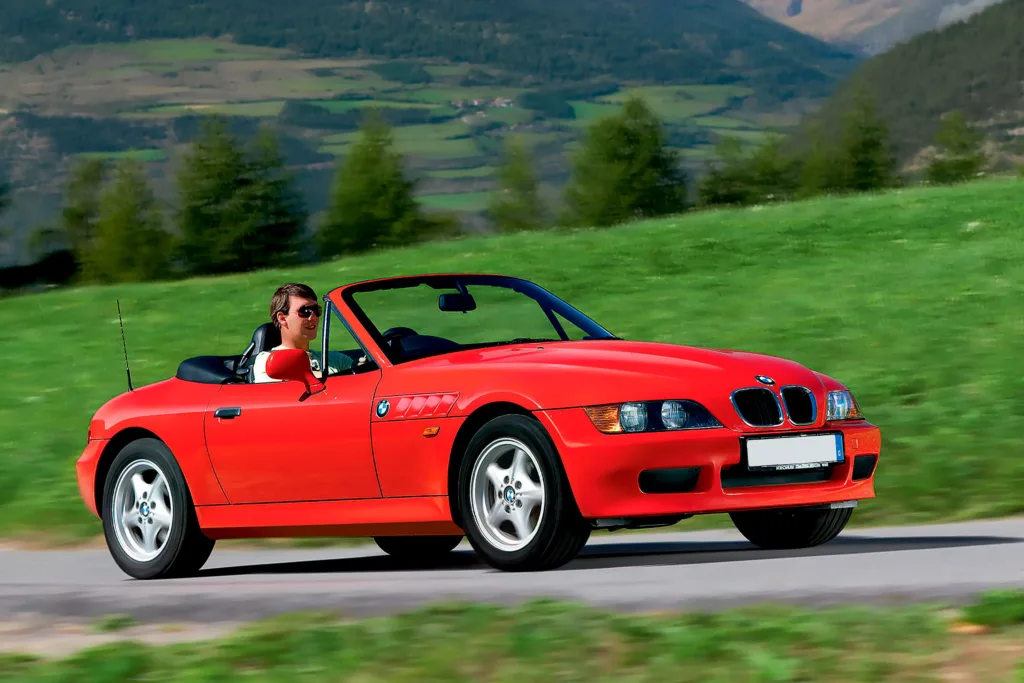
Although BMW was famous for its sedans, the company was ready to launch its first roadster since the 1950s, the Z3.
Its stylistic accents hark back to the 507 model. While sales of the 507 were low, the success of the Z3 exceeded all expectations. The Z3 became the first BMW model assembled at the company’s new North American plant in South Carolina (not Southern California).
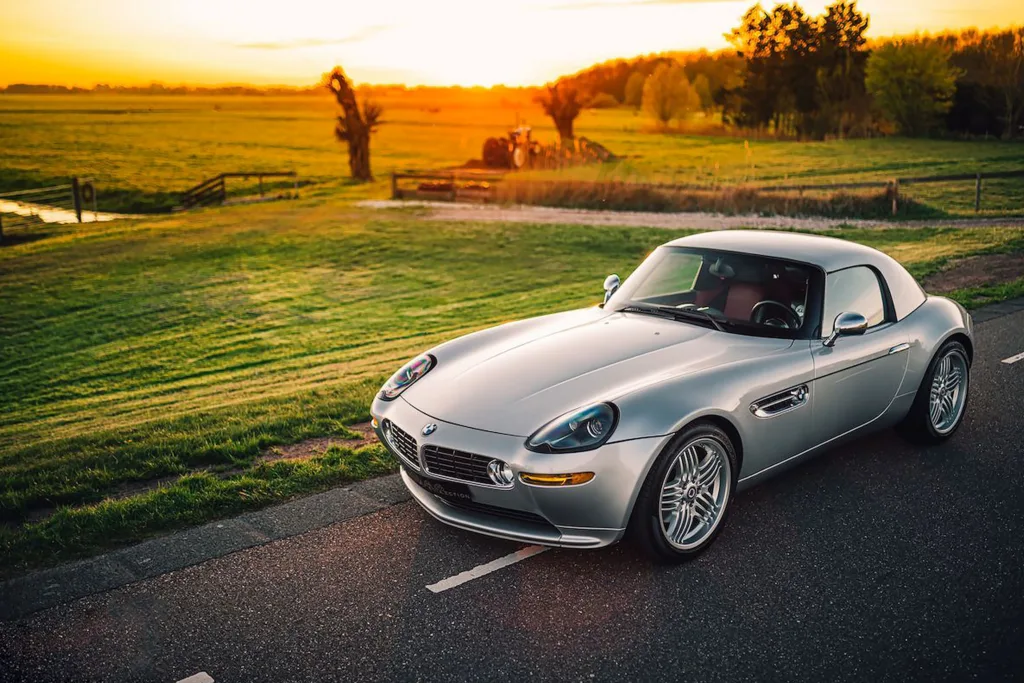
In 1999, at the Frankfurt Motor Show, the 400-horsepower two-seater roadster Z8 was presented. The Z8 was initially just a concept, but then the public received it with such enthusiasm that it was launched into production. It was an image model for the company that could compete with more expensive brands; its production continued until 2003.
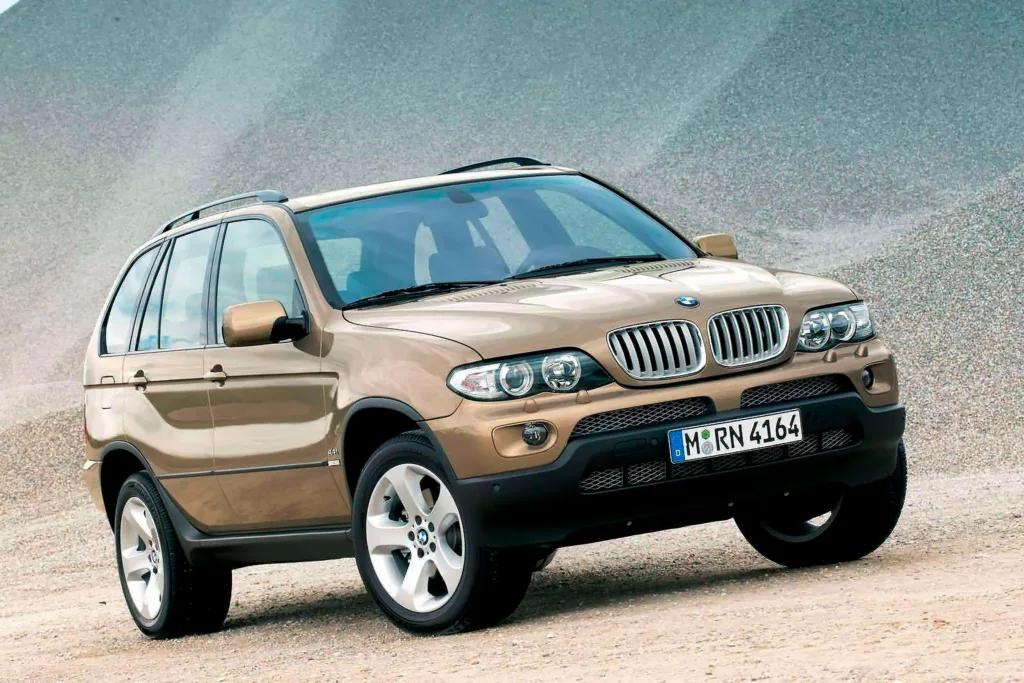
Expansion continued with the release of the X5 model, the company’s first SUV (or SAV – Sports Activity Vehicle). Although the SUV market was already crowded, the X5 offered the owner the feeling of driving a real BMW combined with off-road qualities and luxury.
The success of this premium car prompted other manufacturers to release similar models.
While many criticized SUVs for high fuel consumption and serious environmental damage, BMW laid the foundation for a future automotive revolution.
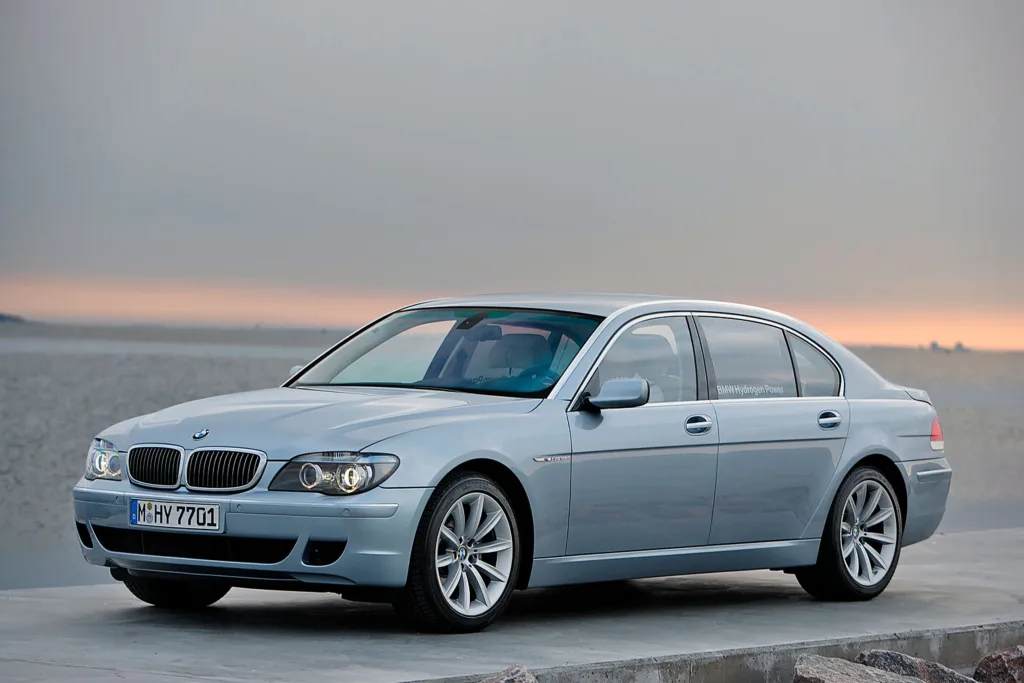
The Hydrogen 7 model (not 750HL) features the world’s first hydrogen internal combustion engine. It uses liquefied hydrogen as fuel, emitting only water vapor during operation. Proponents of this type of fuel believe that it will help stop environmental pollution from exhaust gases.
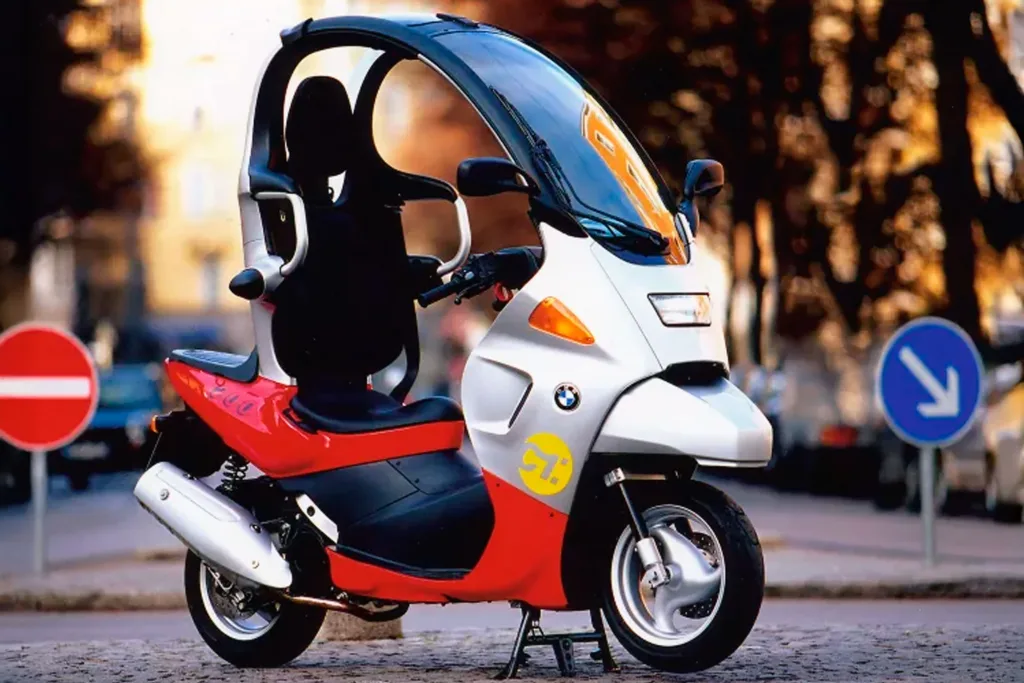
BMW is also developing a new generation of motorcycles. The C1 can be called the safest scooter in the world; it is small, light, maneuverable, and equipped with a unique enclosed aluminum body and safety belts. This egg-shaped motorcycle offers the maneuverability of a scooter with enhanced rider protection.
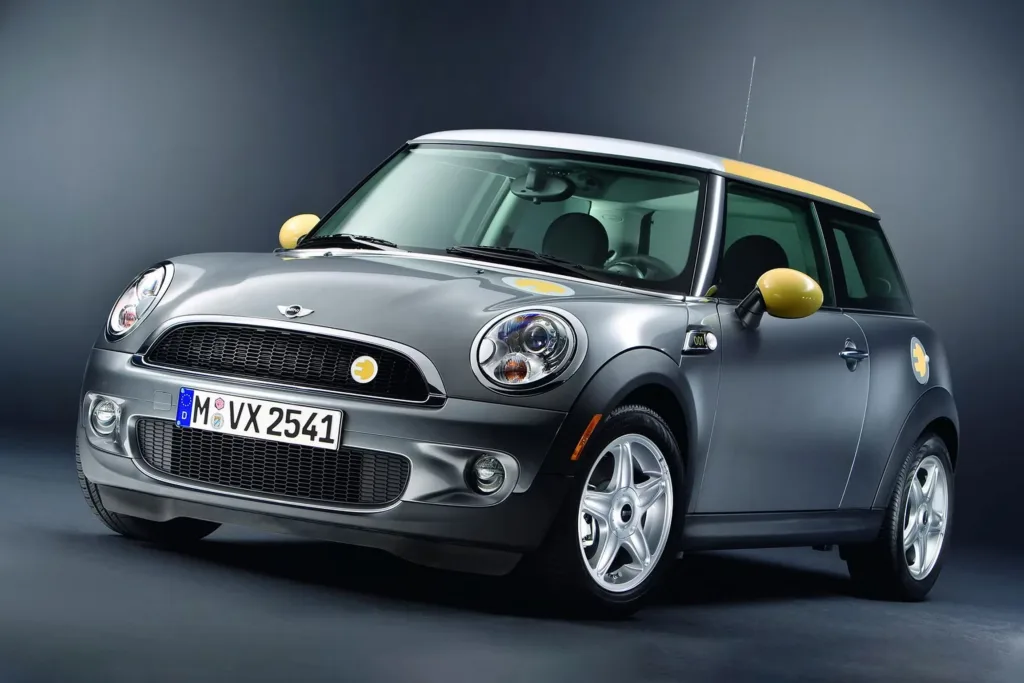
But BMW is not only opening up the future; the company is also reviving the past by releasing the new MINI model. Originally produced in England in the 1960s, the original MINI became a favorite of many and a legend of automotive history. The new car was intended to appeal to MINI fans and win new customers.
Some considered the release of the MINI a strange choice for a company famous for premium sedans, but there was logic in this decision: BMW entered the car market with the Dixi and opened up the Isetta for Germany.
The modernized MINI in the BMW version provoked “MINI-mania.” In an era when many companies competed in the SUV segment, the MINI went against the grain.
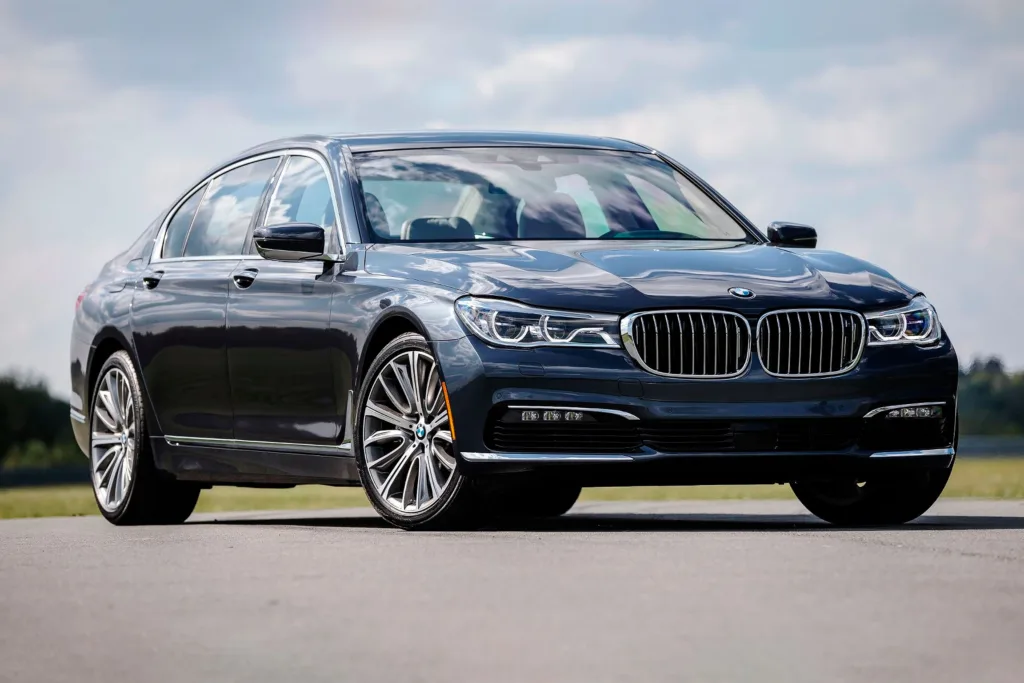
No matter the size of the car the company produces, BMW always remains true to its principles: it creates fast and responsive automobiles. This tradition unites all the company’s cars, from the 3 Series sedans and convertibles to the representative 7 Series models (e.g., the 745i). Some decided that the new design of the 2002 (not 2007) Seven Series did not look as elegant as its predecessors, but BMW quickly made adjustments.
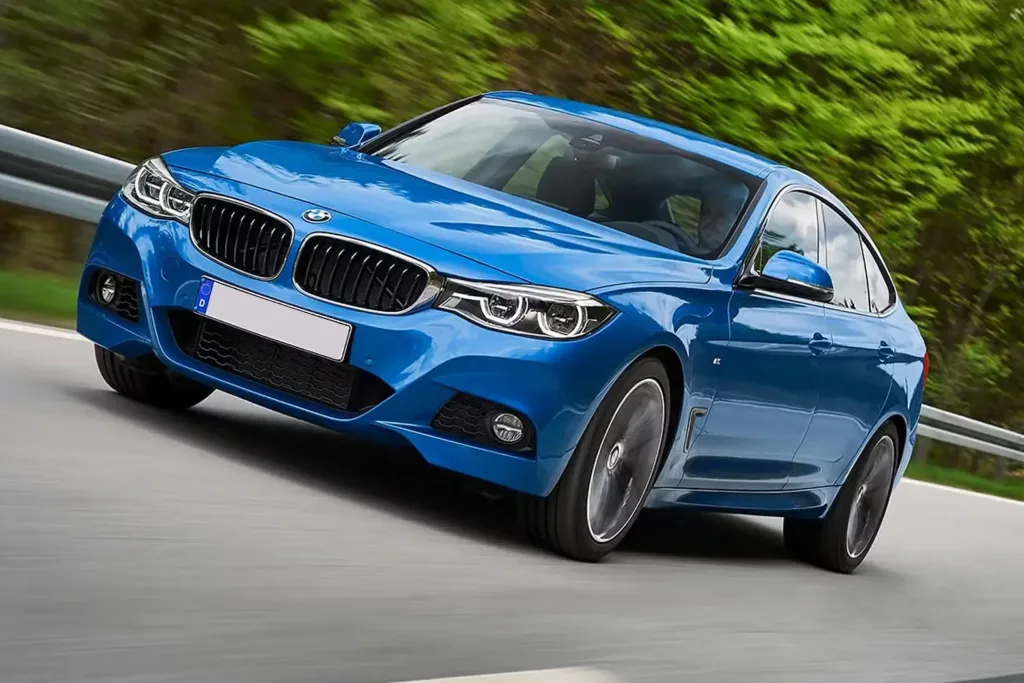
For speed enthusiasts, the company offers amazingly fast cars with the letter “M.” The M3 model boasts a higher-revving engine, sport suspension, improved brakes, and other characteristics that distinguish it from the standard 3 Series “Bimmer.” The electronics of standard cars restrain the horses under the hood, not allowing them to accelerate to more than 250 km/h. And who would need to go faster?
The legacy of the past retains its importance for BMW, and visitors to the company’s factory in Germany can look at the entire range of cars of this brand. It’s amazing, but most of these old cars are still on the move, and the company regularly takes them out on the road as part of the “museum on wheels” exhibition.
Looking to the future while not forgetting the past, BMW continues to create cars and motorcycles that awaken the driver in each of us. This universal message easily overcomes time and space.
The Modern Era: Electrification and Innovation (2007-Present)
The period since 2007 has been defined by BMW’s acceleration into advanced technology, hybrid powertrains, and, most significantly, a large-scale shift toward electric vehicles (EVs).
Efficiency and Performance
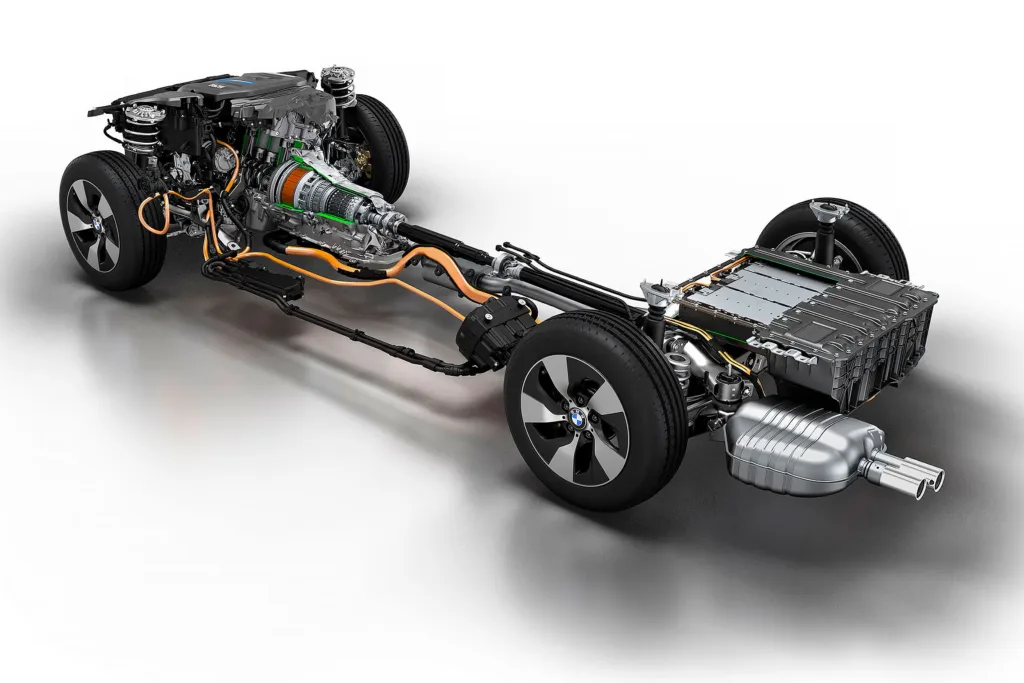
BMW introduced its first mass-produced turbocharged petrol engine in the mid-2000s, with most engines transitioning to turbocharging throughout the 2010s. This marked a major engineering change, prioritizing efficiency and power density. The first production hybrid model, the ActiveHybrid 7, appeared in 2010.
Furthermore, the M division expanded its high-performance models to the SAV segment with the introduction of the X5 M and X6 M in 2009.
The Electric Pioneer: BMW i
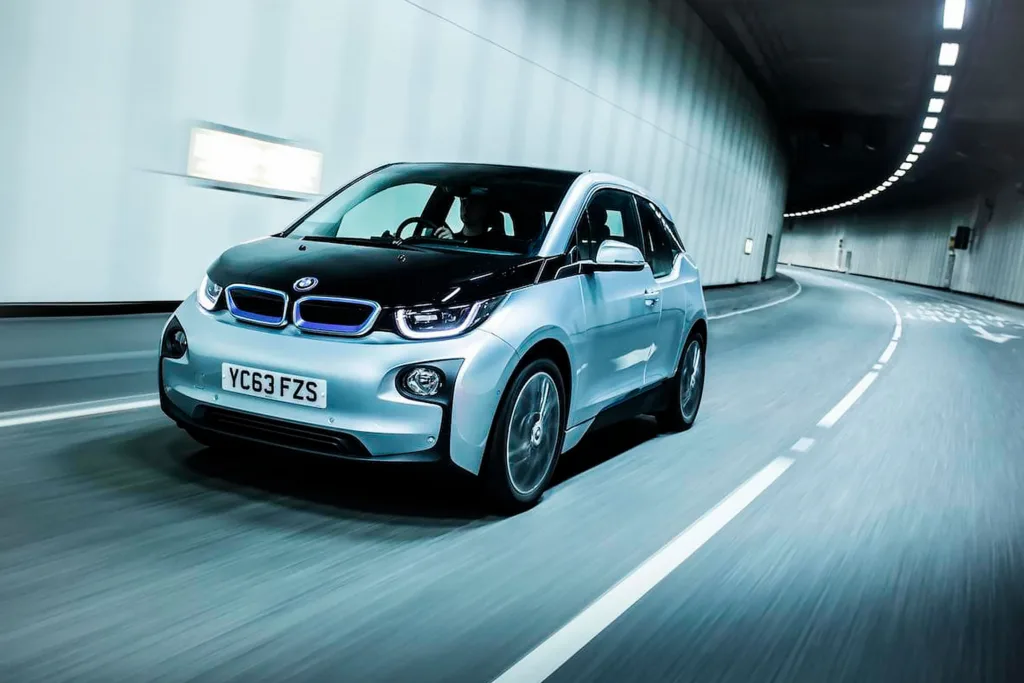
A major turning point came in 2011 with the launch of the BMW i sub-brand, a dedicated division for plug-in electric vehicles and sustainable mobility. This initiative led to two groundbreaking models:
- BMW i3 (2013): A radical, all-electric city car featuring an innovative LifeDrive architecture, with an aluminum chassis and a passenger cell made of lightweight carbon fiber-reinforced plastic (CFRP).
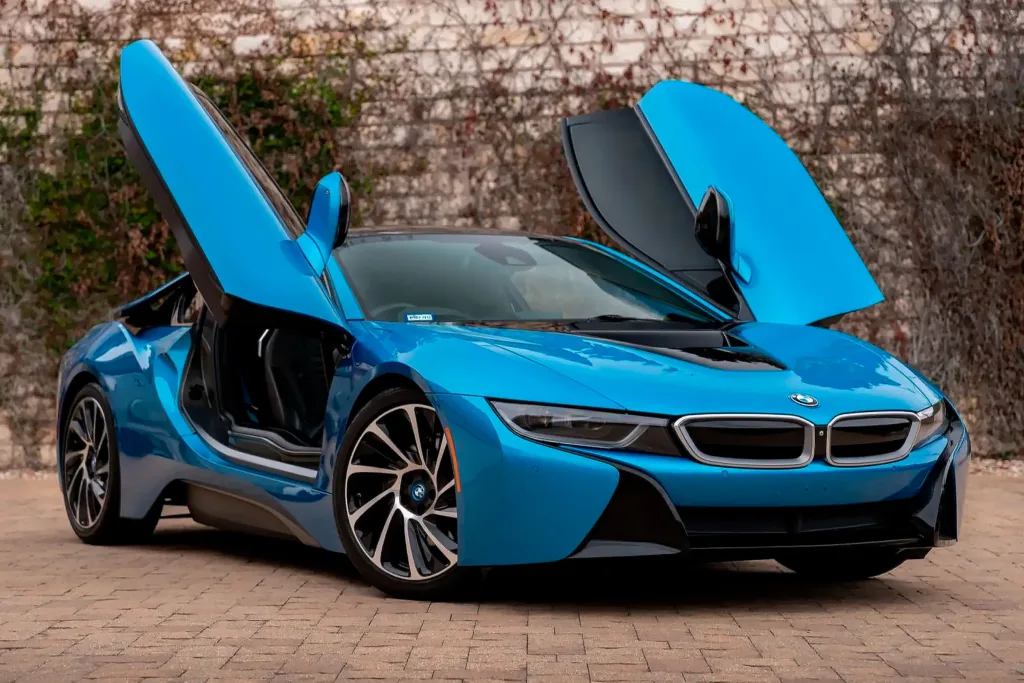
- BMW i8 (2014): A futuristic plug-in hybrid sports car, combining a small turbocharged engine with electric drive for supercar-like performance and efficiency.
Platform and Model Expansion
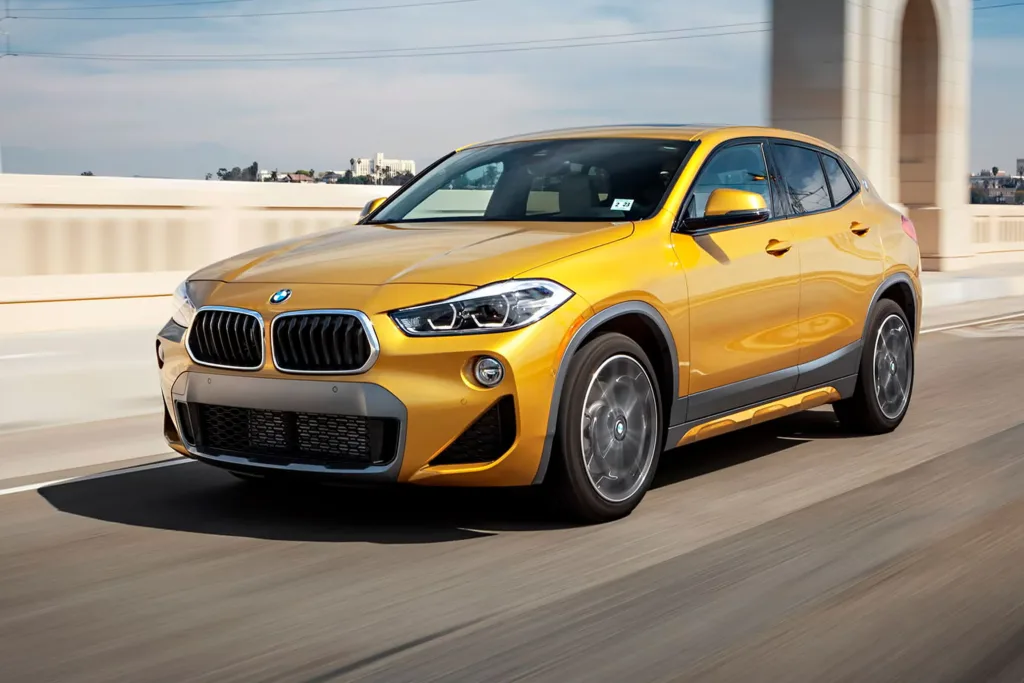
In the 2010s, BMW continued to expand its lineup, notably splitting the 3 Series Coupe and Convertible models into the new 4 Series and creating new coupe-style SUVs like the X4 (2014) and X2 (2018). The company also introduced new technology with its iDrive infotainment system, which evolved into a sophisticated, all-digital interface, culminating in the BMW Curved Display in its newer generations, which relies heavily on touch and voice control.
Full-Scale Electrification
From around 2020, BMW began its second wave of electrification, bringing fully electric variants into its core model lines under the “i” badge.
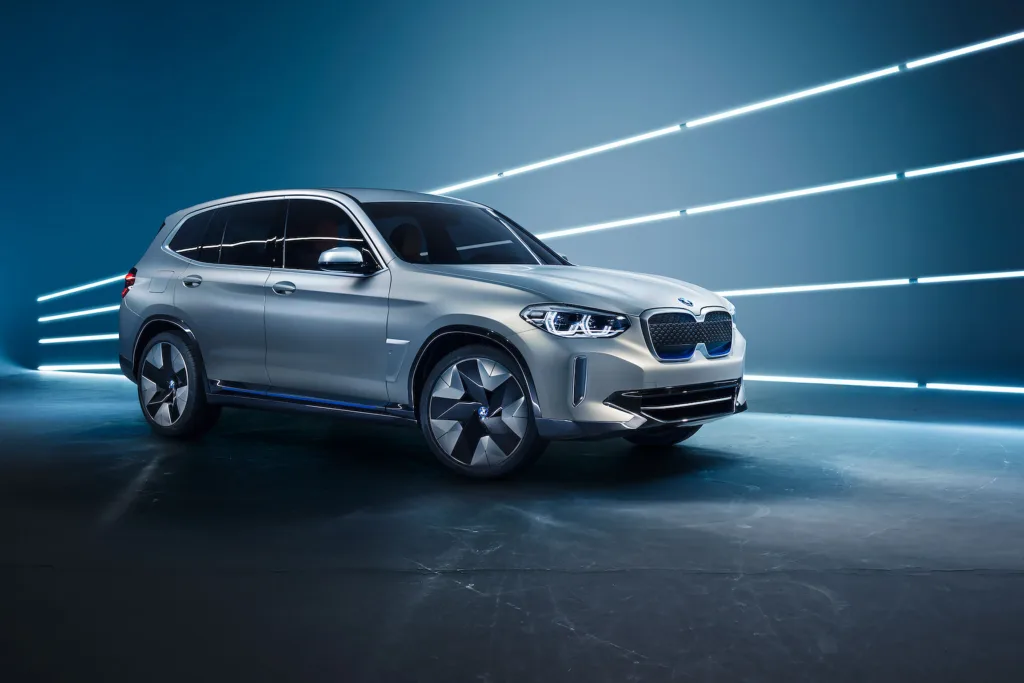
- BMW iX3 (2020): The first all-electric model in the popular X Series.
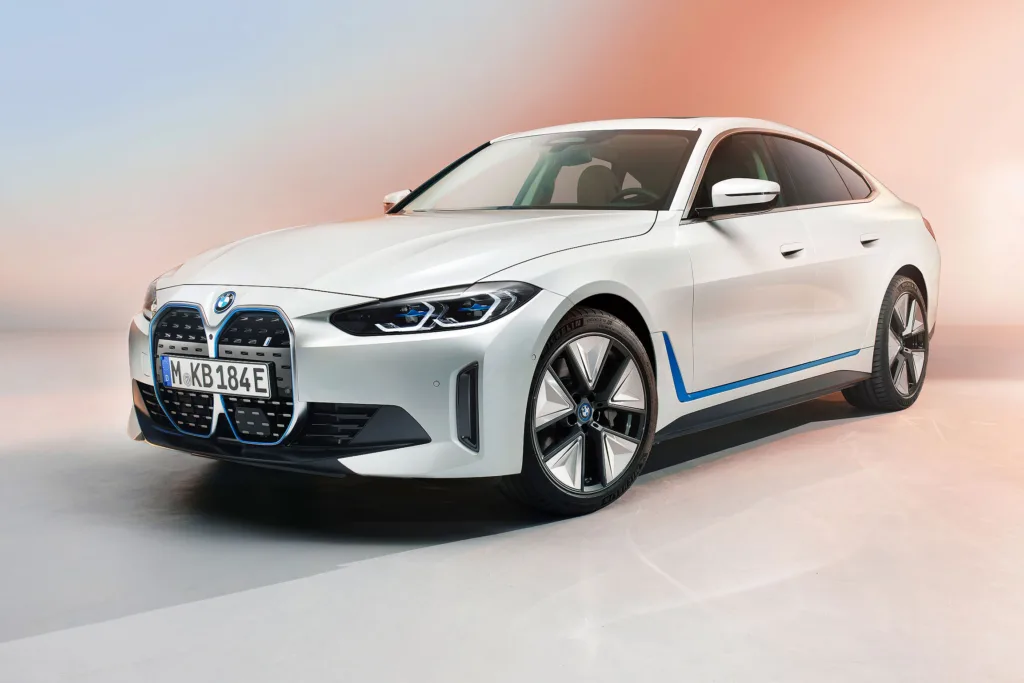
- BMW i4 (2021): An all-electric Gran Coupé based on the 4 Series platform, offering a familiar BMW driving experience in an EV.
- BMW iX (2021): A purpose-built, all-electric flagship SAV, demonstrating BMW’s most advanced design and battery technology.
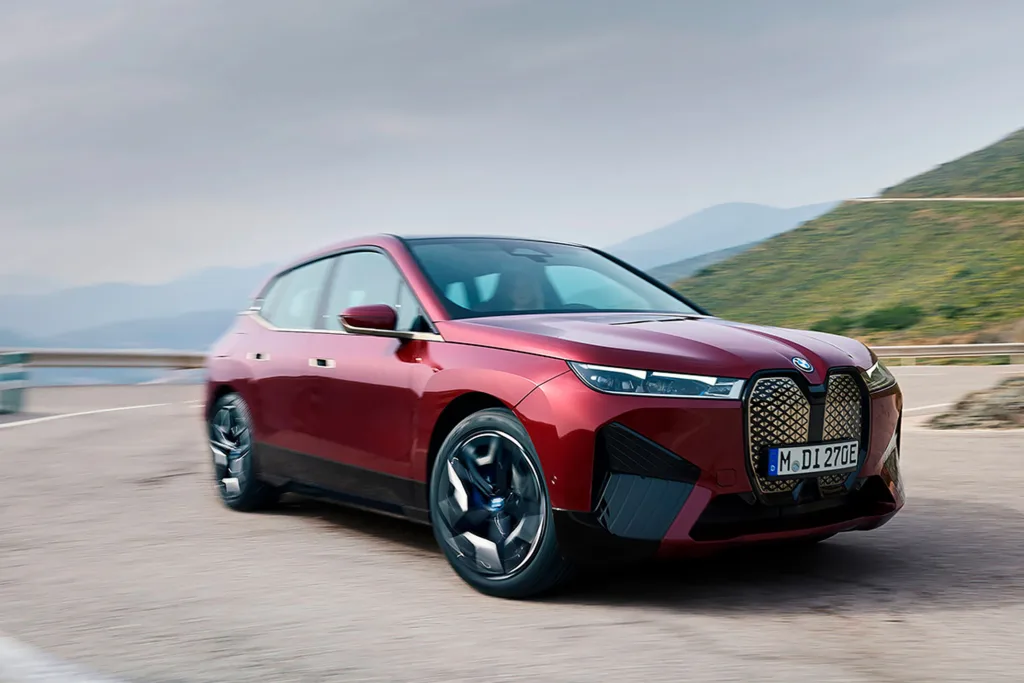
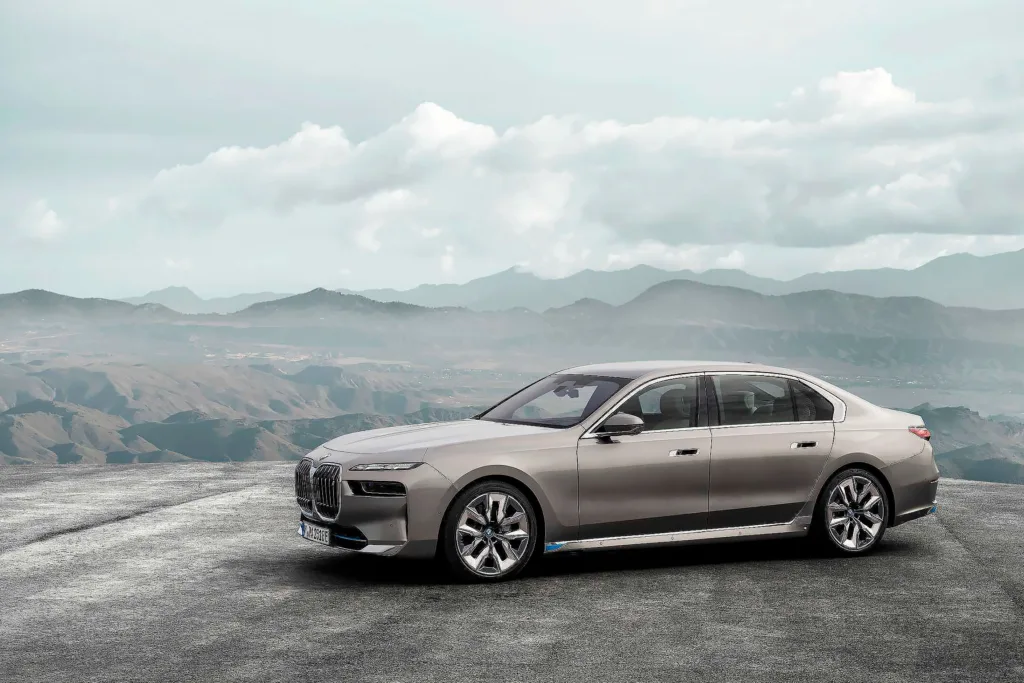
- BMW i7/i5 (2022/2023): Fully electric versions of the flagship 7 Series and executive 5 Series, offering multiple powertrain choices on a single platform.
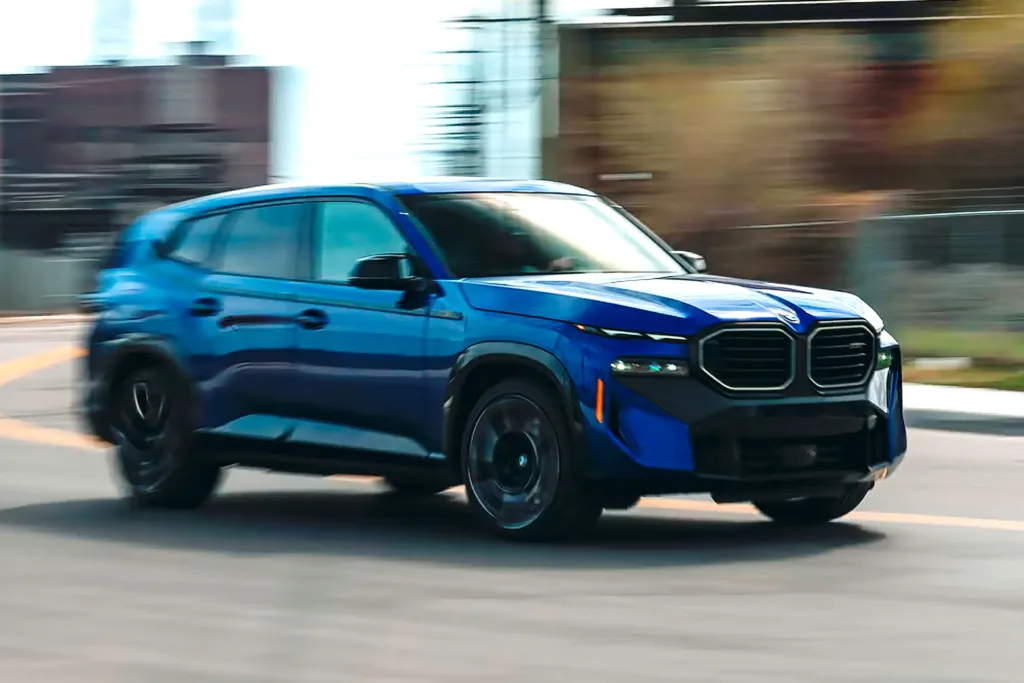
The M division also embraced electrification, introducing high-performance hybrid models like the XM (2022) and the plug-in hybrid M5 (2025), alongside fully electric M-performance models like the i4 M50 and iX M60.
These developments underscore BMW’s commitment to maintaining its core value of dynamic driving pleasure while transitioning to a sustainable and electric future.


Functional Always active
Preferences
Statistics
Marketing