
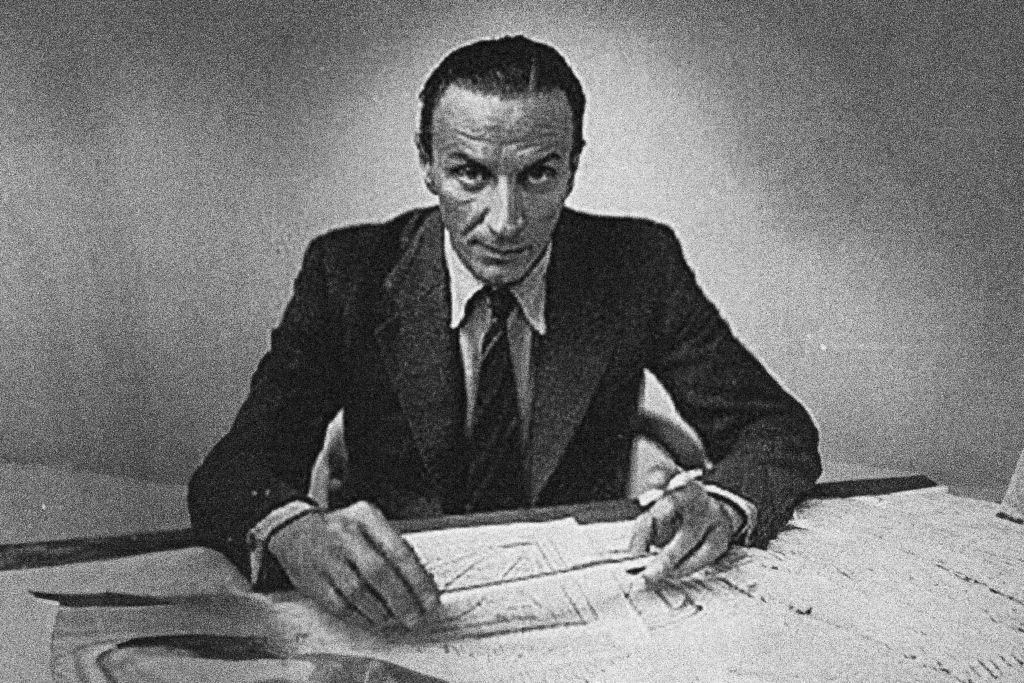
MINI looks as young as the day Sir Alec Issigonis first made his sketches on a restaurant tablecloth. For four decades, it has become an icon. This symbol of rebellion and fun first appeared in the early 1960s, but the MINI’s journey is far from over.
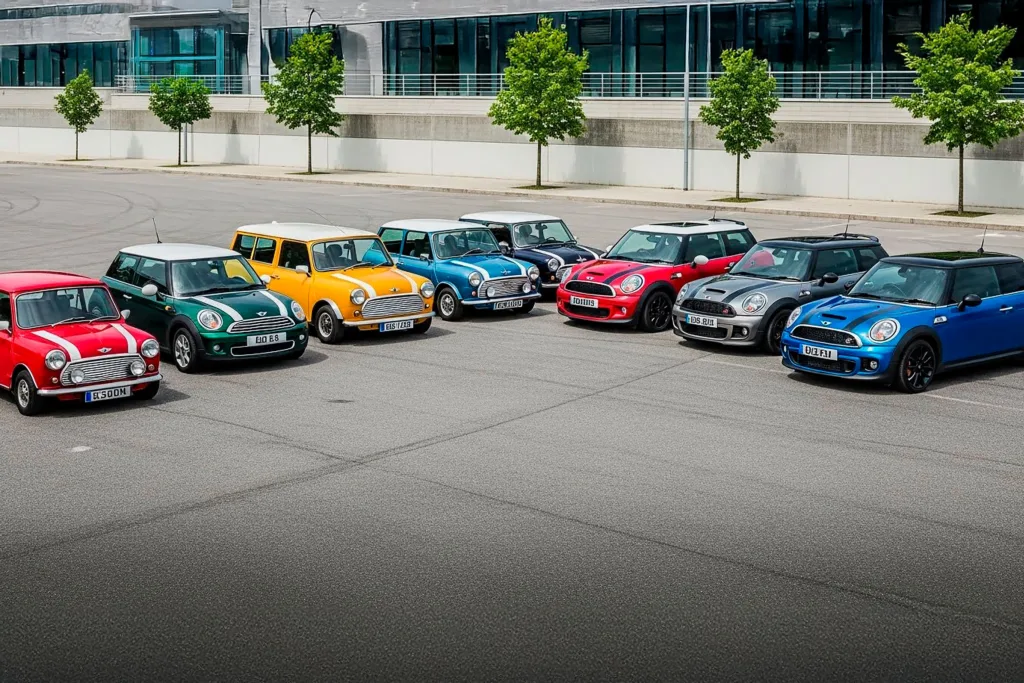
In the era of SUVs and overly luxurious sedans, the MINI goes against the grain. MINI fans believe that small is beautiful, and moreover, it’s a great drive. There is no other car quite like the MINI. This small car looks perfectly at home in a densely populated city and is just as suitable on the highway. The new MINI was created with the intention of preserving the spirit of the classic: it had to be agile, responsive, and offer the joy of driving under all conditions.
Origins and Revolutionary Design
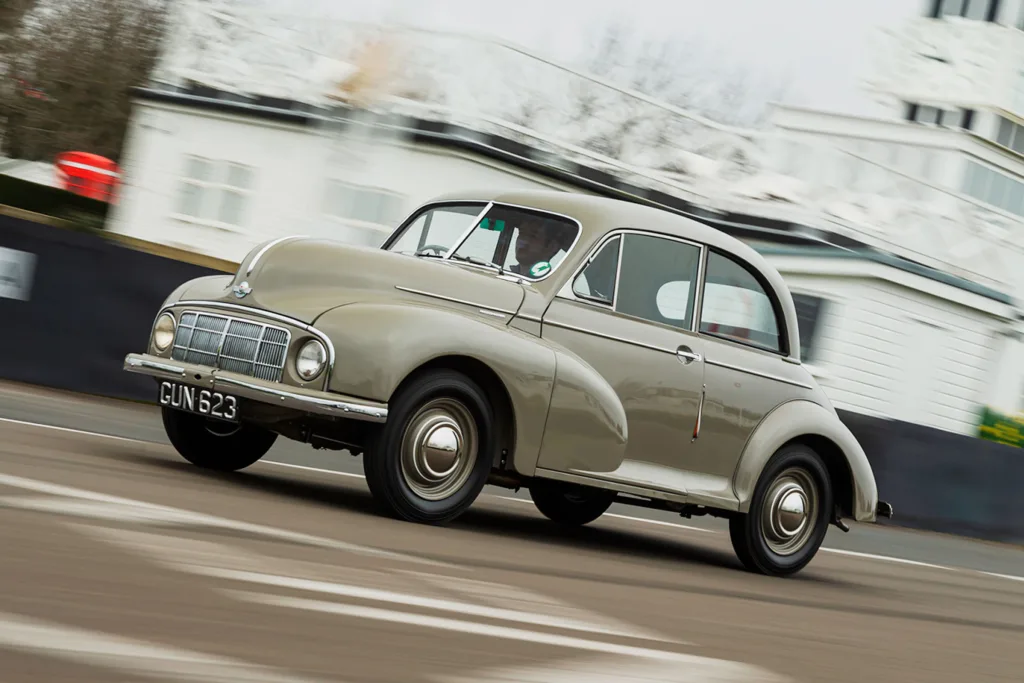
The spirit of the MINI has its roots in the 1920s, when families who could not afford larger cars bought Austins. Subsequently, Austin merged with Morris, forming the British Motor Corporation (BMC). The Austin Seven and the Morris Minor paved the way for the Morris Minor (launched in 1948). The car was extremely successful: it was unpretentious, reliable, and inexpensive, which was exactly what post-war Britain needed. Thanks to it, the country was back on wheels.
These robust cars were built for city life, but when traffic congestion in the streets of London began to increase, there arose a need for an even smaller car. Alec Issigonis, who developed the Morris Minor, had an idea:
“The easiest way to beat the competition is to design a car so unusual compared to others that it automatically becomes a status symbol.”
Issigonis was a brilliant designer who took on the task of creating a car with an incredibly spacious interior but small body dimensions. No one had done this before. His team was determined to comfortably accommodate four people in a daring, vibrant car.
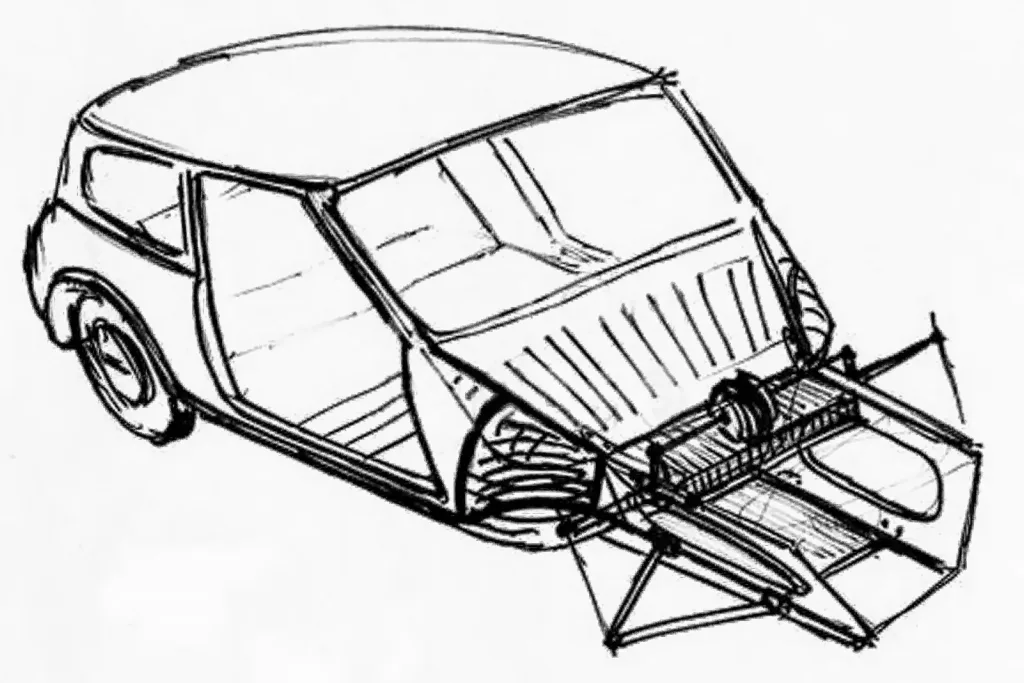
Their main innovation was the transverse arrangement of the engine. The transmission was shifted under the engine (an integrated design). Front-wheel drive allowed the floor to be flat, increasing the size of the cabin. Independent suspension on all four wheels, using rubber cones instead of steel springs, improved the car’s handling. The car’s interior was amazingly spacious; in the tiny body, there was enough room for four adults. It was a revolutionary car.

Brilliant engineers worked on it, hoping to create a miracle car. They assembled a prototype to test their ideas in practice. When all the parts were manufactured, testing began. A nearby airfield was turned into a test site, and the prototype was subjected to a series of tests. Thanks to the rack-and-pinion steering mechanism, the turning radius was only 4.5 meters, which was convenient for parking. High-speed tests helped evaluate the hydraulic brakes. Tests on rough surfaces allowed the new rubber suspension to be checked. Drivers stated that the car passed the tests honorably.
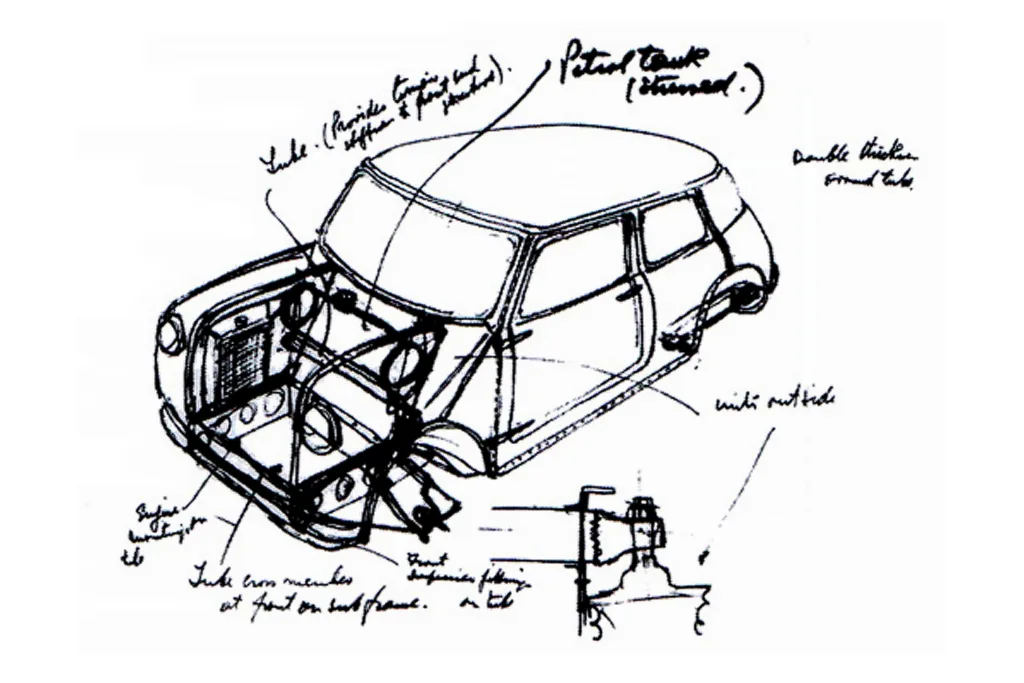
It was time to launch it into production. The assembly was as unconventional as the car itself. Small bodies were assembled on specially designed equipment, not on a moving conveyor belt. The frame was welded together piece by piece. After assembly and before painting, the body underwent a thorough inspection. It was a slow and meticulous process. The completed parts began to resemble a car and were ready for painting.
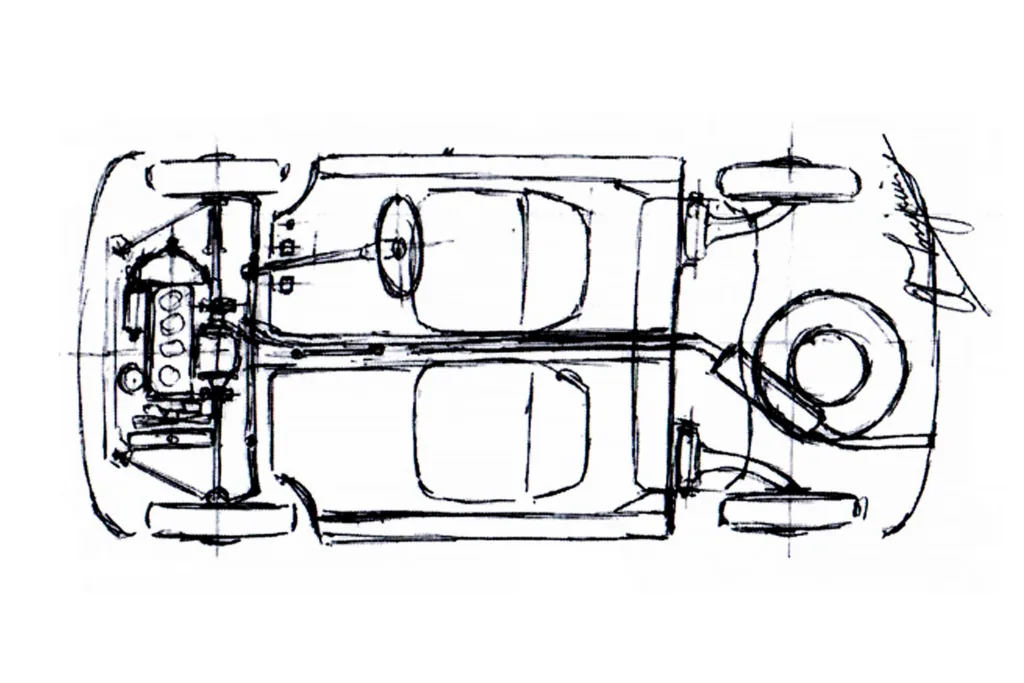
Every member of the assembly team knew their duties. The emblem, then the speedometer, and finally the radiator grille were put in place. The car began to take shape. The finished body was ready to be mounted on the frame with the power unit. This apparatus already looked more like a car that could drive. The incredible car became a reality; it existed in two variants: the Austin Seven and the Morris Mini Minor. But the question arose whether anyone would need such a tiny car, and tension grew within the company.
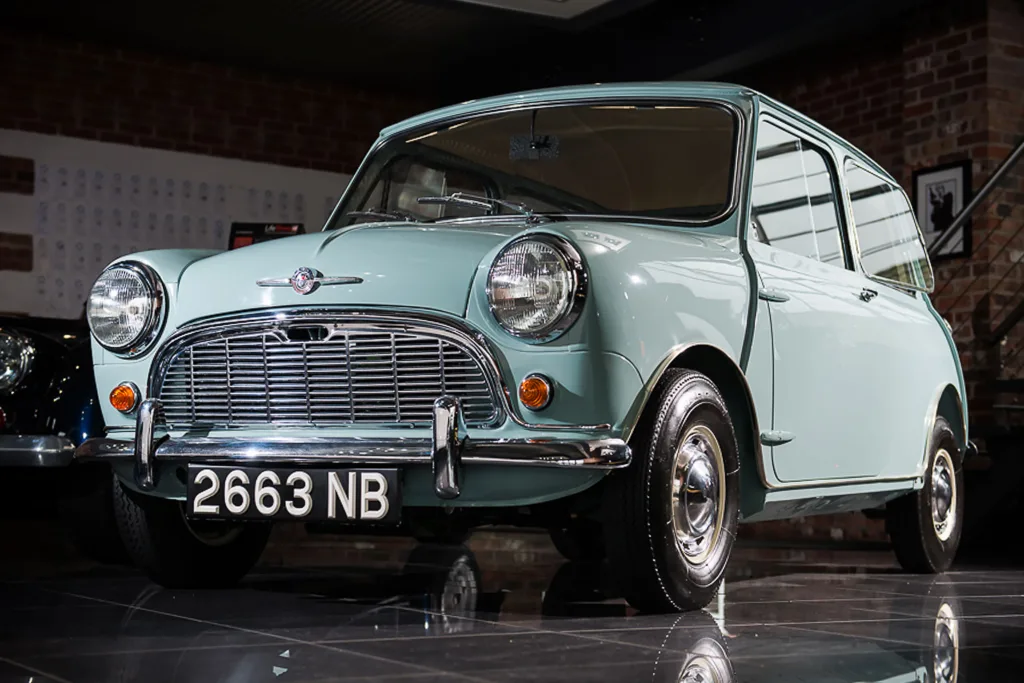
Public Debut and Racing Success
The press first saw the MINI in 1959. No one knew what to expect; it was too unusual. Journalists were intrigued but perplexed. Issigonis was ready to answer all questions and explain the ideas behind the radically new car. Everyone wanted to get behind the wheel and assess the car’s handling. For the press preview, the company prepared a private test track in Surrey. Journalists started at certain intervals so that they had enough space to check the responsiveness of the steering and speed. The staggered start also helped avoid collisions between overly enthusiastic journalists.
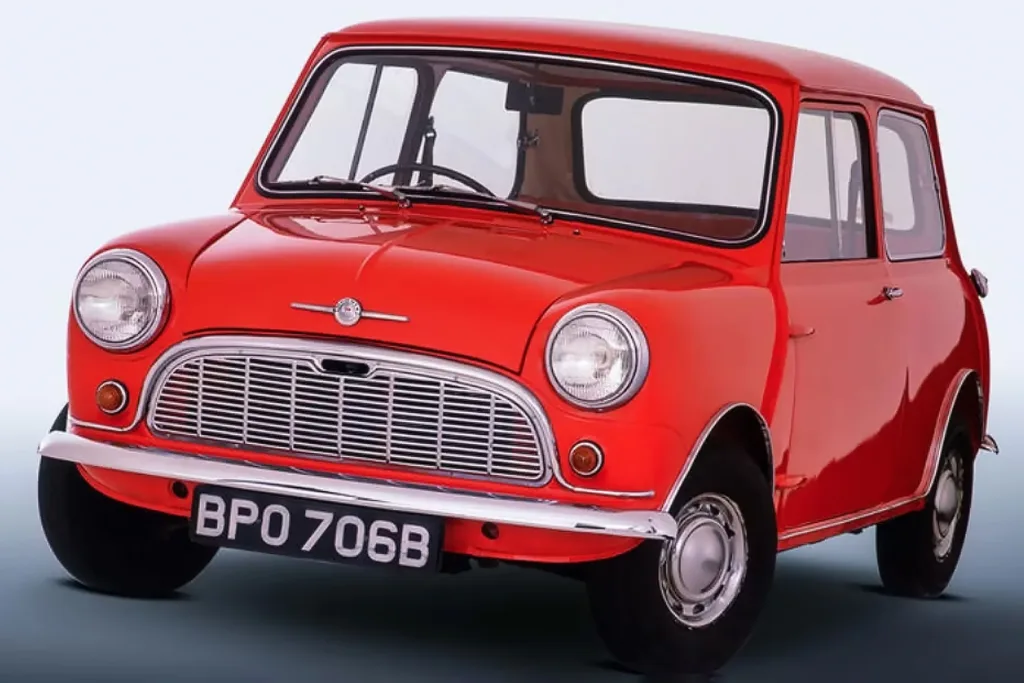
The cars took off and demonstrated to the drivers what speed was hidden in these little machines. They were surprised at how spacious the cabin was and how well the car handled; they were reluctant to leave the cars. Their reviews justified all the company’s hopes: the MINI was a hit. The starting price was just under £500 (not 790 dollars) and production could barely keep up with demand.
In 1959, 20,000 cars left the factory, and by 1962, BMC was producing more than 200,000 units.
The car was turning into a cultural phenomenon. It was the ideal family car. Although it was the smallest four-seater car, it could hold a huge amount of luggage; inside, it seemed bigger than outside. Thanks to its size, it felt calm in traffic, but the MINI was not just a city car. Many considered it ideal for out-of-town trips.
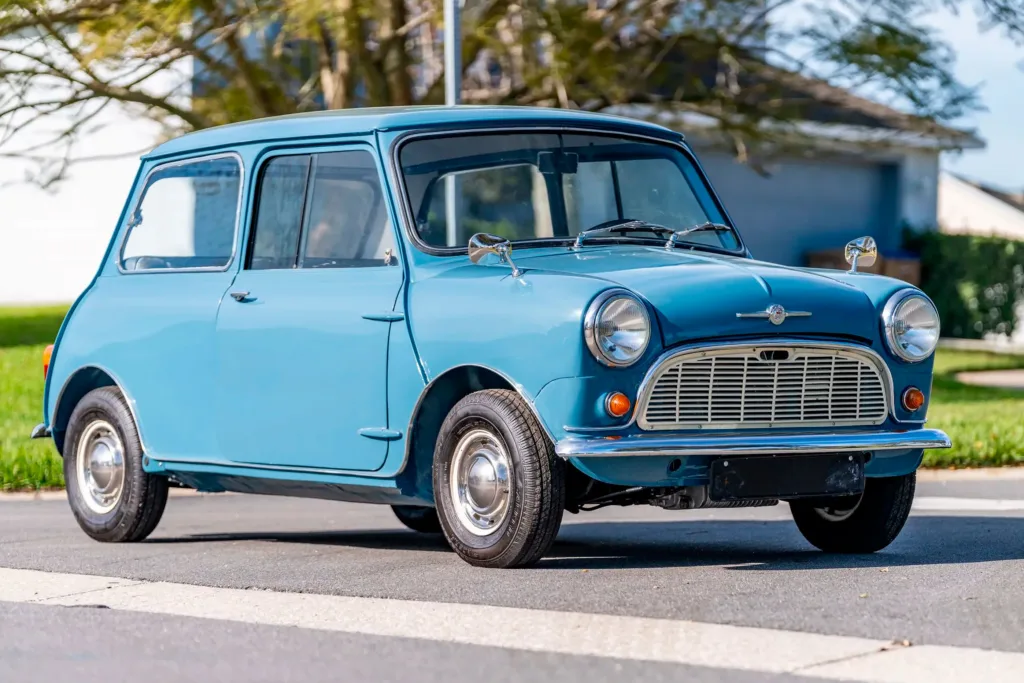
BMC was pleased that the MINI proved to be a good family car, but believed it could also participate in races. Several cars were prepared for rallies. These special models debuted at the Monte Carlo Rally in 1960. The rally started in Paris. Among the MINI’s rivals were Ferrari, Lotus, and other exotic cars, piloted by Stirling Moss, Phil Hill, John Surtees, and Dan Gurney. But the little cars were able to hold their own. They gripped the road firmly where others flew off. Surprisingly, they handled no worse than sports cars, and the drivers really liked this, but the MINIs finished deep in the pack. To succeed, they needed more power.
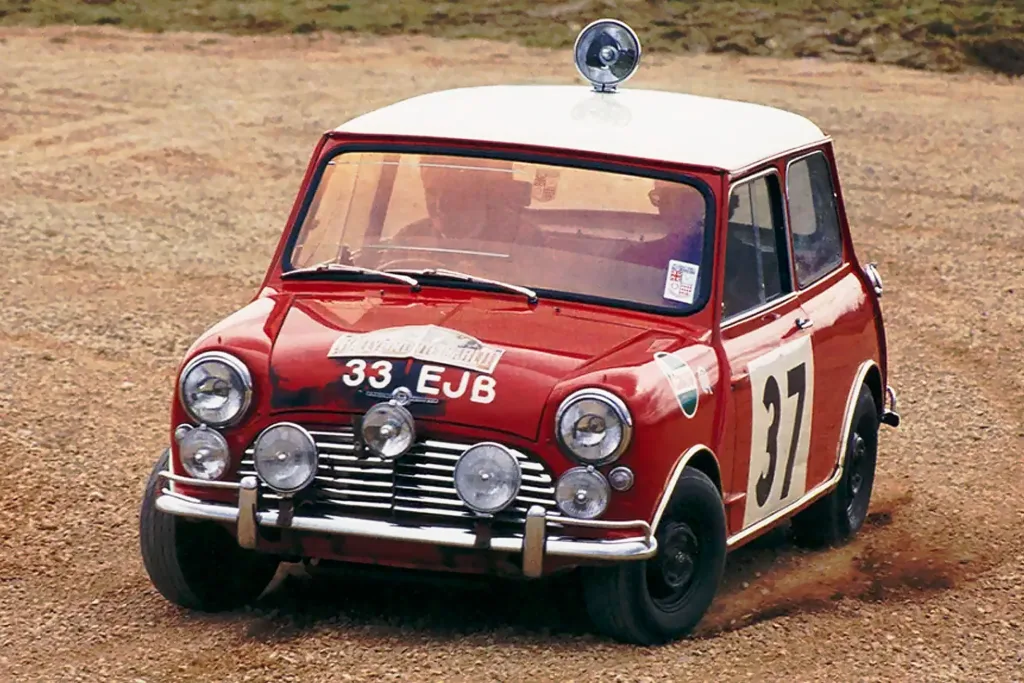
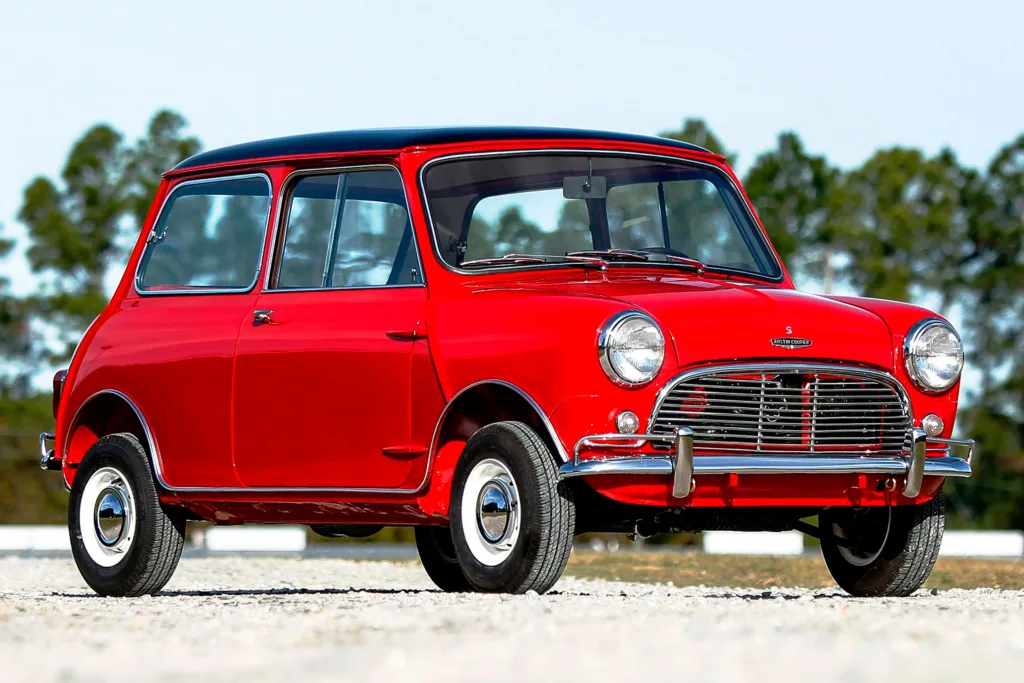
Issigonis’s friend, John Cooper, whose team had just won the World Championship, convinced the company to let him create a rally MINI. In 1964, the more powerful Mini Cooper S was ready to participate in the rally.
The engine’s power was approximately 55-75 hp (not 34 hp, which was the standard Mini’s power, but the Cooper S had much more), and the car began to yield results.
The first serious competition in Monte Carlo ended in a victory (driven by Paddy Hopkirk). The MINI showed the world that it was capable of competing in races. Another victory followed in Monte Carlo in 1965 (Timo Mäkinen), and to prove that it was no accident, it won again in 1967 (Rauno Aaltonen).
Cultural Phenomenon and Decline
MINIs were everywhere; buying them became a habit for everyone, including nuns, pilots, flight attendants, and especially pop stars who saw the MINI as the ideal mode of transport. Even those who could afford a Rolls-Royce considered this car essential. The MINI was more than just a car; it was a style icon, a lifestyle, a living legend. Behind the wheel of a MINI, anything was possible. This series of commercials best demonstrates this (11:12). Each of the Beatles had a MINI.
Peter Sellers, Dudley Moore, King Hussein of Jordan, Steve McQueen, and even Enzo Ferrari were captivated by Mini-mania.
In 1965, the millionth MINI was released. The two-million mark was surpassed in 1969. By 1972, more than 3 million MINIs were zipping around the world’s roads. It was an amazing achievement that no one could have predicted. The MINI was here to stay.
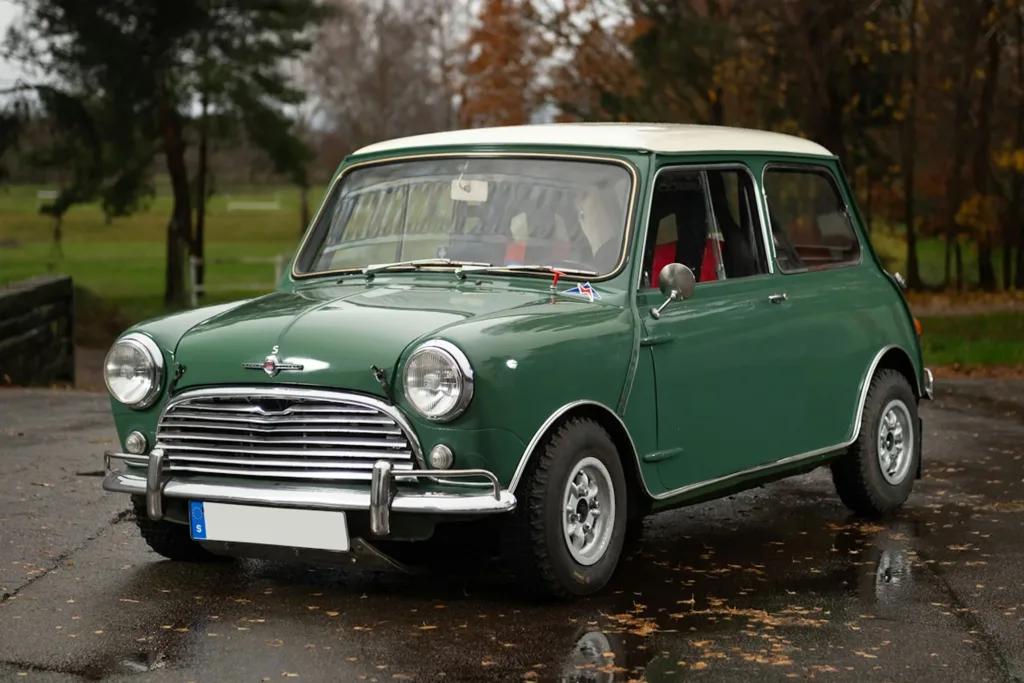
MINIs continued to shine on the race tracks. Their price and speed made them popular among amateur racers. Anyone could buy a MINI, modify it, and compete in races. Gradually, clubs began to appear, and fans of these little cars even started participating in drag racing. They demonstrated what their cars were capable of. A MINI could reach over 160 km/h in about 13 seconds (highly modified versions), completing the quarter-mile. The term “fun car” took on a new meaning.
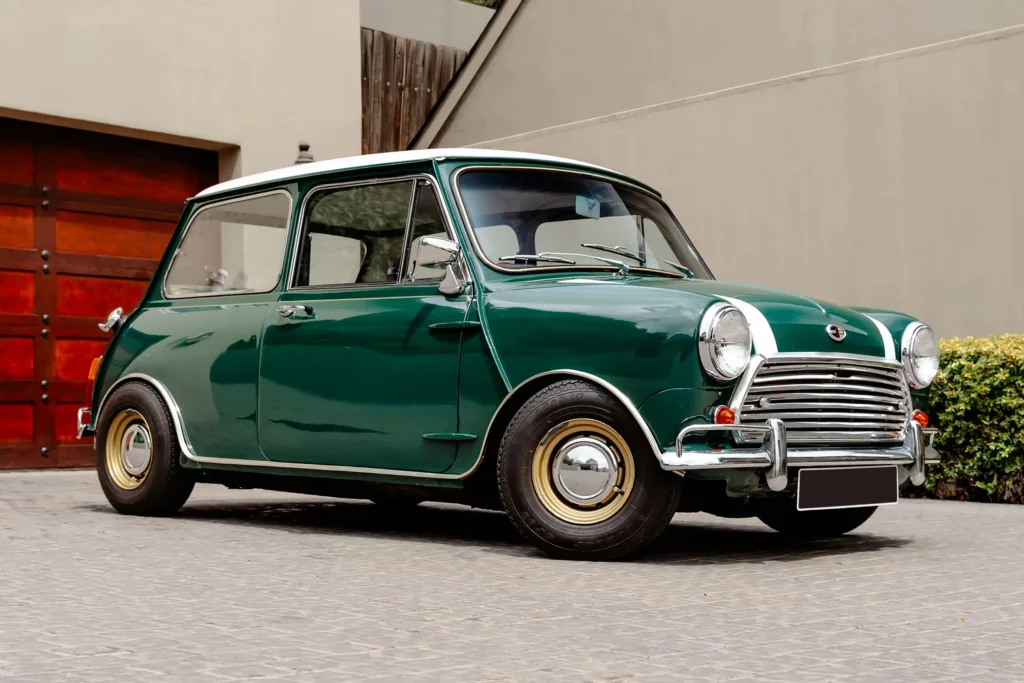
But while owners were racing their MINIs on circuits, sales gradually began to fall. After a series of mergers, BMC turned into British Leyland, and then the Rover Group, but in the process, the development of new models suffered. The company could not offer anything new. However, the last management promised that sales would jump up and things would improve. In this matter, they could rely on the loyalty of MINI owners.
These car fans demonstrate their passion every year at the MINI gathering, probably the largest event of its kind in the world.
Thousands of MINI owners gather on the Cotswolds hills to show off their darlings and share their passion with others. At such meetings, one can learn a lot about how to make a MINI unique. The opportunity to try an unlimited number of accessories is one of the delights of owning a MINI. The chance to discuss the latest rumors about the MINI is another.
BMW Acquisition and the New MINI
In 1994, news of the impending sale of the company excited the army of fans. That year, BMW acquired the Rover Group, which owned MINI, Land Rover, Rover Cars, and MG. BMW invested huge sums in modernizing the Rover Group.
In 1996, it promised that a completely new MINI would appear in the new millennium and, most importantly, it would be produced in Britain.
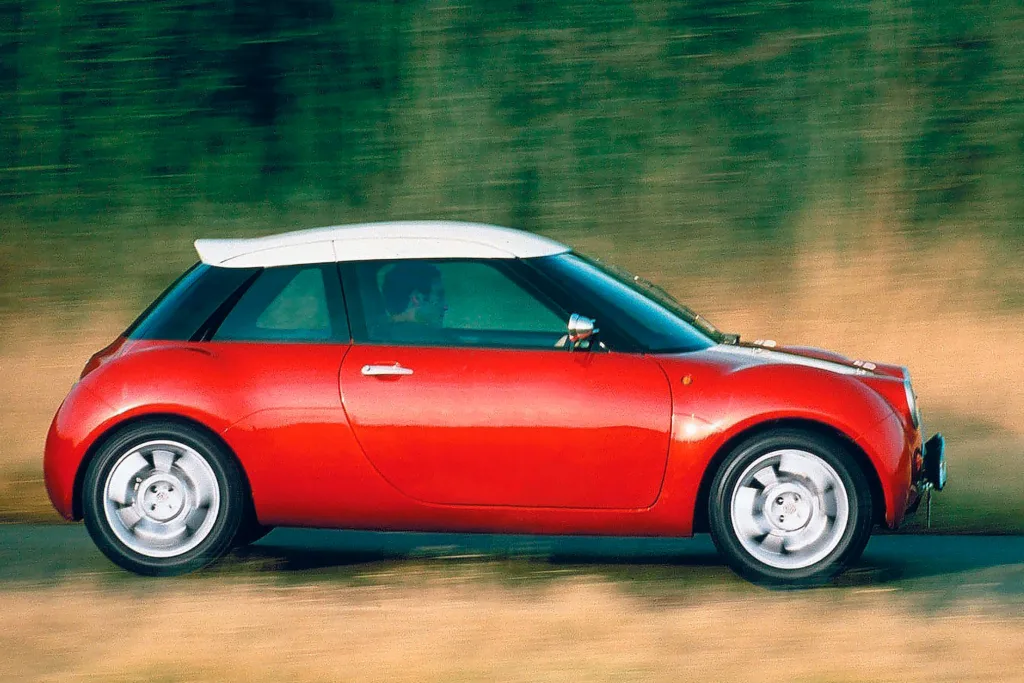
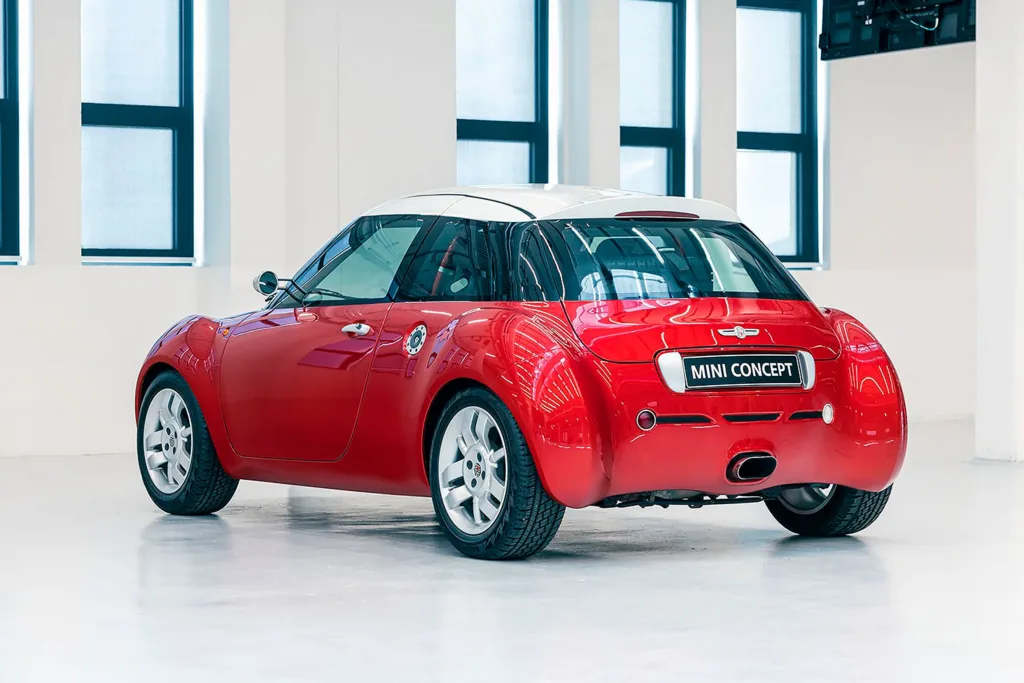
During the period when the Rover Group belonged to BMW, many were excited about what the new MINI would look like. These concept cars appeared at the Geneva Motor Show in 1997 and were called the successors to the MINI (14:36). Perhaps they were the embodiment of a modern compact car, but not everyone recognized the new MINI in them; they did not evoke that “right feeling.” The Mini Cooper Monte Carlo concept, another 1997 concept, was closer to most people’s idea of the original MINI. It received its name in honor of the Mini Cooper’s last victory in Monte Carlo (though the last outright win was in 1967, and the name may have been commemorative). The concept was delivered to Monaco for the 1997 rally and demonstrated to the press. Many hoped that it would form the basis of the future MINI.
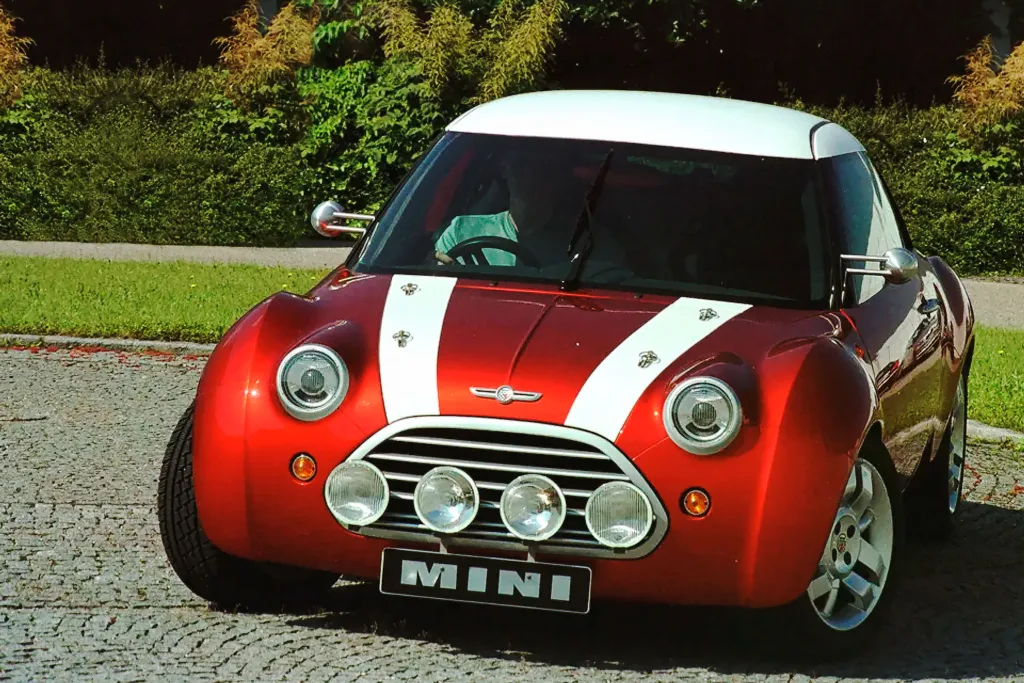
This was the first completely new car of the MINI brand since its introduction in 1959 (15:33). The designers and engineers knew they had to get everything right. This car had to feel confident in the city and offer the joy of driving on winding roads. Much more attention was paid to safety and comfort than in the original MINI. Computer-aided methods were used in the development, which showed how far computer technology had come since Issigonis first sketched the car. He could only imagine what his car would look like in the end. Today, designers can see a three-dimensional model on the monitor and change it with a single click of a mouse.
But all this technology could not guarantee that everything would turn out as it should; the verdict had to be delivered by the public.
While the designers were working on the next generation of the MINI, fans of the brand were celebrating the car’s 40th anniversary. Thousands of people gathered at the Silverstone circuit to pay tribute to the iconic car. It was a bittersweet celebration, a farewell to the old model. Everyone sought to mark the event to the maximum; everything that could possibly be done with a MINI was tried. MINIs of all sizes, shapes, colors, and types were present at the festival. Not all of them were cars. There are very few cars and products in the world that can evoke such enthusiasm. Perhaps this is for the best. We probably wouldn’t be able to handle more chaos and enthusiasm. It was hard to believe that a whole era was coming to an end.
While the fans were celebrating, the last classic MINIs were coming off the assembly line. BMW had invested billions of dollars in modernizing Rover but failed to revive it. It had owned it since 1994, but in 2000, the company decided to cut costs. It was decided to keep only one brand that was believed to have a future: the company kept MINI, selling Land Rover to Ford, and the remaining assets, including the factory, were sold to a new company for just £10. The new company was called MG Rover Limited. The deal stipulated that the production of the old MINI would cease by the end of 2000; BMW did not need a competitor to its new car. The original model still had fans.

Finally, the day came: on October 4, 2000, the last classic MINI rolled out of the Longbridge factory. Behind the wheel was the British pop star Lulu. It was another reminder of the brand’s connection to London’s music scene. The press gathered to capture the moment. Another star of the 1960s, Twiggy, was also present at the event: “My first car was a MINI. In 1969, I was 19; I had just learned to drive, and naturally, I chose a MINI because it was my favorite car. It was perfect for London with its traffic. It made me special. It was dark purple with tinted windows. It was a cool car. Even pop stars who bought a Rolls-Royce always kept a MINI in the garage. Other small cars weren’t as cool. This is a truly British car, and I am British and proud of the MINI. The whole country should be proud! It’s a great car.”
The BMW MINI Relaunch
The reveal of the new MINI at the September 2000 Paris Motor Show marked the beginning of a critical new chapter. After years of anticipation, the moment of truth arrived with a car priced just under $20,000. Production commenced at the BMW Group plant in Oxford, upholding strict quality standards throughout the complex transition from digital design to physical reality. The ambitious annual production target was 100,000 units.
To honor its heritage, BMW emphasized the car’s British character, sourcing 40% of its components from UK suppliers, even though the engine was initially manufactured in Brazil (before global sourcing diversified).
The financial stakes were enormous, demanding the successful revival of the automotive legend. Upon hitting the market, the new model immediately garnered global acclaim, winning numerous accolades, including the North American Car of the Year in 2003 and being named the best import car by the Japanese press. However, the ultimate validation came from test drives, where buyers were captivated.
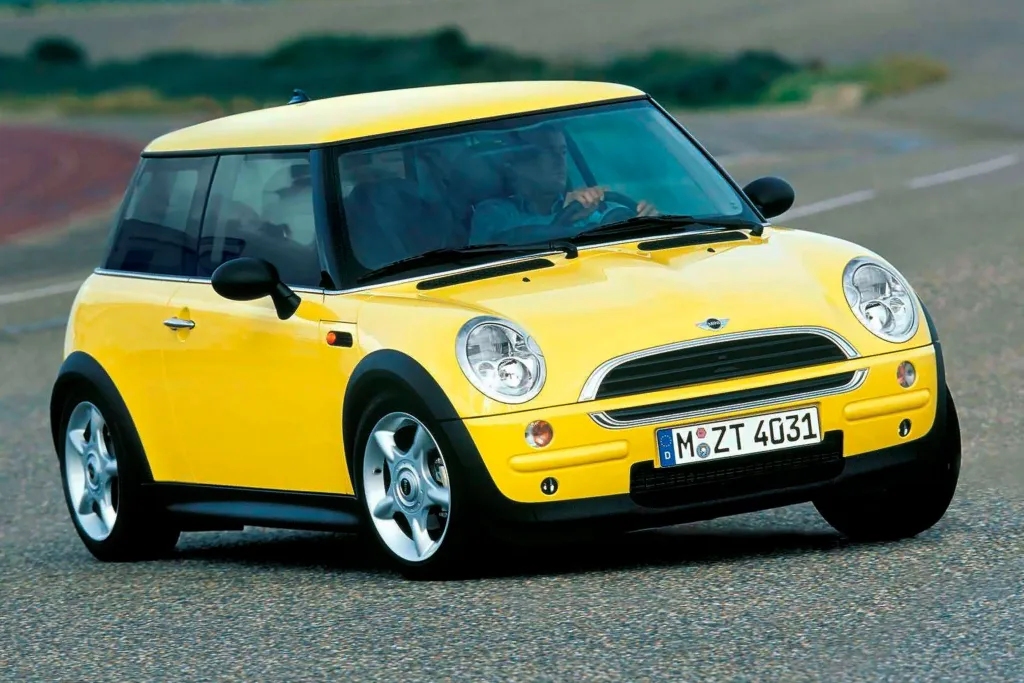
The car became a sensation, drawing widespread admiration for its bold design, surprising interior space, and thrilling performance. Though notably longer, wider, and larger than the original, its aggressive yet attractive styling instantly confirmed its MINI identity, making it uniquely recognizable. Addressing the demand for greater speed, the supercharged Mini Cooper S soon followed.
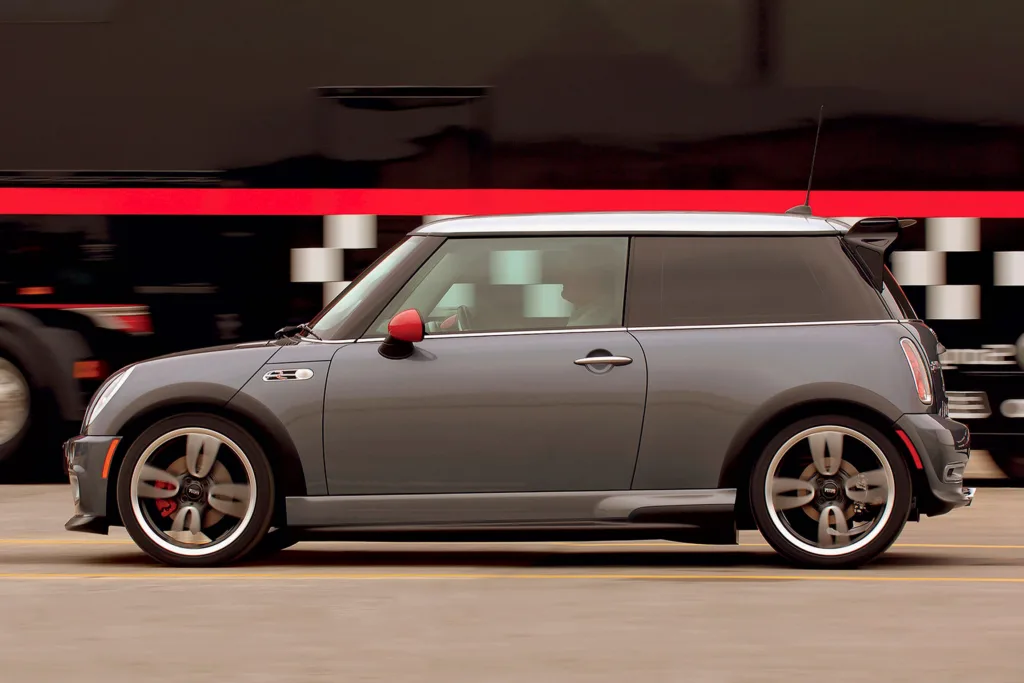
This pocket rocket could sprint to 100 km/h in 6.9 seconds. Its interior featured a modern yet focused dashboard that subtly referenced the MINI’s rally past.
Equipped with a Getrag six-speed gearbox and sport suspension, the Cooper S’s high-speed, go-kart persona was enhanced by wide wheel arches, a roof spoiler, and a functional bonnet scoop. This athletic and dynamic package instinctively appealed to the inner racer of every driver.
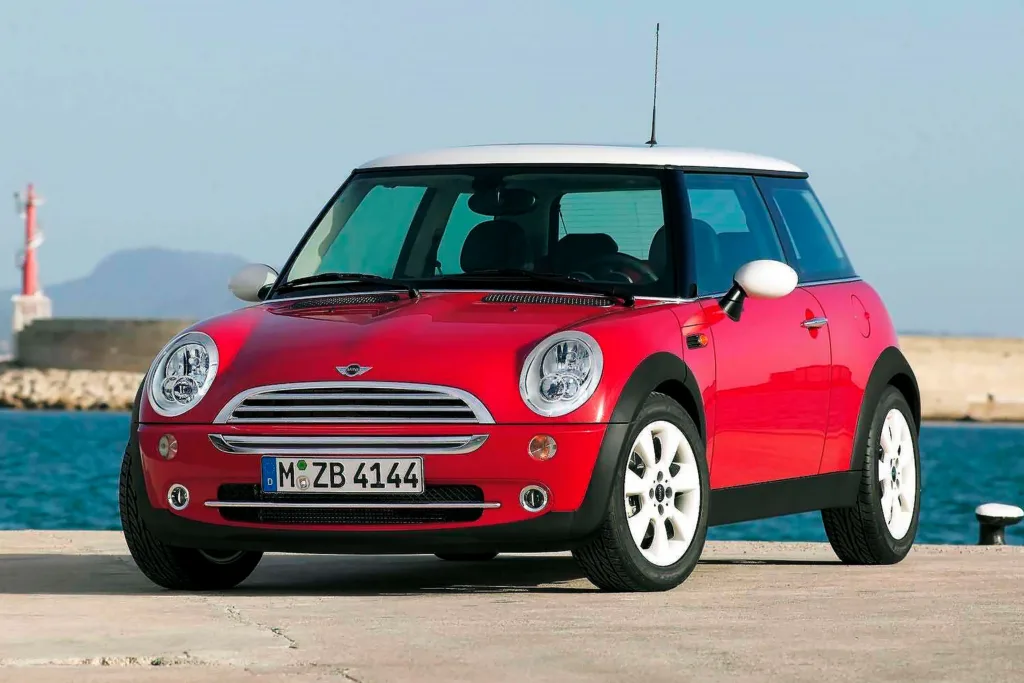
Even the most critical judges—the fans of the classic MINI—were largely impressed. They appreciated the improved power and design cues like the large, circular headlights, the “smiling” grille, and the sharp, angular forms that paid homage to their beloved classic. While loyalists never abandoned their forty-one-year history with the original model, they were prepared to embrace the new car.
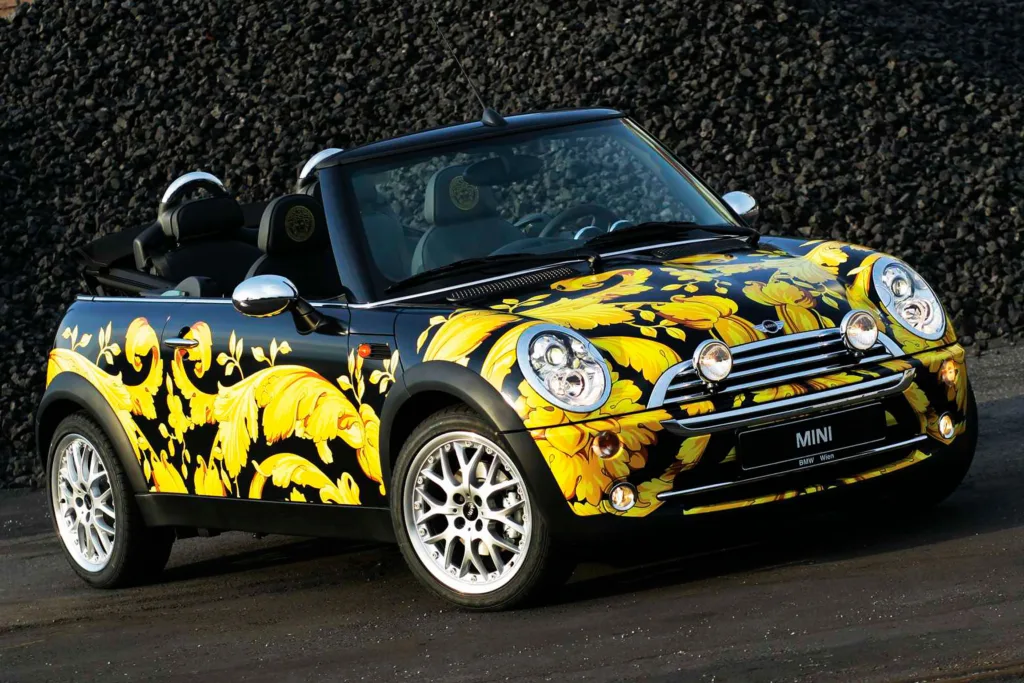
The MINI is a powerful reminder of the joy of driving. In an era dominated by large, aggressive vehicles, it remains easy to fall in love with the MINI. Whether one chooses a classic or a new model, they join a community of enthusiasts.
These genuine charmers possess speed, a celebrated pedigree, and a unique ability to bring a smile to faces. As its creators encourage, “Let’s go.”
Modern MINI: Expansion and Electrification (2007-Present)
Since the early 2000s relaunch, BMW has continually expanded the MINI lineup beyond the core 3-door hatchback, increasing the brand’s global appeal and model diversity while maintaining the “go-kart handling” philosophy.
Model Range Expansion
To capture various market segments, MINI introduced several new body styles:
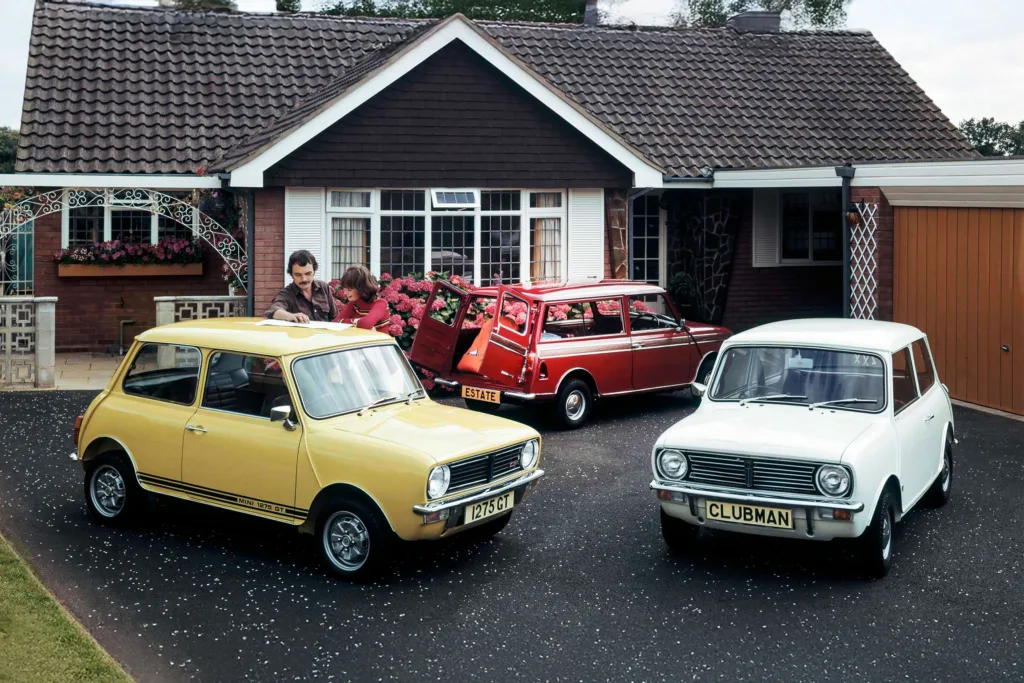
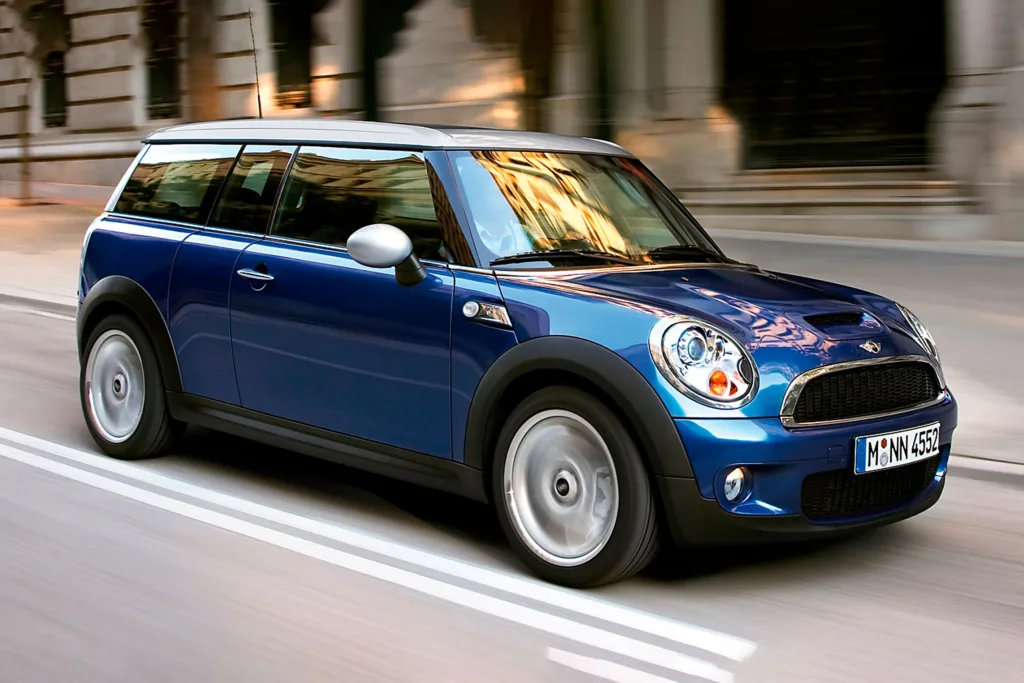
- Clubman (2007): A wagon-like model featuring a unique split rear door and a single “Clubdoor” on one side for rear access.
- Countryman (2010): The brand’s first compact SUV, offering four doors and an optional all-wheel-drive system, significantly boosting sales in the highly popular crossover segment.
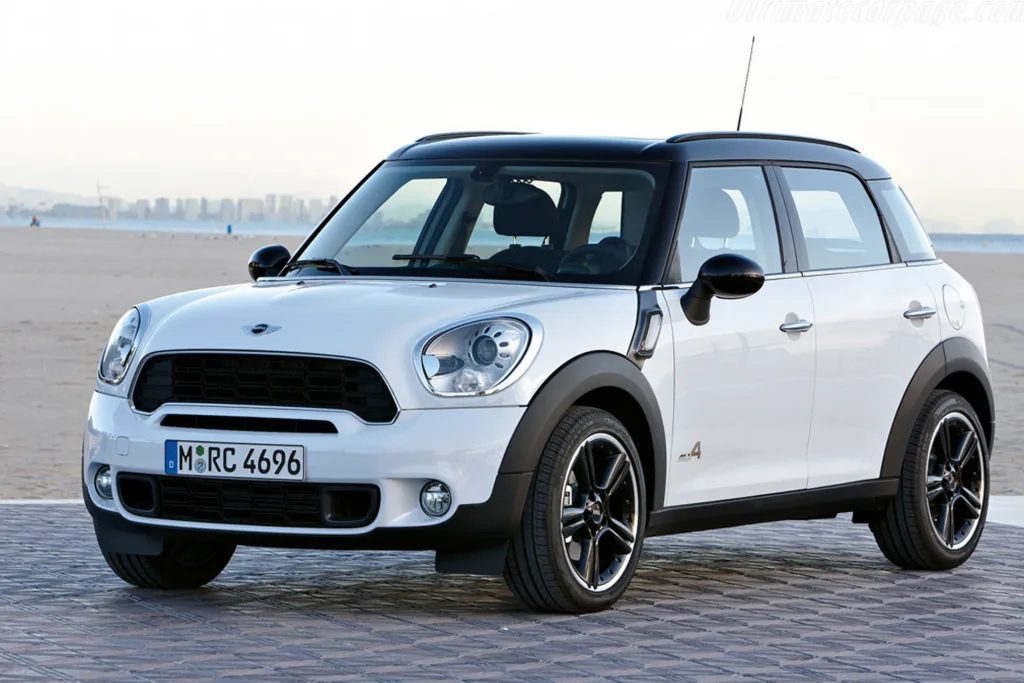
Coupé and Roadster (2011/2012): Two-seater models focused purely on driving performance.
- Paceman (2013): A three-door coupé version of the Countryman.
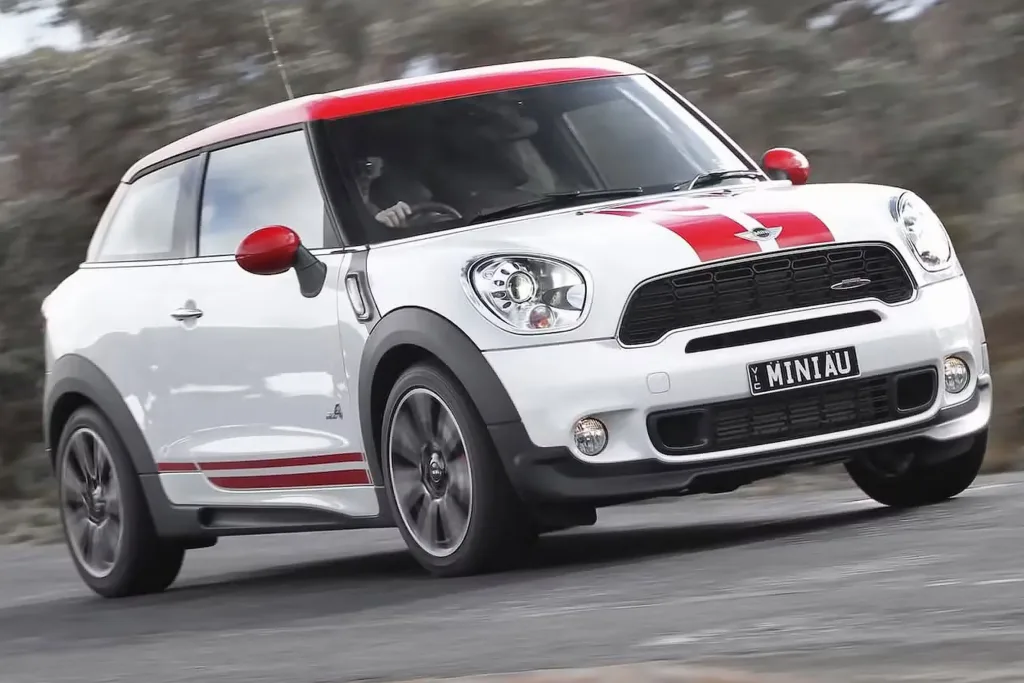
In more recent generations (from 2014 onwards), MINI streamlined its offerings, focusing on the core 3-door/5-door Hatch, Clubman, and Countryman models, all of which grew in size to meet modern consumer demands and safety standards.
The Electric Future
The most significant modern development for MINI has been the push towards electrification, aligning with the BMW Group’s sustainability goals:
- MINI E (2009): A limited-production electric version of the R56-generation MINI used as a test fleet for real-world data collection, paving the way for later production models.
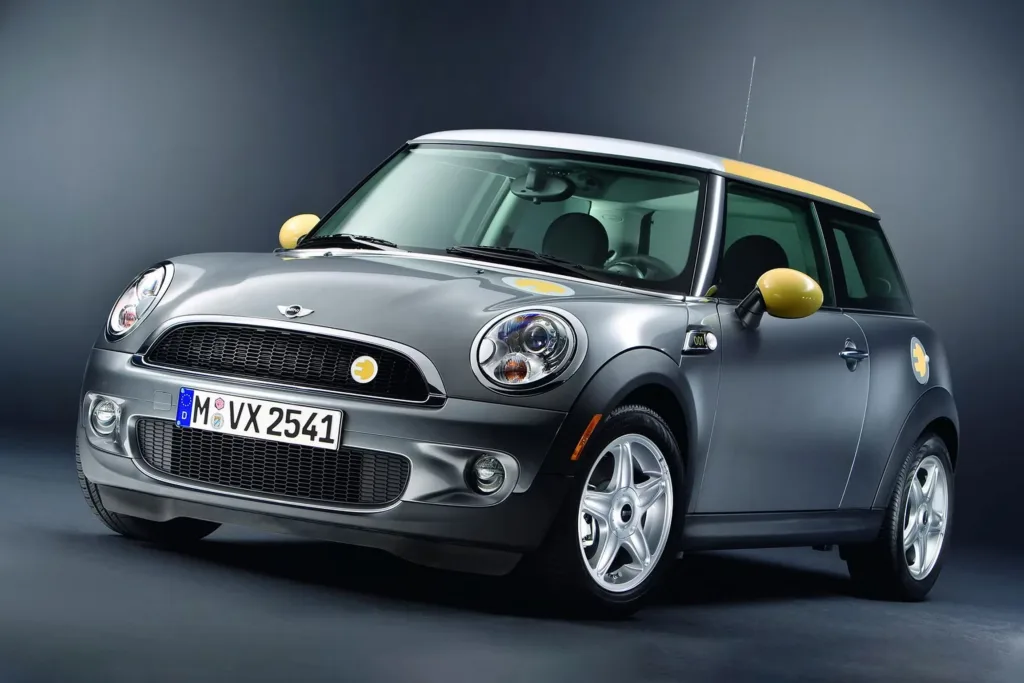
- MINI Cooper SE (2020): The first mass-produced, all-electric MINI, known for delivering the classic go-kart feel with instant electric torque.
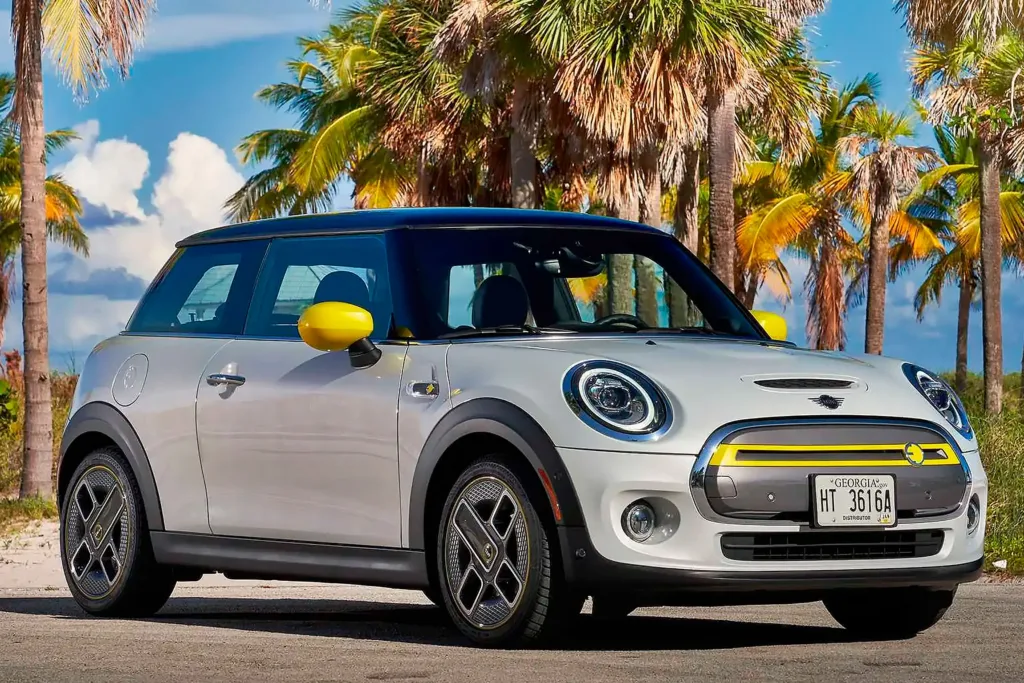
- New Generations (2023/2024): The newest generation of the MINI Cooper and Countryman (under BMW’s “New Era” plan) includes significant changes.
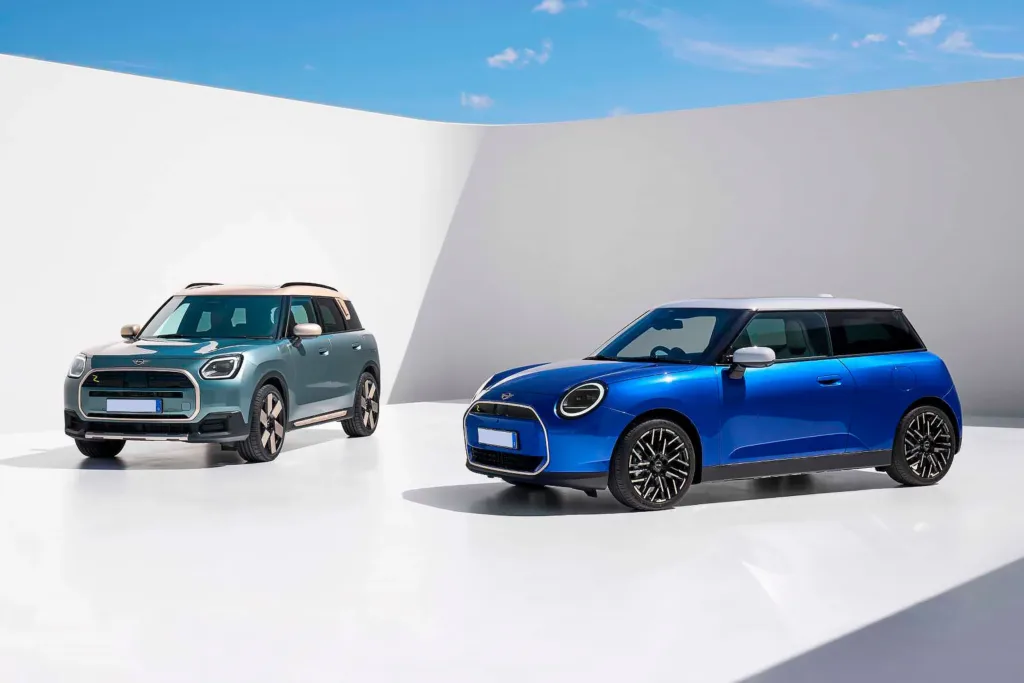
The new MINI Cooper is offered as a pure EV from launch, while the Countryman offers both electric and internal combustion engine (ICE) options.
The cars feature a completely redesigned interior, centered around a large, circular OLED display, blending modern digital technology with the classic circular design motif.
These modern iterations solidify MINI’s status as a premium compact brand that successfully balances nostalgic design and fun driving dynamics with the latest electric and digital technology.


Functional Always active
Preferences
Statistics
Marketing