
For many, it’s just a dream, a dream to one day get behind the wheel of one of the most legendary sports cars in history: the Porsche. These dream cars have become the global standard for stylish and fast sports cars. They are powerful, high-quality, and exhilarating machines created for people who are passionate about driving.
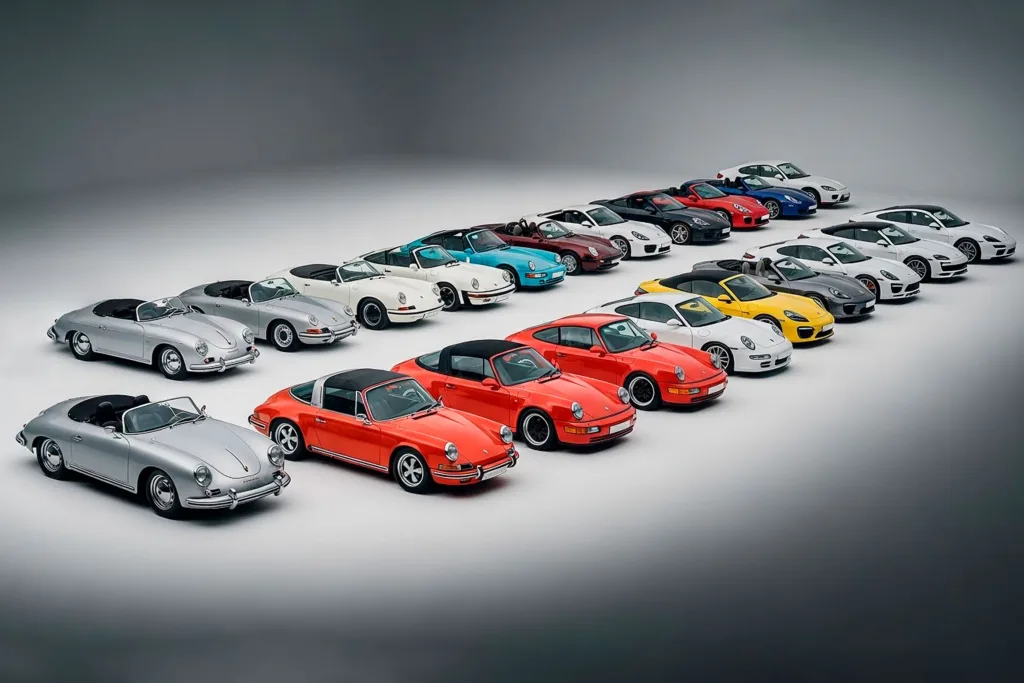
Porsche earned its reputation by creating high-speed automobiles for demanding drivers. Drivers who need a beautiful, aerodynamic car feel that behind the wheel of a Porsche, they can conquer the most challenging roads. Knowing the racing pedigree of these cars, it’s easy to be tempted to dream of competing at Le Mans or conquering the Dakar Rally.
All Porsches are the embodiment of automotive innovation, no matter where they are driven.
Ferdinand Porsche’s Vision
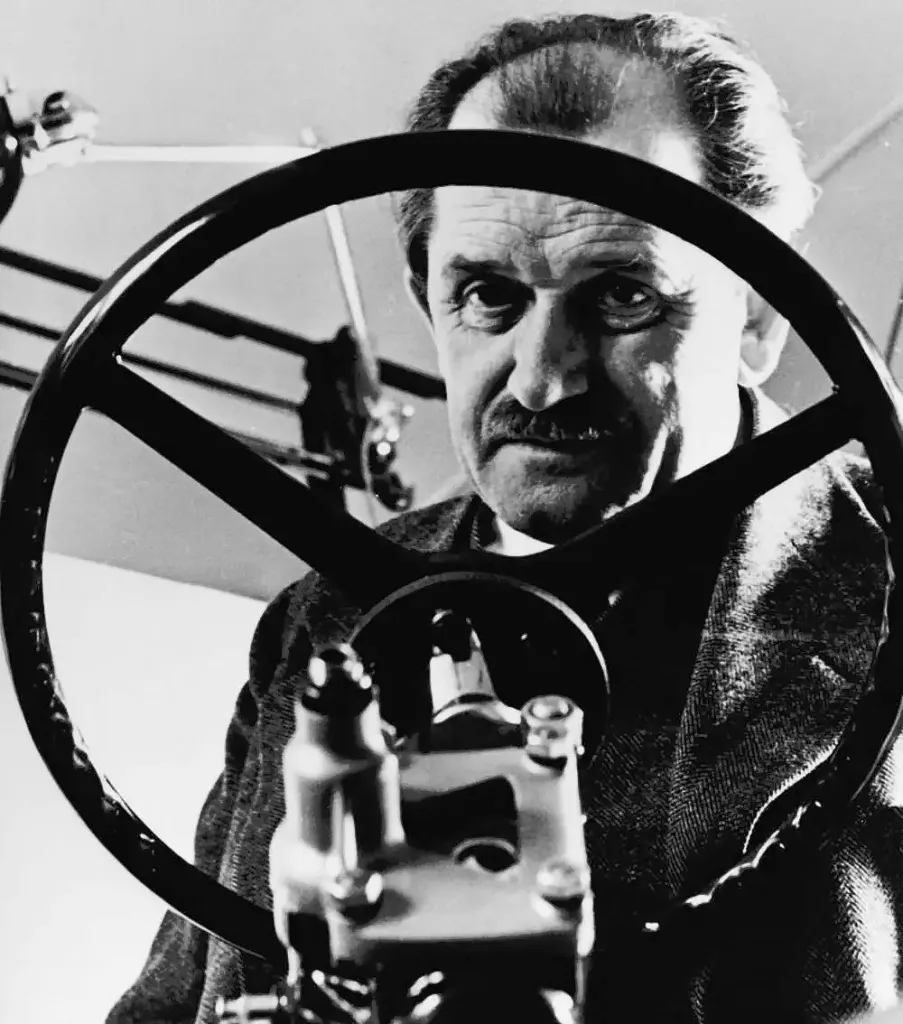
It all began at the dawn of the 20th century with the man whose name the company bears: Dr. Ferdinand Porsche. Throughout his career, Porsche and his cars were ahead of others. His cars first appeared on European roads when he developed a range of sports models for major German companies.
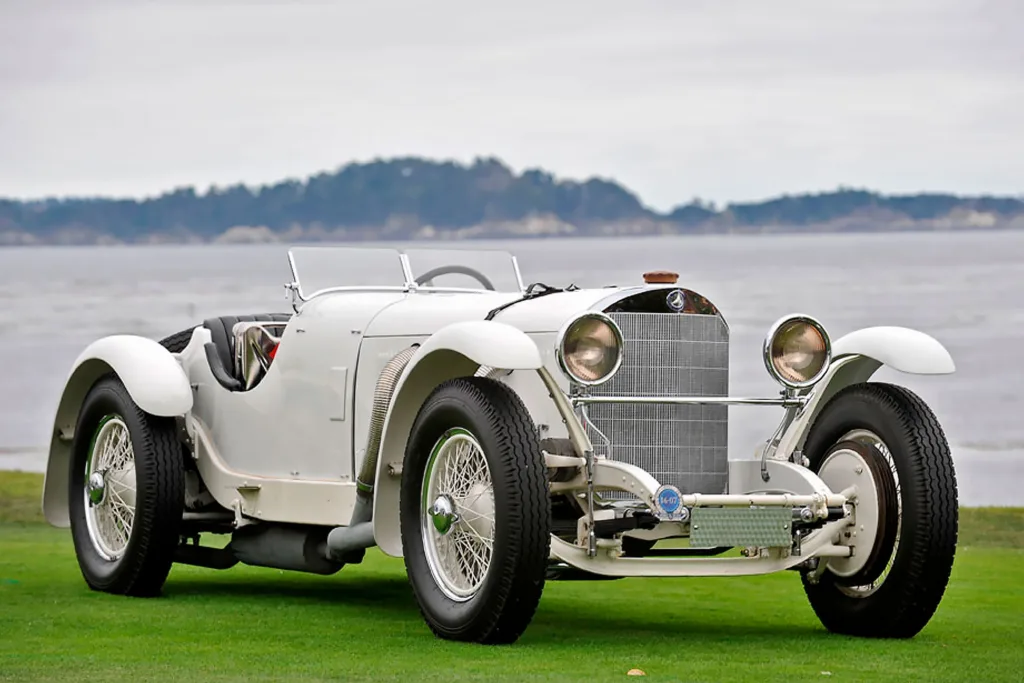
From 1923, when Porsche succeeded Paul Daimler as the chief designer at Daimler-Motoren-Gesellschaft (later Mercedes-Benz), he began work on a series of fast supercharged cars. These powerful sports machines allowed their owners to stand out from the crowd.
His most famous creations, the Mercedes models “S,” “SS,” and “SSK,” were at home both on the road and on the race track.
They featured a low center of gravity, which improved the handling of the light and powerful machines. Superchargers tripled the amount of air supplied to the carburetor, and power increased up to 300 hp—an incredible figure for that time. Today, these cars are prized collector’s items.
Porsche’s next project was a prototype for the Wanderer company. It was never mass-produced, and Wanderer soon merged with three other companies, forming Auto Union. After Wanderer, he undertook the creation of a new, powerful racing engine.
This engine formed the basis of a series of revolutionary Grand Prix race cars, the Auto Union “Silver Arrows.”
As on the later Porsche models, the engine on these cars was located behind the driver (mid/rear-engine layout), not in the front. These aerodynamically refined race cars are considered the first modern-style racing cars, far ahead of other machines of their time.
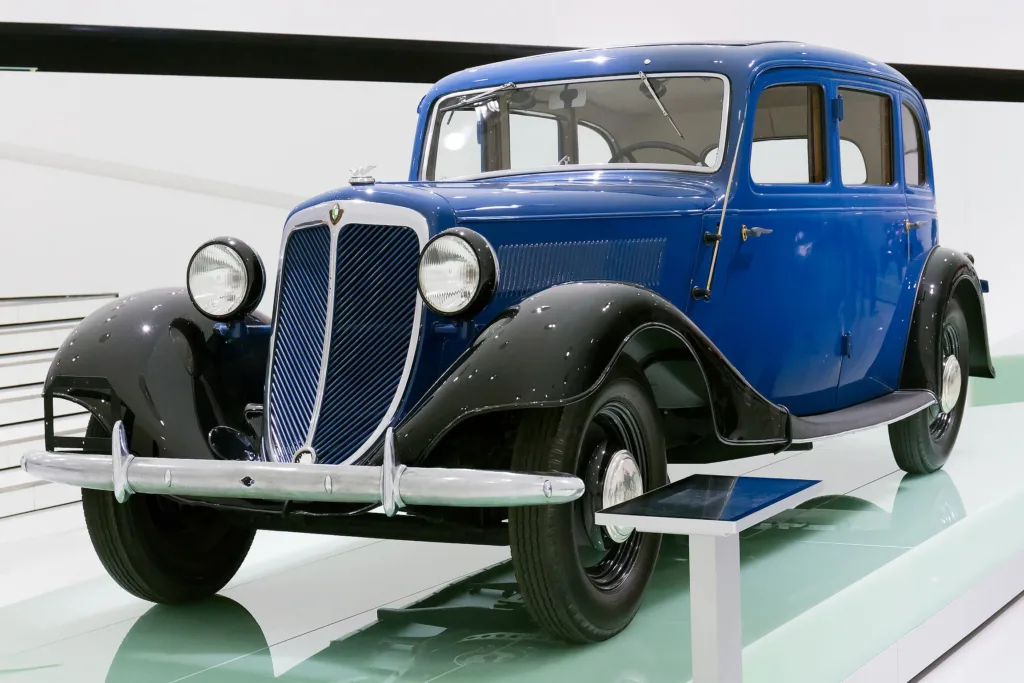
These cars looked futuristic, but the combination of a mid-engine layout and independent suspension made them difficult to handle. However, exceptionally talented drivers like Bernd Rosemeyer and Tazio Nuvolari were able to adapt to them. Auto Union and Mercedes dominated European Grand Prix racing in the 1930s.
Both teams received support in the form of subsidies from Adolf Hitler. Auto Union would never have received it if not for Porsche’s personal request.
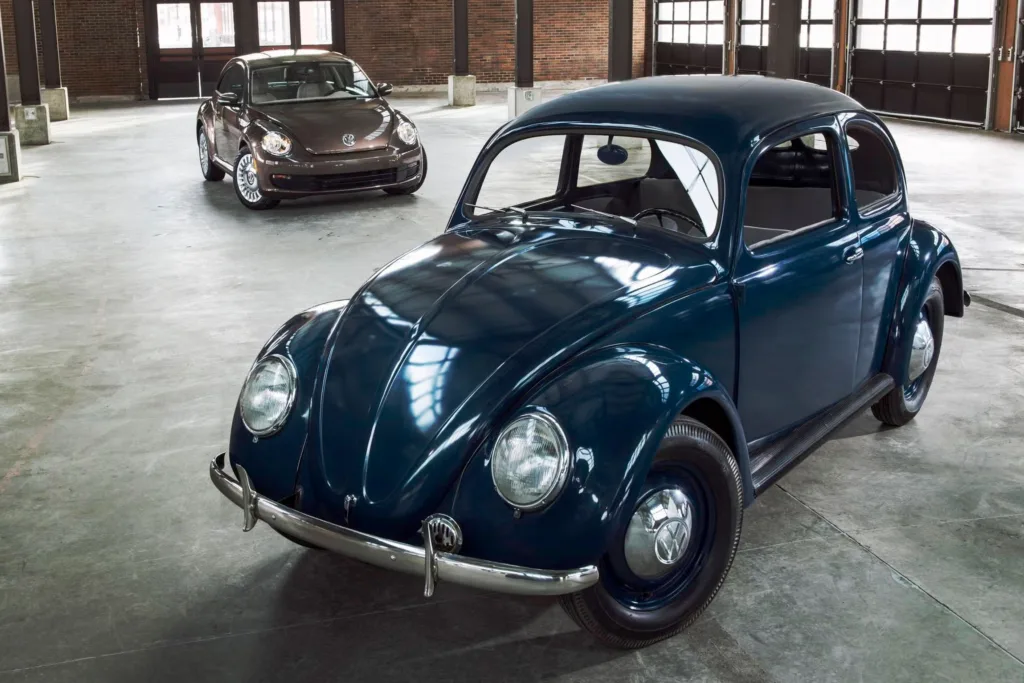
Hitler was impressed by this outstanding engineer. A few years later, in 1938, he asked Porsche to help in the creation of the Volkswagen, the “People’s Car.” A team led by Porsche began developing an affordable, easy-to-repair, family car. This resulted in the creation of an inexpensive car that could cruise the newly built autobahns at a speed of 100 km/h.
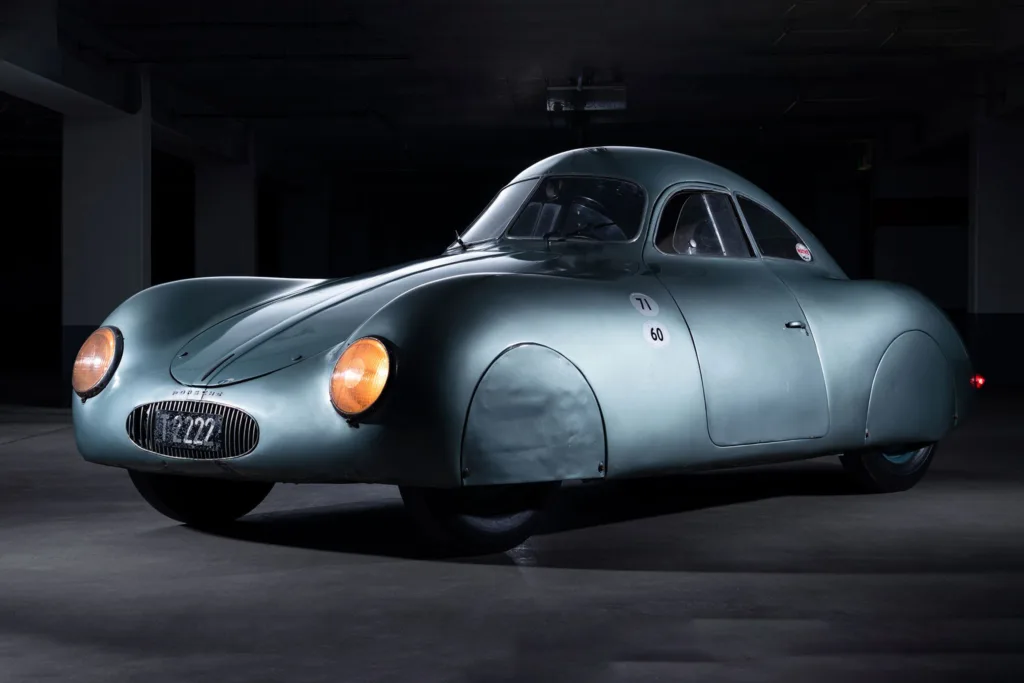
Porsche, who always loved speed, decided to make a sports car based on the Volkswagen. He convinced the government to allocate money for the preparation of two prototypes, the Type 64 (also known as the 60K10). These cars were created for a rally from Berlin to Rome and were ready to set off by the end of the summer of 1939. The cars were ready, but by September 1939, Hitler had started a different race: the Blitzkrieg in Poland. The world plunged into war.
Ferdinand Porsche was appointed head of the tank commission under the Ministry of Armaments and Ammunition; he worked on the creation of tanks and other military equipment. To protect the company from bombing, it was divided into three branches; one of them was located in the Austrian town of Gmünd.
This workshop became the starting point from which Porsche and his son, Ferry, resumed their automobile business after the war.
The Birth of the 356
Their first post-war order came from a former member of the Auto Union team, Tazio Nuvolari. He wanted them to make a new Grand Prix race car. Nuvolari convinced the industrialist Piero Dusio, who had made a fortune supplying boots to the Italian army, to finance the project. The result of the collaboration was the stunning Cisitalia Type 360 race car. Ferry Porsche was satisfied with the result; this prompted him to revive his father’s plans to create a sports car based on the Volkswagen.
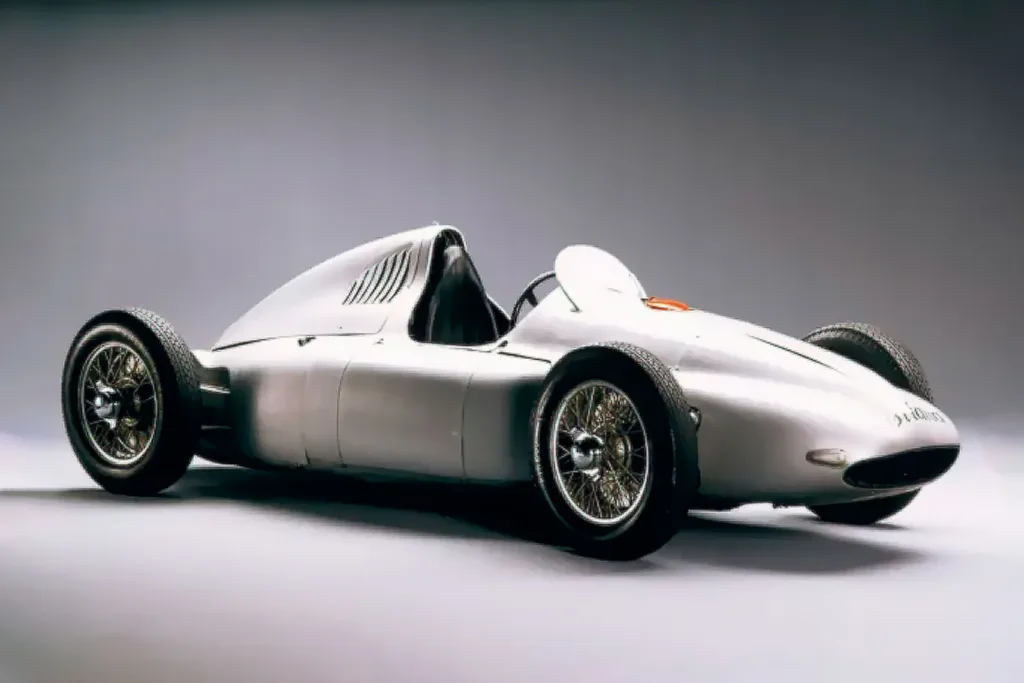
The first Porsche cars were equipped with suspension, transmission, and an engine from the Volkswagen, which were heavily modified, and a hand-made aluminum body was placed over them. Using Volkswagen parts allowed costs to be reduced and enabled active work on improving the car so that it stood out from the rest. The car’s design was inspired by the pre-war Type 64, but was more elegant and modern.
The smooth, seductive lines created the feeling that an aerodynamic tunnel was used in the bodywork, but in reality, there was no money for that; it was the embodiment of the designers’ intuition.
The car was beautiful, but creating a new company was risky. Ferry and his sister, Louise Piech, had to work hard for it to succeed. Starting in 1948, Ferry drove the car to various European auto shows, attracting the attention of the press. Ferdinand Porsche had long dreamed of producing a world-class sports car; his dream came true. Unfortunately, Dr. Ferdinand Porsche died in 1951, just as the car was gaining worldwide recognition.
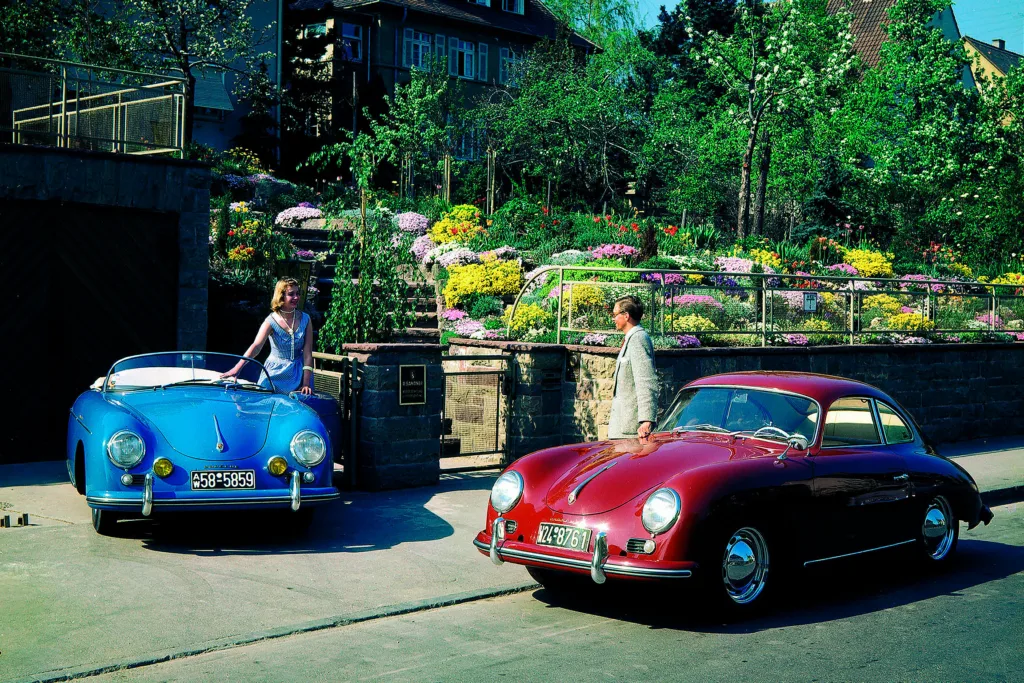
Ferry turned to the American Max Hoffman, asking him to help promote the sports car in the USA. In the post-war period, America was a country of huge, cheap cars, and the desire to sell small sports cars on the American market seemed like a hopeless venture. However, Ferry knew about the Americans’ love for small MG sports cars; he hoped to capitalize on this interest.
Hoffman believed that the cars needed to be restyled to resemble the MG. Although Ferry refused, Hoffman still agreed to be the company’s representative.
The Porsche 356 was more powerful and stylish than the MG. It was more enjoyable to drive and more reliable, but also more expensive. It found its niche. In 1954, Hoffman was selling about 11 cars a week, 30% of the total production. The car’s configuration added to the driving excitement: the rear engine location changed the weight distribution, causing the rear end to slide out in corners. The driver had to have very quick hands and strong nerves; it was a test of skill—if you could master a Porsche, you could handle anything. To increase demand, Ferry began entering modified production cars in races. The 356 achieved individual successes in Europe and North America, including class victories at Le Mans in 1951 and 1953.
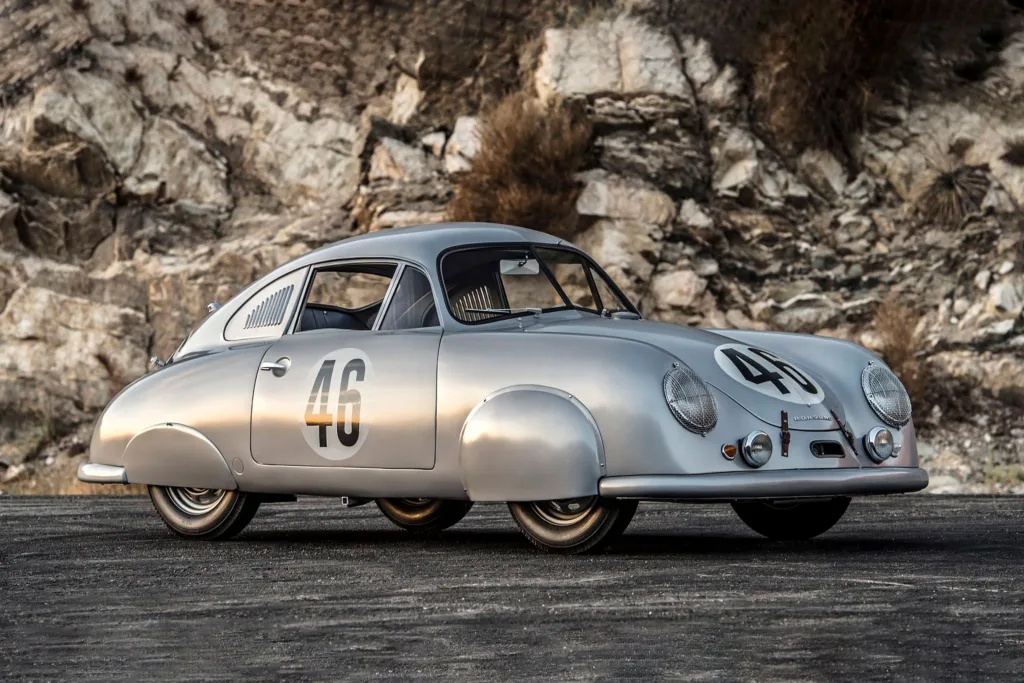
Racing Dominance and the 550 Spyder
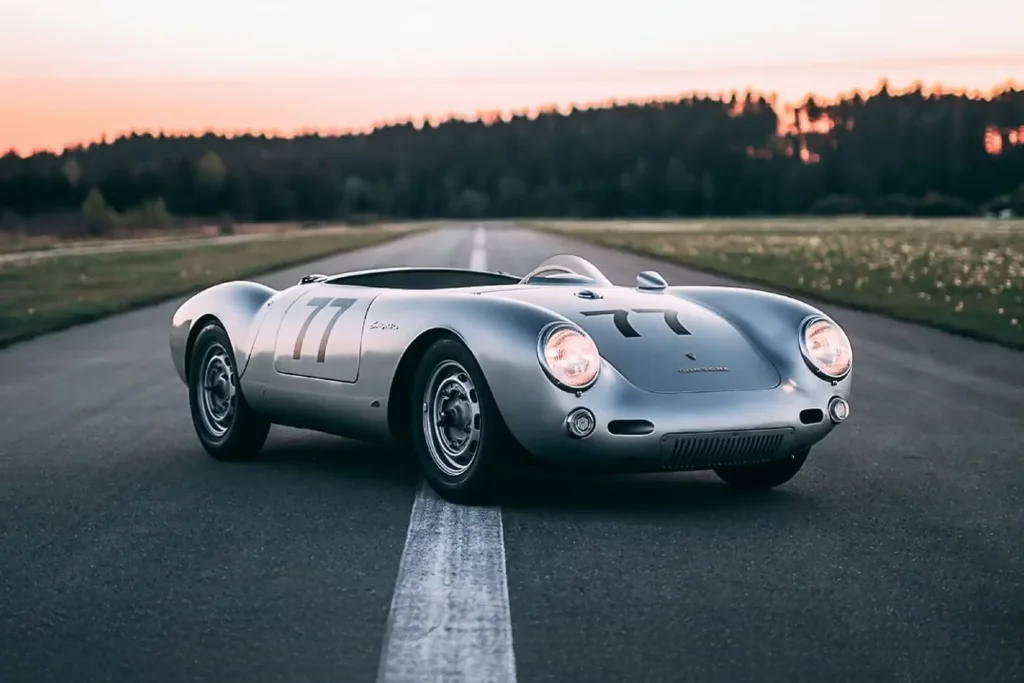
By the mid-1950s, Porsche had developed a model created primarily for racing: the 550 Spyder series. These lightweight two-seater open-top cars, with aluminum bodies and a tubular frame, were stunningly fast. In 1955, Porsche brought the new Spyders to the 24 Hours of Le Mans. Ferry Porsche had high hopes for the factory team, which was to compete with the best cars and drivers in the world. Over 250,000 spectators gathered to watch the classic race. They watched with enthusiasm as the cars broke records on every lap. The Porsche team managed to achieve two class victories and came close to overall triumph. The Spyders became the dominant model in sports car racing worldwide.
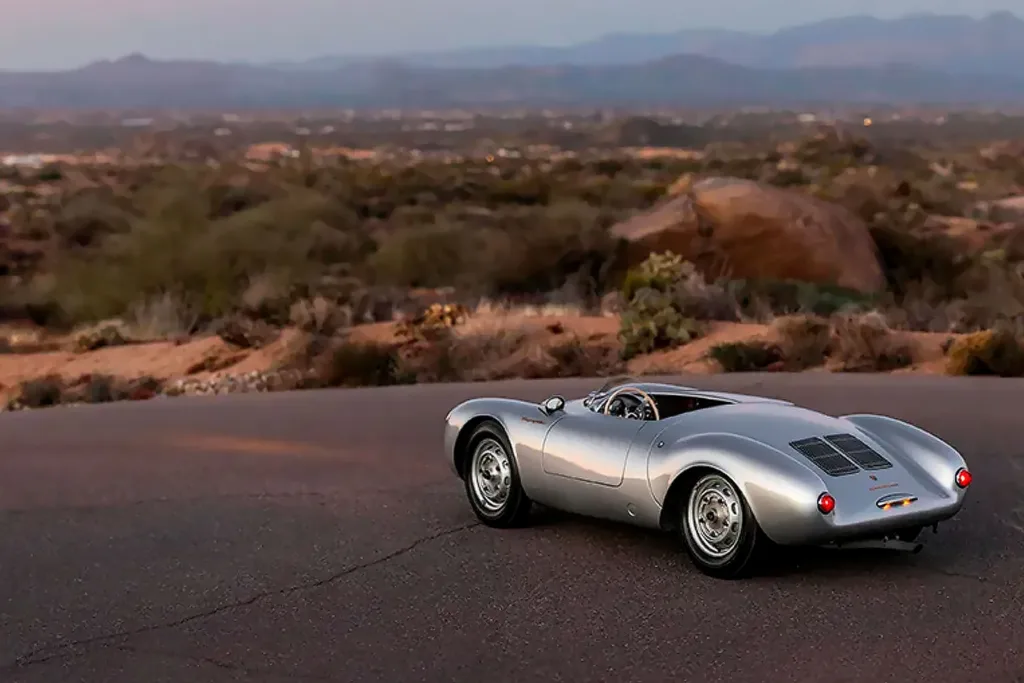
Success in racing stimulated demand for the fast Spyders, including from celebrities. In 1955, the young actor James Dean, known for his love of fast cars, joined the ranks of Spyder buyers.
Dean, in his $6,000 Spyder (which reached about 240 km/h), became a regular at races in California.
Although he did not have formal racing training, he participated in several races and showed considerable talent. In the autumn of 1955, he left Los Angeles for a race in California. The setting sun blinded Dean while he was driving, and he didn’t notice a Ford sedan pulling out at an intersection. The two cars collided, and Dean died instantly.
The Birth of the 911 Legend
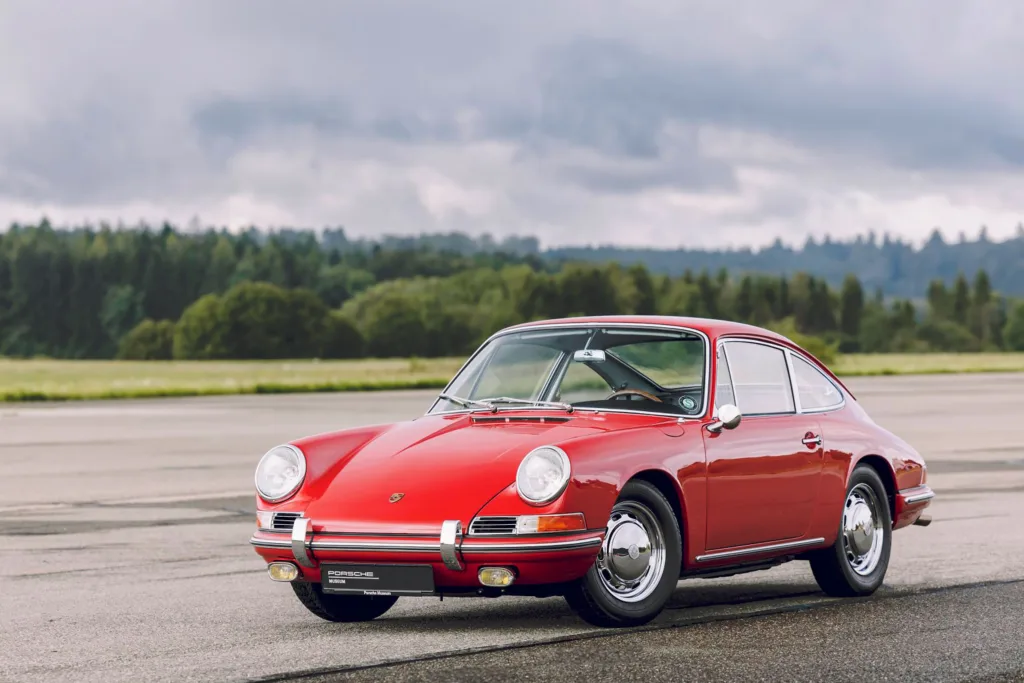
By the late 1950s, it became clear that the 356 needed an update to maintain its appeal. Ferry’s son, Butzi (Ferdinand Alexander Porsche), began work on a new body. In 1963, the new 901 model was presented at the Frankfurt Motor Show.
Peugeot claimed that three-digit numbers with a “0” in the middle belonged to them, so Porsche changed the model number to the 911.
The car’s configuration was the same as the 356: the engine was at the rear and was air-cooled. However, it was more powerful because it had six cylinders instead of four. Thanks to this, the top speed was about 210 km/h.
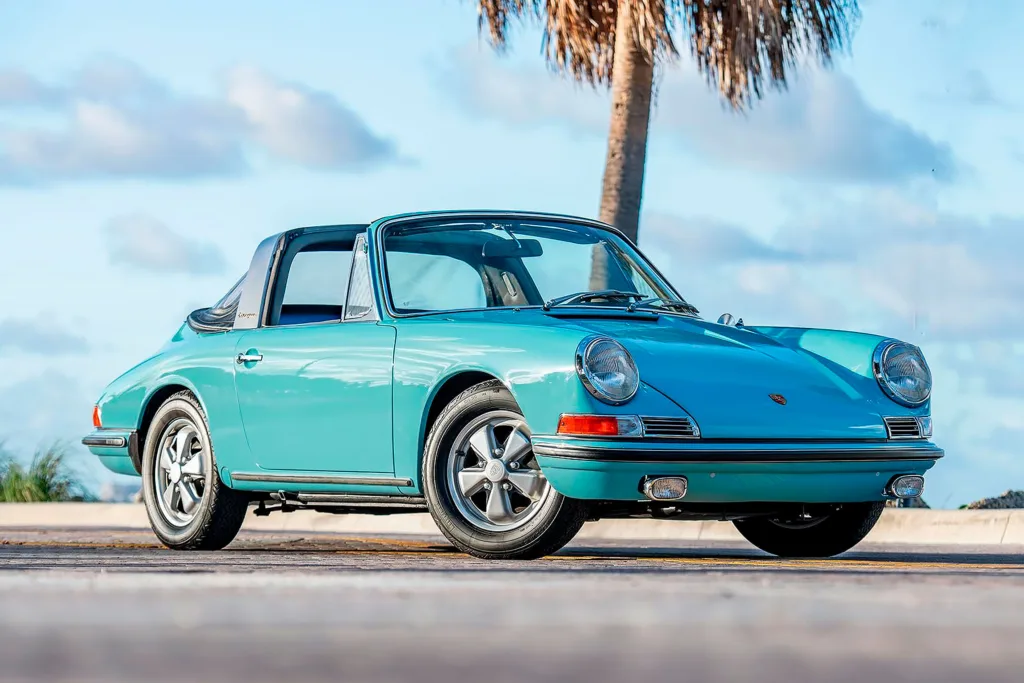
The company lacked only a roadster version of the 911 model. Safety requirements were becoming stricter, so designers developed a covered car with a built-in roll bar, naming it the Targa. The 1967 Targa was a hit, but Porsche owners had to wait until 1983 for a true convertible.
In the late 1960s, the iconic Porsche 908 was created. After a hesitant start at Daytona in 1968 and a tough defeat at Le Mans, the 908 began winning. It won enough races to bring the company its first World Sportscar Championship title in 1969. The 908 formed the basis of Porsche’s most famous racing machine, the 917 model.
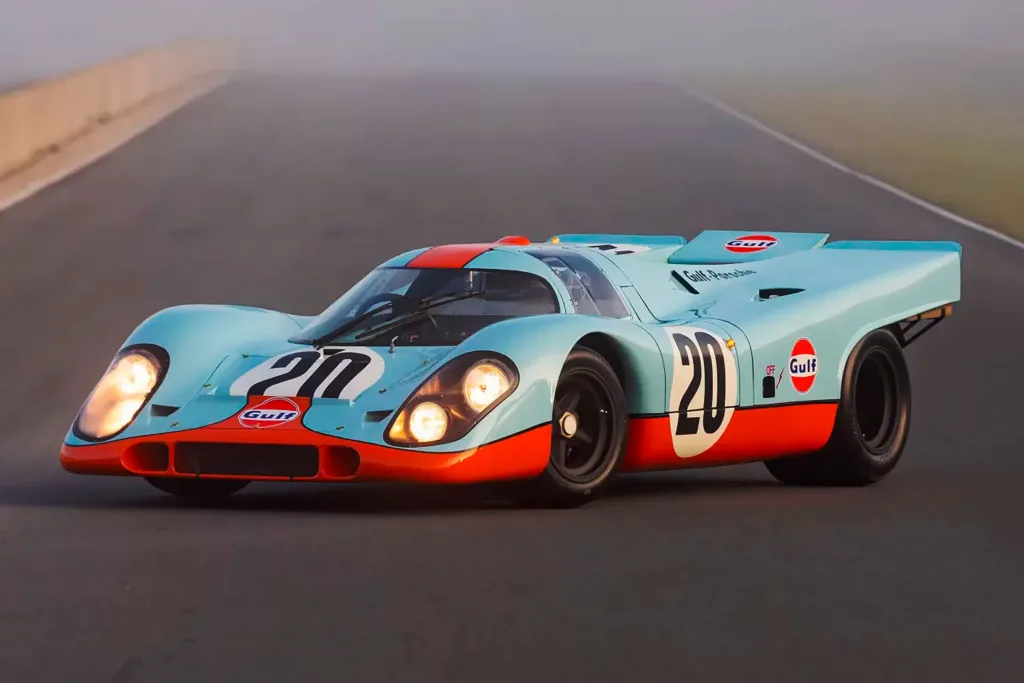
The 917 is considered the most important racing car in Porsche history. It appeared in 1969 and was equipped with a 4.5-liter twelve-cylinder engine with 580 horsepower (not 550 hp). The 917 brought Porsche its second consecutive manufacturers’ title, and its debut victory at Le Mans in 1970.
Porsche had to assemble 25 examples of this expensive model to achieve homologation status as a production car, although it shared only the presence of wheels with a true production car.
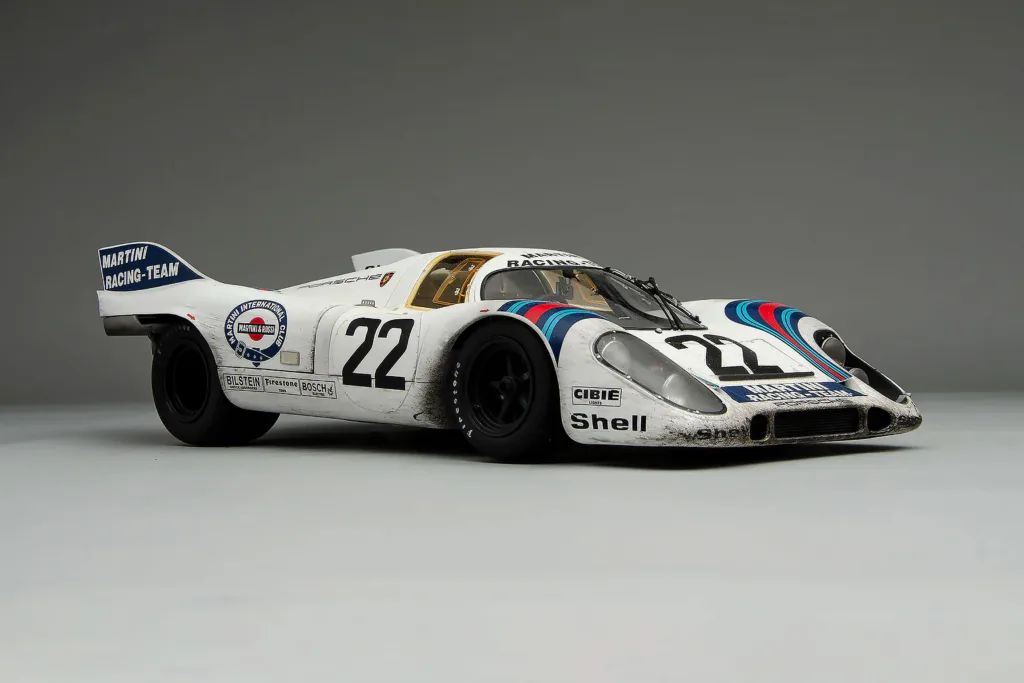
The 350 km/h (not 908) that the 917 developed exposed a problem: the rear end became unstable, and the car was difficult to control. The problem was solved by reshaping the rear end into a raised wedge. As soon as the aerodynamics were improved, the car began to dominate the European tracks. Ferrari‘s 512 was a formidable rival, but in 1971, Porsche won at Le Mans again. The stunning double of two consecutive Le Mans victories brought the car legendary status.
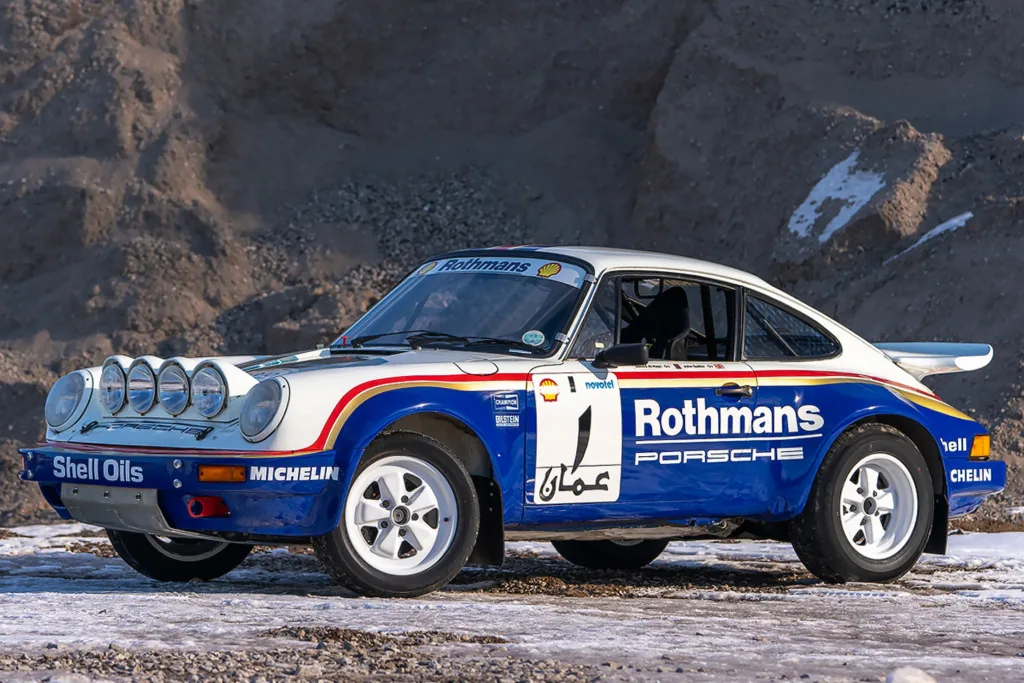
Porsche continued to compete on the world’s major tracks and in less-known races. In the late 1970s, the company decided to enter its cars in endurance Rally Raids. The 911 was put to the test to find out how resilient it was. Some decided to test it in extreme racing conditions in Africa. Participants competed in the 911 in the toughest conditions, testing themselves and the car.
Turbocharging and All-Wheel Drive
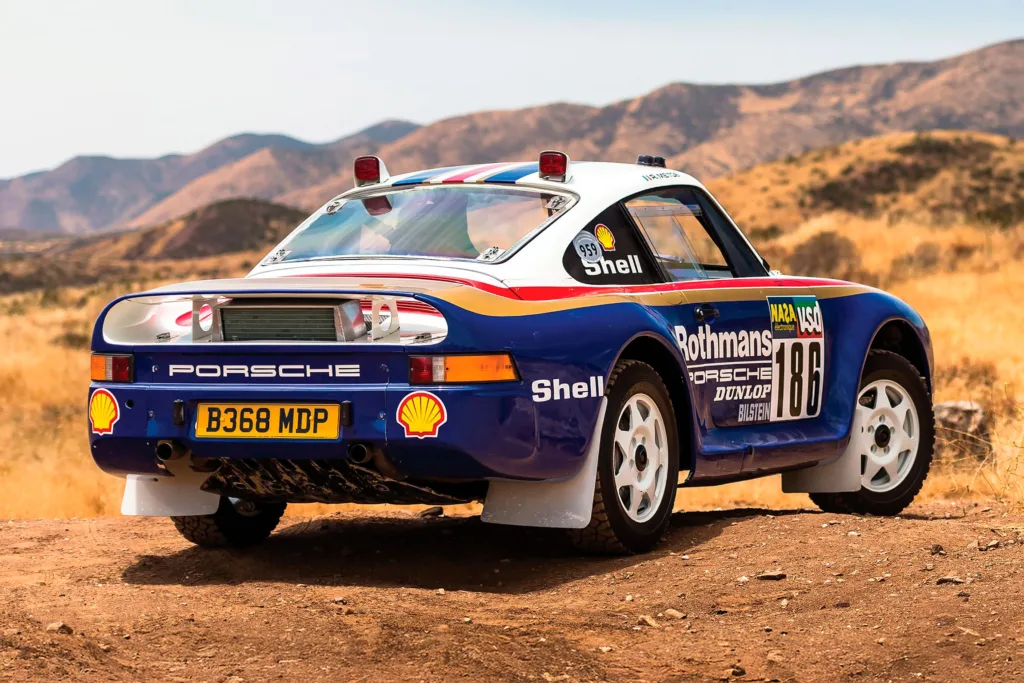
In 1986, the new all-wheel drive Porsche model 959 was entered in the Paris-Dakar Rally, a Mad Max-style race across the wild African continent. Some thought that a modified 911 would completely fail in such a hostile environment. This competition was intended for rugged SUVs, not refined sports cars. Surprisingly, the Porsche became the first sports car to win here.
Racing not only glorified the company but also allowed some racing developments to be implemented in production cars.
The turbocharged racing engine contributed to the success of the incredibly fast Porsche 911 Turbo (or 930) in 1975. The car, capable of accelerating up to 260 km/h, stood out with its wide fenders and tires, as well as spoilers. It was the fastest production car in the world.
In the early 1980s, Ferry felt it was time to hand over the company to new management. This group of designers and engineers began work on new versions of the 911, and experiments with all-wheel drive even began.
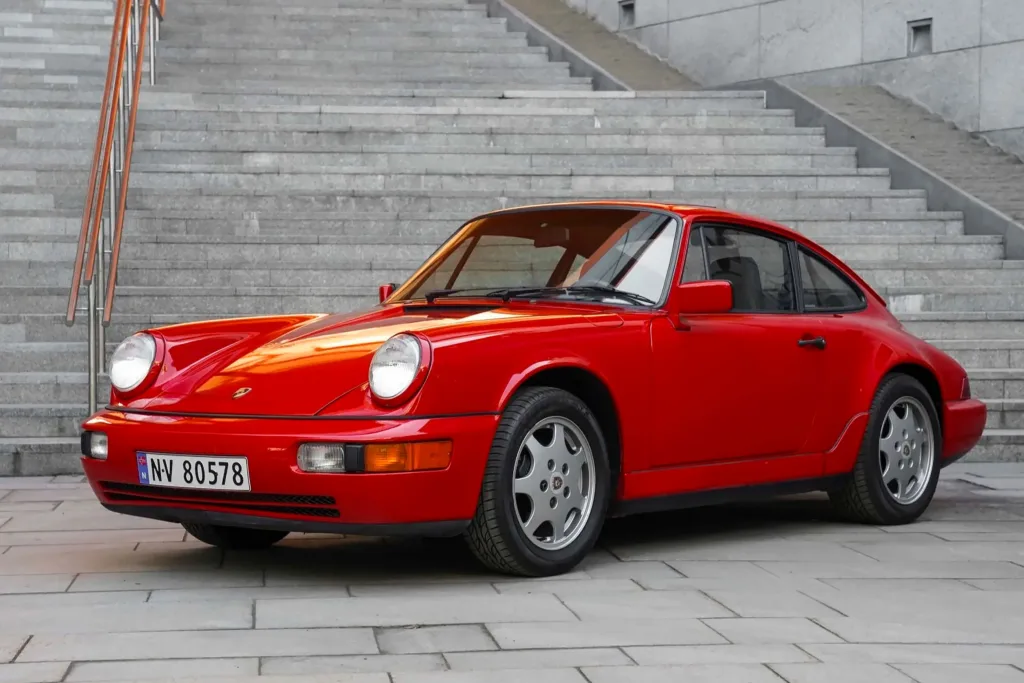
In 1989, this project led to the creation of what the press considered the best Porsche in history: the Carrera 4.
The $75,000 Carrera 4 featured a flat underbody that reduced air resistance, a revolutionary all-wheel drive system, and a 3.6-liter (not 3.5L) engine with 250 hp (not 240 hp). The aerodynamic body and flat underbody easily cut through the airflow at 260 km/h.
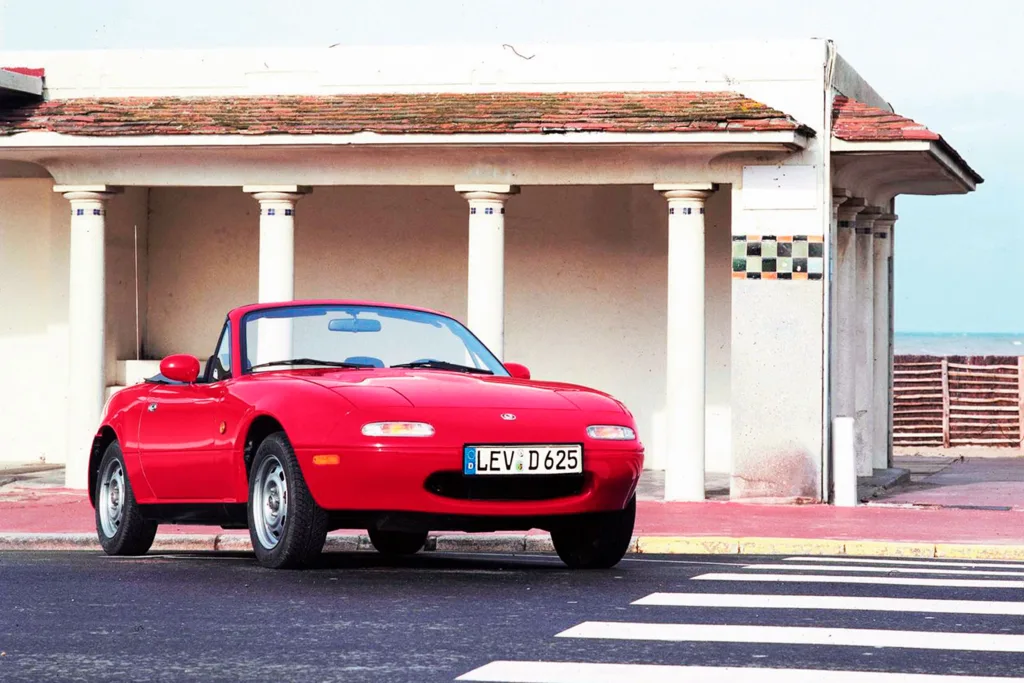
The powerful Porsche made hearts beat faster, but in 1989, universal attention was drawn to an inexpensive car reminiscent of an early sports car: the Mazda MX-5 (Miata in the USA). Mazda hit the bullseye. Priced below $20,000, it was accessible and still offered the joy of driving. You didn’t need to be highly skilled to drive it, yet it was interesting for professional drivers. The example of the Miata was contagious; soon, many small roadsters from different brands appeared. This was a mass craze.
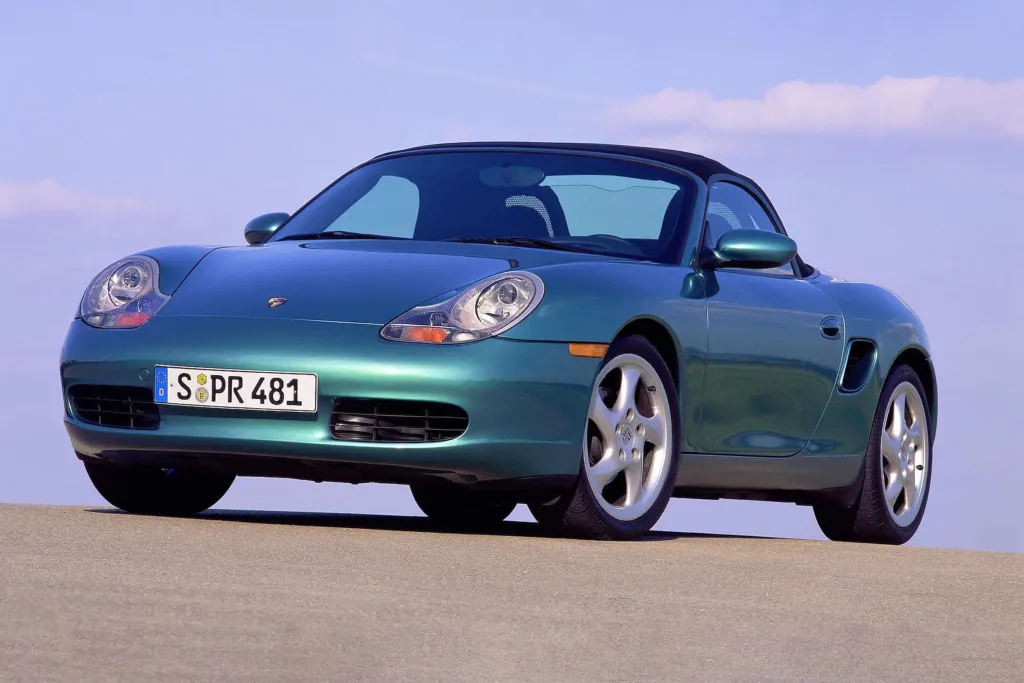
Porsche management decided that the company needed its own entry-level roadster. Thus, the Porsche 986 Boxster was created. It caused a sensation. It was released in Europe in late 1996 and was introduced in the USA at the Los Angeles Auto Show in January 1997.
The body design was inspired by the 356 and the classic 550 Spyder model. The heart of the Boxster was a six-cylinder boxer engine.
Although its engine was located mid-chassis, the designers managed to ensure excellent balance and maneuverability. The cars sold quickly at prices starting from $40,000 and up, but some customers complained about the lack of power. Porsche responded by adding 25 hp and refining the engine so that the car accelerated to 100 km/h one second faster. The more powerful version was named the Boxster S. The increase in speed and other options raised the price by $10,000, but this did not deter Porsche fans.
The Water-Cooled 911 and Cayenne
However, company management understood that its reputation still depended on the flagship 911 model. Work began on a completely new car for the 21st century. The last complete redesign of the most popular model had occurred in 1963.
The car had a 35-year history and a legion of loyal fans. The task before the designers was to create a car that would continue the model’s traditions but be ready for the new millennium.
Everything depended on the public’s reaction, so the result of the work was presented to the public in 1997 (the 996 generation). Visually, it was undoubtedly a 911; the public was satisfied. The use of water cooling instead of air cooling shocked some zealous fans, but the speed overshadowed everything—it was a true Porsche.
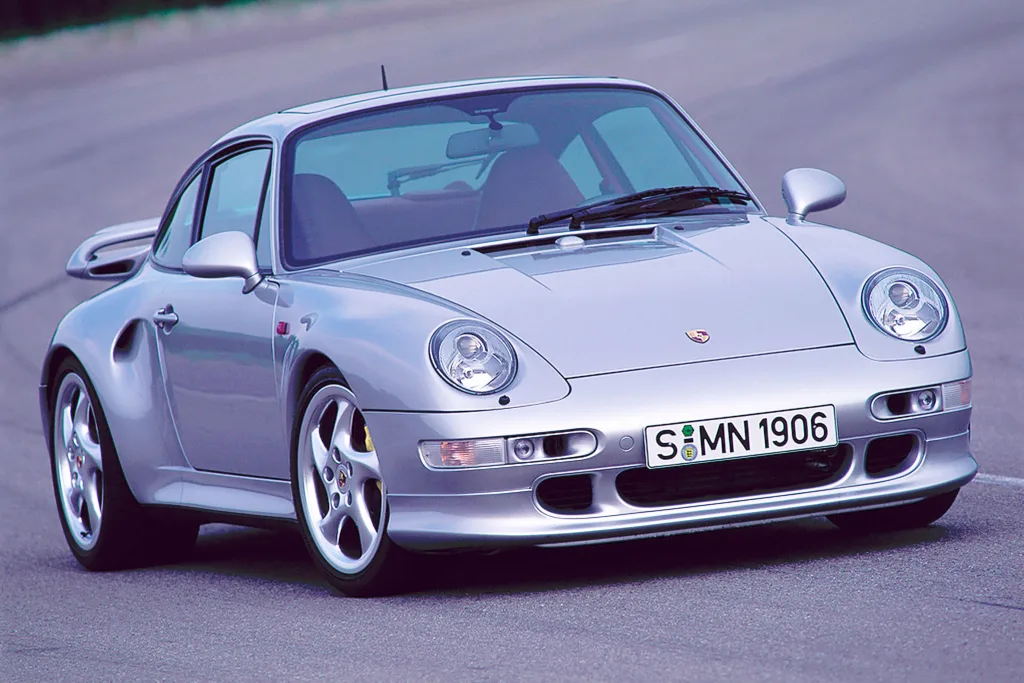
The new 911 formed the basis of a whole line of cars: the Turbo, Targa, and GT. The main versions included a Convertible, which allowed buyers to experience the classic open top. The car combined moderate luxury and driving dynamics. The engine, with 320 horsepower (not 315 hp), was the most powerful naturally aspirated engine in the company’s history at that time.
Its operation was aided by electronics that allowed power to be increased and the percentage of harmful emissions to be reduced. The new engine accelerated the car to 100 km/h in about 5 seconds.
To keep this insanely fast car under control, the independent suspension was supplemented with an electronic stability control system. Loss of traction at the front or rear triggered automatic braking of individual wheels or modification of engine power to stabilize the car. For those who needed the car to respond slightly better to the steering wheel, the Carrera 4S all-wheel drive system was created.
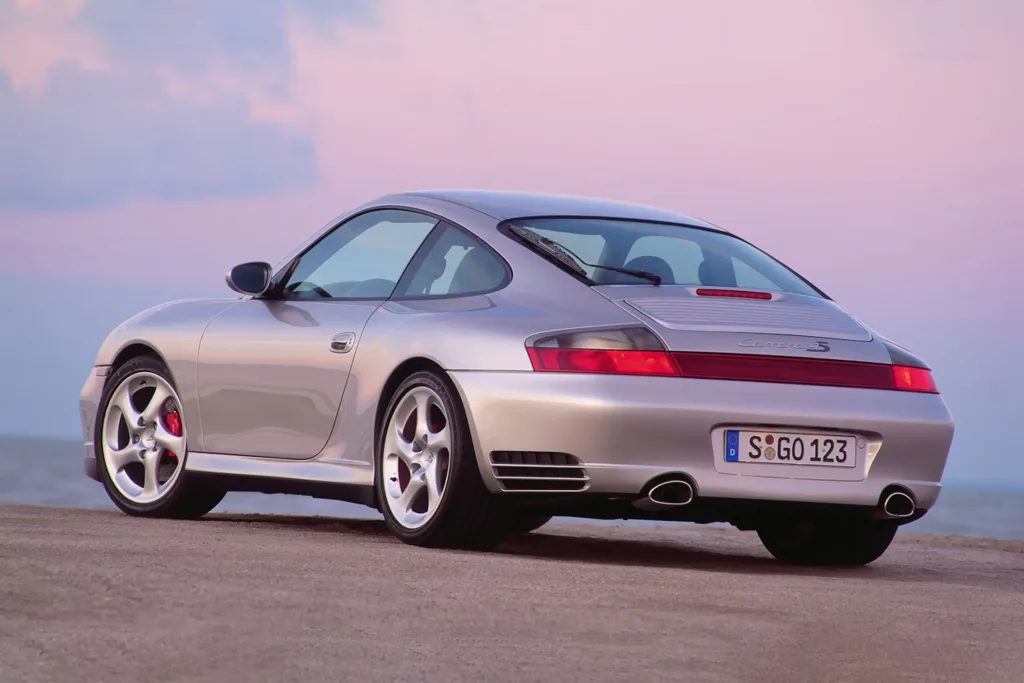
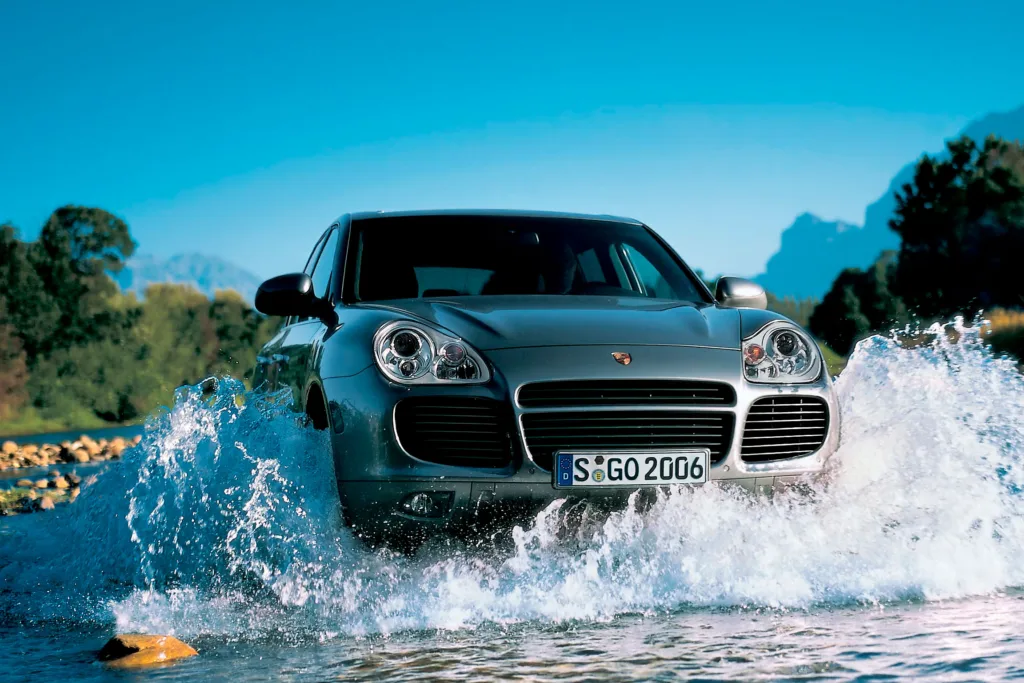
Although the 911 remained the company’s main car, it could not ignore the popularity of SUVs. in 2003, the Porsche stable was joined by the Cayenne, an SUV named after the island of red pepper. Porsche claimed that this car, with up to 450 horsepower, was the world’s first truly Sports Utility Vehicle (SUV). The brisk eight-cylinder engine accelerates it to 100 km/h in just over 5 seconds. The Cayenne made the Porsche model range more complete and expanded the brand’s customer base.
Porsche could not rely solely on the success of the SUV. The company continuously works to create innovative, fast cars for Porsche fans worldwide. It must, because for many, Porsches have become part of a lifestyle.
Porsche owners’ clubs have sprung up all over the planet. Weekend rallies, driving schools, and road trips that allow owners to realize all the advantages of these cars have helped create an international Porsche community.
Collectors may endlessly argue about which model best embodies the Porsche legacy, but it is obvious that Porsche has produced a whole galaxy of unusual and daring cars designed for people who not only love cars but also love to drive them. This passion has turned Porsche into an immortal automotive legend.
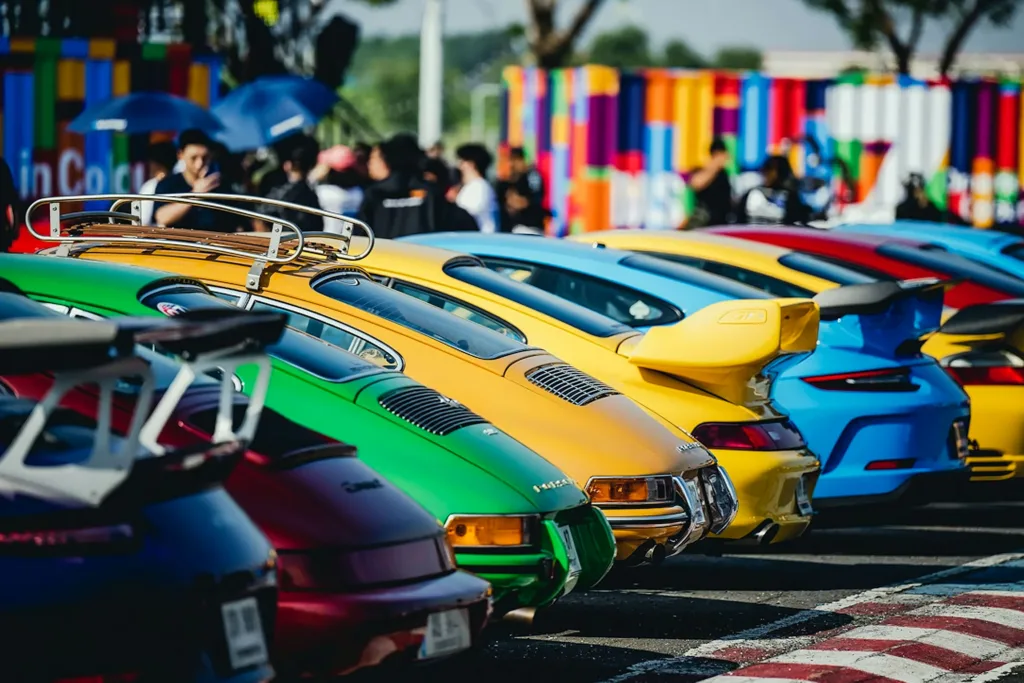
Modern History: Hybridization and Digitalization (2007-Present)
The period since 2007 has been characterized by Porsche’s commitment to maintaining its core sports car identity while embracing two key transformations: hybridization/electrification and digitalization.
New Model Segments
To fund its sports car development, Porsche significantly expanded its model range:
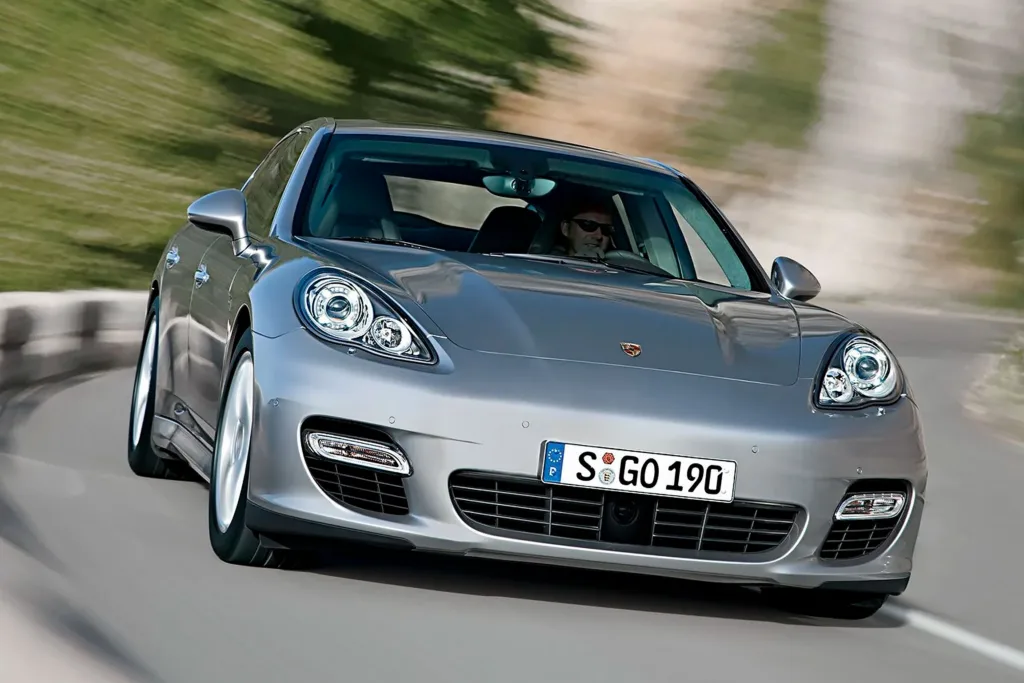
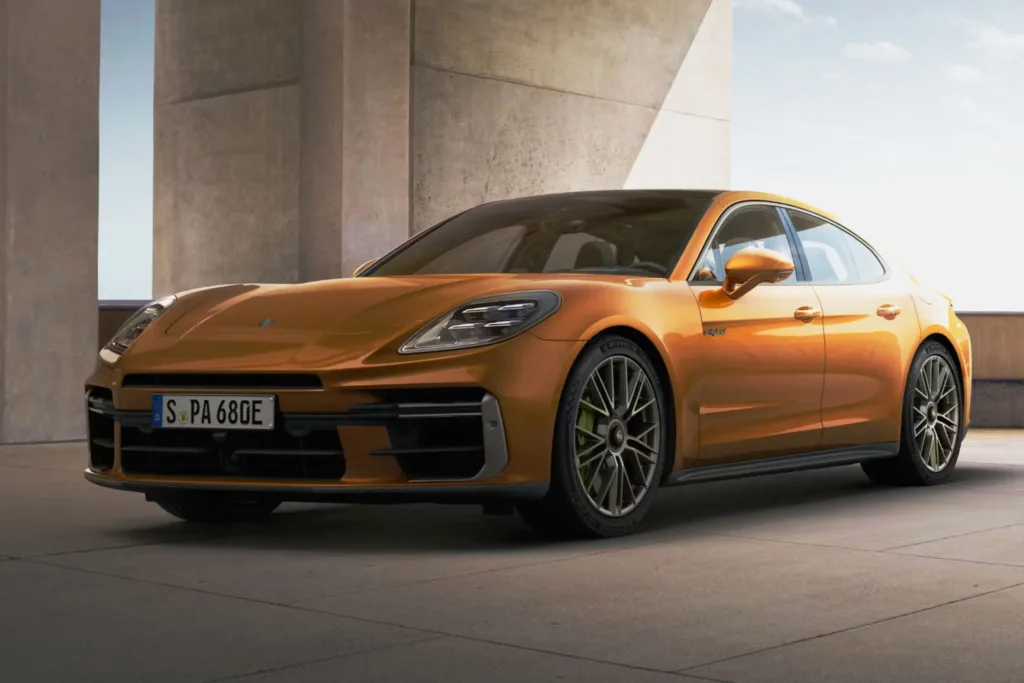
- Panamera (2009): The first four-door saloon (sedan) in the company’s history. It immediately established itself as a performance leader in the luxury segment.
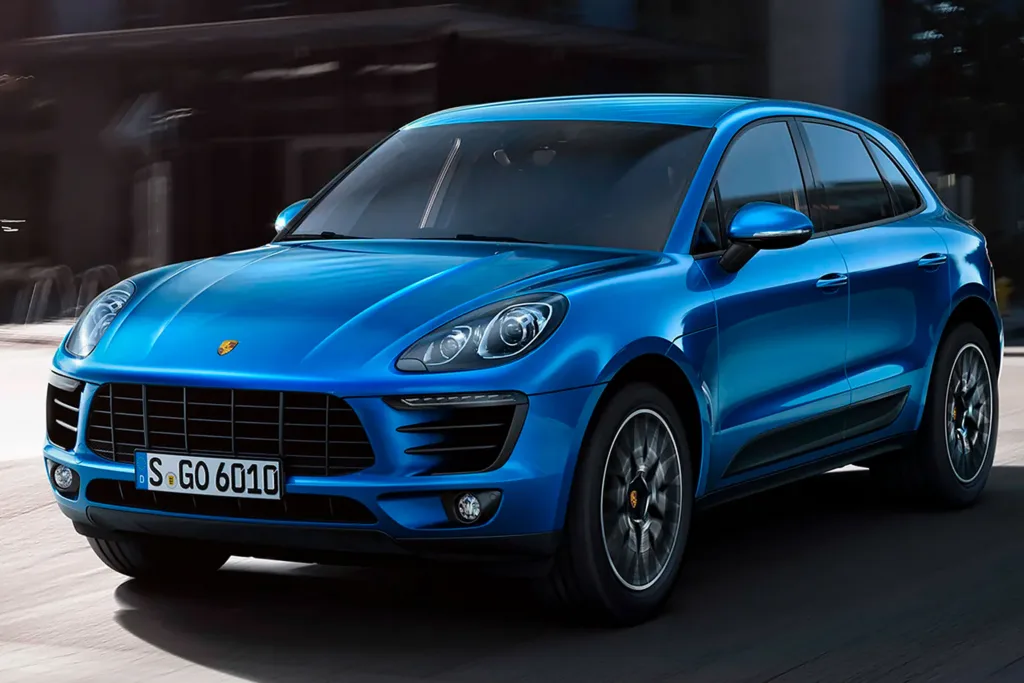
- Macan (2014): A compact luxury SUV that quickly became one of Porsche’s best-selling models, successfully translating the brand’s dynamic driving DNA to a smaller, more accessible segment.
Hypercars and Hybridization
Porsche used hybrid technology not only for efficiency but for extreme performance:
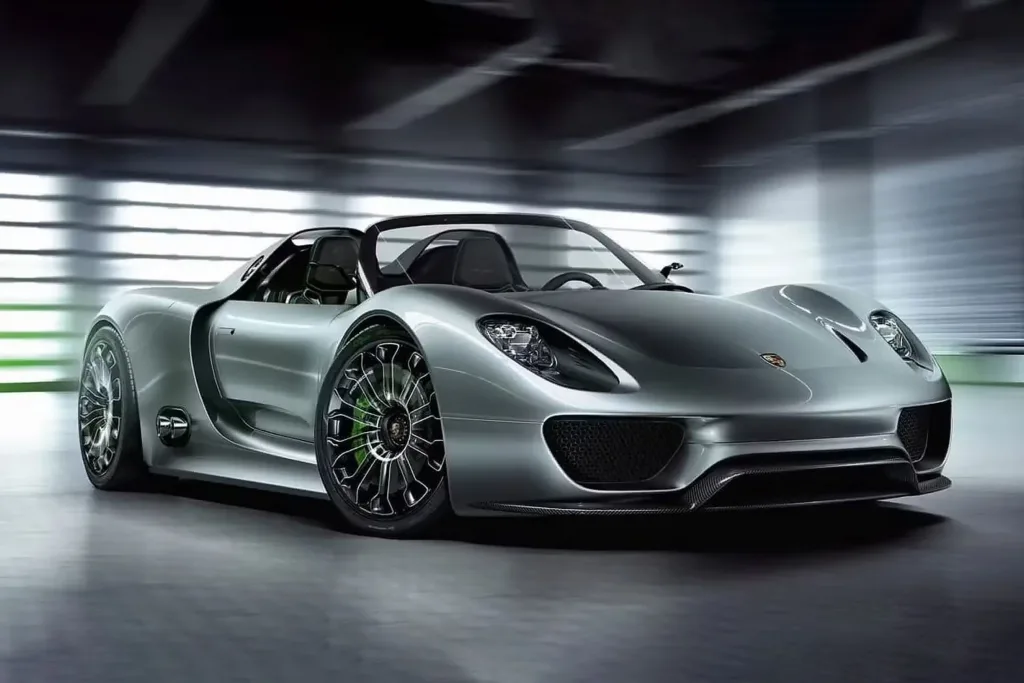
- 918 Spyder (2013): A limited-edition plug-in hybrid hypercar. It featured a naturally aspirated V8 engine combined with two electric motors, delivering over 880 horsepower and setting a new benchmark for performance and technology, including a Nürburgring lap record.
- Plug-in Hybrid Models: Porsche introduced E-Hybrid variants across its entire lineup (Cayenne, Panamera, and later, the 911), offering significant power boosts and the ability to drive short distances purely on electric power.
The All-Electric Leap
Porsche made its biggest leap into the future with its first fully electric sports car:
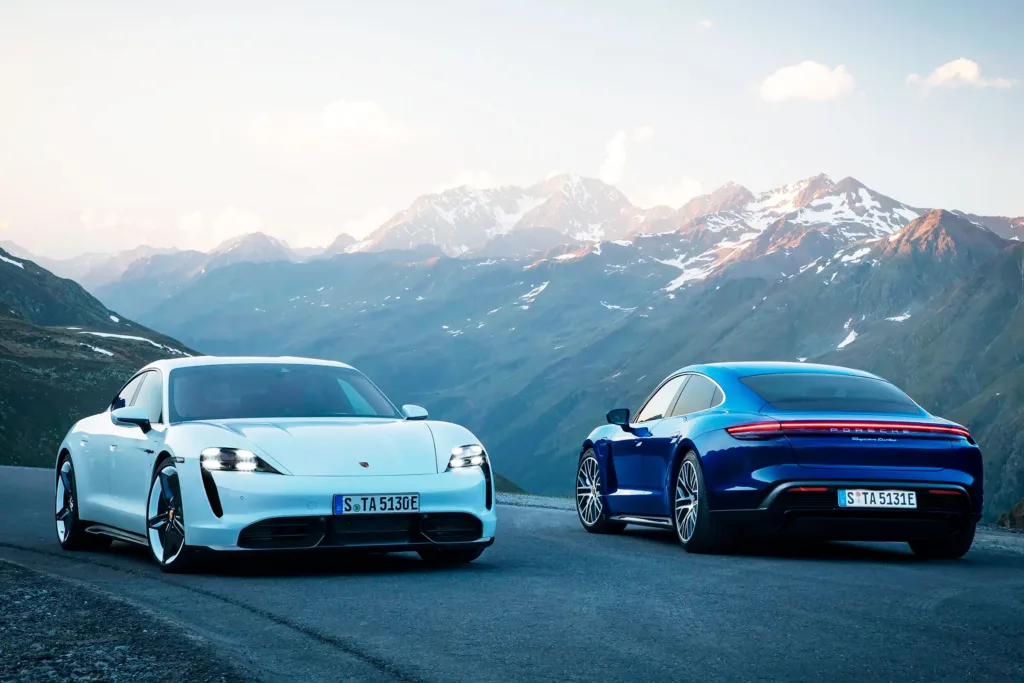
- Taycan (2019): Built on an all-new platform, the Taycan (and later the Taycan Cross Turismo) directly challenged traditional electric vehicles by focusing on sustained, repeated performance and featuring an advanced 800-volt battery architecture for faster charging.
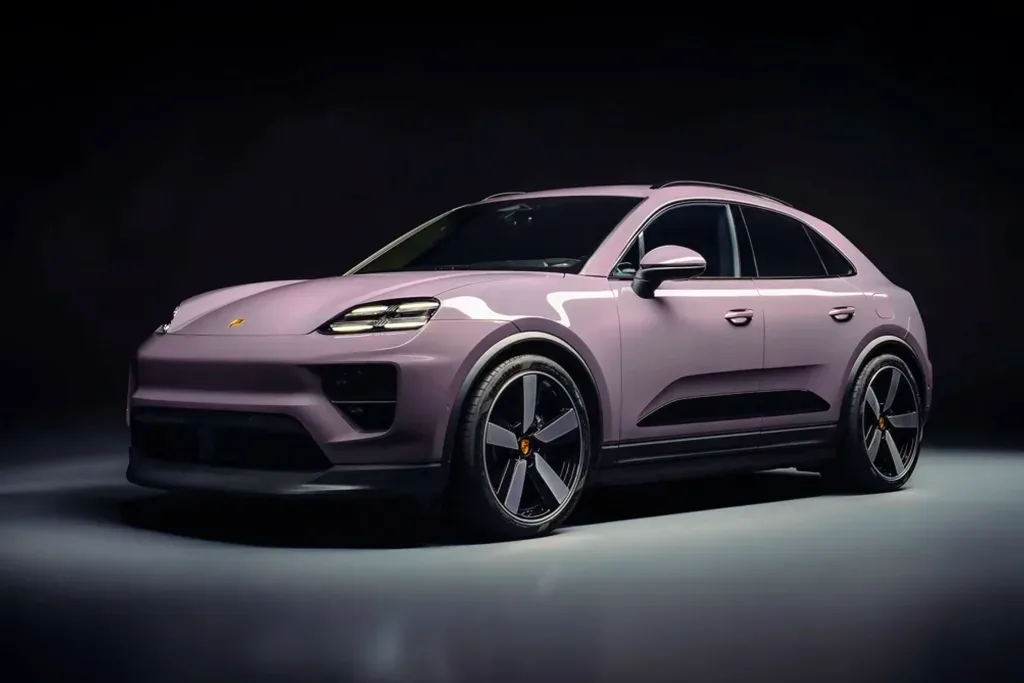
- Macan EV (Upcoming): The introduction of an all-electric version of its best-selling model signals the ongoing transition of Porsche’s core lineup to electric power.
Digital Focus
Modern Porsches are increasingly connected and digital. They feature fully digital instrument clusters (starting with the Taycan) and increasingly complex connectivity services, allowing for over-the-air updates and a highly personalized driving experience, ensuring that even as the technology changes, the focus remains firmly on the emotional connection between the driver and the machine.
Porsche continues to invest heavily in its racing programs, reinforcing the link between the track and its road-going vehicles.


Functional Always active
Preferences
Statistics
Marketing