
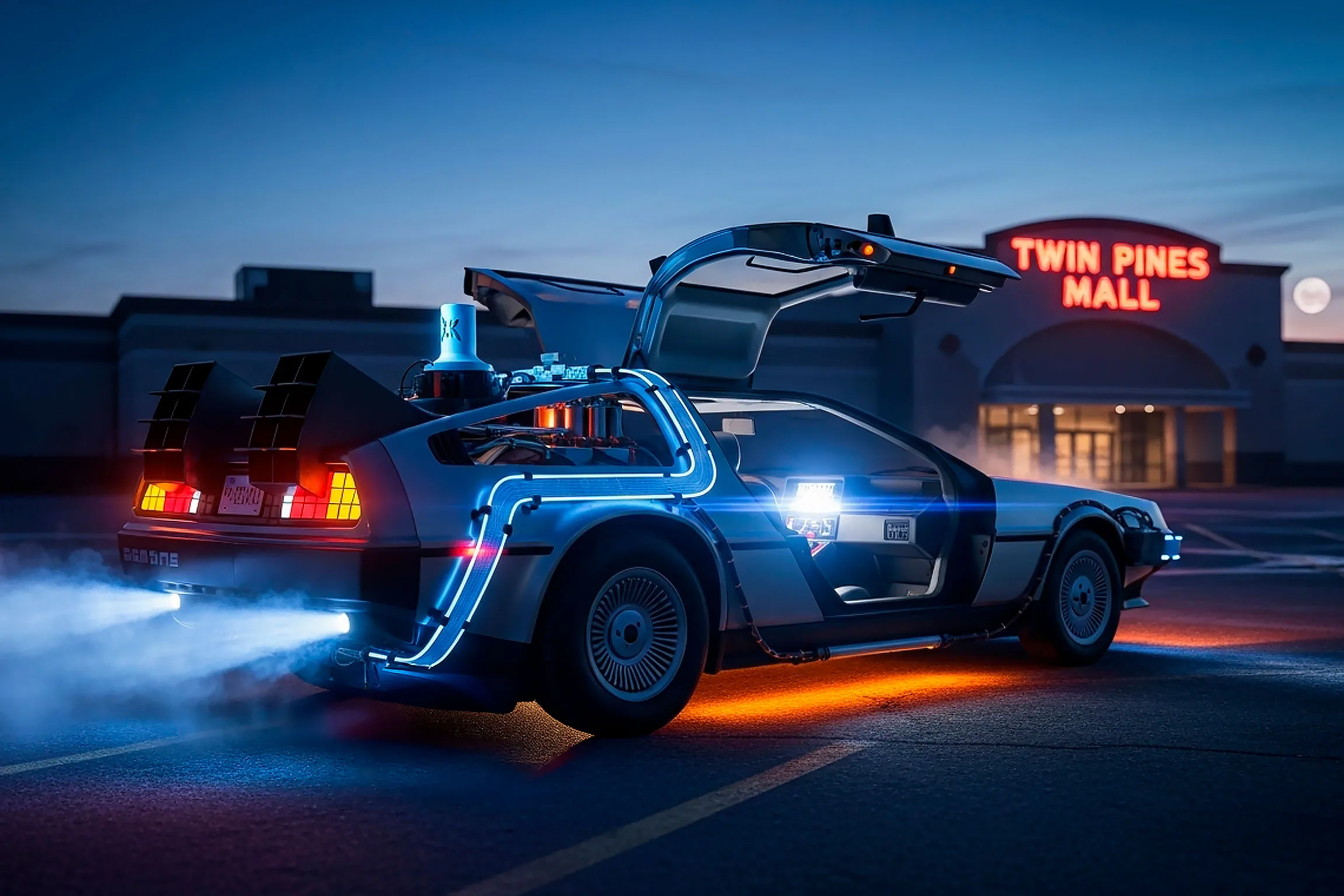
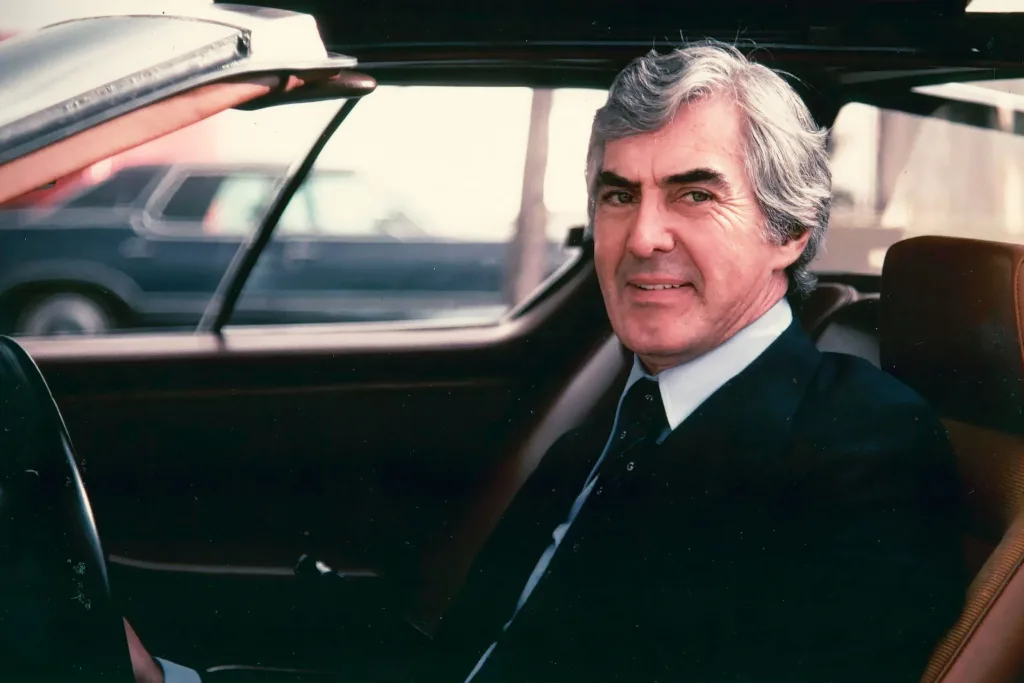
In the annals of car culture, few vehicles possess a rags-to-riches story as dramatic as the DeLorean DMC-12. Born from the ambitious, yet ultimately doomed, vision of John Z. DeLorean, the car was a commercial failure, with production ceasing just as quickly as it began. But destiny, or perhaps the space-time continuum, had other plans. Its dramatic, futuristic design—featuring the striking stainless steel body and revolutionary gull-wing doors—made it the perfect candidate for a far grander role: a star.
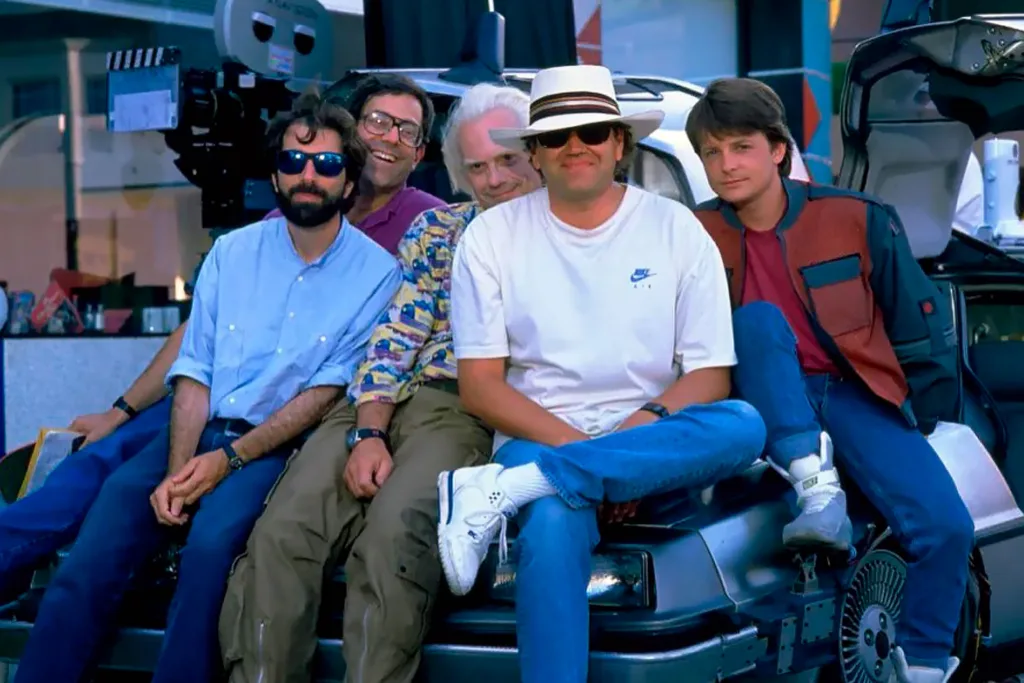
The year 1985 marked the true beginning of the DeLorean DMC-12 legacy, not on the road, but on the silver screen in the seminal film Back to the Future. This association was so powerful that it permanently overshadowed the car’s troubled engineering and financial history, transforming a defunct sports car into the ultimate symbol of adventure and time travel.
For enthusiasts and casual observers alike, the DMC-12 is no longer just a car; it is the physical embodiment of the Flux Capacitor and the magical requirement of 88 miles per hour.
This article explores that pivotal relationship, detailing how Hollywood took a commercial disappointment and transformed the DeLorean into one of the most beloved and recognizable car culture icons in modern history. We will delve into why the DeLorean DMC-12 was chosen, how its appearance secured its eternal fame, and the lasting impact of this cinematic resurrection.

DeLorean DMC-12: The Car That Looked Like a Time Machine (Before It Was One)
The decision to feature the DeLorean DMC-12 in Back to the Future was a deliberate and inspired choice by the filmmakers, Robert Zemeckis and Steven Spielberg. They needed a vehicle that was instantly exotic, plausible as a highly modified scientific instrument, and aesthetically unlike anything else on the road. The DeLorean checked every box.
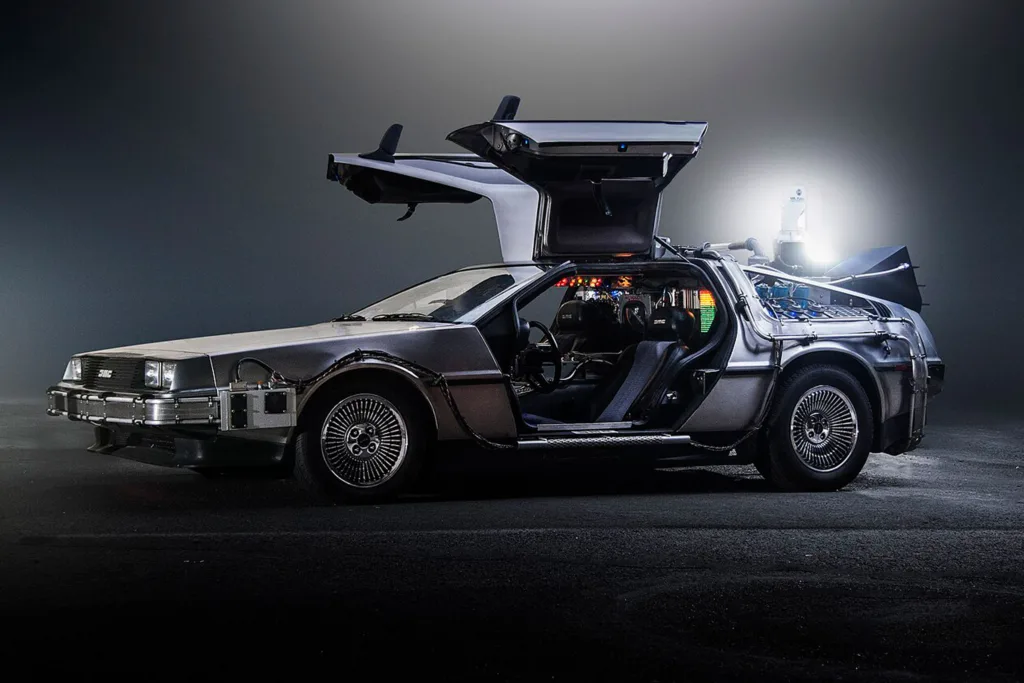
The car’s core design elements gave it an inherent air of sci-fi mystery:
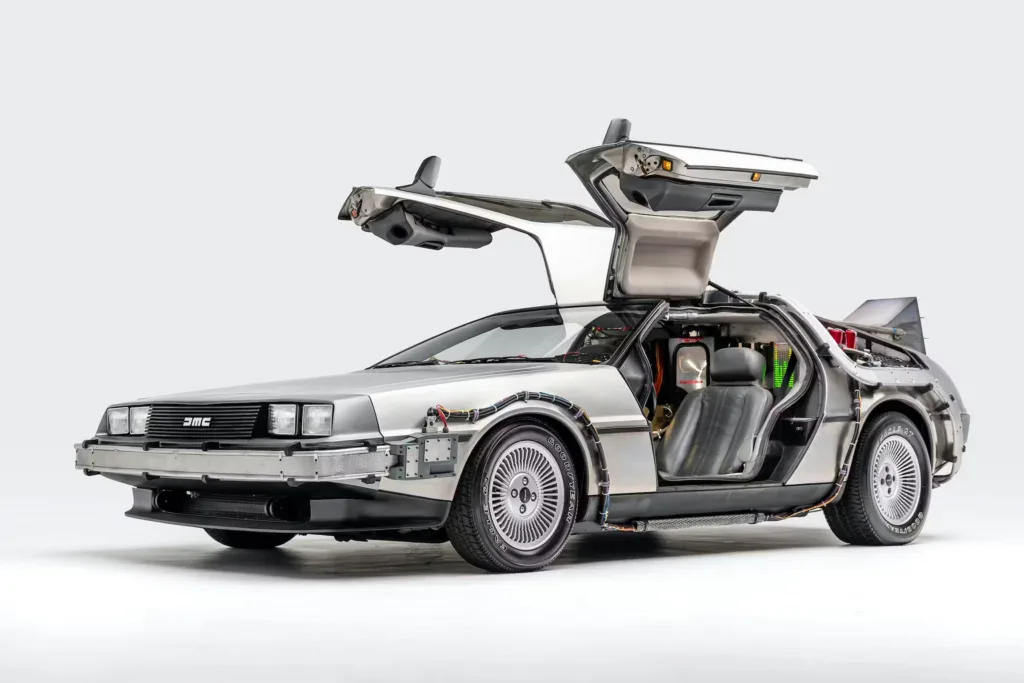
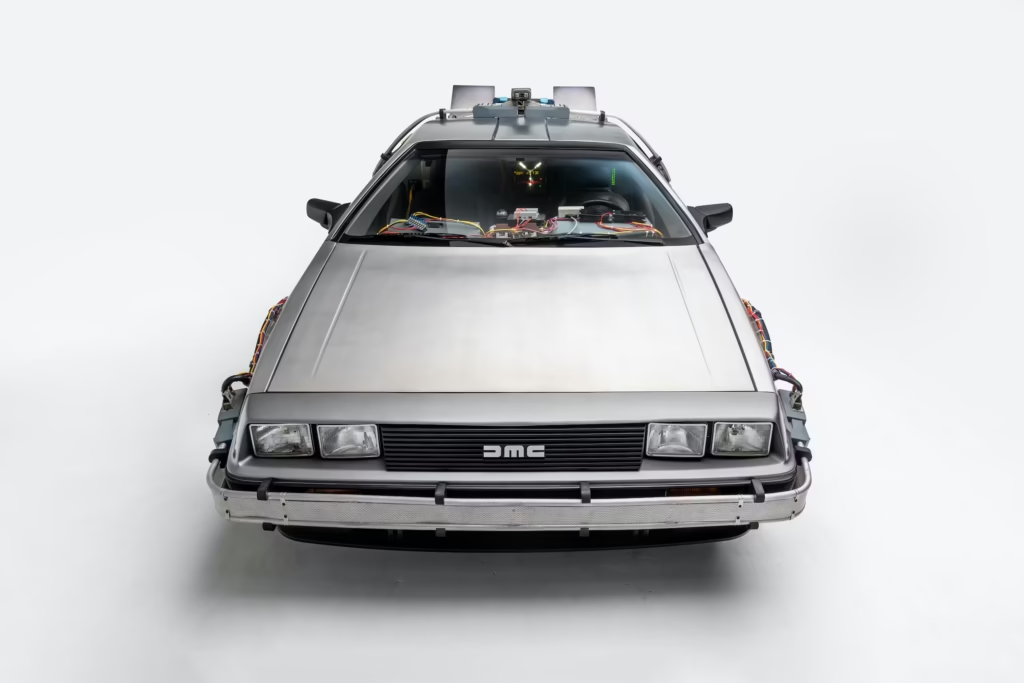
- Stainless Steel Body: The unpainted, non-reflective finish provided a stark, futuristic contrast to the painted cars of the era. This raw, metallic look easily suggested a rugged, engineered, and specialized machine—not just a luxury sports car.
- Gull-Wing Doors: These signature doors, hinged at the roof, open dramatically upward, creating a distinctive profile that screamed “spaceship” or “prototype.” When “Doc” Brown, the eccentric scientist, opens those doors, the action instantly establishes the vehicle as something extraordinary, setting the stage for its function as a time machine.
- Wedge Shape: The sharp, angular design, courtesy of ItalDesign’s Giorgetto Giugiaro, gave the car a sleek, aerodynamic look that suggested incredible speed and advanced technology, essential for a vehicle that needed to hit 88 mph to jump through time.
Crucially, when the film was being developed, the original DeLorean Motor Company had already collapsed.
This allowed the filmmakers to use the car without it being perceived as a massive product placement advertisement for a current model.
They were taking a beautiful, but commercially failed, artifact and giving it a new purpose, turning the DeLorean from a footnote in automotive history into a narrative centerpiece. The car’s obscurity ironically granted it cinematic universality.
88 MPH and the Flux Capacitor: The Mechanics of Movie Stardom
The on-screen modification of the DeLorean DMC-12 is what sealed its fate as an icon. Dr. Emmett Brown’s modifications were instantly memorable and became crucial details that fans continue to celebrate and replicate in detail.
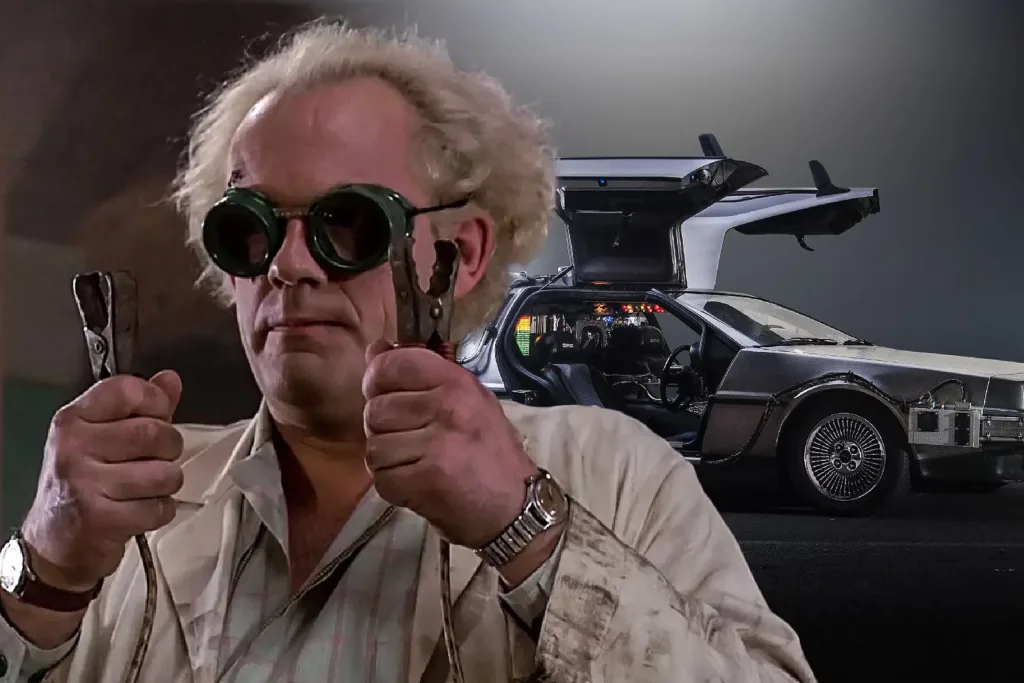
The three most famous elements are:
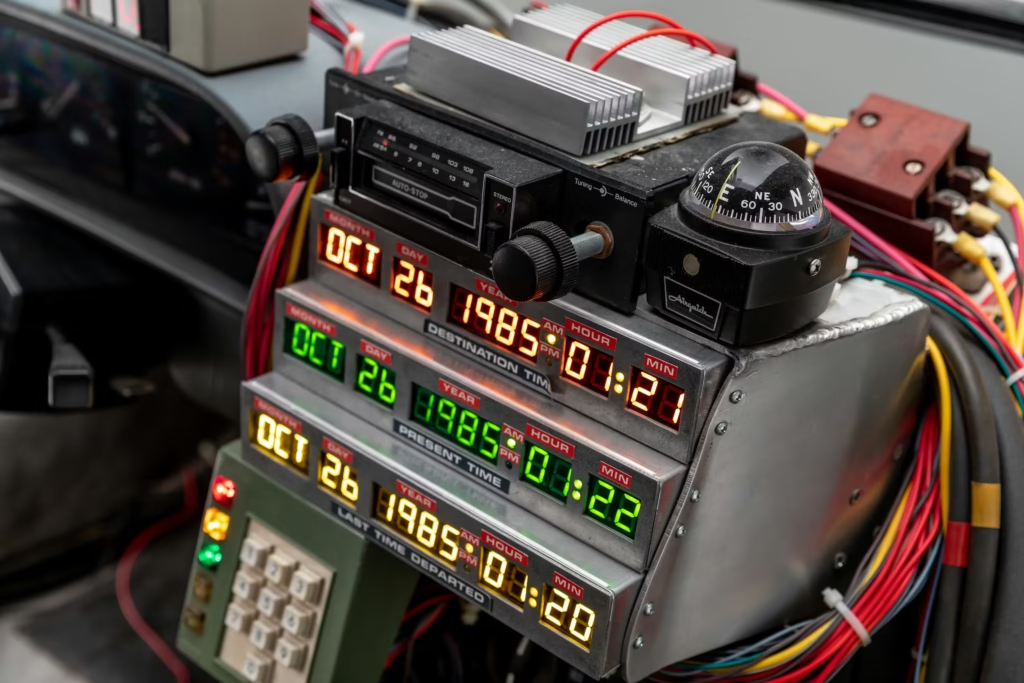
- The Flux Capacitor: This centerpiece, positioned between the driver and passenger seats, is the fictional component that “makes time travel possible.” Its flashing Y-shaped light pattern is an immediately recognizable cinematic signature. By making the DMC-12 the vessel for this fantastical device, the car itself was imbued with its magic.
- The Velocity Requirement (88 mph): The simple, repeatable requirement for time travel—accelerating the DeLorean to exactly 88 miles per hour—is one of the most quoted lines in film history. This simple mechanical action gave the car a central role in every plot point, turning the act of driving into a critical, high-stakes moment.
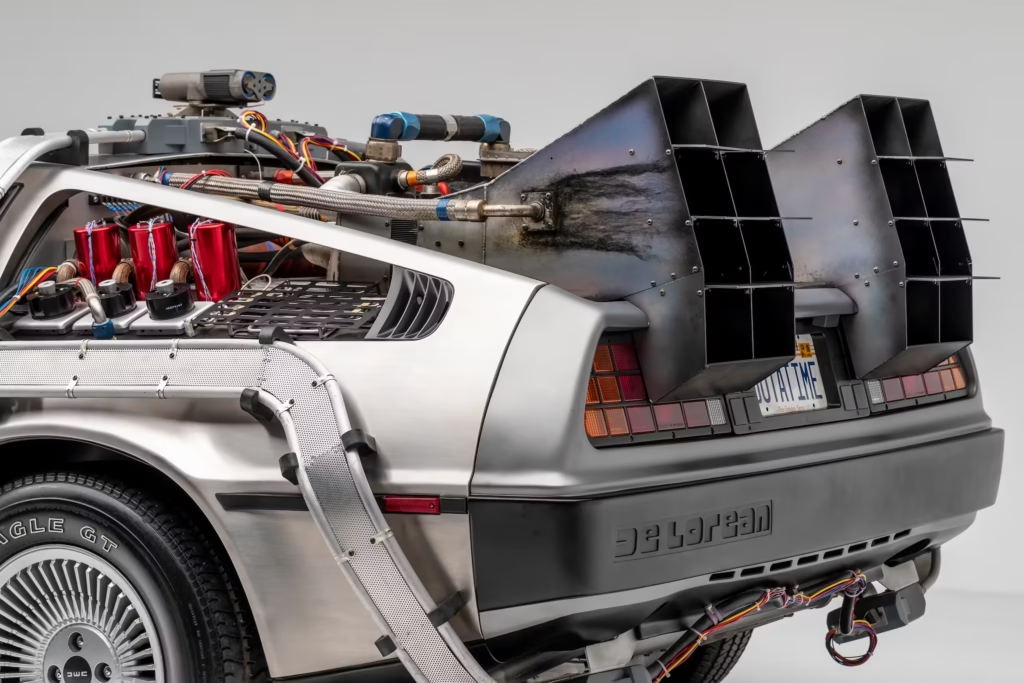
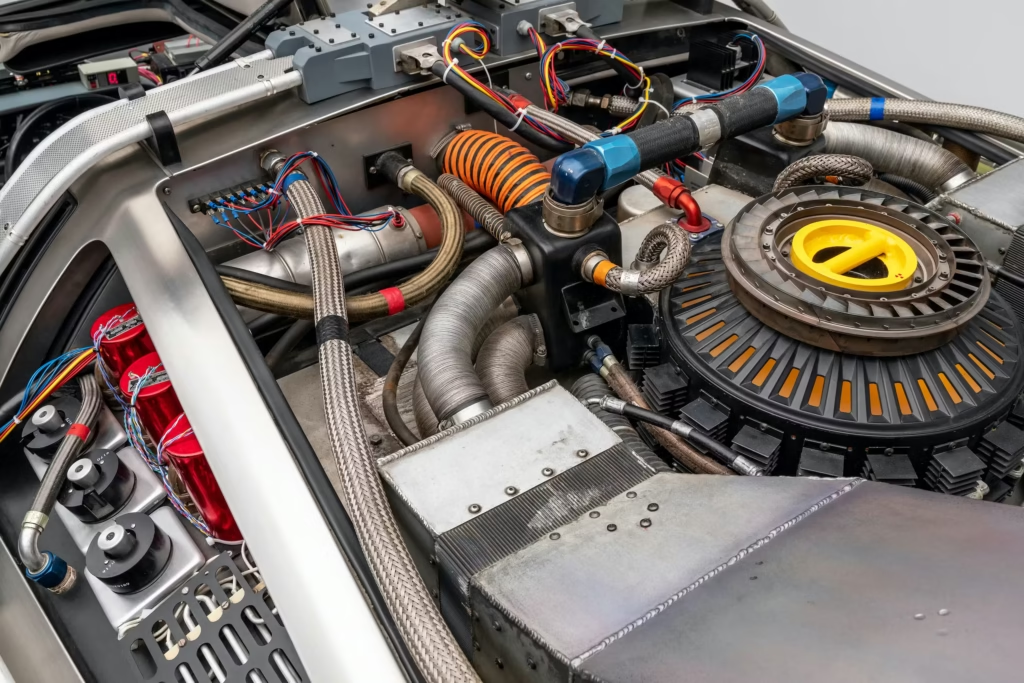
- The Reactor and Vents: The external modification, including the rear-mounted nuclear reactor (later the “Mr. Fusion” home energy reactor), the complex wiring, and the engine-cover cooling vents, visually transformed the sleek sports car into a chunky, functional scientific instrument. This transition from sports car to science fiction prop is why the film’s version of the DeLorean DMC-12 is so widely beloved and duplicated by replica builders.
The film utilized multiple DeLorean cars—some modified for effects, some for stunts. The attention to detail in these modifications helped create a cinematic identity so strong that the film version is arguably more famous than the original production car. The DeLorean became a universal shorthand for time travel.
The Rescuing Act: DeLorean and the Rebirth of a Brand
The timing of Back to the Future was perfect for the car’s legacy. Released in 1985, three years after the factory closed, the film gave the already-defunct DeLorean brand a second life in the cultural consciousness. Unlike cars featured in films while they are still in production, the DMC-12 gained notoriety precisely because it was no longer being made.
This cinematic resurrection had tangible effects that continue to shape the car’s place in car culture:
- Increased Value and Demand: The movie series created a permanent, non-speculative demand for the DMC-12. People didn’t just want a cool sports car; they wanted a piece of the time machine. This ensured that the limited number of vehicles—approximately 9,000 units—retained significant collector value and prevented them from fading into obscurity like many other automotive failures.
- Establishment of a Parts Infrastructure: The ongoing high demand necessitated the creation and sustained success of specialist companies, such as the new DeLorean Motor Company (DMC) in Texas. These firms supply original and reproduction parts, ensuring the maintenance and restoration of the original fleet of DeLorean vehicles. The movie, therefore, literally kept the car on the road.
- A Universal Cultural Identity: The DeLorean DMC-12 transcended its niche sports car origins to become a mainstream cultural phenomenon. Its image is recognizable globally, appearing in everything from cartoons and video games to major theme park attractions. The car’s fame is completely detached from any measurable performance metric; its power is purely symbolic.
The film did more than save the car’s memory; it fundamentally re-wrote the DeLorean narrative from a cautionary business tale into an inspirational story about a machine that defied its limitations, much like the time travel plot itself.
The Enduring Cultural Impact of the DeLorean DMC-12
Today, the relationship between Back to the Future and the DMC-12 remains one of the most powerful examples of cinema influencing car culture. When enthusiasts gather, a mint-condition original DMC-12 is interesting, but a meticulously replicated “time machine” DeLorean is a magnetic center of attention. The focus is always on the cinematic fantasy.
The DeLorean DMC-12 will forever be defined by the moment it achieved 88 mph, not its quarter-mile time. It is a car that represents hope, ingenuity, and the limitless potential of the future, all thanks to its starring role. The movie series provided the vehicle with the ultimate escape route from commercial failure, transforming its metallic chassis into a truly iconic piece of American film history and automotive history. No other car from the 1980s has such an immediate, worldwide, and universally positive association. The DeLorean legacy is a powerful reminder that sometimes, the true value of a machine is measured not in horsepower, but in the magic it inspires.




Functional Always active
Preferences
Statistics
Marketing