
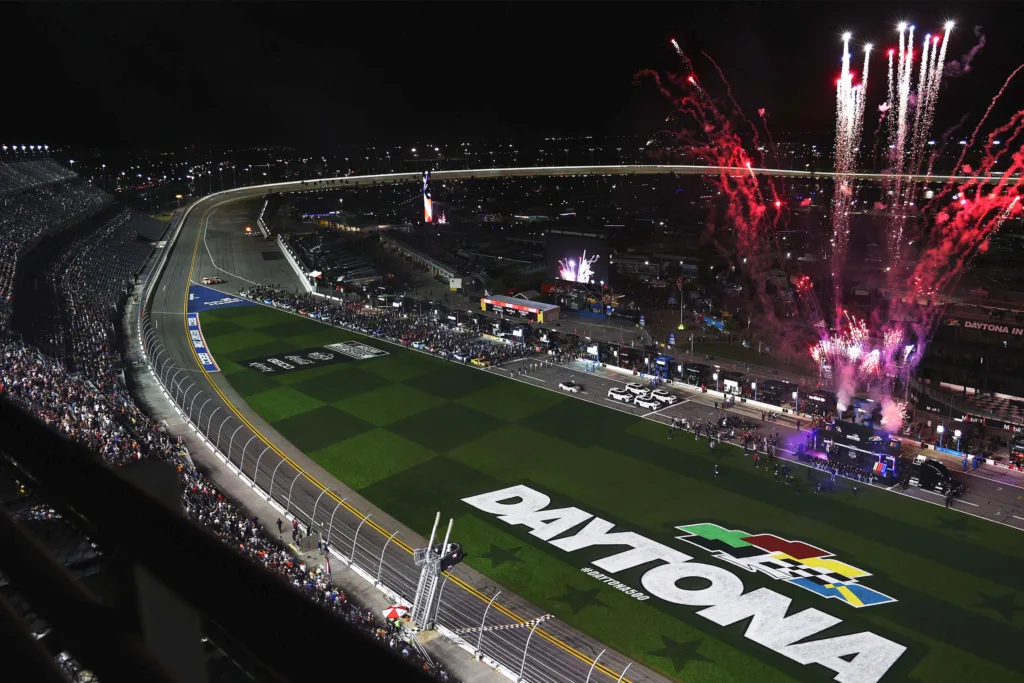
The Daytona International Speedway is an undisputed colossus in the global motorsports arena, celebrated as the supreme theater for showcasing velocity, durability, and competitive spirit.
It transcends the mere definition of a racetrack; it is the physical embodiment of the American racing narrative, a hallowed ground where legends are consecrated, driving careers are defined, and the pure, unadulterated sensation of high-speed rivalry reverberates through its monumental viewing structures.
As the revered home of NASCAR’s flagship competition, the Daytona 500, the Daytona Speedway stands as a towering symbol of foresight, engineering prowess, and the relentless, high-stakes quest for victory in what is unequivocally known as “The Great American Race.”
From Beach Sands to the Superspeedway
The deep roots of automotive competition in the Daytona area extend back to the nascent stages of the 20th century. Pioneers of speed relentlessly tested the physical limits of their machines on the natural, uniquely firm sands of Daytona Beach, achieving and shattering countless world land speed records.
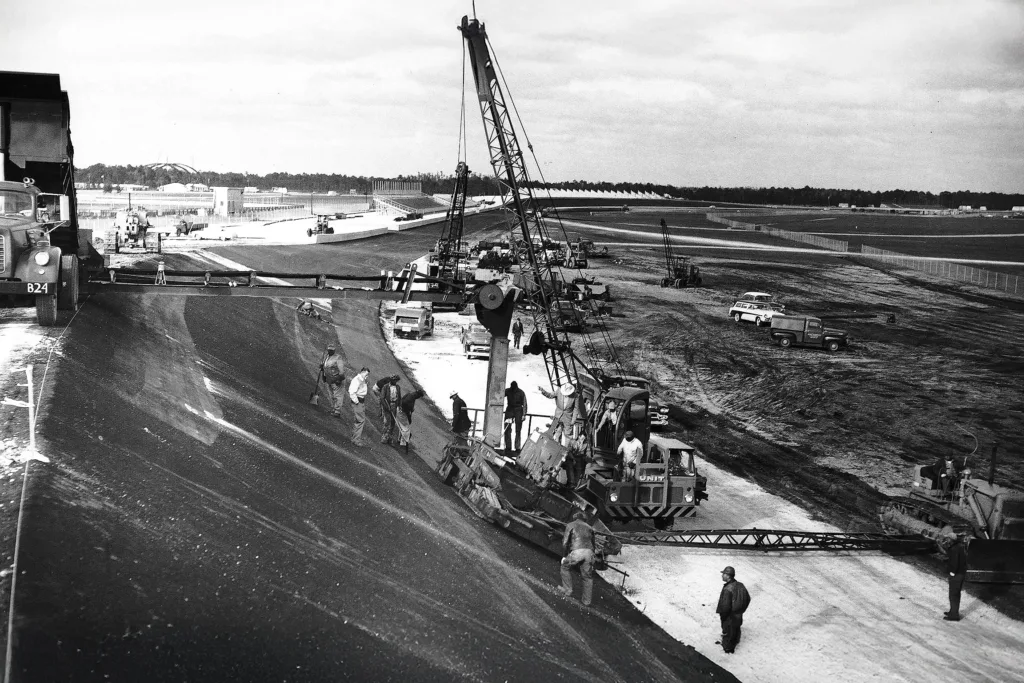
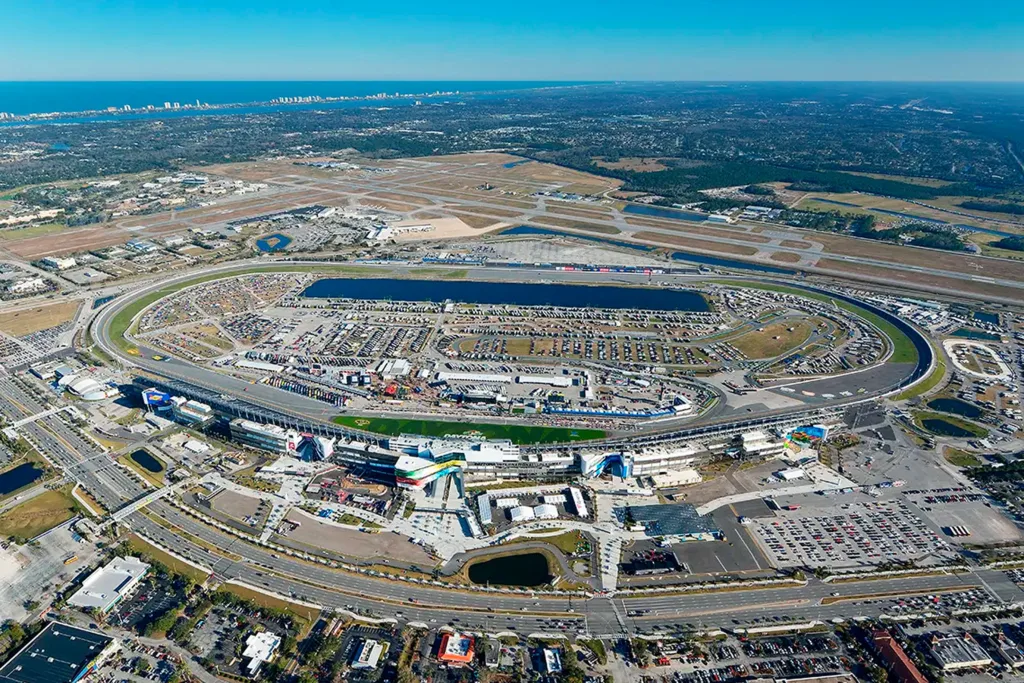
This organic, beach-and-road circuit, while historic, was inherently perilous and eventually became obsolete as racing technology advanced. A clear need arose for a dedicated, safer, faster, and more accessible venue for spectators. This transformative vision was championed by Bill France Sr., the seminal figure and founder of NASCAR. In 1957, France initiated the construction of the groundbreaking 2.5-mile tri-oval superspeedway.
The innovative design featured extraordinarily steep 31-degree banking in the turns—an architectural marvel that utilizes centrifugal force to enable stock cars to maintain speeds often surpassing 200 mph (320 km/h), simultaneously ensuring fans were positioned for optimal viewing.
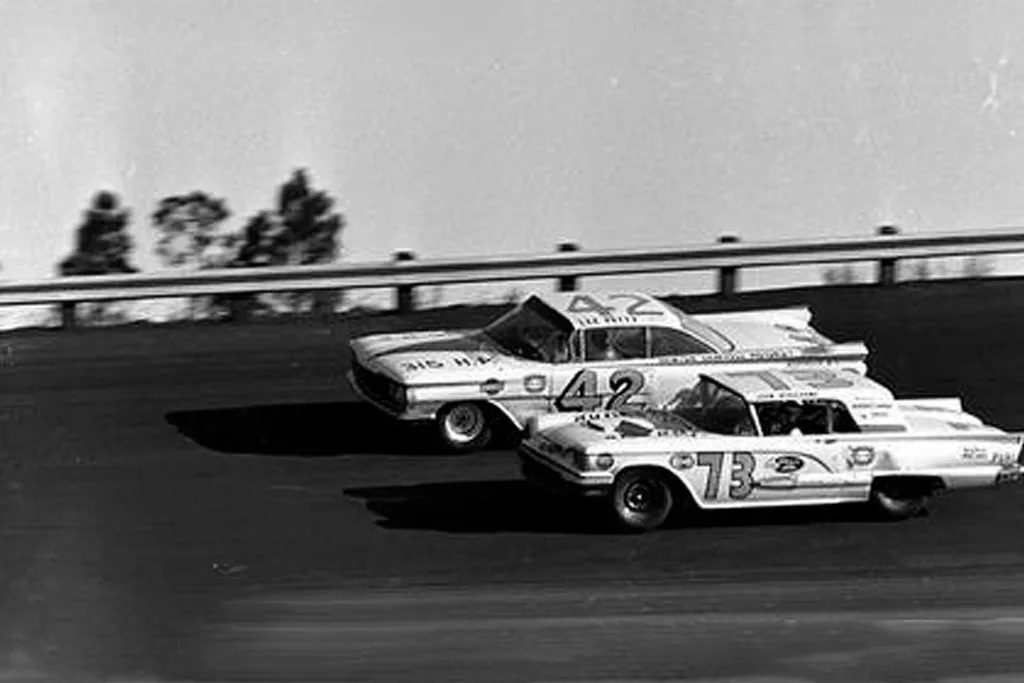
When the track officially opened in 1959, it instantly redefined American motorsports, permanently moving premier races from the unpredictable beach surfaces to a meticulously engineered, high-octane amphitheater. The victory in the inaugural Daytona 500 went to Lee Petty following a photographic review of the photo finish—a dramatic start that foreshadowed its future. This premier event rapidly escalated in significance, cementing its status as the most prestigious and culturally resonant race in NASCAR, captivating a worldwide audience of millions.
The Daytona 500 and the Art of Pack Racing
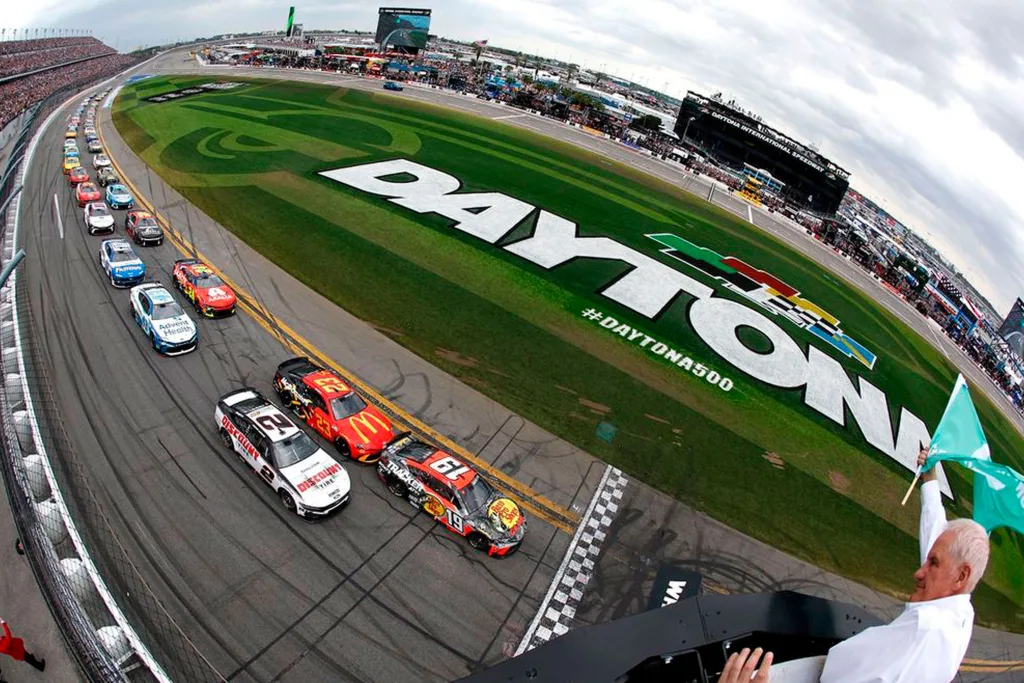
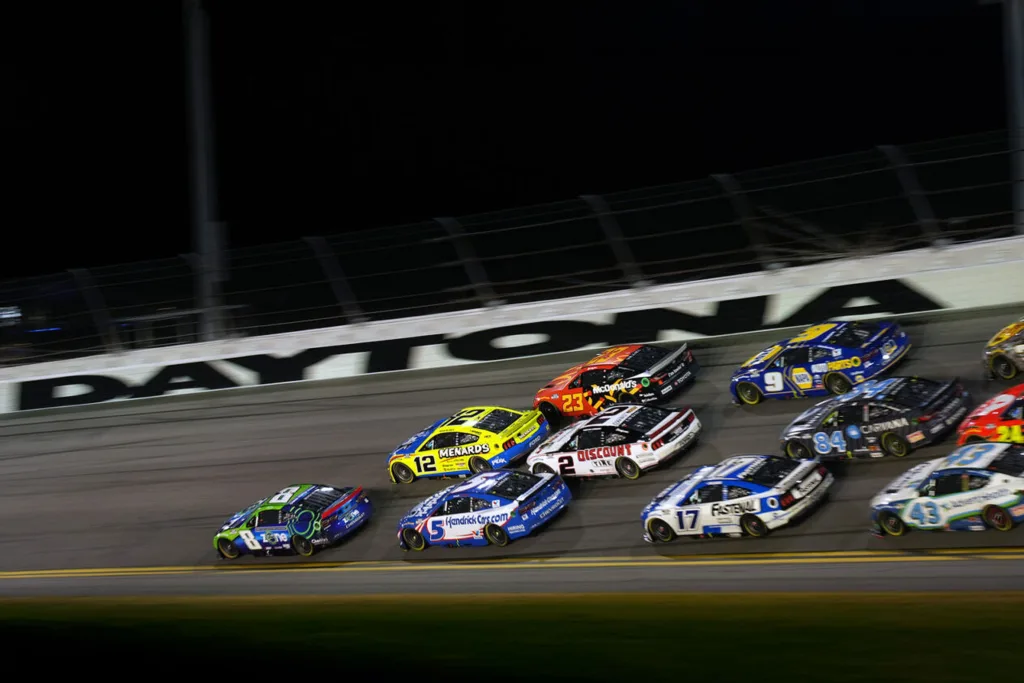
The Daytona 500’s prestige comes from its unique racing style, driven by the speedway’s steep banking and long straights that foster pack racing and the skillful use of the “superspeedway draft.” This results in thrilling, high-risk multi-car pileups known as “The Big One,” a defining aspect of the event’s drama. Winning the Daytona 500 instantly immortalizes a driver in NASCAR lore, distinguishing their career with legendary status. The track also embraces versatility with a 3.56-mile road course hosting the Rolex 24 at Daytona, a prestigious endurance race that broadens the venue’s global appeal beyond stock car competition.
Engineering for Speed and Safety
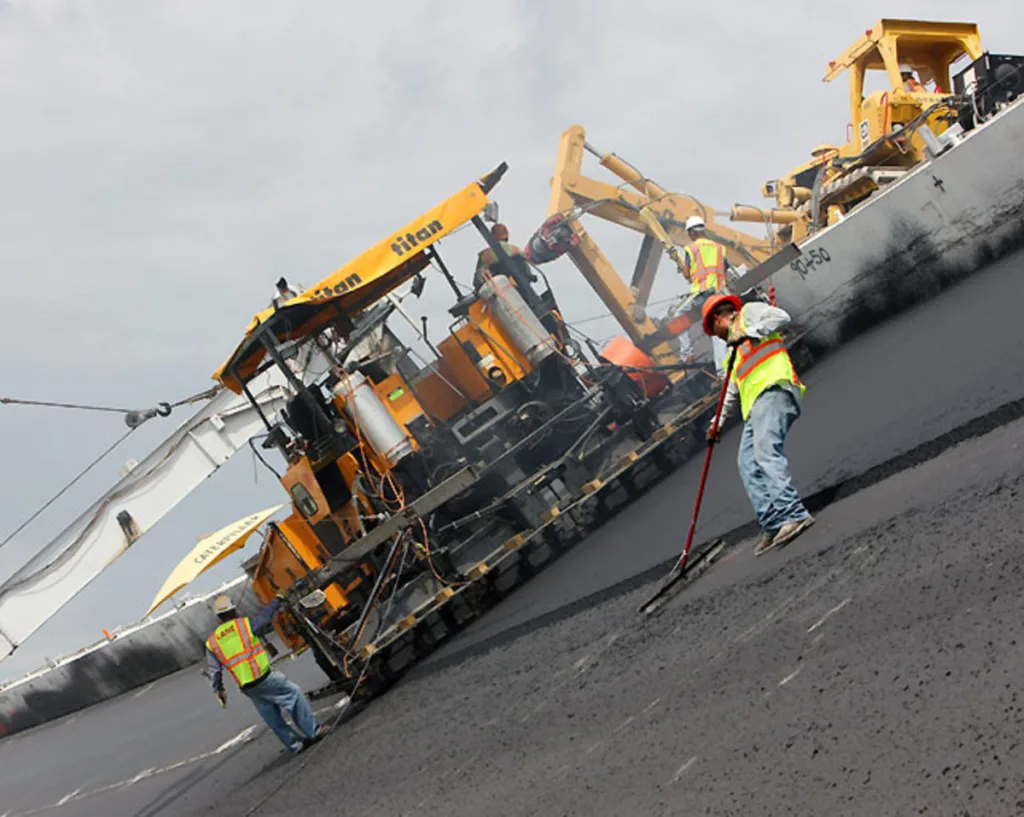
Daytona’s design and continuous evolution reflect both speed and safety advancements. The famous 31-degree banking allows breathtaking cornering forces, far steeper than typical highway ramps, creating a unique racing challenge. The “Daytona Rising” renovation, completed in 2016, upgraded fan amenities while preserving the formidable racing surface. Safety innovations born at Daytona, like restrictor plates to control speeds and the SAFER barrier to absorb crash impacts, demonstrate the speedway’s role as a motorsports engineering and safety pioneer.
Defining Moments and Racing Legends
Historic moments define Daytona’s identity. Richard Petty, known as “The King,” holds a record seven Daytona 500 wins. Dale Earnhardt’s emotional 1998 victory, and his tragic fatal crash in 2001, profoundly influenced NASCAR safety with the adoption of the HANS device and accelerated SAFER barrier deployment. Internationally, the Rolex 24 attracts elite teams worldwide, highlighting Daytona’s global motorsports significance.
The Heart of Car Culture and Motorsporst Heritage
Beyond racing, Daytona International Speedway is a pilgrimage site for car culture enthusiasts, hosting massive car auctions, swap meets, and the famous Daytona Bike Week motorcycle festival.
The roar of engines, smell of burning rubber, and the excitement in the stands immerse fans in an unforgettable motorsports experience.
Bill France Sr.’s visionary creation remains a monumental stage where American motorsport heritage, innovation, and passion converge, making Daytona the heart and soul of racing in the United States and around the world.



Functional Always active
Preferences
Statistics
Marketing