
The world of international motorsport is constantly evolving, but few new venues have captured the public imagination and sparked as much debate as the “Miami International Autodrome”. More than just a simple racing circuit, this venue, situated in the shadow of the iconic Hard Rock Stadium in Miami Gardens, Florida, represents a bold, calculated effort to fuse the high-stakes drama of top-tier racing with the unapologetic glamour and unique lifestyle of Miami.
The story of this Miami Racetrack is crucial, as it symbolizes the dramatic resurgence of Formula 1 in the United States and the creation of a new kind of sporting spectacle.
Launched to the global motorsport calendar in 2022, the Miami International Autodrome immediately carved out a distinct identity. It is a purpose-built, temporary circuit designed not only to challenge the best drivers in the world but also to provide an immersive, festival-like atmosphere. The circuit’s success is measured not just in lap times and overtaking maneuvers, but in the volume of celebrity sightings, the innovative hospitality concepts, and its ability to act as a magnet for high-end automotive enthusiasts.

The Miami Grand Prix is a cultural event first and a race second—a phenomenon that has redefined what an F1 weekend can be. This article dives deep into the genesis, design, and profound cultural impact of the Miami International Autodrome, exploring why this new venue is critical to the future of Formula 1 in North America and a fascinating subject for any student of modern motorsport.

The Genesis of the Miami International Autodrome
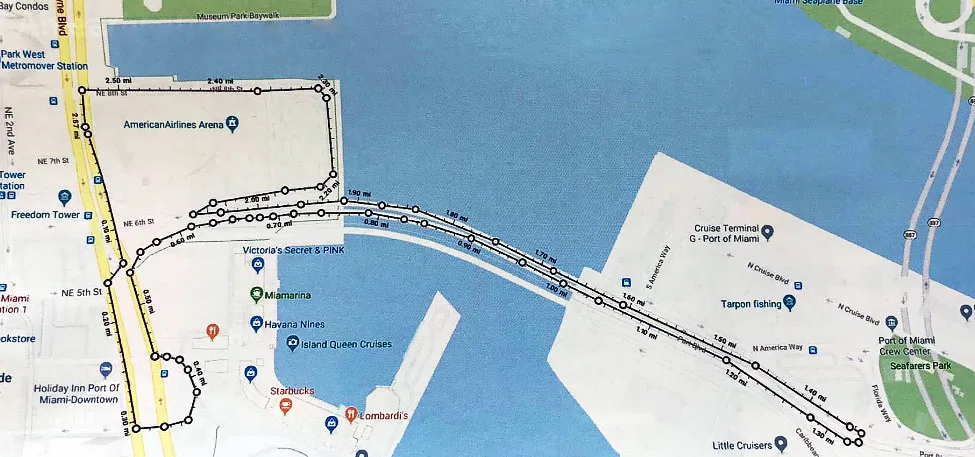
The road to establishing a Formula 1 race in Miami was long, winding, and filled with political and logistical challenges. Initial proposals dating back to 2018 envisioned a traditional street circuit winding through the downtown area and past the iconic Bayfront Park. These plans, however, faced significant community opposition regarding noise, disruption, and the use of public roads.
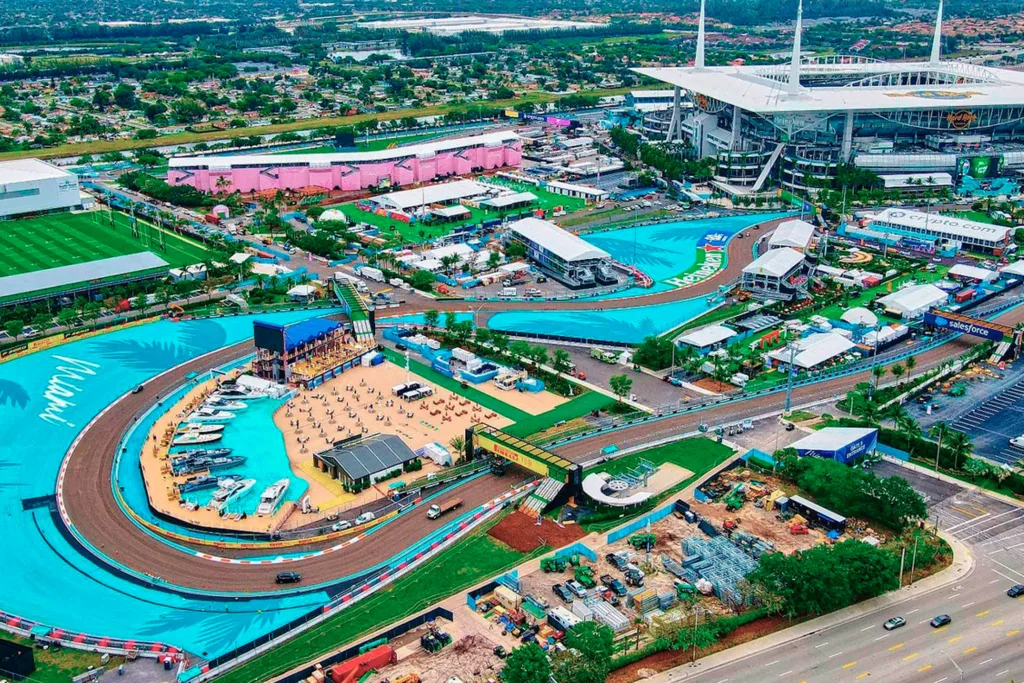
The eventual solution was a masterstroke of design and negotiation: the creation of the Miami International Autodrome on the private land surrounding the Hard Rock Stadium, home of the NFL’s Miami Dolphins. Spearheaded by stadium owner Stephen Ross and designed by Apex Circuit Design, the project involved meticulously planning a track layout that utilized the stadium’s parking lots and ancillary roads. Over 75 different circuit variations were considered and simulated before the final 5.412-kilometer, 19-corner configuration was approved.
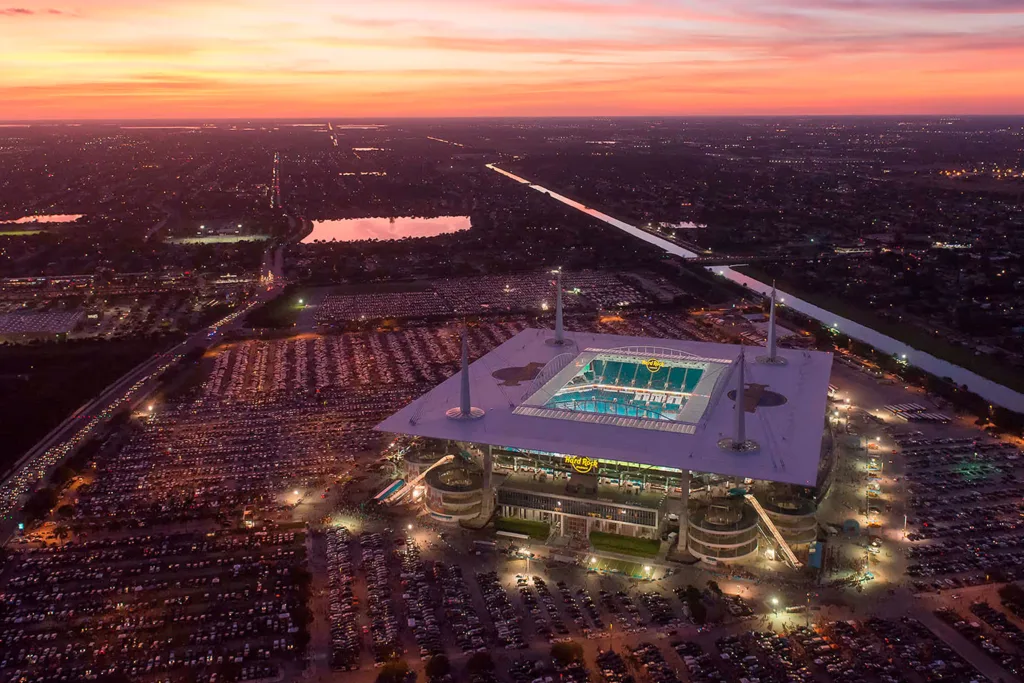
The result is a hybrid marvel: a temporary course built with the infrastructure of a permanent facility. The asphalt is laid specifically for racing, but the barriers, grandstands, and specialized facilities are erected and dismantled each year, allowing the stadium grounds to revert to their primary function.
This concept allowed the event to bypass many of the logistical nightmares associated with classic city street circuits while retaining the unique “temporary” feel.
The commitment to this project, ultimately securing a long-term contract for the Formula 1 Miami Grand Prix, underscored the sport’s dedication to tapping into the lucrative and growing American market, positioning the city as a crucial new global F1 hub alongside established North American venues like Circuit of The Americas (COTA) in Austin.

The 19 Corners of the Miami Racetrack
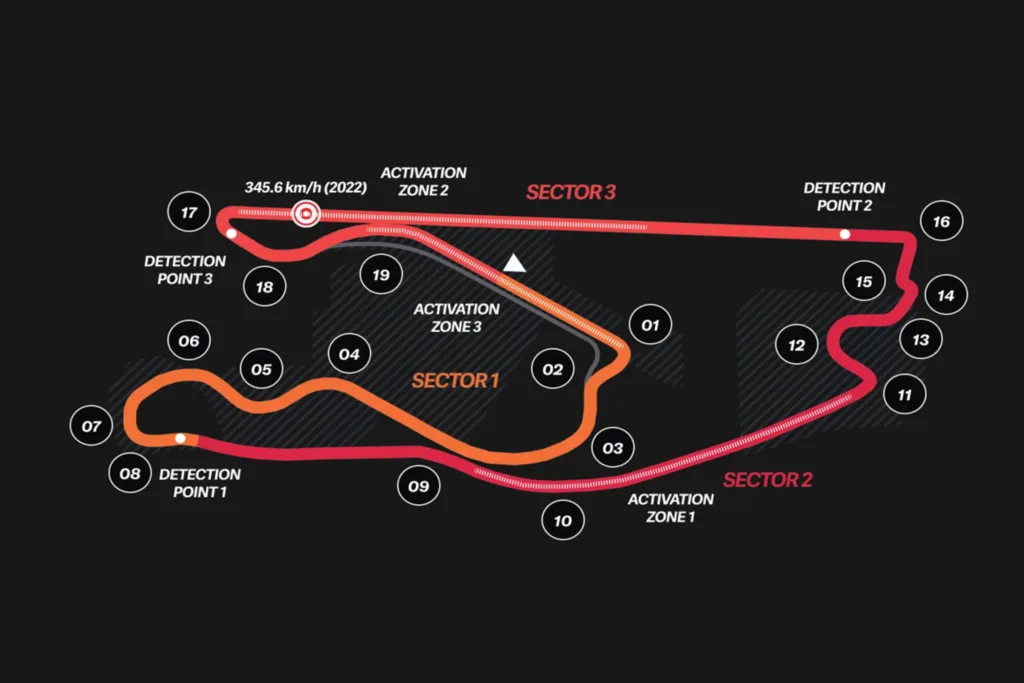
The layout of the Miami International Autodrome was engineered to blend high-speed straights with a technically demanding infield section, aiming to promote overtaking and provide drivers with a true challenge.
The circuit features three distinct Designated Reduction System (DRS) zones, positioned to capitalize on the track’s long straights, giving the powerful F1 cars ample opportunity to push their speed limits, often hitting top speeds well over 320 km/h (200 mph).
Key characteristics of the Miami International Autodrome layout include:
- The High-Speed Sections: The track features two high-velocity bursts—the pit straight and the long back straight leading to Turn 17—which demand peak aerodynamic efficiency and engine power. These sections create the major overtaking opportunities, turning braking zones into high-risk, high-reward moments.
- The Infamous Turns 11-16 Complex: Often the subject of driver criticism, this tight, twisting sequence is a low-speed section that winds under a highway overpass. It requires precise low-speed handling and traction management, providing a stark contrast to the rest of the circuit’s high-flow design. This section has been likened to a traditional street circuit’s technical demands, adding a complex layer to the weekend’s setup strategy.
- Turn 17 (The Heaviest Braking Zone): Following the longest straight, the approach to Turn 17 is the heaviest braking zone on the circuit. Here, drivers shed immense speed, often pulling up to 6Gs of force, before turning into the final sequence. This corner is critical for both lap time and race strategy.
The track surface itself, initially criticized for low grip and high track evolution, has been continuously refined, showcasing the organizers’ commitment to improving the venue for both the drivers and the spectating public.
The sheer speed and proximity of the unyielding concrete barriers make the circuit a stern test of concentration, ensuring that the F1 spectacle is always maintained.
The Miami International Autodrome Experience
What truly sets the Miami International Autodrome apart is not merely its asphalt and apexes, but the entire “Campus” experience it creates. The event is deliberately marketed and executed as a high-end luxury festival that happens to feature a Formula 1 race. This focus is central to its appeal and its success in the American market.
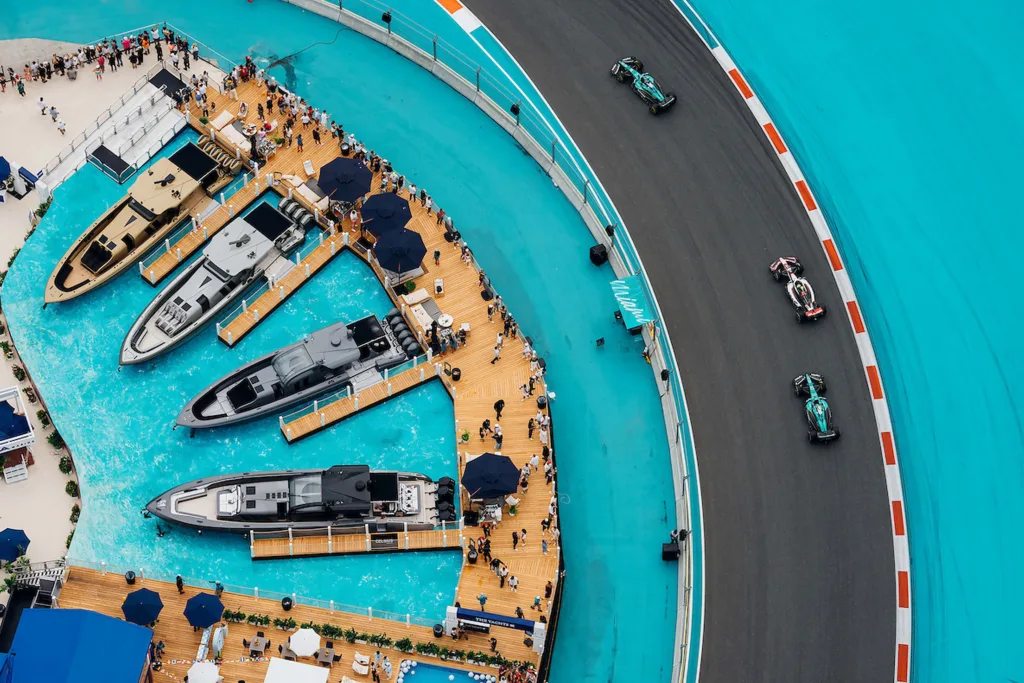
The most famous—and controversial—feature is the “Yacht Club” and artificial marina. Built using the Hard Rock Stadium’s parking facilities, the organizers created a faux-waterfront complete with luxury yachts parked on fake water (vinyl sheeting or painted asphalt). While purists criticized the artifice, the concept achieved its objective: creating a stunning visual backdrop that instantly communicated “Miami glamour” to a global audience. It successfully transformed a car park into a destination.
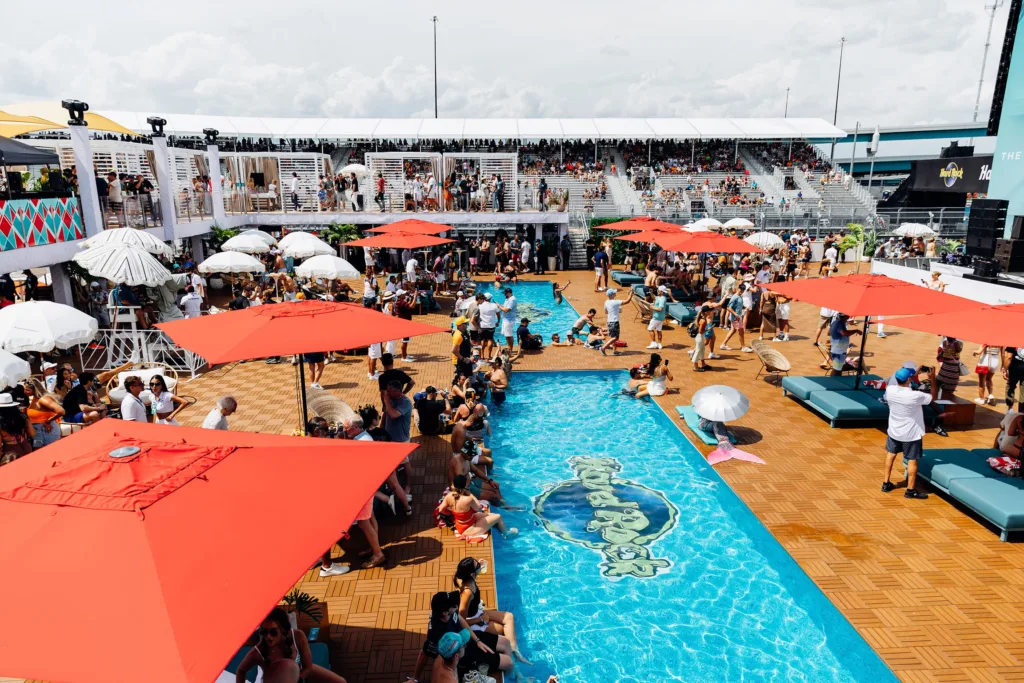
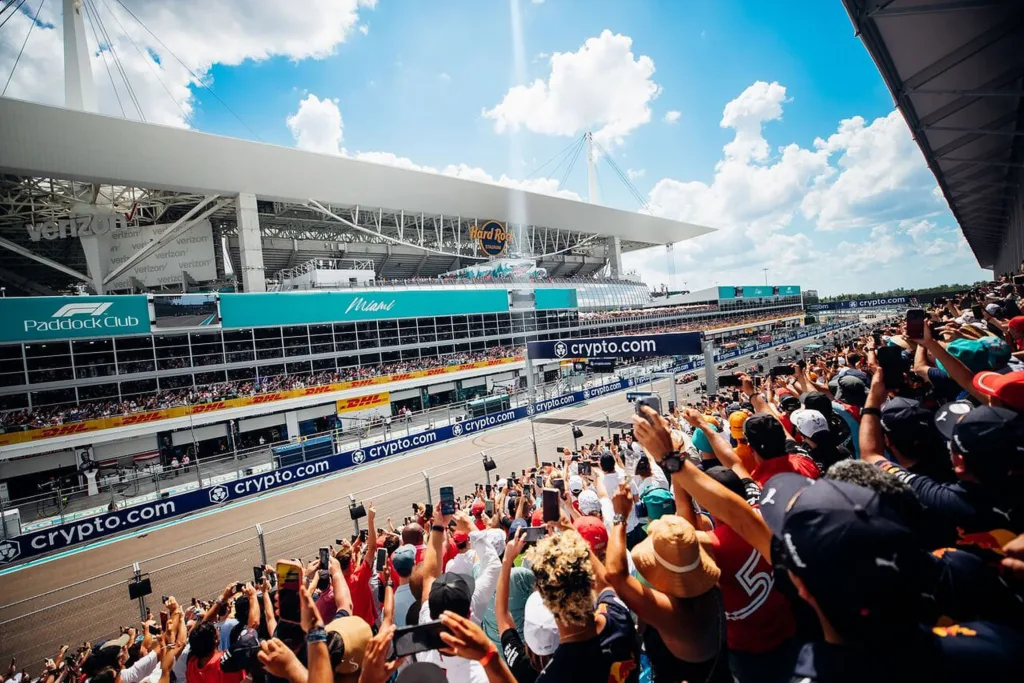
The hospitality at the Miami International Autodrome is unparalleled in American motorsport, emphasizing luxury streetwear, top-tier dining, exclusive clubs, and a relentless focus on celebrity culture. The Paddock Club itself, often described as the most luxurious in the F1 world, is constructed on the field of the Hard Rock Stadium, putting attendees literally on the grass where the Dolphins play. This unique blend of high-octane racing and lavish, star-studded entertainment has attracted a new, younger, and more affluent demographic to the sport, solidifying the Miami International Autodrome as a critical cultural touchpoint in the modern F1 calendar.
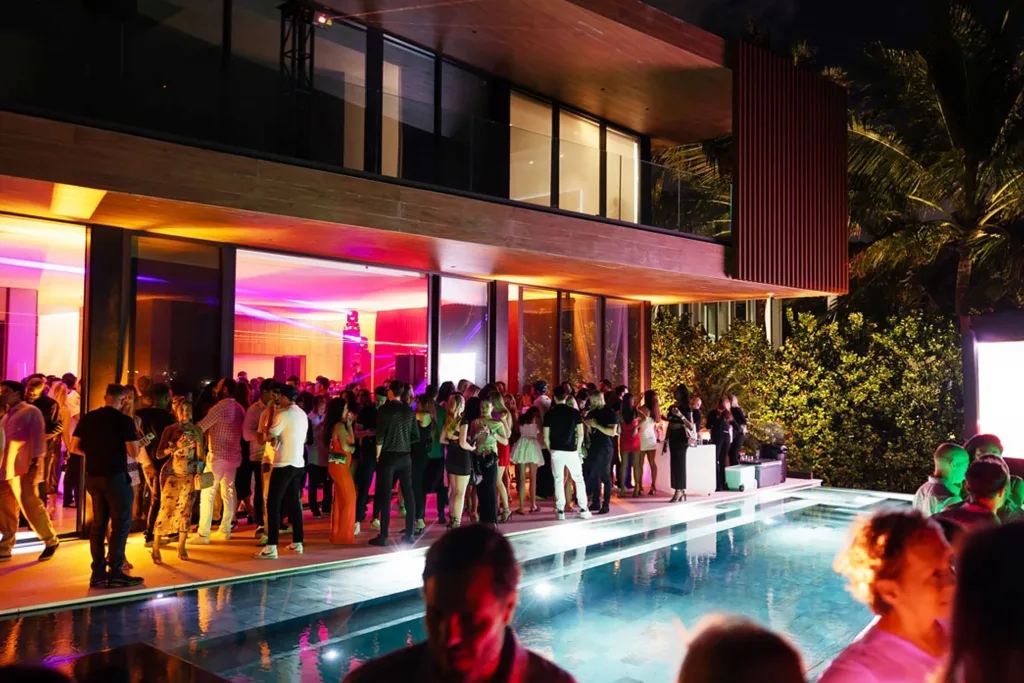
The “Miami Vibe”: Aesthetics, Celebrity, and American Car Culture
The Miami Grand Prix has fostered a distinctive “vibe” that has immediate and significant ripple effects across regional and national car culture.
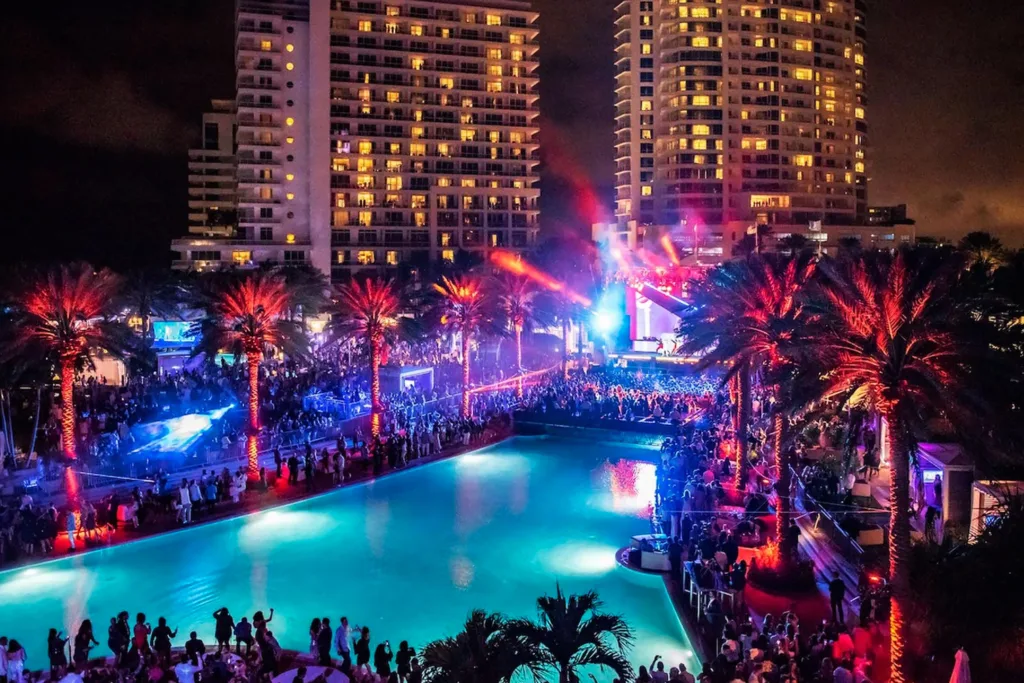
Unlike the traditional, purist-driven atmosphere of classic European circuits or even the rugged authenticity of COTA, Miami is defined by its maximalist aesthetic.
This is evident in several areas:
- Special Liveries and Driver Gear: Teams and drivers consistently use the Miami race to debut special, often retro or hyper-vibrant, liveries and helmet designs that celebrate the city’s unique style—metallics, neon, and ocean-themed colors abound. This visual spectacle feeds directly into the social media-driven nature of modern sports consumption.
- Luxury and Supercar Convergence: Miami has always been a hub for exotic cars and hypercar collecting. The Grand Prix weekend serves as an unofficial magnet for these high-value vehicles, with luxury car auctions, exclusive club events, and a general density of high-performance machinery on the roads surrounding the circuit that is unmatched. The presence of these cars, driven by the city’s wealthy collectors, seamlessly integrates the track action with the local car culture.
- The F1 Boom: The race is a cornerstone of the recent explosion of Formula 1 popularity in the US, driven by media like Drive to Survive.
The Miami International Autodrome acts as the perfect theatrical stage for the sport’s drama, balancing the technical action on the asphalt with the off-track lifestyle that the new fans crave. It’s an essential bridge connecting traditional motorsport fandom with modern celebrity and luxury brand appeal.
The overall atmosphere transforms the race into an aspirational event. The Miami Racetrack experience is designed to be shared, photographed, and consumed as much for its status as for its sport, fundamentally changing the nature of an F1 weekend.
The New Miami International Autodrome Legacy
The Miami International Autodrome has secured its place not only in the Formula 1 calendar but in the broader tapestry of global car culture. It stands as a testament to the power of spectacle and the successful merging of top-tier racing with a high-energy metropolitan environment. While the circuit may be temporary, the legacy of the Miami Grand Prix is permanent: it proved that a new, purpose-built circuit in a non-traditional location could instantly become one of the sport’s most important stops.
The Miami International Autodrome is a critical piece of the puzzle that has revitalized American motorsport, ensuring that the passion for speed, technology, and competition continues to grow in the United States. It’s a circuit where the roar of the F1 engine is matched only by the buzz of the crowd, promising an exhilarating and unique future for global racing.



Functional Always active
Preferences
Statistics
Marketing