

Sebring International Raceway, nestled in Sebring, Florida, is a testament to resourceful motorsport history, holding the title of North America’s oldest continuously operating permanent road racing circuit. Its unique provenance began in 1941 as Hendricks Army Airfield, a crucial training base for B-17 bomber crews during World War II. After the war, the decommissioned facility was brilliantly repurposed for racing.
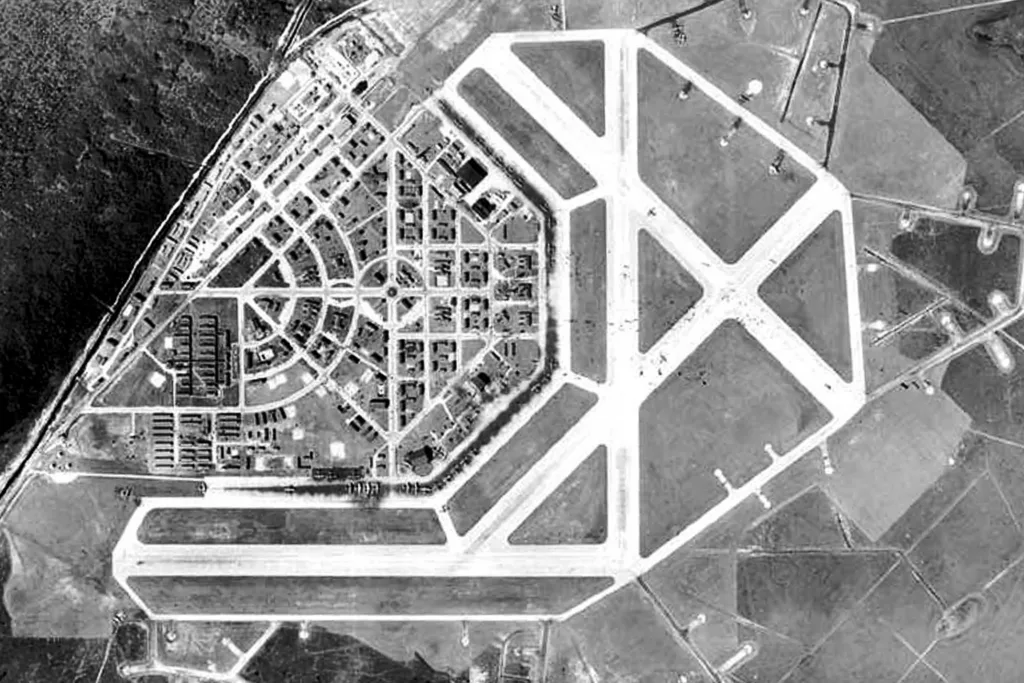
The circuit’s transformation was spearheaded by Alec Ulmann, an aeronautical engineer with a singular vision: to transplant the grueling spirit of European endurance racing onto American soil. Ulmann inaugurated the track with a modest six-hour race on December 31, 1950. This foundation quickly scaled up, leading to the debut of the now-legendary 12 Hours of Sebring in 1952.
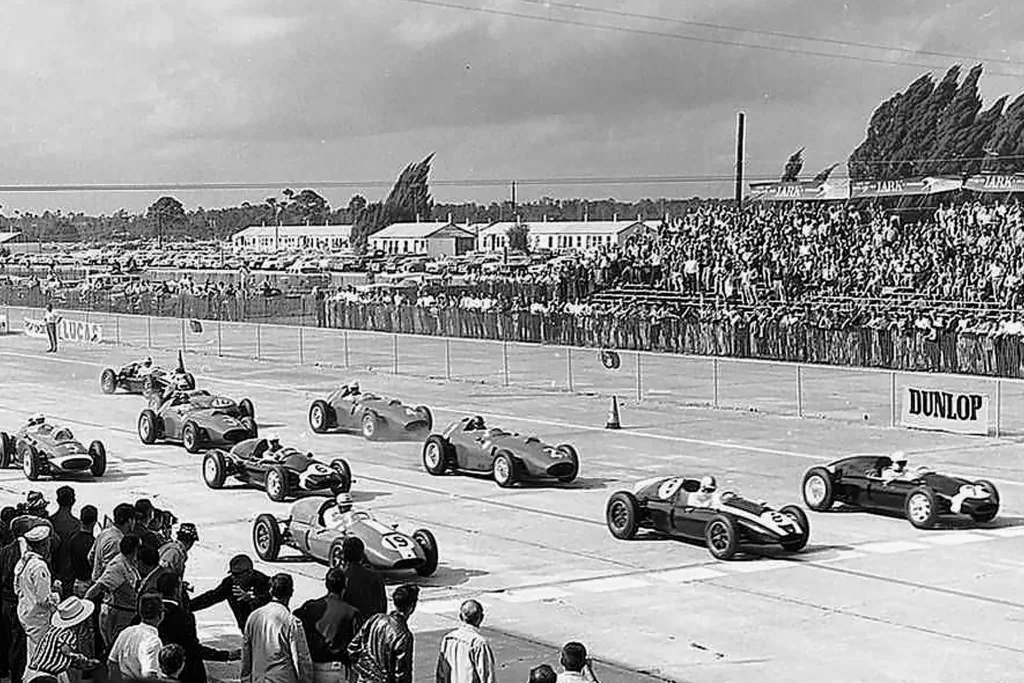
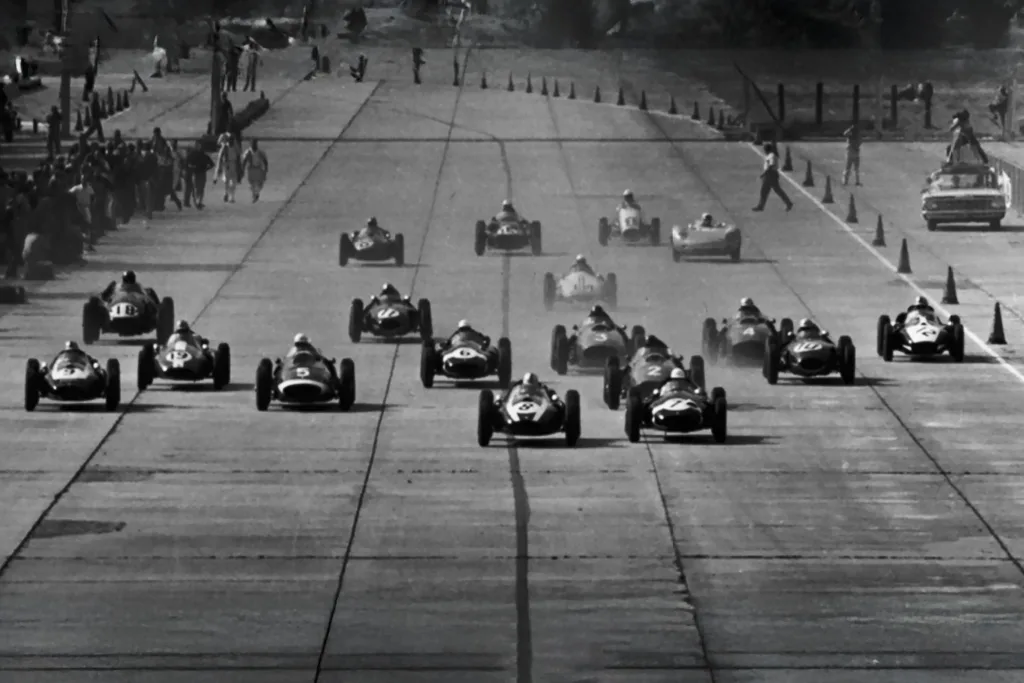
Sebring’s importance was instantly global. Not only did the event become the cornerstone of American endurance racing—and frequently a round of the FIA World Endurance Championship (WEC)—but the track also carved its place in open-wheel history by hosting the inaugural U.S. Formula 1 Grand Prix in 1959.
This duality, combining the track’s military-era, concrete-slab roughness with its high-level international status, cemented Sebring’s reputation as a peerless and demanding crucible for automotive competition.
Deep Historical Insights and Track Evolution
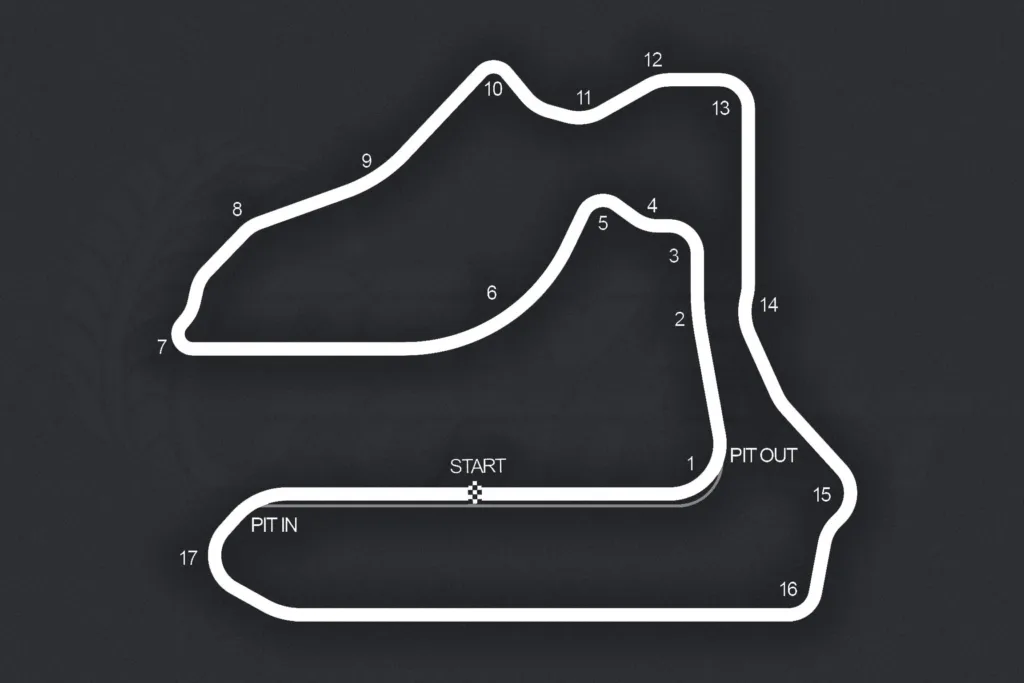
The original circuit was carved out of the disused concrete and asphalt runways and taxiways of the base, some sections of which remain in the current layout, including the long and famous Ullman Straight named after the founder.
Interestingly, the original surface has never been fully replaced, meaning that modern race cars still contend with patches of WWII era concrete—giving the raceway its signature roughness and challenges that notoriously test suspension setups and tire wear like no other track.
In 1959, Sebring Raceway welcomed the first-ever United States Grand Prix as part of the Formula One World Championship, underscoring its key role in American motorsport history. Throughout the decades, Sebring has undergone various modifications to enhance safety and performance, including adding chicanes, modifying corners, and upgrading facilities, yet it has always preserved its signature character—an uneven, demanding surface combined with a fast, flowing layout.
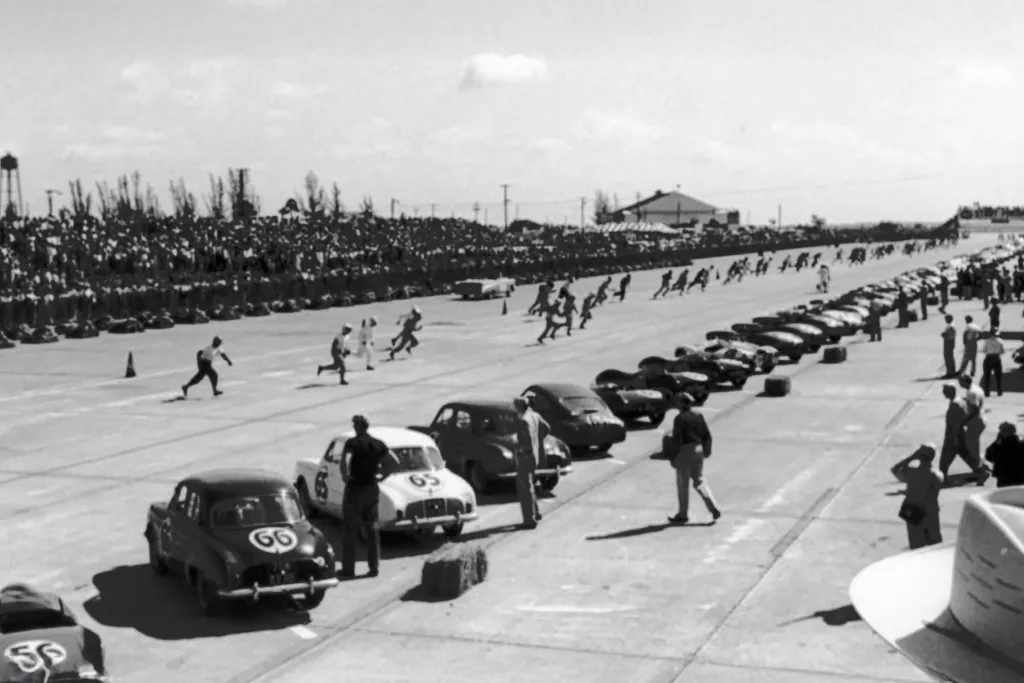
It remains a circuit where mechanical and driving skill is rigorously tested, making it a favorite among drivers who idolize its blend of speed, technicality, and endurance.
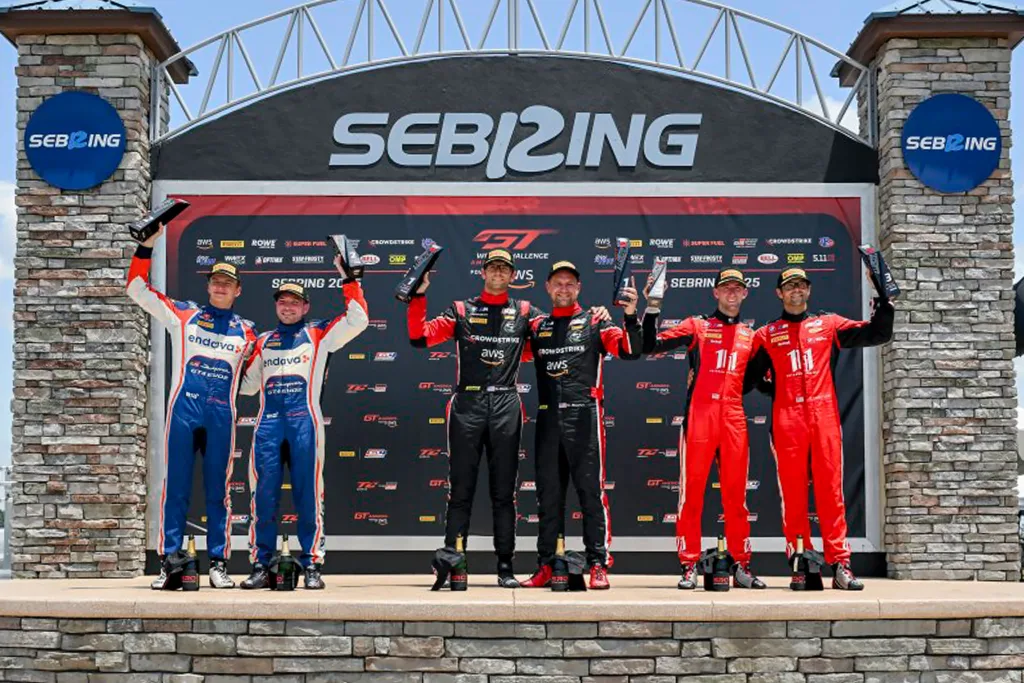
Signature Events and Their Impact
The 12 Hours of Sebring stands as the crown jewel of the raceway’s calendar—it is among the world’s oldest endurance races, with a legacy comparable to the 24 Hours of Le Mans.
This race has seen legendary moments in motorsport history, such as the infamous 1966 race where Ford’s legendary GT40 defeated Ferrari in a dramatic fashion and the 1973 race that almost saw Sebring fall into oblivion before a passionate group of racers and fans saved it.
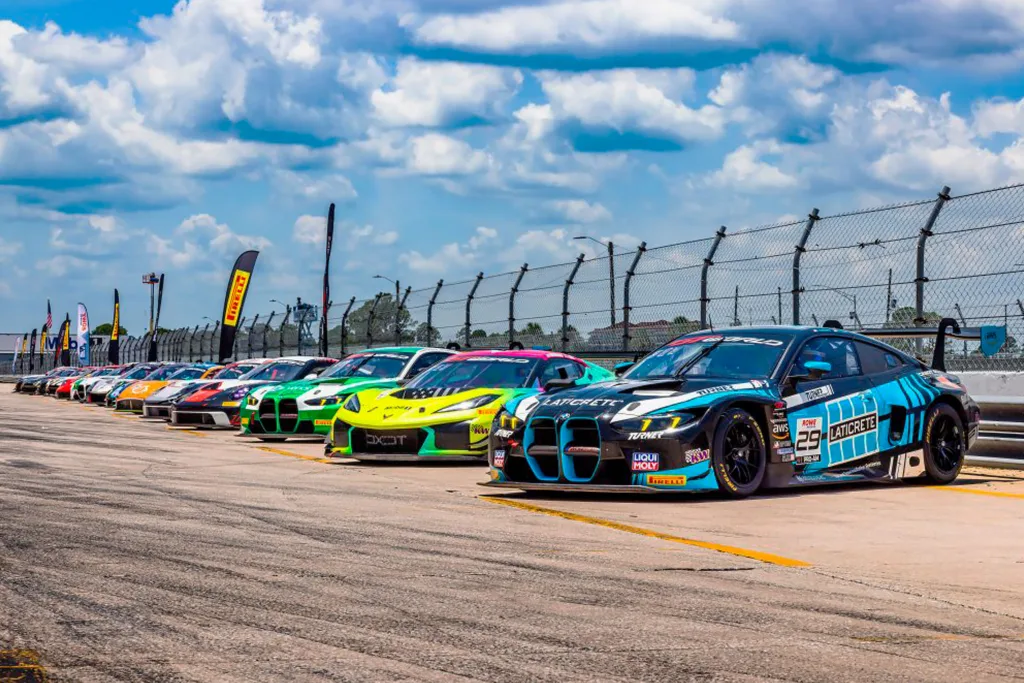
In addition to endurance competitions, Sebring hosts major events like the IMSA WeatherTech SportsCar Championship, GT World Challenge America, the ChampCar Endurance Series, and historic racing festivals that celebrate the evolution of sports cars through the decades.
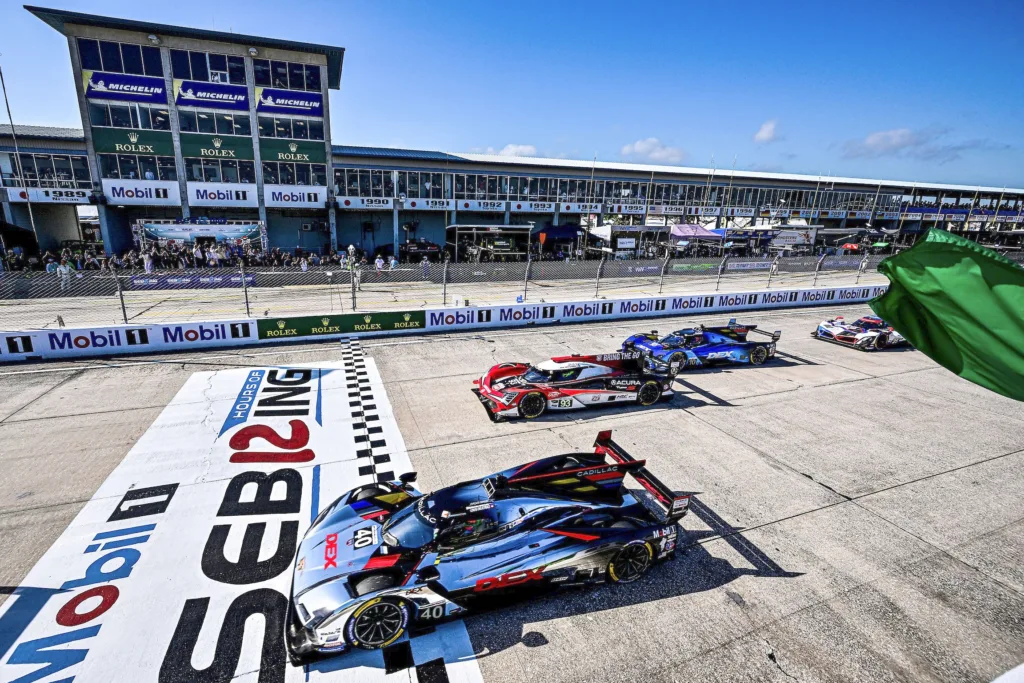
The track’s temperate Florida climate invites teams worldwide for winter testing, making Sebring a hub for development and innovation, particularly for IndyCar and prototype race teams preparing for competitive seasons.
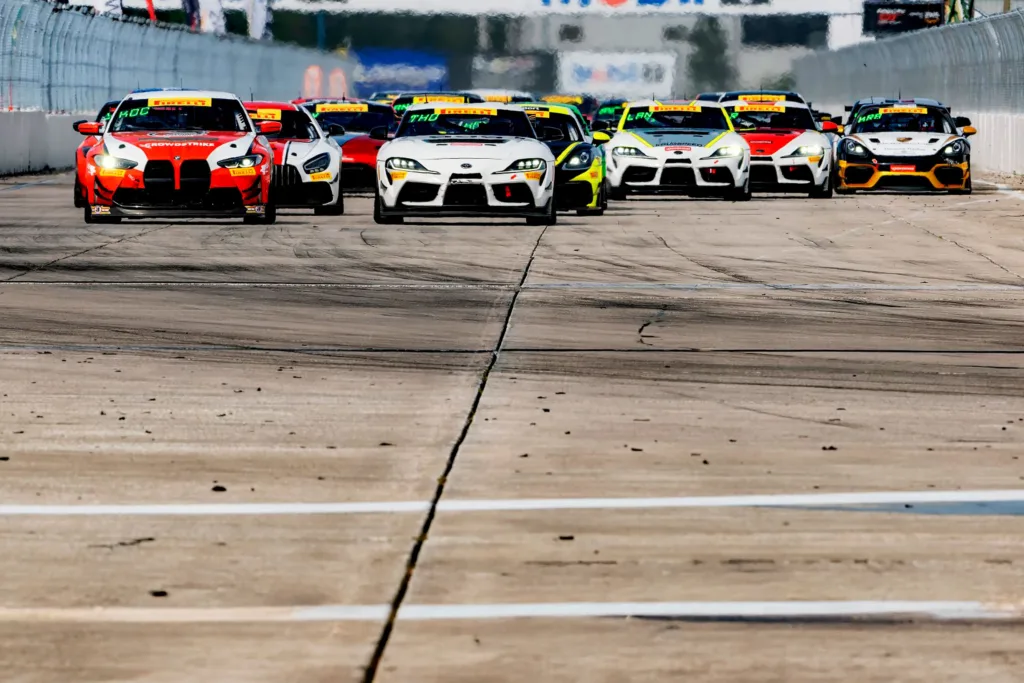
Cultural Legacy and Enduring Popularity
Sebring Raceway is more than a track; it is a cultural landmark woven into the tapestry of American automotive history. The site has hosted countless motorsport legends including Mario Andretti, Stirling Moss, and A.J. Foyt, while its challenging surface has spurred technological advancements in racecar engineering, especially in suspension and durability. The unique racing conditions blending old concrete with smooth asphalt demand both driver precision and mechanical resilience, earning Sebring the nickname “the ultimate test of endurance” in global auto racing circles.
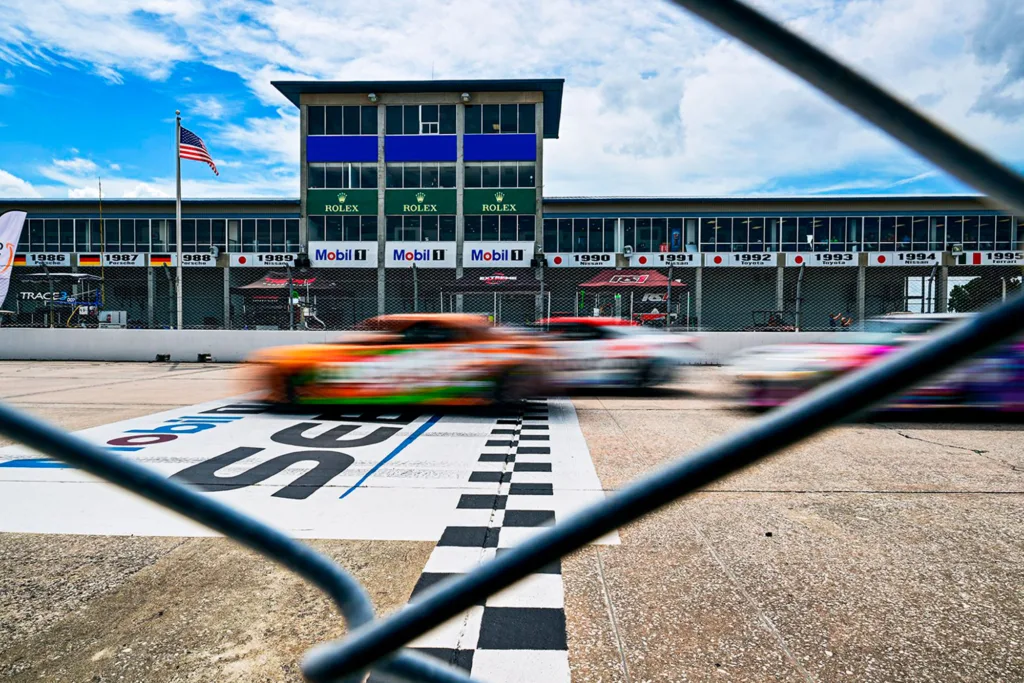
Active year-round, the venue serves many purposes beyond professional racing: it is a favored location for corporate events, driver training schools, club races, and automotive enthusiast meetups. This vibrant activity ensures Sebring Raceway remains not just a historic monument but a living, breathing center of auto racing culture, drawing fans and racers eager to experience its challenging, storied turns and to partake in a shared legacy of speed and endurance.


Functional Always active
Preferences
Statistics
Marketing