
Few racing venues capture the essence of pure speed and adrenaline quite like the Talladega speedway. Located in Talladega, Alabama, this colossal track has long stood as a monument to the evolution of American motorsport.
Built in 1969, it was created by the France family, the same pioneers behind Daytona International Speedway, with one clear goal—build a track faster and larger than any before it. They succeeded…
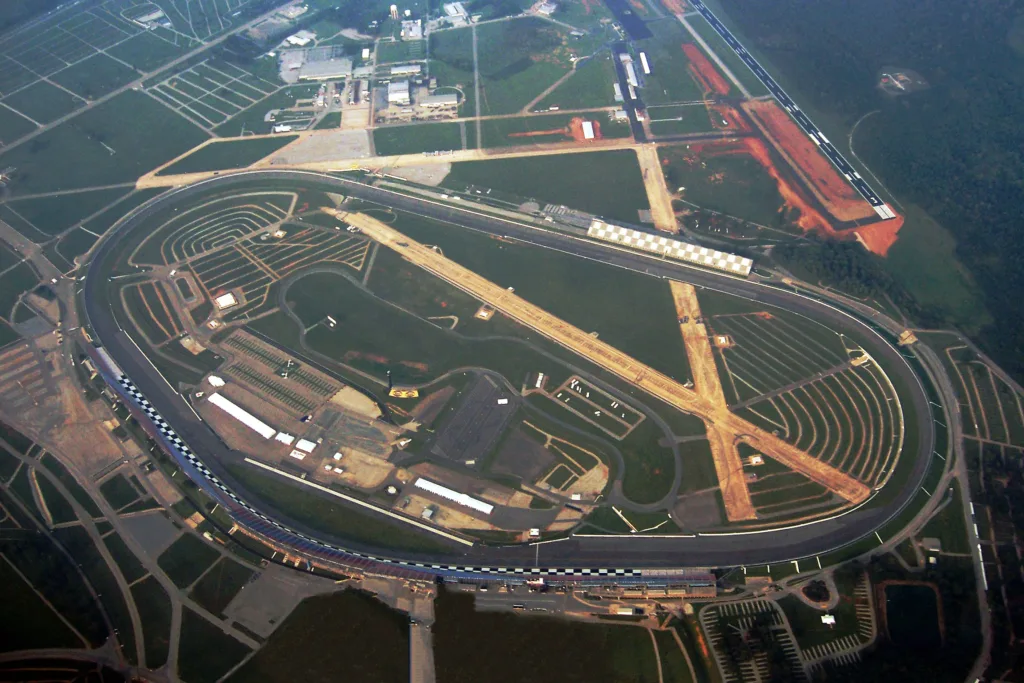
Talladega remains the longest oval on the NASCAR circuit, stretching 2.66 miles with daunting 33-degree banking that pushes drivers and machines to their absolute limits. Over the decades, the Talladega speedway has transformed from a daring experiment into motorsport legend. Drivers call it “Dega,” fans call it a temple of speed, and engineers call it a challenge of physics. Every race around its massive oval represents a blend of danger, precision, and strategy. The energy inside the stands and infield reflects a culture deeply rooted in Southern passion for racing and mechanical innovation.
The Heart of NASCAR Competition
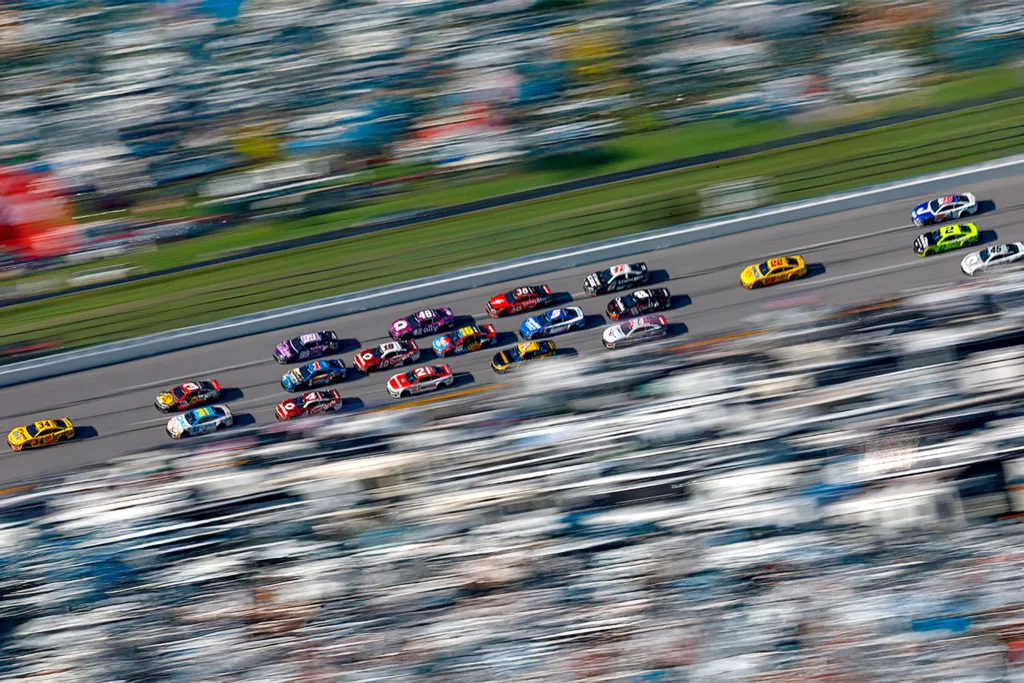
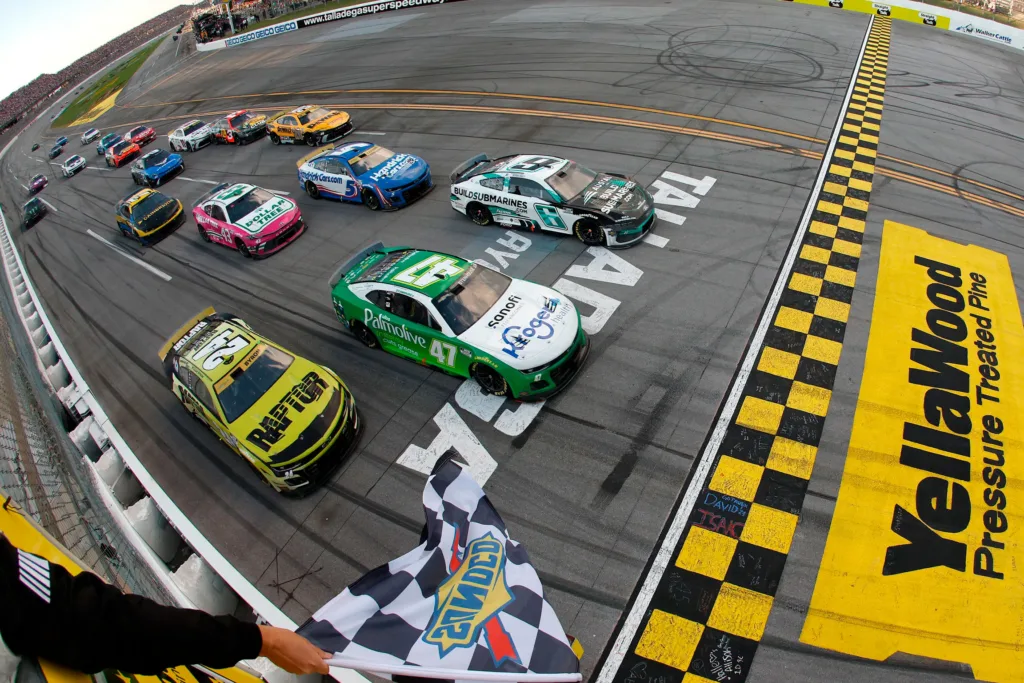
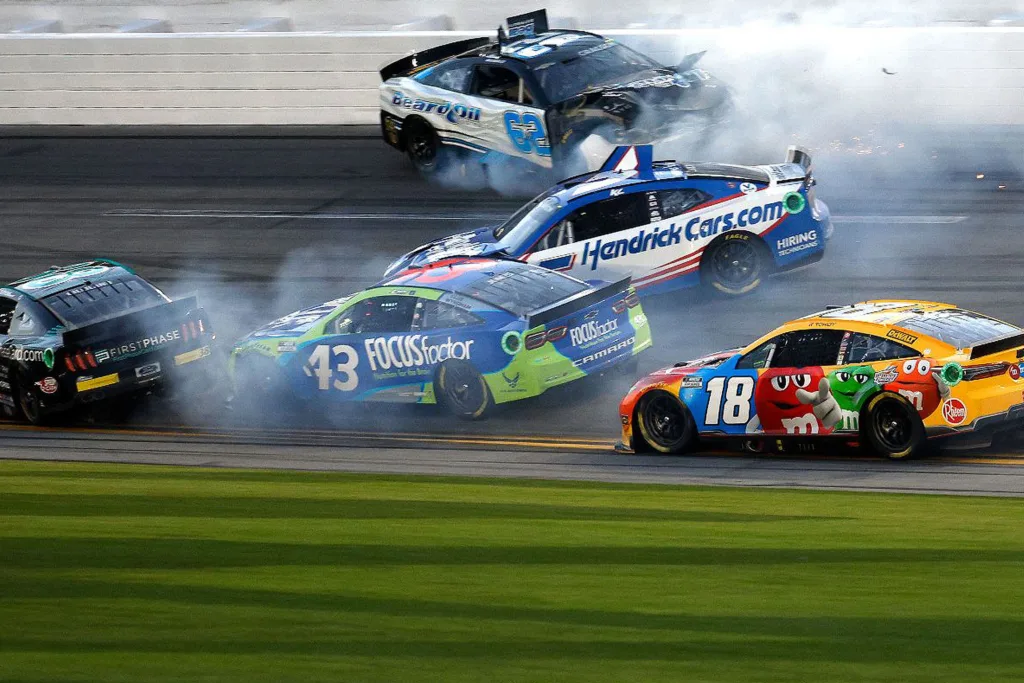
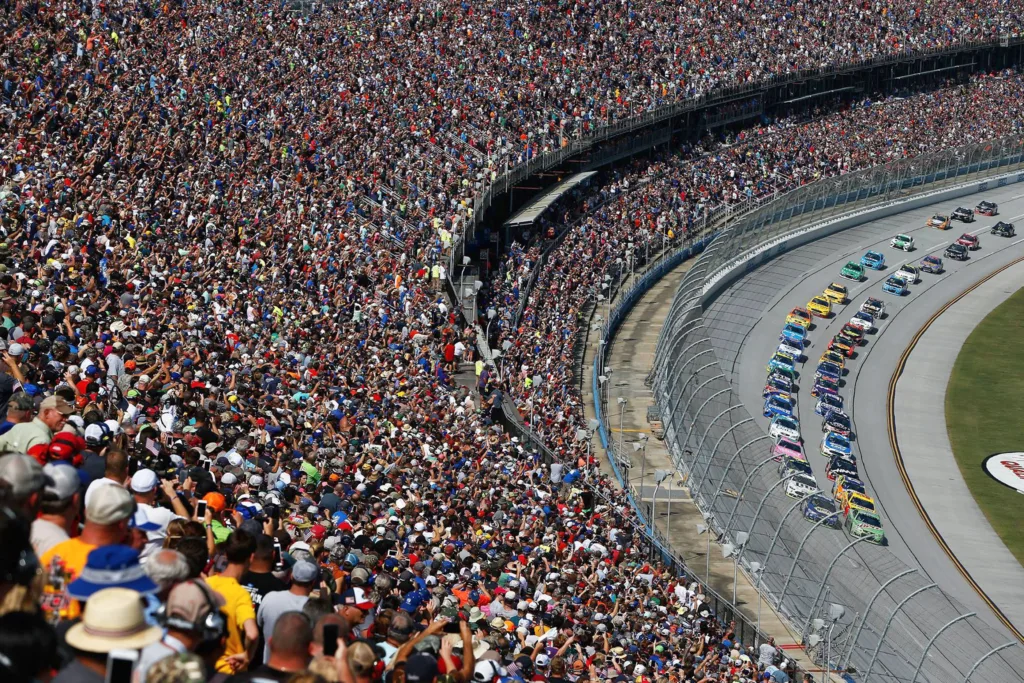
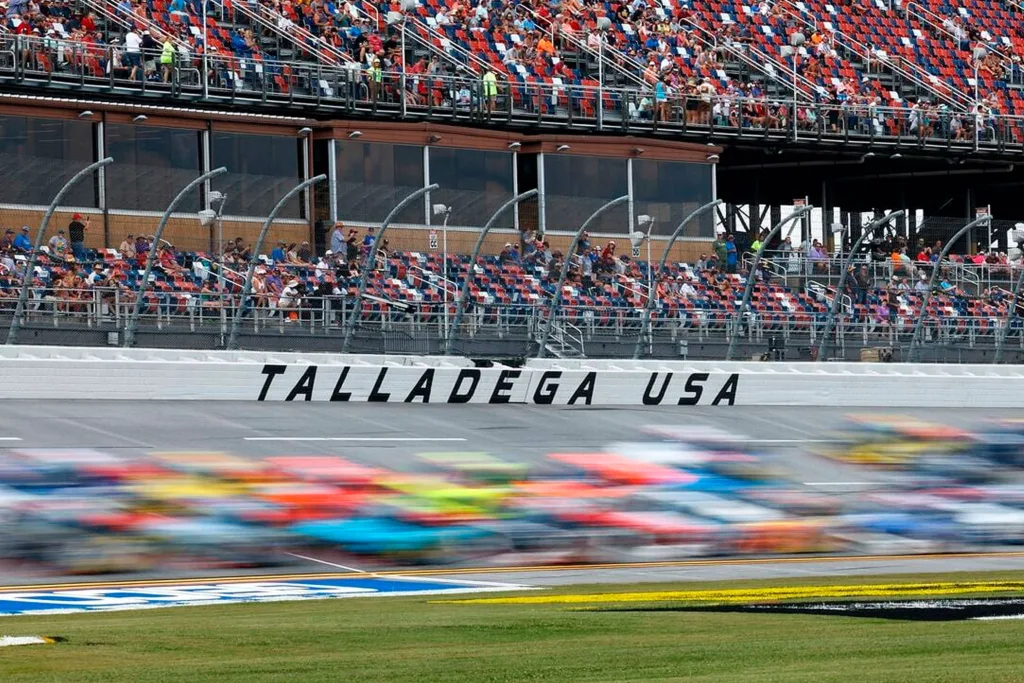
When talking about NASCAR, Talladega speedway stands as one of the sport’s most celebrated and unpredictable battlegrounds. The track’s unique shape and length encourage massive packs of cars racing inches apart, often at speeds exceeding 200 mph. Drafting becomes both lifeline and weapon, where one small miscalculation can trigger the infamous “Big One”—a multi-car crash that’s part of Talladega’s legacy.
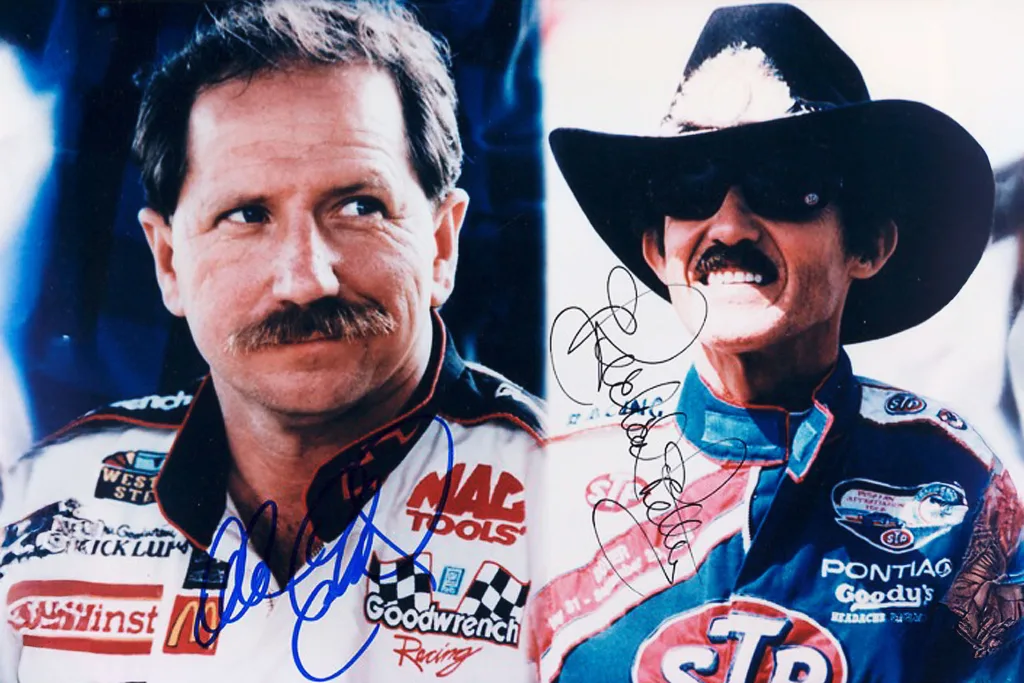
NASCAR champions from Richard Petty to Dale Earnhardt and Jeff Gordon have made history here, cementing the speedway’s reputation as the ultimate test of courage and control. For fans, the roar of V8 engines under Alabama’s open sky offers more than a race—it’s a defining cultural moment.
The Engineering Behind the Speed
Talladega’s layout is not just big; it’s built for performance drama. The 33-degree banking in the turns, among the steepest in professional motorsport, allows cars to maintain blistering speeds while fighting aerodynamic forces that would unsettle lesser circuits. The long tri-oval design also ensures that driver positioning, teamwork, and drafting are constant elements of strategy.
The track surface has evolved through multiple repavings and design updates to maintain modern safety standards without losing its aggressive spirit. While most superspeedways challenge drivers, the Talladega speedway demands total precision and mental endurance—traits that separate legends from contenders.
A Destination Beyond Racing
Beyond its role in NASCAR, Talladega speedway stands as a cultural anchor for motorsport enthusiasts. The infield transforms into a lively festival filled with RVs, music, and community gatherings—a modern extension of American car culture. It’s a place where fans meet to celebrate horsepower, heritage, and the shared thrill of high-speed competition.
The adjacent International Motorsports Hall of Fame offers visitors a deep dive into racing history, showcasing vehicles from multiple eras and disciplines. Together, these attractions turn Talladega into more than just a race venue—it’s a year-round destination for anyone passionate about speed and engineering excellence.
Talladega Speedway’s Legacy in Car Culture
In the grand landscape of global motorsport, few names spark as much emotion as Talladega speedway.
The combination of history, mechanical innovation, and fan tradition creates an unmistakable aura. It’s the type of track that has influenced generations of car builders, street tuners, and race fans alike—people who see in its asphalt a statement about possibility.
As car culture continues to evolve with electric motors and automation, Talladega remains a cornerstone of authentic, mechanical racing. It reminds the world that even as technology changes, the spirit of competition and the love of the machine endure. Talladega speedway will always symbolize that balance between man, machine, and the endless pursuit of speed.



Functional Always active
Preferences
Statistics
Marketing