

Watkins Glen speedway, officially known as Watkins Glen International (WGI) and often called “The Glen,” is far more than a simple road course; it is a foundational landmark of American motorsport.
Nestled amid the stunning, undulating landscape of the Finger Lakes region of New York, the track perfectly symbolizes both the courageous grassroots spirit of early racing and the exacting professionalism of modern competition.
The circuit’s compelling story began not on asphalt, but on the public roads twisting through the village itself, where the first official race was held in 1948, instantly forging an indelible bond between the town and the roar of high-performance engines.
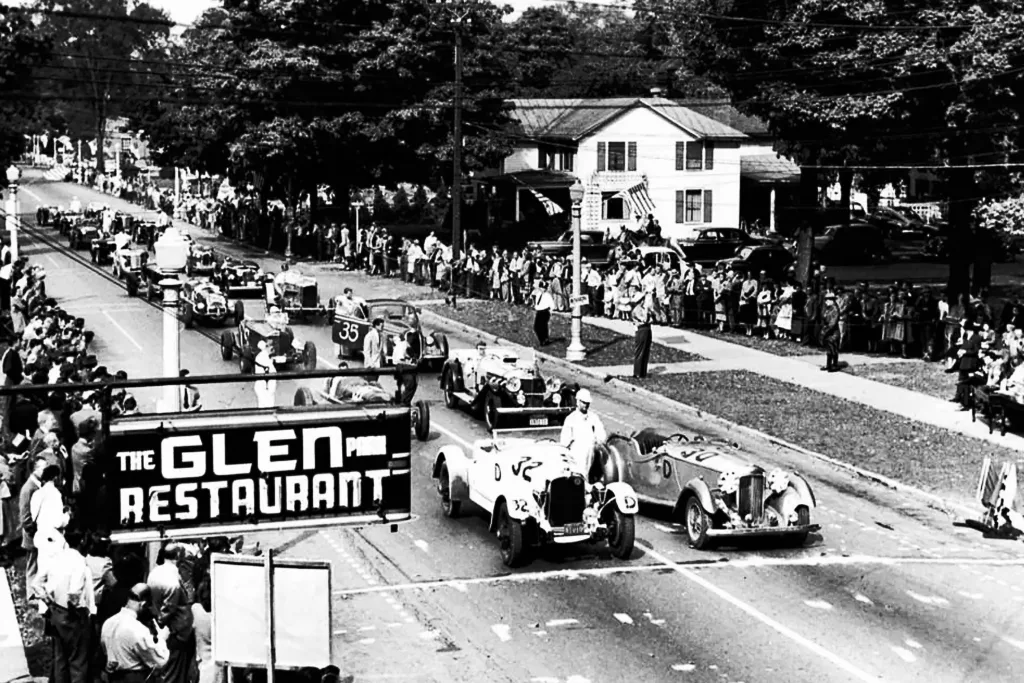
As safety protocols demanded change, racing relocated to a permanent, dedicated circuit outside the village. By 1956, Watkins Glen speedway had become a permanent fixture, quickly drawing international attention as one of North America’s most technical and captivating natural-terrain courses. The unrelenting terrain, high-speed corners, and dramatic elevation changes make it a driver’s supreme test, requiring a blend of technical precision and unflinching bravery.
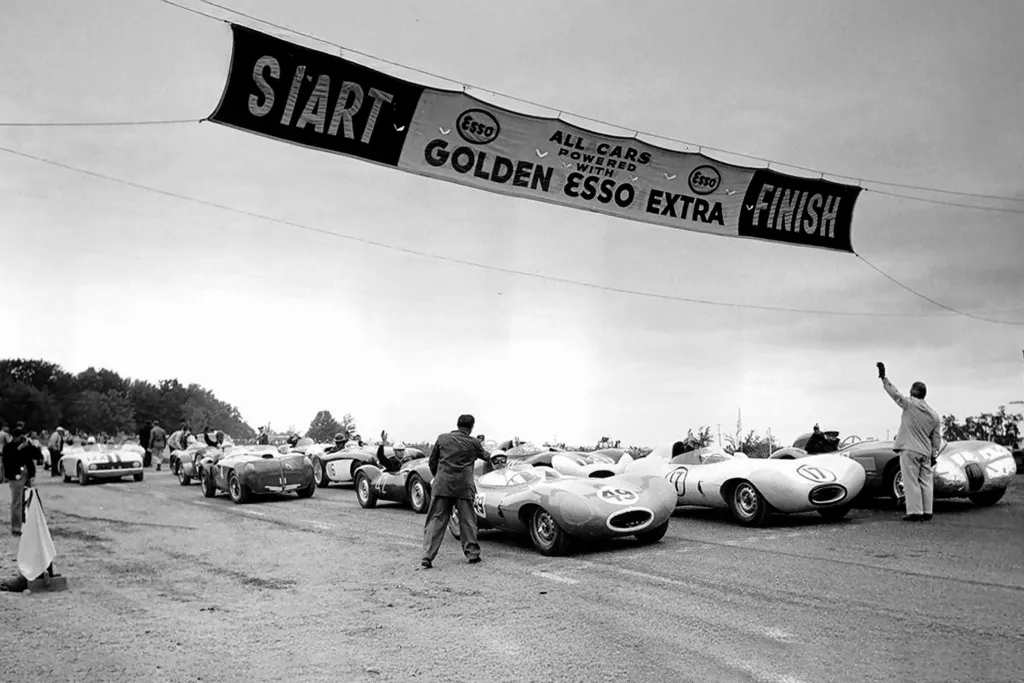
F1 Glory and the Golden Age of The Glen
Few tracks in America carry the Formula 1 legacy of Watkins Glen speedway. From 1961 through 1980, the circuit proudly hosted the United States Grand Prix, attracting a pantheon of racing royalty, including Jim Clark, Jackie Stewart, and Niki Lauda. This era was defined by high drama; the 1970 event, for example, saw Emerson Fittipaldi win a race that famously crowned Jochen Rindt as the sport’s only posthumous World Champion.
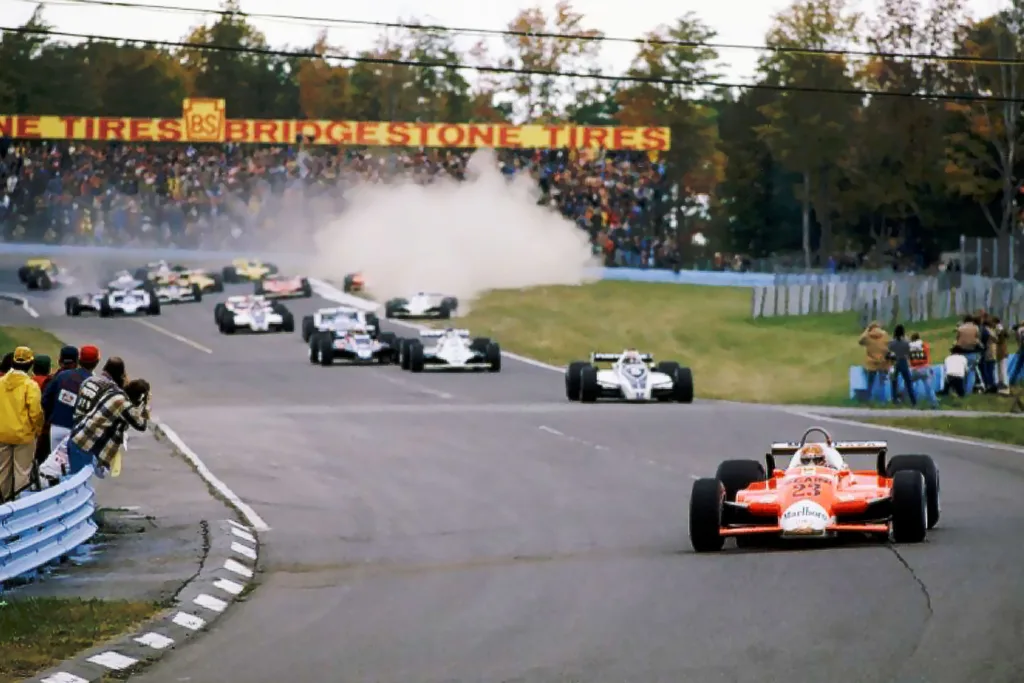
The circuit’s lightning-fast turns, particularly the famous Esses and the sweeping back straight, showcased the raw power and engineering limits of the era.
For two decades, The Glen stood as the pinnacle of global motorsport glamour, innovation, and challenge on American soil.
Even today, F1 aficionados revere it as one of the most demanding and iconic circuits to ever grace the championship calendar.
NASCAR’s Road Course Proving Ground
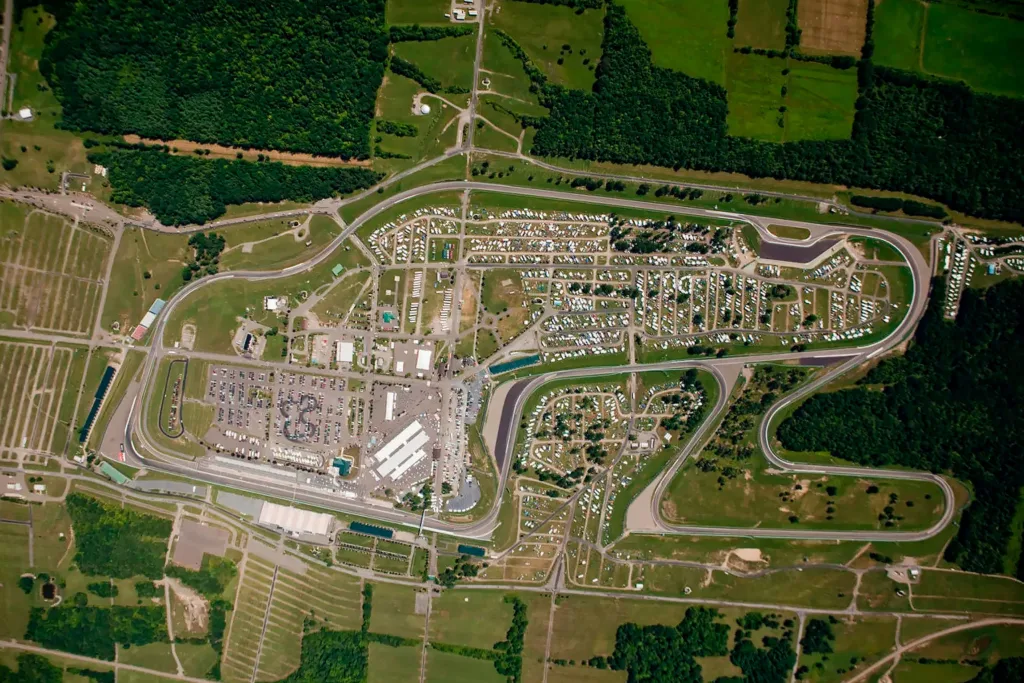
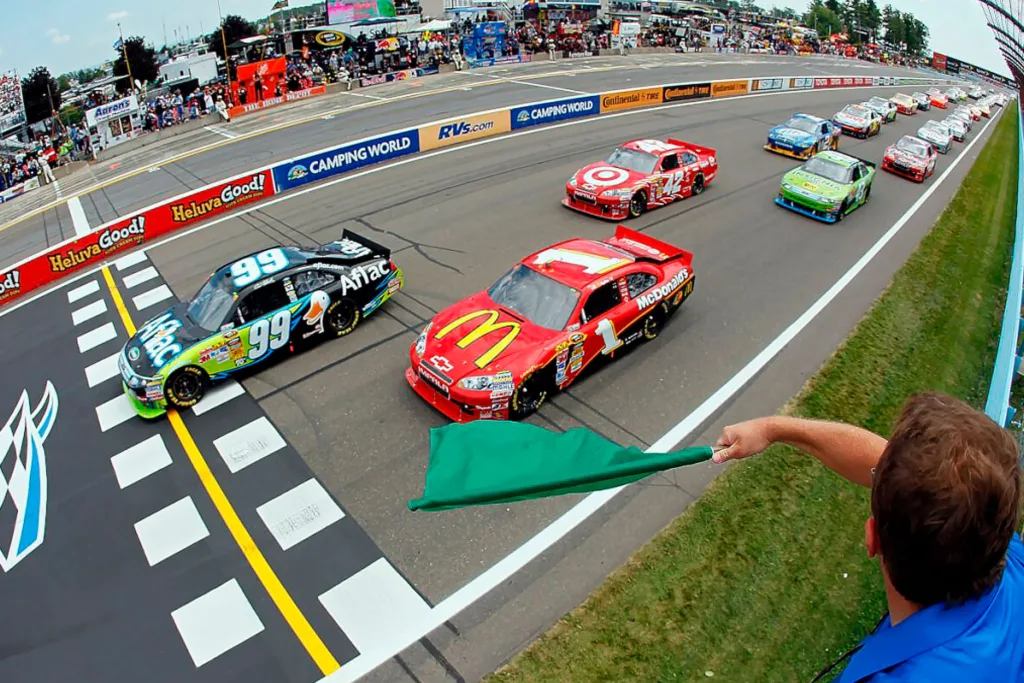
The energy shifts dramatically when NASCAR visits Watkins Glen International. Unlike the majority of stock car venues built around ovals, WGI’s demanding technical road course forces drivers to master complex sharp turns, significant elevation changes, and crucial late braking zones. Following its modern return in 1986, the track rapidly evolved into a yearly highlight on the NASCAR Cup Series schedule—a true proving ground that separates technical finesse from brute force.
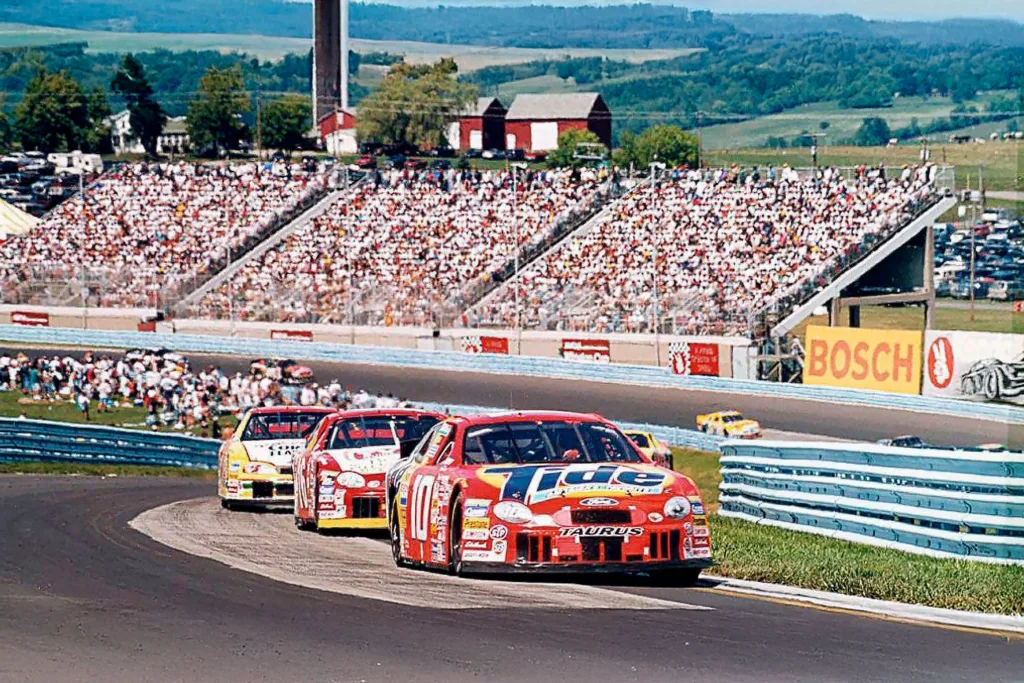
The legendary battles waged by drivers like Jeff Gordon, Tony Stewart, and Chase Elliott have turned Watkins Glen speedway into an annual must-see spectacle.
For fans, the track offers thrilling unpredictability, perfectly blending the powerful V8 roar of American stock cars with the European-style road racing demands of its layout, which includes mastering both the short course and the longer “Boot” configuration.
Endurance and Open-Wheel Racing Heritage
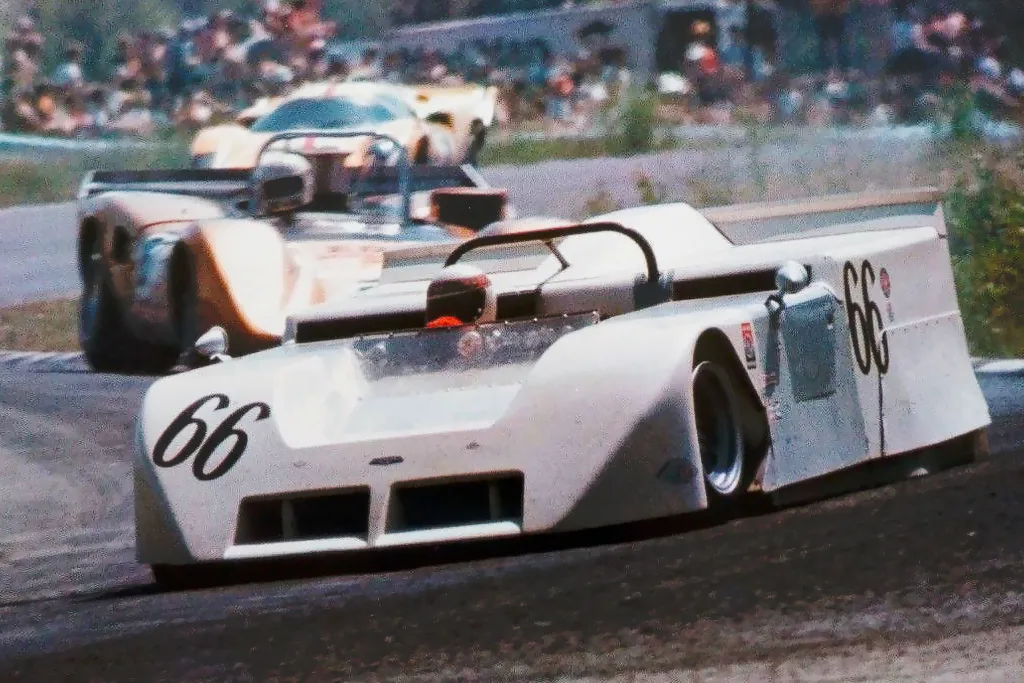
Beyond F1 and NASCAR, Watkins Glen International cemented its prestige through other major disciplines. During the late 1960s and early 1970s, the Can-Am series, known for its no-limits engineering, saw monstrous prototypes from Bruce McLaren and Denny Hulme tackle the high-speed corners. The Trans-Am series simultaneously brought American muscle cars—Mustang, Camaro, and Challenger—clashing in V8-powered thunder.
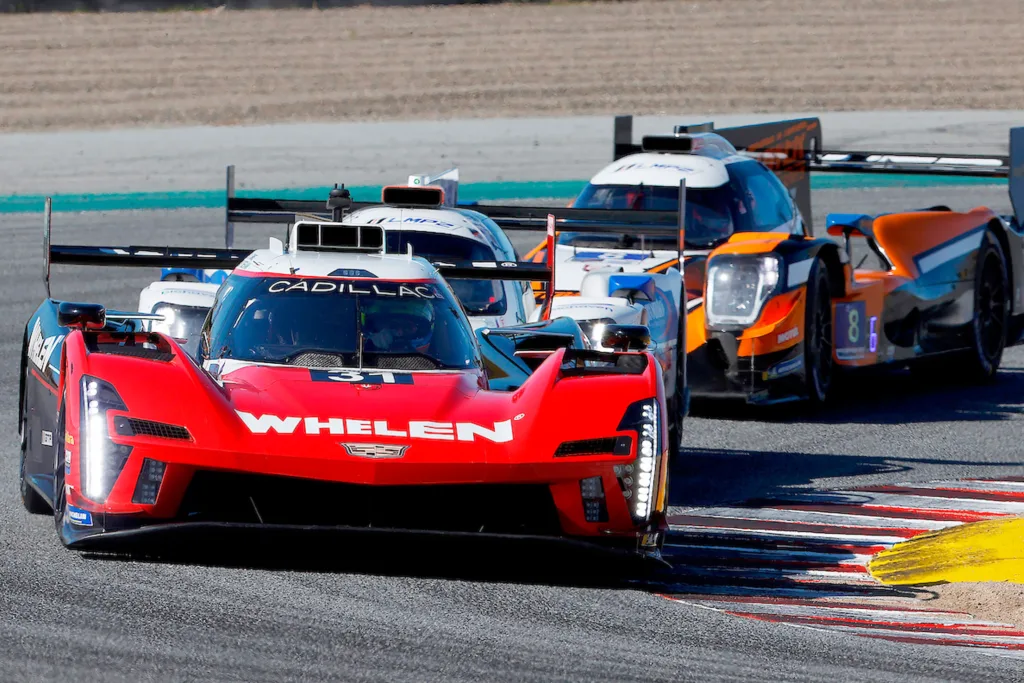
Today, IndyCar continues to hold events, drawn by the track’s fluid layout and challenging rhythm that rewards both speed and strategic precision. Furthermore, endurance racing remains a cornerstone, with events like the prestigious Six Hours of The Glen (part of the IMSA SportsCar Championship) attracting manufacturers and fans for a grueling test of stamina, technology, and team cooperation.
A Living Symbol of Motorsport Unity
Today, Watkins Glen International continues to evolve while fiercely preserving its timeless charm. The circuit stands not only as a state-of-the-art racing facility but also as a vibrant cultural hub for automotive enthusiasts.
Its continuous use for professional racing, amateur events, historic festivals, and driving experiences connects generations of fans.
From its humble, small-town beginnings to global racing prestige, WGI remains a living tribute to motorsport unity, a place where every aspect of car culture collides and continues to drive the sport forward.




Functional Always active
Preferences
Statistics
Marketing