
The term Type R stands as a symbol of pure performance in the world of Honda automobiles. Engineered for racing, every Honda vehicle wearing the Type R badge delivers aggressive handling, meticulous weight reduction, and powertrain upgrades that push the limits of street-legal motorsport.
Type R’s roots reflect Honda’s deep commitment to its “Challenging Spirit,” an ethos that aims to bring true race-inspired dynamics to everyday enthusiasts.
Unlike regular models, Honda Type R vehicles undergo a transformation—lighter, stiffer, and packed with racing features—resulting in a visceral driving experience for fans around the globe.
The History and Evolution of Type R
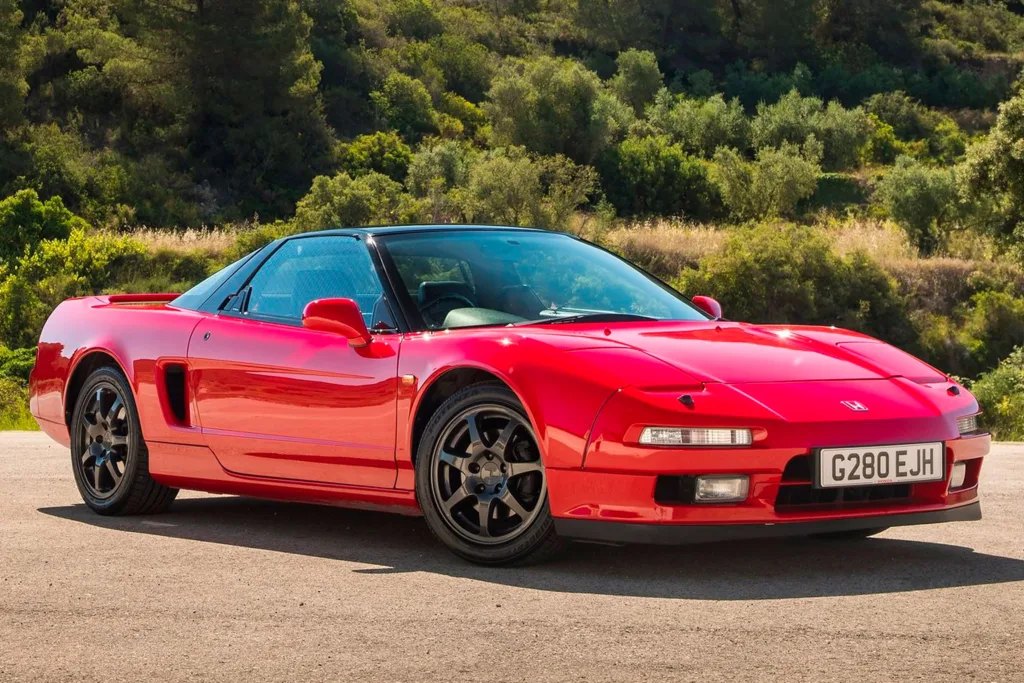
Honda first introduced the Type R concept in 1992, when the iconic NSX was adapted for racetrack performance as the NSX-R. Characterized by its Championship White paint and red “H” emblem, the NSX-R borrowed not only F1 technology but also the winning spirit of the RA272, Honda’s first F1 victor from 1965. Legendary Formula 1 champion Ayrton Senna contributed to the NSX-R’s development, ensuring chassis stiffness and suspension were improved to meet the highest standards—a collaborative effort that would set Type R vehicles apart for decades.
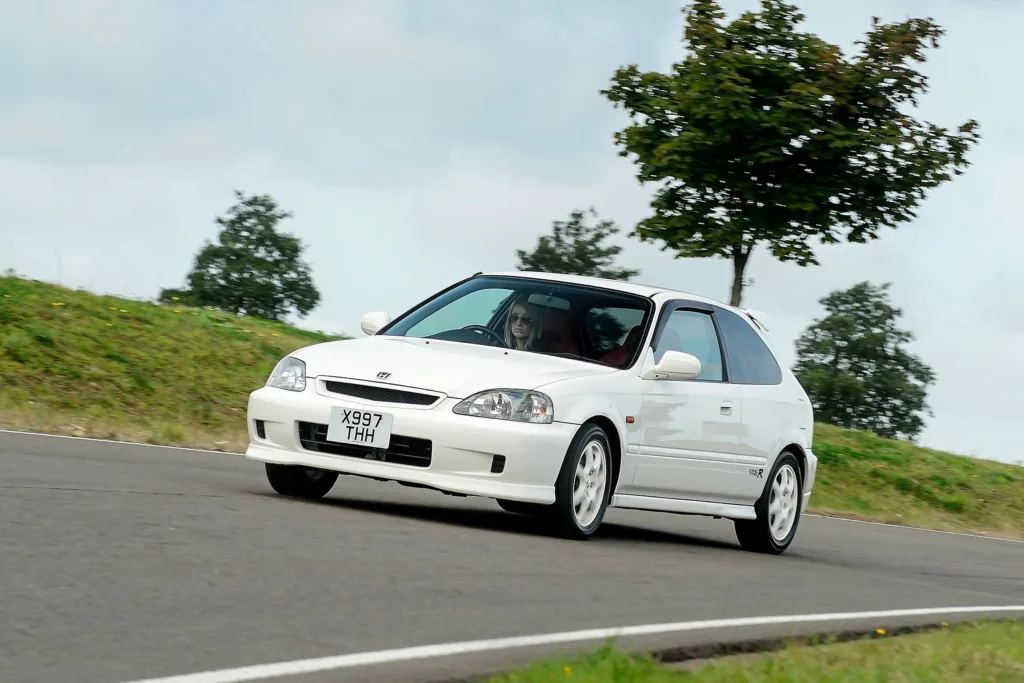
Following the NSX-R’s launch, Honda expanded the Type R badge to other models, including the Integra, Accord, and the now-globally revered Civic Type R. Each generation introduced new technology and driving thrills: naturally aspirated VTEC engines, lightweight chassis, and close-ratio manual transmissions delivered unmatched driver engagement. Notably, the first Civic Type R EK9, released in 1997, became a cult favorite with its hand-ported engine and stripped interior, exemplifying Honda’s dedication to maximizing performance.
What Sets Type R Apart
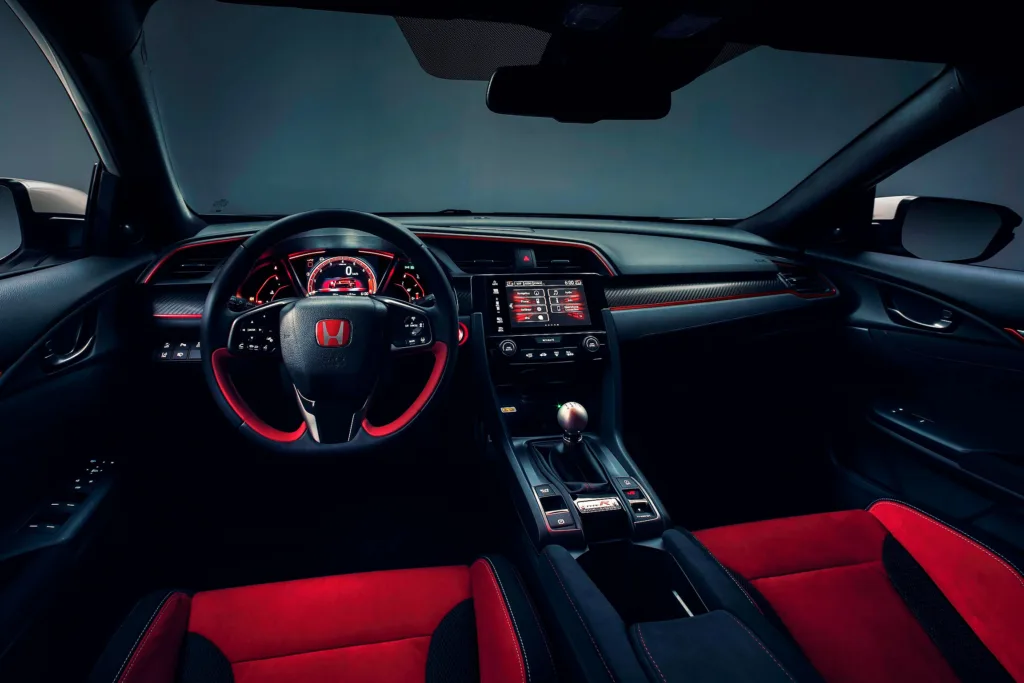
Type R is not just a trim or superficial upgrade—it is a philosophy. Engineers behind every Type R model focus on suspension geometry, chassis rigidity, and weight savings, stripping away non-essential comforts such as sound deadening and automatic windows. Race-inspired features like Recaro seats, limited-slip differentials, and special Momo steering wheels transform the driving experience, making Type R models sought-after for their uncompromising dedication to speed and handling.
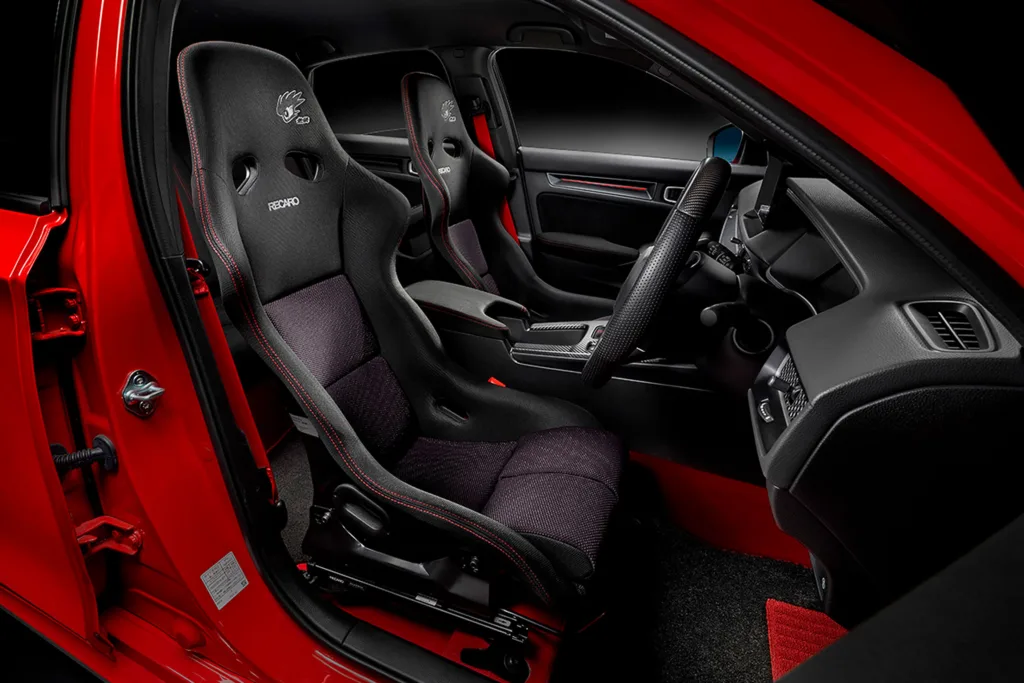
Type R’s abbreviation—where the “R” stands for Racing—sets these models in a league of their own. Street-legal yet bred for the track, Type R vehicles embody Honda’s ambition to prove that world-class performance can be accessible without supercar prices.
As a result, Type R cars frequently outperform rivals, showing that precision engineering and purpose-built features can “strike fear in even the most hardcore supercars”.
Global Impact and Modern Legends
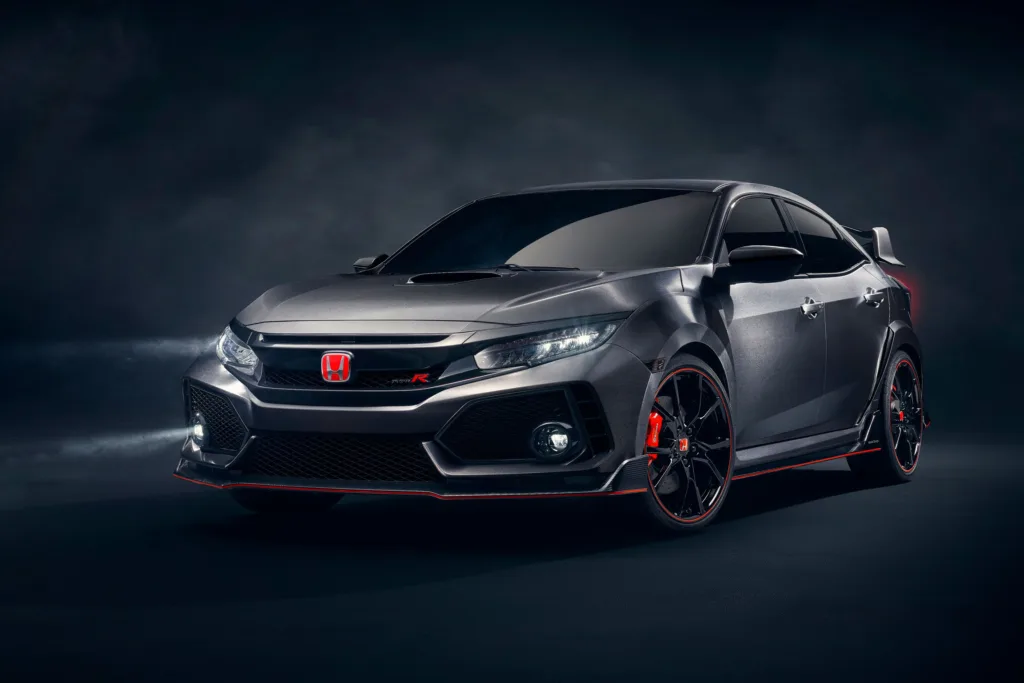
Type R has a lasting legacy, with iconic models in both the Japanese Domestic Market and the United States. From the DC2 Integra Type R to the FK8 and FL5 Civic Type R, Honda has continually set benchmarks, bringing turbocharged engines, Brembo brakes, and distinctive aerodynamic styling to the hot hatch segment. While only a select few models made their way to American shores, the legend of Type R remains international, celebrated by collectors, track-day aficionados, and everyday drivers alike.
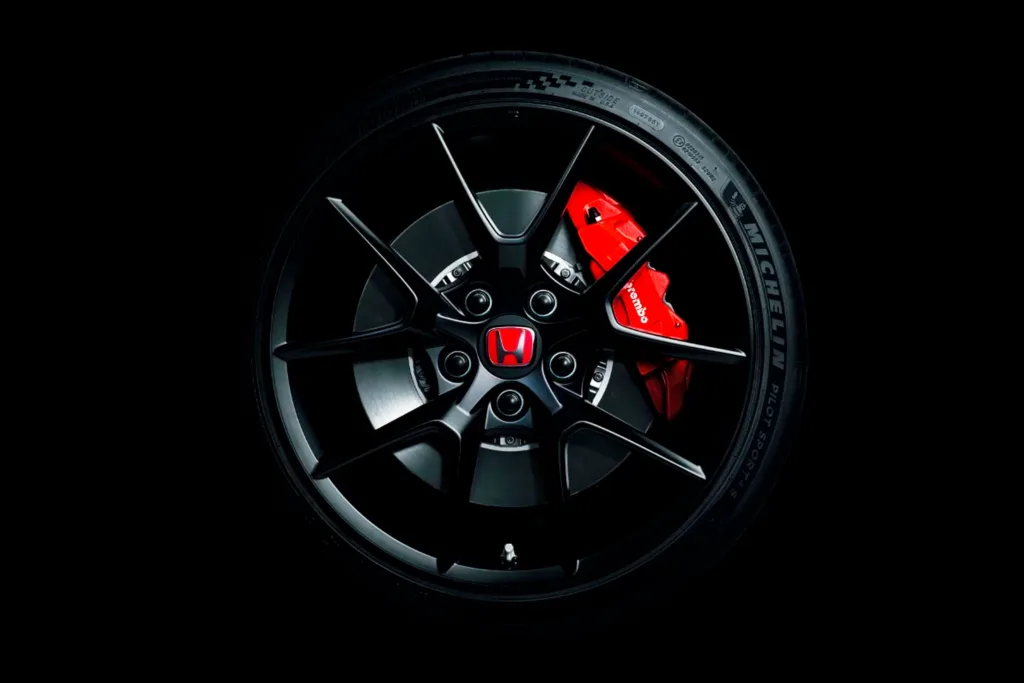
The sixth-generation Civic Type R, bearing over 25 years of lineage, continues to impress with innovations in turbocharging, independent suspension, and racing technology.
Its enduring popularity is a testament to Honda’s relentless pursuit of engineering excellence and the thrill of driving.
Type R in Today’s Car Culture
Every mention of Type R is a homage to Honda’s bold pursuit of track-worthy performance. Whether catching a glimpse of Championship White at a local meet or chasing lap records at international circuits, Type R remains synonymous with speed, commitment, and enthusiast passion.


Functional Always active
Preferences
Statistics
Marketing