
Toyota Racing Development (TRD) is a name synonymous with performance, resilience, and success across various demanding forms of motorsport. More than just an engineering division, Toyota Racing Development represents the high-performance spirit of the Toyota brand, channeling decades of competitive knowledge directly into both race-winning machines and street-legal vehicles. For enthusiasts passionate about car culture, the TRD badge is a seal of approval, signifying rugged, capability-focused engineering that elevates standard Toyota models.
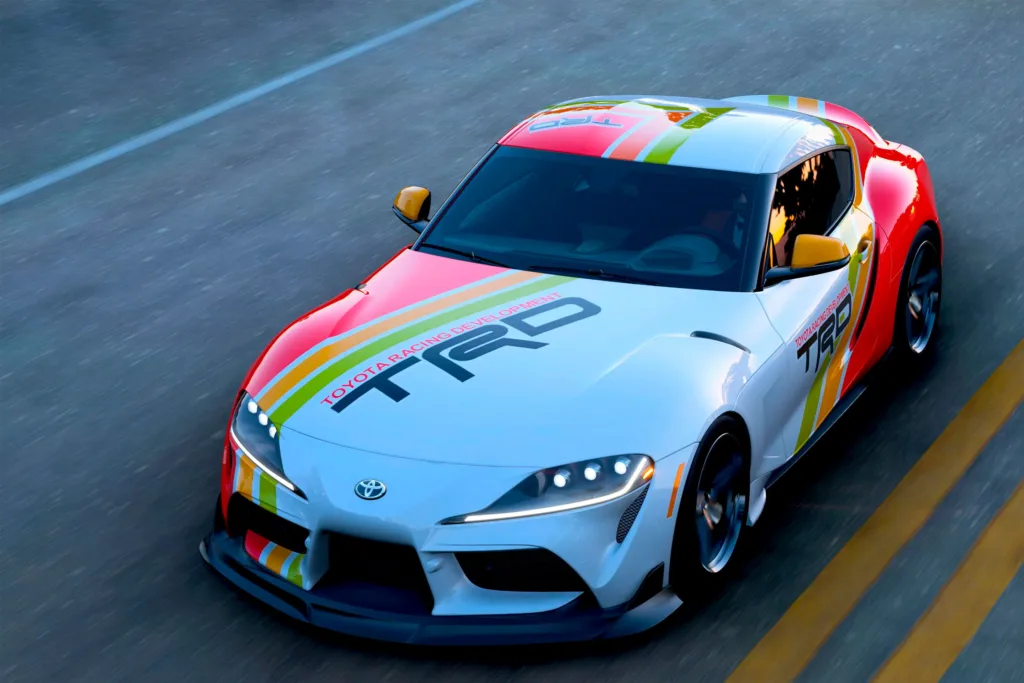
The Genesis of Toyota Racing Development
The story of Toyota Racing Development traces its roots back to the 1950s and 60s, a period when Toyota began its serious foray into global competition to prove the durability and quality of its passenger cars.
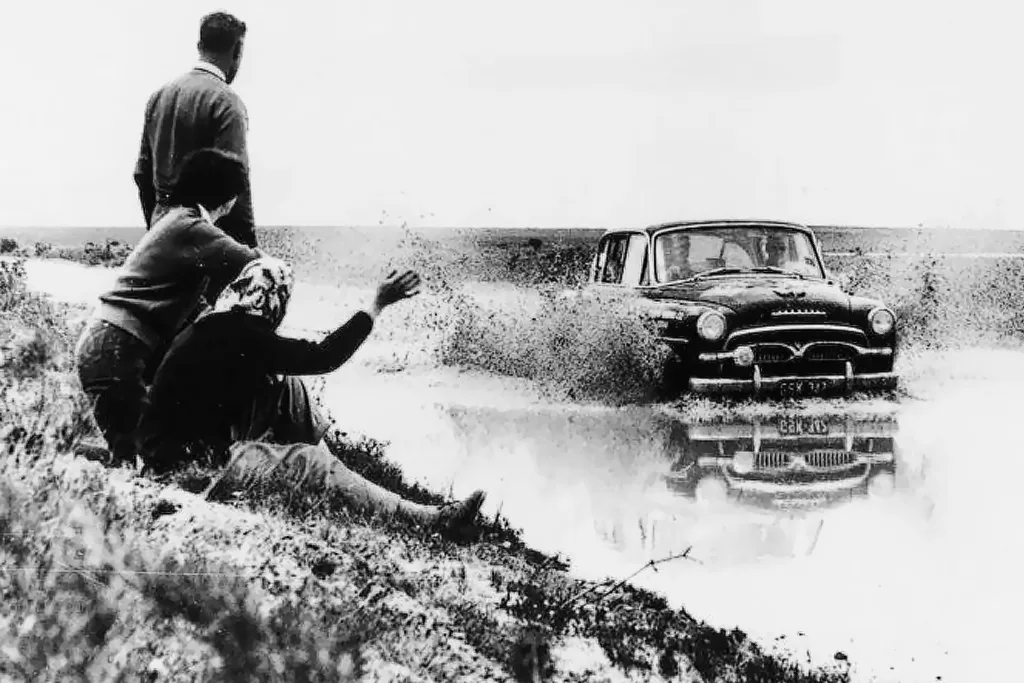
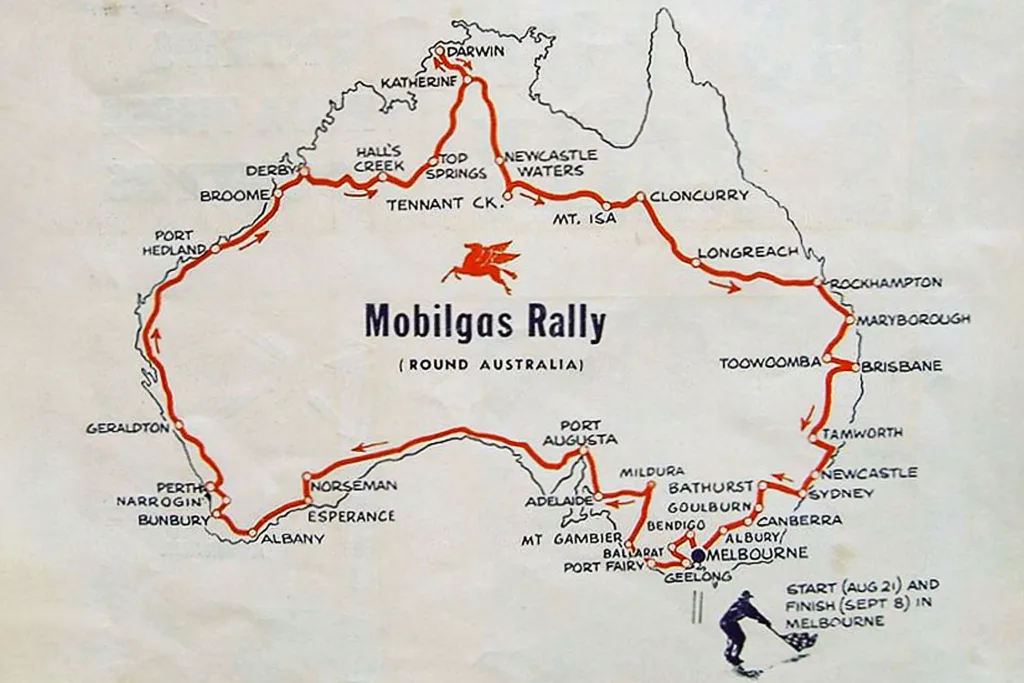
The foundation of what would become TRD was laid in 1957 with Toyota’s entry into the Mobilgas Round Australia Rally, highlighting the brand’s early commitment to testing its limits under extreme stress.
The formal establishment of Toyota Racing Development (TRD) occurred through the consolidation of various in-house and affiliated racing efforts:
- Japan: In 1976, the existing Total Technical Center (TTC) was renamed Toyota Racing Development (Japan).
- North America: Toyota’s motorsports activities in the crucial U.S. market were formally organized under TRD U.S.A. in 1979.
From its earliest days, the philosophy of Toyota Racing Development has been simple: to utilize the punishing environment of racing—from grueling off-road desert rallies to high-stress, high-rpm circuit racing—as the ultimate proving ground for production technology.
This ensures that every part designed and every lesson learned contributes directly to building “ever-better cars” for the consumer, a core tenet of the Toyota corporation.
From Track Victories to Consumer Vehicles
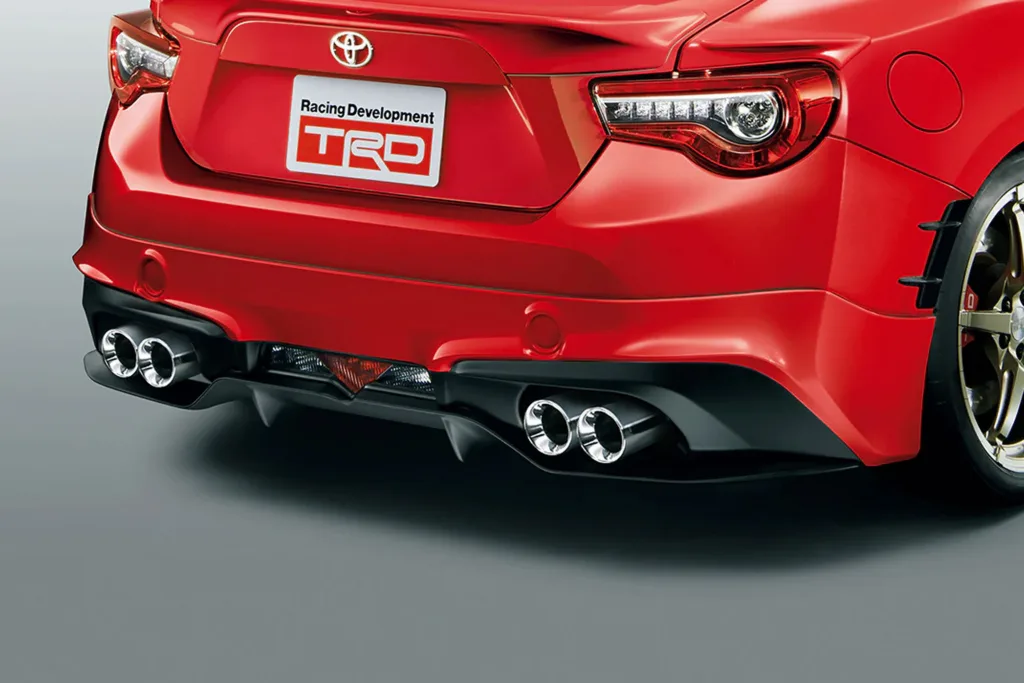
While the TRD name is celebrated for its on-track achievements, its lasting impact on car culture is most visible in the consumer market. Toyota Racing Development parts and performance packages offer owners tangible, engineered upgrades that enhance handling, durability, and aesthetic appeal.
Focusing on Rugged Capability: The TRD Pro Lineup
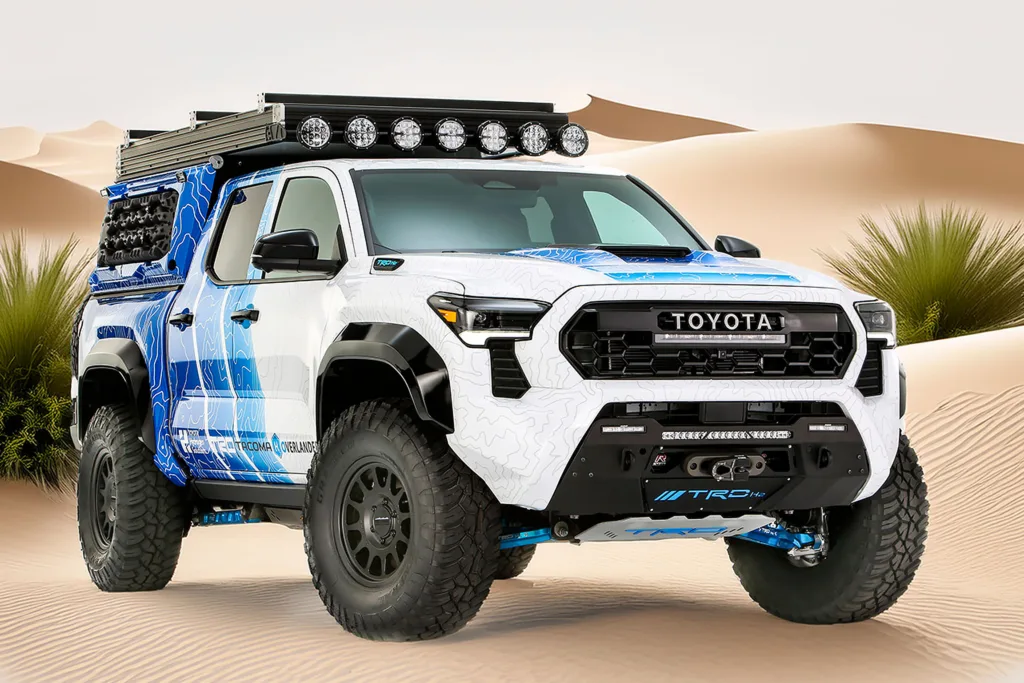
In the modern Toyota portfolio, Toyota Racing Development has carved out a unique and dominant niche: off-road and rugged performance. This specialization is showcased in the highly successful TRD Pro series, which elevates the capability of Toyota’s trucks and SUVs to near-professional off-road standards.
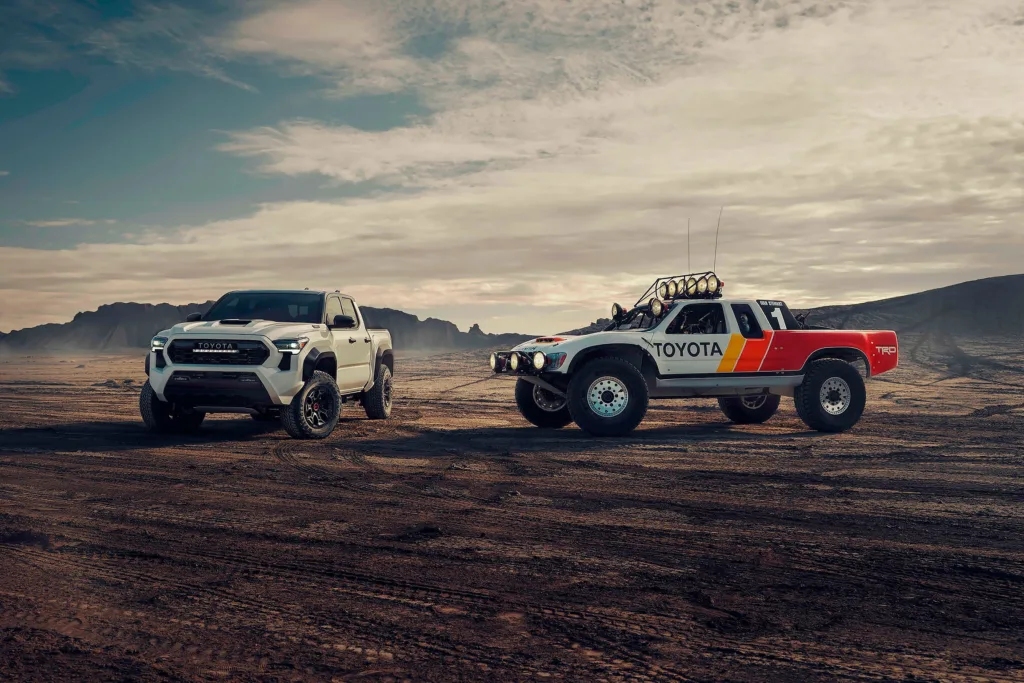
The TRD Pro vehicles—including the Tacoma, Tundra, 4Runner, and Sequoia—are not simply cosmetic packages. They feature core functional upgrades designed by Toyota Racing Development engineers:
- Specialized Suspension: TRD Pro models typically come equipped with Fox Shocks or bespoke TRD-tuned internal bypass suspension systems. These components provide superior damping control over rough terrain, enhancing stability and travel far beyond the standard models.
- Chassis Protection: Features like heavy-duty TRD skid plates, reinforced frames, and unique ground clearance adjustments ensure the vehicles can withstand challenging off-road conditions.
- Performance Components: Engine performance is often optimized, and the models include functional elements like TRD exhaust systems for improved sound and airflow, and unique lightweight TRD alloy wheels wrapped in aggressive all-terrain tires.
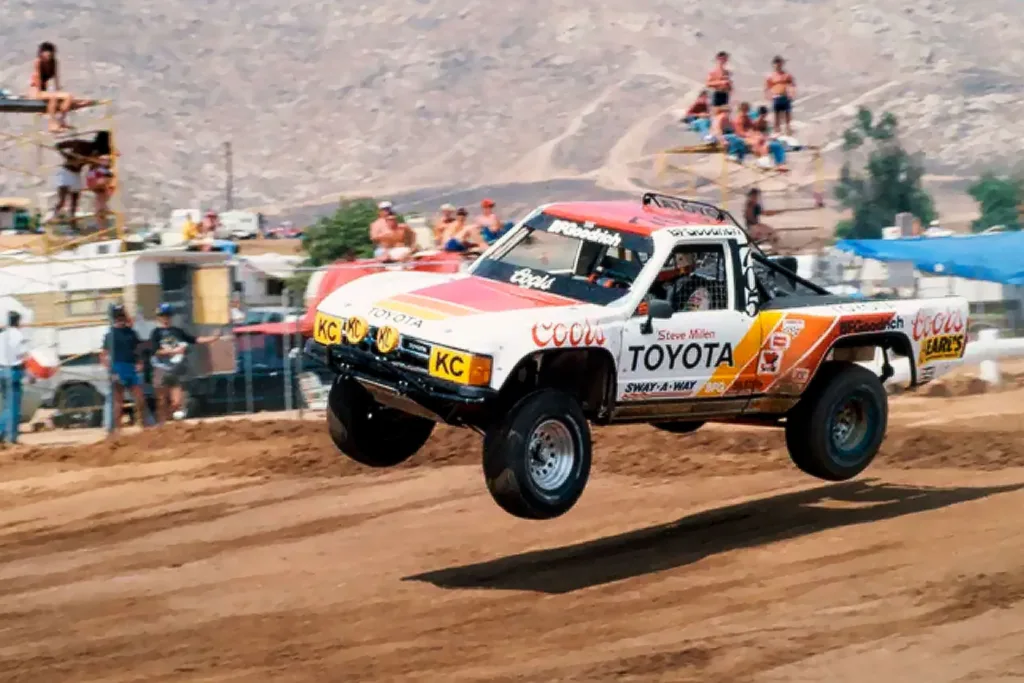
The focus on the TRD Pro line perfectly aligns with Toyota Racing Development’s historical participation in off-road competition, including multiple successes in the grueling Baja 1000 and other major desert races. This specialized knowledge directly translates to consumer confidence, ensuring that a TRD Pro model is truly ready for adventure, making it a favorite within the contemporary overlanding and off-road segments of car culture.
TRD in Motorsport: A Legacy of Engine Excellence
The competitive record of Toyota Racing Development is vast and serves as the ultimate proof of concept for its engineering prowess. While the focus has shifted somewhat on the road-car side, TRD remains a powerhouse in several critical racing disciplines, particularly in North America.
NASCAR Dominance
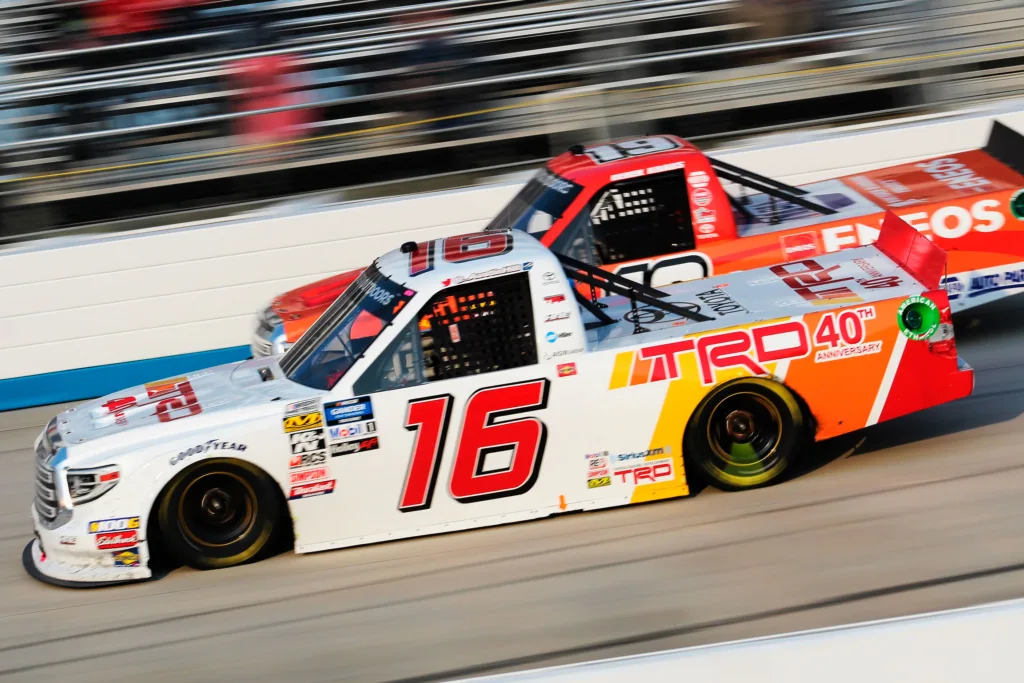
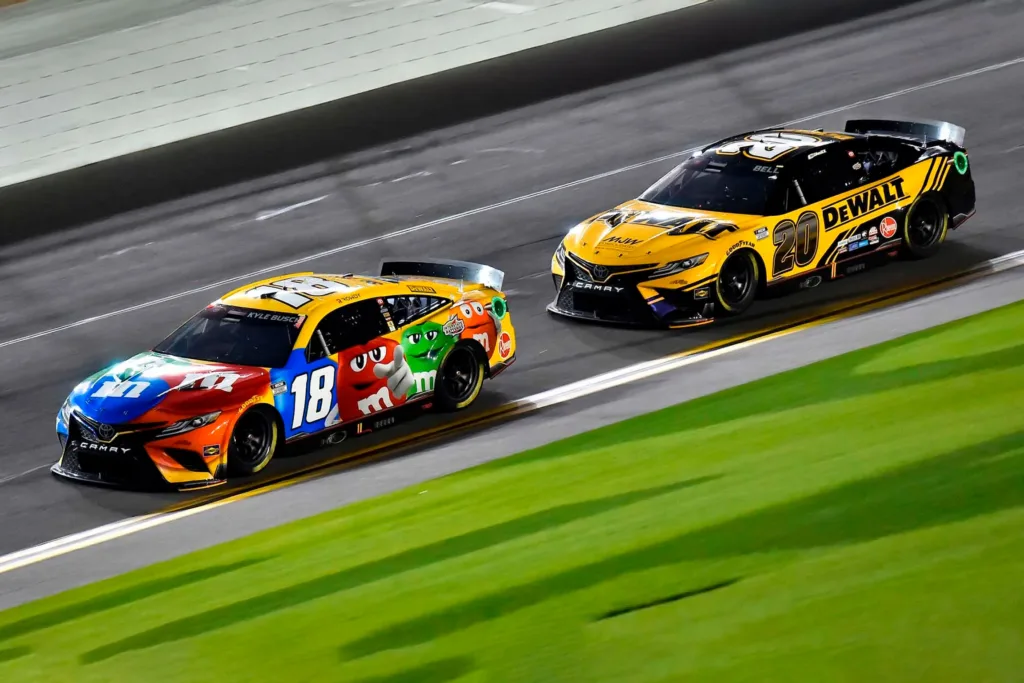
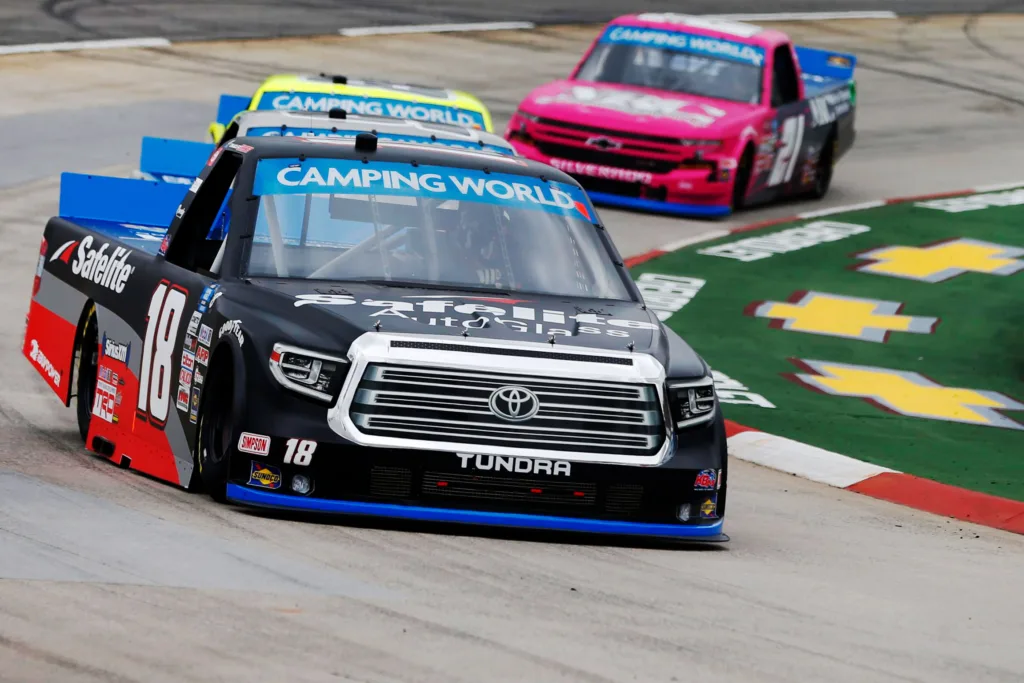
TRD is the bedrock of Toyota’s success in NASCAR. Based in Salisbury, North Carolina, the TRD engine shop is responsible for designing, building, and maintaining the highly specialized V8 engines used by all Toyota teams across the Cup, Xfinity, and Craftsman Truck Series. This program demands absolute precision, durability, and relentless development to extract maximum power within strict regulatory limits.
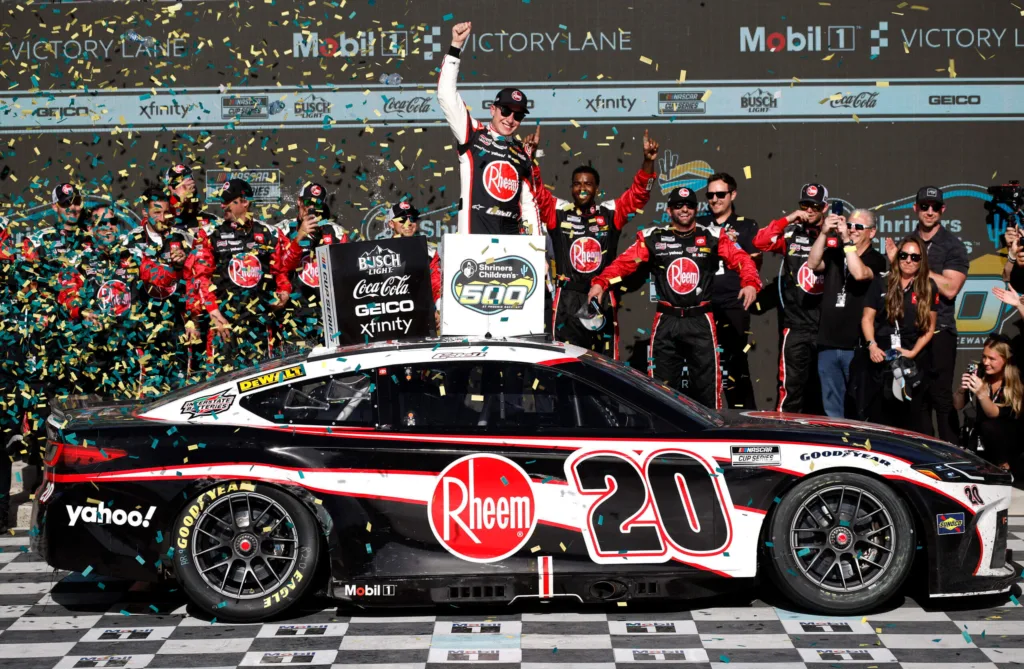
The engineering expertise of Toyota Racing Development has contributed to numerous NASCAR championships across all three national series.
The pressures of developing engines that can withstand 500 miles of flat-out racing while ensuring consistency and reliability represent the highest form of competitive engineering, the knowledge from which subtly benefits all consumer engines through improved materials and cooling system design.
Open-Wheel and Endurance Racing
Historically, Toyota Racing Development has also left an indelible mark on open-wheel racing:
- IndyCar/CART: TRD built championship-winning engines during the CART and early IndyCar eras, competing head-to-head with manufacturers like Honda and Chevrolet.
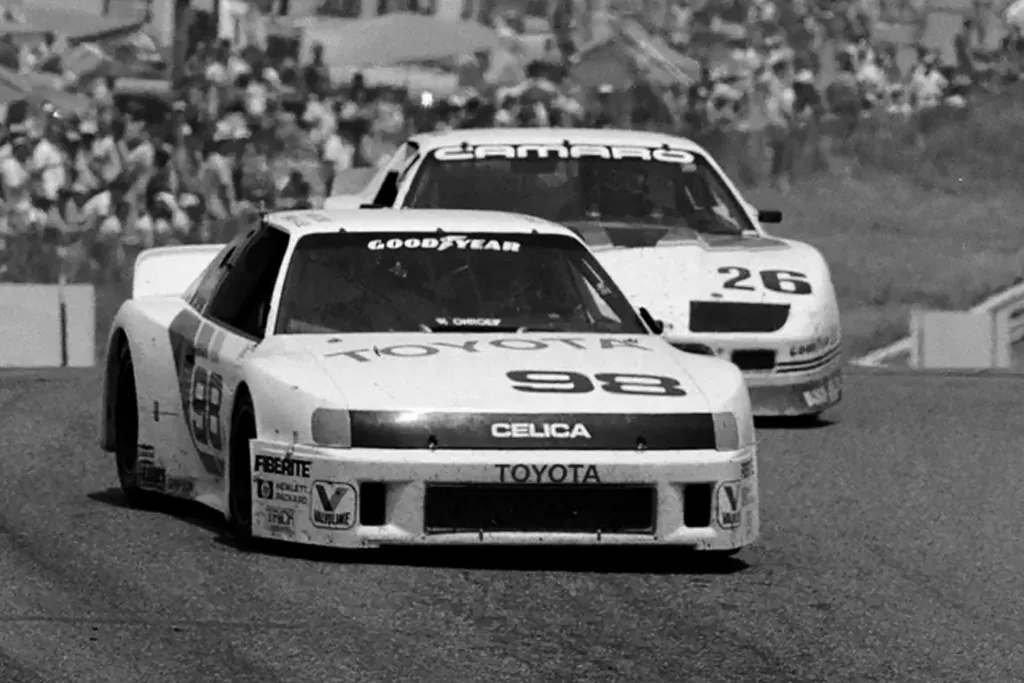
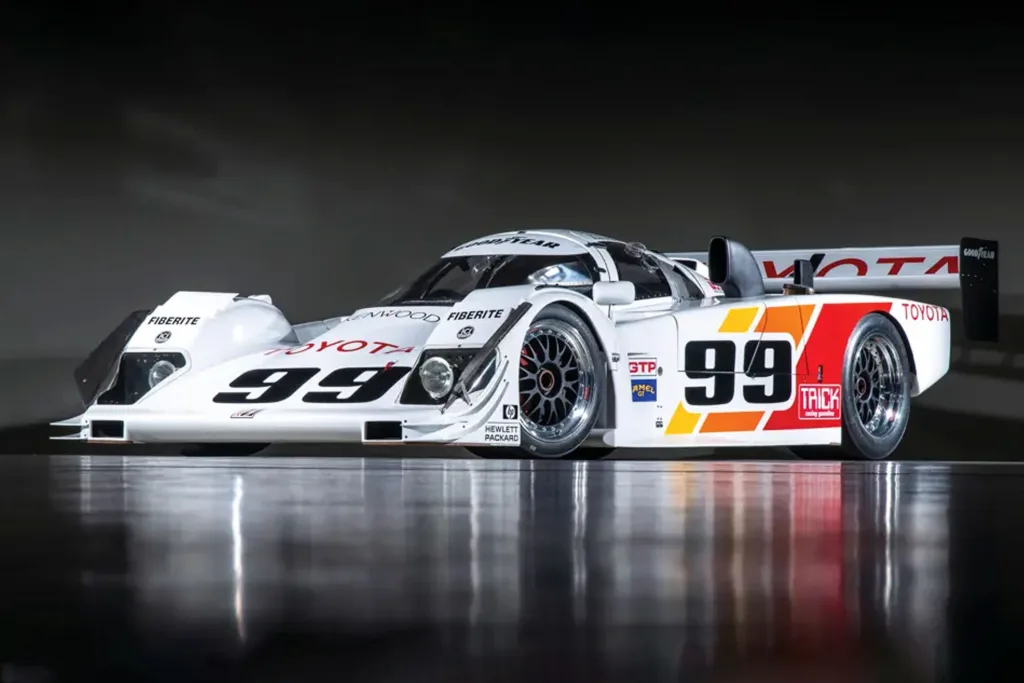
- IMSA/Sportscar: TRD has provided engines for various sportscar programs, using these endurance races to develop forced induction technology and drivetrain durability under prolonged stress.
The Interplay Between TRD and Gazoo Racing
For many enthusiasts, the relationship between Toyota Racing Development (TRD) and Gazoo Racing (GR) can be confusing, but it represents Toyota’s segmented approach to modern performance and car culture.
Gazoo Racing (GR) is the global performance brand for road-focused and circuit/rally performance vehicles.
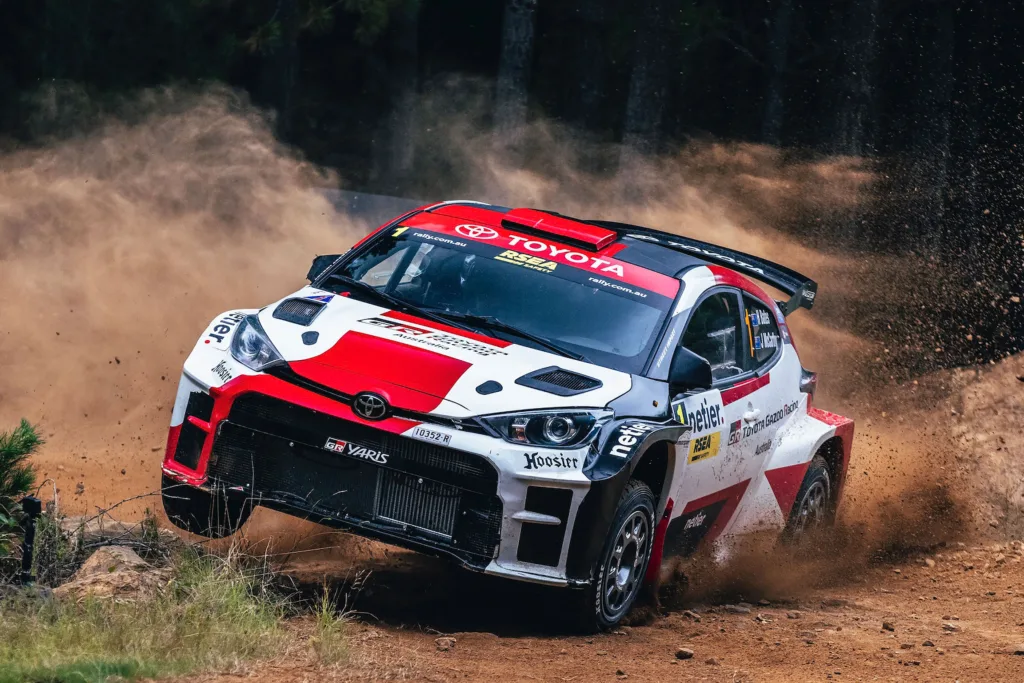
Models like the GR Supra, GR Yaris, and GR Corolla are designed, developed, and marketed globally under the GR banner, drawing heavily from WEC and WRC experience. GR is about precision, handling, and maximizing power-to-weight ratios on pavement.
Toyota Racing Development (TRD), particularly in North America, has evolved into the brand’s specialist for off-road, rugged capability, and core domestic motorsports like NASCAR.
While these divisions work collaboratively and share engineering resources, their consumer roles are clear:
- If you want a factory performance car for track days (e.g., GR Corolla): Look for the Gazoo Racing badge.
- If you want a factory performance truck for the desert and trails (e.g., Tundra TRD Pro): Look for the Toyota Racing Development (TRD) badge.
This synergy allows Toyota to cover two massive, yet distinct, segments of the performance market: the asphalt-loving enthusiast through Gazoo Racing and the adventure-seeking, off-road community through Toyota Racing Development.
The Future of Toyota Racing Development
As the global automotive industry rapidly pivots toward an electrified future, Toyota Racing Development (TRD) is strategically positioned at the cutting edge of this transition. The division is tasked with the critical mission of adapting its decades of performance engineering expertise to hybrid and battery-electric vehicle platforms. This strategic focus ensures that future TRD models—and the broader Toyota lineup—will maintain their competitive edge in power delivery and efficiency.
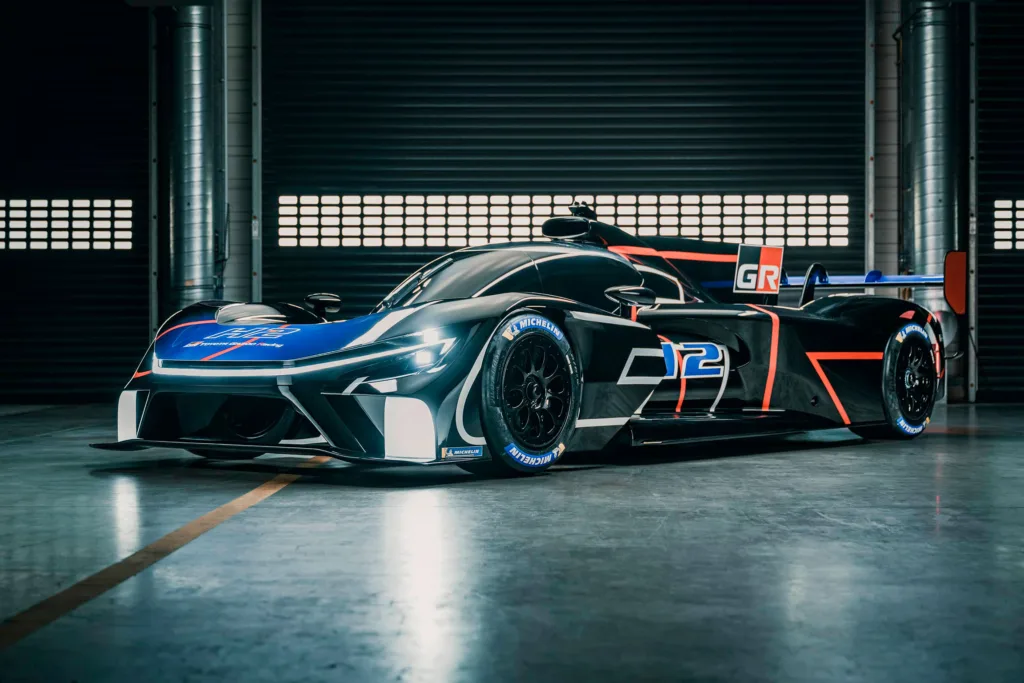
The critical knowledge transfer comes directly from Toyota’s extensive involvement in cutting-edge hybrid racing series, most notably through Gazoo Racing (GR) in the FIA World Endurance Championship (WEC). This high-stress environment provides essential data on managing battery cooling, optimizing electric power delivery, and enhancing regenerative braking systems, which are all crucial for future consumer performance.
Beyond electrification, the foundational pillars of Toyota Racing Development remain robust. The essential, ongoing engine development work for NASCAR continues to drive durability and high-efficiency combustion technology.
Simultaneously, the relentless advancement of the TRD Pro off-road lineup ensures that the brand’s commitment to rugged capability and competitive performance in the off-road segment of car culture remains unmatched.
Whether the challenge involves engineering the next generation of highly durable race engines for the track or designing advanced shock absorbers capable of conquering the planet’s toughest terrains, Toyota Racing Development serves as the indispensable technological powerhouse, firmly cementing its pivotal role in shaping Toyota’s high-performance identity worldwide.


Functional Always active
Preferences
Statistics
Marketing