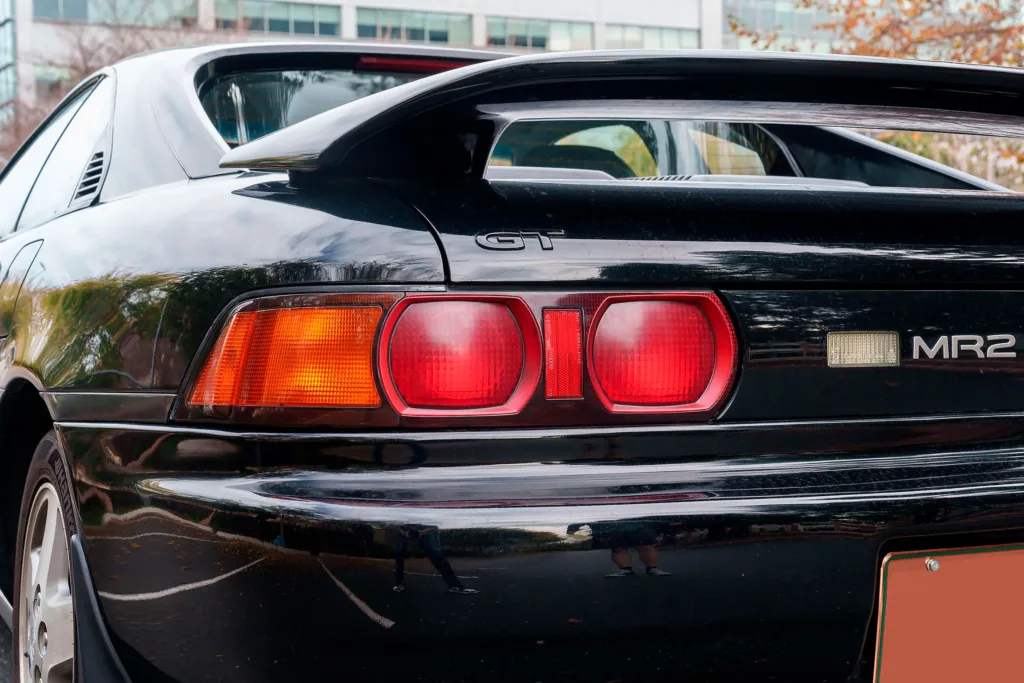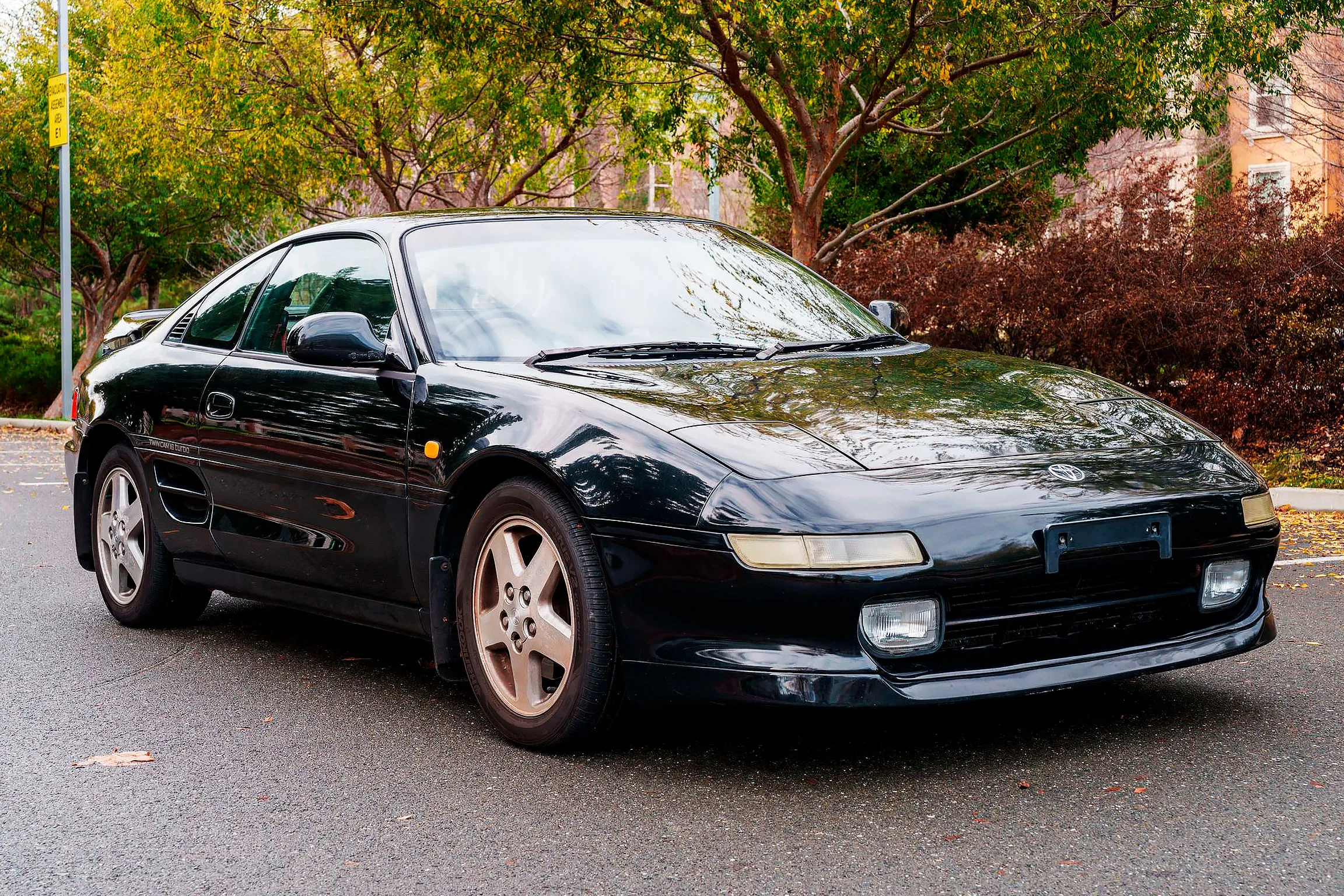
The 1997 Toyota MR2 GT-S stands as one of the most celebrated examples of the second-generation MR2, known internally as the SW20. Building on the foundation laid by the original AW11—the first mass-produced mid-engine car from Toyota—the SW20 embodied a purposeful evolution from a practical sports car to a true high-performance machine, showcasing Toyota’s engineering prowess rooted in performance dynamics and driver engagement.
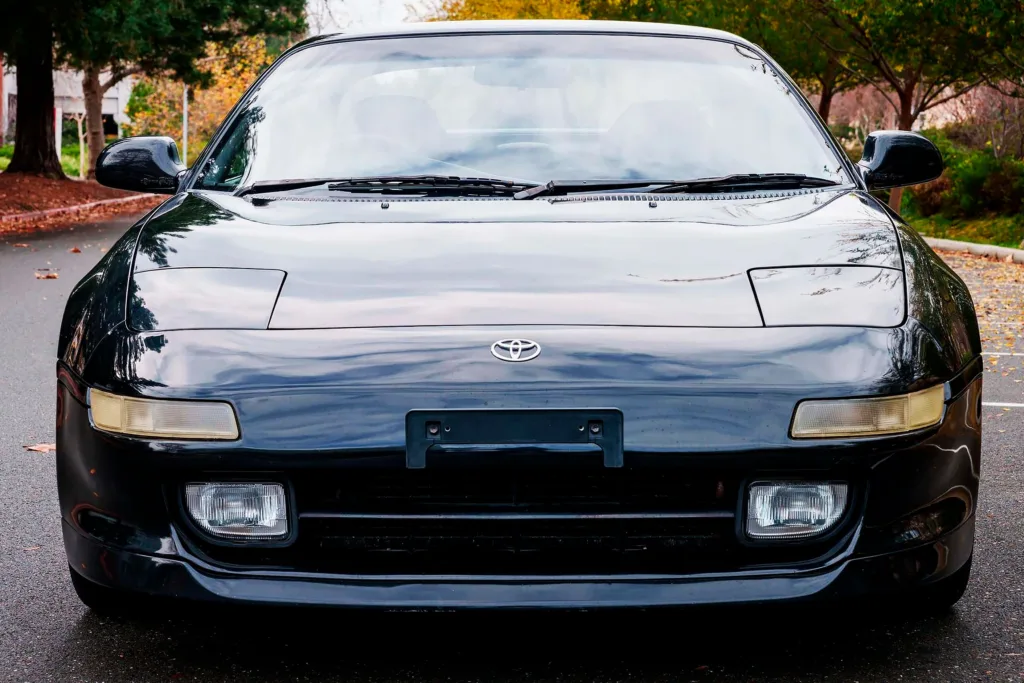
Design, Dimensions, and Weight
Measuring well within Japan’s size 5 classification limits but stretched to optimize interior space and road presence, the SW20 displayed a much larger footprint than its predecessor.
With dimensions around 4,140 mm in length, 1,695 mm wide, and a low 1,240 mm height, the MR2 GT-S combined dramatic styling with practical compactness.
The sleek, smooth bodywork cleverly reflects the car’s midship layout, with wide fenders and aerodynamic lines suggesting speed even at rest. Its lightweight construction, at approximately 1,285 kilograms (2,832 pounds), helped it maintain nimble handling characteristics despite increased size and power.
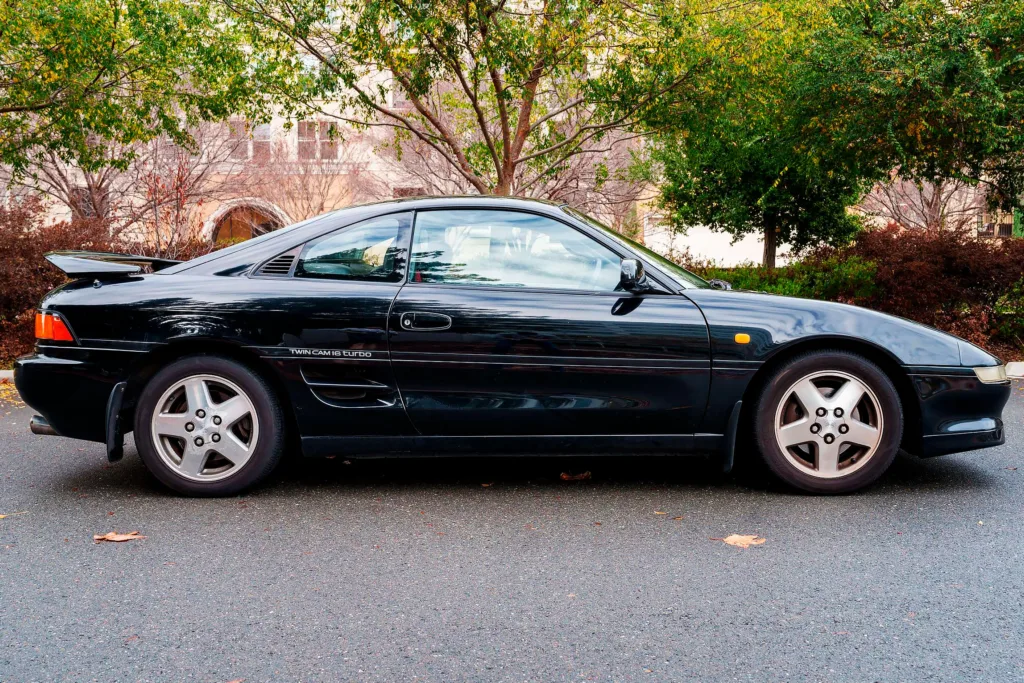
Engine Power: Naturally Aspirated vs. Turbocharged GT-S
Early SW20 models were powered by a 2.0-liter 3S-GE naturally aspirated inline-4 engine, producing around 162 bhp (165 PS) and delivering spirited performance paired to a rear mid-engine, rear-wheel-drive layout. However, the more renowned turbocharged variant under the GT-S badge featured Toyota’s legendary 3S-GTE engine, a 2.0-liter DOHC inline-4 with a single turbocharger, capable of producing 221 bhp initially, and increasing to 241 bhp by the 1994 Mk III revision. This Turbo engine delivered an exhilarating 31 kgf·m (224 lb-ft) of torque, unleashing rapid acceleration and thrilling driving dynamics that made the SW20 a highly sought-after sports car.
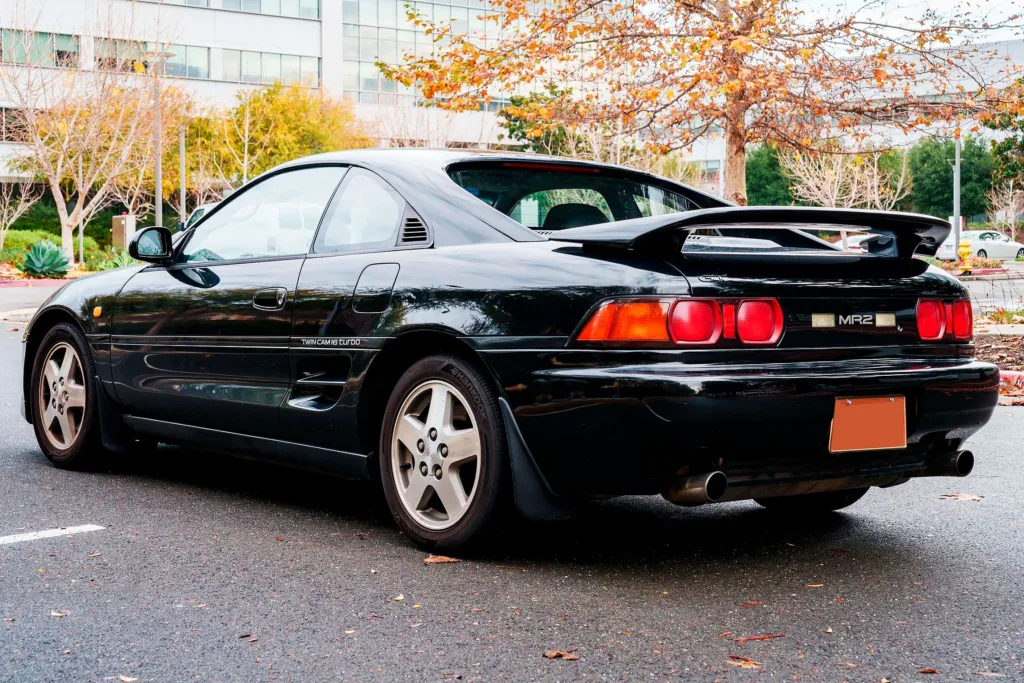
Chassis and Handling Refinements (Model Revisions)
Despite its potent engine, the initial release of the SW20 Turbo faced notorious challenges in handling. The increased power offset the chassis balance inherited from the AW11, leading to a tendency for snap oversteer and tricky dynamics, especially for inexperienced drivers. These handling issues prompted Toyota to revise the chassis geometry in the 1991 Model II version, introducing changes to suspension settings, revised spring rates, and dampers, which went a long way toward taming the car’s aggressive behavior.
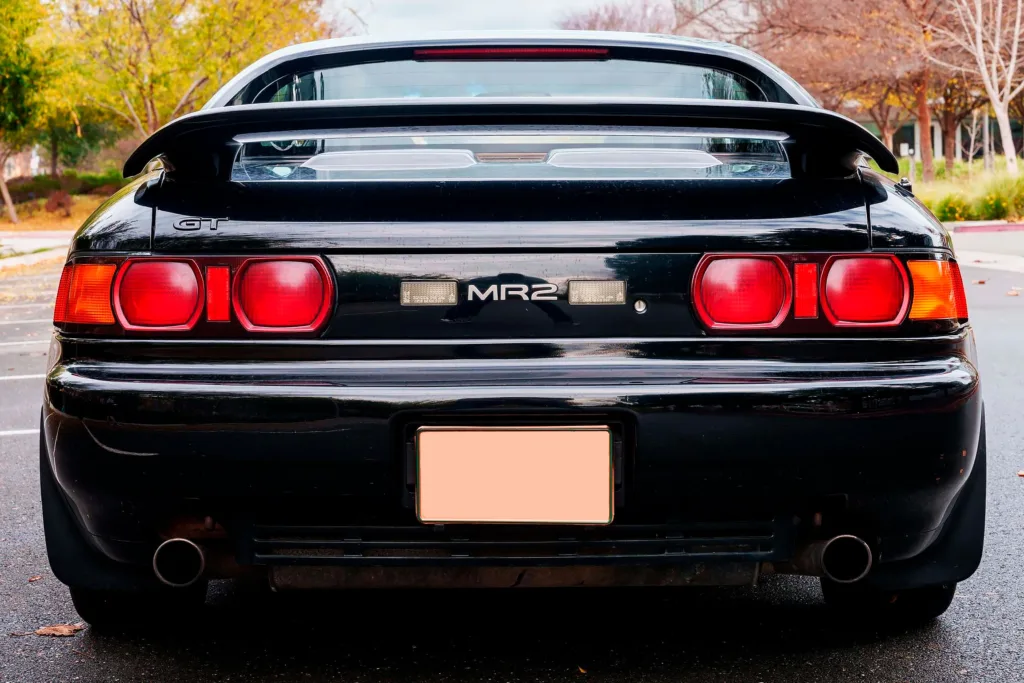
The 1994 Model III progressed this evolution with a further refined turbocharged engine rated at 241 bhp and also boosted power in the naturally aspirated version to 177 bhp. Suspension geometry, brakes, and springs were overhauled once again to enhance stability and driver confidence. The Model IV, launched in 1996, saw the inclusion of a helical limited-slip differential in the manual transmission variants, providing superior traction and a more communicative steering feel. Sports ABS became a standard safety feature, reflecting increased emphasis on occupant protection while maintaining performance balance.
The Final Iteration: 1997 Model V
The final and arguably best iteration, the 1997 Model V, introduced Variable Valve Timing with intelligence (VVT-i) on the naturally aspirated 3S-GE engine, boosting output to 197 bhp and producing 21 kgf·m (155 lb-ft) of torque. The chassis had matured significantly by this point, shedding much of the earlier over-sensitivity, resulting in a well-balanced sports car praised for combining accessible power with predictable handling.
The Model V NA (naturally aspirated) variant remains a favored choice for enthusiasts seeking that ideal harmony between performance and chassis control without the turbo’s more challenging traits.
Underpinnings and Technical Systems
Underneath the elegant body lies a race-bred suspension system featuring double wishbones on both front and rear, supporting precise handling and excellent road feel. The front brakes are ventilated discs complemented by solid rear disc brakes, providing the necessary stopping power to control the energetic engine. Steering is rack-and-pinion with hydraulic assist, offering communicative feedback critical for driver confidence during spirited driving. Transmission choices included a 5-speed manual favored for its direct clutch engagement and crisp shifts, while select markets received a 4-speed automatic.
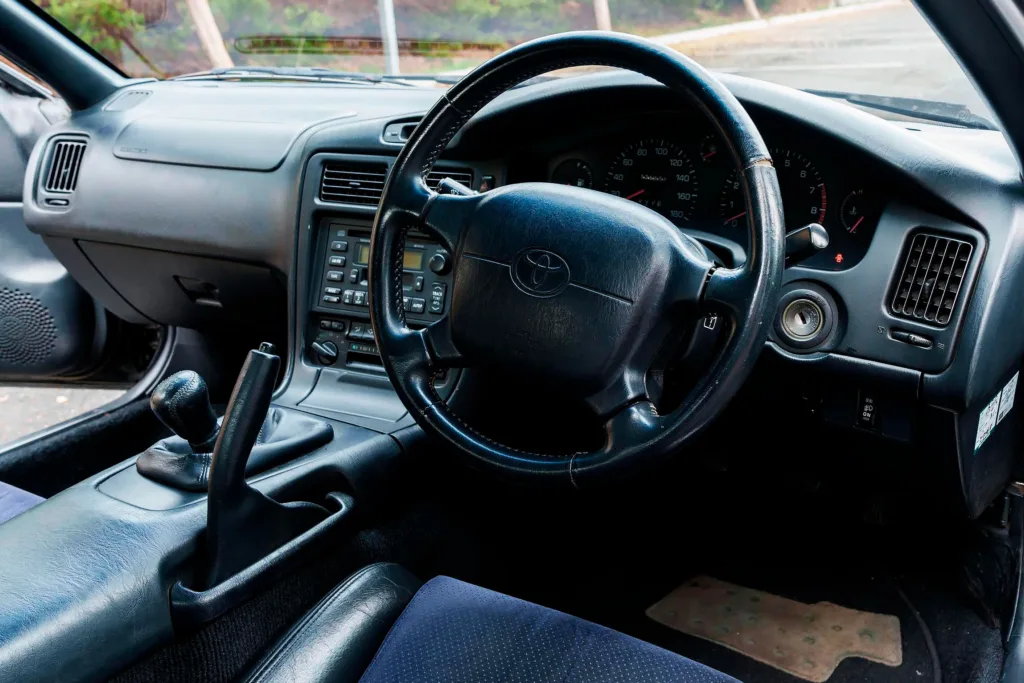
Notable variants of the SW20 Turbo were equipped with staggered wheel setups—narrower in front, wider in the rear—to enhance grip dynamics, improving launch stability and cornering performance. The Turbo models also benefited from a robust EG153 gearbox with reinforced axles to handle the higher torque output.
Cultural Impact and Legacy
Culturally, the SW20 MR2 carved a niche among sports car enthusiasts worldwide, hailed for its distinctive mid-engine layout in a relatively affordable package. It combined exotic car handling and engine placement with everyday usability, making it a refreshing alternative to front-engine, rear-wheel-drive rivals. The MR2’s involvement in motorsports, aftermarket tuning scene, and its naming alongside iconic Japanese sports cars assured its legendary status among automotive purists.