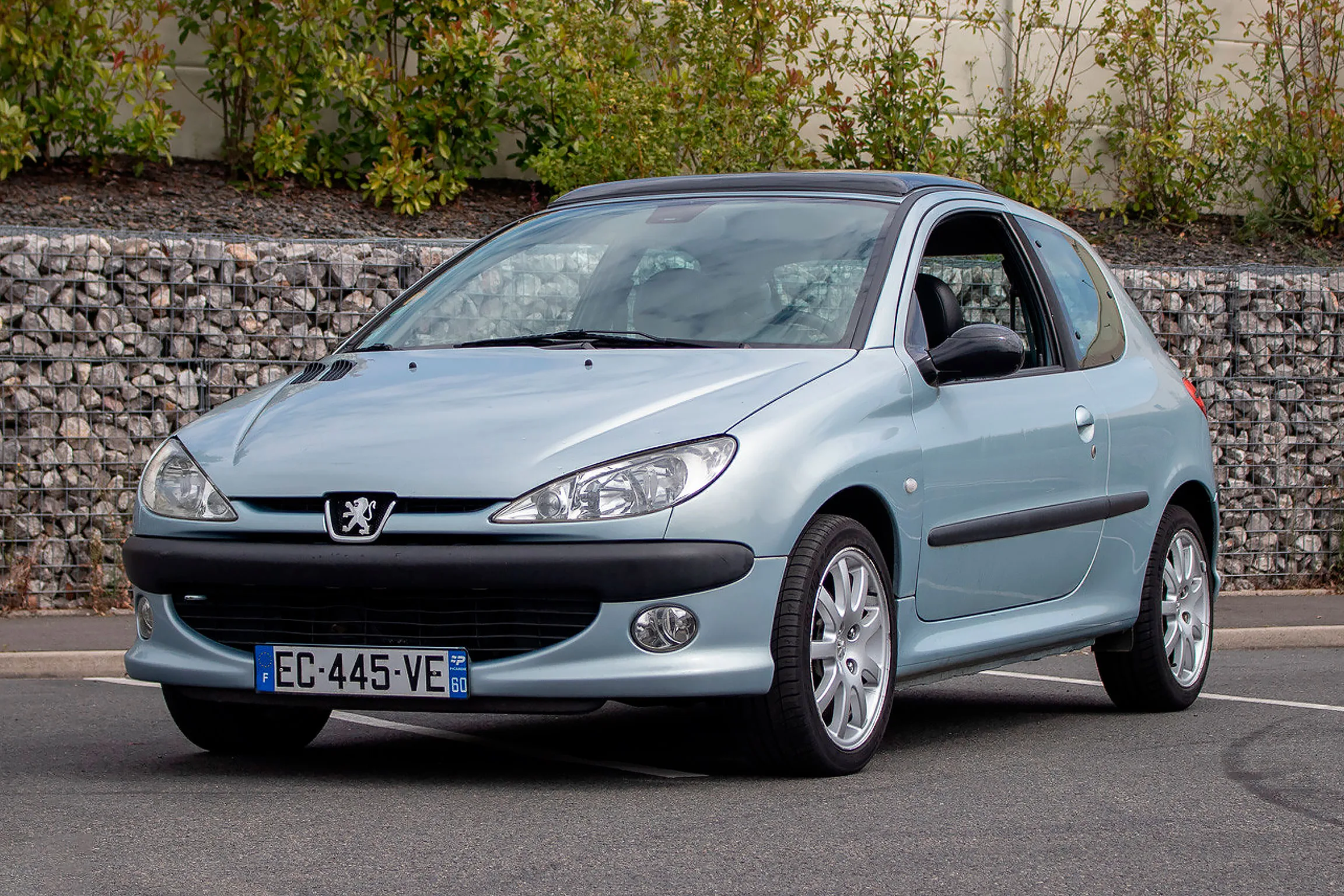
When the Peugeot 206 made its official debut at the 1998 Paris Motor Show, expectations were sky-high. It was set to replace the legendary Peugeot 205, one of Europe’s most beloved small cars and the cornerstone of Peugeot’s 1980s success.
Engineers and designers faced a monumental challenge: to create a successor that could modernize the formula without sacrificing the playful driving dynamics and spirit that made the 205 GTI a cultural icon.
The result was the 206—a car that brought contemporary design, advanced safety, and renewed performance to the compact hatchback segment.
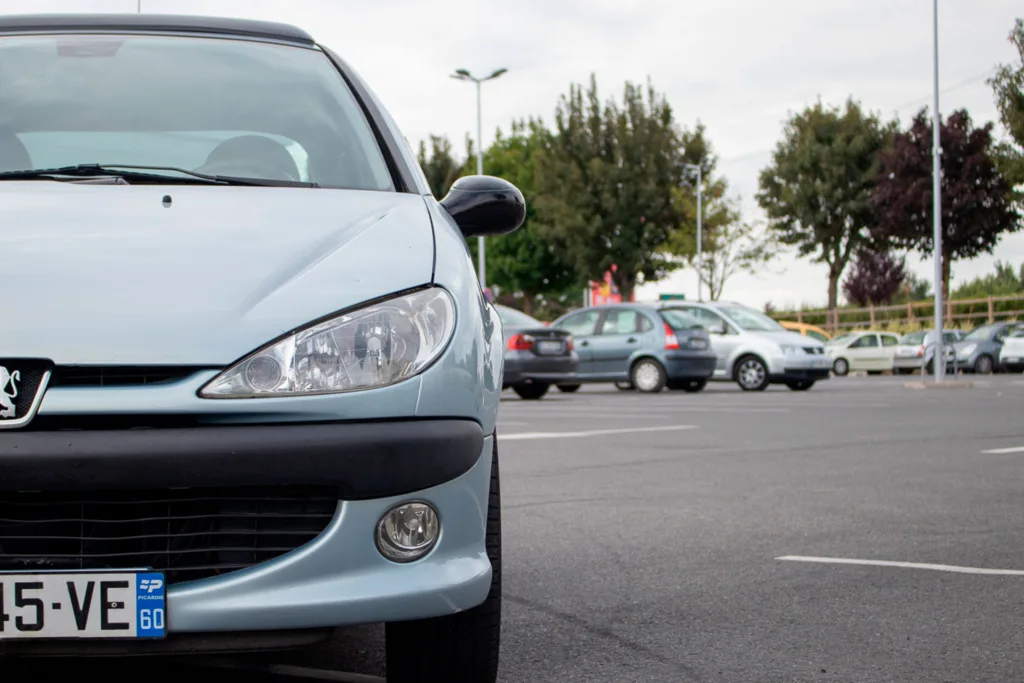
Among the many variations of the 206, the S16, released in 1999, stood at the top as Peugeot’s driver-oriented hot hatch. Known in some markets as the GTi, the S16 embodied the excitement and agility of its famous predecessor while benefiting from the improved engineering and comfort of a modern chassis. It was joined later by a stylish coupé-cabriolet (206 CC), a practical estate (206 SW), and even a range-topping RC, each sharing the same sporting DNA that defined the model line.
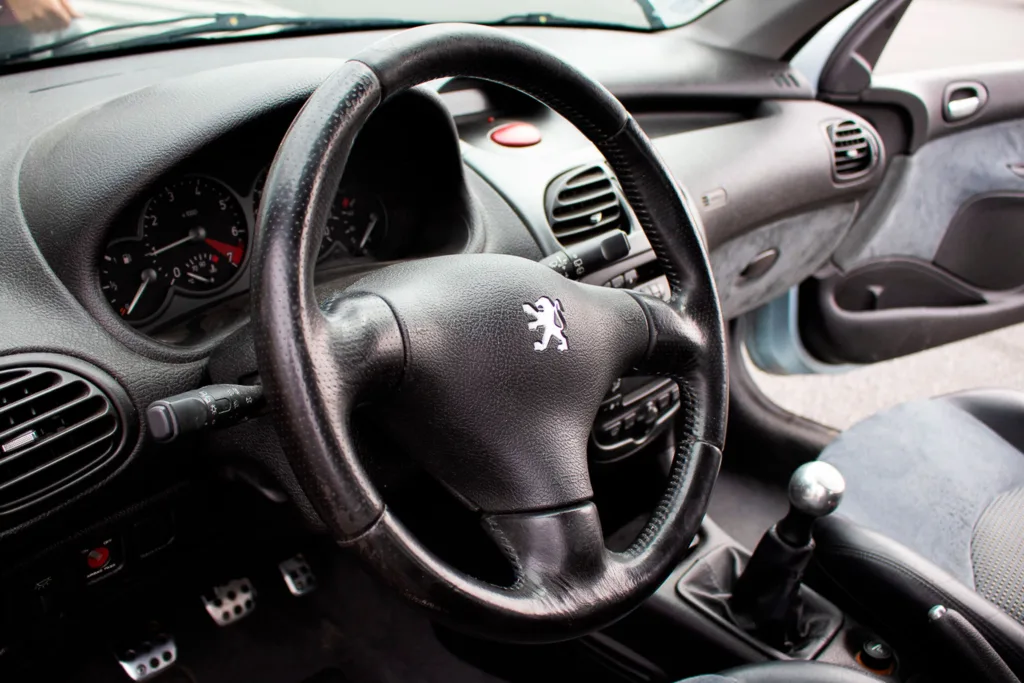
Design, Dynamics, and S16 Specifications
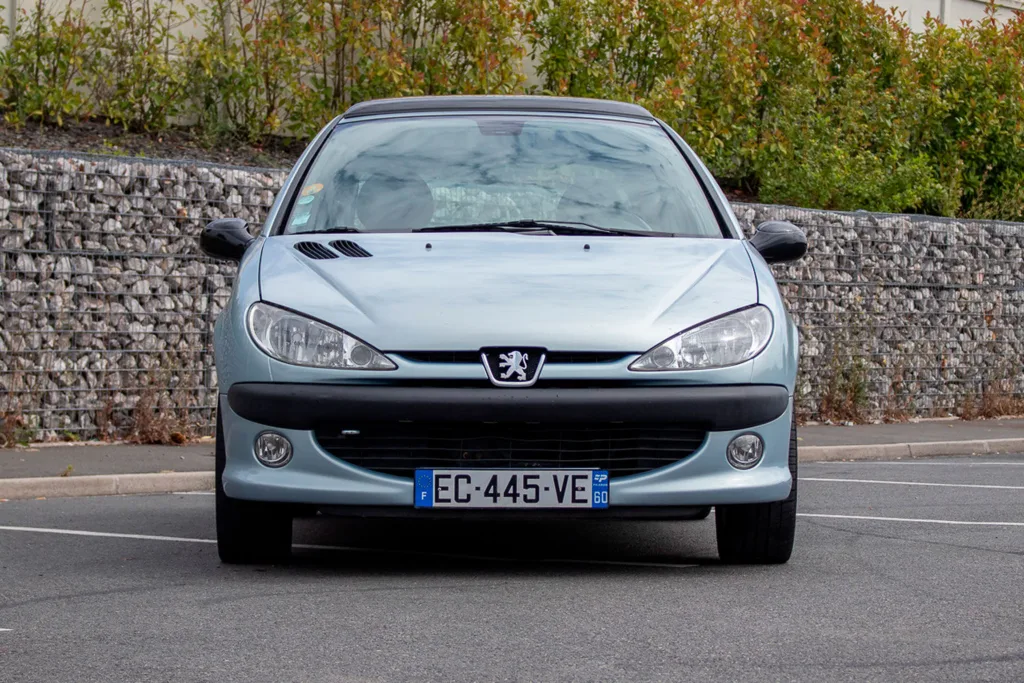
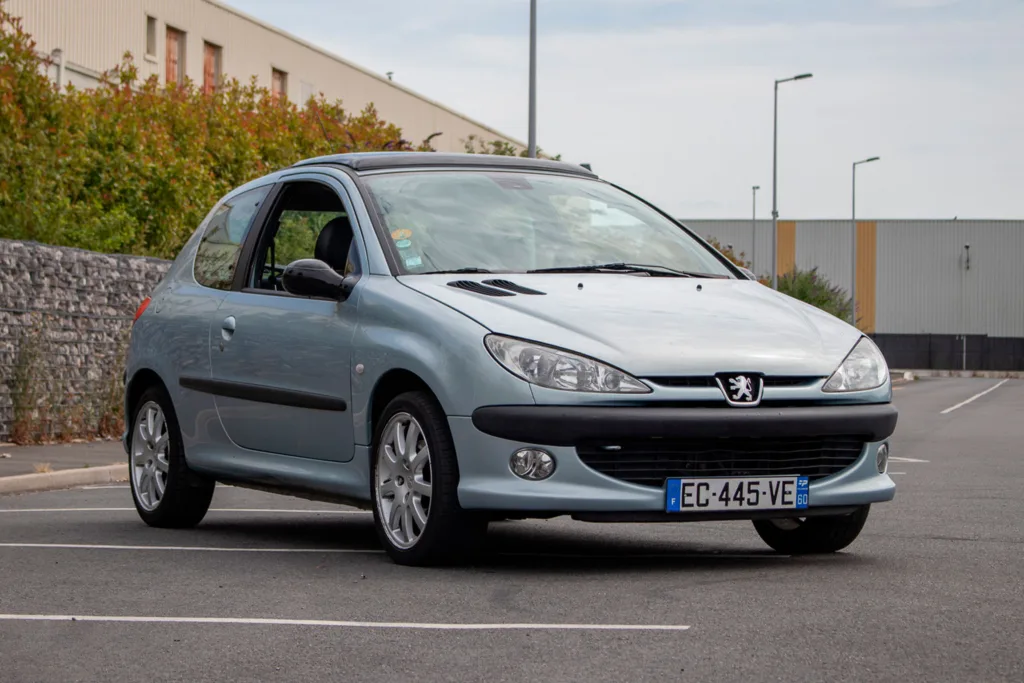
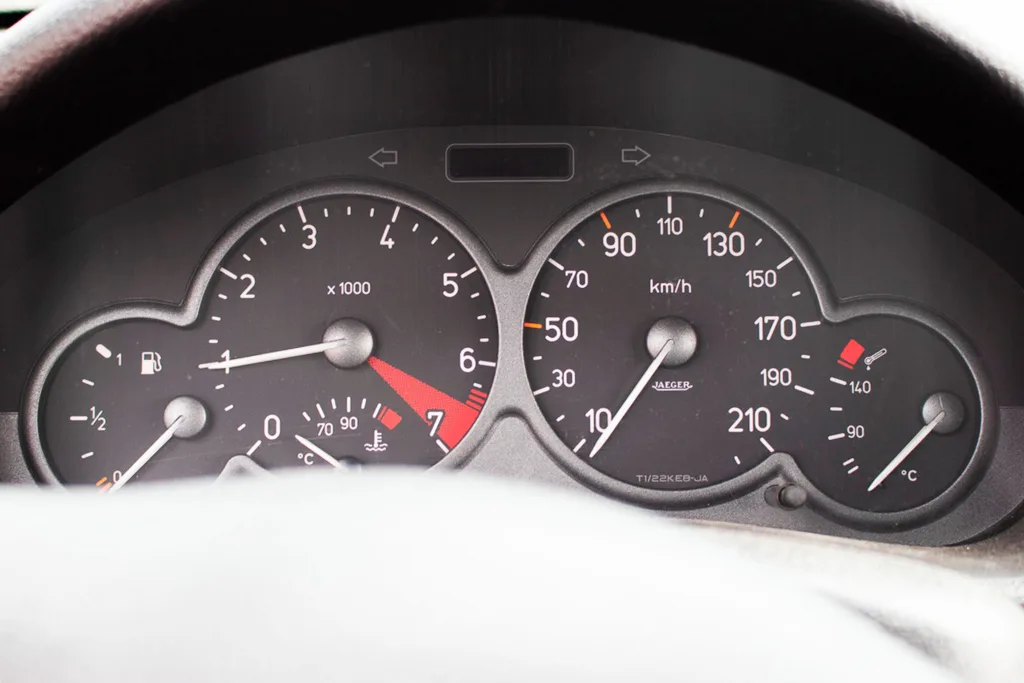
The 206 S16’s design was unmistakably Peugeot—compact, curvaceous, and purposeful. Its flared wheel arches, subtly aggressive bumpers, and aerodynamic silhouette gave it a sportier stance without resorting to excessive styling gimmicks. The widened arches accommodated larger wheels and tires, improving grip and stability. Inside, the cabin prioritized tactile engagement, with tight-fitting sports seats, an ergonomically positioned gear lever, and classic analog gauges. Despite its compact size, the quality and refinement of the cabin marked a noticeable evolution from the 205 generation.
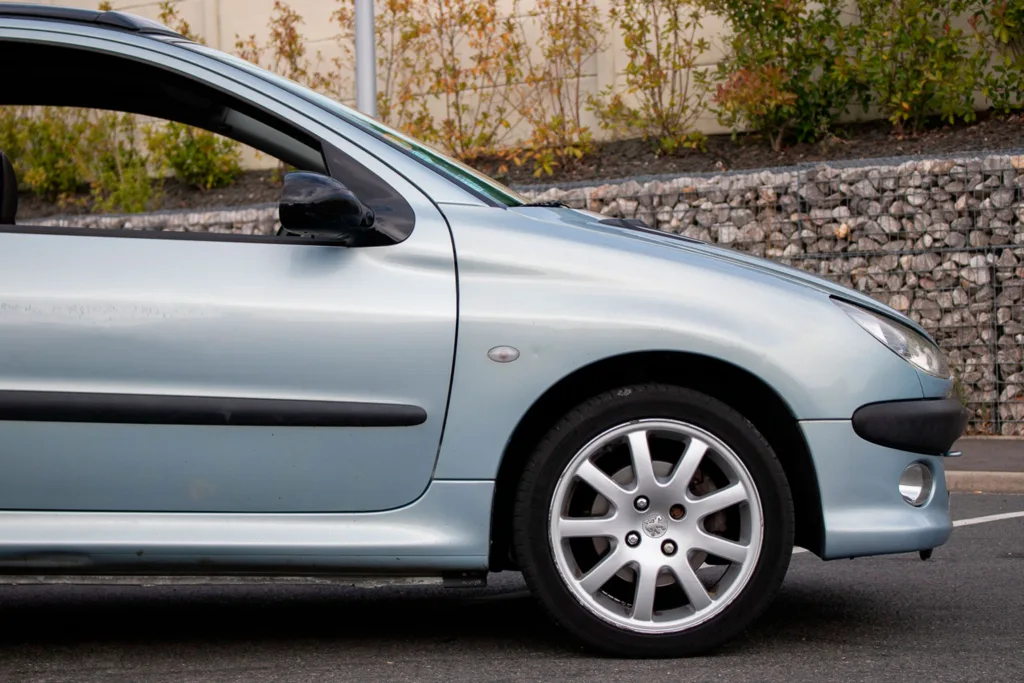
Powering the 206 S16 was a robust and versatile 2.0-liter DOHC inline-four engine coded EW10J4. Naturally aspirated and featuring 16 valves, it produced 138 horsepower at 5,800 rpm and 187 Nm (18.7 kgm) of torque at 4,000 rpm. It was paired with a close-ratio five-speed manual transmission (some export markets offered a six-speed), optimized for spirited driving and responsive acceleration. The engine’s flexible nature made it equally at home in city traffic or high-revving backroad runs—precisely what enthusiasts expected from a proper French hot hatch.
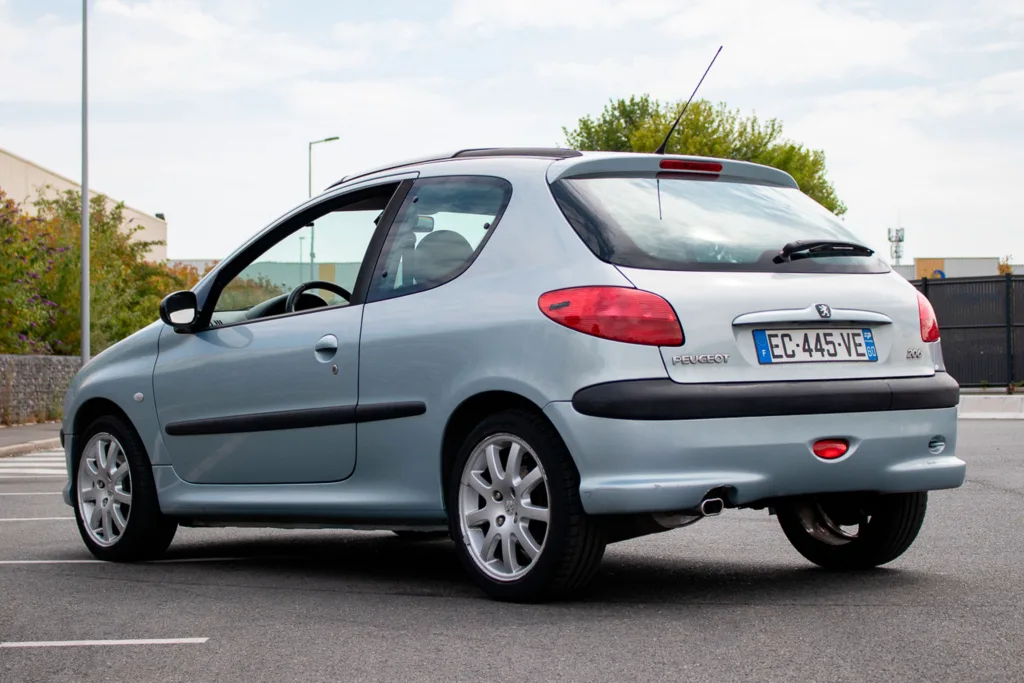
Performance figures were competitive for the time. The S16 accelerated from 0 to 100 km/h in just under 8.5 seconds and reached a top speed of around 210 km/h. But it wasn’t outright speed that defined the car—it was its handling. The suspension setup, featuring MacPherson struts in the front and a trailing arm torsion beam at the rear, was tuned for agility and feedback. Combined with precise steering and well-calibrated weight distribution, the S16 delivered confidence-inspiring cornering characteristics and remarkable chassis balance.
It wasn’t just quick—it was connected, echoing Peugeot’s long-standing talent for producing cars with exceptional road manners.
Expanding the Lineup: CC and SW Variants
The S16’s influence extended beyond its hatchback form. Peugeot leveraged its platform to expand the 206’s flexibility and performance appeal. The 206 CC, introduced in 2000, became the world’s first affordable production car with a fully retractable metal roof. This engineering innovation allowed drivers to enjoy open-top motoring at the press of a button, transforming the compact coupé into a cabriolet without sacrificing structural integrity. By 2002, Peugeot equipped the CC with the same 2.0-liter engine found in the S16, enhancing its dynamic abilities and providing convertible drivers with the same spirited performance as the hot hatch.
The 206 SW, a compact estate launched shortly after, embraced practicality while retaining the sharp design and liveliness of the base model. With an optional 2.0-liter engine and sport-tuned suspension, even this family-oriented variant delivered a surprising amount of driving engagement—a testament to Peugeot’s ability to blend performance with everyday usability.
The Ultimate Expression: The 206 RC (GTi 180)
The pinnacle of the 206 range arrived in 2003 with the 206 RC (or GTi 180 in some regions). This model represented the ultimate expression of Peugeot’s dedication to performance. It featured a reworked version of the same 2.0-liter DOHC engine, tuned to deliver 177 horsepower (174 bhp) at 7,000 rpm and 202 Nm (20.6 kgm) of torque at 4,750 rpm. This was achieved through higher compression, optimized valve timing, and revised exhaust flow. It came standard with a reinforced chassis, lower suspension setup, and 17-inch performance tires (205/40 R17), transforming the modest hatchback into a serious driver’s machine capable of sprinting to 100 km/h in under 7.4 seconds. The RC also introduced upgraded braking components and aerodynamic refinements for track-inspired precision.
WRC Success and Global Legacy
Beyond the pavement, the 206 platform also proved its worth in motorsport. The Peugeot 206 WRC (World Rally Car) dominated the early 2000s rally scene, claiming multiple World Rally Championship titles under drivers like Marcus Grönholm. This success on the world stage fed directly into the car’s image, reinforcing Peugeot’s engineering prowess and rallying heritage.
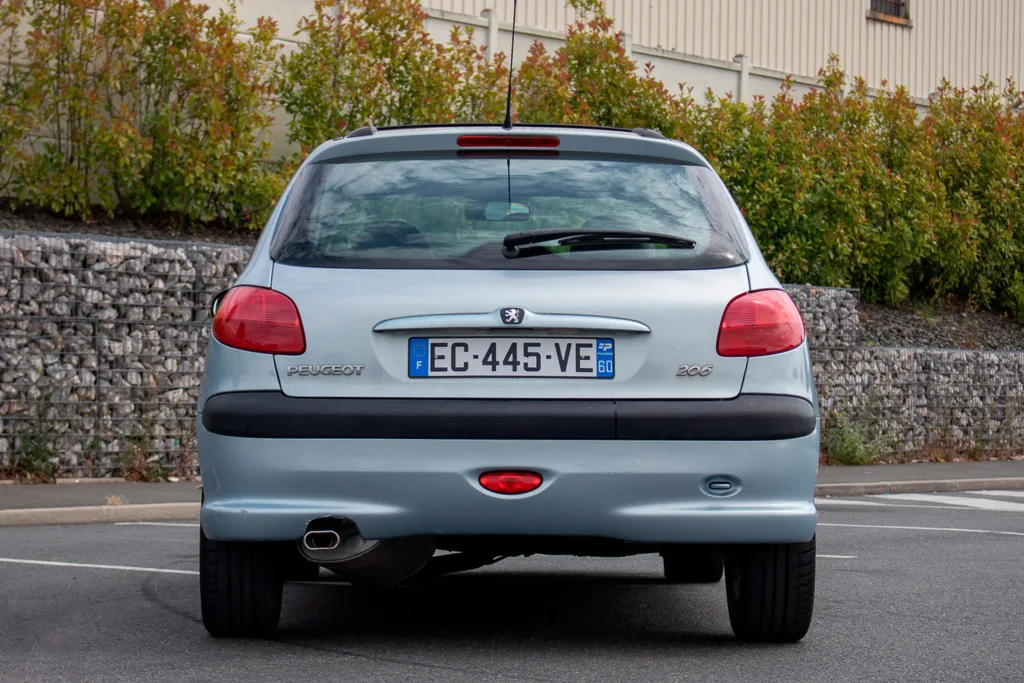
The Peugeot 206 S16 encapsulated a period when driving feel mattered as much as design innovation. It honored the 205 GTI’s legacy by providing an engaging yet refined hot hatch experience, expanding Peugeot’s footprint into both lifestyle and performance markets. Its blend of playful handling, practical design, and emotional character made it one of Europe’s best-selling cars of the late 1990s and early 2000s, with more than 8 million units produced globally across all variants.
Even decades later, the 206 S16 remains a symbol of France’s golden age of small performance cars—a reminder that precision engineering, lightweight design, and a dose of Gallic flair can still thrill the senses.