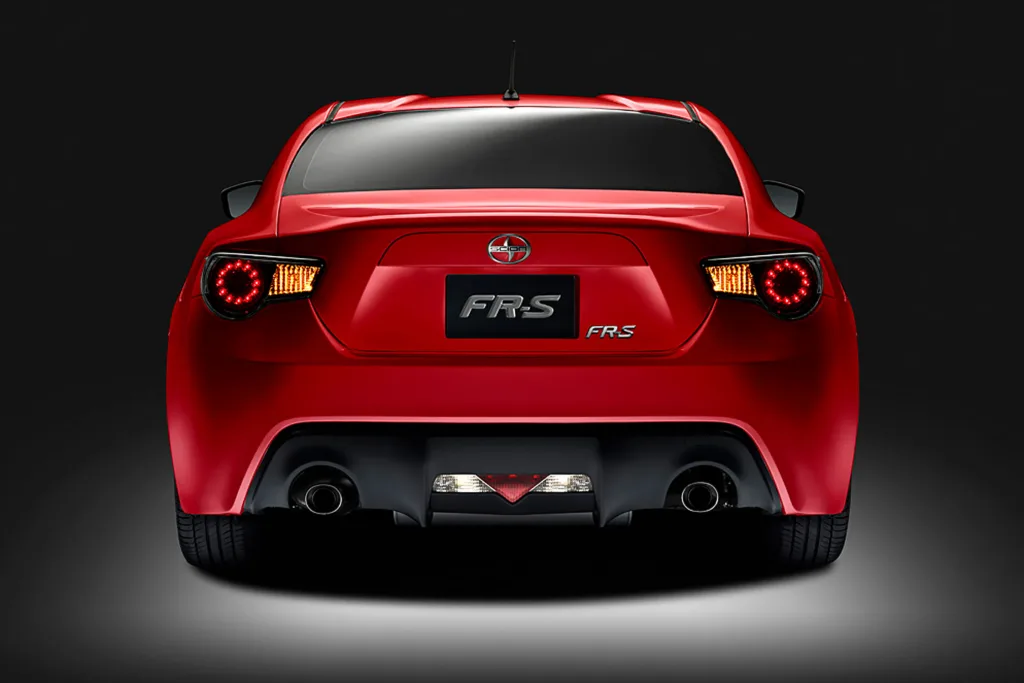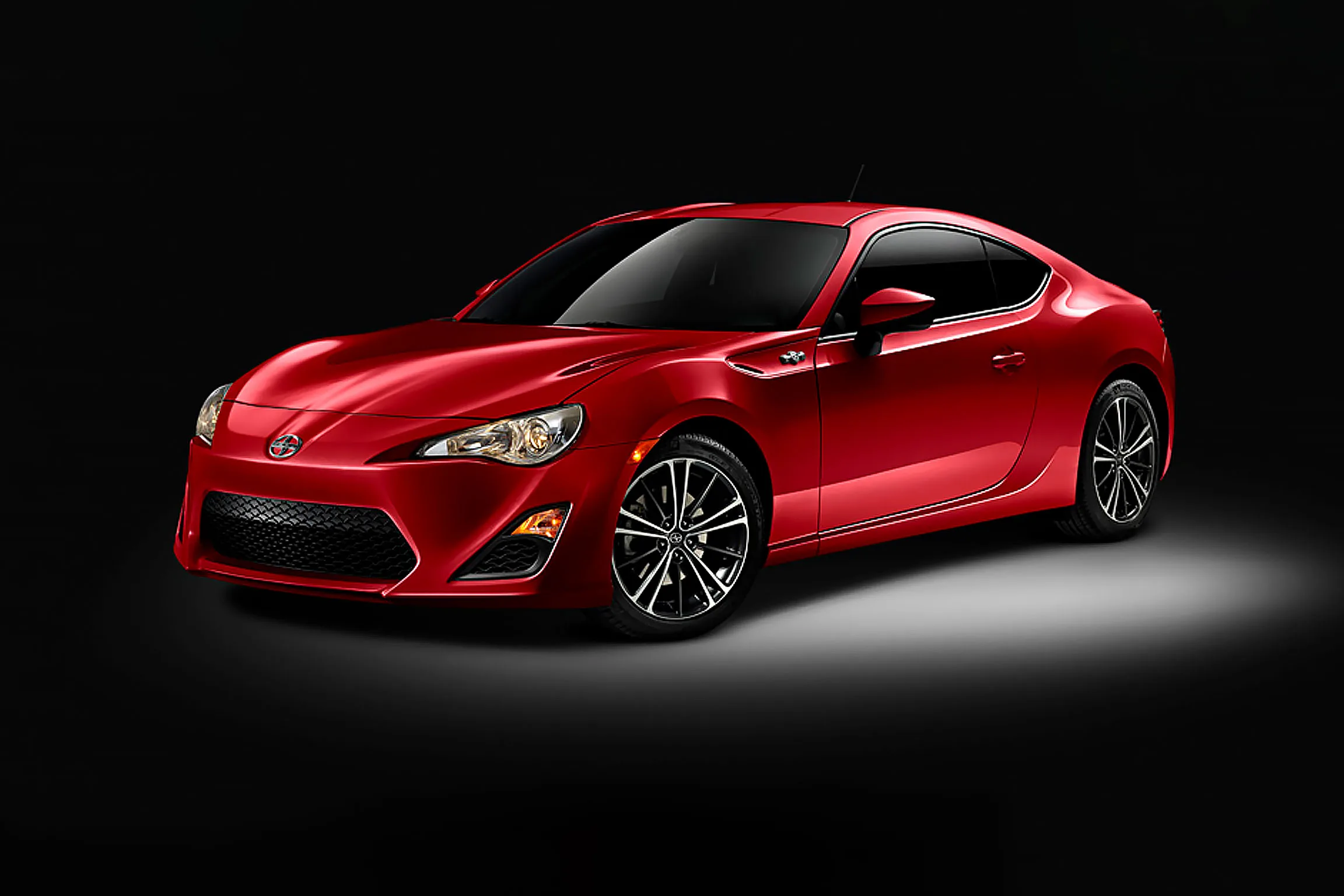
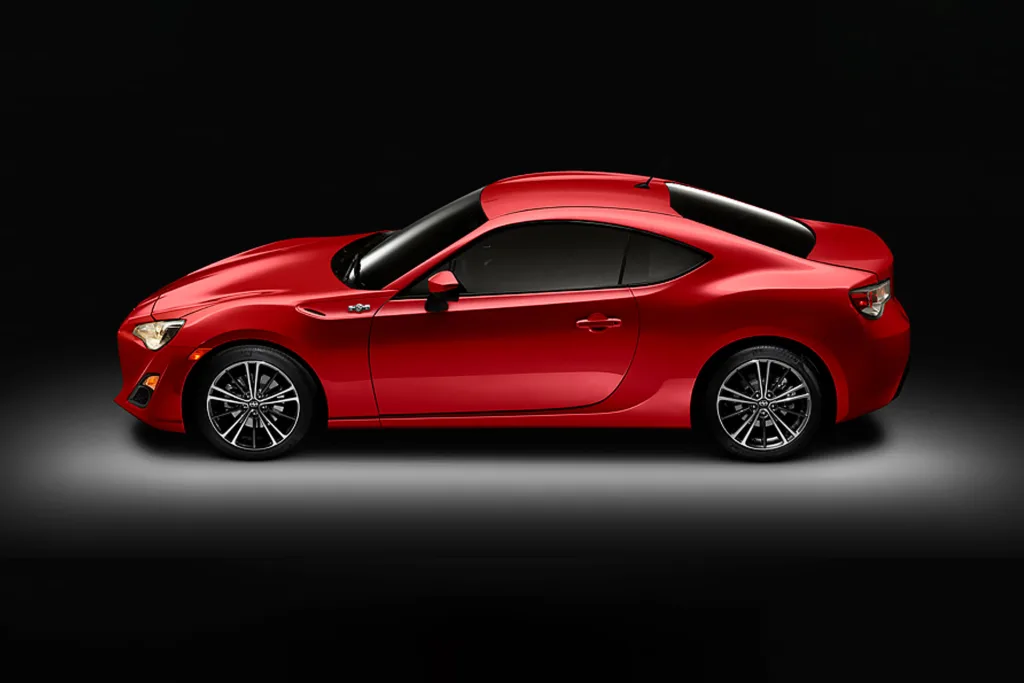
The 2012 Scion FR-S launched as a fresh and exhilarating entry into the sports car world, born from a strategic collaboration between Toyota and Subaru.
This partnership created a unique trio of nearly identical vehicles—Scion FR-S, Toyota 86, and Subaru BRZ—that would shake up the compact sports car market with a focus on driver engagement, balance, and simplicity.
Although sold under different badges in the U.S., these three cars share a common soul, engineering, and performance philosophy, making the FR-S a remarkable chapter in the history of affordable, lightweight, rear-wheel-drive sports cars.
Origins and Collaborative Innovation
The journey began with the unveiling of the FT-86 Concept in 2009, a project that brought together Toyota’s sports car heritage and Subaru’s expertise in boxer engines and chassis engineering. This bold collaboration gave birth to the first generation of a new “Hachi-Roku” (Japanese for “eight-six”) sports car, a tribute to the legendary AE86 Corolla of the 1980s.
The FT badge, standing for “Future Toyota,” was dropped when the vehicle entered production, debuting officially as the Toyota 86 at the 2011 Tokyo Motor Show.
The North American market initially received this vehicle as the Scion FR-S, uniquely positioned within Toyota’s youth-oriented Scion brand until 2016 when the Scion marque was discontinued and the car was rebranded as the Toyota 86.
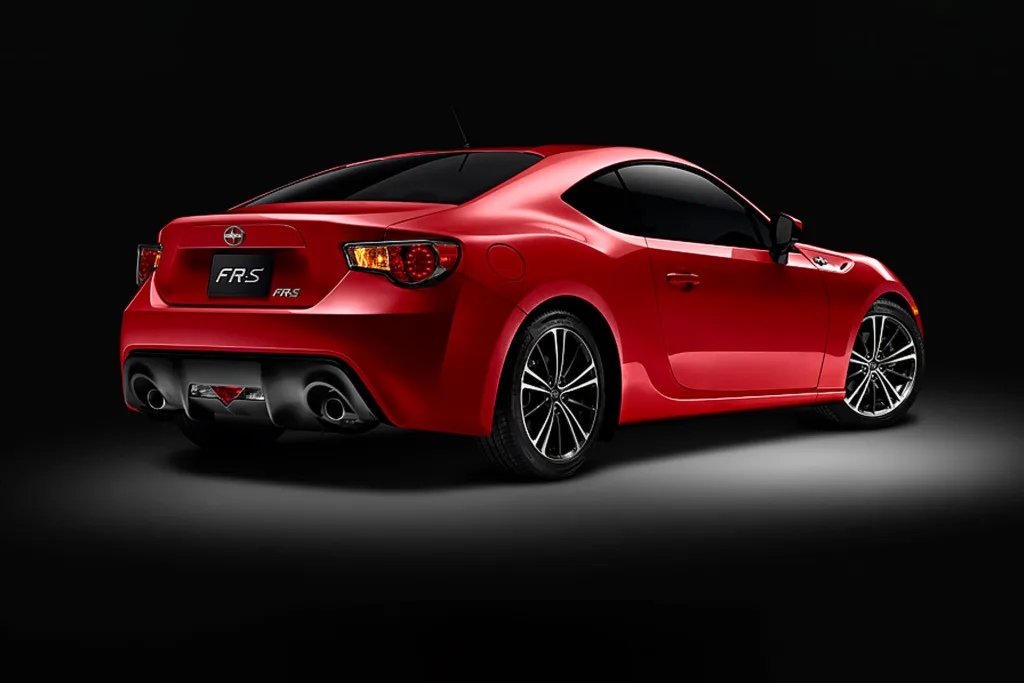
Subaru’s version—the BRZ—was sold alongside the Toyota and Scion models, sharing nearly every mechanical component but featuring subtle styling differences and interior upgrades. The production of all three takes place at Subaru’s Gunma factory, symbolizing the deep cooperation between the firms and blending Toyota’s design and Subaru’s engineering in one package.
Technical Excellence and Driving Dynamics
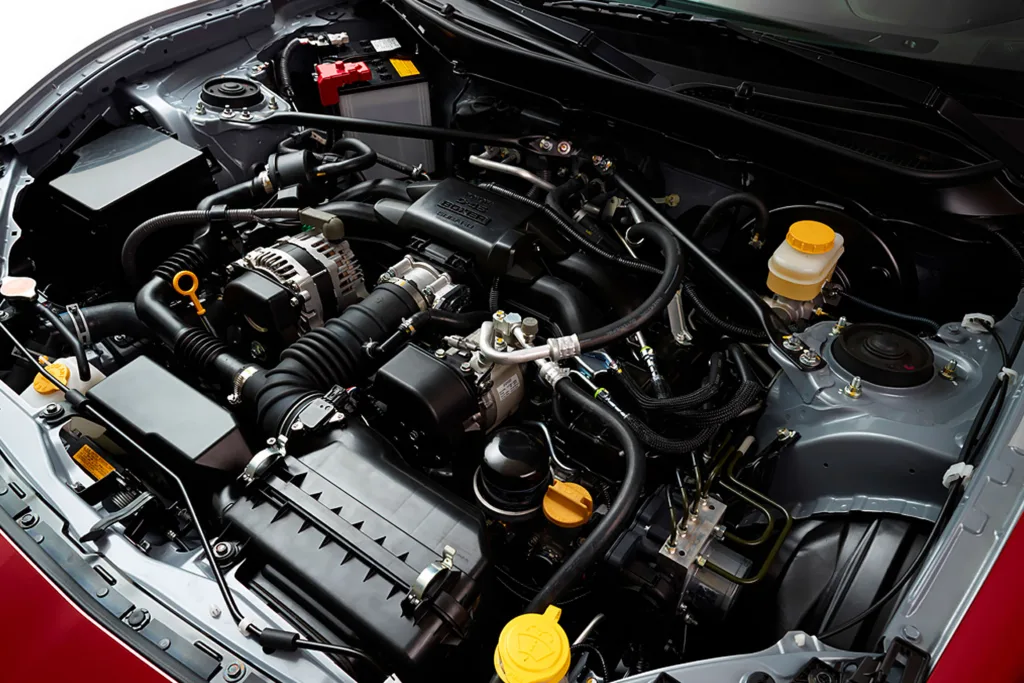
Under the hood, the FR-S sports a naturally aspirated 2.0-liter flat-four boxer engine, jointly developed by Toyota and Subaru. This engine produces a spirited 197 horsepower and 151 lb-ft of torque, tuned to offer linear power delivery and a high-revving character. Mounted in a front-midship position, this powerplant contributes to a near-ideal weight distribution of 53:47 front to rear, a balance that fosters impressive control and agility on the road.
Power reaches the rear wheels via a choice of a short-throw 6-speed manual transmission or a smooth-shifting 6-speed automatic with paddle shifters, amplifying the car’s accessibility to both enthusiasts and casual drivers. The suspension setup further reinforces the car’s athleticism, with MacPherson struts up front and double wishbones in the rear, calibrated for sharp steering response and excellent grip. Notably, the FR-S’s suspension tuning differs slightly from the Subaru BRZ, with the FR-S generally perceived as having a softer front spring rate and a slightly more compliant ride, favoring an approachable driving experience.
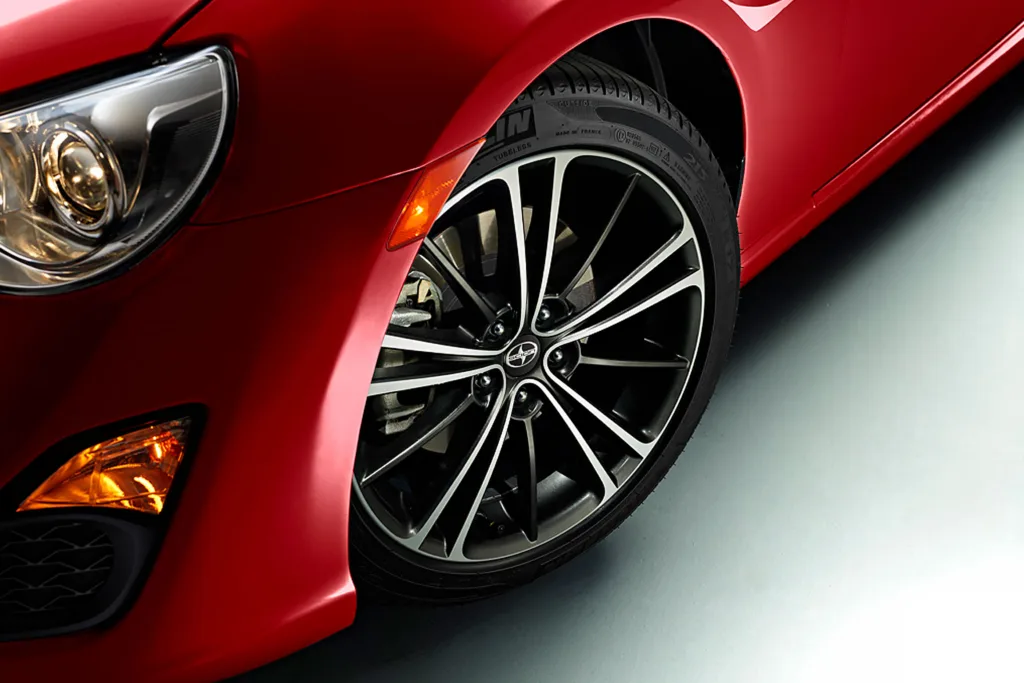
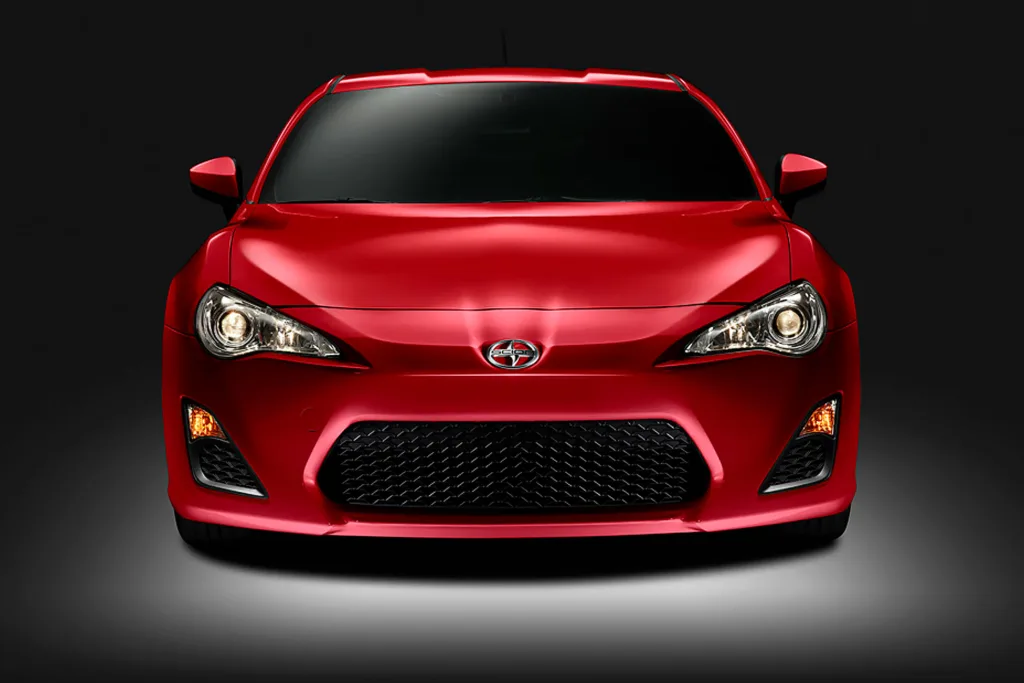
Aerodynamics play a vital role in the FR-S’s design philosophy, encapsulated in the “Aero Handling” concept. Every curve and contour is crafted to hold the car firmly on the road, enhancing high-speed stability and downforce without compromising lightweight agility. A low center of gravity, just 460 mm from the ground, further complements this balance, placing the FR-S on par with much more expensive sports cars and contributing to its reputation as a car that feels like an extension of the driver.
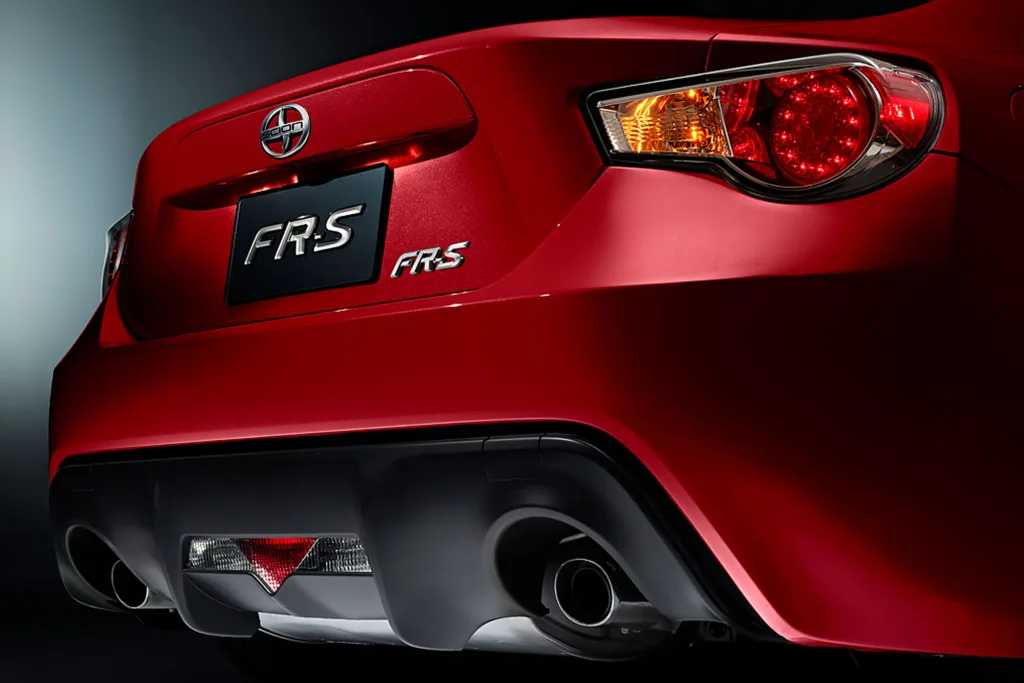
Interior and Features: Practical Sportsmanship
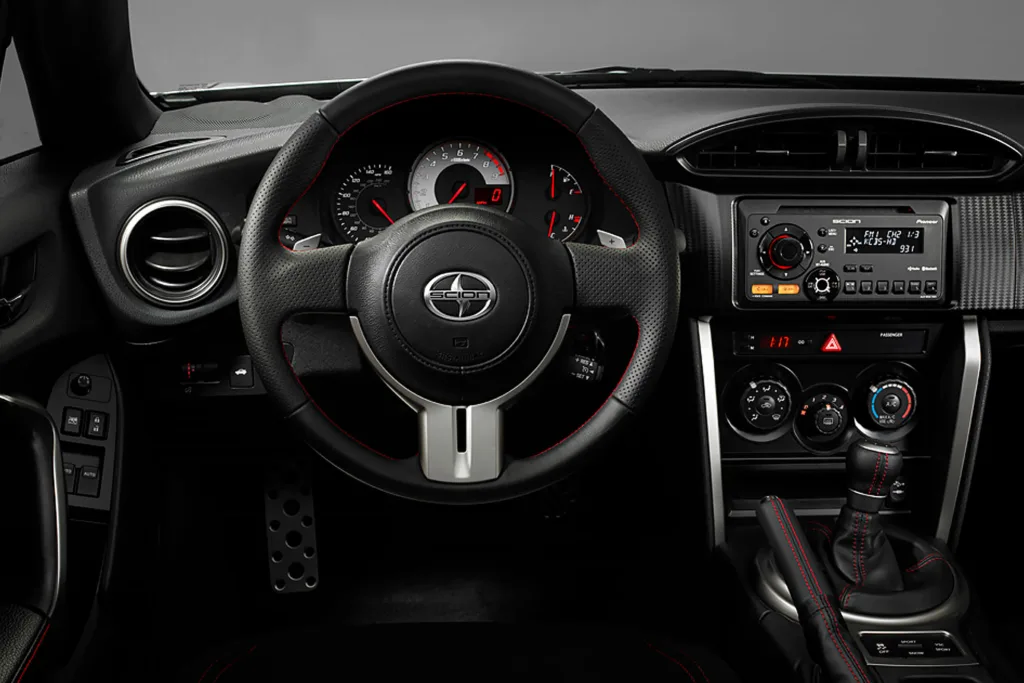
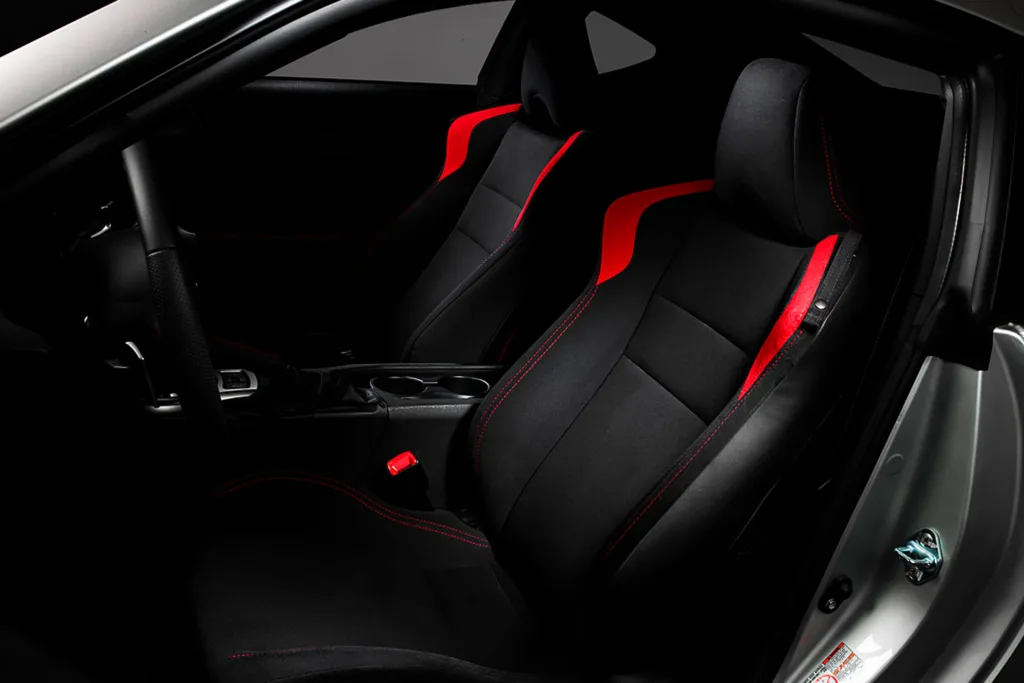
Distinct from some raw sports cars, the Scion FR-S interior was kept practical and spartan at launch to maintain weight savings and driving focus. However, it included amenities such as air conditioning, power windows, and a basic audio system, meeting everyday usability demands. Notably, the BRZ variant often boasts slightly upgraded interiors with available options like heated seats and premium upholstery, while the FR-S generally offered fewer luxury options during its production run.
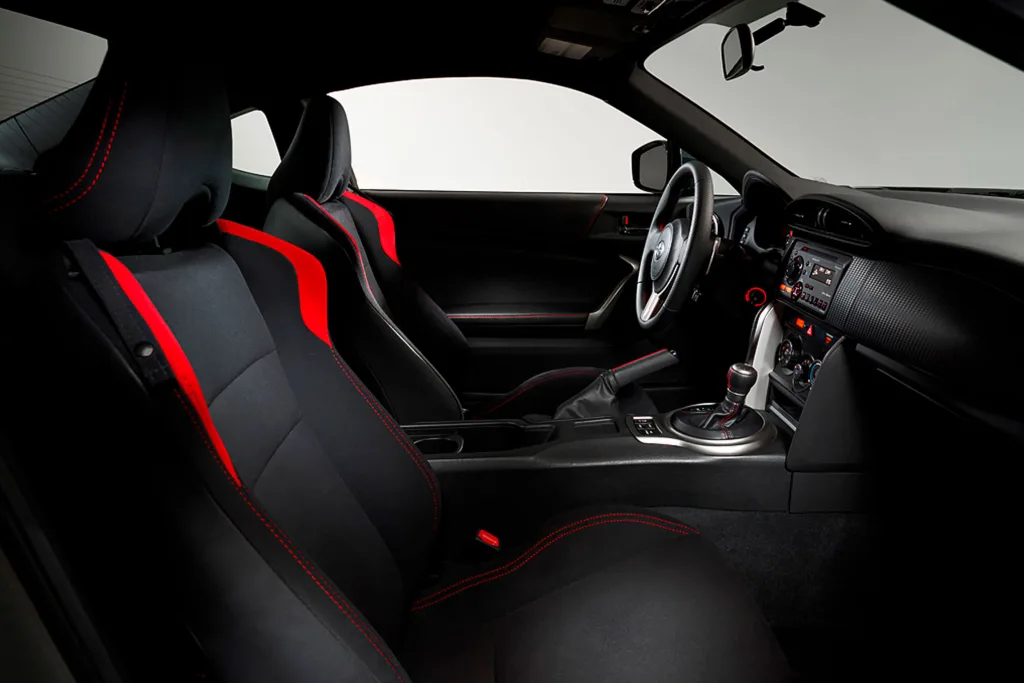
With Scion’s discontinuation, Toyota absorbed the FR-S into its lineup, refining features and enhancing option availability with the Toyota 86 iteration, further boosting the car’s appeal beyond pure enthusiasts to drivers seeking a well-rounded, sporty coupe.
Market Position and Impact
The Scion FR-S entered the market at a time when affordable rear-wheel-drive sports cars were scarce. Its light weight, balanced chassis, and engaging driving character rekindled the spirit of analogue sports cars from the 1980s and 1990s. The partnership between Toyota and Subaru rejuvenated the segment, inspiring both purists and casual drivers with a vehicle that delivered joy through excellent mechanical grip and responsive controls rather than sheer horsepower.
Despite sharing most mechanical and structural elements, the FR-S, Toyota 86, and Subaru BRZ cultivated unique fan bases, reflecting slight differences in suspension tuning, available features, and styling details. The FR-S portrayed a more accessible, youth-targeted sports car, while Subaru positioned the BRZ with a sportier edge and greater luxury offerings, with Toyota bridging both markets globally.
Detailed Comparison Points
| Feature | Scion FR-S | Toyota 86 | Subaru BRZ |
| Engine | 2.0L Boxer, 197 hp | 2.0L Boxer, 197-205 hp | 2.0L Boxer, 197-205 hp |
| Transmission | 6-speed manual/auto | 6-speed manual/auto | 6-speed manual/auto |
| Weight | Slightly lighter than BRZ | Comparable | Slightly heavier |
| Suspension Tuning | Softer front springs, compliant | Balanced | Slightly stiffer, sportier |
| Interior Features | Basic, minimal | Enhanced after 2016 | More luxurious, heated seats |
| Aerodynamics | Aero Handling concept | Same | Same |
| Market Position | Youth-oriented, affordable entry | Global sports coupe | Sportier, performance focus |
Conclusion
The 2012 Scion FR-S, along with its Toyota 86 and Subaru BRZ siblings, stands as a testament to smart collaboration and passionate engineering. It effectively resurrected the lightweight, driver-focused sports coupe in an era dominated by heavier, more complex vehicles and remains a beloved classic for its analog driving experience, superb chassis balance, and accessible thrill. By understanding and celebrating its unique engineering and marketing story, this trio represents key milestones in the ongoing legacy of Japanese sports cars in the U.S. and global markets.