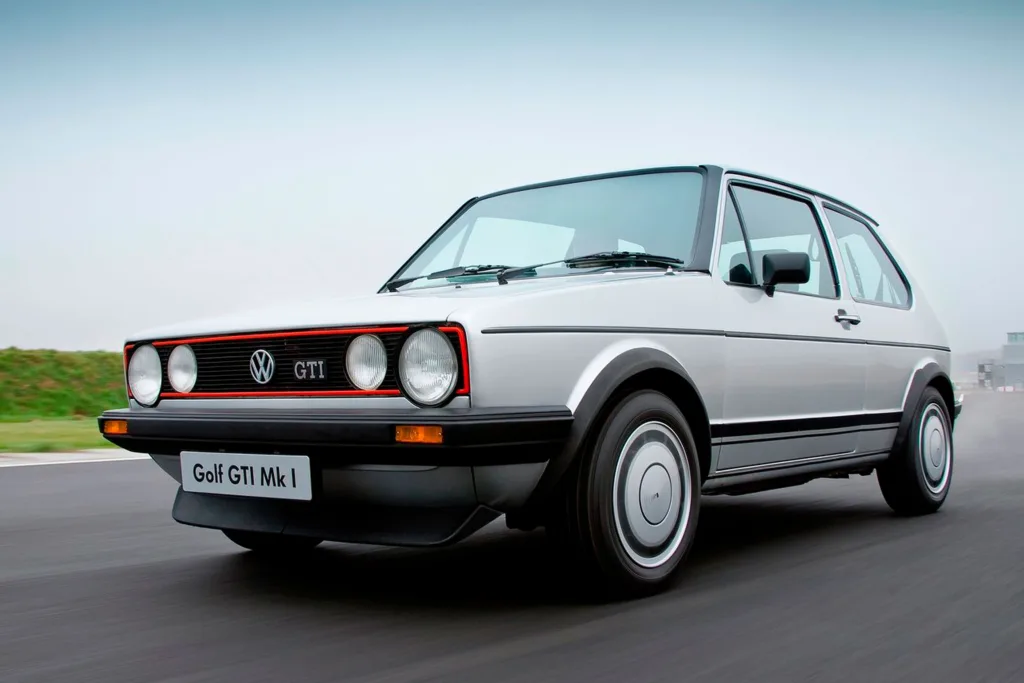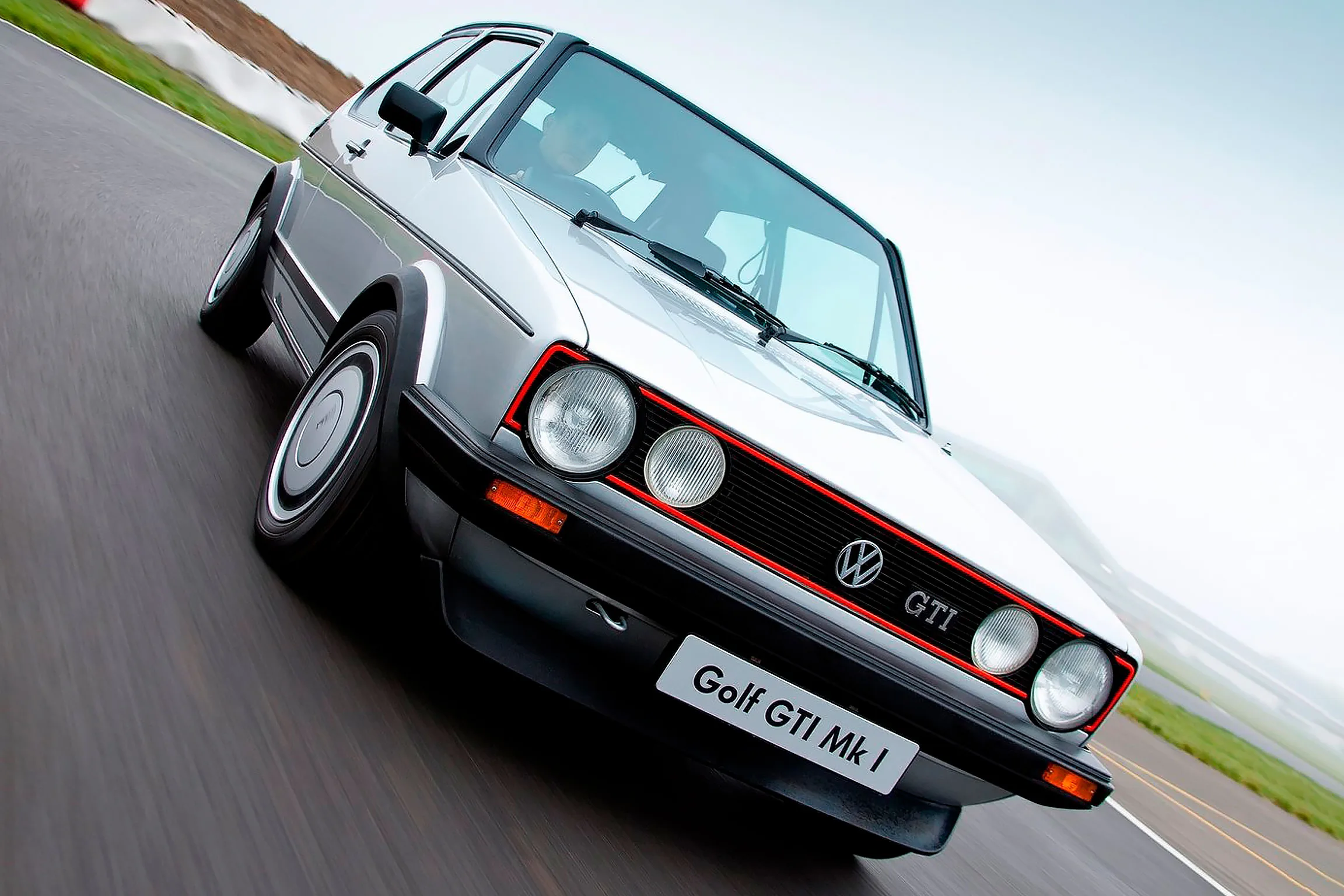
The 1976 Volkswagen Golf I GTI stands as a watershed moment in automotive history, credited with birthing the now-iconic “hot hatch” segment. Volkswagen’s long-awaited successor to the Beetle—introduced in May 1974—paved the way for compact cars to deliver not just efficiency and utility but also genuine driving excitement. The GTI, introduced a year later at the 1975 Frankfurt Auto Show, was based on the sporty two-door LSi model but significantly reshaped to emphasize performance and driver involvement.
Engine and Performance: The 1.6-Liter Heart
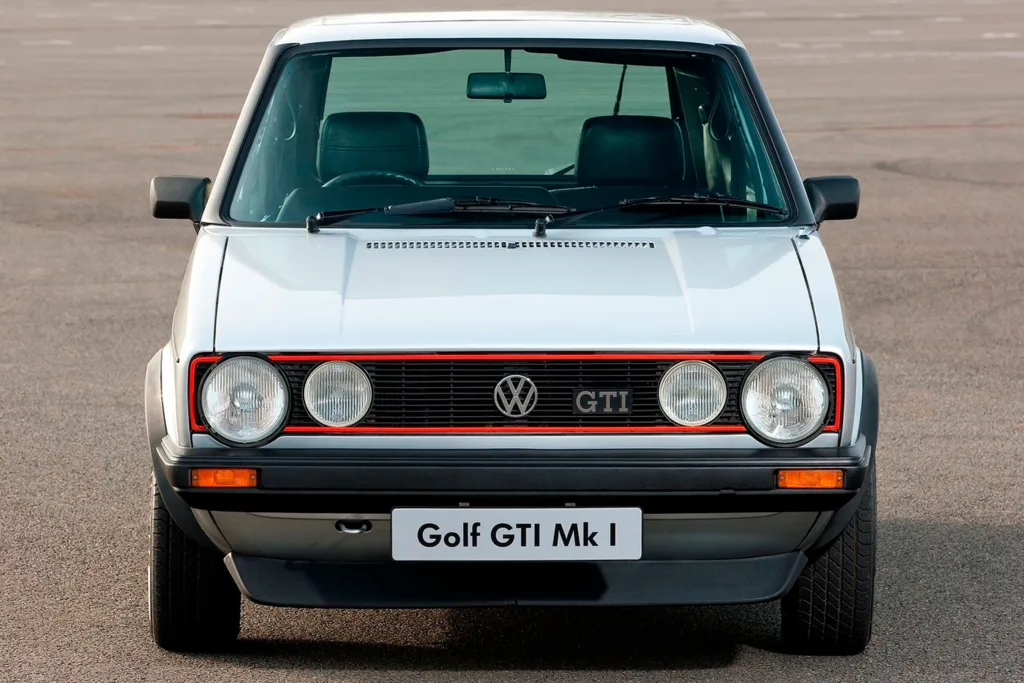
Powering the original Golf GTI was a specially tuned 1.6-liter SOHC inline-four engine with a notably high 9.5:1 compression ratio, equipped with Bosch K-Jetronic fuel injection, a cutting-edge system for its time. This gave the engine a spirited output of 110 horsepower at 6,100 rpm and 137.1 Nm (101 lb-ft) of torque at 5,000 rpm, which propelled the lightweight 810 kg (1,786 lb) hatchback from 0-100 km/h (0-62 mph) in just 9.2 seconds. The car could reach a top speed of approximately 182 km/h (113 mph), impressive numbers for a vehicle of its size and era.
Chassis and Handling Upgrades
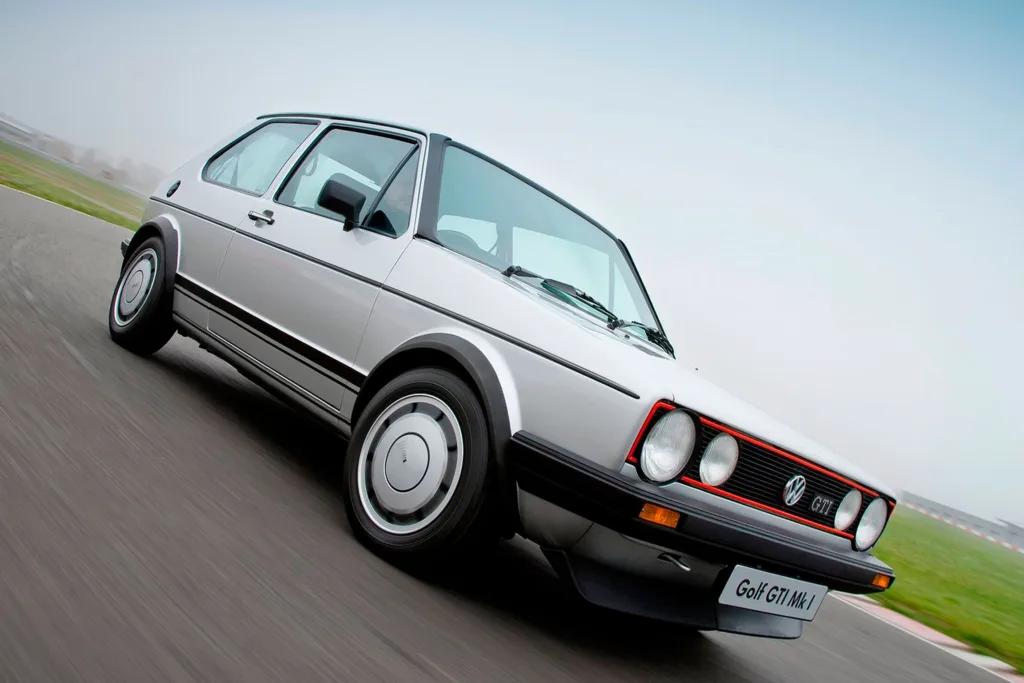
Beyond the engine, Volkswagen extensively re-engineered the chassis to offer a genuinely sporty and rewarding driving experience. The GTI sat 20 mm lower than the standard Golf model, featuring Bilstein gas shock absorbers and heavier-duty springs at both front and rear, along with upgraded anti-roll bars.
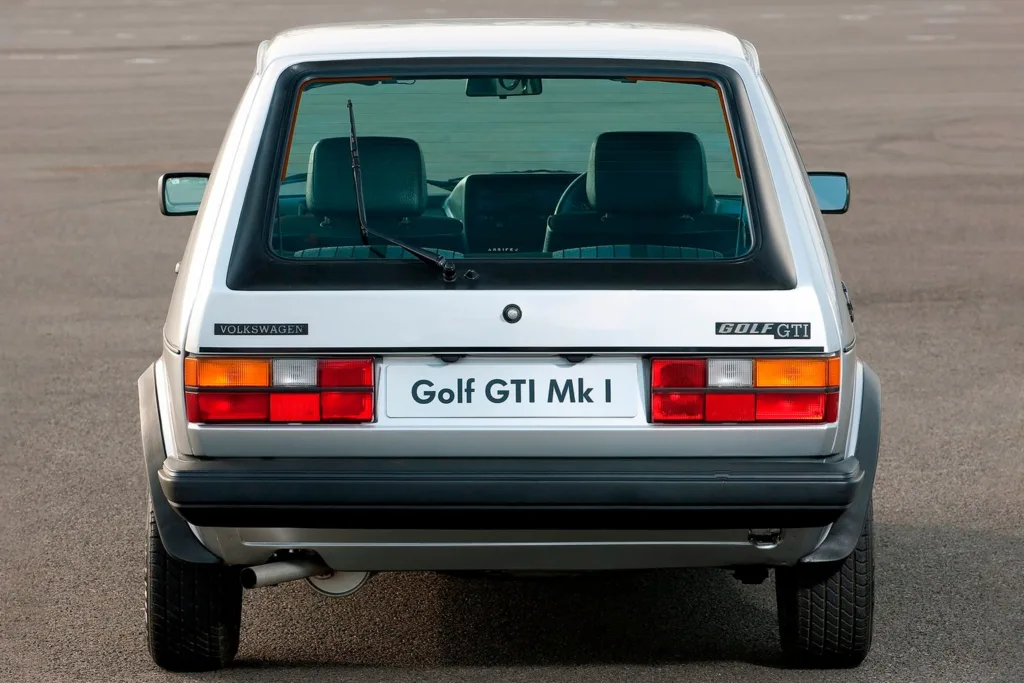
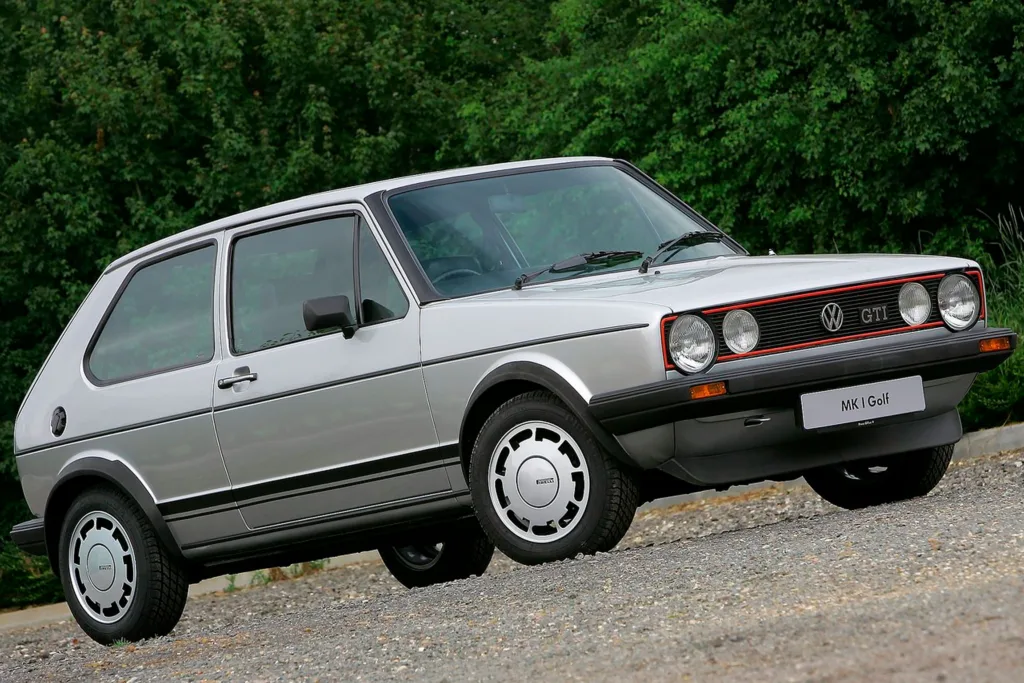
This suspension makeover was complemented by wider 175/70R13 tires mounted on 5.5×13 steel wheels with black plastic fender flares to cover the slightly expanded track, another visual hallmark for the GTI.
The car’s front suspension combined MacPherson struts with lower wishbones, ensuring sharp handling and minimal body roll. Braking duties were handled by standard front disc brakes and rear drums assisted by an ABS system, which was advanced for compact cars at that time.
Signature Styling and Interior
Inside, the GTI embraced a purposeful yet modestly sporty interior—an accessible driver’s cockpit rather than a fully fledged race car. The upholstery featured iconic tartan plaid seating, a signature style that has endured through GTI generations and become a symbol of the model’s heritage. The shift knob mimicked a golf ball, a whimsical yet well-liked touch that became emblematic of this and subsequent models. Instrumentation was straightforward but clear, designed to give the driver essential feedback without distraction.
Model Evolution and Commercial Success
The GTI initially launched with only a two-door configuration and left-hand drive in European markets, entering the UK as a special order in 1977. Volkswagen later introduced a four-door variant in 1981 to expand its appeal. Around 1982, the powertrain received an update, growing to a 1.8-liter displacement with a corresponding boost in power to around 112 hp and torque to 153 Nm (113 lb-ft), delivering marginally more performance.
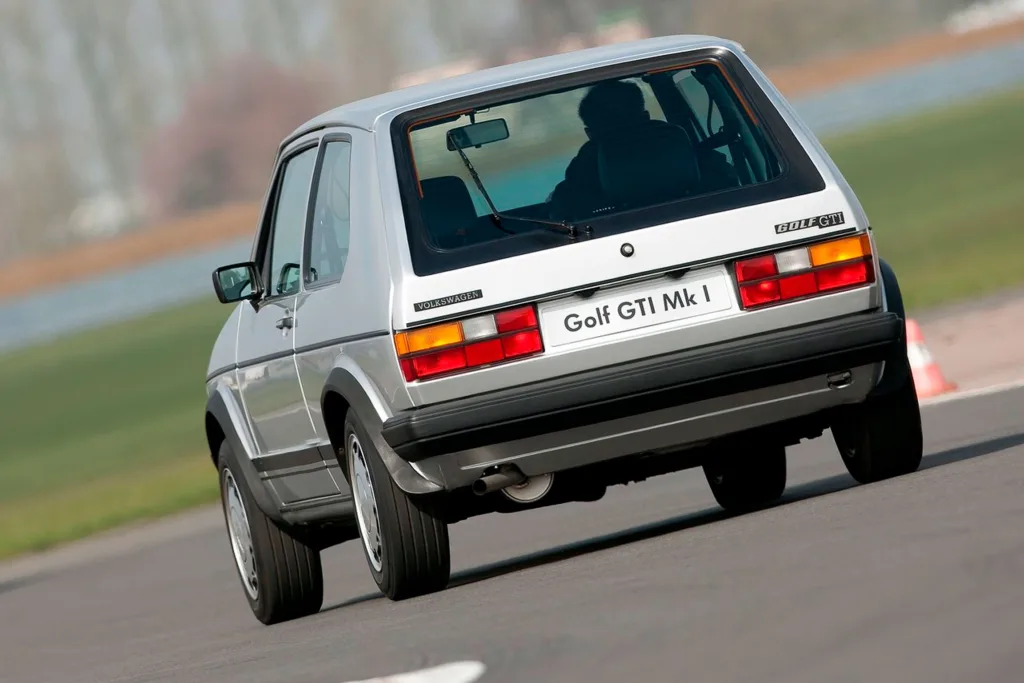
Culturally and commercially, the Golf GTI exceeded expectations spectacularly. What was originally intended as a limited production model to recoup development costs saw global demand explode, with nearly half a million Mk1 GTIs built by the end of its production cycle in the early 1980s. The GTI’s success established Volkswagen as a leader in sporty compact cars and catalyzed the global hot hatch movement, influencing countless manufacturers to develop their own performance-oriented small cars.
Enduring Influence and Legacy
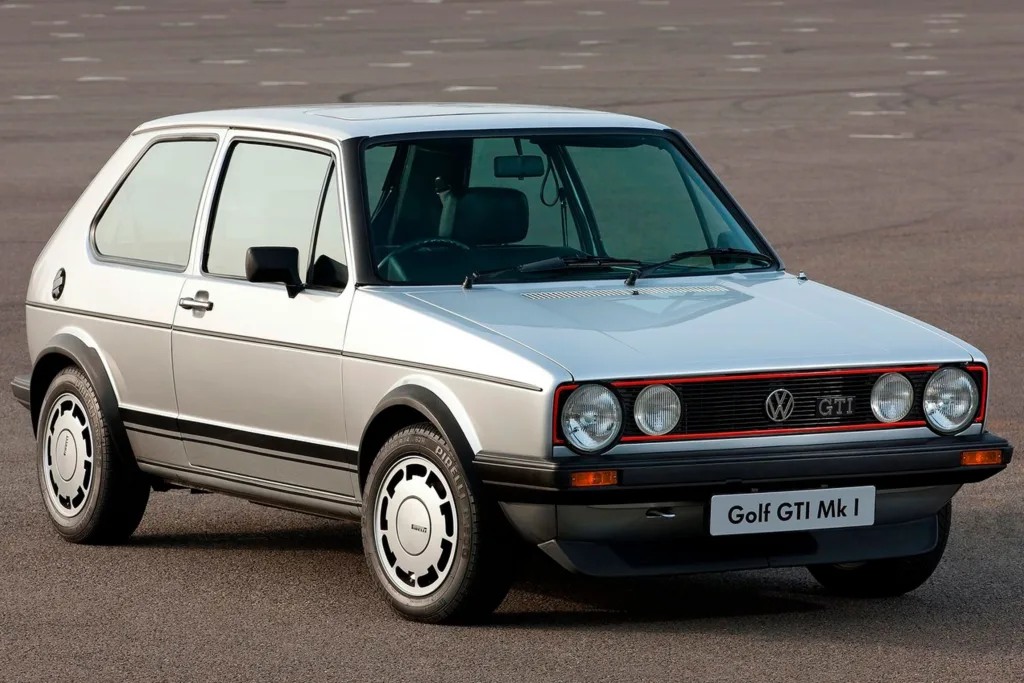
The Golf I GTI’s blend of peppy yet manageable performance, practical hatchback versatility, and affordable drivability created a balanced, engaging package that remains influential even decades later. Its pioneering spirit and innovations continue to define the DNA of Volkswagen’s GTI range, which remains a benchmark in the compact sports segment globally.