For over fifty years, Lotus has created some of the world’s most beautiful, unique, and fast sports cars. Lotus cars have been driven by James Bond and Mario Andretti, and the brand dominated the racetrack. Nearly every car and every title was shaped by Colin Chapman. His legacy serves as Lotus’s inspiration today.

Celebrating 50 Years of Innovation
On a rainy July weekend in 2004, the Lotus team celebrated its 50th anniversary at the Lotus test track in Hethel, Norfolk, England. Despite the poor weather, over 12,000 people gathered for the event.
The anniversary had a carnival atmosphere, enjoyed by both older and younger generations.
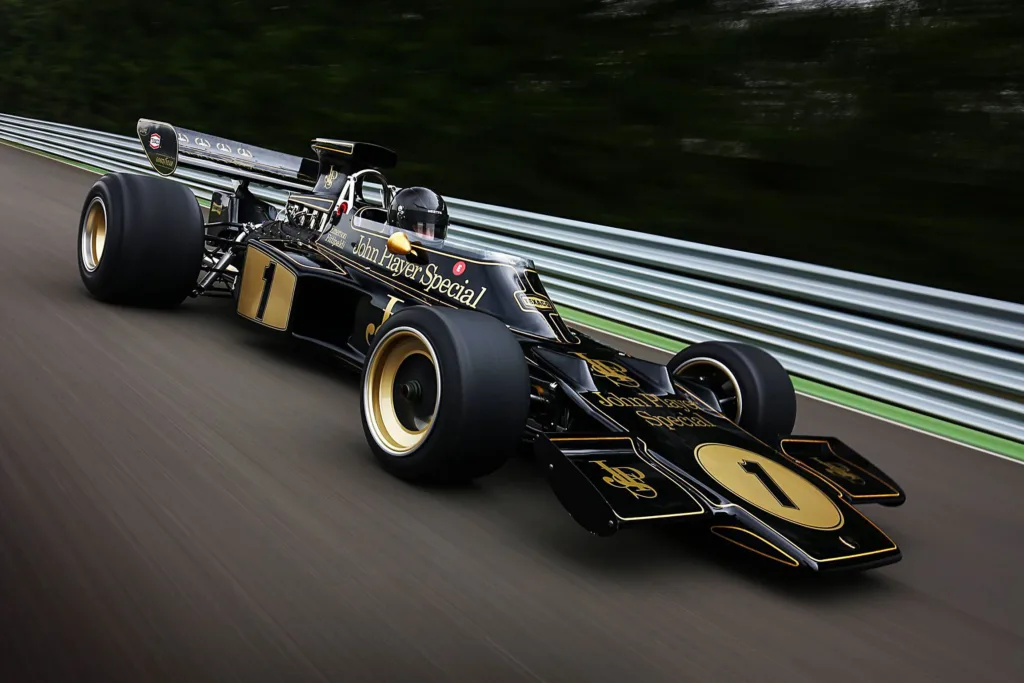
Every iconic model was represented, from the new Elise and the exotic Esprit to the practical Cortina, a car that still has fans today. At the heart of the celebration was a collection of over 20 Lotus Formula 1 cars. Seeing these legendary machines on the track inevitably brought back memories of the brand’s glorious days.
It was here that Lotus developed its technology and where the philosophy of lightweight, agile cars was born.
This formula is what makes Lotus sports cars unique: they always have a distinct character and are always exciting to drive.
Racing stars like Stirling Moss, Jim Clark, Graham Hill, and Mario Andretti set high standards, but Lotus’s path to victory was not easy.
The Rise of Colin Chapman
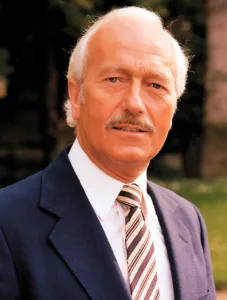
Throughout its history, the heart and soul of Lotus was one man: Colin Chapman. He was a constant presence at the track and in the pits. His engineering ingenuity and ability to solve problems simply earned him many fans—and a few enemies. While he developed several innovative road cars, it was racing that made Colin Chapman famous.
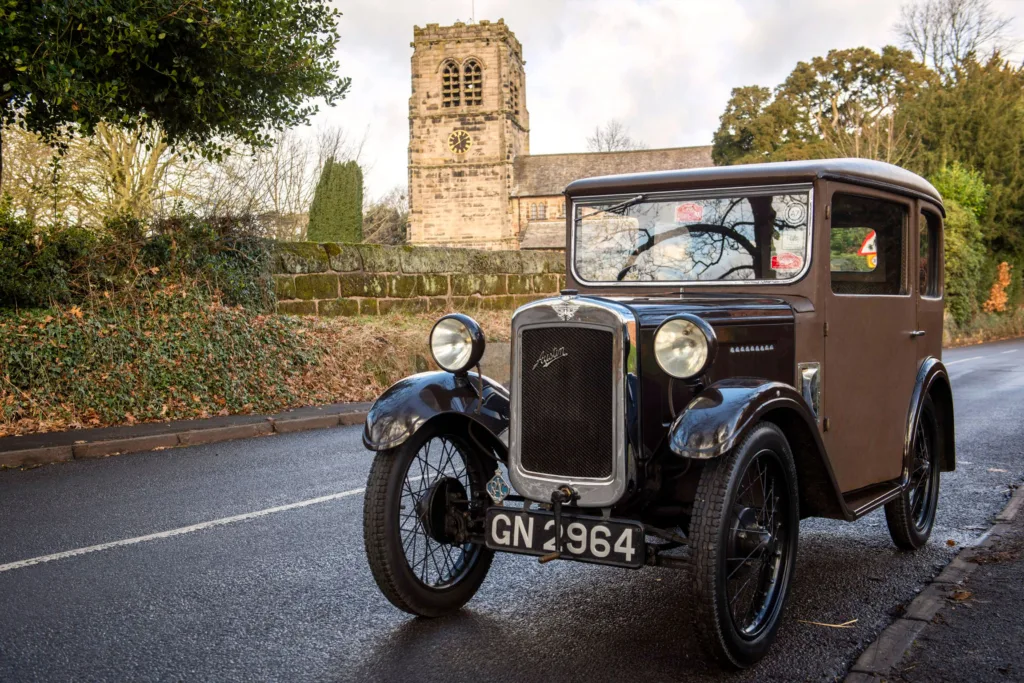
Chapman’s first car, the Lotus Mark I, was based on a 1930 Austin 7. Although he lacked formal automotive engineering training, Chapman completed the conversion in 1948.
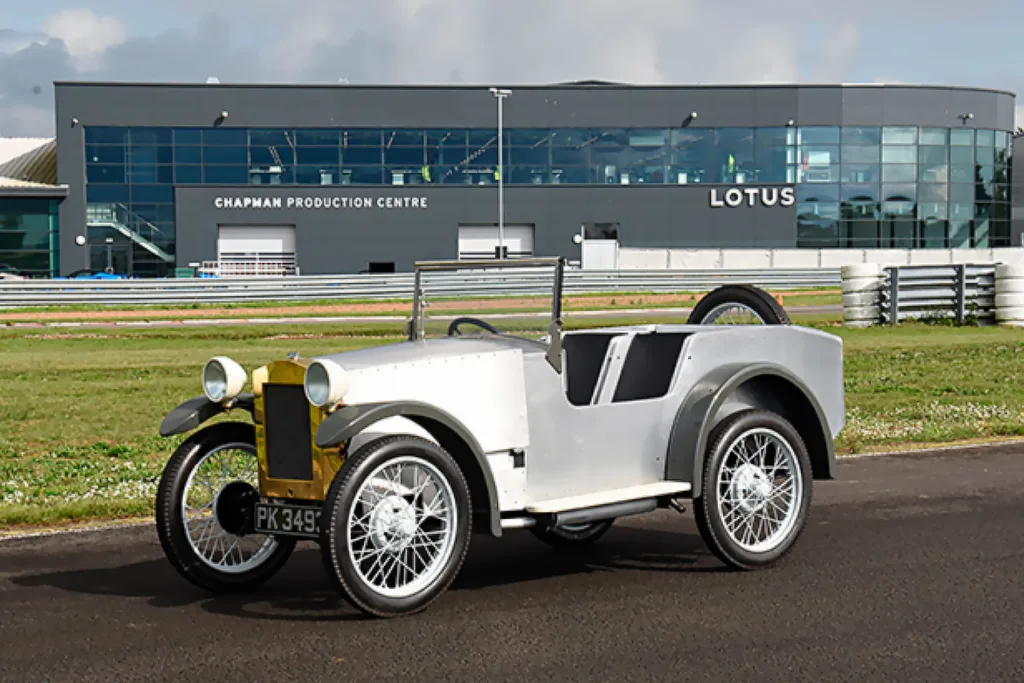
He competed in two Hillclimbing events to test the car. It performed well, but Chapman believed it could be better. His next creation, the Mark II, featured the Austin 7 chassis but a more powerful Ford engine. Chapman stiffened the frame with tubular struts, improving handling and turning the car into a serious competitor. The Mark II achieved a string of impressive victories in 1950. By the end of that season, Chapman was planning a new race car.
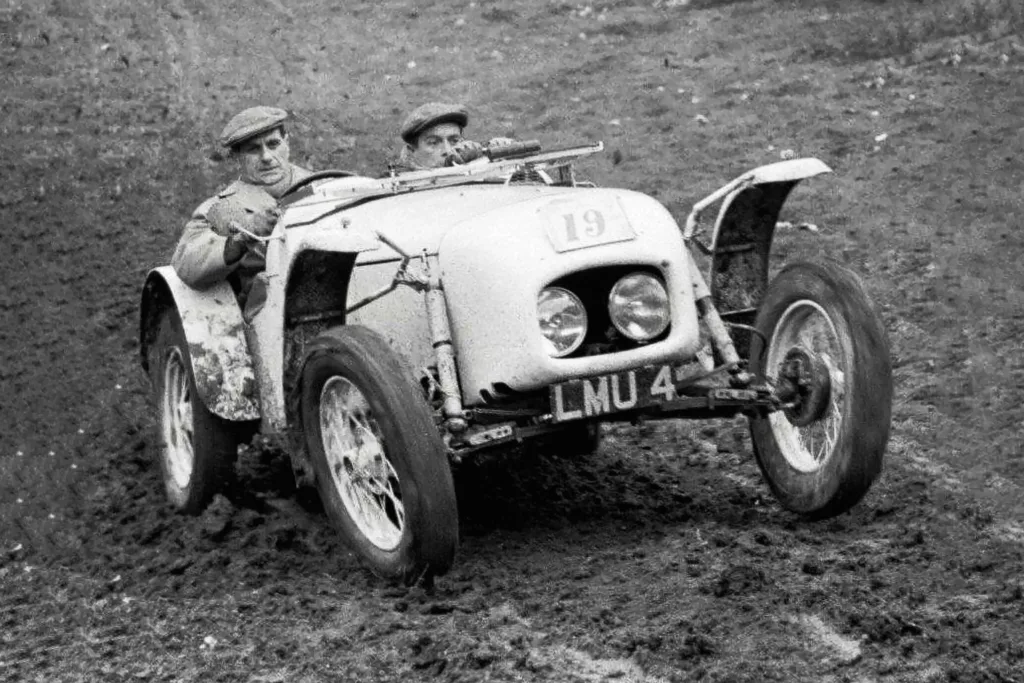
The Mark III was Chapman’s starting point for track racing, distinct from his previous hillclimbing vehicles. This was Lotus’s first attempt at Formula racing, and its success prompted Chapman to found Lotus Engineering in 1952 (not 1953). The first car developed by the company was the Mark IV, a more complex hillclimbing car designed for Mike Lawson.
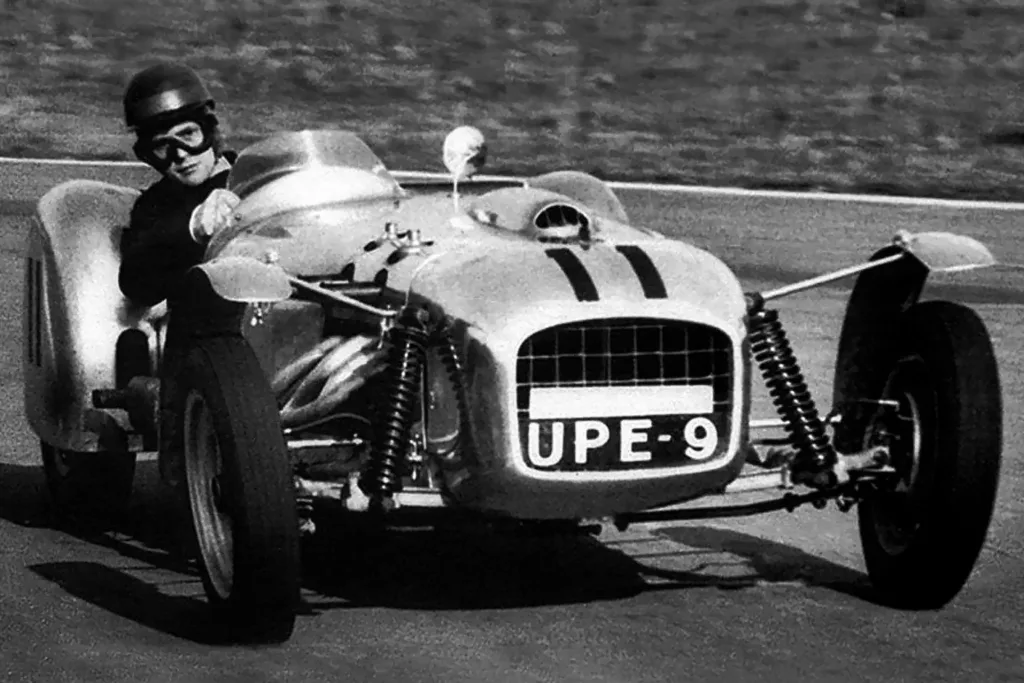
By 1953, Chapman had created only four cars, but their successes led him to expand his business and make Lotuses available to buyers. The Mark VI was the first Lotus built on its own chassis—a lightweight, partially space-frame design (not monocoque; the Mark VIII used a space frame).
Chapman realized his talent as a design engineer. The cars were sold as kit cars with a wide range of options; buyers usually chose the engine based on their goals.
All other parts were supplied by Lotus for an additional price. A complete Mark VI kit cost £400 (about $800). The car’s success was immediate: in the first year, the first four cars collected 50 trophies. By 1954, the Team Lotus racing division was formed to support the racing programs.
Le Mans and Road Cars
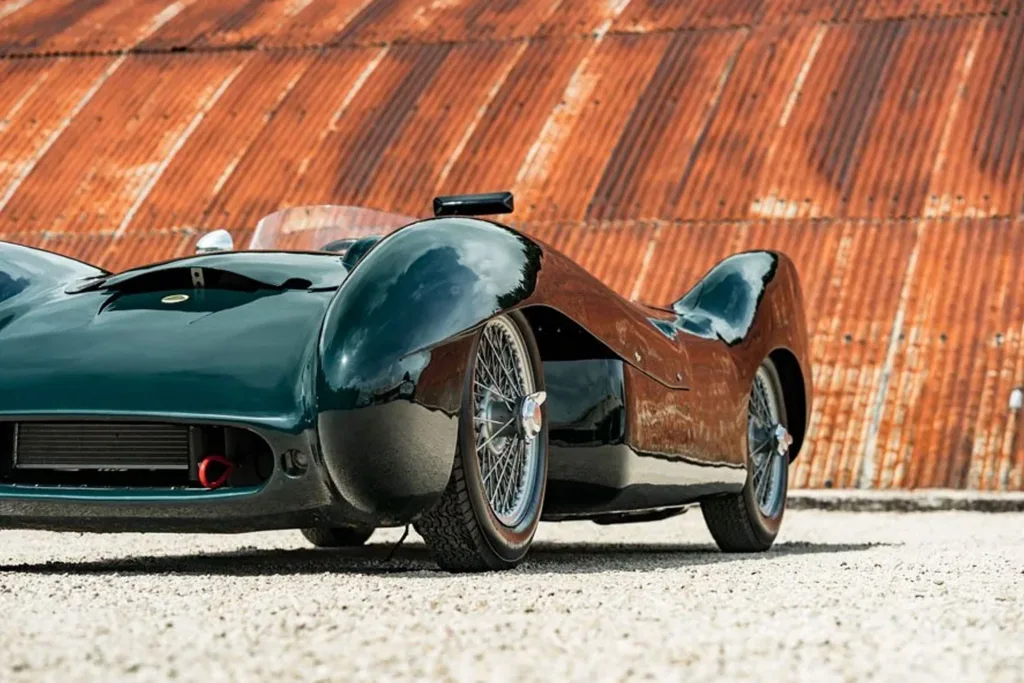
Working on a new series of cars, Chapman hired Frank Costin, an aerodynamics specialist from the De Havilland Aircraft Company, to create a streamlined body for his new chassis. The Mark IX was a stunning car born from advanced aerodynamic knowledge.
It was a significant car for the company as it was admitted to the 1955 24 Hours of Le Mans race.
In the same year, Lotus was accepted into the Society of Motor Manufacturers and Traders, allowing Lotus to exhibit and sell its cars at the Earls Court Motor Show. Lotus was now playing in the same league as the “big guys.”
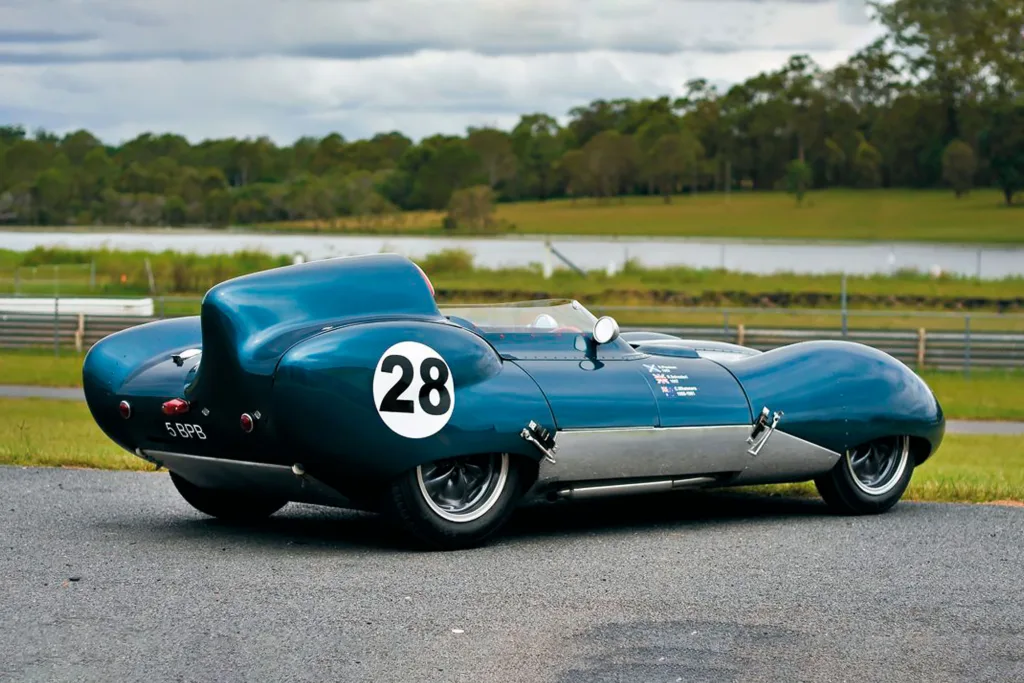
The evolution of Lotus race cars continued with the Type 11 model, introduced in 1956. Lotus entered this car in the 1956 Le Mans race, and it won its class. In 1957, Lotus returned to Le Mans with five cars, winning its class again and finishing 9th overall. Having been in business for only four years, Colin Chapman was already outperforming the competition.
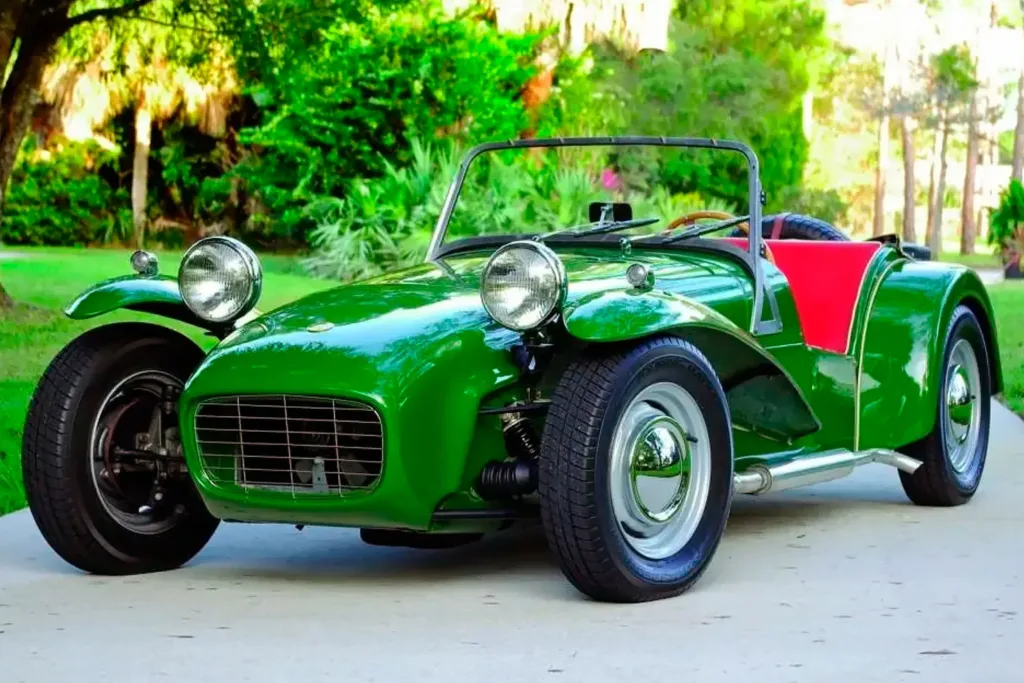
That same year, two Lotus road cars were introduced. The first was the Lotus 7—an updated version of the Mark VI, which could now be ordered fully built, although kit versions were still offered as a budget option. The biggest news was the appearance of the Elite model.
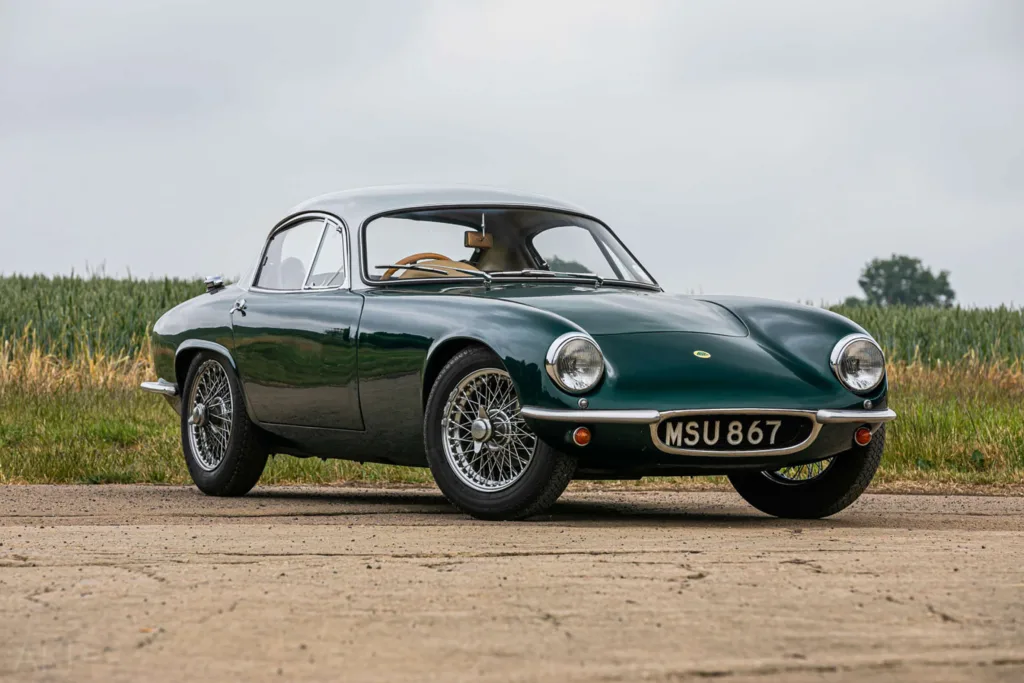
Unlike the simple 7, the Elite was a true modern sports car featuring a revolutionary, fully stressed fibreglass monocoque chassis and fibreglass body. However, the Elite was too expensive to manufacture and was discontinued in 1963, with only about 1,000 units built, making it a collector’s dream.
Formula 1 Dominance and the Elan
Racing remained Lotus’s top priority, and in 1959, Colin Chapman made a bold decision for the Type 18 Formula car: he placed the engine behind the driver. While the idea wasn’t entirely new (Ferdinand Porsche did it in the 1930s), its implementation marked a new era in racing.
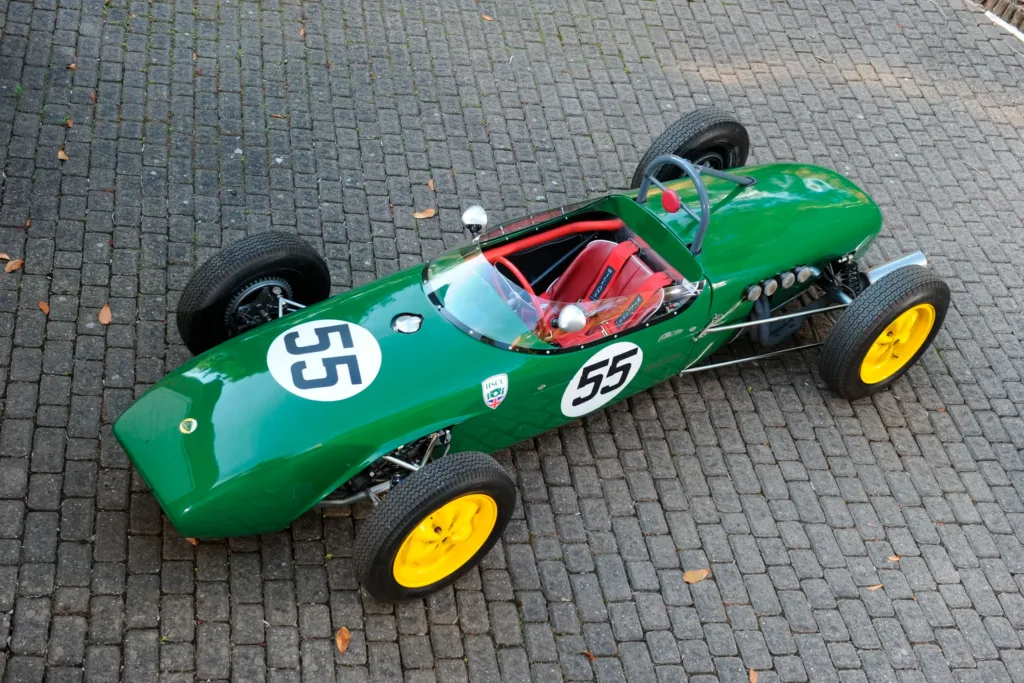
By 1962, the Lotus racing program was flourishing with rear-engined cars, but the discontinuation of the Elite convinced Chapman that a new production car was needed. The result was the Elan.
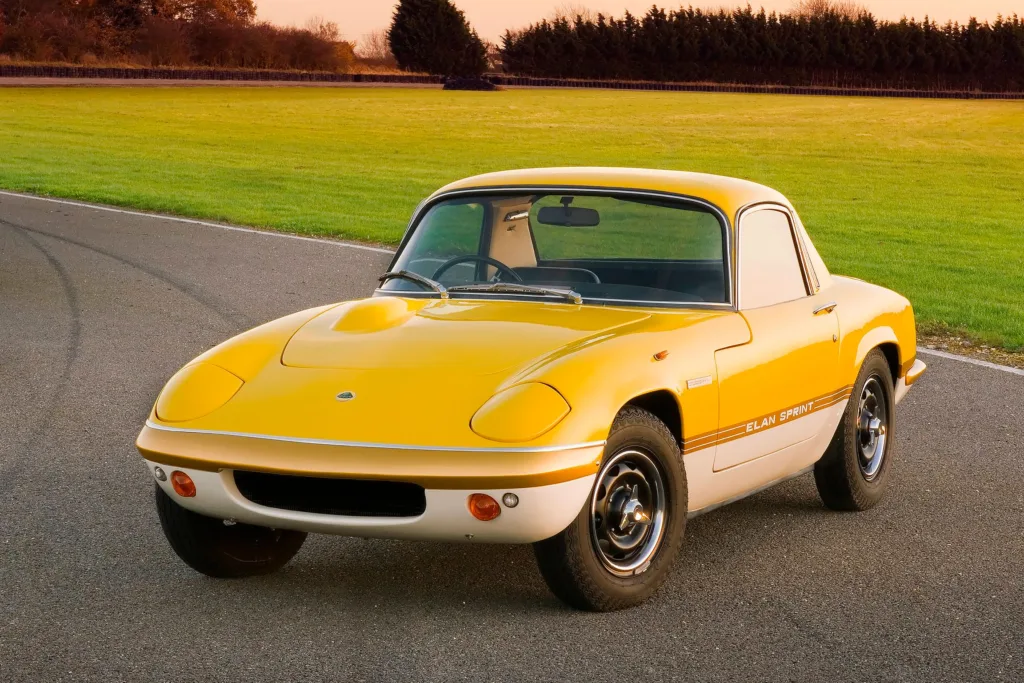
The Elan was a stunning lightweight sports car known for its superb handling, partially due to its fiberglass body and steel backbone chassis.
Its features, like retractable headlights, reduced drag, contributing to excellent fuel efficiency. Over 2,000 Elans were sold between its 1962 debut and 1966.
The Elan’s success helped Lotus fund its increasingly expensive racing program, but it wasn’t enough. To boost company accounts, Lotus partnered with Ford to prepare a rally version of the Cortina, Ford’s most popular model in Europe.
Ford ordered 1,000 cars from Lotus for Group 2 rallying. Production began in 1963, and the car immediately dominated European rally and circuit tracks.
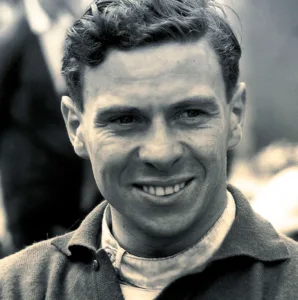
The name most closely associated with the Lotus Cortina and Lotus’s F1 success was Jim Clark, the son of a Scottish farmer.

Clark was an exceptionally talented and popular driver. In addition to rallying, Clark secured a seat in Formula 1. Driving the rear-engined Type 25 with a Climax V8 engine (not 8-cylinder), Clark won three Grand Prix races in 1962. The following year, the young driver won seven Grand Prix races, securing the Constructors’ Cup for Lotus for the first time.

Conquering the Indianapolis 500
The combination of Lotus and Clark was formidable, but Lotus still had one race left to conquer: the Indianapolis 500. Chapman believed that no one could be considered a true champion without a victory at “Indy.”
In 1963, Lotus entered two Type 29 cars, specially prepared for the 500-mile race, driven by Jim Clark and Dan Gurney. The Type 29 was one of only two rear-engined cars that year, a design choice Chapman believed would give them an advantage. He was right: Jim Clark led for 28 laps but finished second. In 1964, Clark crashed, damaging the rear suspension, and A.J. Foyt won. Chapman and his team returned to England empty-handed.
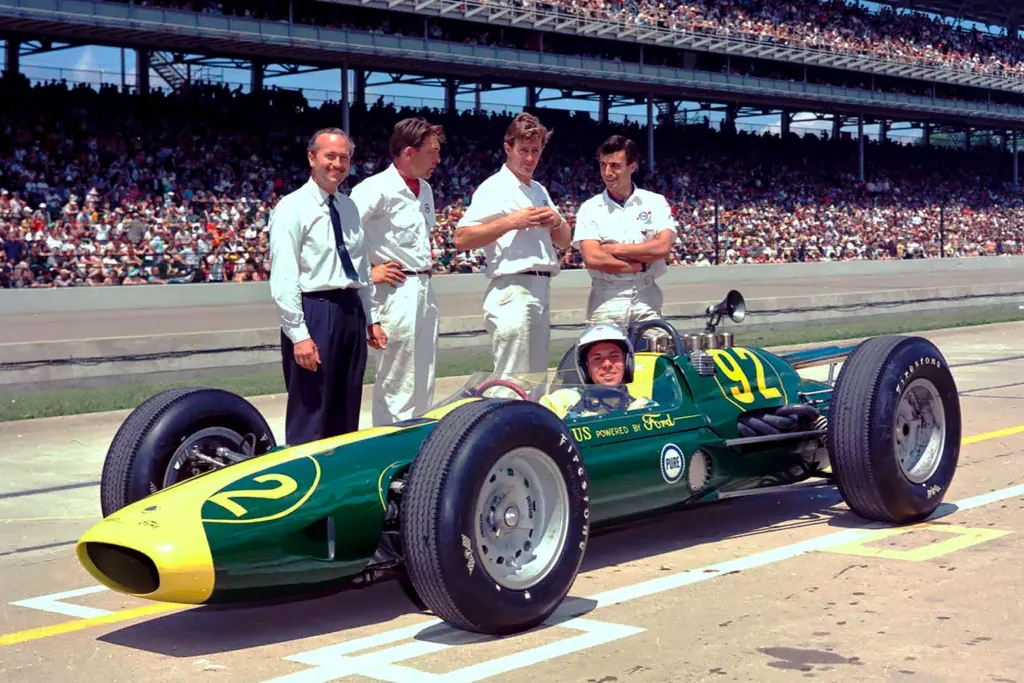
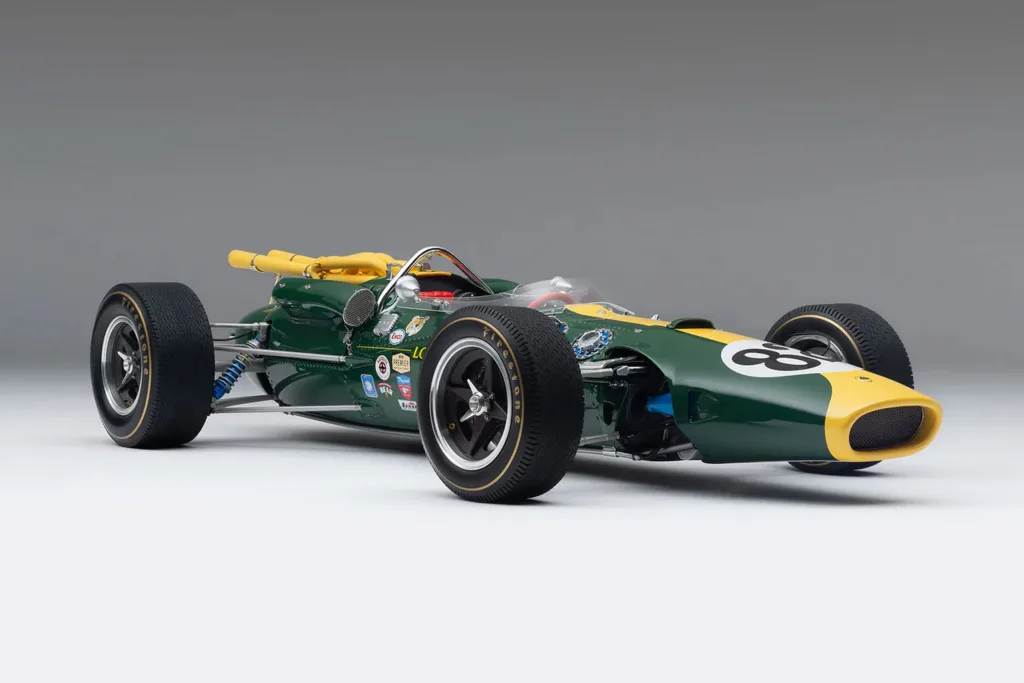
Determined to win the legendary race, Lotus brought the new Type 38 in 1965—the company’s most advanced car to date. Clark dominated the race, crossing the finish line first. It took three years and significant investment, but Colin Chapman finally won Indy, simultaneously ending the era of front-engined cars in IndyCar.
The Aerodynamic Revolution and Tragedy
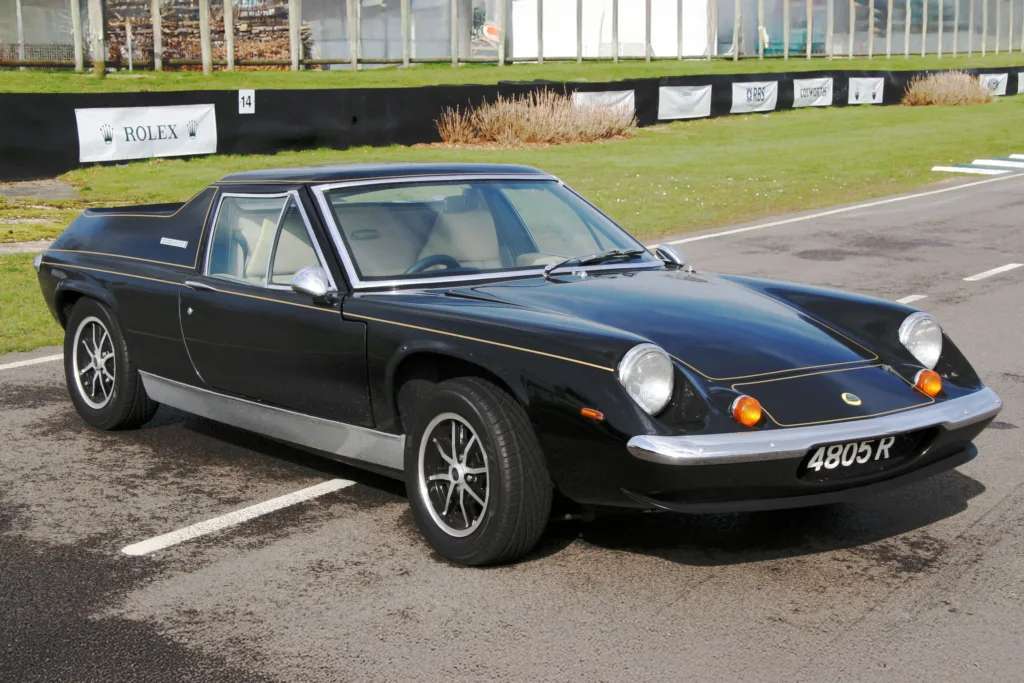
During this period, the company moved its factory to Hethel, Norfolk. In 1966, Lotus introduced its first mid-engined road car, the Europa. The move to Hethel and the development of new cars stretched the company’s resources. In 1968, Lotus went public, which attracted new investment, allowing it to continue its increasingly expensive racing activities.
However, 1968 also brought tragedy. On April 7, Jim Clark arrived at Hockenheim in Germany for a minor Formula 2 race. On the fifth lap, he lost control and went off the track at 225 km/h, dying instantly. The greatest driver in Lotus history was dead, and Colin Chapman was devastated.

Despite the tragedy, Chapman and Lotus continued to work. F1 cars were becoming so fast that they were almost lifting off the track. Chapman’s solution was the simple but effective aerofoil wings (or anti-wings, as translated).
By installing them on the front and rear, he created sufficient downforce to keep the car on the track. By 1970, wings were standard elements on F1 cars.
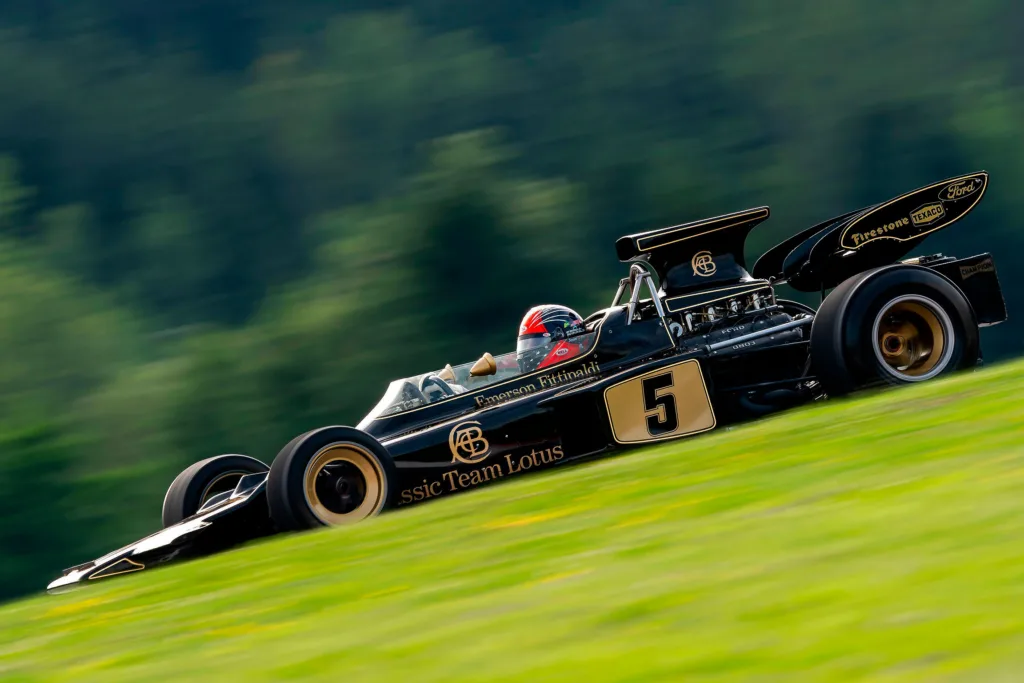
That year, Lotus introduced its most advanced F1 car, the Type 72. Between 1970 and 1974, drivers like Emerson Fittipaldi, Jochen Rindt, and Ronnie Peterson won 20 Grand Prix races, making it Lotus’s most successful F1 car in history.
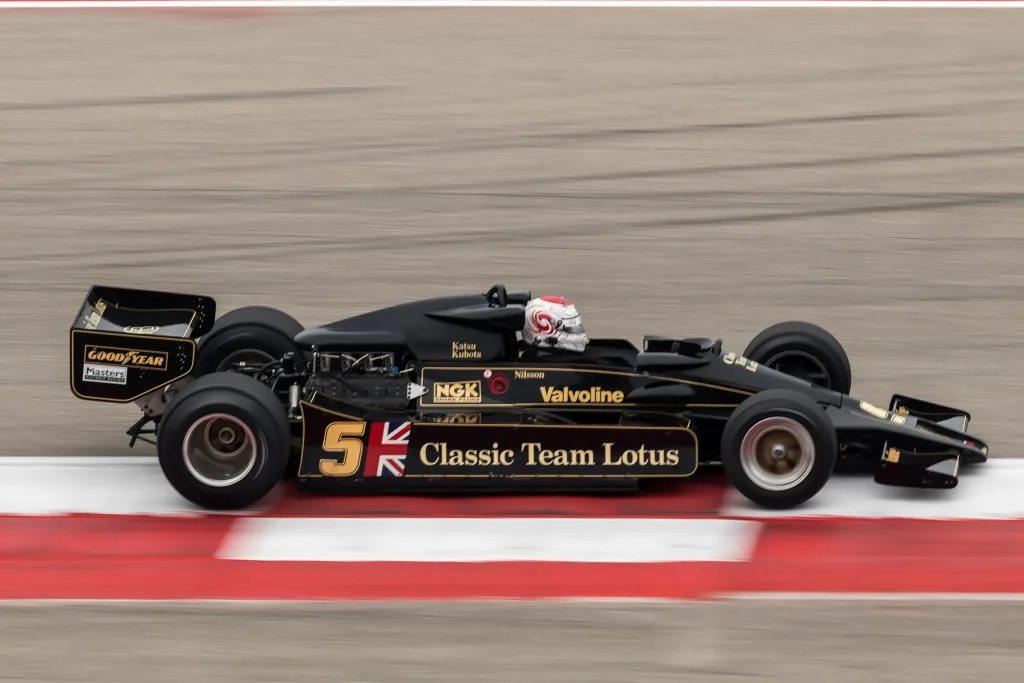
The intense competition of 1975 saw rivals catch up, and subsequent Lotus attempts (Type 76 and 77) failed to bring victories. The unyielding Chapman continued his work, introducing the Type 78 in the 1977 season.
Chapman believed that placing Mario Andretti behind the wheel would help quickly correct any flaws in the car.
The Type 78 was a much more successful car, and Andretti won five Grand Prix races in 1977. The following year, he won the World Championship title, returning Lotus to the top.
The Esprit Era and Chapman’s Death
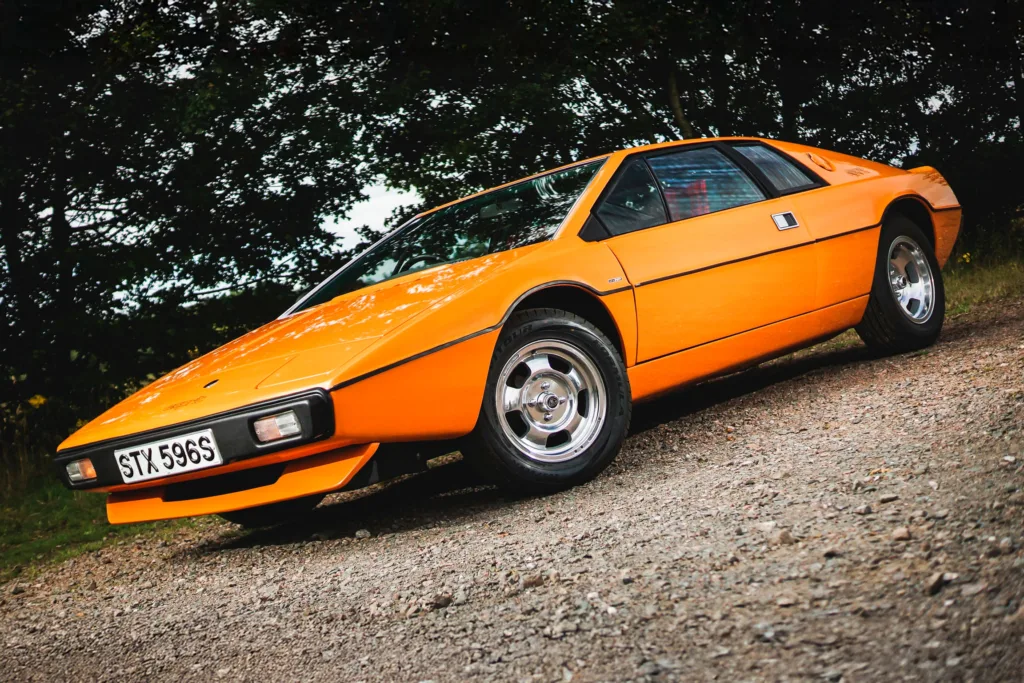
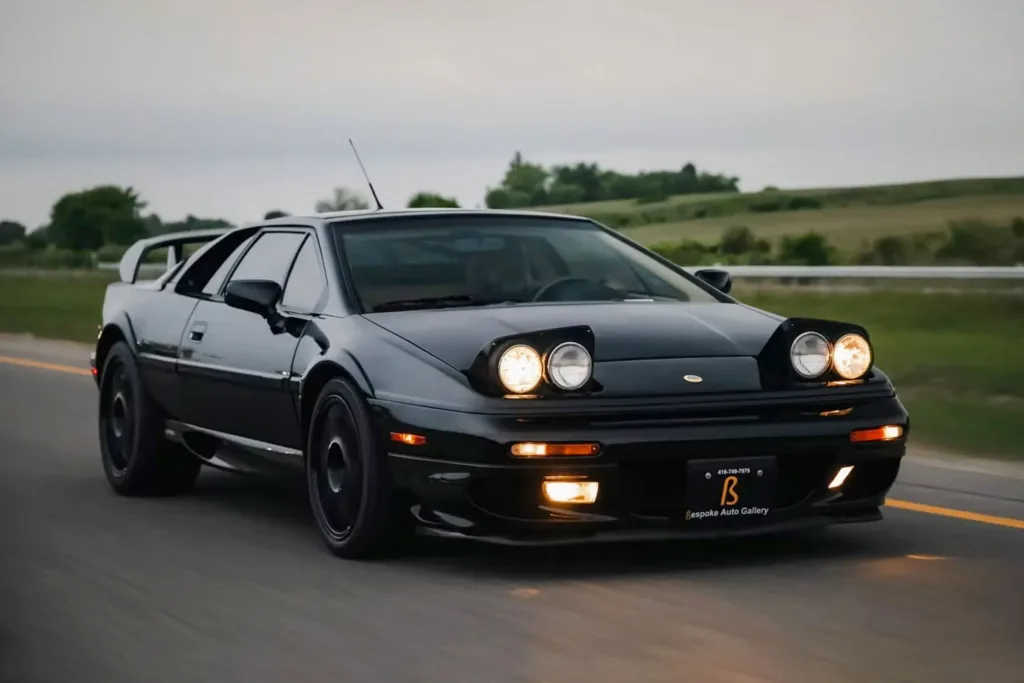
Lotus road cars also saw success with the introduction of the Esprit model in 1976. Its popularity was boosted by the James Bond film “The Spy Who Loved Me.” Lotus continued to produce various versions of the Esprit until 2004, making it the most successful sports car in the company’s history.
In 30 years, Colin Chapman transformed Lotus from a small engineering company selling kit cars into one of the world’s most respected car brands. But his era ended abruptly in 1982 when he died from a heart condition at the age of 54. Many doubted the company would survive without him.
New Ownership and the Birth of the Elise
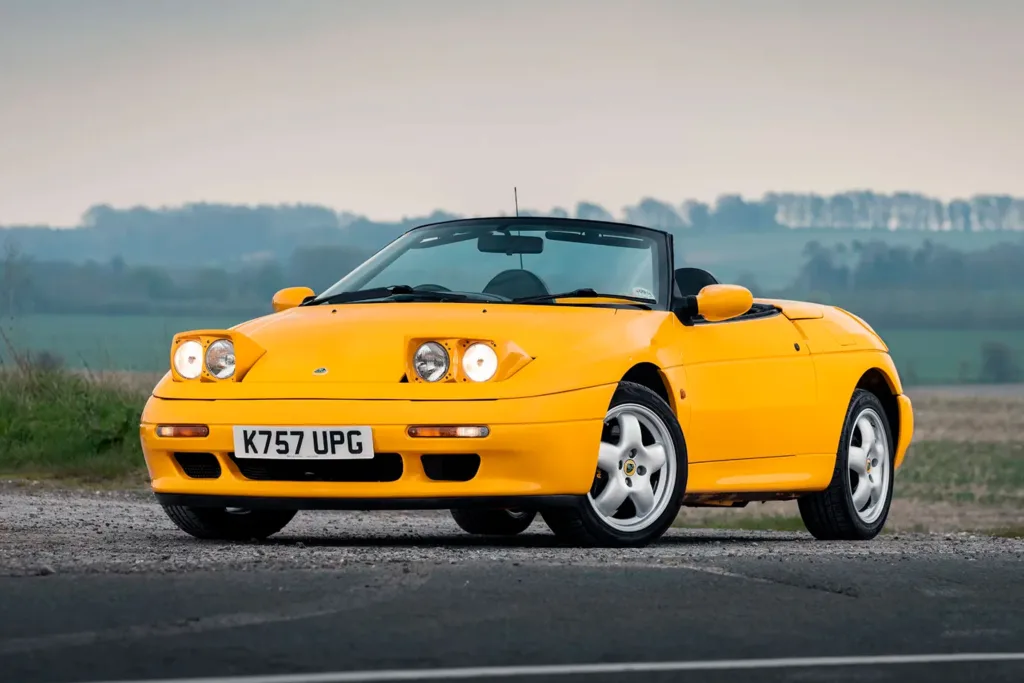
In 1984, General Motors (GM) acquired the company. To boost Lotus road car sales, GM introduced an updated Elan, planning to sell 3,000 cars a year. Although the car was well-received in England, additional safety and emissions requirements in the US raised its price to the level of a Corvette. Sales were tiny, and in 1992, GM discontinued the Elan.
The following year, GM sold Lotus to Bugatti (owned by Romano Artioli). This change of ownership brought the idea of creating a new sports car to solve the company’s financial problems. The result was the Elise, presented at the Frankfurt Motor Show in 1995. Weighing only 675 kg and accelerating from 0 to 100 km/h in 5.9 seconds, the Elise was the star of the show. Orders poured in, but American buyers had to wait.
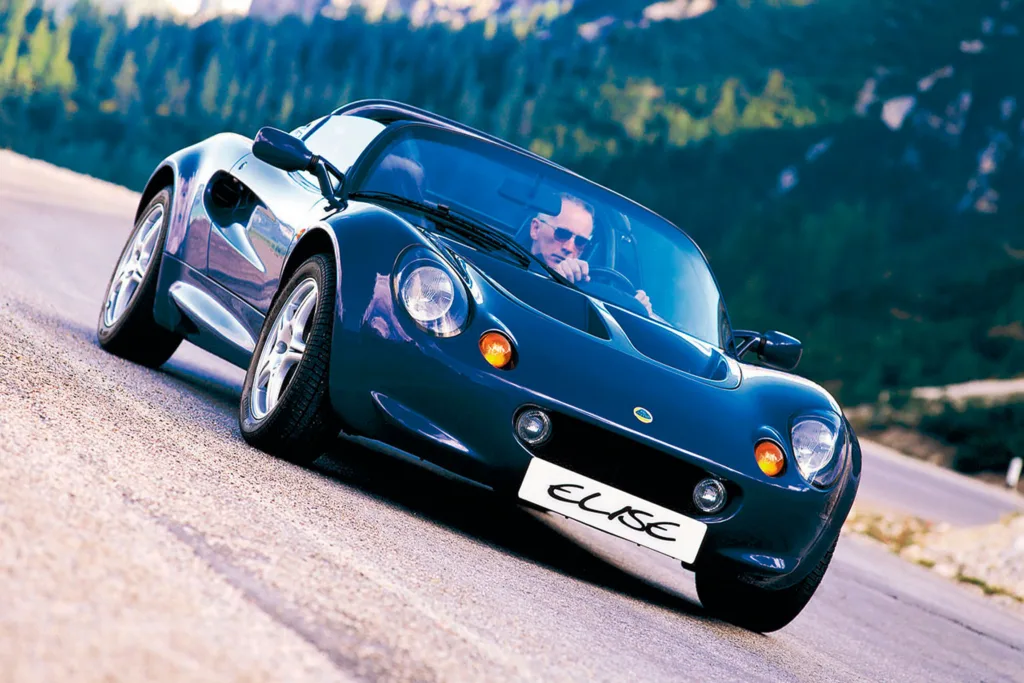
At $40,000, the Elise was accessible yet exclusive—a new type of supercar: small, stylish, and simple, offering high speed and incredible handling. American clients had to wait eight years to buy a new Lotus, but in 2004, the updated Elise arrived in America.
Its US launch coincided with the 50th-anniversary celebration organized by the Lotus Owners Club at the Barber Motorsports Park in Birmingham, Alabama. Former Lotus driver Dan Gurney attended the event, signing autographs and mingling with fans.
Over 50 years, Lotus remained one of the most influential and respected brands in the automotive world. With the release of the Elise, Lotus’s future seemed bright. The company, which began in a racing enthusiast’s garage, confidently looked to the future while respectfully preserving its past.
Lotus in the Modern Era: Geely Ownership and Full Electrification (2017–Present)
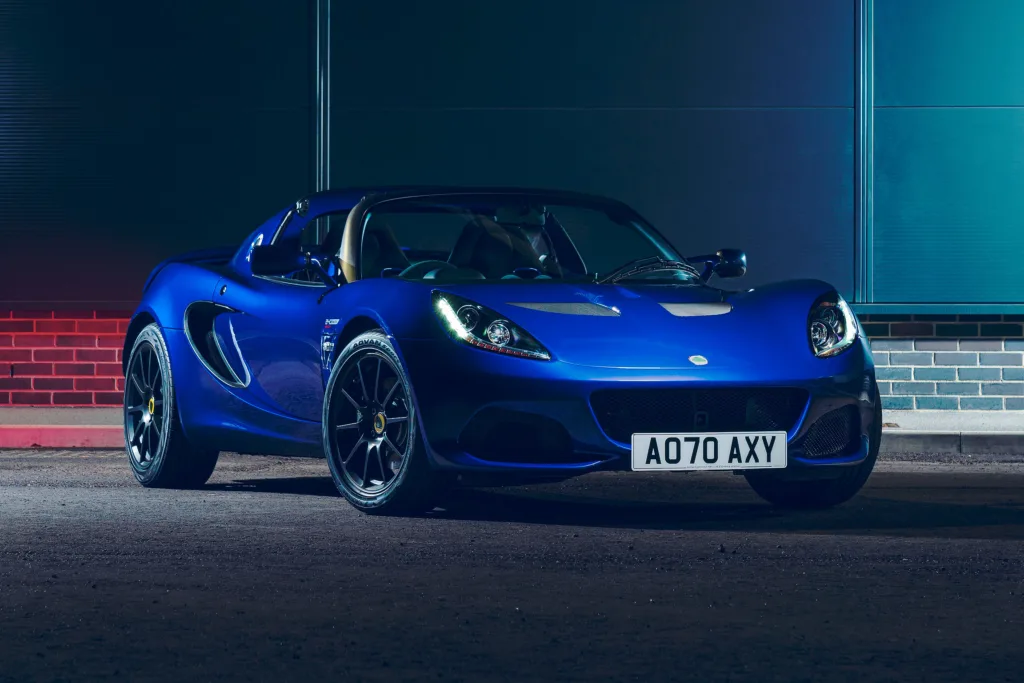
The period immediately following the Elise’s introduction was marked by limited production and financial challenges. The key turning point came in 2017 when Chinese multinational automotive company Geely (which also owns Volvo) acquired a majority stake in Lotus. This acquisition provided the massive financial investment and technological resources the brand needed to fundamentally modernize and expand its model range.
The Era of New Architecture and Hypercars
Geely’s strategy focused on two core pillars: preserving the lightness philosophy of Chapman and embracing high-end electric performance.
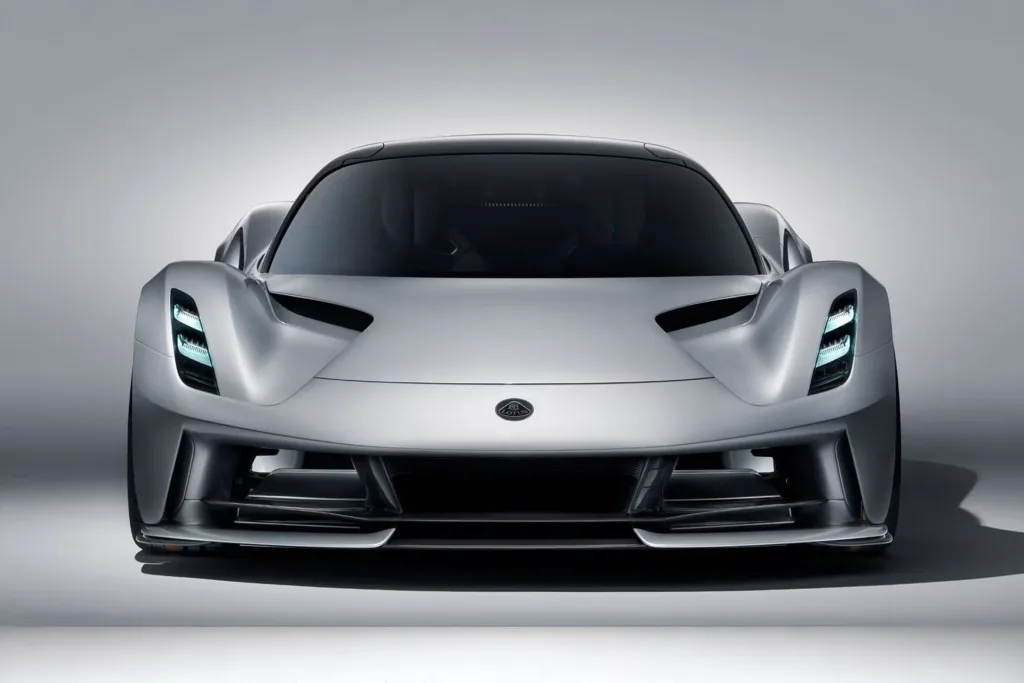
- Evija (2019): Introduced as the world’s first all-electric British hypercar, the Evija showcases the brand’s new electric capabilities, featuring nearly 2,000 horsepower.
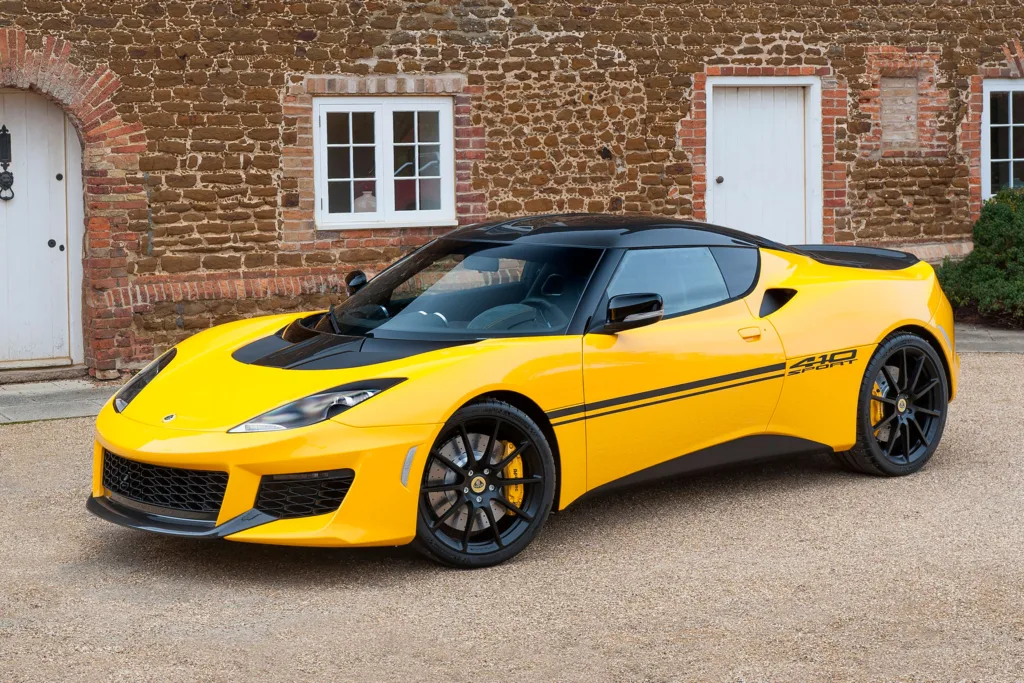
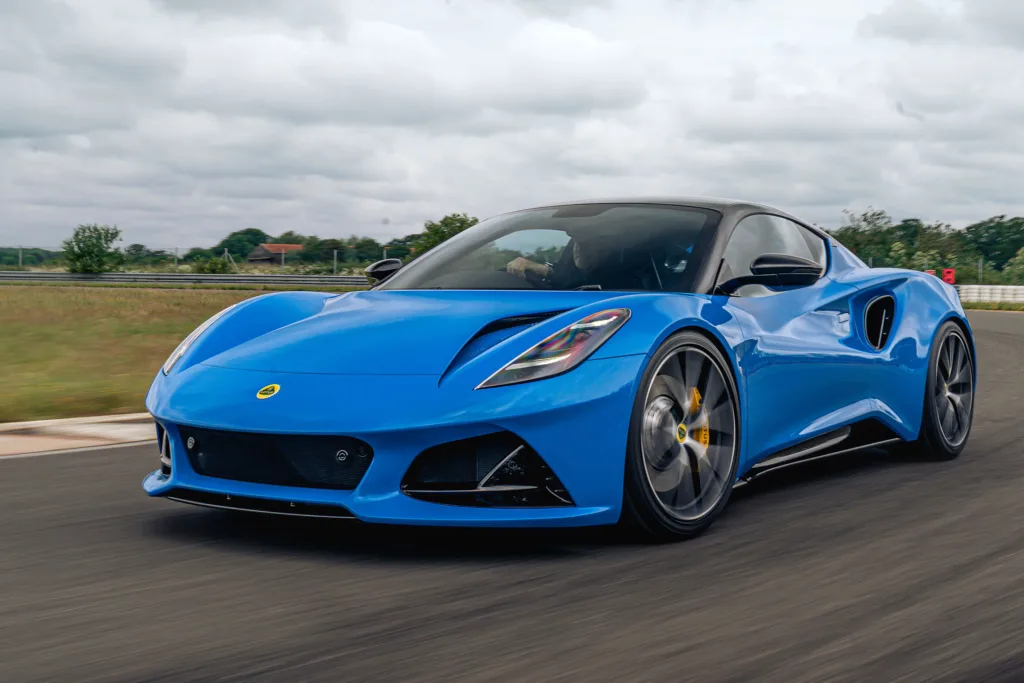
- Emira (2021): The Emira is the final gasoline-powered sports car produced by Lotus. It serves as a modern replacement for the Elise, Exige, and Evora, using a bonded aluminum chassis (a key Chapman-inspired construction method) and emphasizing daily usability alongside renowned handling.
The Lifestyle Portfolio and Global Expansion
In a major strategic shift, Lotus established Lotus Technology in China to develop its lifestyle electric vehicle segment, designed for global volume sales:
- Eletre (2022): The brand’s first-ever electric SUV, the Eletre is a large, luxury performance vehicle that represents a dramatic departure from Lotus’s traditional small, two-seater sports cars. It is central to the company’s plan to become a global luxury brand.

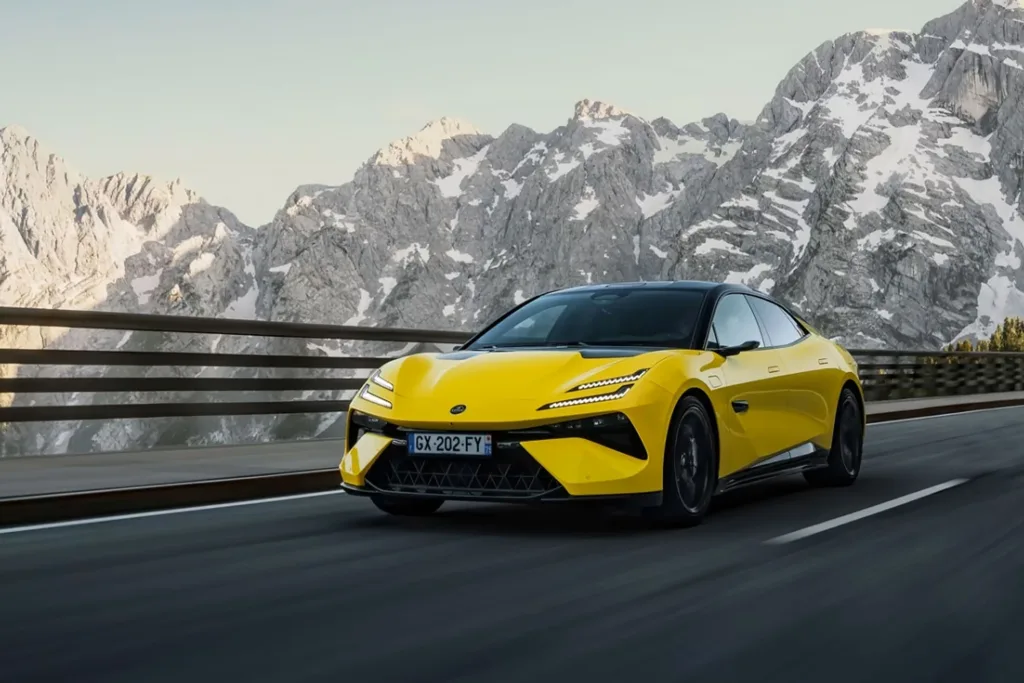
- Emeya (2023): An all-electric, four-door Hyper-GT, further diversifying the portfolio into the luxury sedan segment.
Under Geely, Lotus has committed to an all-electric future, with the goal of ending internal combustion engine production entirely.
The company’s future hinges on its ability to successfully scale up production with the new, larger electric models while maintaining the core values of high performance and exceptional handling established by Colin Chapman.