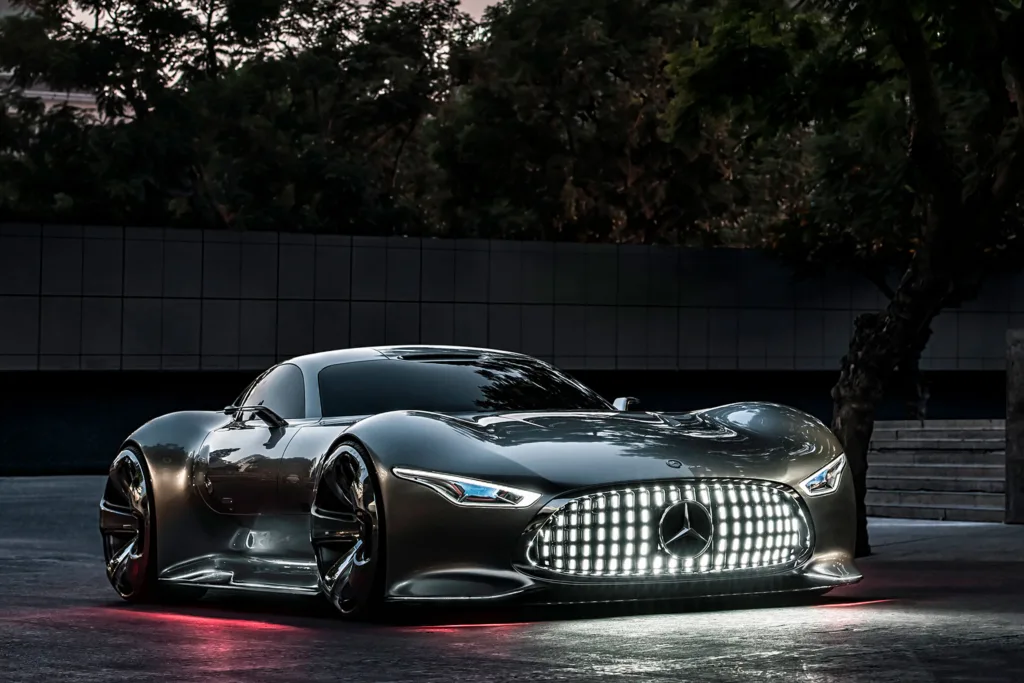
Mercedes-Benz began the automotive era in 1886 and has spent nearly 140 years blending engineering, racing success, luxury, safety, and now electrification into one of the world’s most influential car brands. From Gottlieb Daimler and Carl Benz’s first motorized vehicles to today’s AMG rockets and EQ electric models, the core themes are speed, innovation, and “The Best or Nothing”.
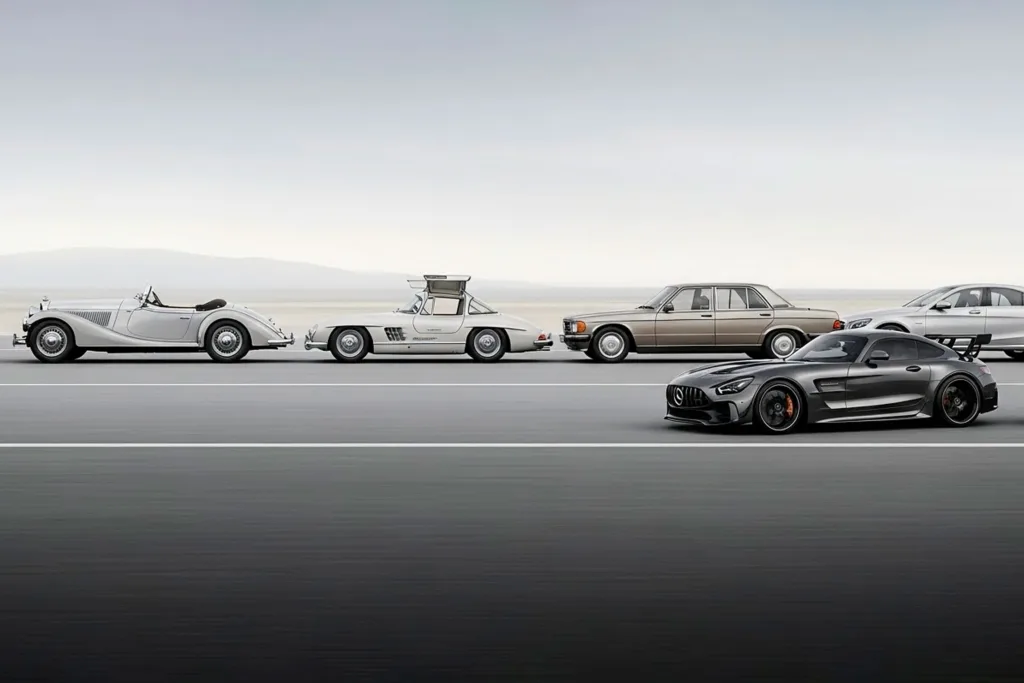
Mercedes-Benz inaugurated the automotive era. Much has changed since 1886, but the spirit of Gottlieb Daimler and Carl Benz is said to live on in every Mercedes, attracting drivers with passion for style and speed.
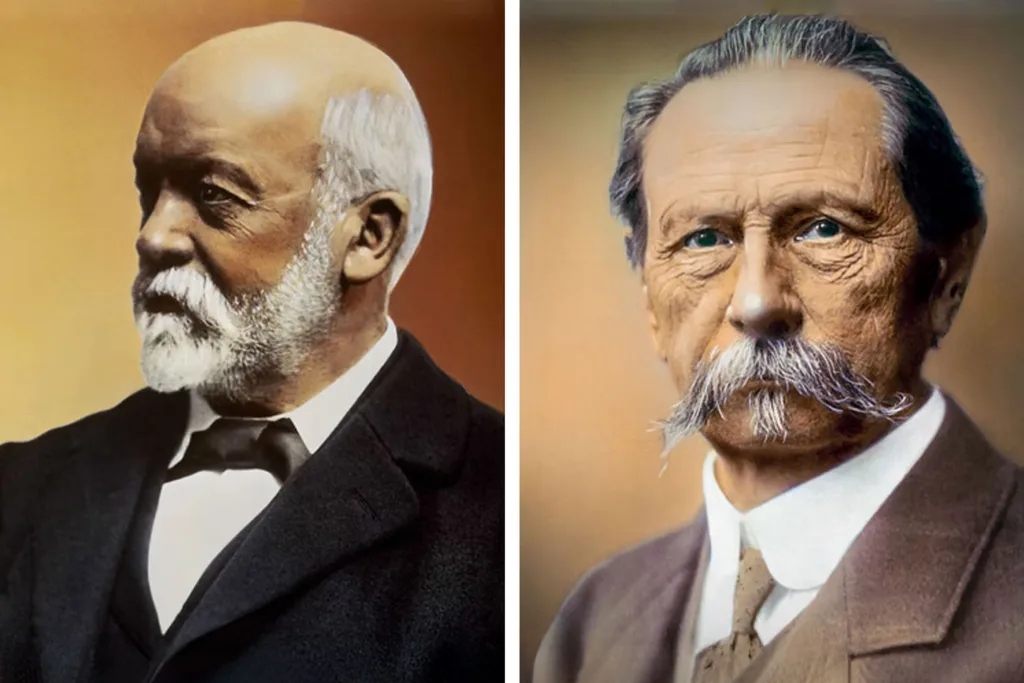
The Origin of the Automobile
The history of Mercedes-Benz is a chronicle of quality and speed, built around Gottlieb Daimler’s enduring motto: “The Best or Nothing!” Today, the brand is renowned for high-speed premium vehicles and SUVs, consistently balancing heritage with innovation.
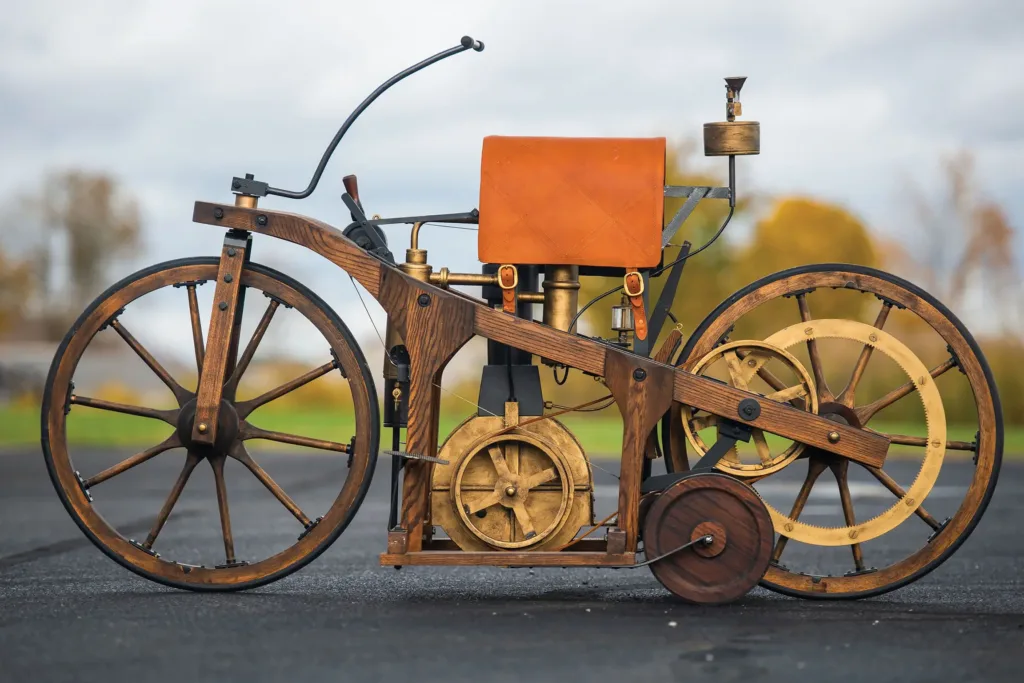
Gottlieb Daimler explored many uses for the gasoline engine, and his Reitwagen (motorcycle) proved that engines could replace horses.
Working independently, Carl Benz created the first true automobile from scratch and patented his Motorwagen on January 29, 1886, a date widely regarded as the birth of the automobile.
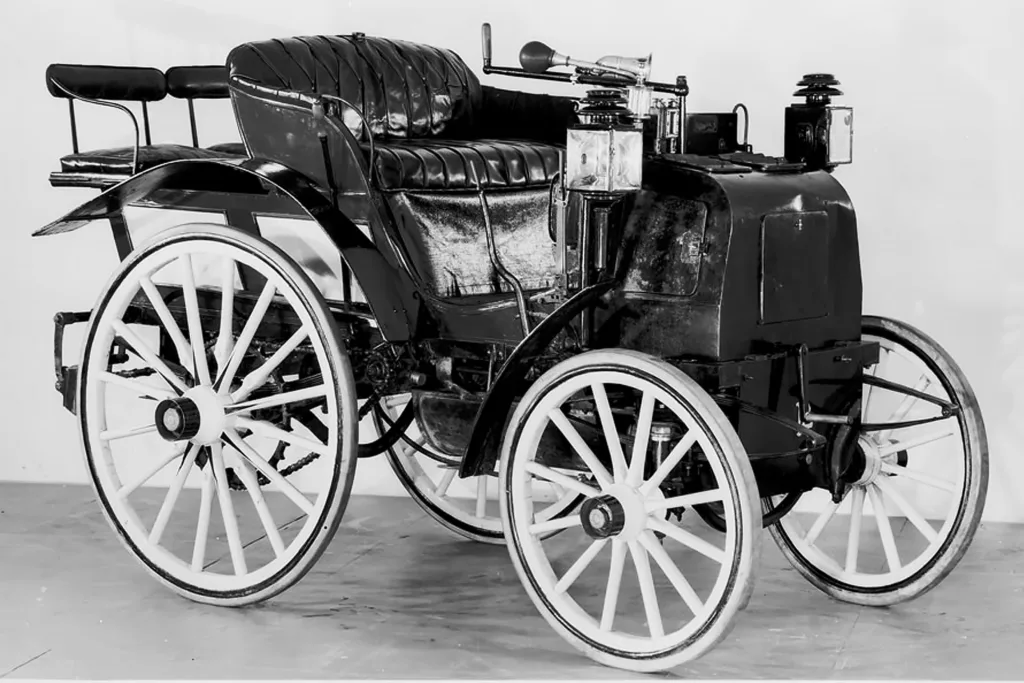
Daimler sold engines worldwide, finding particular success in France, where early races like the 1894 Paris–Rouen event demonstrated the practicality of cars. While Daimler focused on broad engine applications, Benz concentrated on complete automobiles and, by 1900, had built more than 2,000 cars, establishing himself as the world’s largest car manufacturer at the time.
The Mercedes Name and Racing Dominance
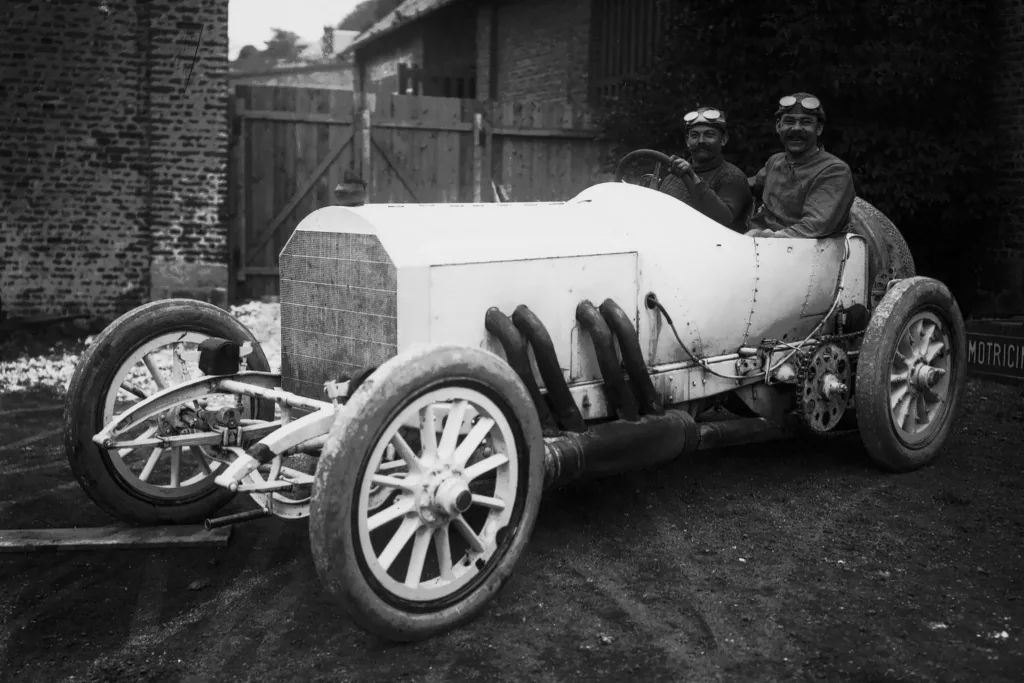
At the turn of the 20th century, cars were toys for the wealthy, who displayed them in resorts like Nice and Baden-Baden. Austrian businessman Emil Jellinek ordered a winning race car from Daimler and insisted it be named after his daughter, Mercedes, giving birth to the Mercedes name and a new generation of advanced racing cars.
Racing quickly became the proving ground!
In the 1908 French Grand Prix, a Mercedes driven by Christian Lautenschlager won at an average speed of 111 km/h, while Benz cars finished second and third. Mercedes also swept the 1914 French Grand Prix with a 1–2–3 finish, though tensions before World War I overshadowed the triumph.
Daimler-Benz and the Supercharger Era
After World War I, demand for new cars returned, but Germany’s economy struggled and few people could afford automobiles. To survive, Daimler and Benz merged in 1926 to form Daimler-Benz, combining engineering strengths under the Mercedes-Benz brand.
The famous three-pointed star, often said to symbolize mobility on land, water, and air, was paired with the Benz laurel wreath for the new logo.
Mercedes focused on fast, luxurious cars for affluent buyers, and electric starters and better comfort helped make motoring more civilized and accessible.
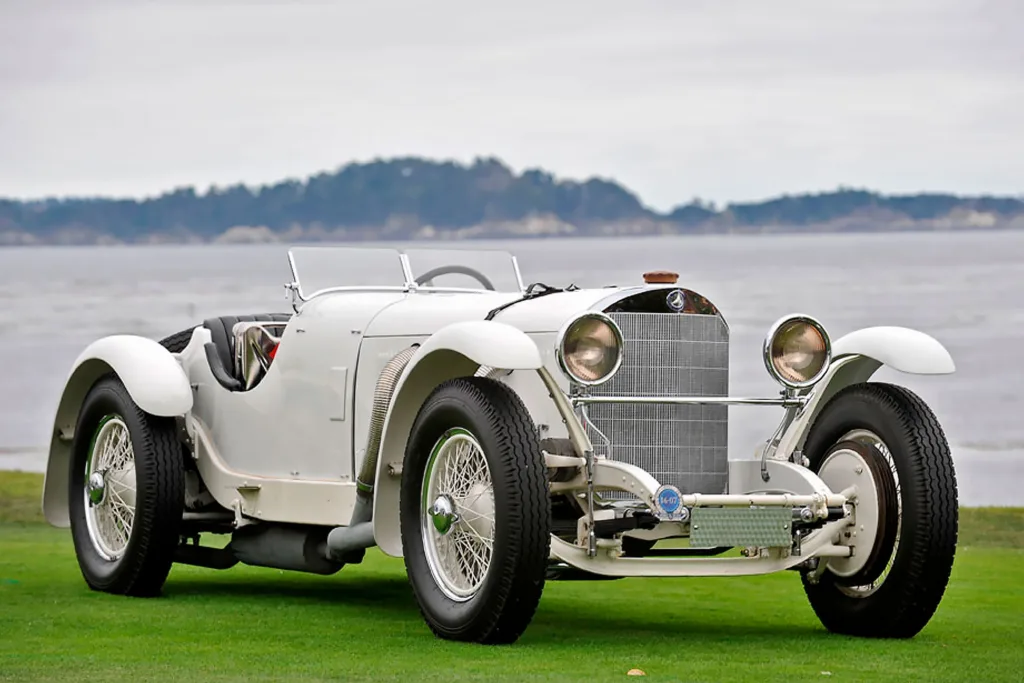
Unified production kept Daimler-Benz viable and enabled development of new models. In 1927, Mercedes launched the supercharged Model K and the even more powerful SSK, a six-cylinder “Kompressor” car that excelled both on the road and in competition, winning many of its 90 races and setting performance benchmarks in the 1920s.
The Kompressor and Silver Arrows
As the SSK dominated racing, Mercedes developed a new generation of luxury performance cars. In 1934 it introduced the 500K Special Roadster, a beautiful, high-speed machine with a supercharged 5.0-liter straight-eight producing about 160 hp with the supercharger engaged, now one of the most coveted collector cars.
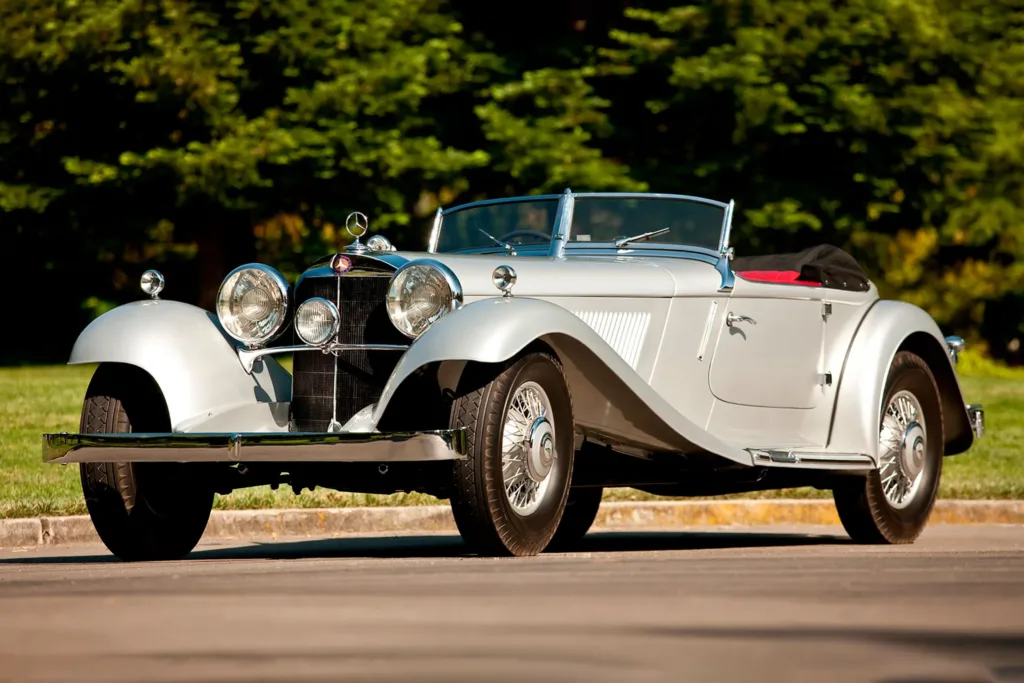
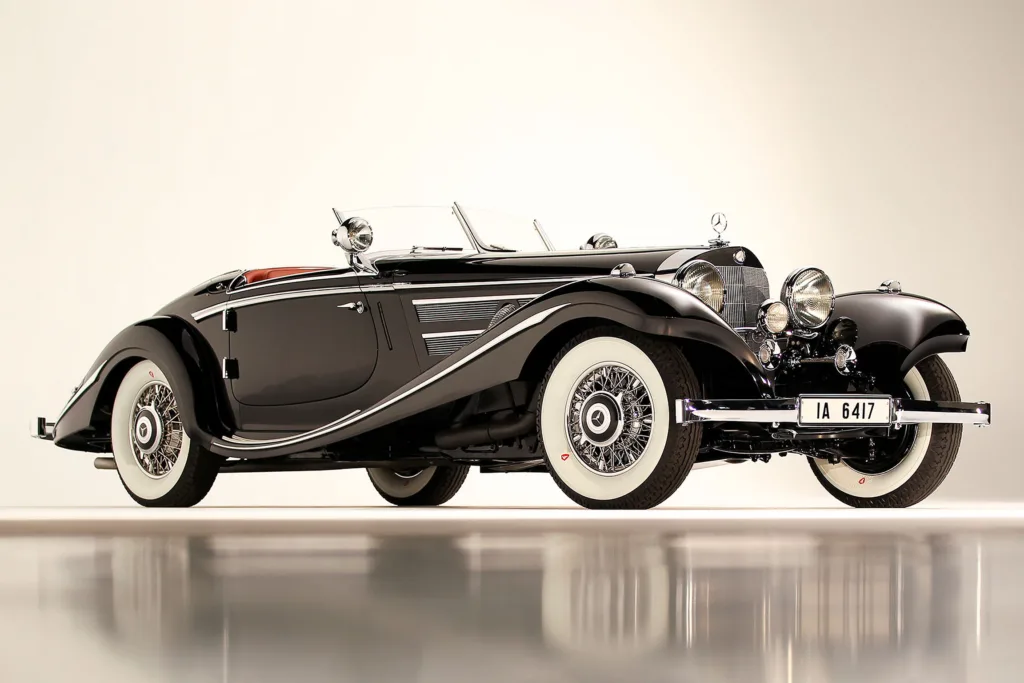
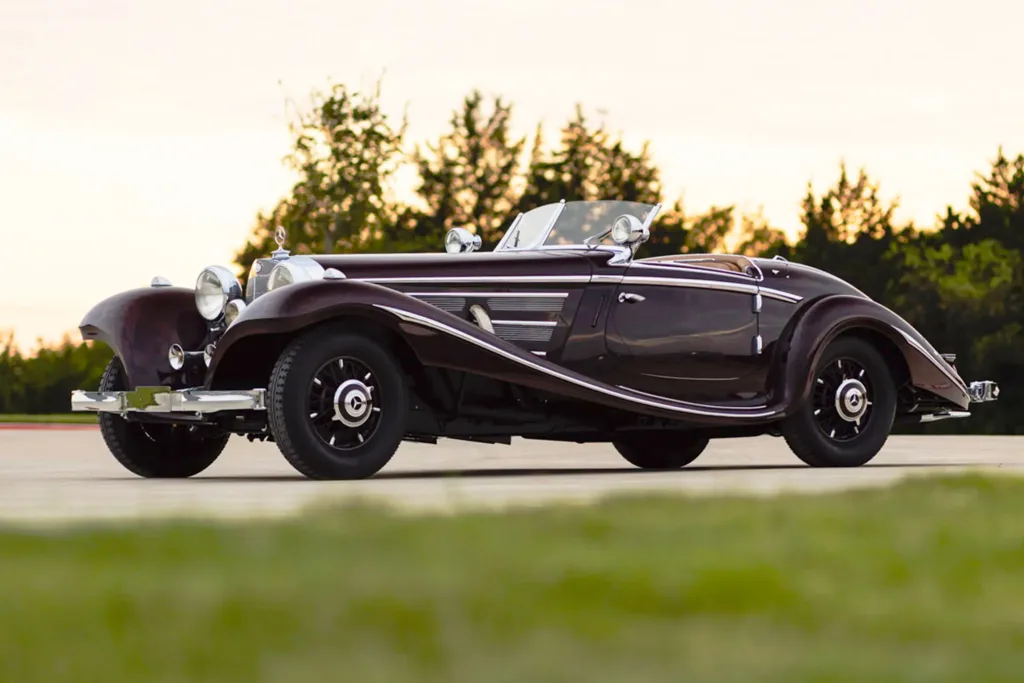
In 1936 came the 540K, an evolution of the 500K with more power and equally spectacular coachbuilt bodies. These supercharged models became symbols of pre-war luxury and performance and today command multi-million-dollar prices at auction.
Mercedes also built revolutionary Grand Prix racers called “Silver Arrows,” which dominated European racing from 1934 to 1939. Lightweight construction and advanced aerodynamics helped a specially prepared Silver Arrow reach 432.7 km/h on a public road in 1938, making its drivers era-defining heroes.
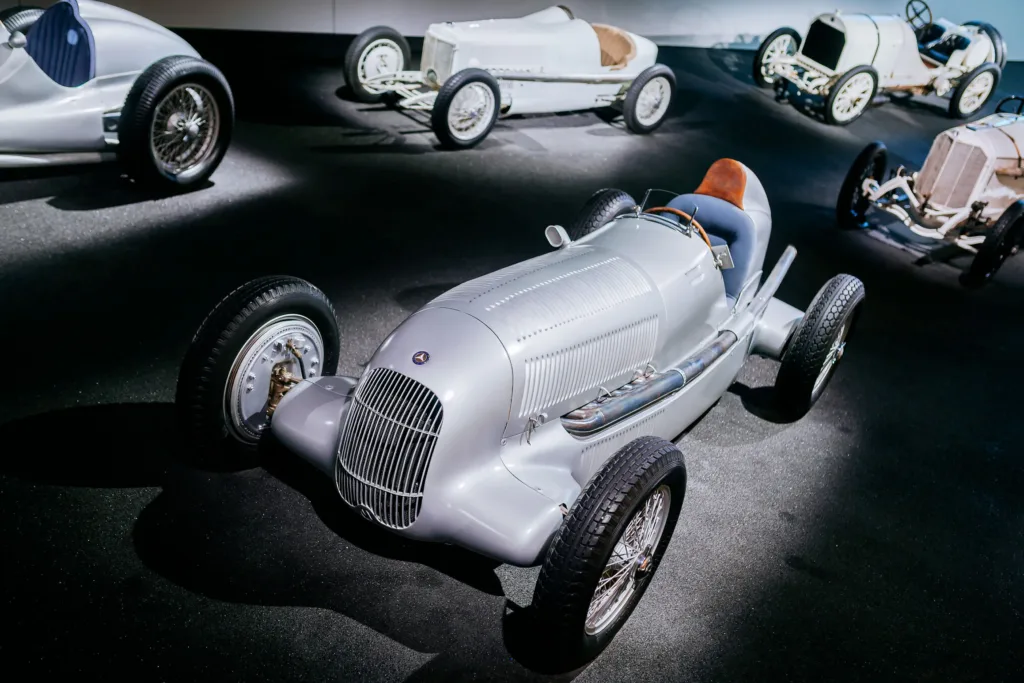
Post-War Racing and the Gullwing
World War II halted racing and nearly destroyed Daimler-Benz, but post-war demand for cars enabled a comeback as factories were rebuilt and production restarted.
By the early 1950s, Mercedes offered models across several price points, including the luxurious 300 S.
The 3.0-liter six-cylinder from the 300 S powered the new 300 SL (Sports Light), which debuted in 1952 in both roadster and, later, coupe form. The 300 SL quickly proved itself by taking top finishes at Le Mans and the 3,500 km Carrera Panamericana, signaling a brilliant racing return.
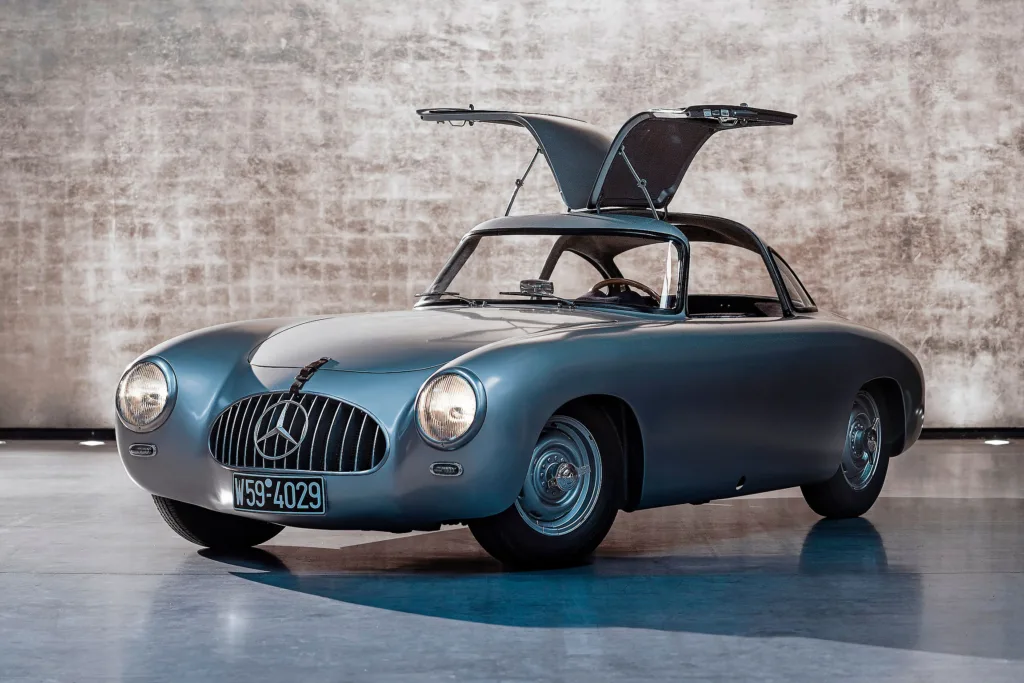
In 1954, Mercedes re-entered Formula 1 with the W196, which won on debut at the French Grand Prix and helped Juan Manuel Fangio secure the championship that season. However, the 1955 Le Mans disaster—where a Mercedes race car crashed and caused over 80 spectator deaths—led the company to withdraw from factory racing for decades.
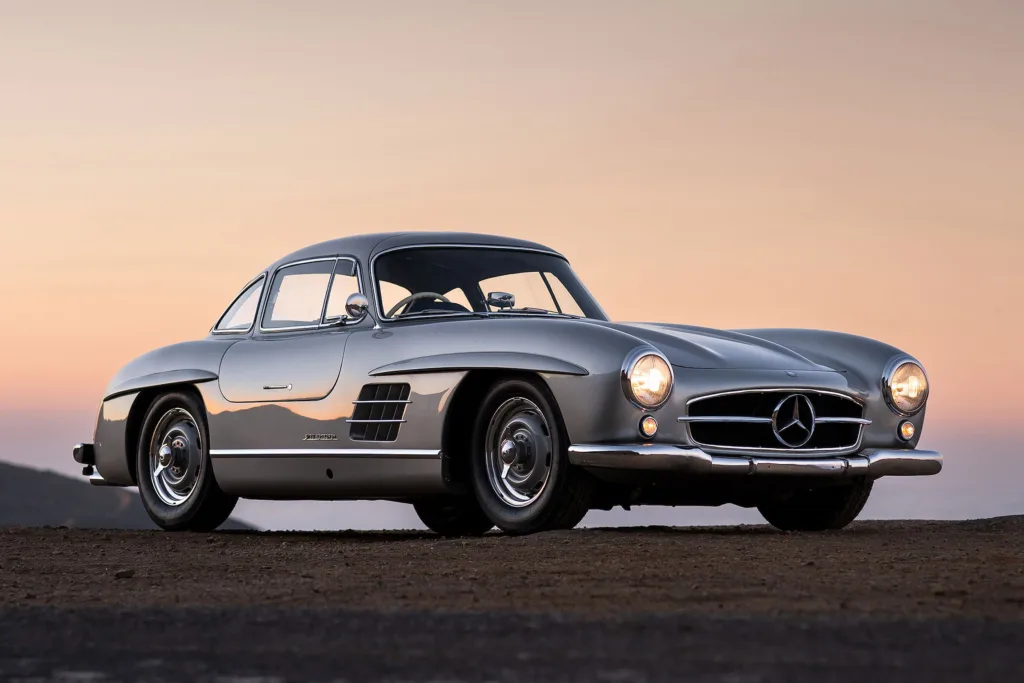
Racing technology directly shaped the production 300 SL “Gullwing,” which used a tubular space frame, fuel-injected 3.0-liter engine, and distinctive upward-opening doors. With a top speed around 260 km/h and strong motorsport pedigree, the 300 SL became a favorite of celebrities and enthusiasts and remains one of the world’s most desirable classic cars, with top examples now selling for well over a million dollars at auction.
Safety and the Pagoda Roof
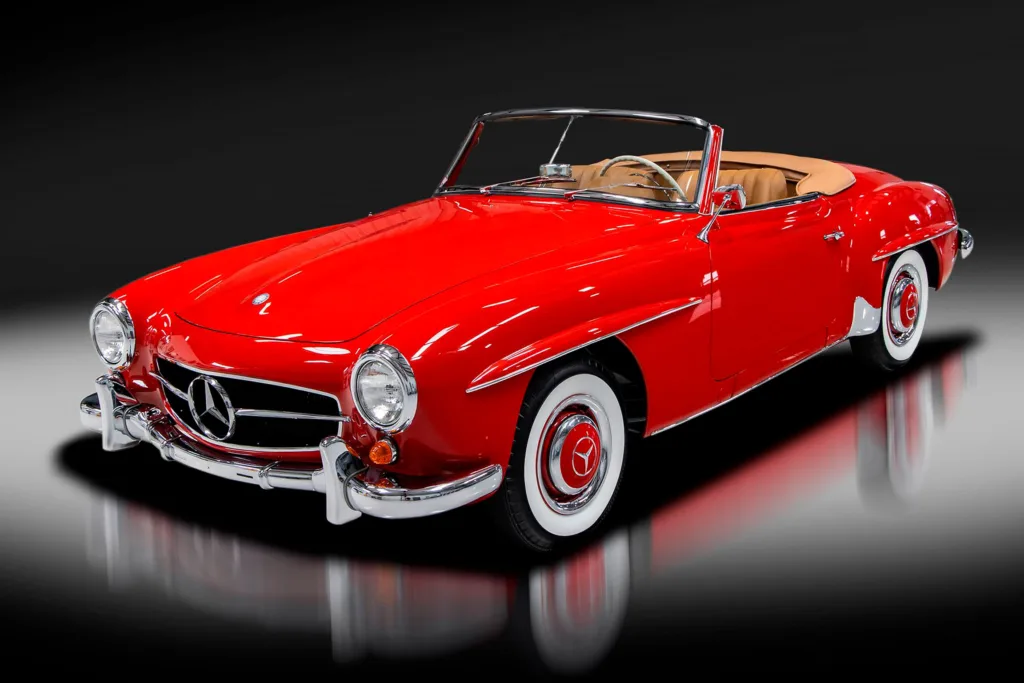
The 300 SL was followed by the more conventional 190 SL and 300 SL roadsters, some with removable hardtops, which also evolved into prized collector cars. Meanwhile, Mercedes prepared a new sedan family that would set benchmarks in safety and comfort.
In 1959, the “Fintail” models arrived with American-style rear fins but, more importantly, with pioneering safety engineering. They introduced the safety cell concept with a rigid passenger cabin and front and rear crumple zones, along with padded dashboards, recessed controls, and a deformable steering wheel, innovations that later became industry standards.
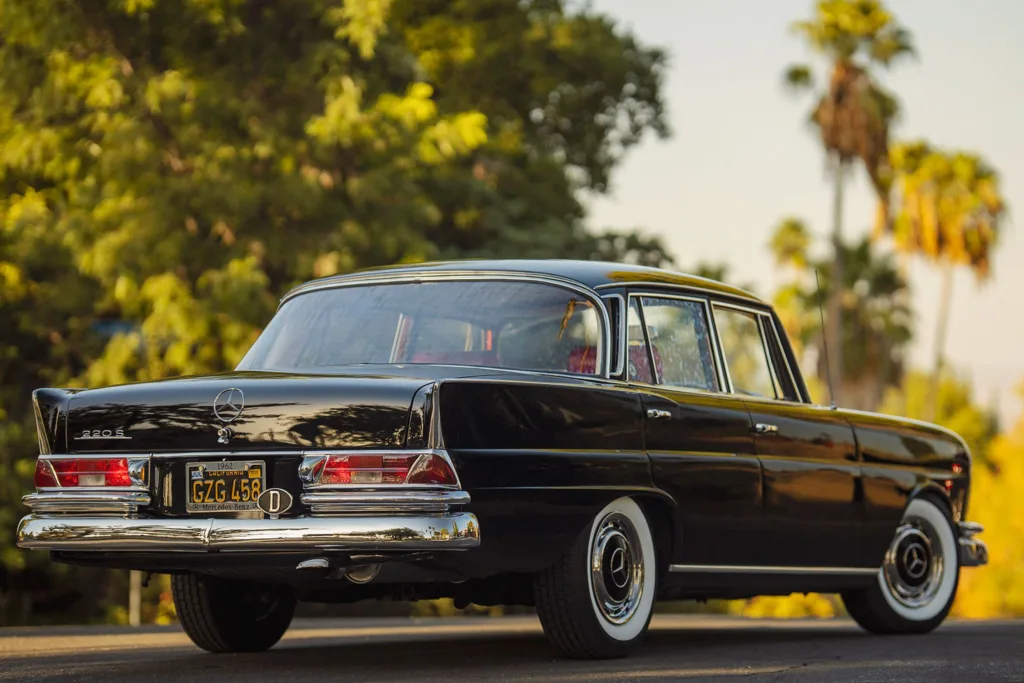
More than 340,000 cars and chassis based on this design were built between 1959 and 1968, underpinning Mercedes’ growth and supporting development of a new sports roadster. In 1963, Mercedes launched the 230 SL, which blended comfort, safety, and style rather than being an all-out race car.
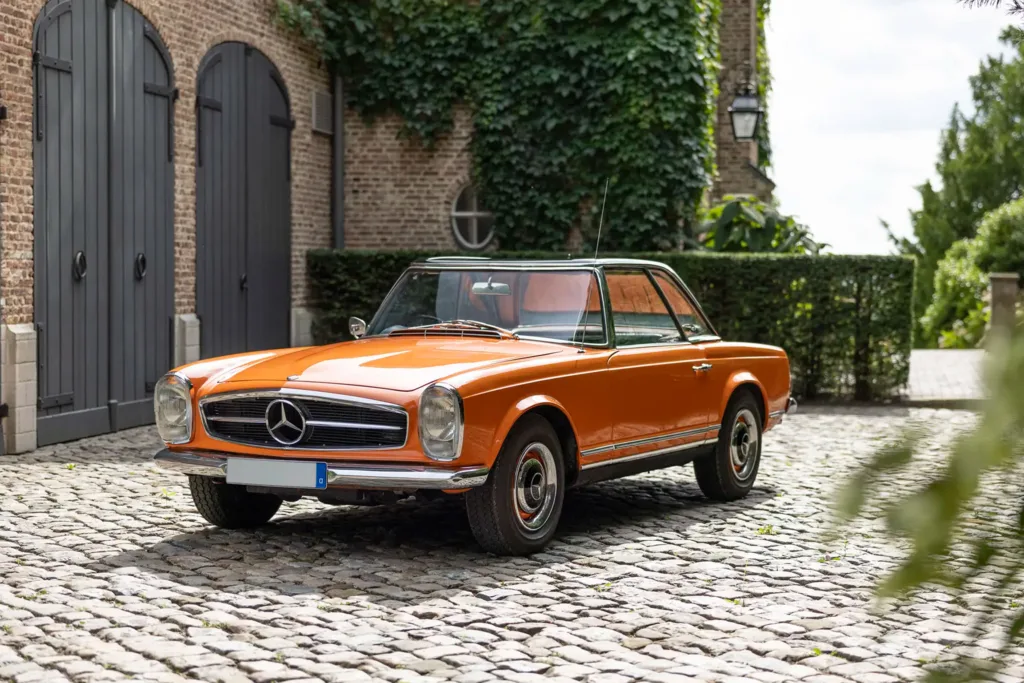
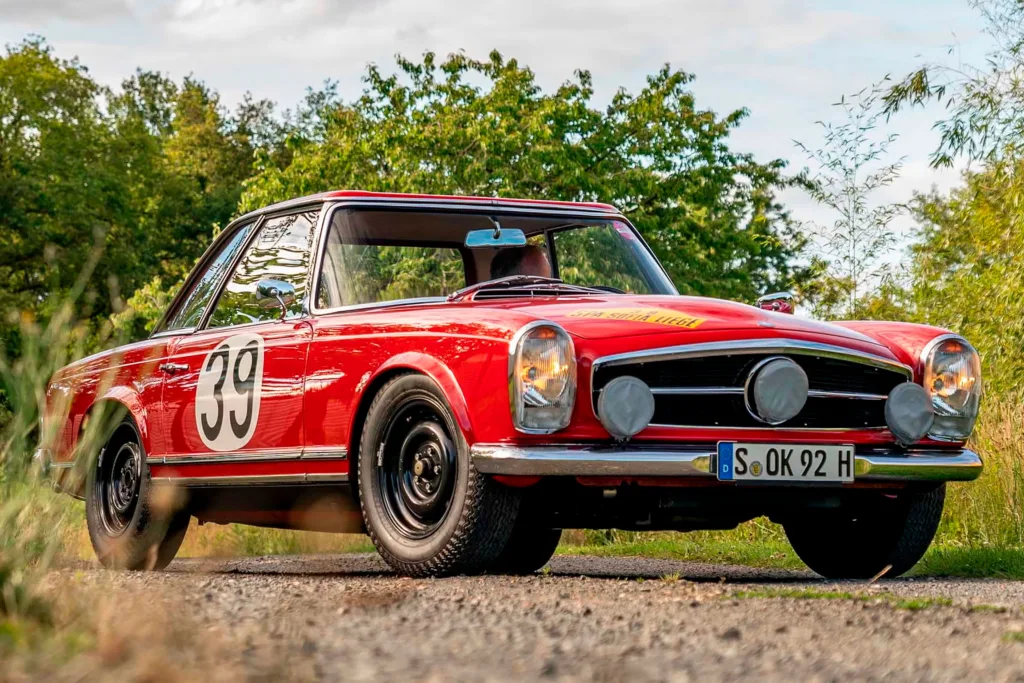
The 230 SL’s signature feature was its concave “Pagoda” hardtop and large windows, designed to improve rollover strength and visibility. Though initially polarizing, the 230 SL and later 280 SL earned respect and achieved success in rallying, including helping Eugen Böhringer secure the 1963 European Rally Championship.
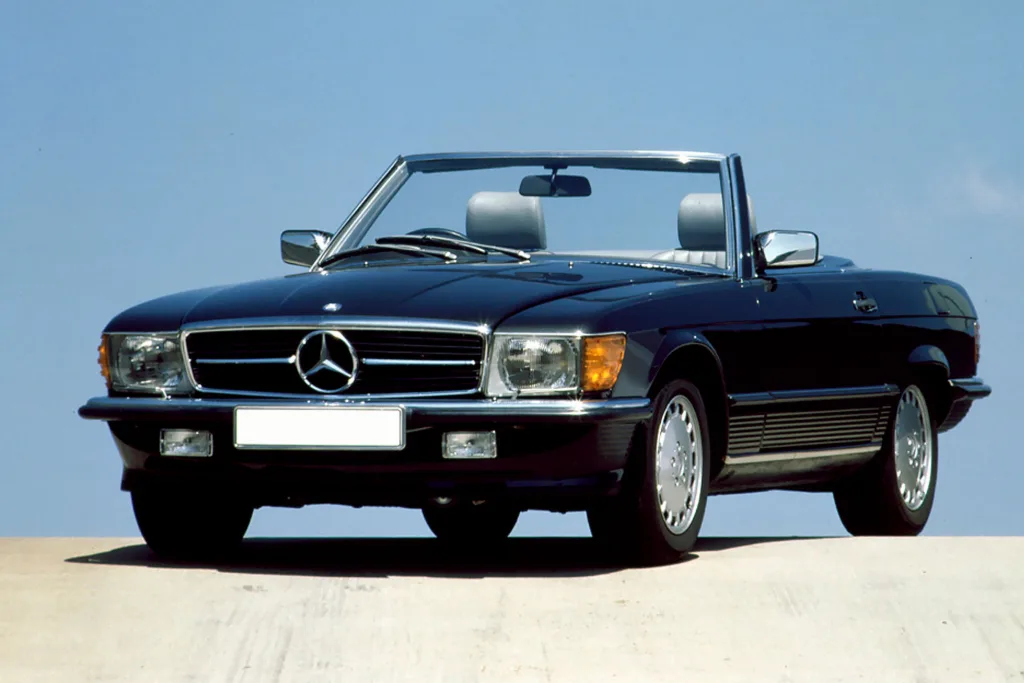
In 1971, Mercedes introduced the 350 SL, emphasizing safety, comfort, and luxury while responding to fuel concerns with more efficient drivetrains. Later SL models like the 500 SL cemented the brand’s dominance in the luxury roadster segment.
The Daimler-Chrysler Merger and Modern Performance
Seeking global scale, Daimler-Benz agreed to a “merger of equals” with Chrysler on 7 May 1998, forming DaimlerChrysler AG. Chrysler gained global reach, while Daimler accessed American volume-car expertise, though cultural clashes and management departures meant the merger fell short of expectations and eventually unraveled by 2007.
Despite the difficulties, Mercedes expanded its lineup, especially with luxury SUVs and increasingly sporty models that reignited enthusiasm among drivers.
Some cars adopted Formula 1-derived technologies, reinforcing Mercedes-Benz as a bridge between early automotive history and modern high-performance engineering.
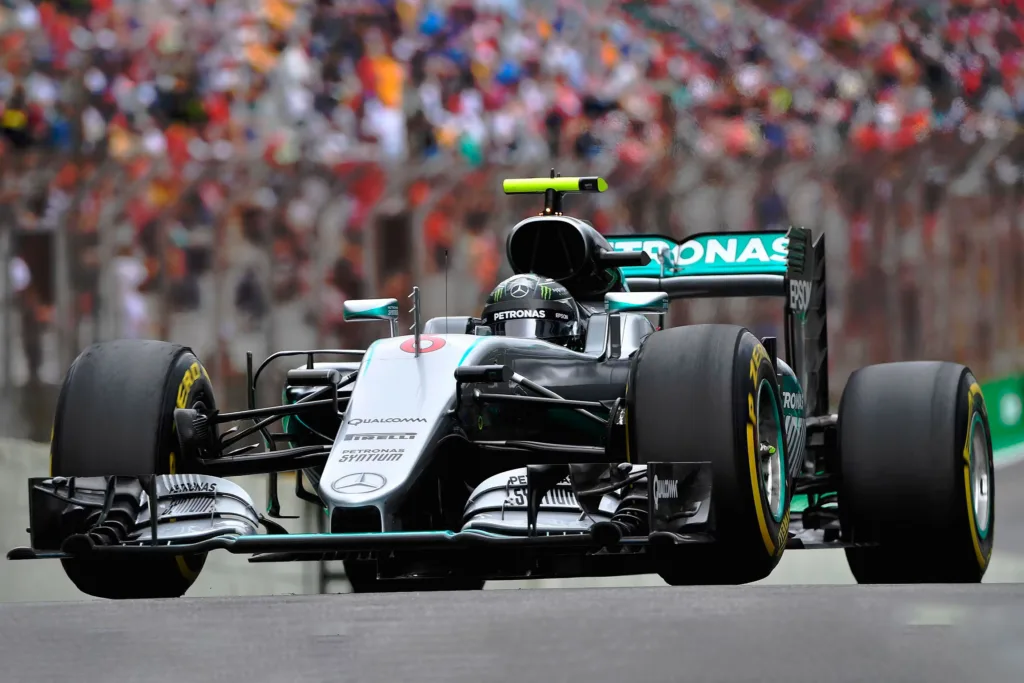
Mercedes-Benz AMG Technology & Electrification
In the 2000s and 2010s, Mercedes-Benz (reorganized as Daimler AG and now Mercedes-Benz Group AG) shifted heavily toward technology, design evolution, and a broader model range. New front-wheel-drive compacts like the A-Class and B-Class brought younger buyers to the brand, while SUVs such as the GLA and GLC ensured a presence in every major segment.
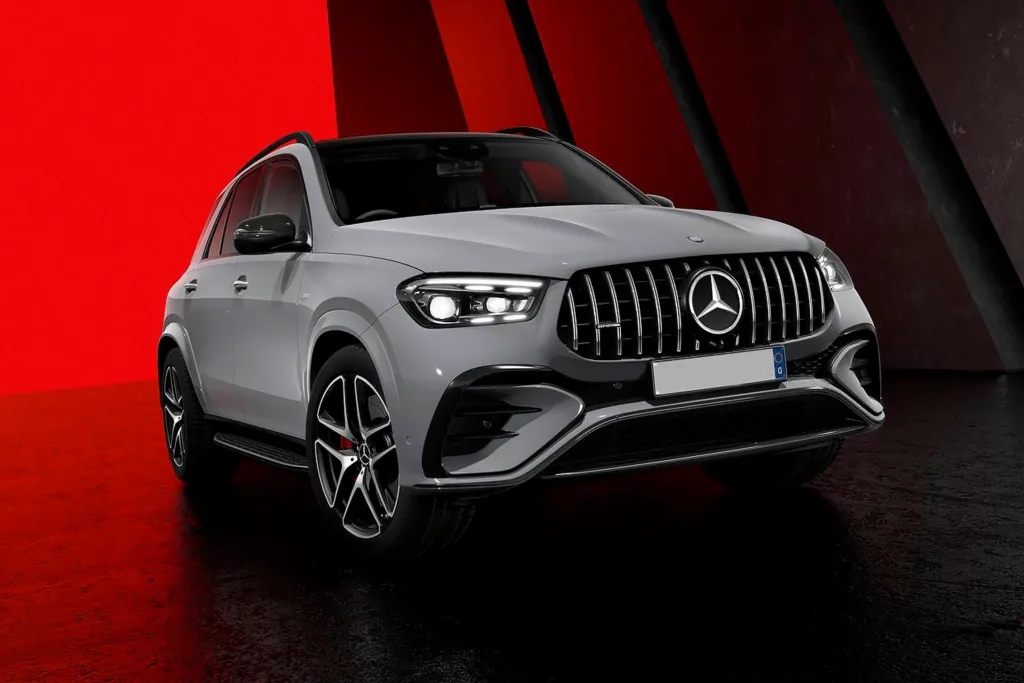
Mercedes-AMG evolved from an external tuner into a fully integrated performance division, offering powerful, often hand-built engines and advanced chassis tuning across most model lines.
This guaranteed that even as the brand grew more luxurious and high-tech, it retained a strong identity in speed and motorsport-inspired performance.
Inside, recent Mercedes models are defined by digital technology, particularly the MBUX infotainment system with large displays, voice control, and augmented-reality navigation. Advanced driver-assistance systems contribute to active safety and semi-automated driving capabilities.
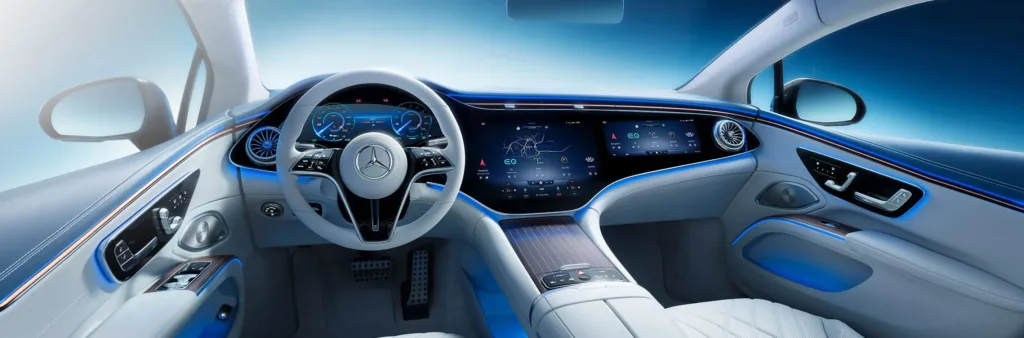
The EQ sub-brand marks Mercedes’ largest shift in decades, focusing on fully electric vehicles such as the EQS flagship sedan and models like EQE, EQB, and EQC that mirror traditional segments with battery-electric alternatives. By combining deep racing and engineering heritage with electrification and digitalization, Mercedes-Benz continues to pursue its founding principle of building the best—or nothing.