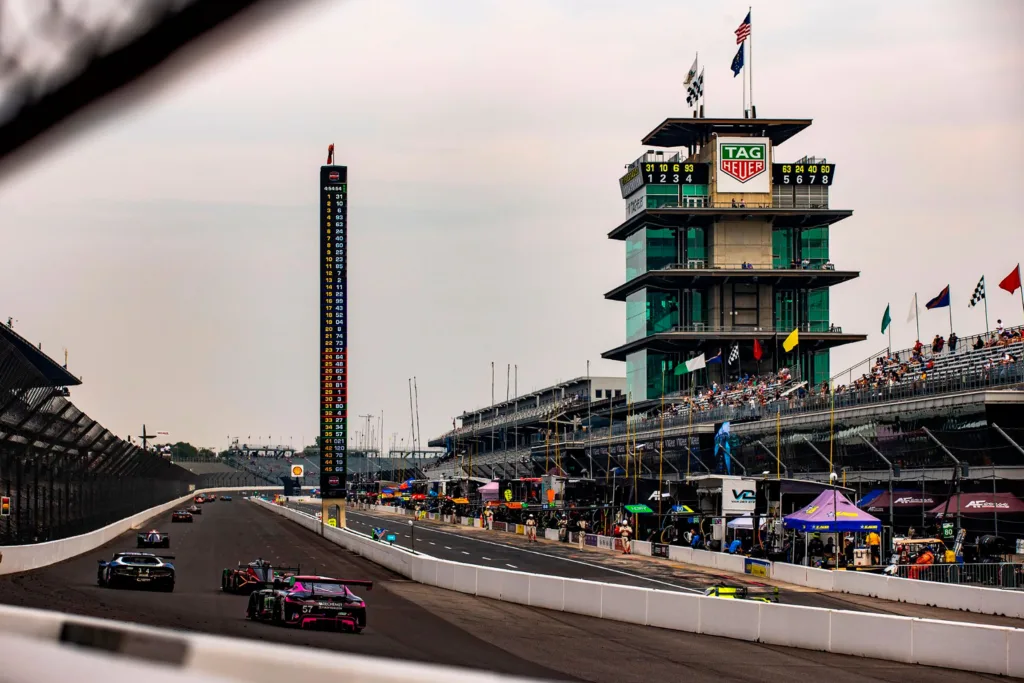
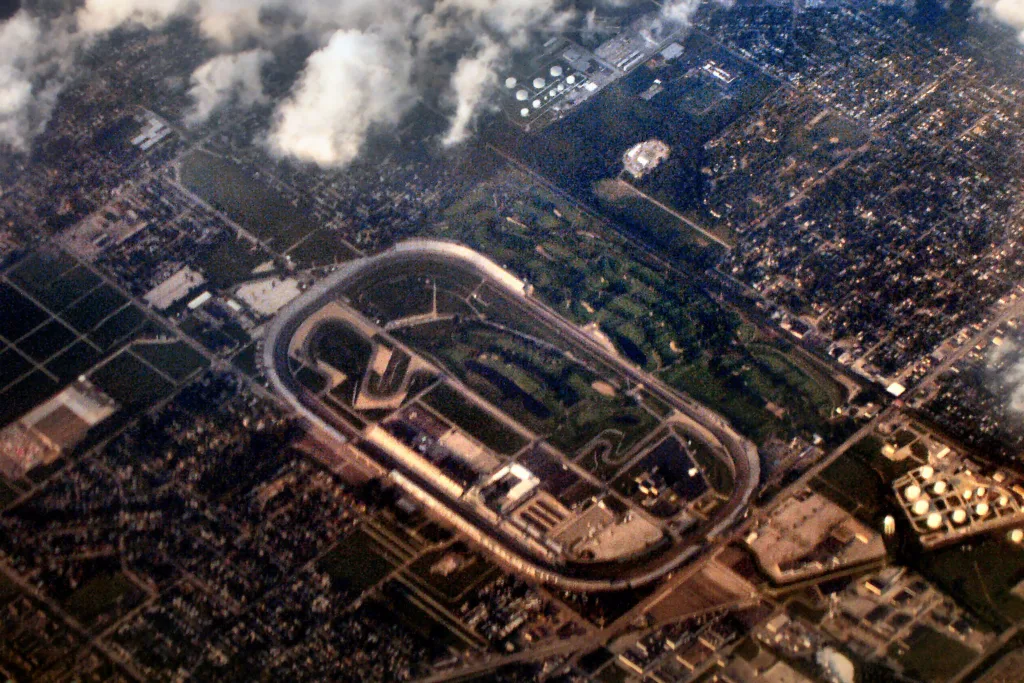
The Indianapolis Motor Speedway, famously known as “The Brickyard,” is a globally revered motorsports landmark that represents over a century of racing heritage, innovation, and unmatched competition. Known as the home of “The Greatest Spectacle in Racing,” this iconic venue transcends the role of a simple speedway and stands as a symbol of automotive ambition and American racing culture.
Origins and the Iconic Bricks
The establishment of the Indianapolis Speedway in 1909 was a monumental undertaking driven by the visionary entrepreneur Carl G. Fisher, who partnered with automotive pioneers James A. Allison, Arthur C. Newby, and Frank H. Wheeler. Their core objective was to create a globally recognized world-class oval track—a sophisticated proving ground desperately needed by the emerging American auto industry to rigorously test and validate new automotive technologies. This commitment to innovation was essential to establish the credibility and performance of American vehicles against European competition.
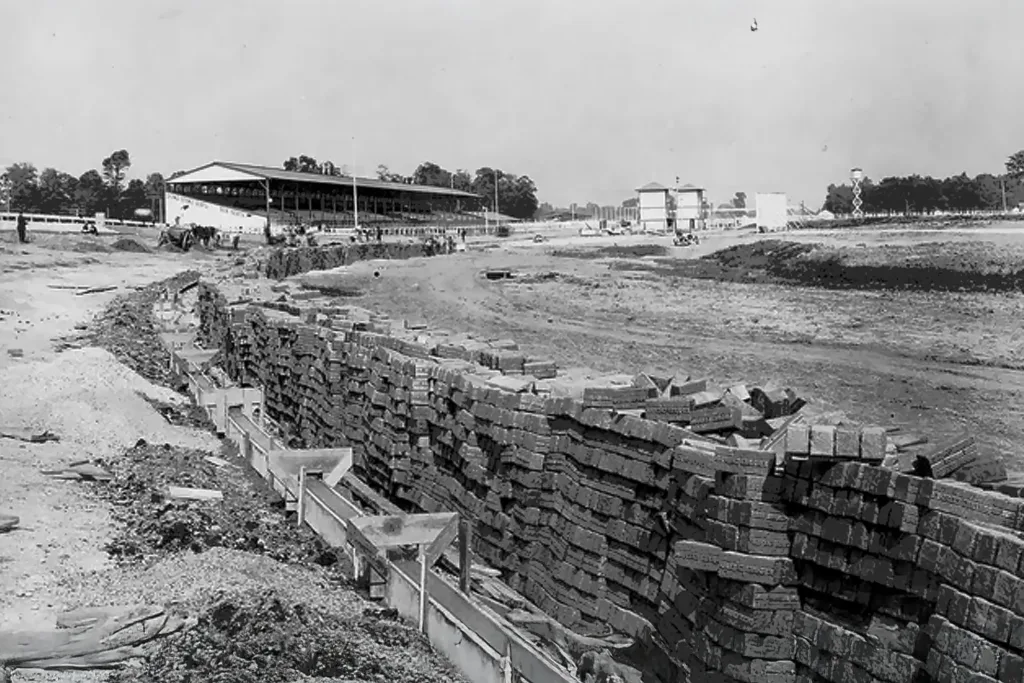
The original track surface, a crude composition of crushed stone and tar, quickly proved inadequate and hazardous after just a few initial events, resulting in dangerous high-speed accidents.
This critical flaw necessitated a massive and swift overhaul. In an unparalleled engineering feat of the era, the entire 2.5-mile surface was repaved with over 3.2 million paving bricks during the winter of 1909-1910.
This Herculean effort gave the Indianapolis Speedway its iconic and enduring nickname: “The Brickyard.”
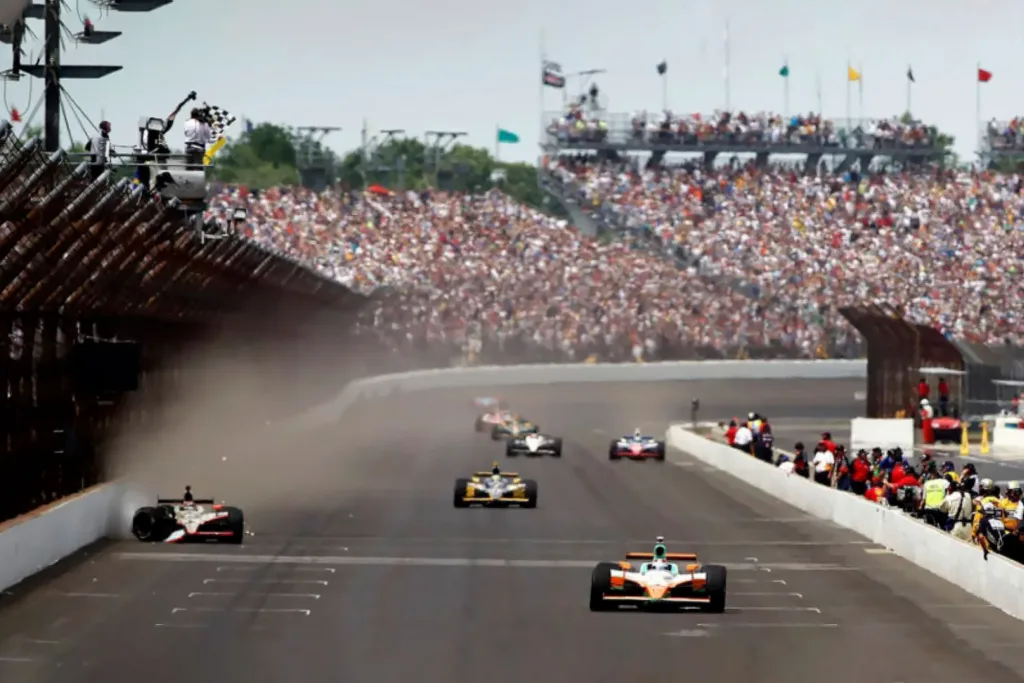
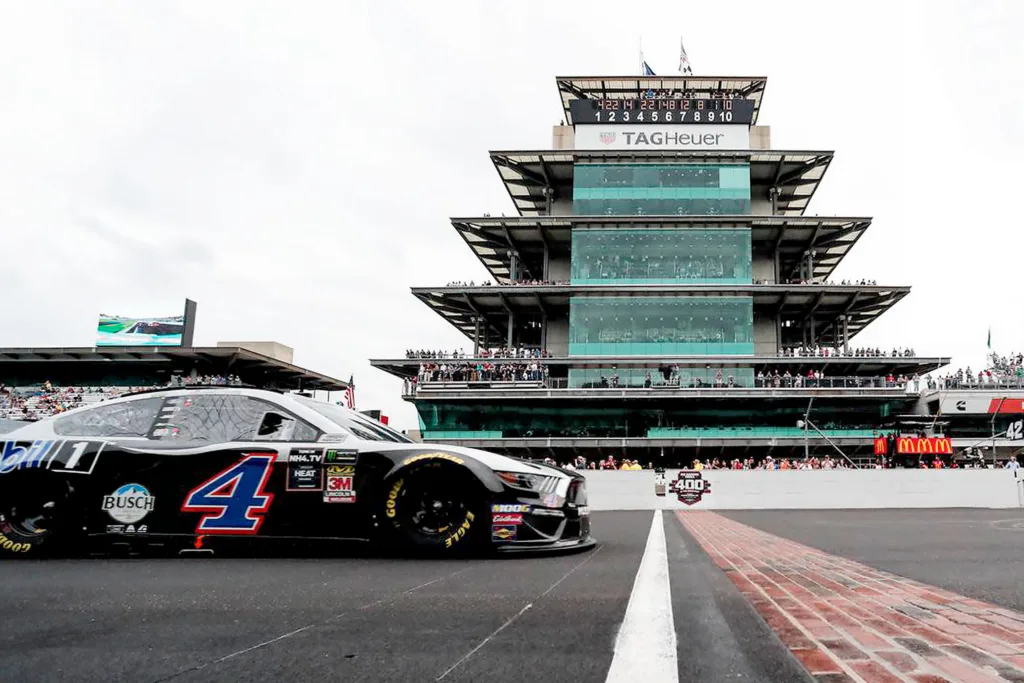
Historical Fact: The initial construction cost of the Speedway was estimated at $1 million in 1909, a monumental sum at the time, which quickly ballooned due to the unexpected cost of repaving with bricks. While the vast majority of the bricks were later covered with asphalt for a smoother, safer surface, a symbolic three-foot-wide strip of the original brick surface remains exposed at the start/finish line. This palpable connection to history is a key element of car culture and ensures that every major event, including the Indianapolis 500, symbolically begins and ends on the very foundation laid over a century ago.
The Birth of the Indianapolis 500
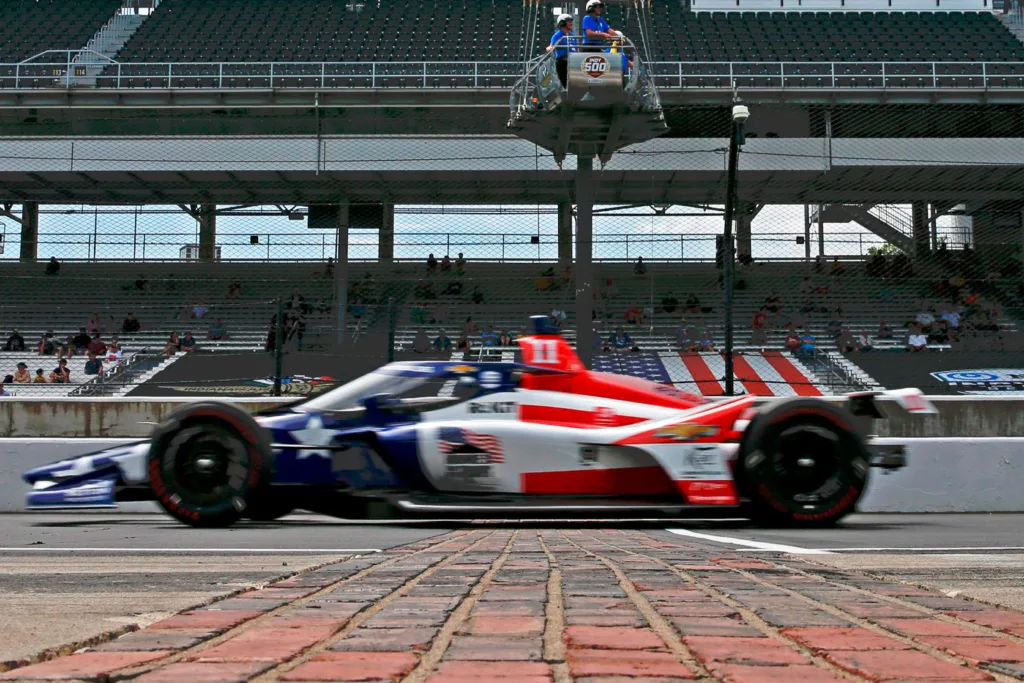
The inaugural Indianapolis 500 in 1911 established the Speedway as a centerpiece of motorsport. Designed as a grueling 500-mile endurance race challenging both driver skill and machine reliability, Ray Harroun’s victory at an average speed of 74.6 mph captured the nation’s imagination.
The event quickly became a Memorial Day tradition with unique rituals such as the winner’s milk-drinking celebration, the ceremonial kiss of the “Yard of Bricks,” and the stirring anthem, “Back Home Again in Indiana”.
Today, it remains one of the world’s largest single-day sporting events, drawing more than 250,000 fans annually.
Racing Beyond IndyCars: NASCAR and Formula 1
The versatility of the Indianapolis Speedway allows it to serve as a vital global hub for diverse, top-tier motorsport disciplines. Its infrastructure is uniquely capable of adapting to the demands of various racing formats, significantly expanding its footprint in the modern car culture landscape.
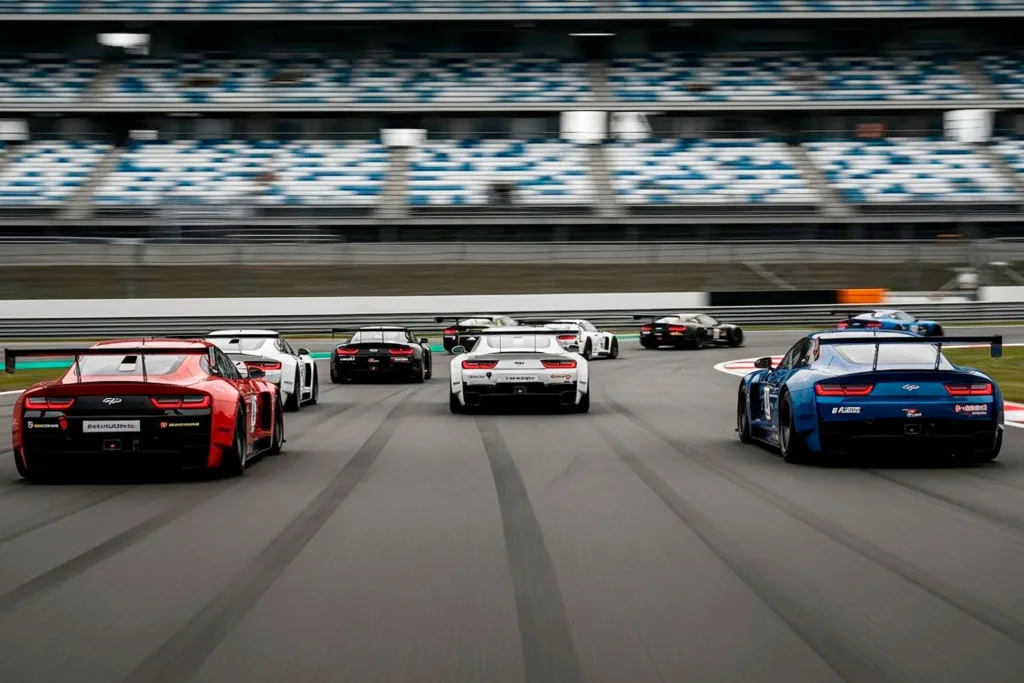
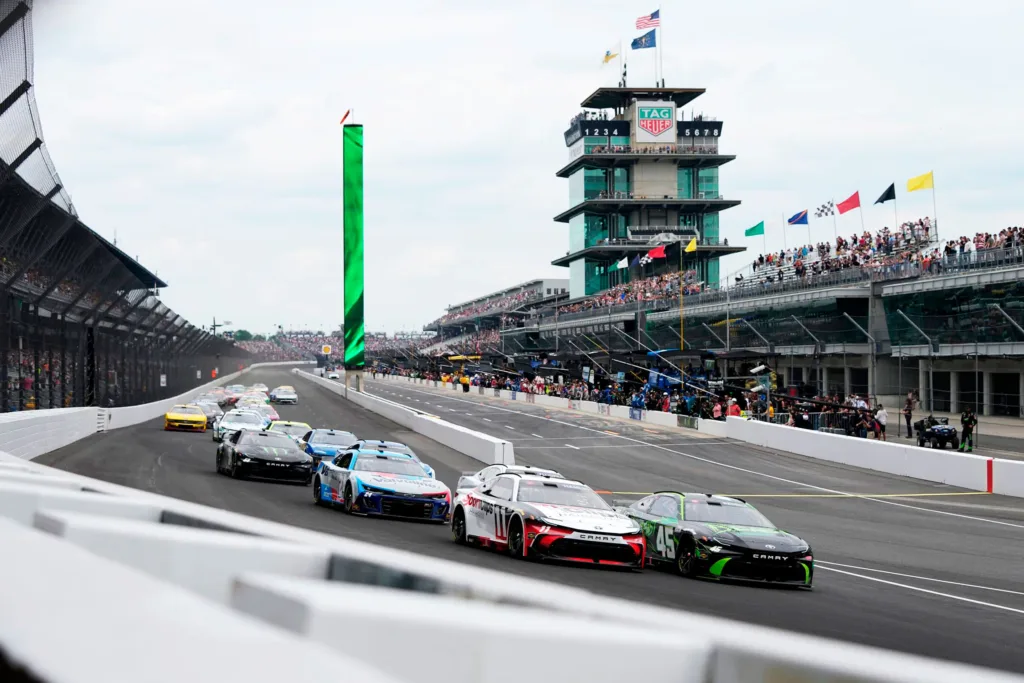
A pivotal moment in the circuit’s history was the 1994 debut of the NASCAR Cup Series. The inaugural Brickyard 400 was not just another race; it was a cultural phenomenon, successfully introducing high-powered stock car action to the hallowed 2.5-mile oval.
The event instantly attracted massive, sold-out crowds, validating the track’s capacity to draw a national audience far beyond its traditional open-wheel base.
The inclusion of NASCAR transformed the Indianapolis Speedway into a true American motorsport anchor, creating a challenging new environment for stock car drivers due to the oval’s notoriously shallow nine-degree banking. While the Cup Series race has since transitioned to the technical infield road course (known as the Verizon 200 at the Brickyard), the legacy of the original Brickyard 400 remains central to the venue’s DNA.
Further cementing its international prestige, the Indianapolis Speedway welcomed Formula 1 from 2000 to 2007 as the host of the United States Grand Prix. For F1, a distinct infield road course was created. This 4.192-kilometer (2.605-mile) track ran counter-clockwise through the infield, featuring heavy braking zones and technical corner sequences, before merging dramatically onto the oval’s front straight, allowing cars to blast past the famous Yard of Bricks.
Though the event experienced turbulence, its eight-year run underscored the Indianapolis Speedway’s engineering capability to meet the stringent requirements of global single-seater racing.
This history ensures that the Brickyard is recognized worldwide as a sophisticated, multi-purpose facility, capable of testing everything from high-downforce open-wheel machines to big, heavy NASCAR stock cars on its challenging asphalt and brick surfaces.
Technical Excellence: The Challenge of the 2.5-Mile Oval
With a deceptively simple 2.5-mile layout featuring shallow 9 12′ banking, the Speedway demands exceptional driver finesse. Compared to the steep banking of Daytona, Indianapolis requires precise throttle control and aerodynamic balance to maintain speed on the long straights without losing grip in corners. The track’s 88-foot width enables strategic drafting and overtaking, while safety innovations like the SAFER barrier protect drivers by absorbing crash forces, illustrating the continuous advancement in motorsport safety at the venue.
Enduring Legacy and Modern Stewardship
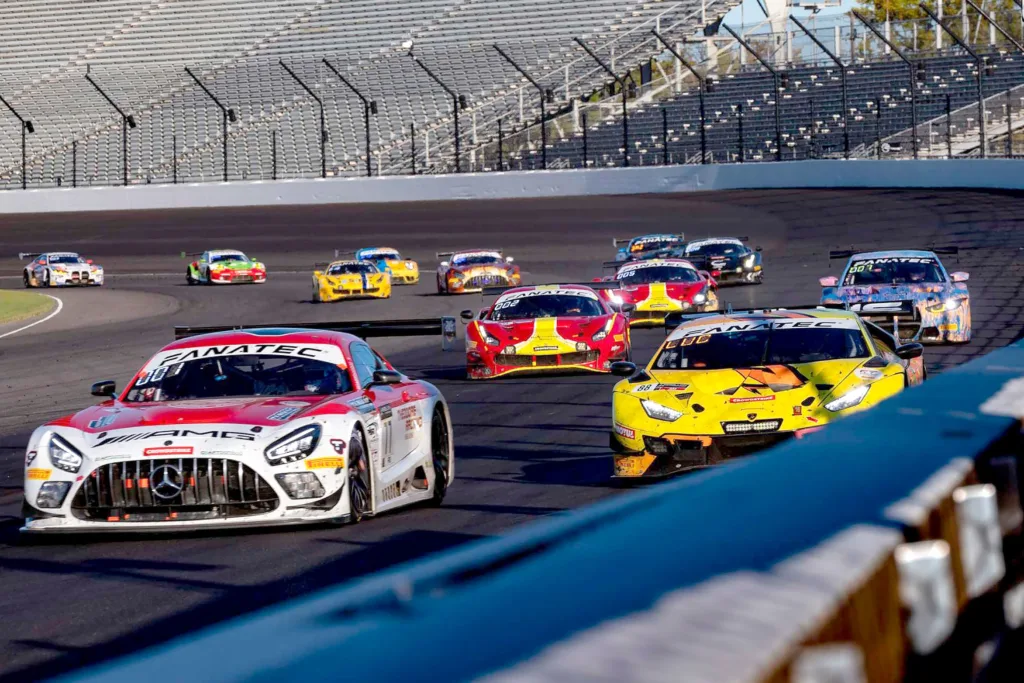
The Indianapolis Motor Speedway has shaped motorsport legends such as A.J. Foyt, Al Unser Sr., Rick Mears, and Hélio Castroneves, each etching their names into the track’s rich history. Its museum preserves a vast collection of historic cars and documents technological breakthroughs in racing that have influenced automotive engineering worldwide. Since Roger Penske’s acquisition in 2019, the Speedway has entered a new era focused on modernization and preserving its legacy, ensuring that “The Brickyard” remains a beacon of innovation, tradition, and racing excellence for generations to come.